中国からの子供用サングラスのFDA登録と米国代理人の確認方法
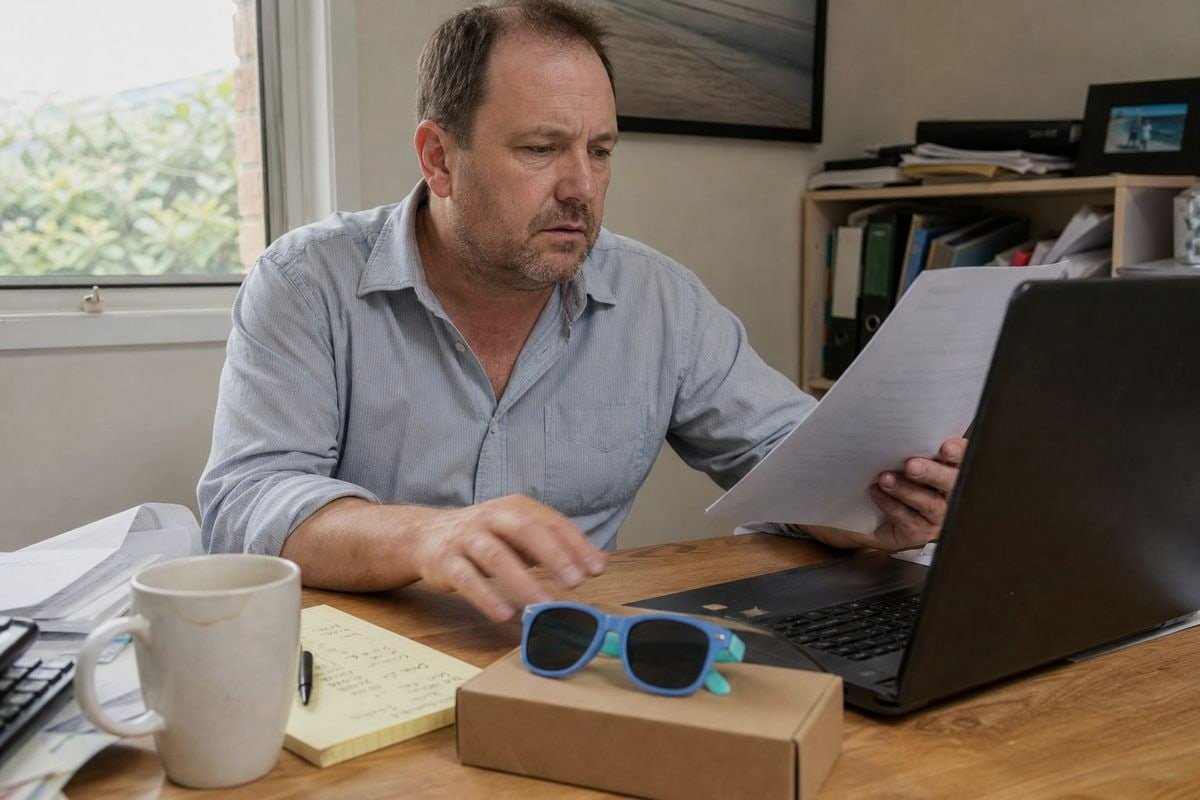
子供用サングラスのFDA登録と米国代理人の確認は、多くの輸入業者がつまずく点です。競合他社からFDAが発行していない「証明書」を受け入れるバイヤーを見てきました。通関で保留になると、彼らの発売は頓挫してしまいます。これは、当社の輸出チームが毎シーズンクライアントが回避できるよう支援している問題です。.
中国からの子供用サングラスのFDA登録と米国代理人を確認するには、工場の正式名称でFDAの公開施設登録およびデバイスリストデータベースを検索し、登録が最新であることを確認し、非処方サングラスのデバイスリストを確認し、米国代理人の氏名と米国内の物理的な住所を要求します。.
これは簡単な説明です。しかし、詳細は重要です。以下に、各確認手順、要求すべき書類、および注文を中止すべき危険信号について説明します。.
中国のアイウェア工場のFDA登録が本物で有効であることをどのように確認しますか?
昨年、オーストラリアのバイヤーが競合工場の「FDA承認証明書」を転送してきて、当社のものと同じかどうか尋ねてきました。FDAはそのような証明書を発行しないため、当社のものとは異なりました。当社の記録はFDA自身のデータベースにあり、誰でも確認できます。.
FDA施設登録および医療機器リストデータベース(FURLSベースの公開記録)を、工場の正確な法人名、10桁の登録番号、または7桁の所有者/運営者番号を使用して検索してください。記録に、現年度の登録があり、サングラスの医療機器リストがあるアクティブな外国施設が表示されていることを確認してください。.
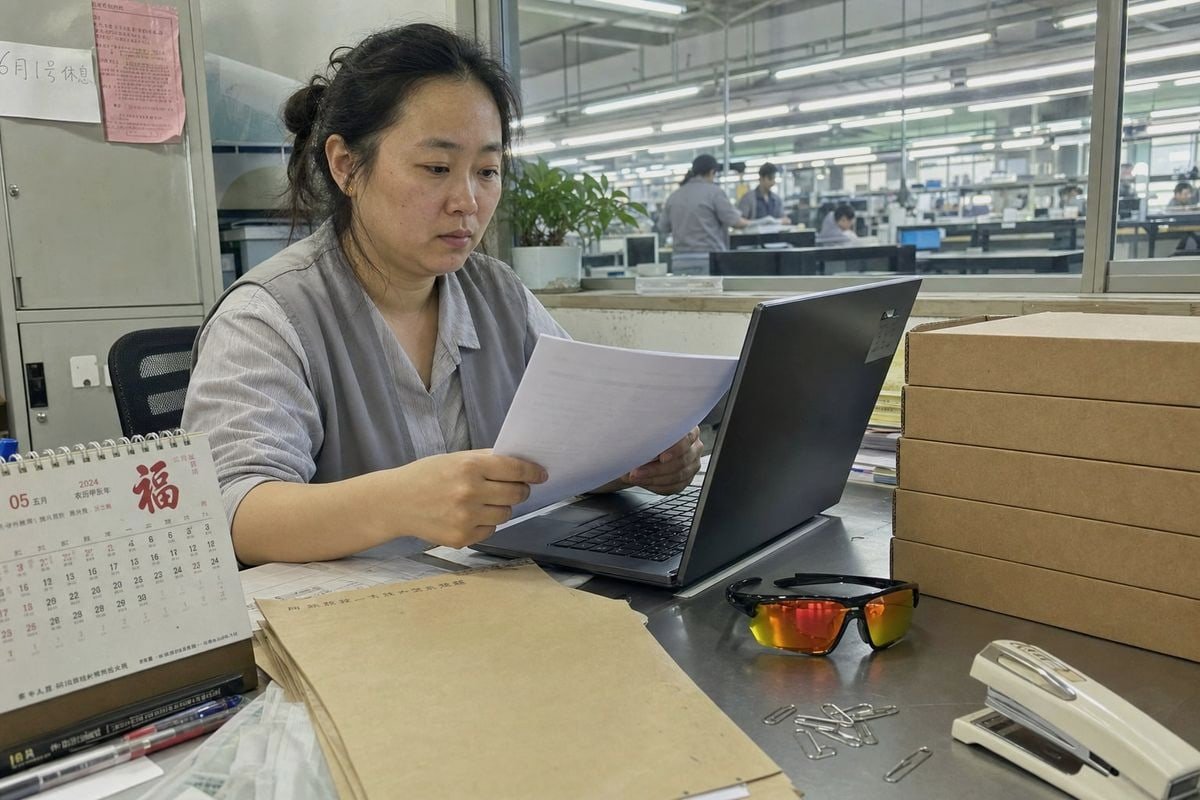
この業界で最も一般的な誤解は、FDA登録がFDA承認と同等であるということです。そうではありません。FDAは、登録番号は施設またはその製品の承認を示すものではないと明確に述べています。子供用スタイルを含む非処方サングラスは、 クラスI医療機器 1 21 CFR 886.5850に基づき、510(k)市販前通知が免除されます。しかし、その免除は「FDAの監視なし」を意味するものではありません。それは、工場が依然として毎年施設を登録し、デバイスをリストし、米国代理人を指名する必要があることを意味します。.
ステップバイステップの確認
- サプライヤーに、英語での法人名、FEI番号(FDA施設識別子)、および所有者/運営者番号を尋ねてください。.
- FDAの施設登録およびデバイスリストデータベースを検索します。これは毎週更新され、検索ごとに最大100の施設が返されます。.
- レコードがサプライヤーの正式名称と正確に一致していることを確認します。取引会社や「姉妹工場」ではありません。"
- 登録ステータス が最新であることを確認します。登録は毎会計年度に更新する必要があり、年間のMDUFAユーザー料金(9,000ドル以上)を支払う必要があります。そうしないと、レコードは失効します。 2 特にFEI番号を確認します。サプライヤーは所有者/運営者番号のみを提供することがよくありますが、これは施設が最終検証を完了したことを確認するものではありません。.
- 番号の意味.
識別子
| 桁数 | 証明するもの | 登録番号 |
|---|---|---|
| 施設が現在の年に登録されていること | 10 | 所有者/運営者番号 |
| 所有エンティティがFDAシステムに存在すること | 7 | FEI番号 |
| 様々 | 施設自体がFDA検証を完了したこと | 10年以上にわたり米国に子供用アイウェアを輸出してきた経験から、真剣なバイヤーはこれら3つすべてを確認します。所有者/運営者番号のみを示すレコードは、不完全な登録であり、不完全な登録は出荷リスクです。 |
FDAの登録データベースは公開されており、検索可能で、毎週更新されているため、どのバイヤーでも無料で中国の工場のステータスを確認できます。.
米国のエージェントはどのような役割を果たし、どのようにすれば適切に割り当てられていることを確認できますか?
すべての.
米国代理人は、FDAと外国の製造業者との間の必須の連絡担当者です。代理人の氏名、米国内の物理的な住所、および電話番号を要求し、代理人が米国に居住しているか、または米国内に実際の事業所を維持していることを確認し、FDAとの任命を確認することにより、あなたの代理人を確認してください。.
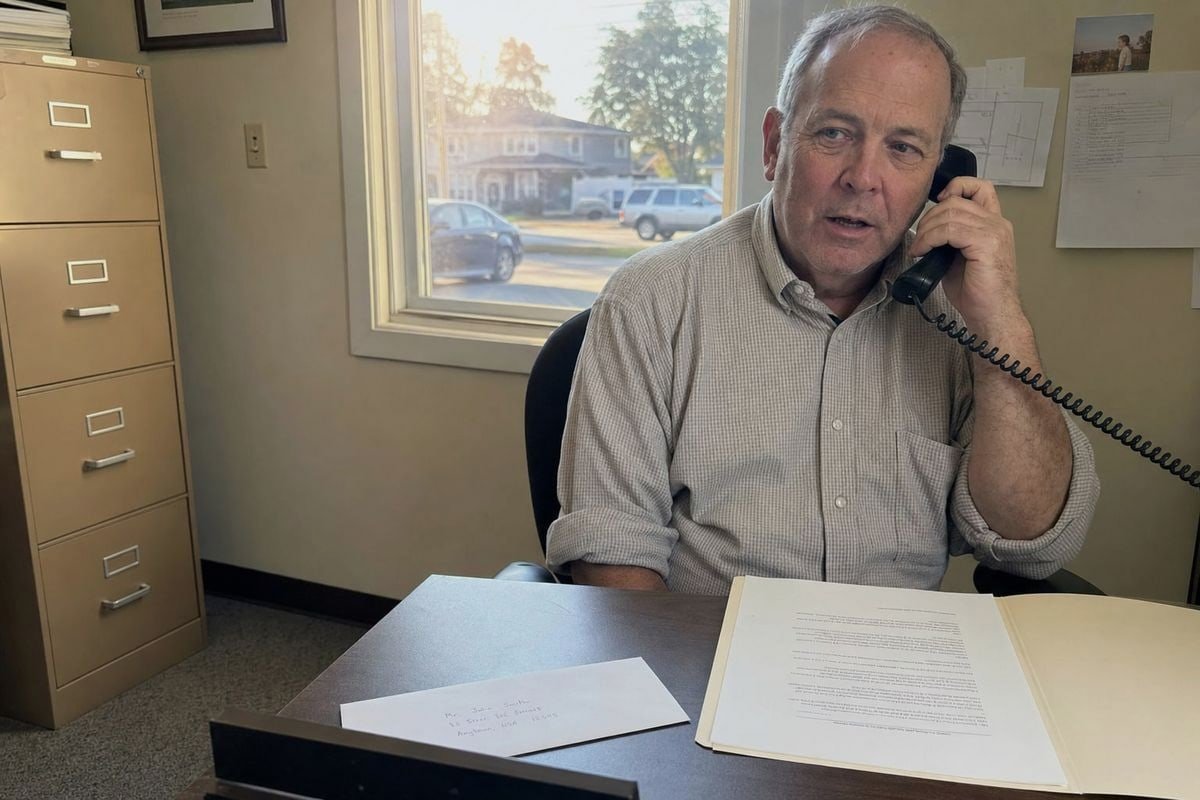
外国施設 がFDAに登録する場合、1つの米国代理人を指定する必要があります。FDAは、この役割のために私書箱や応答サービスを禁止しています。代理人は、本物の 3 物理的な存在 を米国に持つ必要があります。代理人の仕事は、FDAの通信を受け取り、輸入されたデバイスに関する質問に回答し、FDAの検査スケジュール設定を支援することです。当社の台州施設を登録したとき、代理人がFDAの自動システムを通じて任命を確認するまで、プロセスは完了しませんでした。その「アクティブ同意」ステップは重要です。代理人は10日間のウィンドウ内で任命を確認する必要があります。そうしないと、指定は無効になります。 4 米国代理人ではないもの.
ここでバイヤーは混乱します。米国代理人は規制連絡担当者であり、それ以上のものではありません。代理人は通関を行わず、商品の法的責任を負わず、製品テストを置き換えるものではありません。
役割.
| 担当 | 任命者 | 米国代理人 |
|---|---|---|
| FDAの通信、検査スケジュール設定 | 外国の製造業者 | 輸入者 |
| 通関、関税、法的責任 | 通関、関税、法的責任 | The buyer/importer |
| Testing Lab | Impact resistance and safety testing | Manufacturer or buyer |
Practical checks before you order
Ask your supplier three direct questions. First: who is your U.S. Agent, by name and street address? Second: is that agent named in your current FDA registration record? Third: can the agent actually answer a phone call during U.S. business hours? A supplier who dodges these questions probably listed a generic consultant who consented once and vanished. We keep our agent's details ready to share with any buyer who asks, because transparent answers here are the cheapest trust-building tool a factory has.
大量注文をする前に、サプライヤーからどのようなFDA文書をリクエストすべきですか?
Before our 5S-managed workshop releases any children's shipment, our QC team assembles a document pack. I built that habit after seeing a client's container flagged because a frame assembler supplied a lens certificate it had no right to issue.
工場のFDA登録番号と今年度の確認書、非処方サングラスの製品コードHQYを示す医療機器リスト、指定された米国代理人の詳細、および実際のレンズ製造業者によって発行された21 CFR 801.410落下ボール試験証明書を要求してください。.
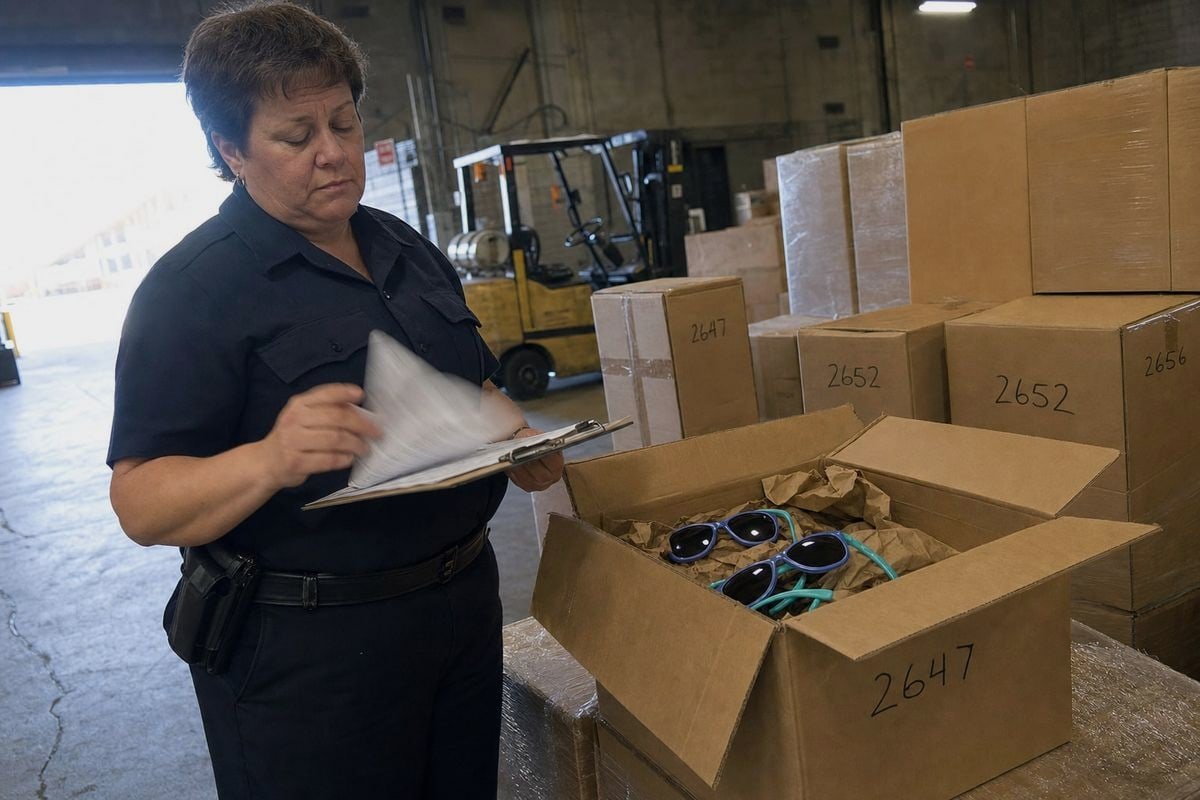
Documents are where compliance becomes real. A database record proves the establishment exists. The document pack proves this specific product, in this specific shipment, is import-ready. Here is the full set I recommend every buyer collect before wiring a deposit.
The essential document pack
| 文書 | 登録番号 | Common red flag |
|---|---|---|
| FDA registration confirmation | Establishment is registered for the current fiscal year | Expired year or mismatched legal name |
| Medical Device Listing (product code HQY) | The sunglasses model is listed as a Class I device | Listing covers frames only, not sunglasses |
| U.S. Agent details | A valid U.S.-based agent is appointed | Only an email address, no street address |
| Drop Ball Test Certificate | Lenses meet impact resistance requirements under 21 CFR 801.410 5 | Certificate issued by a frame-only assembler |
| MDUFA fee receipt | Annual user fee is paid, registration has not lapsed | Supplier cannot produce a current receipt |
Why the Drop Ball Test source matters
Under 21 CFR 801.410, sunglass lenses must be impact resistant. The standard test drops a steel ball onto the lens from a set height. Here is the trap: certificates provided by frame-only assemblers are frequently rejected during U.S. Customs audits, because the assembler never tested the lenses. The certificate must trace back to the actual lens manufacturer. When we build UV400 or polarized lenses into our TR90 and TPEE children's frames, we keep the lens-level test documentation matched to each batch, so the paper trail survives an audit.
Also verify the "FDA registered" wording on any document. If a supplier's paperwork claims "FDA approved" or "FDA certified," treat the entire pack with suspicion — those phrases signal either ignorance of the rules or deliberate misrepresentation.
米国市場への子供用サングラスの輸入におけるコンプライアンスリスクを回避するにはどうすればよいですか?
Weighing lens hardness against frame flexibility is a trade-off our engineers face on every new children's style. U.S. compliance forces the same discipline: two separate regulatory regimes apply at once, and satisfying only one leaves you exposed.
コンプライアンスリスクを回避するには、両方の規制を満たす必要があります。FDAの登録、デバイスリスト、耐衝撃性レンズに関する規則に加え、CPSIAに基づくCPSCのコンプライアンス基準では、12歳以下の子供向けに設計された製品に対する第三者検査、児童製品証明書、および永久的な追跡ラベルが必要です。.
This is the layer many first-time importers miss entirely. Kids' sunglasses sit at the intersection of two U.S. agencies. FDA treats them as eyewear — a Class I Medical Device with registration, listing, and impact resistance requirements. CPSC treats them as a children's product, which triggers a completely different checklist under CPSIA.
The children's product overlay
For children's sunglasses, CPSIA generally requires third-party testing at a CPSC-accepted laboratory for lead content 6 and, where applicable, phthalates. The importer must then issue a 、またはCPCは、中心となる文書です。米国法では、輸入者または国内製造者が発行する必要がありますが、CPSC認定検査機関からの合格テスト結果に基づいている必要があります。サプライヤーの自己申告に基づいて有効なCPCを発行することはできません。 7 based on those test reports. The product also needs a permanent tracking label identifying the manufacturer, production date, and batch. None of this appears in FDA's FURLS database — it is a parallel obligation, and FDA registration does nothing to satisfy it.
Some buyers push back and tell me their supplier said FDA registration "covers everything." It does not, and I would rather lose a quick sale than let a client believe that. Our flexible TPEE and TR90 materials were chosen partly because they test cleanly for children's chemical requirements, but every buyer still needs batch-level lab reports to support their own Children's Product Certificate.
A practical risk-reduction workflow
- Verify FDA registration, device listing, and the U.S. Agent before sampling.
- Confirm the Drop Ball Test Certificate traces to the lens maker.
- Commission or collect CPSIA third-party tests for the exact production batch.
- Prepare the Children's Product Certificate before goods ship.
- Check tracking labels are molded or printed on the product and packaging.
- Keep all records organized for customs and retail platform audits.
Treat any supplier who cannot support this workflow as a risk signal, not a bargain. Customs delays, Amazon delistings, and recall exposure all cost far more than the price difference between a compliant factory and a cheap one.
結論
Verify the FDA record, confirm a real U.S. Agent, collect batch-level documents, and add the CPSIA layer. Do these four things, and your kids' sunglasses import stands on solid ground.
脚注
1. Official FDA guidance on medical device classification and Class I device panels. ↩︎
2. FDA instructions for verifying and maintaining active establishment registration and device listings. ↩︎
3. Updated FDA URL for registration and listing requirements. ↩︎
4. FDA requirements for U.S. Agents, including the necessity of a physical U.S. location. ↩︎
5. Official FDA regulation detailing impact resistance requirements for all sunglass lenses. ↩︎
6. CPSC guidance on lead content limits and testing for children’s products under CPSIA. ↩︎
7. CPSC requirements and instructions for importers to issue a Children’s Product Certificate. ↩︎



 English
  Español de México
  Deutsch
  Français
  日本語
日本語  العربية
  Português do Brasil