How to Request Rework or Sorting for Defective Kids Sunglasses in Bulk Orders?
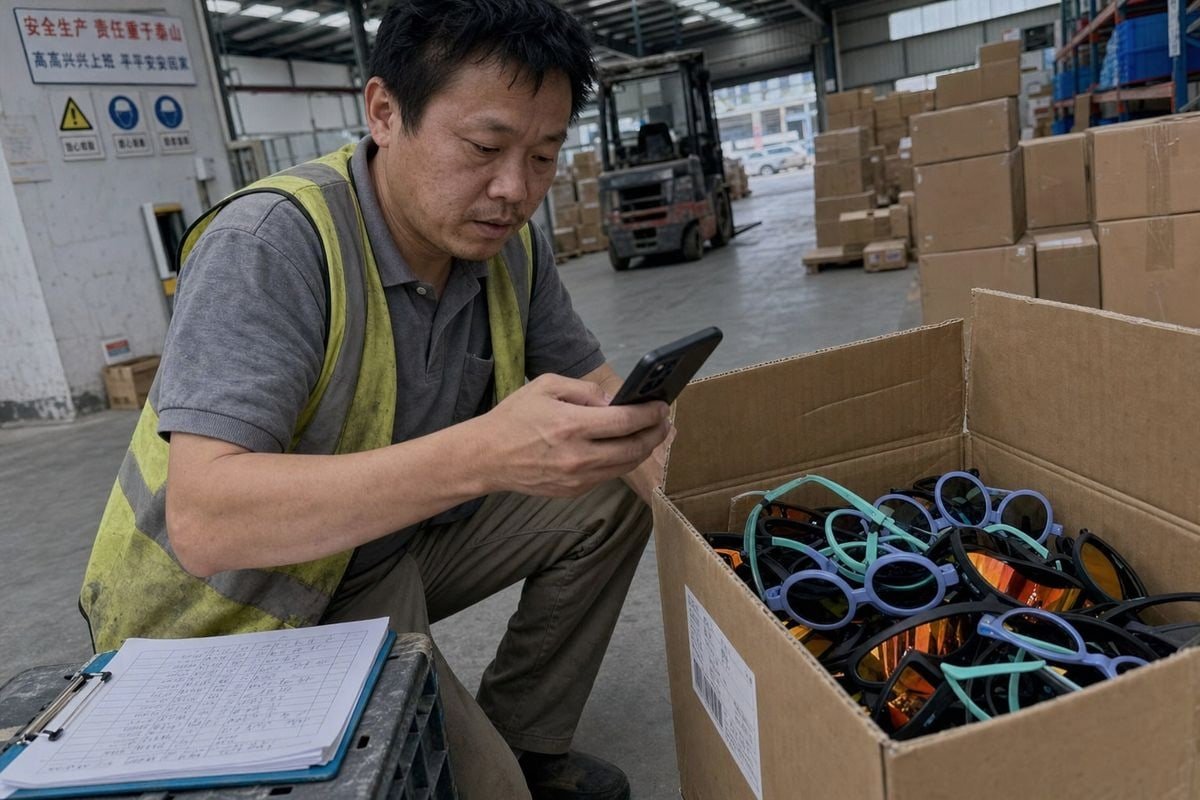
A container of kids sunglasses arrives with defects, and suddenly your launch date is at risk. On our production line in Taizhou, I’ve seen how fast that panic spreads.
To request rework or sorting for defective kids sunglasses in bulk orders, document defects with photos and a defect log, quote your order and batch numbers, state the remedy you want (rework, sorting, replacement, or credit), and submit a written claim through the supplier’s return authorization process.
That is the short answer. The rest of this guide walks you through each step, so your claim gets approved fast instead of stalling in email chains.
How do I identify and document defects before requesting rework or sorting?
Last year, a buyer emailed me one blurry photo and the word "broken." We wanted to help, but we could not act on it. Documentation decides how fast a claim moves.
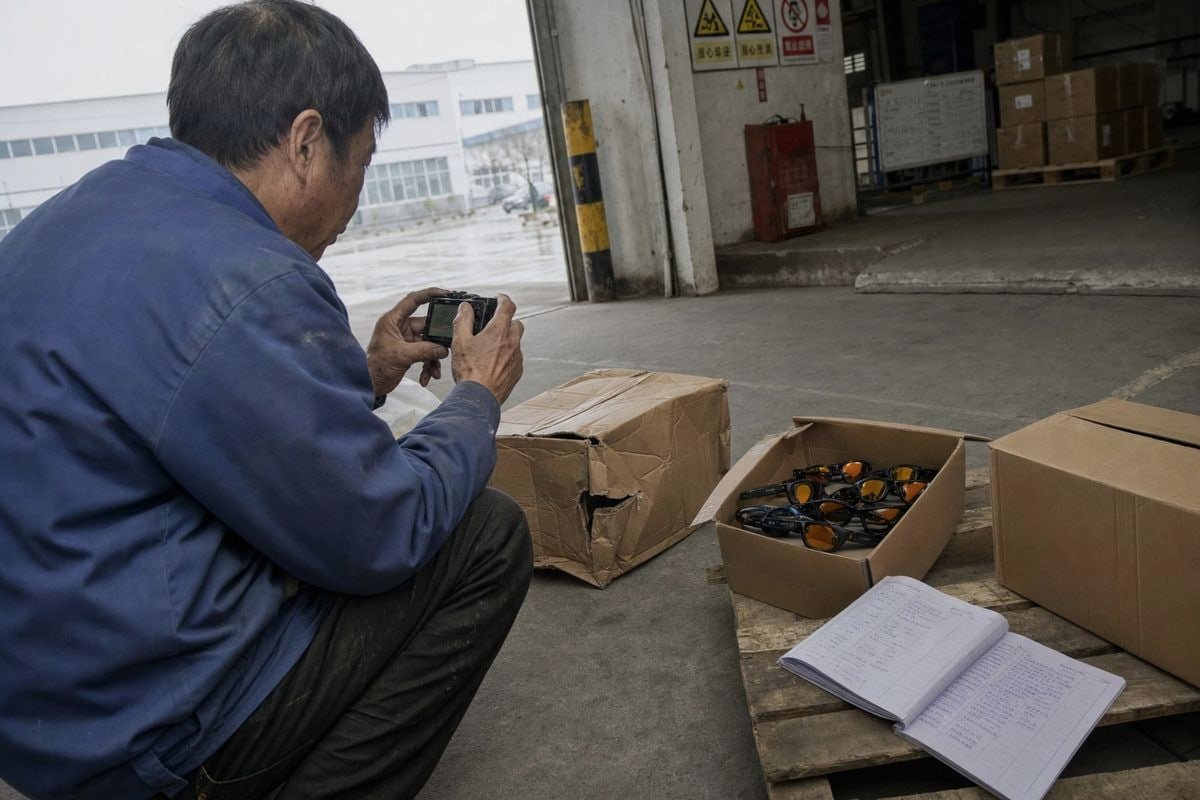
Identify defects by inspecting a random sample across cartons, then log each fault by SKU, batch number, and quantity. Document everything with high-resolution photos and video, record the discovery date, and separate manufacturing defects from transit damage before submitting your claim.
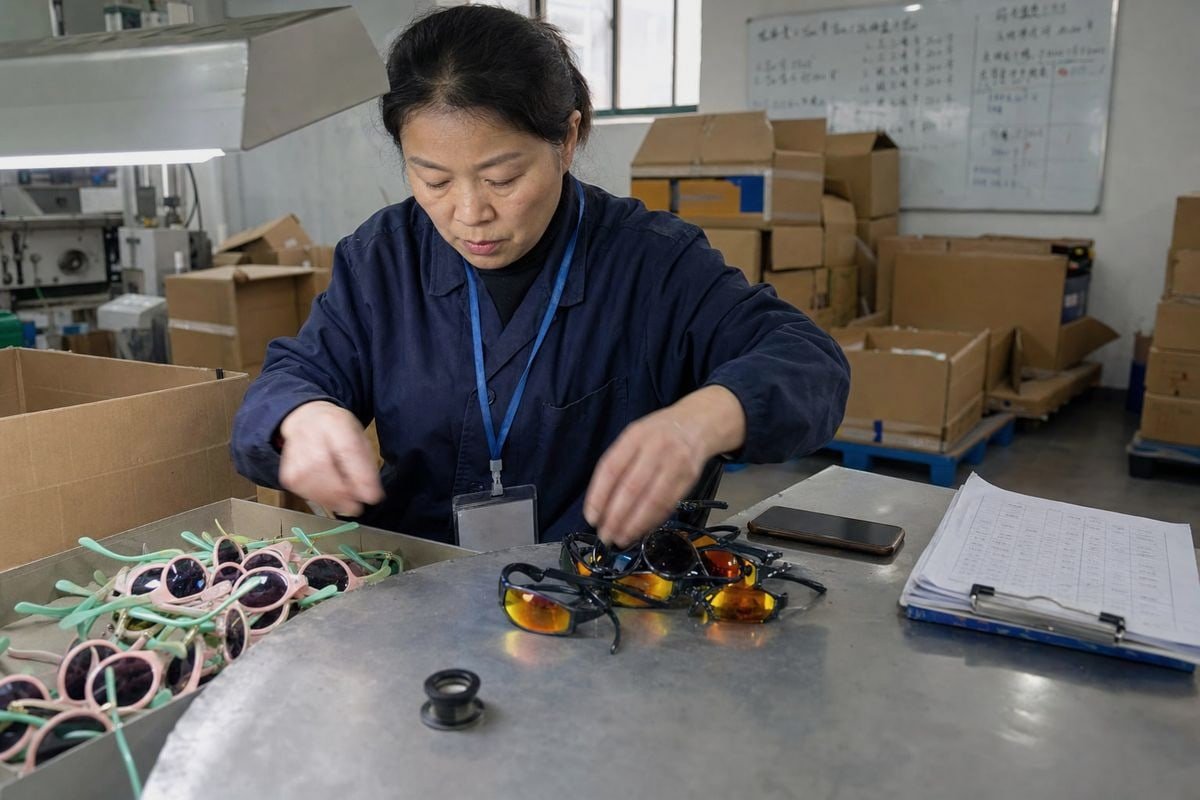
In our 5S-managed workshop, every outgoing lot of TR90 1 and TPEE kids frames passes a Quality Control Inspection before shipment. But defects can still slip through, or damage can happen in transit. Your job as the buyer is to build a claim file that leaves no room for argument.
Know what counts as a defect in children's eyewear
Kids sunglasses have stricter functional demands than adult styles. Small faces, rough handling, and safety expectations raise the bar. Common defects include:
- Scratched, warped, or delaminating lenses
- Misaligned temples or loose hinge screws
- Cracked frames or brittle temple tips
- Wrong tint, missing UV400 coating 2, or inconsistent mirror finish
- Color variation between cartons within the same batch
- Packaging or labeling errors on retail-ready boxes
Build a defect log the supplier can act on
Do not just count "bad pieces." Structure your findings. Here is the format we ask our own buyers to use, because it lets us trace the problem back to a specific production run:
| Field | Example entry |
|---|---|
| Order / PO number | PO-2024-0387 |
| SKU and style | Wraparound shield, glossy black, orange mirror lens |
| Batch or carton ID | Carton 14 of 40 |
| Defect description | Hinge screw loose, temple wobbles |
| Quantity affected / inspected | 18 of 120 sampled |
| Discovery date | Within 5 days of receipt |
| Photo/video reference | IMG_014–IMG_031 |
Also distinguish manufacturing defects from transit damage. Crushed cartons with cracked frames point to the freight forwarder. A consistent hinge fault across cartons points to the factory. That distinction determines who bears financial responsibility, so photograph the outer cartons before you open them.
What is the difference between rework and sorting, and how do I know which one my order needs?
Buyers often ask us to "just fix it," but rework and sorting are different operations with different costs and timelines. Choosing the wrong one wastes weeks.
Rework means the supplier repairs or remanufactures defective units, such as re-tightening hinges or replacing lenses. Sorting means inspecting the lot to segregate good units from bad ones. Choose sorting when defects are scattered; choose rework when a fixable fault is widespread.
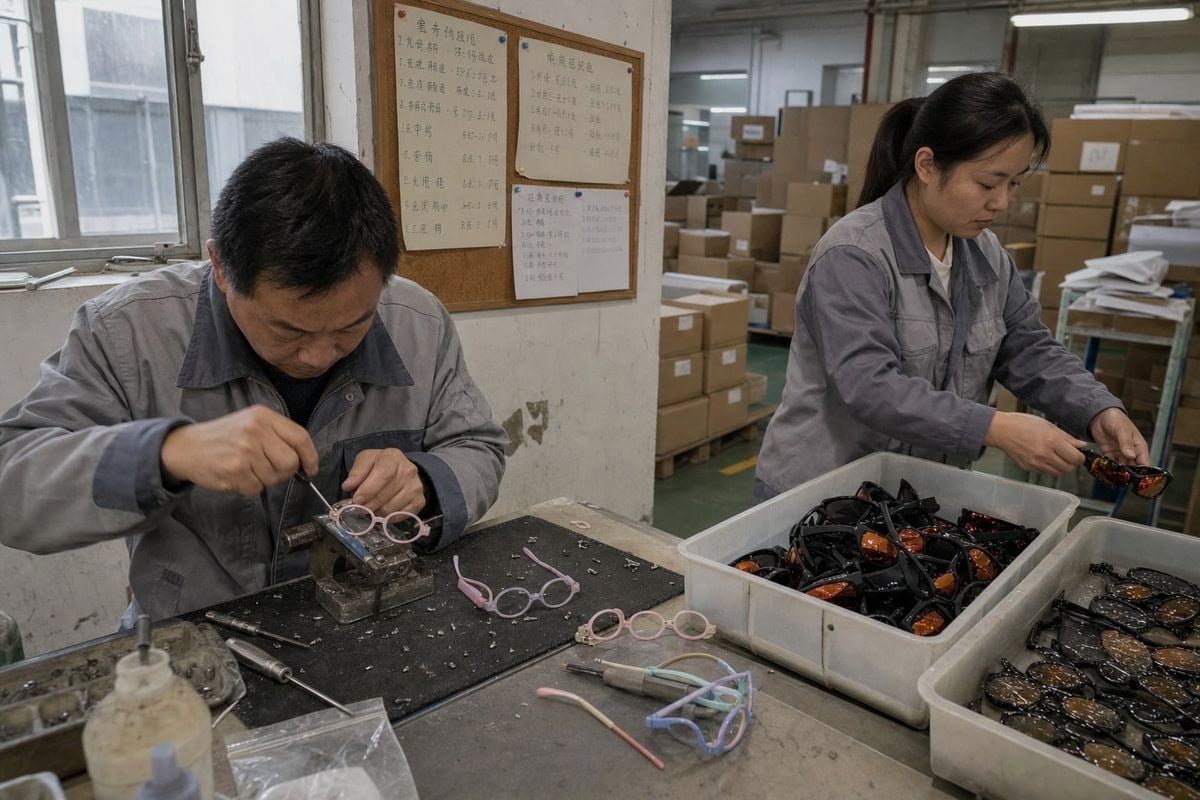
At our factory, we weigh this trade-off constantly. If a batch of pastel round frames has ten percent loose screws, rework is cheap and fast. If the mirror coating is inconsistent across a shield-lens run, sorting first tells us whether rework is even worth it. Start with a scannable comparison:
| Remedy | What happens | Best when | Typical impact on timeline |
|---|---|---|---|
| Sorting | 100% or sample inspection; good units released, bad units segregated | Defect rate is low or unknown | Fastest; usable stock ships now |
| Rework | Defective units are repaired or remanufactured | Fault is consistent and fixable | Moderate; days to weeks |
| Replacement | New units produced to replace defects | Rework is impractical or unsafe | Longest; new production run |
| Refund / credit | Money back or credit note | Defects are widespread; deadline passed | Immediate financially, but no stock |
Use AQL to make the decision objective
AQL Standards 3 give you a neutral trigger. If your pre-agreed AQL level is exceeded during Batch Sample Testing, that result justifies mandatory 100% sorting of the lot, not just a spot fix. We recommend writing this threshold into your Supplier Liability Agreement or purchase contract as a "batch failure" clause. If defects exceed the agreed Manufacturing Defect Rate, the contract should allow free rework, sorting at the supplier's cost, or full rejection.
Factor in safety for children's products
For kids eyewear, safety changes the math. A cosmetic scratch may pass sorting. A hinge that pinches small fingers or a lens without proper UV protection should never be "sorted in." Reworked units that receive new adhesives or coatings may also need re-verification against CPSC Safety Compliance 4 requirements for your market. When in doubt, ask the factory to confirm the reworked components still meet the original specification.
How do I communicate defect issues clearly to my manufacturer to avoid delays?
One lesson from fifteen years of exporting kids eyewear to twenty-plus countries: the claims that get resolved in days are the ones written like reports, not the ones written in anger.
Communicate defects in one written claim: summarize the order, quantity affected, and defect type in the first paragraph; state the exact remedy requested; attach photos, the defect log, and invoice; and set a clear response deadline. Follow the supplier's return authorization process.
When a buyer sends us a clear, factual claim, our team can open a Corrective Action Plan 5 the same day. When the claim is vague, we have to ask follow-up questions, and every question adds a day. Here is how to write a claim that skips the back-and-forth.
Structure your claim message
- Summary first. One paragraph: what you ordered, how many units, what is wrong, and what you want.
- State the remedy. Say explicitly whether you want rework, sorting, replacement, credit, or refund. Do not make the supplier guess.
- List the evidence attached. Invoice, photo folder, defect log, carton photos.
- Set a deadline. A reasonable window, such as five business days for a response.
- Keep the tone professional. Facts, dates, and quantities — not emotion.
A short example opener: "Regarding PO-2024-0387 (2,000 units, periwinkle round kids frames): our incoming inspection found loose hinge screws on 18 of 120 sampled units, a 15% defect rate. We request sorting of the full lot at your cost plus rework of affected units. Evidence attached. Please confirm your Corrective Action Plan within five business days."
Why written claims protect you
Written documentation creates a timestamped record of the defect count and the notice date. In bulk disputes, later negotiations almost always hinge on what was reported and when. Many suppliers, including us, also require a Return Authorization step before any goods ship back. This is not stalling — it prevents units from being returned to the wrong warehouse or reworked without an approved specification. Ask for the RA number in your first message so the process starts immediately.
What quality control steps can I take to prevent defective bulk orders in the future?
A procurement manager from Australia once told me she would rather pay for inspection twice than negotiate a claim once. After watching hundreds of orders leave our floor, I agree with her.
Prevent defective bulk orders by agreeing on written acceptance criteria and AQL levels before production, approving a golden sample, requiring pre-shipment inspection by the factory or a third-party service, and tracking each supplier's defect rate on a vendor scorecard over time.
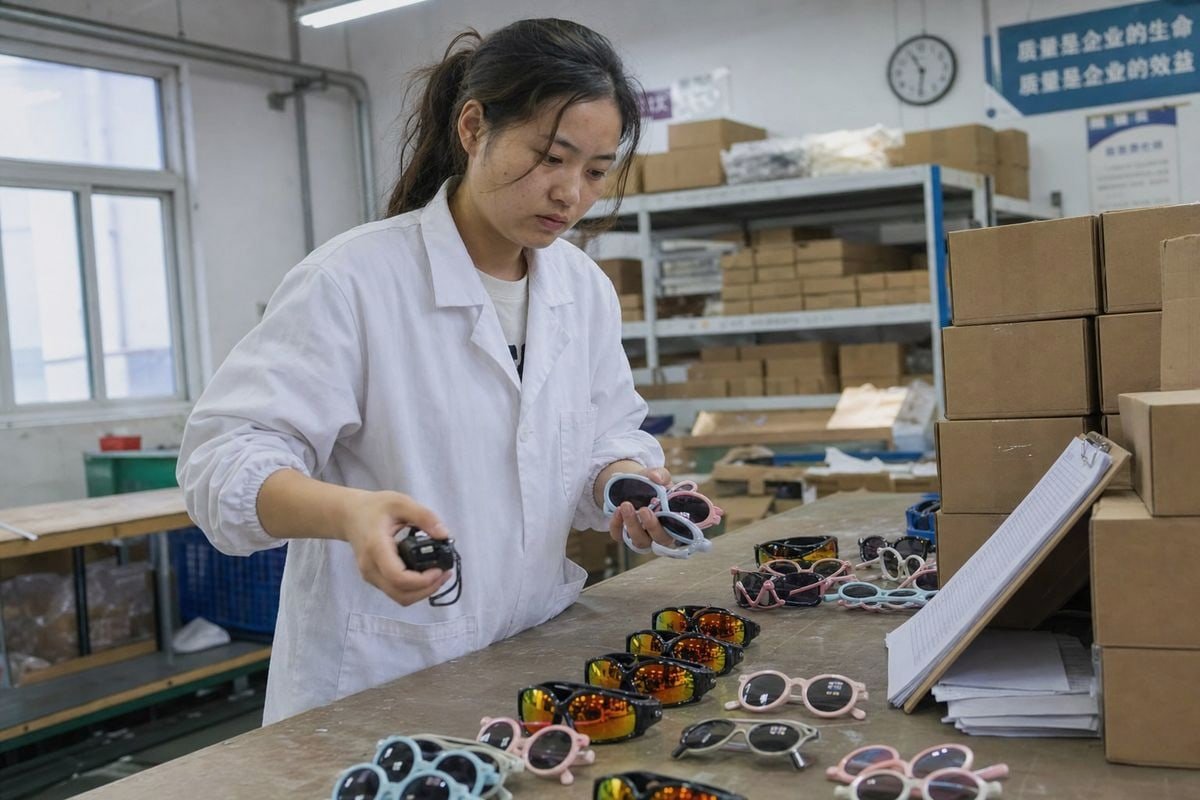
Prevention is a system, not a single checkpoint. Our own Quality Assurance Protocol for TPEE and TR90 kids frames runs from raw material checks to final carton audits, and the buyers who engage with that system early almost never file claims. Here is a practical prevention framework you can apply to any eyewear supplier:
| Stage | Action | What it prevents |
|---|---|---|
| Before PO | Define acceptance criteria, AQL level, and batch-failure clause in the contract | Disputes over what "defective" means |
| Sampling | Approve a signed golden sample for color, fit, lens coating, and packaging | "That's how it always looks" arguments |
| During production | Request in-line inspection photos or video of hinge assembly and lens fitting | Systemic faults repeating across the run |
| Pre-shipment | Book a factory or Third-party Sorting Service inspection to AQL | Shipping a bad lot at all |
| After receipt | Incoming sample check within days of arrival; log results | Late claims that suppliers can reject |
| Ongoing | Maintain a vendor scorecard 6 tracking defect rates per order | Slow quality drift over multiple orders |
Make safety part of acceptance criteria
For children's products, write compliance into the checklist, not just cosmetics. Confirm UV400 lens performance, frame flexibility, and any chemical-safety documentation your market requires before the goods ship. Reworked or replacement units should meet the same criteria as the original approved sample.
Choose suppliers who welcome inspection
A factory confident in its process will invite third-party inspectors 7 onto the floor. We host them regularly, because a neutral report protects both sides. If a supplier resists inspection or refuses to agree on AQL Standards upfront, treat that as a red flag before you commit to a bulk order — especially for eyewear that will sit on a child's face every day.
Conclusion
Defective bulk orders drain time and trust fast. A documented, written claim — with photos, a defect log, and a clear remedy — turns chaos into a fast, fair resolution.
Footnotes
1. TR90 is a nylon-based polyamide material; background reference for the frame material mentioned. ↩︎
2. Explains UV protection science relevant to lens coating defects in kids sunglasses. ↩︎
3. Comprehensive Wikipedia entry defining international Acceptable Quality Limit (AQL) standards. ↩︎
4. Official US regulator page on safety standards referenced for children’s product compliance. ↩︎
5. Background concept
More Articles You Might Like
Looking for a Reliable Kids Eyewear Partner?
Explore 800+ ready styles and full OEM/ODM support tailored to your brand.
Get in Touch English
  Español de México
  Deutsch
  Français
  日本語
日本語  العربية
  Português do Brasil