How to Prevent Factories from Leaking Licensed Molds When Sourcing Kids’ Sunglasses from China?
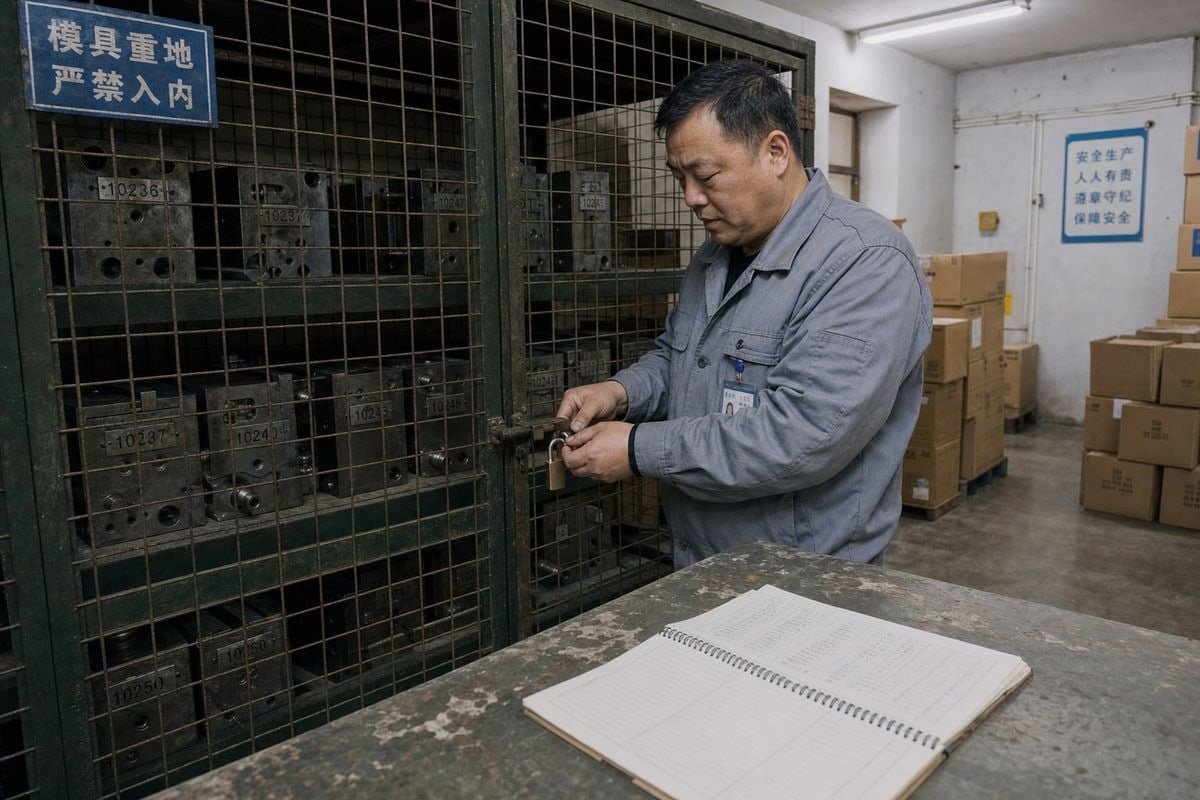
Leaking licensed molds is the quiet risk buyers underestimate when sourcing kids’ sunglasses from China polarized lenses 1. I have watched brands lose exclusive designs overnight, and it always starts the same way.
To prevent factories from leaking licensed molds, combine a China-enforceable NNN agreement, written mold ownership terms with return rights, engraved mold marking, restricted subcontracting, secure storage, production logs, and regular audits. Make leakage difficult, detectable, and financially painful before the first mold is ever cut.
That answer packs a lot into a few lines. Below, I break each layer down so you can act on it step by step.
How can I legally protect my custom mold designs before sharing them with a Chinese factory?
A buyer from Australia once sent us full CAD files before we had signed anything. Our team at the Taizhou factory stopped him and asked for an agreement first — that habit protects both sides.
Protect custom mold designs by signing a China-specific NNN agreement in Chinese under Chinese law, registering your trademarks and design patents in China before production, and stating in writing that all molds are your exclusive property with defined return or destruction terms.
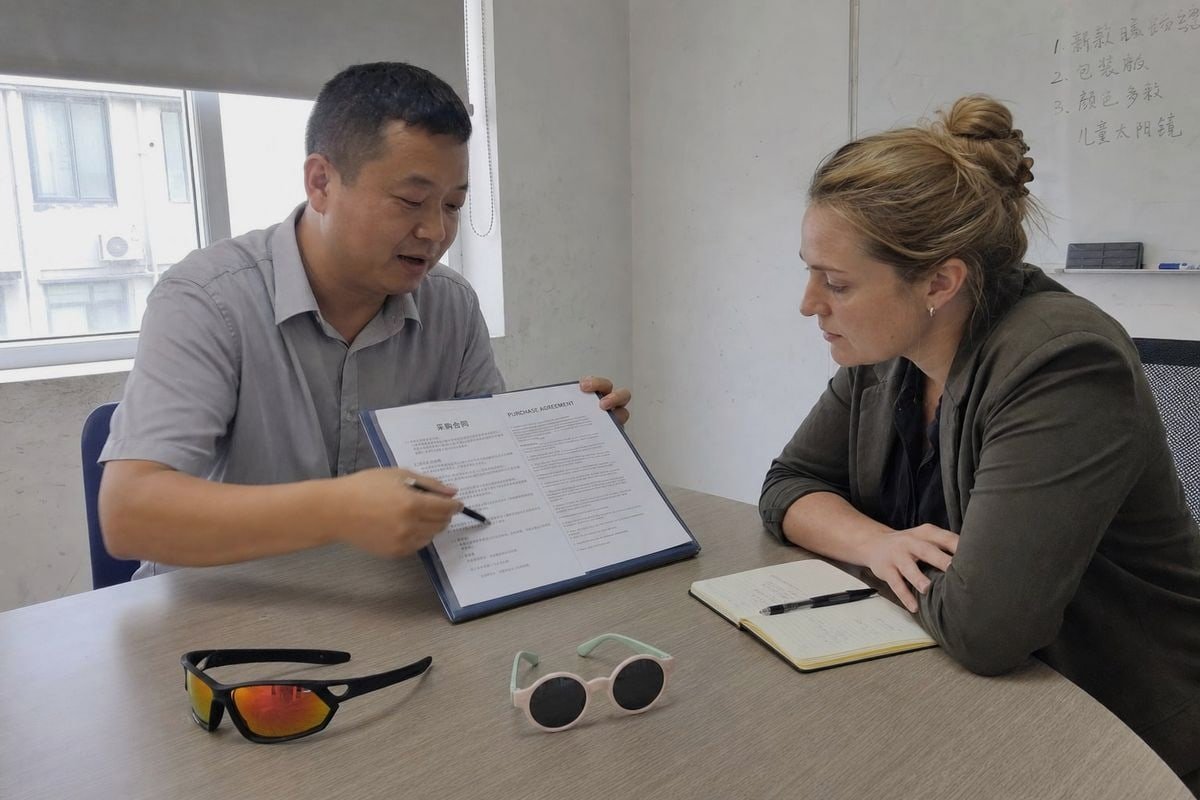
Legal protection in China works differently than most Western buyers expect. A standard NDA written in English, governed by US or EU law, is close to useless in a Chinese court. It promises secrecy, but it does not stop use. A factory can honor the letter of an NDA and still produce your design for another client, because the NDA never banned that.
Why NNN beats NDA
The stronger tool is the NNN agreement 2. It covers three things at once: non-disclosure, non-use, and non-circumvention. Non-use is the key clause for molds. It says the factory may not use your design, tooling, or technical data for anyone except you. Non-circumvention stops the factory from going around you to sell directly to your retailers or licensor.
| Protection tool | What it covers | Enforceable in China? |
|---|---|---|
| Western NDA (English, foreign law) | Secrecy only | Weak to none |
| China-specific NNN (Chinese, Chinese law) | Secrecy, use, circumvention | Strong |
| China design patent 3 | The visual design itself | Strong, if filed first |
| China trademark registration | Your brand name and logo | Strong, first-to-file |
Register before you share
China runs on a first-to-file system 4. Your overseas trademark or design registration means little there. File your trademark, design patent, and any relevant copyright in China before you send drawings to any supplier. In our experience exporting to buyers in 20+ countries, the brands that file early never face squatting problems; the ones that wait sometimes have to buy back their own name.
Finally, put mold ownership in a dedicated tooling agreement. State that the mold is your exclusive property regardless of who machined it, that it may only produce parts for you, and that it must be returned within a fixed number of days after written request — with liquidated damages 5 for delay.
What contract terms should I include to stop my supplier from reusing my molds for other clients?
Every custom mold in our workshop carries an engraved owner tag, because early in our 15 years of eyewear work we learned that unwritten understandings evaporate the moment a factory changes managers.
Include exclusive mold ownership language, a strict non-use clause, a ban on unauthorized subcontracting, mandatory mold marking and shot-count logs, return-on-demand rights with fixed deadlines, and liquidated damages for unauthorized production, delayed return, or transfer of the mold to any third party.
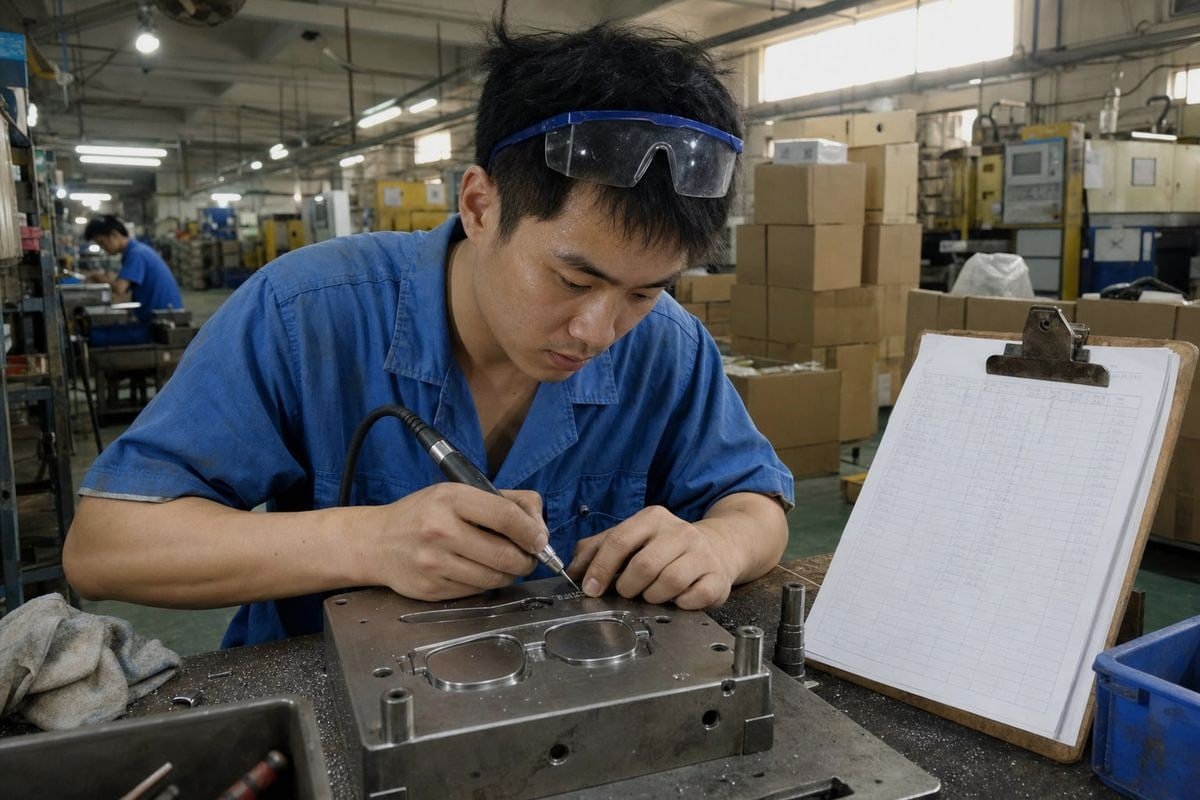
A good tooling contract does not rely on trust. It creates clear obligations, easy proof, and painful penalties. Here is how I recommend structuring the core clauses, based on what actually works between buyers and factories like ours.
The essential clause set
| Clause | What it must say | Why it matters |
|---|---|---|
| Ownership | Mold is buyer's exclusive property upon payment | Removes any factory claim to the tool |
| Non-use | Mold produces parts only for the buyer's POs | Blocks overproduction and gray-market runs |
| Subcontracting | No third party touches mold or files without written consent | Closes the most common leakage path |
| Related parties | Factory is liable for misuse by sister companies | Stops leakage through affiliated plants |
| Marking | Buyer's name and asset ID engraved on the mold | Makes ownership visible and provable |
| Logs | Shot counts and production runs recorded and shared | Detects unauthorized volumes |
| Return rights | Mold returned within a set number of days of request | Prevents hostage situations at exit |
| Liquidated damages | Fixed penalty per violation, per day of delay | Makes leakage expensive, not just wrong |
Make penalties specific, not vague
Vague damage language fails in Chinese courts. State a concrete liquidated damages figure per breach. When we sign tooling agreements with brand customers, the numbers are explicit, and that clarity is exactly why disputes rarely happen. Both sides know the cost of crossing the line.
Also require the factory to disclose every location where the mold will be stored or run. If the mold moves for repair or maintenance, the contract should demand written sign-off first. A mold that travels without a paper trail is a mold you no longer control.
How do I verify that a factory is trustworthy enough to handle my exclusive designs safely?
Buyers who visit our 5S-managed workshop in Taizhou often tell me the tour answered more questions than three months of emails. There is a reason serious brands still audit in person.
Verify a factory by auditing on-site, confirming it is a real factory rather than a trader, checking mold storage security and access logs, reviewing its licensed-product experience, speaking to existing brand clients, and testing how transparently it answers questions about subcontracting and tooling custody.
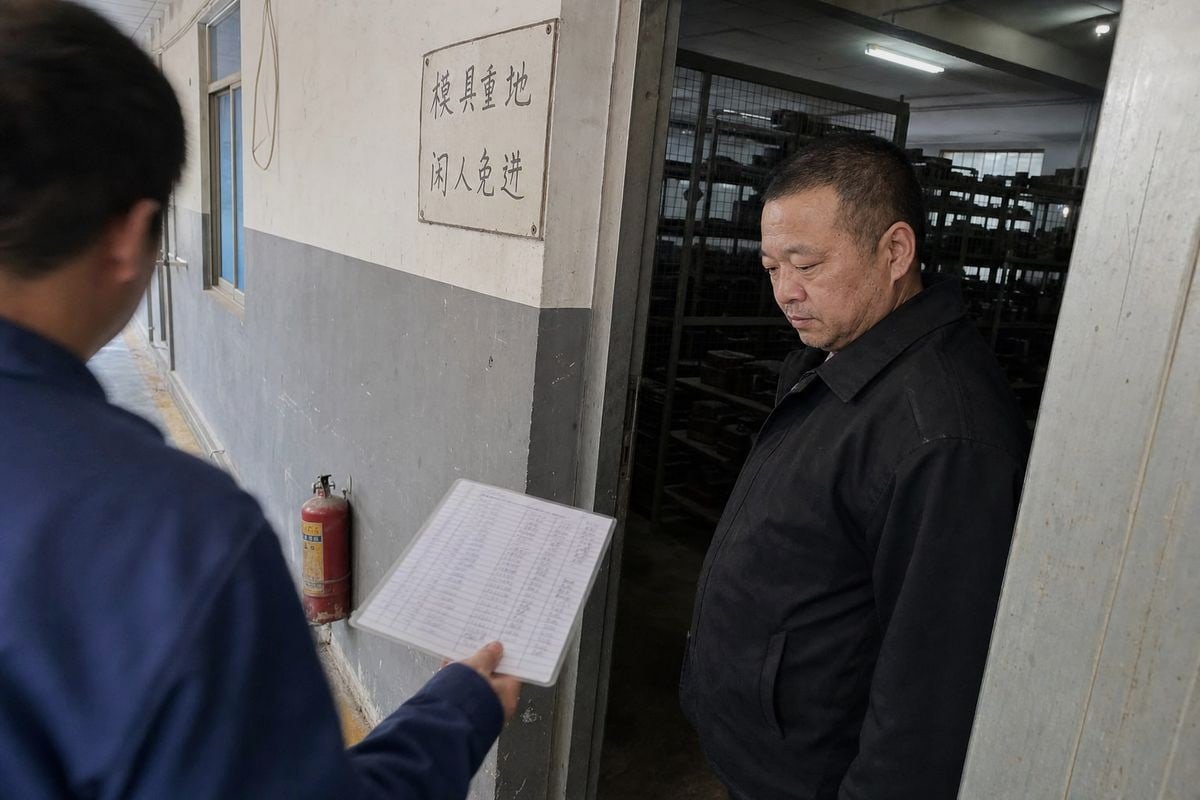
Trust is not a feeling. It is a set of verifiable behaviors. When you assess a supplier for licensed kids' sunglasses, you are really assessing three things: whether they are who they claim to be, whether they can physically secure your tooling, and whether their culture rewards discipline.
A practical verification sequence
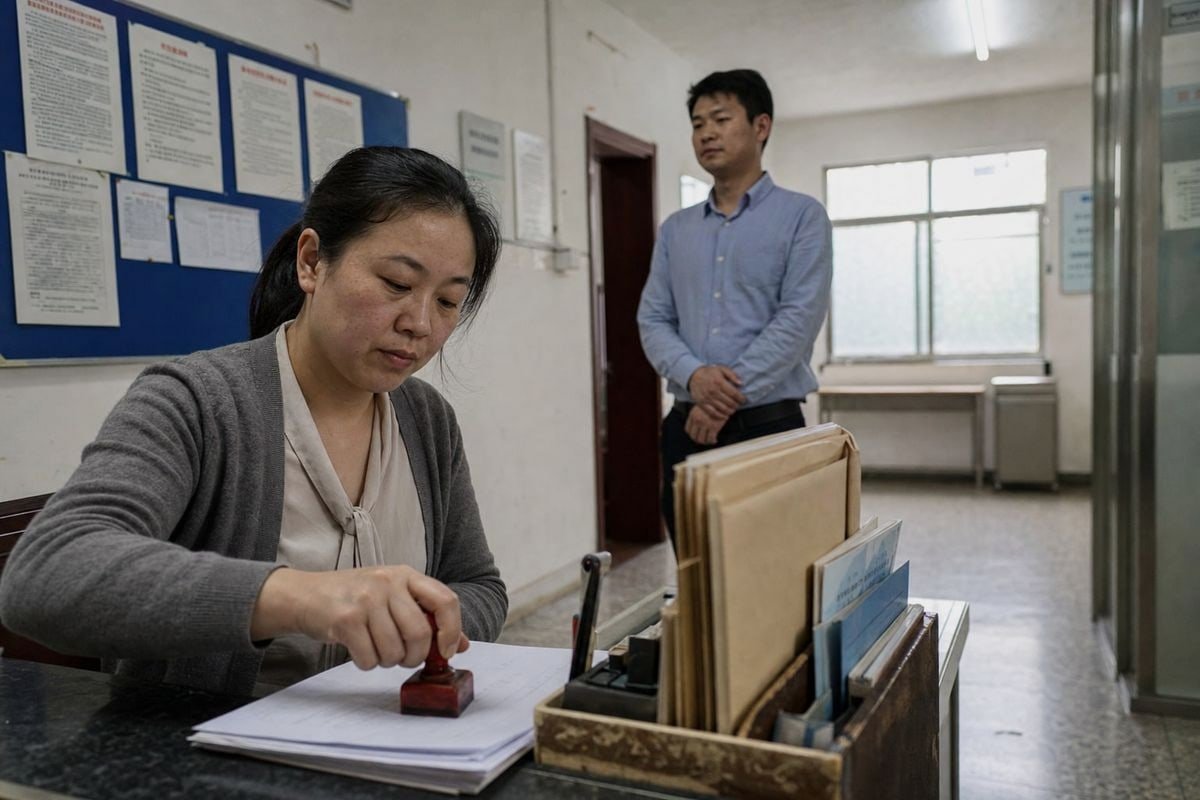
- Confirm the legal entity. Check the business license 6, registered scope, and whether the company actually owns manufacturing equipment. Traders posing as factories add a whole invisible layer where your files and molds can leak.
- Audit the site. Look for locked, access-controlled mold storage, tagged tooling, and organized production records. A workshop run under 5S discipline usually keeps custody records the same careful way. A chaotic tool room is a warning sign in itself.
- Check licensed-product history. Factories that have produced officially licensed goods have already passed licensor audits, and many licensors keep approved vendor lists. Ask for evidence, and confirm it with the licensor where possible.
- Interview the mold-room manager. Ask who can remove a mold, how movements are logged, and what happens between production runs. Rehearsed sales answers fall apart at this level of detail.
- Talk to existing clients. Long-term brand relationships are the strongest single trust signal. In our own experience, buyers who have worked with us for years are our best references, and any confident factory will welcome that call.
- Run a low-risk trial first. Place an order using existing tooling or open styles before you commit exclusive molds. Watch how the factory handles quality, communication, and documentation under real conditions.
A factory that resists mold marking, refuses audits, or gets vague about subcontracting is telling you something. Believe it early, while switching costs are still low.
Can I use OKAY EYEWEAR's existing styles to reduce mold risk while still building my own brand?
One question I hear constantly from new kids' brands is whether they must open custom molds at all. Our catalog of roughly 800 existing styles exists precisely because the honest answer is often no.
Yes. Choosing from OKAY EYEWEAR's ~800 existing styles removes mold ownership risk entirely, since no exclusive tooling exists to leak. You still build a distinct brand through custom colors, logos, UV400 or polarized lenses, packaging, and accessories, then invest in custom molds later once demand is proven.
Custom molds concentrate risk. You pay heavily upfront, you must protect the tooling legally and physically, and you carry all the leakage exposure discussed above. Existing styles flip that equation. When a design is part of a factory's open catalog, there is no exclusive asset to steal — your competitive edge shifts to branding, lens quality, safety, and retail presentation, which are far harder to copy well.
Two paths compared
| Factor | Custom mold from day one | Existing style + ODM customization |
|---|---|---|
| Upfront tooling cost | High | None |
| Mold leakage risk | Real and ongoing | Eliminated |
| Time to launch | Months (design, tooling, sampling) | Weeks |
| Brand differentiation | Frame shape exclusivity | Colors, logo, lenses, packaging |
| Market-testing flexibility | Low — committed to one shape | High — test several styles at once |
| Best for | Proven bestsellers, licensed characters | New brands, seasonal ranges, importers |
How the hybrid approach works in practice
Take our sport wraparound shield styles with mirrored gradient lenses, or our two-tone round pastel frames in soft-touch TR90 with flexible TPEE temples. A brand can select these base shapes, then customize the colorway, engrave or print its logo, specify UV400 7 or polarized lenses, and design its own retail-ready packaging. On the shelf, the product reads as fully yours. Behind the scenes, you carried zero tooling risk.
Then, once a style proves itself in your market, you invest in a custom mold for that winner — protected by the full NNN, ownership, and audit framework from the earlier sections. Several of our long-term brand partners followed exactly this path: test broadly on open styles, then tool up narrowly on validated demand. It is the lowest-risk route into children's eyewear that we know.
Conclusion
Mold leakage ruins licensed brands quietly and quickly. Combine NNN agreements, ownership clauses, physical controls, and audits — or start on our existing styles and skip the risk entirely.
Footnotes
1. FDA consumer guidance covers eyewear lens features including polar
More Articles You Might Like
August 1, 2026
Should Factory Handle Kids Sunglasses Packaging & Labeling, or Use a Designated Supplier?
August 1, 2026
Own Warehouse vs Supplier Direct Fulfillment: Which Cuts Return Costs for Kids Sunglasses Brands?
August 1, 2026
Direct-to-Port Warehouse or Overseas Staging: Which Saves More on Kids Sunglasses Shipping?
Looking for a Reliable Kids Eyewear Partner?
Explore 800+ ready styles and full OEM/ODM support tailored to your brand.
Get in Touch English
  Español de México
  Deutsch
  Français
  日本語
日本語  العربية
  Português do Brasil