How to Align Ad Scheduling for Kids Sunglasses With Delivery Timelines to Avoid Stockouts?
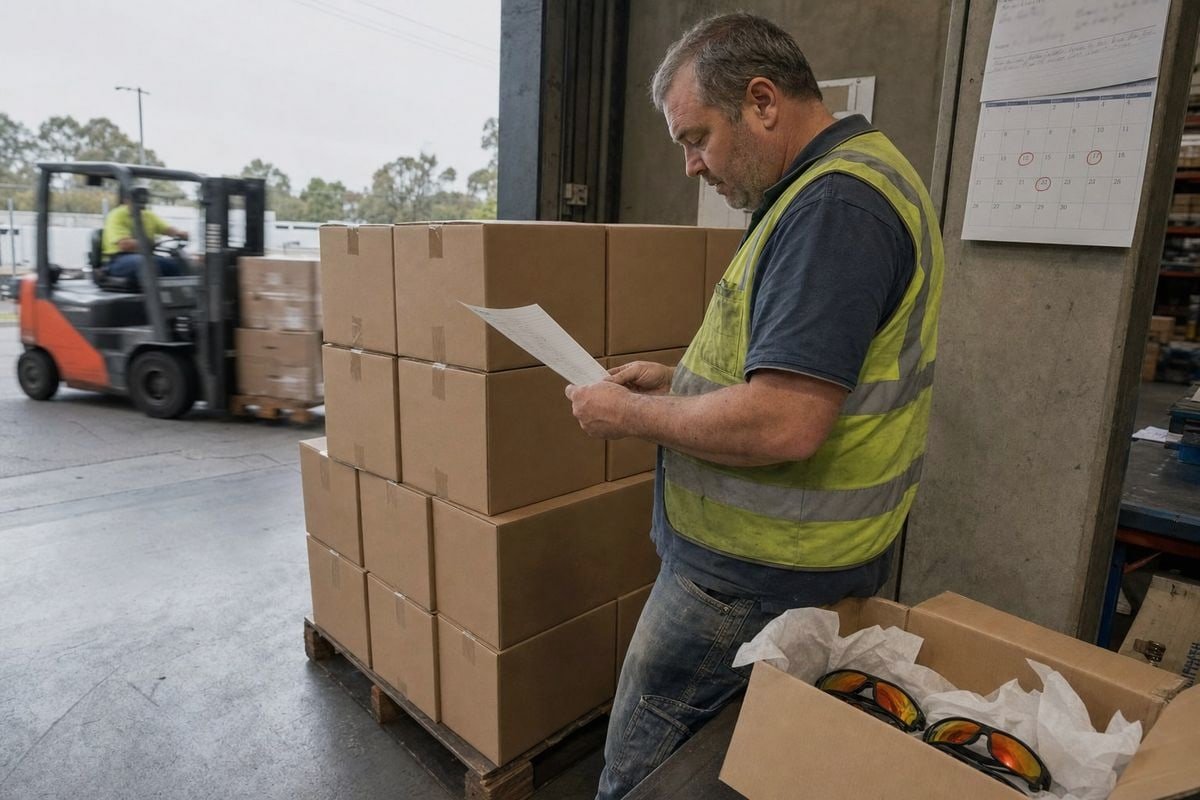
Ad scheduling for kids sunglasses fails when campaigns outrun stock material availability 1. On our production line, I have watched brands spend into a sellout — wasted budget, angry parents, lost momentum.
Align ad scheduling for kids sunglasses with delivery timelines by calculating inventory coverage days, confirming supplier lead times before campaign launch, setting reorder points with safety stock, and throttling or pausing ads whenever expected sell-through beats the confirmed replenishment arrival date.
The idea is simple: treat your ad calendar as an inventory-control tool. Below, I break down each timing question, from production planning to fast-restock strategies.
How far in advance should I plan production with my supplier before launching a seasonal ad campaign?
A buyer from Australia once asked us to rush an order in March for a November campaign — they had it backwards for their hemisphere, and we caught it together during demand forecasting.
Plan production 90 to 120 days before your seasonal ad launch. This covers 30–45 days of factory production, 30–40 days of sea freight and customs, plus receiving and buffer time, so goods are landed and scanned before your first ad dollar is spent.

The biggest mistake I see is brands planning around production time alone. In our fifteen years making children's eyewear in Taizhou, the factory portion is often the most predictable part of the whole fulfillment cycle time. Shipping, customs clearance 2, and warehouse receiving are where timelines quietly stretch. That is why I always tell buyers to plan with the full burdened lead time, not just our production quote.
Work backwards from your ad launch date
Start with your campaign flight date and subtract each milestone. Here is a realistic backward plan for a summer kids sunglasses campaign:
| Milestone | Time Required | Cumulative Days Before Ad Launch |
|---|---|---|
| Warehouse receiving and QC scan | 5–7 days | 7 days |
| Customs clearance and inland transit | 7–14 days | 21 days |
| Sea freight (Asia to EU/US/AU) | 25–35 days | 56 days |
| Production and packing | 30–45 days | 100 days |
| Sampling and order confirmation | 10–20 days | 120 days |
Why "landed and scanned" is your real green light
One SERP-level insight I fully agree with: segment production lead time 3 from transit lead time. Never schedule a campaign start against a shipment that is still on the water. Weather, port congestion, and inspection holds can add two weeks with no warning. We advise our brand customers to unlock top-tier ad budgets only after logistics confirms customs clearance — a shared marketing-logistics calendar makes this automatic rather than a debate.
Seasonal sales trends matter too. Kids sunglasses demand rises with school holidays, vacations, and sunny weather. If your target market's peak begins in June, your purchase order should be confirmed by February at the latest.
What order lead times can I expect from a children's eyewear factory during peak sunglasses season?
Every spring, our 5S-managed workshop shifts into peak mode, and I have to give buyers a harder truth: the lead time I quoted in November is not the lead time available in April.
During peak season (roughly February to June), expect 35–50 days production lead time for custom OEM orders at a children's eyewear factory, versus 25–35 days off-peak. Repeat orders of existing styles typically run 20–30 days, and stock-style orders can ship in 10–15 days.
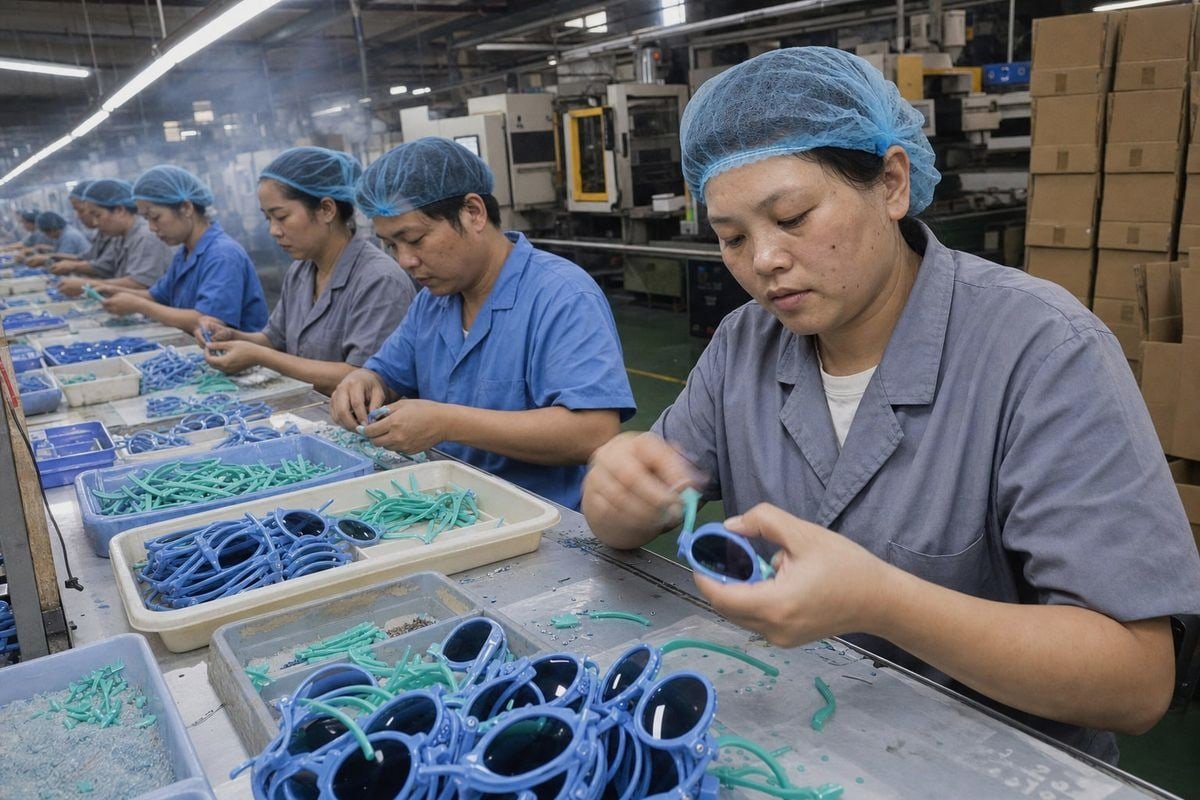
Inventory lead time is not a fixed number. It moves with factory load 4, material availability, and order complexity. During peak sunglasses season 5, every kids' brand in the northern hemisphere wants delivery at the same time. Injection molding machines run full schedules. Lens suppliers stretch their own timelines. Packaging printers queue jobs. All of this stacks up.
What drives lead time up or down
From our side of the workshop, three factors dominate:
- Order complexity. Custom colors in TR90 or TPEE need new material batches and color matching. Custom logos, polarized UV400 lenses, and branded retail packaging each add days.
- Order timing. Orders confirmed in December or January slot into production before the rush. Orders confirmed in April compete with everyone else's rush.
- Repeat versus new. A repeat order of an approved style skips sampling entirely. A new development needs sample rounds, and each round can take a week or more with international shipping.
| Order Type | Off-Peak Lead Time | Peak Season Lead Time |
|---|---|---|
| New custom OEM development | 40–60 days (incl. sampling) | 50–70 days |
| Repeat custom order | 25–35 days | 35–50 days |
| Existing style, custom logo/packaging | 20–30 days | 25–40 days |
| Existing style, standard spec | 10–15 days | 15–20 days |
Ask your factory the right questions
Do not just ask "what is your lead time?" Ask: What is your current order queue? When is your peak-season cutoff for guaranteed pre-summer delivery? Can you hold material for my reorder? Good supply chain logistics starts with these conversations. We give our long-term brand partners priority slots precisely because they plan with us early — that reliability is worth more than a slightly lower unit price from a supplier who misses the season.
How do I coordinate with my manufacturer to prevent stockouts when ad demand spikes suddenly?
A European distributor once emailed us in a panic: a parenting influencer had featured their periwinkle-blue round frames, and three weeks of stock sold in four days. What saved them was not luck — it was the standing arrangements we had already built.
Prevent ad-driven stockouts by sharing your campaign calendar and sales velocity with your manufacturer, setting reorder points that include safety stock for hero styles, pre-booking flexible production capacity, and using automated ad-pausing rules tied to real-time inventory thresholds.
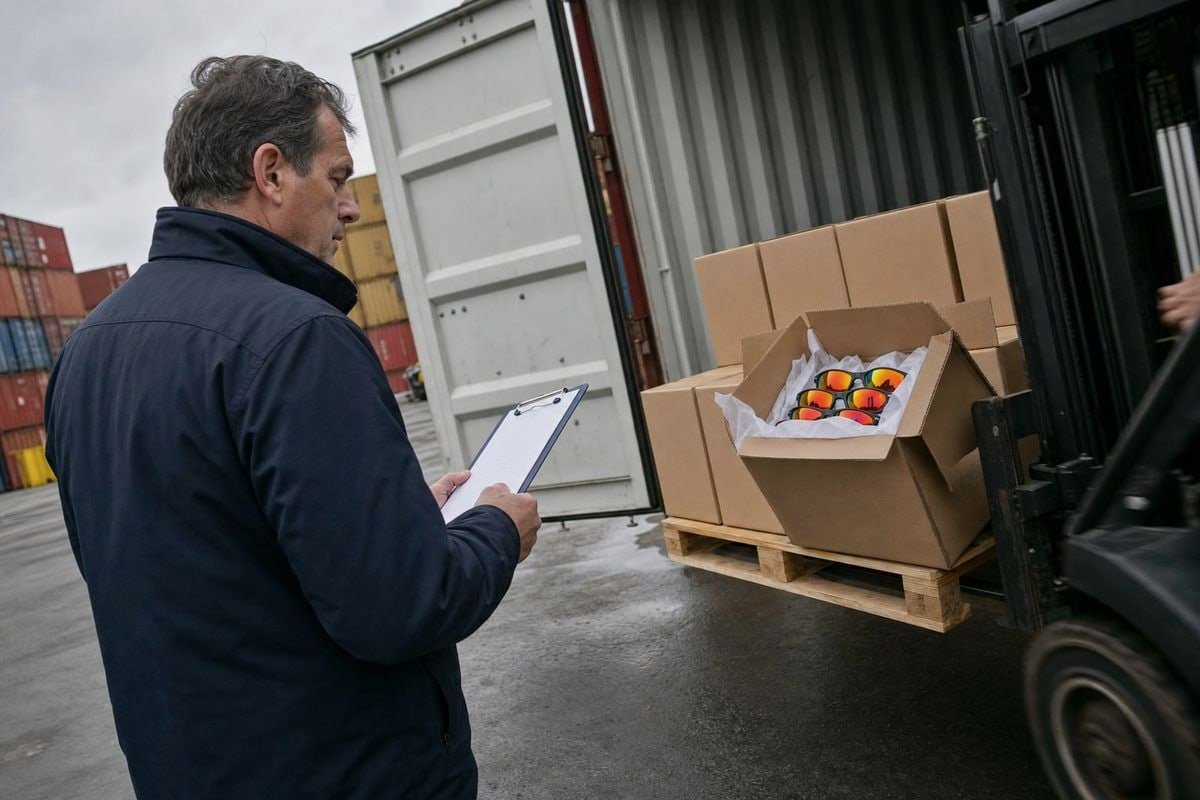
Coordination is a system, not a phone call. The brands that survive demand spikes treat their manufacturer as part of their inventory management loop, not just an order-taker.
Build the shared data loop
First, share your promotional calendar with your factory. When we know a customer plans a heavy back-to-school push, we can reserve material and machine time in advance. Second, share sell-through velocity for your top SKUs monthly. Historical velocity data lets both sides run better demand forecasting and adjust daily ad spend so a winning product does not sell out before replenishment lands.
Set reorder points that respect real lead times
The math is straightforward: reorder point 6 = average daily demand × lead time in days + safety stock. If you sell 40 pairs a day and replenishment takes 45 days, you need 1,800 units of pipeline coverage plus buffer. For hero styles — the colors and frames that convert best in ads — keep a 15–20% safety stock buffer. Stockouts rarely hit the whole line; they hit the one mint-teal colorway everyone wants.
Use decision rules, not gut feel
Here is the framework I recommend to our buyers, framed as management rules rather than universal laws:
| Stock Coverage Remaining | Restock ETA | Recommended Ad Action |
|---|---|---|
| 14+ days | On schedule | Run ads normally |
| 7–14 days | Within 10 days | Reduce budgets, narrow to best-performing hours |
| Under 7 days | Within 7 days | Throttle spend, remove urgency messaging |
| 3–5 days | Over 7 days away | Pause ads, switch to back-in-stock capture |
Some operators argue for hard pauses the moment stock gets tight, to avoid wasted spend. Others insist on gradual throttling to preserve ad-platform learning signals. My honest take, after watching many customers navigate this: throttling works only when restock timing is reliable. If your supplier's dates slip, hard pauses protect you. This is exactly why supplier reliability matters more than the cheapest quote — a dependable delivery date is what makes the balanced, budget-tapering approach possible at all. Automation tools that pause ads when a SKU hits its buffer threshold add a guardrail no manual weekly check can match, and pairing them with inventory management software closes the loop for backorder prevention.
Can choosing from existing frame styles help me shorten delivery timelines and keep up with ad-driven orders?
There is a trade-off I walk buyers through almost weekly: a fully custom frame gives you a unique product, but a new mold and full development cycle can cost you the entire selling season.
Yes. Choosing from existing frame styles cuts delivery timelines by 30–60% because tooling, sampling, and mold development are eliminated. With around 800 ready styles, brands can customize colors, logos, and packaging and reorder in 20–30 days instead of 50–70.

Our catalog of roughly 800 existing styles exists for exactly this reason. New brands and importers can launch without heavy mold investment, test the market with lower risk, and — critically for this article's topic — restock fast when ads take off.
Why existing styles compress the timeline
A new custom frame requires design, mold making, sample rounds, and approval before production even starts. An existing style skips all of that. The mold is proven. The fit is validated on children's faces. The TR90 frame and TPEE temple tooling already runs on our lines. You choose the style, we match your colors, apply your logo, fit UV400 or polarized lenses 7, and pack it retail-ready. That is still a fully branded OEM product — it just arrives months sooner.
Speed changes your whole ad strategy
Shorter inventory lead time transforms your ad scheduling math. If restock takes 25 days instead of 60, your reorder point drops, your safety stock requirement shrinks, and you can keep campaigns running through demand spikes with confidence. Ad spend optimization becomes far easier when your replenishment cycle is shorter than your seasonal window. You can even ramp bids back up 48 hours before a confirmed shipment arrives, priming the algorithm for restock day.
A practical hybrid approach
Many of our brand partners run a hybrid model. They launch with existing styles — say, a sporty wraparound shield with a mirrored gradient lens for active kids, plus a soft two-tone round frame in flexible TPEE for younger children — and validate demand with ads. Once a style proves itself over a season, they invest in a fully custom development for the following year. Winners earn molds; ad budgets never wait on tooling.
One caution: existing styles are not a magic bypass during peak season. Production slots still fill up. Confirm your reorder terms early, and ask whether your factory can hold material for your best-selling colorways.
Conclusion
Stockouts turn winning ads into wasted spend. Align campaigns with confirmed lead times, set reorder points with safety stock, and choose fast-restock styles. We help brands plan both sides.
Footnotes
1. Authoritative source explaining systems used to ensure material availability for production. ↩︎
2. Official U.S. Customs and Border Protection guidance on the import clearance process. ↩︎
3. Wikipedia entry explaining lead time concepts in supply chain and production management. ↩︎
4. Wikipedia explanation of capacity utilization, which determines factory load and production efficiency. ↩︎
5. Wikipedia explanation of seasonality in business and its impact on supply chains. ↩︎
6. Authoritative definition and calculation of inventory reorder points. ↩︎
7. Medical authority explaining how polarized lenses work to reduce glare and protect eyes. ↩︎
More Articles You Might Like
August 1, 2026
Should Factory Handle Kids Sunglasses Packaging & Labeling, or Use a Designated Supplier?
August 1, 2026
Own Warehouse vs Supplier Direct Fulfillment: Which Cuts Return Costs for Kids Sunglasses Brands?
August 1, 2026
Direct-to-Port Warehouse or Overseas Staging: Which Saves More on Kids Sunglasses Shipping?
Looking for a Reliable Kids Eyewear Partner?
Explore 800+ ready styles and full OEM/ODM support tailored to your brand.
Get in Touch English
  Español de México
  Deutsch
  Français
  日本語
日本語  العربية
  Português do Brasil