How to Prepare Customs Documents for Kids’ Sunglasses from China?
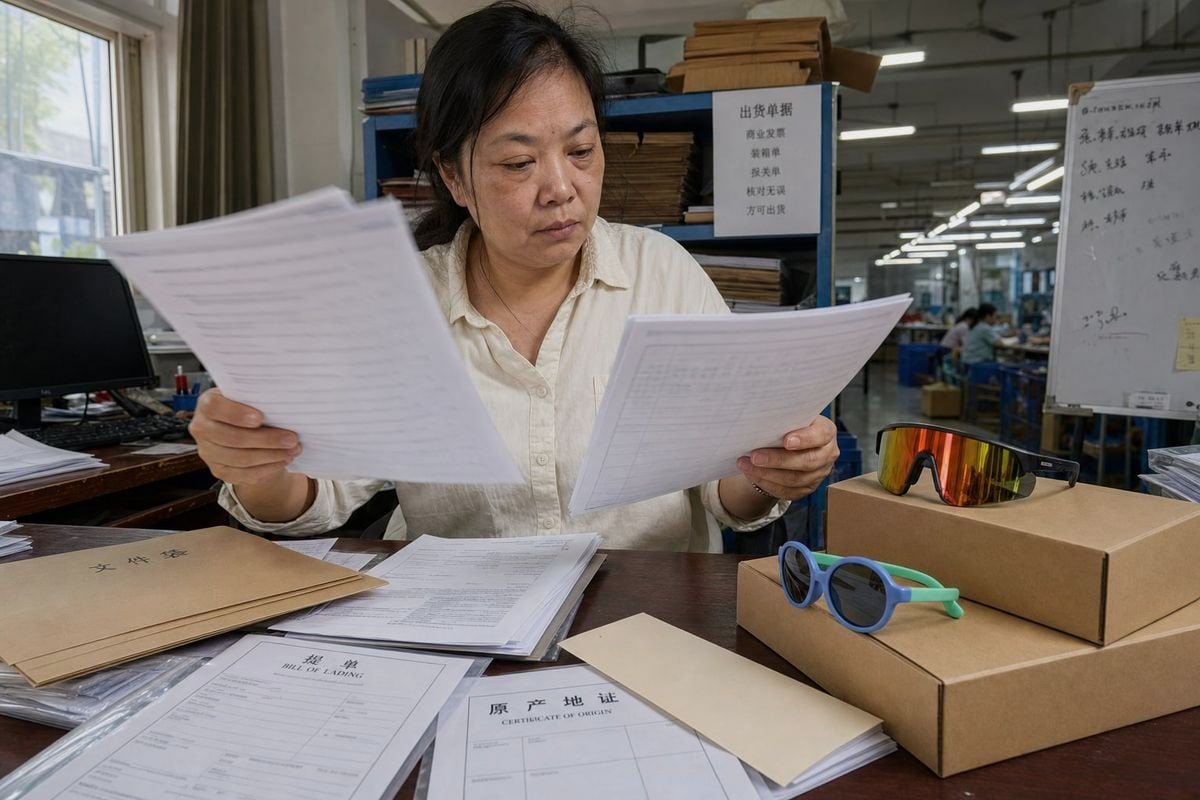
Preparing customs documents for kids’ sunglasses from China stops many first-time buyers cold. One missing paper can freeze your shipment at port, drain your budget, and delay your launch. After fifteen years of shipping children’s eyewear from our Taizhou factory to buyers in more than twenty countries, I have seen exactly which papers keep cargo moving — and which gaps cause seizures.
To prepare customs documents for kids’ sunglasses from China, assemble a commercial invoice, packing list, bill of lading or air waybill, certificate of origin, and correct HS code (typically 9004.10). Add market-specific safety proof — CPC and FDA drop-ball records for the US, or a Declaration of Conformity with EN ISO 12312-1 test reports for the EU.
That is the short answer. Now let me walk you through each document, the safety certificates children’s eyewear needs, and the mistakes that trigger delays.
What documents do I need to import kids' sunglasses from China smoothly?
Last year, a new Australian buyer asked our team to review her import file before her first order left our warehouse. We found three gaps in ten minutes. That review saved her weeks at customs.
You need a commercial invoice, packing list, bill of lading or air waybill, certificate of origin, and a customs declaration. The invoice must state the exact product description, HS code, unit price, total value, Incoterm, and country of origin, all matching the physical goods.
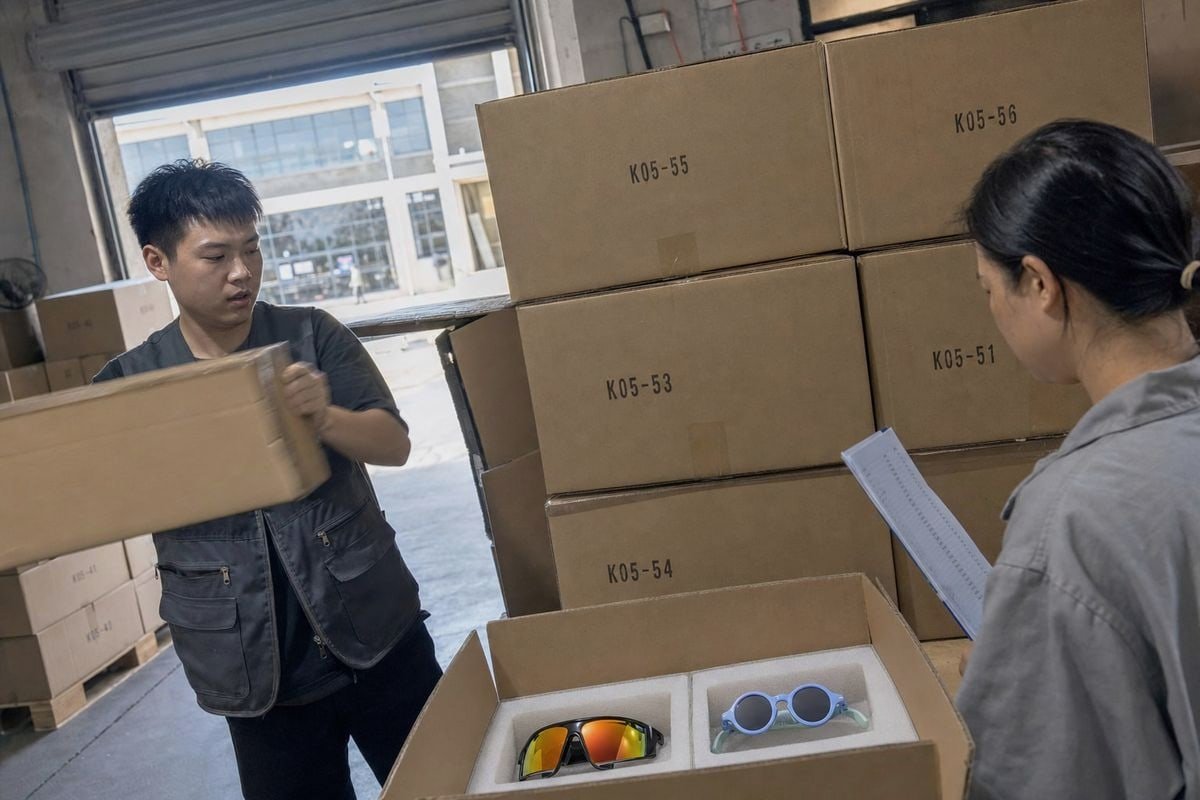
Customs officials want to verify four things: what the goods are, what they are worth, how they traveled, and where they were made. Every document in your file should support one of those four points. When we prepare export paperwork for kids' sunglasses, we build the file around that logic, not around a random pile of forms.
The core document set explained
Here is the base file every shipment of children's sunglasses needs, regardless of destination:
| Document | What it proves | Who prepares it |
|---|---|---|
| Commercial invoice | Product identity, value, Incoterm, origin | Supplier (factory) |
| Packing list | Carton count, weights, dimensions, SKU mapping | Supplier (factory) |
| Bill of lading / air waybill | Transport trail and shipment ownership | Freight forwarder / carrier |
| Certificate of origin 1 | Manufacturing origin for tariffs | Supplier via chamber of commerce |
| Customs declaration | Formal entry into the destination country | Importer or customs broker |
| Product spec sheet | Technical clarification if customs asks | Supplier (factory) |
Why descriptions matter more than you think
A vague line like "sunglasses" on your invoice is risky. Customs may hold the shipment to inspect it. We always write specific descriptions: "children's plastic-frame sunglasses, UV400 lens, model KS-2210, assorted colors." The description on the invoice, the packing list, and the carton labels must match word for word. In my experience, mismatched descriptions cause more holds than missing papers do.
The HS code question
Most sunglasses classify under HS heading 9004.10 2. But duty rates and extra requirements vary by market, frame material, and lens type. For US-bound goods, Section 301 tariffs 3 may add 7.5% to 25% on Chinese-origin eyewear, so check current schedules and exclusion lists. I always tell buyers: confirm the exact code with your customs broker before the goods leave our factory, not after they arrive at your port.
How can I make sure my supplier provides accurate customs paperwork?
A German importer once told me his previous supplier had declared a shipment value 40% below the real invoice. Customs flagged it, fined him, and audited his next three shipments. That conversation shaped how we now brief every new buyer.
Verify your supplier's paperwork by cross-checking the invoice, packing list, and carton labels for identical descriptions, quantities, and values before shipment. Request draft documents early, confirm the HS code together, and never accept under-declared values, which trigger fines and audits.
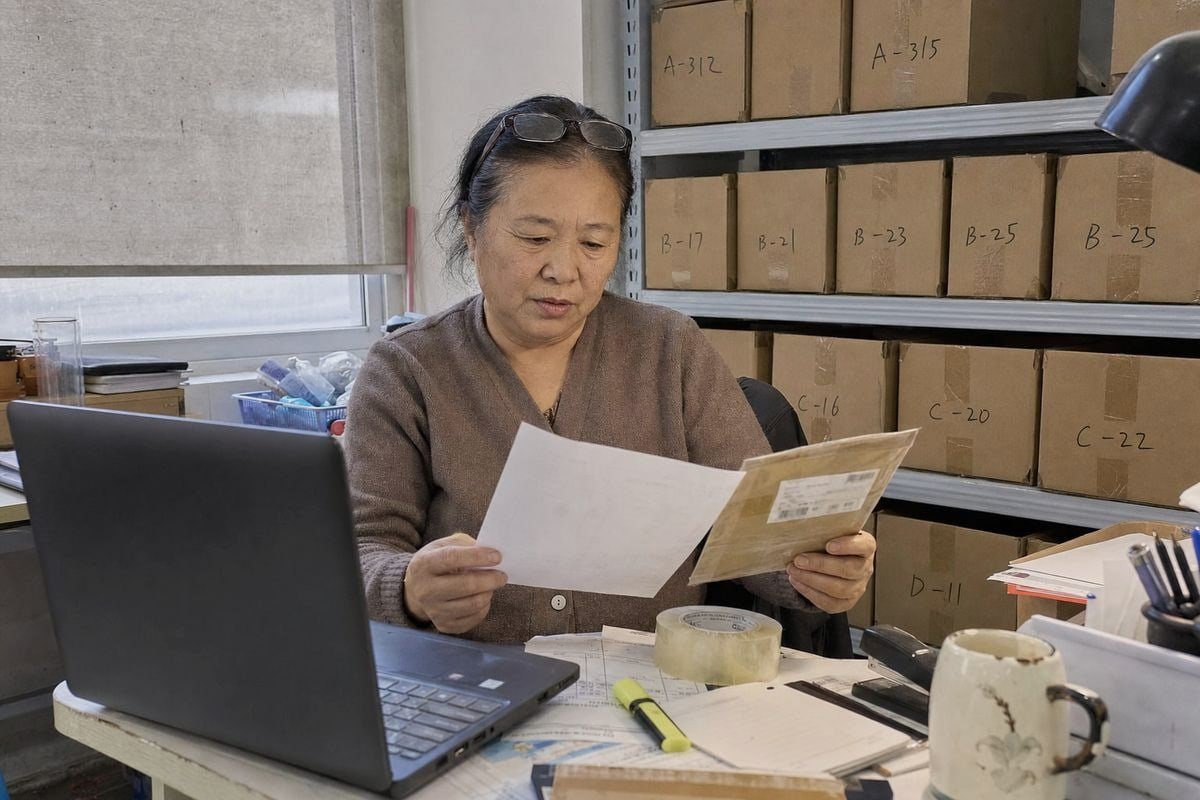
Accuracy is a process, not a promise. At our workshop, draft export documents are prepared while the order is still in production, so the buyer can review them days before the cargo moves. I recommend you demand the same workflow from any supplier. Here is the sequence that works:
- Request draft documents at order confirmation. Get a pro forma invoice with the agreed description, HS code, Incoterm, and unit prices locked in.
- Cross-check quantities against your purchase order. SKU counts on the packing list must equal your PO line items exactly.
- Verify the declared value. It must match what you actually paid. Under-declaration to "save duty" is the fastest route to seizure and penalties.
- Confirm the origin statement. The invoice, the certificate of origin, and the frame markings must all say the goods are made in China.
- Review final documents before the vessel or flight departs. Corrections cost nothing before departure and cost weeks afterward.
Red flags that signal weak paperwork
Watch for suppliers who resist sharing draft documents, who suggest lowering the declared value, or who use one generic description for every product. In our experience exporting kids' eyewear, traders often reuse old templates from unrelated products, which is why buying directly from a factory that prepares its own export files reduces error risk. Ask your supplier who physically types the invoice. If they cannot answer, the paperwork is being outsourced blindly.
One consistency rule to remember
Every number and word must appear identically across all documents. If your invoice says 500 cartons and your ISF filing says 480, customs sees a discrepancy, not a typo.
What safety certificates should I request for children's eyewear shipments?
Compliance is the trade-off I discuss most with new brand founders. Testing costs money upfront, but children's products face stricter scrutiny than adult accessories, and skipping safety proof is the most expensive shortcut in this business.
For the US, request a Children's Product Certificate backed by CPSC-accepted lab tests for lead, phthalates, and choking hazards, plus FDA drop-ball impact-resistance records under 21 CFR 801.410. For the EU/UK, request a Declaration of Conformity with EN ISO 12312-1 test reports and CE marking.
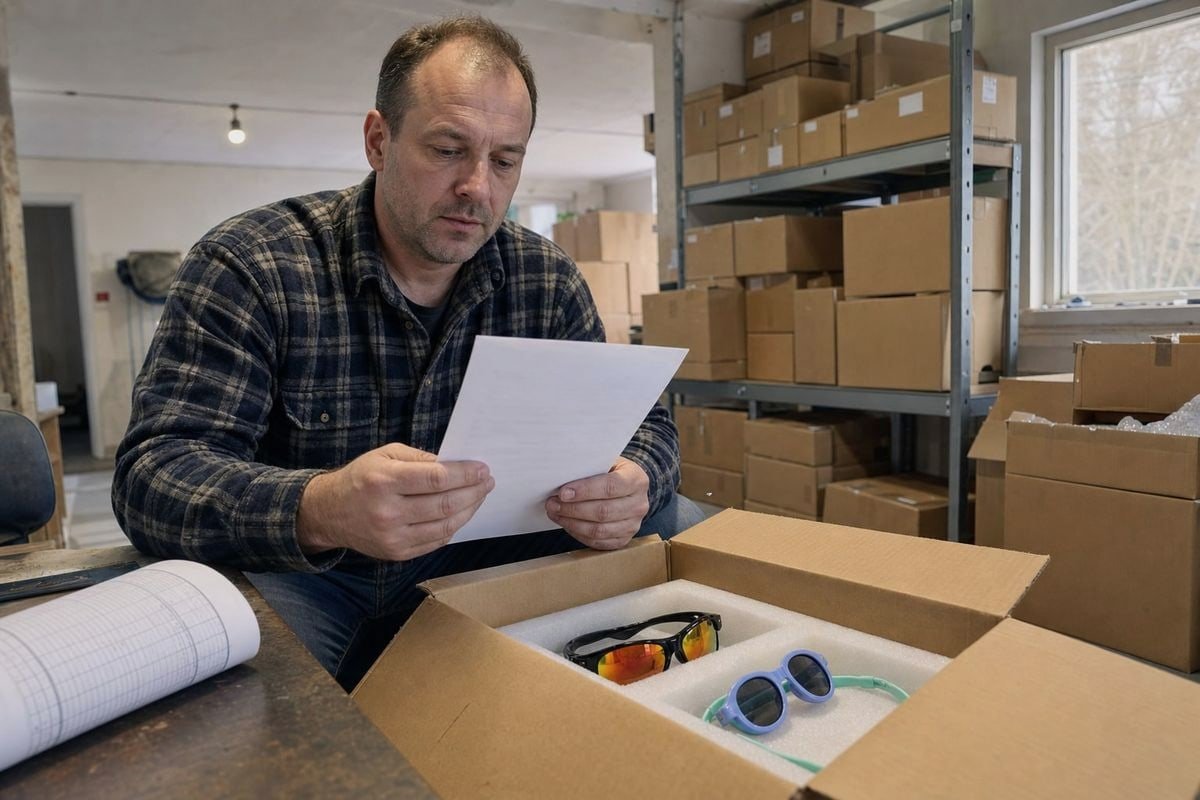
Kids' sunglasses sit at the crossing point of two regulatory worlds: import compliance and child-product safety. Standard sunglasses paperwork is not enough. Because your product is intended for children, regulators expect extra proof. When we developed our TPEE and TR90 flexible frames, safety documentation was designed into the process from the start, because our buyers in Europe, Japan, and Australia all ask for it before placing their first order.
US versus EU requirements at a glance
| Exigence | United States | European Union / UK |
|---|---|---|
| Core framework | exigences CPSIA 4 (children's products) + FDA rules | General Product Safety + PPE-related standards |
| Key certificate | Children's Product Certificate (CPC) | Declaration of Conformity (DoC) |
| Lens standard | 21 CFR 801.410 5 impact resistance (drop-ball) | EN ISO 12312-1 |
| Lab testing | CPSC-accepted third-party lab | Accredited lab test reports |
| Extra obligations | FDA establishment registration, device listing, tracking labels | CE marking on product/packaging |
| Per-lot paperwork | Impact-resistance certificate should accompany each entering lot | DoC kept on file, presented on request |
Points buyers often miss
The FDA treats sunglasses as medical devices that are exempt from 510(k) premarket clearance. Exempt does not mean unregulated. Establishment registration, device listing, and impact-resistant lens certification still apply, and a lens compliance certificate should travel with each lot entering the US. On the CPSIA side, children's products need third-party testing for lead content and phthalates, plus permanent tracking labels on each unit. In Europe, the Declaration of Conformity must reference the actual test reports — a bare "CE certificate" PDF from an unknown source is worthless if the lab evidence behind it does not exist. I always advise buyers to ask for the full test report, not just the certificate page.
UV claims need proof too
If your packaging says UV400, your test report must support that claim. We supply lens test data with our UV400 and polarized options precisely because customs and market-surveillance authorities can challenge unsupported claims.
How do I avoid customs delays when importing kids' sunglasses in bulk?
The costliest delay I ever witnessed came from something tiny: missing "Made in China" markings on the frames. The buyer's entire container sat at a US port for three weeks while stickers were applied under customs supervision. A five-minute check at our factory would have prevented it.
Avoid customs delays by matching every document to the physical goods, marking country of origin permanently on frames, filing ISF 10+2 at least 24 hours before ocean loading, declaring accurate values, using the correct HS code, and attaching all required safety certificates before departure.
Delays rarely come from bad luck. They come from mismatches — between paper and product, between declared value and market reality, between what the label says and what the rules require. Bulk shipments raise the stakes because one error freezes thousands of units at once.
The most common delay triggers and their fixes
| Delay trigger | Why it happens | How to prevent it |
|---|---|---|
| Inconsistent descriptions | Invoice, packing list, and labels written at different times | One master product description used on every document |
| Missing origin marking | Frames shipped without "Made in China" text | Verify permanent, legible English marking during QC |
| Under-declared value | Attempt to reduce duty | Declare the true transaction value, always |
| Wrong or generic HS code | Code copied from an old shipment | Confirm classification with a broker per product spec |
| Missing safety certificates | Supplier never tested the product | Collect CPC, DoC, or FDA records before booking freight |
| Late ISF filing (US ocean) | Forwarder not briefed | File ISF 10+2 7 at least 24 hours before loading |
Build a pre-departure checklist
Before any bulk order leaves our facility, we run a document-and-goods match: final invoice against packing list, packing list against physical cartons, carton labels against SKUs, frame markings against the origin declaration. I suggest importers request photos of carton markings and frame stamps as part of the pre-shipment inspection. It takes your supplier an hour. It can save you a month.
When a customs broker earns their fee
For a first bulk import of children's eyewear, a licensed customs broker is worth every dollar. Brokers confirm the HS code, file the entry correctly, handle Section 301 tariff questions, and know what documentation your local port officers actually expect. Our long-term buyers in the US and Europe almost all work with brokers, and their clearances are consistently faster than buyers who self-file. Think of the broker fee as insurance against demurrage charges, which cost far more per day than the broker costs per shipment.
Conclusion
Customs paperwork for kids' sunglasses is part logistics, part safety proof. Get the core documents right, match every detail, secure child-safety certificates early, and your shipments clear smoothly.
Notes de bas de page
1. Background concept explaining the purpose and use of certificates of origin in trade. ↩︎
2. Official trade resource explaining HS code classification for tariff purposes. ↩︎
3. USTR is the authoritative source on Section 301 tariff actions against China. ↩︎
4. Background on the US law governing children’s product safety testing requirements. ↩︎
5. FDA guidance on sunglasses regulation and impact-resistance requirements. ↩︎
6. Official ISO standard page defining sunglasses safety and performance requirements. ↩︎
7. CBP official page explaining the Importer Security Filing requirement for ocean freight. ↩︎
Plus d'articles que vous pourriez aimer

1 août 2026
L'usine doit-elle gérer l'emballage et l'étiquetage des lunettes pour enfants, ou utiliser un fournisseur désigné ?

1 août 2026
Entrepôt propre vs. exécution directe par le fournisseur : lequel réduit les coûts de retour pour les marques de lunettes pour enfants ?

1 août 2026
Entrepôt direct au port ou staging outre-mer : lequel permet d'économiser le plus sur l'expédition des lunettes pour enfants ?
Vous recherchez un partenaire fiable en lunetterie pour enfants ?
Explorez plus de 800 styles prêts et un support OEM/ODM complet adapté à votre marque.
Contactez-nous English
  Español de México
  Deutsch
  Français
  日本語
日本語  العربية
  Português do Brasil