How to Choose Trade Terms When Sourcing Kids’ Sunglasses from China?
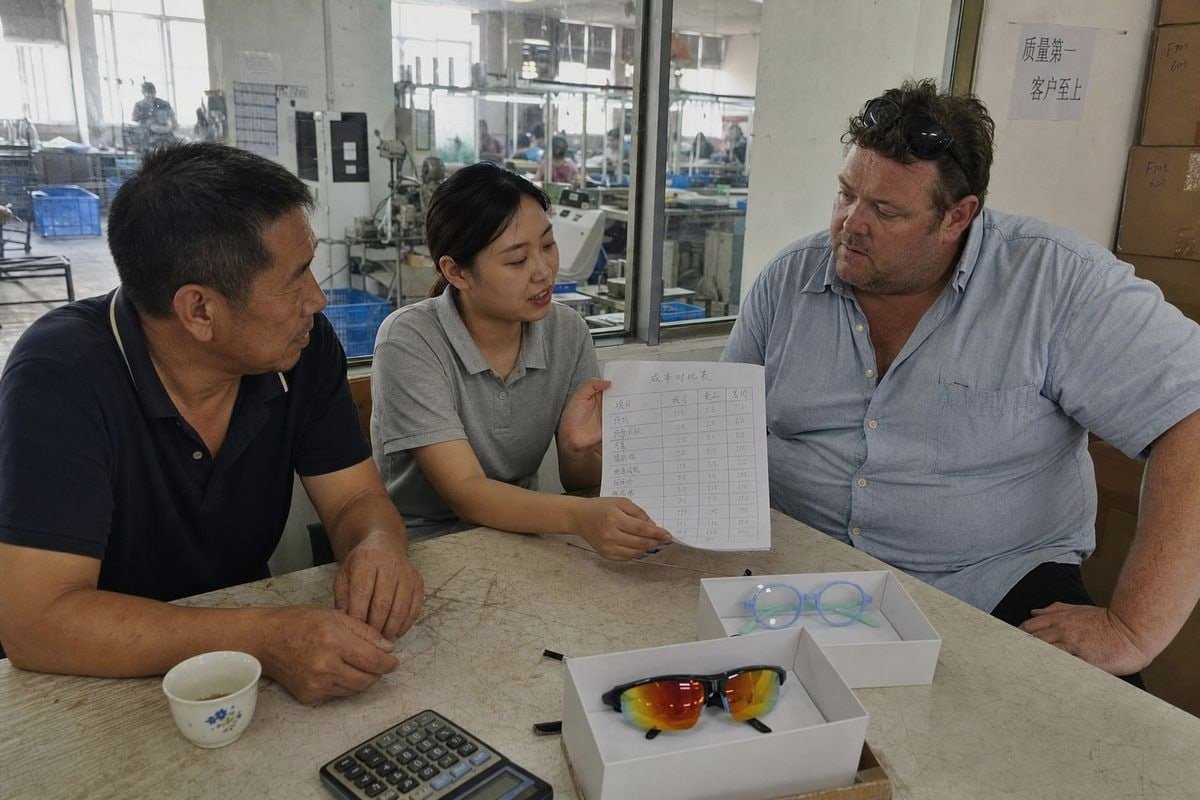
Choosing trade terms when sourcing kids’ sunglasses from China confuses many buyers I meet Incoterms 1. A quote looks cheap, then freight, pickup, and customs fees quietly eat the savings. On our production line in Taizhou, we see this happen to new brands every season — and it is avoidable with the right term.
To choose trade terms for kids’ sunglasses from China, compare landed cost, not unit price. FOB is the best default for most buyers because it balances cost and control. Use CIF or DDP for simplicity on small first orders, and EXW only with strong China-side logistics support.
Below, I will walk through each major term, the hidden costs to watch, the risk and timeline effects, and my final recommendation by buyer type customs clearance 2. Let’s start with the big three.
How do I decide between FOB, EXW, and DDP when importing kids' sunglasses from China?
Last year, a buyer from Australia asked our sales team for three quotes on the same TR90 frame 3 — EXW, FOB, and DDP. Comparing them side by side taught her more than any glossary could.
Decide by matching the term to your logistics capability. Choose FOB if you have a freight forwarder and want control over shipping costs. Choose DDP if you want the supplier to handle everything to your door. Choose EXW only if you have a trusted agent inside China.
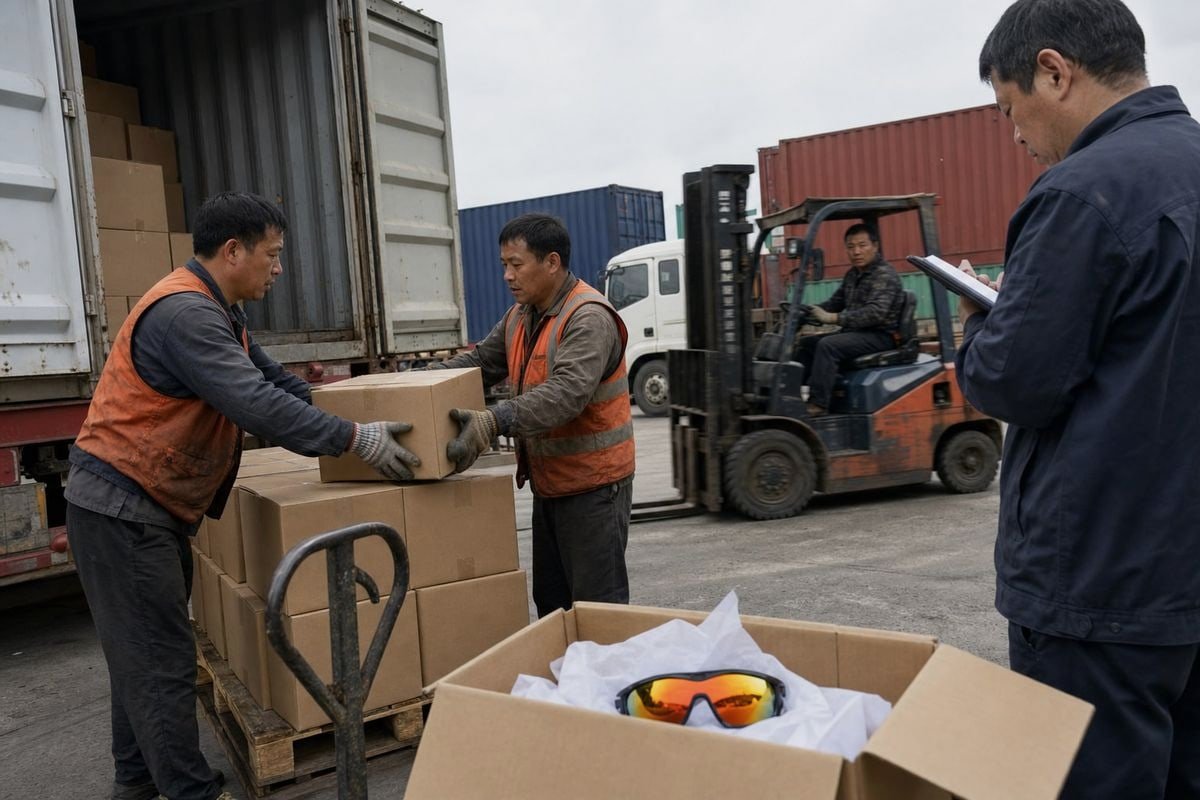
Trade terms — usually called Incoterms 4 — define who pays for and manages each step of the journey: factory pickup, export clearance in China, ocean or air freight, insurance, import clearance, and final delivery. They are not payment terms. They are responsibility maps.
Here is how the three terms compare for a typical kids' sunglasses order:
| Term | Supplier handles | You handle | Idéal pour |
|---|---|---|---|
| EXW | Production only; goods ready at factory door | Pickup in Taizhou, export clearance, freight, import, delivery | Buyers with a strong China-based forwarder or agent |
| FOB | Delivery to China port, export clearance, loading | International freight, insurance, import clearance, delivery | Most importers; the practical default |
| DDP | Everything, including duties and delivery to your warehouse | Almost nothing operationally | First-time buyers or small trial orders |
Why FOB is the practical default
With FOB, we handle the China side — trucking from our workshop to Ningbo or Shanghai, export documents, and loading. You book the international freight through your own forwarder. That means you can compare carrier rates, choose routes, and see the real cost of shipping. In our experience exporting to buyers in more than twenty countries, FOB shipments also cause the fewest disputes, because responsibility transfers at a clear, documented point.
When EXW backfires
EXW quotes look attractive because the number is smaller. But that number excludes inland trucking, export customs, and port charges. If your forwarder has no team in Zhejiang, coordinating pickup adds delays and surprise fees. I have seen EXW orders end up costing more than a FOB quote from the same factory.
When DDP makes sense
DDP works for small air-shipped trial orders — say, 300 pairs to test an Amazon listing. You pay one price and receive goods at your door. Just know the freight and duty are marked up inside that price, and you lose visibility.
A procurement manager from Japan once sent me a competitor's quote that beat ours by eight percent. When we rebuilt it as a landed-cost sheet together, our FOB offer actually came out cheaper.
Watch for inland trucking, export clearance fees, custom packaging charges, insurance gaps, inspection costs, destination duties, and customs brokerage. These hide outside the unit price. Always compare supplier quotes at the landed-cost level, using identical quantities, packaging, and lens specifications.
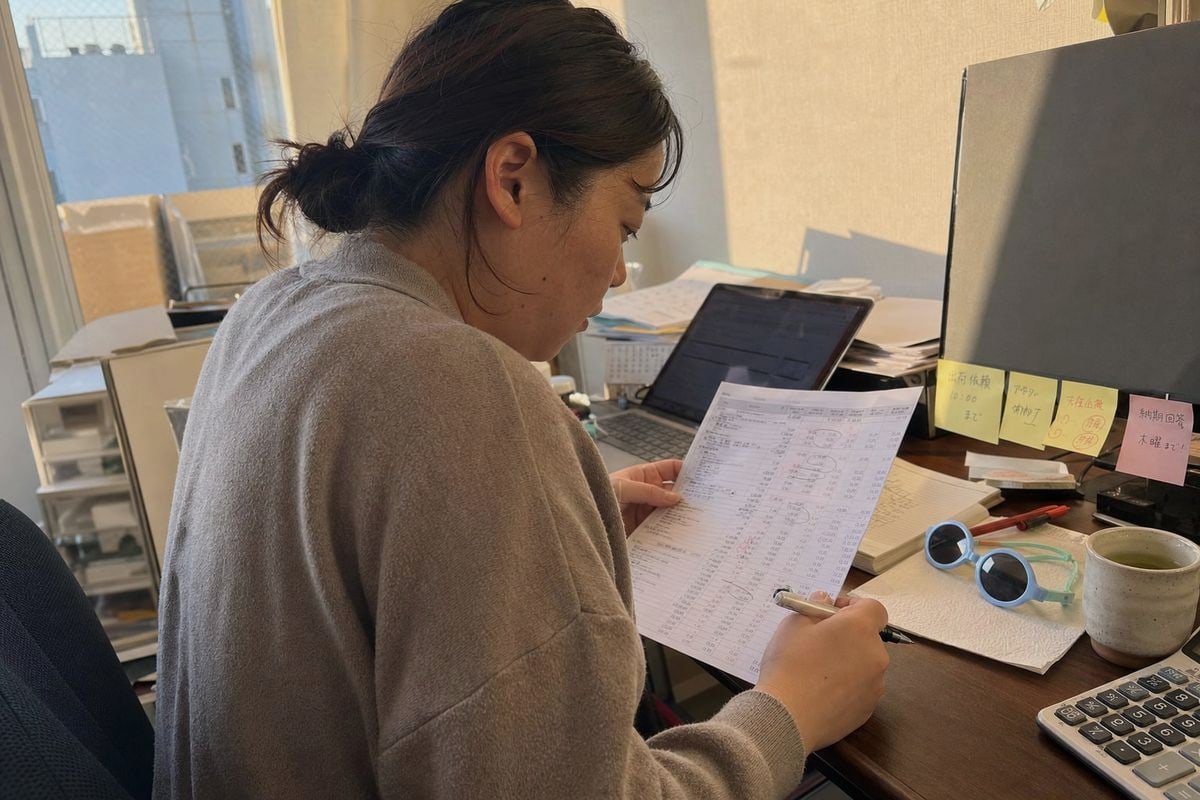
The cheapest quote is not the cheapest order. That is the single most important lesson in China sourcing. For children's eyewear, the gap between sticker price and true landed cost can be wide, because kids' products carry extra packaging, testing, and compliance work.
Here is a hidden-cost checklist I share with new buyers:
| Article de coût | Often missing from | Typical impact |
|---|---|---|
| Inland trucking in China | EXW quotes | Adds cost and 2–4 days |
| Export clearance and port fees | EXW quotes | Fixed fees that hurt small orders most |
| Custom packaging and private-label boxes | All quotes if not specified | Meaningful per-unit cost; can raise MOQ |
| Cargo insurance 5 | FOB and CIF quotes | CIF often defaults to minimum coverage |
| Third-party inspection | All quotes | Flat fee per inspection day |
| Duties and customs brokerage | Everything except DDP | Varies by market and HS code |
| Defect replacement and rework | All quotes | Depends on QC quality upstream |
Insurance deserves special attention
Kids' sunglasses ship with lenses and hinges that can crack under rough handling. Standard CIF insurance usually defaults to minimum ICC(C) coverage, which barely protects fragile cargo. If you accept CIF, negotiate ICC(A) all-risk coverage as a rider. If you buy FOB, arrange your own all-risk policy — it is usually cheap relative to cargo value.
Packaging is part of the trade-term math
At our factory, we do full OEM packaging — custom colors, logos, retail boxes, cases, and cleaning cloths. That work adds real per-unit cost and sometimes raises MOQ. So when you compare two quotes, confirm both include the same retail-ready packaging. A bare-bulk EXW price versus a retail-packed FOB price is not a fair comparison. Build a simple landed-cost spreadsheet: unit price, logo fees, packaging, freight, insurance, duties, inspection, and an expected defect allowance. Then compare totals.
How do trade terms affect my shipping timeline and risk for children's eyewear orders?
Timelines are where I see the biggest surprises. One European brand chose DDP for speed, then watched their shipment sit in customs because the supplier's broker did not understand children's eyewear rules in their market.
Trade terms set when risk transfers and who controls each timeline stage. FOB transfers risk at the China port and lets your forwarder manage transit. DDP keeps risk with the supplier longer but reduces your visibility, which can slow customs clearance for regulated kids' products.
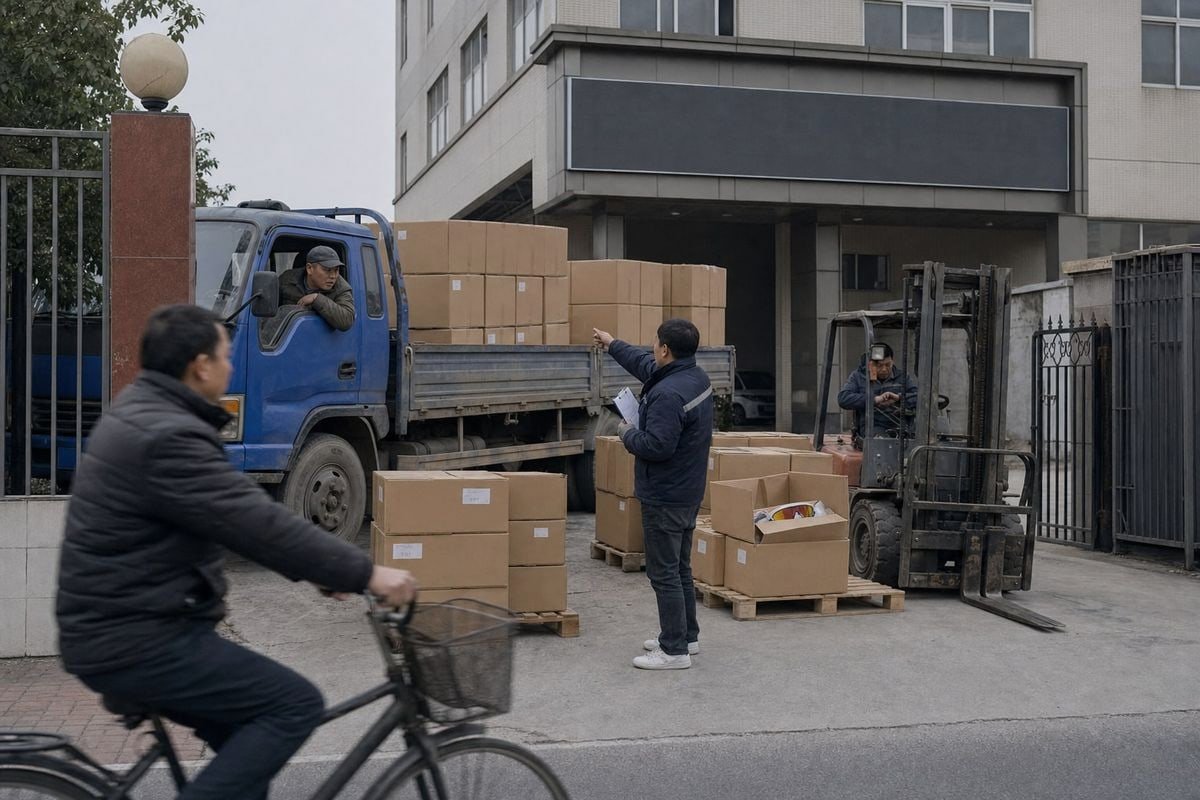
Children's sunglasses are not generic goods. In most markets, they are regulated as both toys and protective eyewear, which means documentation matters at customs. CE and EN71 6 evidence for Europe, CPSIA for the US, and equivalent standards elsewhere. Whoever clears your goods must know this.
Risk transfer points, stage by stage
Think of an order as a relay race. The trade term decides where the baton passes:
- Goods leave our workshop in Taizhou. Under EXW, risk is already yours here.
- Goods reach the port and are loaded. Under FOB, risk passes to you at loading.
- Goods cross the ocean. Under CIF, the supplier paid freight and basic insurance, but risk already passed at loading — a detail many buyers miss.
- Goods clear import customs. Under DAP, risk passes at arrival before duties.
- Goods arrive at your warehouse. Under DDP, risk stays with the supplier until here.
Why visibility affects compliance risk
If a lens batch has a defect or a documentation query arises, weak visibility makes everything harder. Under FOB with your own forwarder, you know exactly where the container is and who holds the paperwork. Under DDP, you depend on the supplier's chain. In our experience, FOB shipments cleared by buyer-selected forwarders face fewer inspection delays, because those brokers know destination-specific children's eyewear regulations better than supplier-appointed ones.
Whatever term you choose, write compliance responsibility into the contract explicitly. State who provides test reports, who pays for lab testing, and which standard applies. Trade terms allocate shipping risk — they do not automatically allocate compliance risk. That clause is on you.
Which trade term gives me the best balance of cost and control for a new kids' sunglasses brand?
After fifteen years of shipping flexible TPEE and TR90 kids' eyewear worldwide, I have watched buyers evolve. Most follow the same path — and it points to a clear answer.
FOB gives new kids' sunglasses brands the best balance of cost and control. The factory manages China-side export work while you control freight, insurance, and clearance. Start with CIF or DDP only for tiny trial orders, then move to FOB as volumes grow.
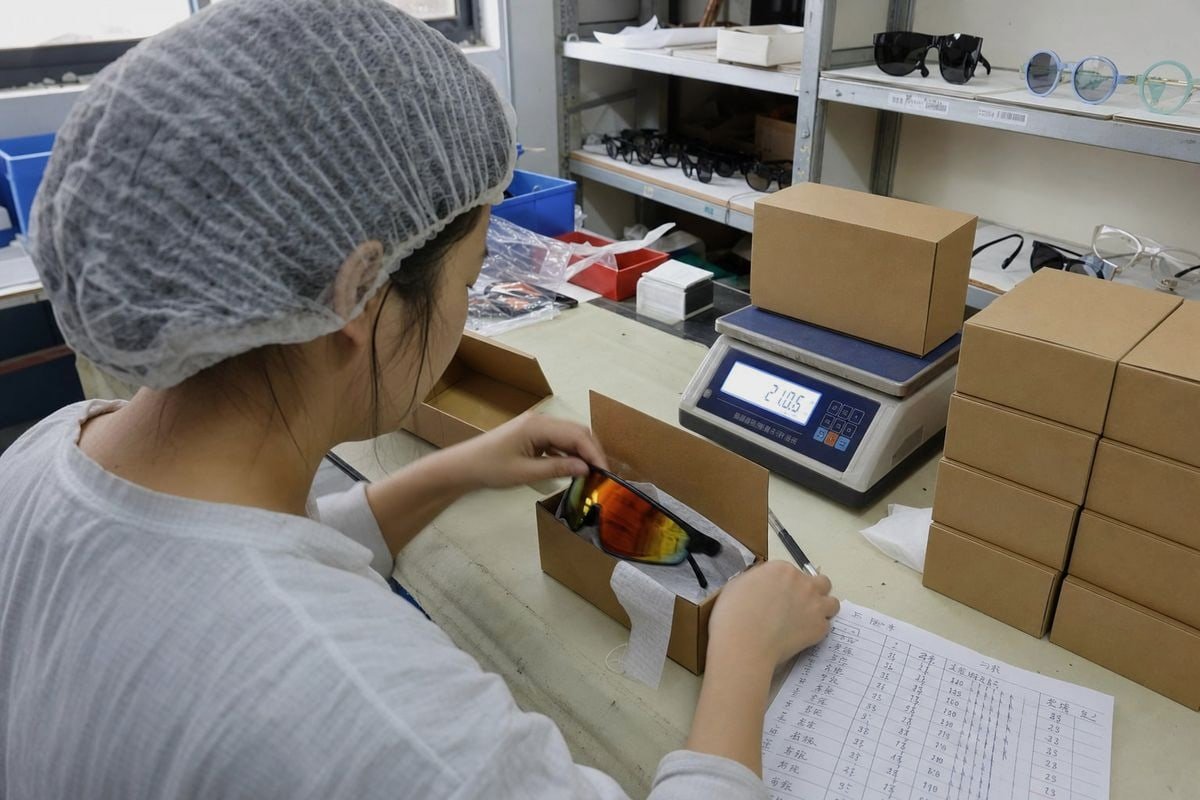
There is a natural progression I recommend to founders and product managers. It matches your logistics maturity to the term you use, so you never take on complexity you cannot handle.
The three-stage progression
| Étape | Order profile | Recommended term | Pourquoi |
|---|---|---|---|
| Essai | Small sample or test order, often air freight | DDP or CIF | One simple price; low operational burden while you validate the market |
| Growth | Regular sea-freight orders, private-label packaging | FOB | You gain freight control, transparent costs, and faster customs handling |
| Échelle | Large recurring volumes, dedicated forwarder | FOB, or EXW with strong China support | Full optimization of routes, consolidation, and insurance |
This is why we built our catalog of roughly 800 existing styles — from wraparound sport shields with mirrored gradient lenses to soft-touch pastel round frames. New brands can pick proven designs, skip mold investment, and run a small DDP trial without heavy risk. When the trial sells, they switch to FOB for the production run and keep the savings.
Negotiate the full package, not just the Incoterm
The trade term should be negotiated together with payment terms and inspection milestones. Common structures include a 30% deposit with balance before shipment, 30-40-30 arrangements, or 50% against the bill of lading 7 copy. Tie your balance payment to a passed pre-shipment inspection. That way, quality verification, cash flow, and risk transfer all align at the same checkpoint. Some factories, ours included, can bundle pre-shipment inspection coordination into the FOB arrangement, which gives you predictable costs without hunting for separate agencies.
One more advanced tactic: if you source accessories like cases or straps from a second supplier, you can split terms — FOB for the main eyewear production and EXW consolidation for accessories — and let your forwarder combine them. Done well, this trims total landed cost noticeably.
Conclusion
Trade terms decide your real cost, timeline, and risk when sourcing kids' sunglasses from China. Compare landed costs, default to FOB, and negotiate terms, payment, and inspection together.
Notes de bas de page
1. Official ICC source defining Incoterms rules referenced throughout the trade-term discussion. ↩︎
2. US government trade resource explaining import customs clearance procedures for buyers. ↩︎
3. Wikipedia background on nylon-based polymer materials used in flexible eyewear frames. ↩︎
4. Wikipedia explains the standardized trade terms discussed throughout the article. ↩︎
5. Wikipedia background on marine cargo insurance types like ICC(A) and ICC(C). ↩︎
6. European Commission page on toy safety standards referenced for kids’ eyewear compliance. ↩︎
7. Background reference for the shipping document mentioned in payment structures. ↩︎
Plus d'articles que vous pourriez aimer
1 août 2026
L'usine doit-elle gérer l'emballage et l'étiquetage des lunettes pour enfants, ou utiliser un fournisseur désigné ?
1 août 2026
Entrepôt propre vs. exécution directe par le fournisseur : lequel réduit les coûts de retour pour les marques de lunettes pour enfants ?
1 août 2026
Entrepôt direct au port ou staging outre-mer : lequel permet d'économiser le plus sur l'expédition des lunettes pour enfants ?
Vous recherchez un partenaire fiable en lunetterie pour enfants ?
Explorez plus de 800 styles prêts et un support OEM/ODM complet adapté à votre marque.
Contactez-nous English
  Español de México
  Deutsch
  Français
  日本語
日本語  العربية
  Português do Brasil