中国からの子供用サングラスの税関書類の準備方法
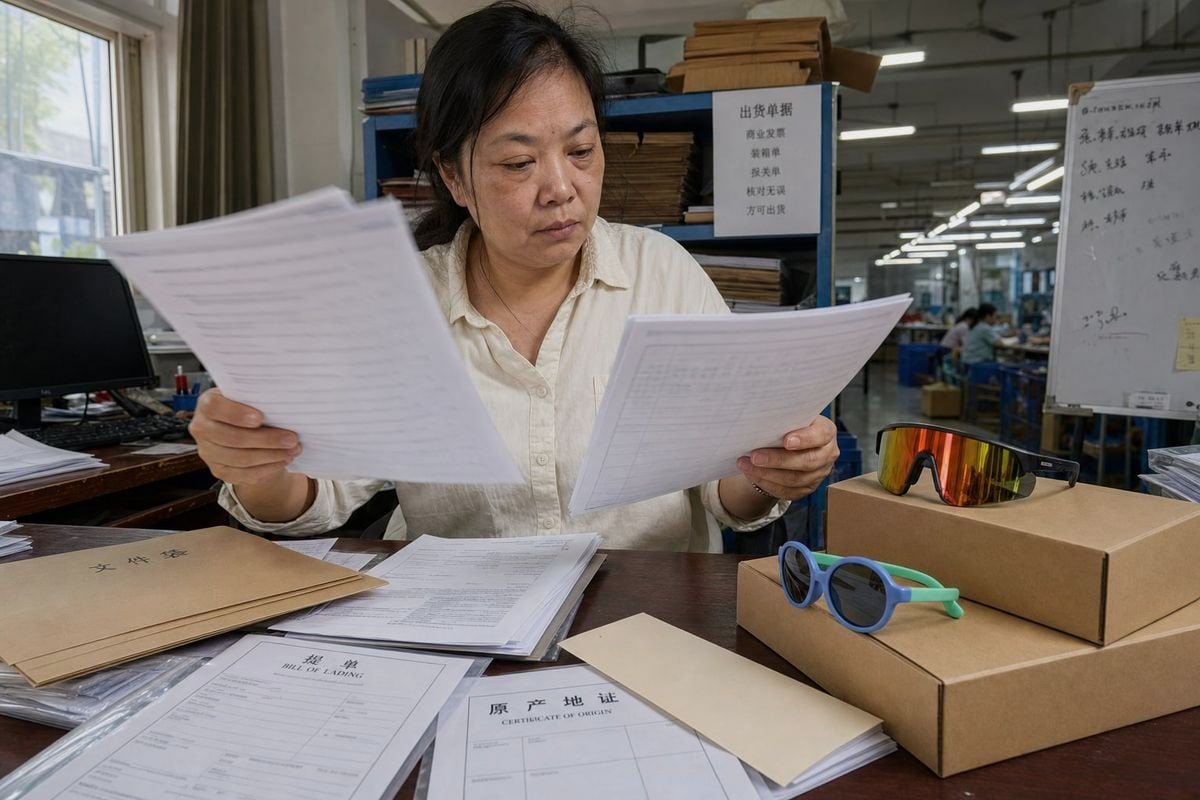
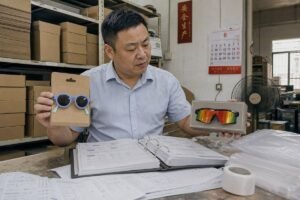
中国からの子供用サングラスの税関書類の準備は、多くの初めてのバイヤーを立ち止まらせます。書類が1枚でも不足すると、貨物が港で凍結し、予算を使い果たし、発売が遅れる可能性があります。15年間、私たちの台州工場から20カ国以上のバイヤーに子供用眼鏡を発送してきた経験から、貨物を動かし続ける書類と、差し押さえを引き起こすギャップを正確に把握しています。.
中国からの子供用サングラスの税関書類を準備するには、商業送り状、梱包明細書、船荷証券または航空貨物運送状、原産地証明書、および正しいHSコード(通常は9004.10)を準備します。市場固有の安全証明を追加します。米国向けにはCPCおよびFDAのドロップボール記録、EU向けにはEN ISO 12312-1テストレポート付き適合宣言書が必要です。.
それが簡単な答えです。次に、各書類、子供用眼鏡に必要な安全証明書、および遅延を引き起こす間違いについて説明します。.
中国から子供用サングラスをスムーズに輸入するには、どのような書類が必要ですか?
昨年、新しいオーストラリアのバイヤーが、最初の注文が倉庫を出る前に輸入書類のレビューを依頼してきました。10分で3つのギャップが見つかりました。そのレビューにより、税関での数週間が節約されました。.
商業インボイス、梱包明細書、船荷証券または航空貨物運送状、原産地証明書、および税関申告書が必要です。インボイスには、正確な製品説明、HSコード、単価、総額、インコターム、原産国を記載する必要があり、これらはすべて現物と一致している必要があります。.
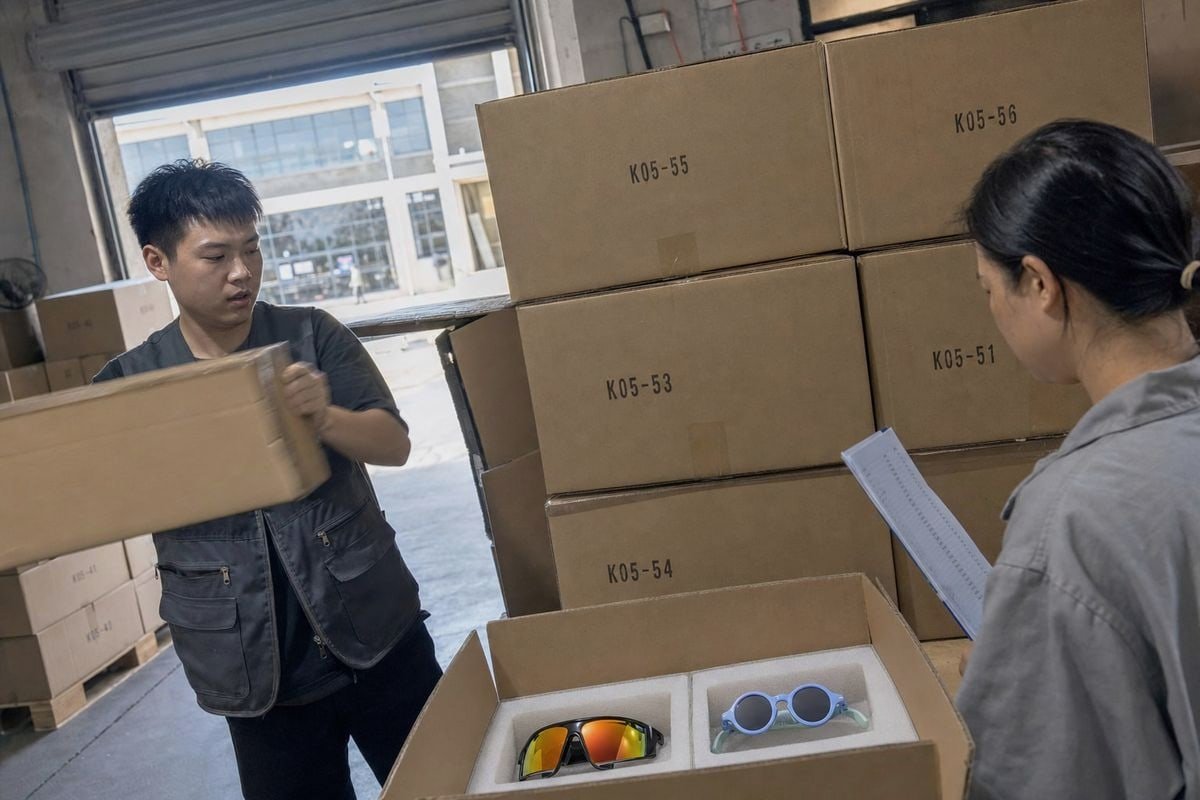
税関職員は4つのことを確認したいと考えています。商品が何か、その価値はいくらか、どのように輸送されたか、そしてどこで製造されたかです。あなたの書類の各書類は、これら4つのポイントのいずれかを裏付ける必要があります。子供用サングラスの輸出書類を準備する際、ランダムな書類の山ではなく、その論理を中心に書類を作成します。.
主要書類セットの説明
ここに、仕向け地に関係なく、すべての子供用サングラスの出荷に必要な基本書類があります。
| 文書 | 登録番号 | 誰が準備するか |
|---|---|---|
| 商業送り状 | 製品の識別、価値、インコタームズ、原産地 | サプライヤー(工場) |
| 梱包明細書 | カートン数、重量、寸法、SKUマッピング | サプライヤー(工場) |
| 船荷証券/航空貨物運送状 | 輸送経路と出荷所有権 | 貨物運送業者/運送会社 |
| 原産地証明書 1 | 関税のための製造原産地 | 商工会議所経由のサプライヤー |
| 税関申告書 | 仕向国への正式な輸入通関 | 輸入者または通関業者 |
| 製品仕様書 | 税関から問い合わせがあった場合の技術的な説明 | サプライヤー(工場) |
説明が予想以上に重要な理由
請求書に「サングラス」のような曖昧な記載があると危険です。税関は検査のために出荷を保留する可能性があります。私たちは常に具体的な説明を記載しています。「子供用プラスチックフレームサングラス、UV400レンズ、モデルKS-2210、アソートカラー」。請求書、梱包明細書、カートンラベルの説明は、文字通り一致する必要があります。私の経験では、書類の不一致よりも説明の不一致の方が、出荷保留の原因となることが多いです。.
HSコードの問題
ほとんどのサングラスは以下の分類に該当します HS番号9004.10 2. 。しかし、関税率と追加要件は、市場、フレーム素材、レンズタイプによって異なります。米国向けの商品は、, セクション301関税 3 により、中国原産の眼鏡に7.5%から25%が追加される可能性があるため、現在のスケジュールと除外リストを確認してください。私は常にバイヤーに伝えています。商品が私たちの工場を出る前に、港に到着してからではなく、通関業者に正確なコードを確認するようにしてください。.
どのようにすれば、サプライヤーが正確な税関書類を提供してくれることを確実にできますか?
ドイツの輸入業者がかつて、以前のサプライヤーが請求書の価値よりも40%低い金額で出荷を申告したと語っていました。税関がそれを指摘し、罰金を科し、次の3回の出荷を監査しました。その会話が、私たちが現在すべての新しいバイヤーに説明する方法を形作りました。.
請求書、梱包明細書、カートンラベルを照合して、出荷前に品名、数量、価値が一致することを確認し、サプライヤーの書類を検証してください。ドラフト文書を早期に依頼し、HSコードを共に確認し、罰金や監査の原因となる過少申告された価値は決して受け入れないでください。.
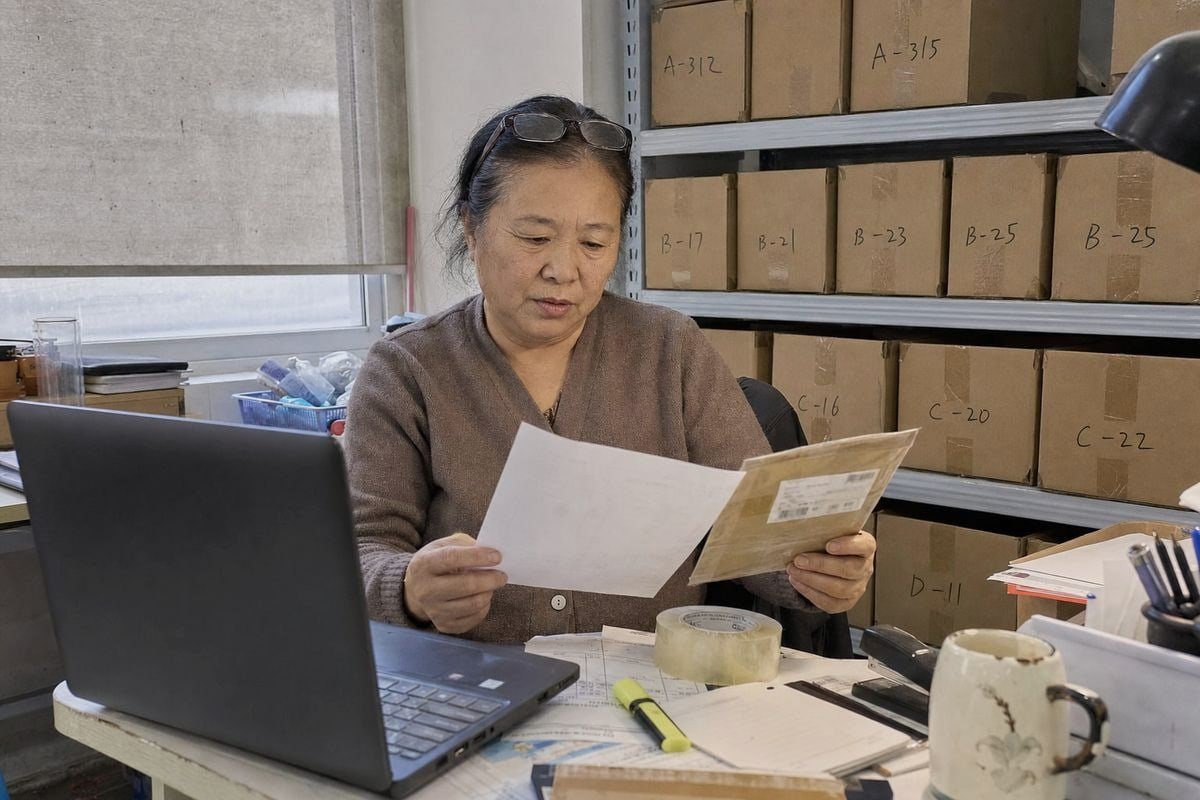
正確さは約束ではなく、プロセスです。私たちのワークショップでは、注文がまだ生産中である間にドラフトの輸出書類が準備されるため、バイヤーは貨物が移動する数日前にそれらを確認できます。私は、どのサプライヤーにも同じワークフローを要求することをお勧めします。ここに効果的な手順があります。
- 注文確認時にドラフト書類を要求します。. 合意された説明、HSコード、, インコタームズ, 、および単価が確定したプロフォーマインボイスを入手します。.
- 数量を発注書と照合します。. 梱包明細書のSKU数は、発注書の品目と正確に一致する必要があります。.
- 申告された価値を確認します。. それはあなたが実際に支払った金額と一致しなければなりません。「関税を節約するため」の過少申告は、差し押さえと罰金への最も速い道です。.
- Confirm the origin statement. The invoice, the certificate of origin, and the frame markings must all say the goods are made in China.
- Review final documents before the vessel or flight departs. Corrections cost nothing before departure and cost weeks afterward.
Red flags that signal weak paperwork
Watch for suppliers who resist sharing draft documents, who suggest lowering the declared value, or who use one generic description for every product. In our experience exporting kids' eyewear, traders often reuse old templates from unrelated products, which is why buying directly from a factory that prepares its own export files reduces error risk. Ask your supplier who physically types the invoice. If they cannot answer, the paperwork is being outsourced blindly.
One consistency rule to remember
Every number and word must appear identically across all documents. If your invoice says 500 cartons and your ISF filing says 480, customs sees a discrepancy, not a typo.
子供用眼鏡の出荷に対して、どのような安全証明書を要求すべきですか?
Compliance is the trade-off I discuss most with new brand founders. Testing costs money upfront, but children's products face stricter scrutiny than adult accessories, and skipping safety proof is the most expensive shortcut in this business.
米国については、鉛、フタル酸エステル、および窒息の危険性に関するCPSC認定ラボテスト、および21 CFR 801.410に基づくFDAの落下球耐性記録に裏付けられた児童製品証明書を要求してください。EU/英国については、EN ISO 12312-1テストレポートおよびCEマーキングを伴う適合宣言を要求してください。.
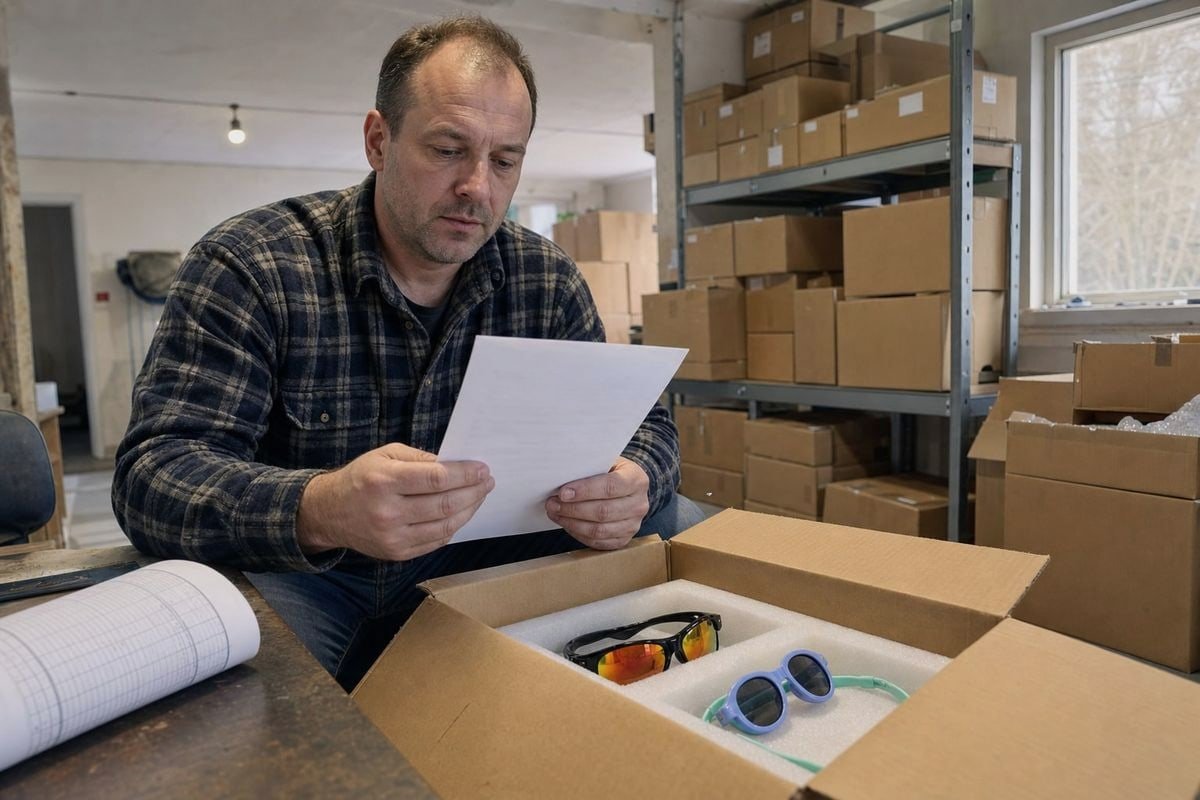
Kids' sunglasses sit at the crossing point of two regulatory worlds: import compliance and child-product safety. Standard sunglasses paperwork is not enough. Because your product is intended for children, regulators expect extra proof. When we developed our TPEE and TR90 flexible frames, safety documentation was designed into the process from the start, because our buyers in Europe, Japan, and Australia all ask for it before placing their first order.
US versus EU requirements at a glance
| 要件 | アメリカ合衆国 | 欧州連合 / 英国 |
|---|---|---|
| Core framework | CPSIA 4 (children's products) + FDA rules | General Product Safety + PPE-related standards |
| Key certificate | Children's Product Certificate (CPC) | Declaration of Conformity (DoC) |
| Lens standard | 21 CFR 801.410 5 impact resistance (drop-ball) | EN ISO 12312-1 |
| Lab testing | CPSC-accepted third-party lab | Accredited lab test reports |
| Extra obligations | FDA establishment registration, device listing, tracking labels | CE marking on product/packaging |
| Per-lot paperwork | Impact-resistance certificate should accompany each entering lot | DoC kept on file, presented on request |
Points buyers often miss
The FDA treats sunglasses as medical devices that are exempt from 510(k) premarket clearance. Exempt does not mean unregulated. Establishment registration, device listing, and impact-resistant lens certification still apply, and a lens compliance certificate should travel with each lot entering the US. On the CPSIA side, children's products need third-party testing for lead content and phthalates, plus permanent tracking labels on each unit. In Europe, the Declaration of Conformity must reference the actual test reports — a bare "CE certificate" PDF from an unknown source is worthless if the lab evidence behind it does not exist. I always advise buyers to ask for the full test report, not just the certificate page.
UV claims need proof too
If your packaging says UV400, your test report must support that claim. We supply lens test data with our UV400 and polarized options precisely because customs and market-surveillance authorities can challenge unsupported claims.
子供用サングラスを大量輸入する際に、税関の遅延を避けるにはどうすればよいですか?
The costliest delay I ever witnessed came from something tiny: missing "Made in China" markings on the frames. The buyer's entire container sat at a US port for three weeks while stickers were applied under customs supervision. A five-minute check at our factory would have prevented it.
税関の遅延を回避するには、すべての書類を現品と照合し、フレームに原産国を永久に刻印し、海上積み込みの少なくとも24時間前にISF 10+2を提出し、正確な価値を申告し、正しいHSコードを使用し、出発前に必要なすべての安全証明書を添付してください。.
Delays rarely come from bad luck. They come from mismatches — between paper and product, between declared value and market reality, between what the label says and what the rules require. Bulk shipments raise the stakes because one error freezes thousands of units at once.
The most common delay triggers and their fixes
| Delay trigger | Why it happens | How to prevent it |
|---|---|---|
| Inconsistent descriptions | Invoice, packing list, and labels written at different times | One master product description used on every document |
| Missing origin marking | Frames shipped without "Made in China" text | Verify permanent, legible English marking during QC |
| Under-declared value | Attempt to reduce duty | Declare the true transaction value, always |
| Wrong or generic HS code | Code copied from an old shipment | Confirm classification with a broker per product spec |
| Missing safety certificates | Supplier never tested the product | Collect CPC, DoC, or FDA records before booking freight |
| Late ISF filing (US ocean) | Forwarder not briefed | File ISF 10+2 7 at least 24 hours before loading |
Build a pre-departure checklist
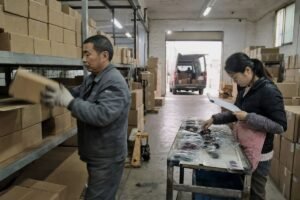
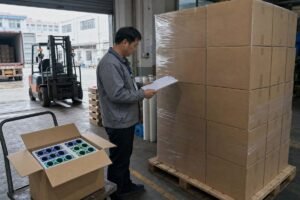
Before any bulk order leaves our facility, we run a document-and-goods match: final invoice against packing list, packing list against physical cartons, carton labels against SKUs, frame markings against the origin declaration. I suggest importers request photos of carton markings and frame stamps as part of the pre-shipment inspection. It takes your supplier an hour. It can save you a month.
When a customs broker earns their fee
For a first bulk import of children's eyewear, a licensed customs broker is worth every dollar. Brokers confirm the HS code, file the entry correctly, handle Section 301 tariff questions, and know what documentation your local port officers actually expect. Our long-term buyers in the US and Europe almost all work with brokers, and their clearances are consistently faster than buyers who self-file. Think of the broker fee as insurance against demurrage charges, which cost far more per day than the broker costs per shipment.
結論
Customs paperwork for kids' sunglasses is part logistics, part safety proof. Get the core documents right, match every detail, secure child-safety certificates early, and your shipments clear smoothly.
脚注
1. Background concept explaining the purpose and use of certificates of origin in trade. ↩︎
2. Official trade resource explaining HS code classification for tariff purposes. ↩︎
3. USTR is the authoritative source on Section 301 tariff actions against China. ↩︎
4. Background on the US law governing children’s product safety testing requirements. ↩︎
5. FDA guidance on sunglasses regulation and impact-resistance requirements. ↩︎
6. Official ISO standard page defining sunglasses safety and performance requirements. ↩︎
7. CBP official page explaining the Importer Security Filing requirement for ocean freight. ↩︎
 English
  Español de México
  Deutsch
  Français
  日本語
日本語  العربية
  Português do Brasil