How to Negotiate End-of-Season Clearance Discounts with Kids Sunglasses Suppliers?
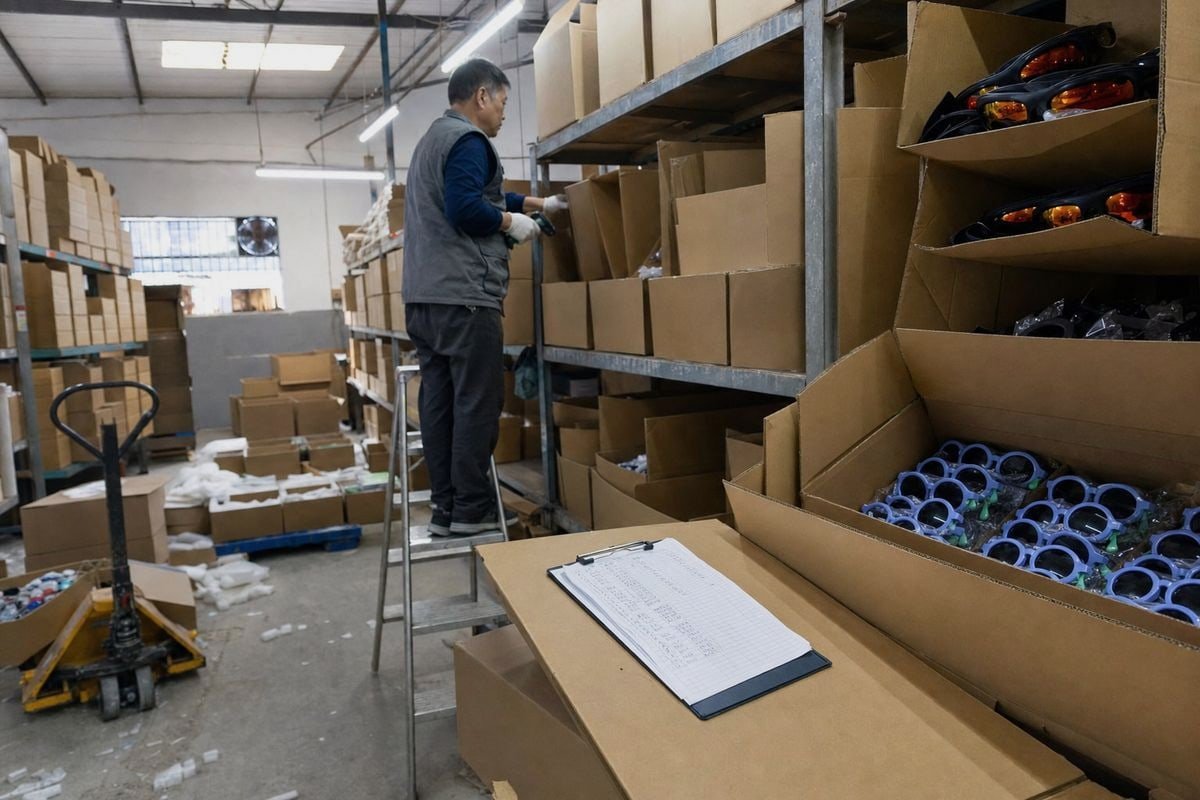
Every September, our warehouse fills with end-of-season kids sunglasses inventory certification renewal cycles 1. Buyers who never ask about clearance discounts leave real margin on the table — and that hurts their retail pricing all year.
To negotiate end-of-season clearance discounts with kids sunglasses suppliers, approach them 4–6 weeks before season transitions, target slow-moving SKUs, commit to larger mixed-lot orders, offer fast payment, and bundle price, freight, and MOQ into one combined ask. Expect 20–50% off list pricing.
Clearance negotiation is not about being aggressive. It is about timing, preparation, and knowing what the supplier actually wants to move. Let me walk you through how this works from the factory side.
How much discount can I realistically expect on end-of-season kids sunglasses inventory?
Last October, a distributor from Australia asked me for 60% off our entire catalog. I said no — but I offered him 45% off twelve discontinued colorways, and he took all of them.
Realistic end-of-season clearance discounts on kids sunglasses range from 20% to 50% off standard wholesale pricing. Discontinued colors, overstock, and aged packaging sit at the deep end. Current best-sellers rarely move more than 10–15%, because suppliers protect core assortment.
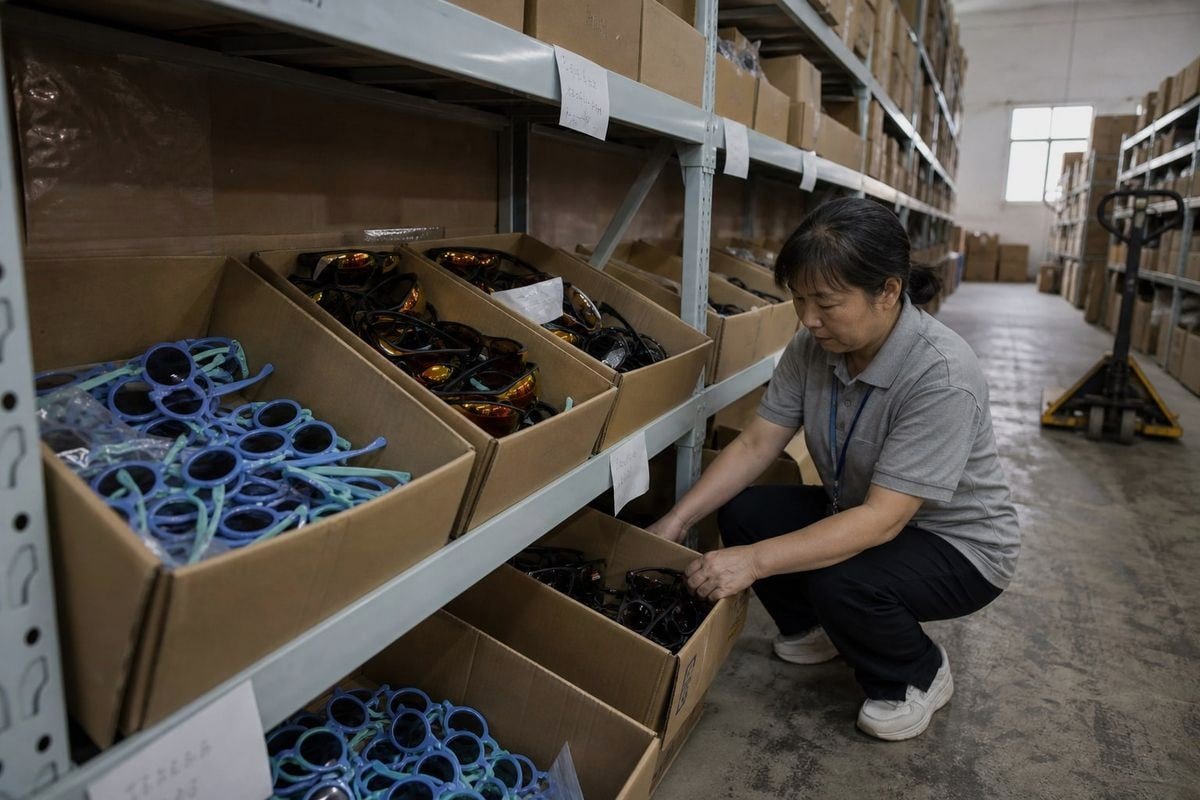
The discount you get depends almost entirely on what kind of inventory you target. You are not negotiating from scratch. Retail brands already advertise clearance markdowns 2 of 30% to 50% on selected sunglasses styles, and that public markdown ladder tells you the whole industry has room to move on seasonal stock. Wholesale pricing follows the same logic, just one layer upstream.
The discount ladder, from the factory side
At our Taizhou factory, we mentally sort end-of-season inventory into tiers. Each tier has a different negotiation ceiling.
| Inventory Type | Typical Discount Range | Supplier Motivation |
|---|---|---|
| Current best-sellers, core colors | 5–15% | Low — protected assortment |
| Overstock of active styles | 15–25% | Medium — cash flow help |
| Discontinued colorways | 30–45% | High — dead stock risk |
| Aged packaging or prior-season designs | 40–50% | Very high — warehouse space |
| Trade show samples and display stock | 40–60% | Very high — small lots, quick exit |
Notice the pattern. The deeper the discount, the more specific the SKU list. When a public clearance page says "selected styles only," that is the same signal you will hear from a factory: the discountable pool is limited and negotiated deals will be SKU-specific.
Why timing shifts the numbers
Approach a supplier in peak season and even discontinued stock gets a shrug. Approach 4–6 weeks before the season transition — when new molds are being scheduled and warehouse space is needed — and the same stock suddenly has a price tag with flexibility built in. In our experience exporting to 20+ countries, the buyers who ask early and ask specifically get the best net pricing. The buyers who demand blanket discounts get polite refusals.
What order quantities or terms help me negotiate better clearance pricing with my supplier?
There is a trade-off I weigh every time a clearance inquiry lands in my inbox: unit price versus certainty. A buyer who removes my uncertainty — on volume, payment, and timing — earns a lower number.
Better clearance pricing comes from taking full remaining lots, accepting mixed-SKU cartons, paying upfront or on short terms, allowing flexible shipping windows, and accepting existing packaging. Bundle price, MOQ, freight, and payment into one combined proposal rather than negotiating each item separately.

Price is only one lever. In fifteen years of eyewear production, I have seen buyers win better net costs without the supplier ever lowering the unit price — they negotiated everything around it instead.
The levers that actually move the number
Here is how each concession affects your final landed cost, seen from our side of the table.
| What You Offer | Why the Supplier Cares | What You Can Ask in Return |
|---|---|---|
| Take the full remaining lot | Ends the SKU completely; frees a shelf | Deepest unit price cut |
| Accept mixed-SKU cartons | No repacking labor needed | 5–10% additional reduction |
| Pay 100% upfront | Immediate cash flow, zero credit risk | Extra 3–8% off, or free freight |
| Flexible ship window | Supplier consolidates logistics | Shipping credit or free samples |
| Accept blank or existing packaging | Saves labeling and rework cost | Lower price or bonus display stock |
| Commit to a next-season order | Turns you into a repeat account | Priority access to future clearance |
Build one combined proposal
Do not negotiate these items one at a time. A drip of small asks feels like nibbling, and suppliers harden against it. Instead, send one clear package: "We will take all 4,800 units of these five discontinued SKUs, mixed cartons are fine, payment on confirmation, ship whenever you consolidate — at this target unit price." That kind of offer gets an answer within a day, because it solves the supplier's whole problem at once.
Small buyer? Consolidate
If your volume is modest, propose sharing a container or LCL shipment 3 with another buyer. Lower per-unit freight makes your target price achievable, and suppliers often sweeten terms for buyers who solve their own logistics.
How do I make sure discounted stock still meets safety and quality standards?
A buyer from Japan once taught me a lesson I now repeat to everyone. Before confirming a clearance order, she asked for fresh UV400 test data 4 on two-year-old stock — and one lens batch had degraded coating. We pulled it. She still buys from us today.
Before buying clearance kids sunglasses, request current UV400 test reports, verify CE or ANSI Z80.3 compliance documents match the actual lot, inspect samples for lens scratches and hinge fatigue, confirm packaging condition, and clarify in writing whether the stock is final sale or returnable.
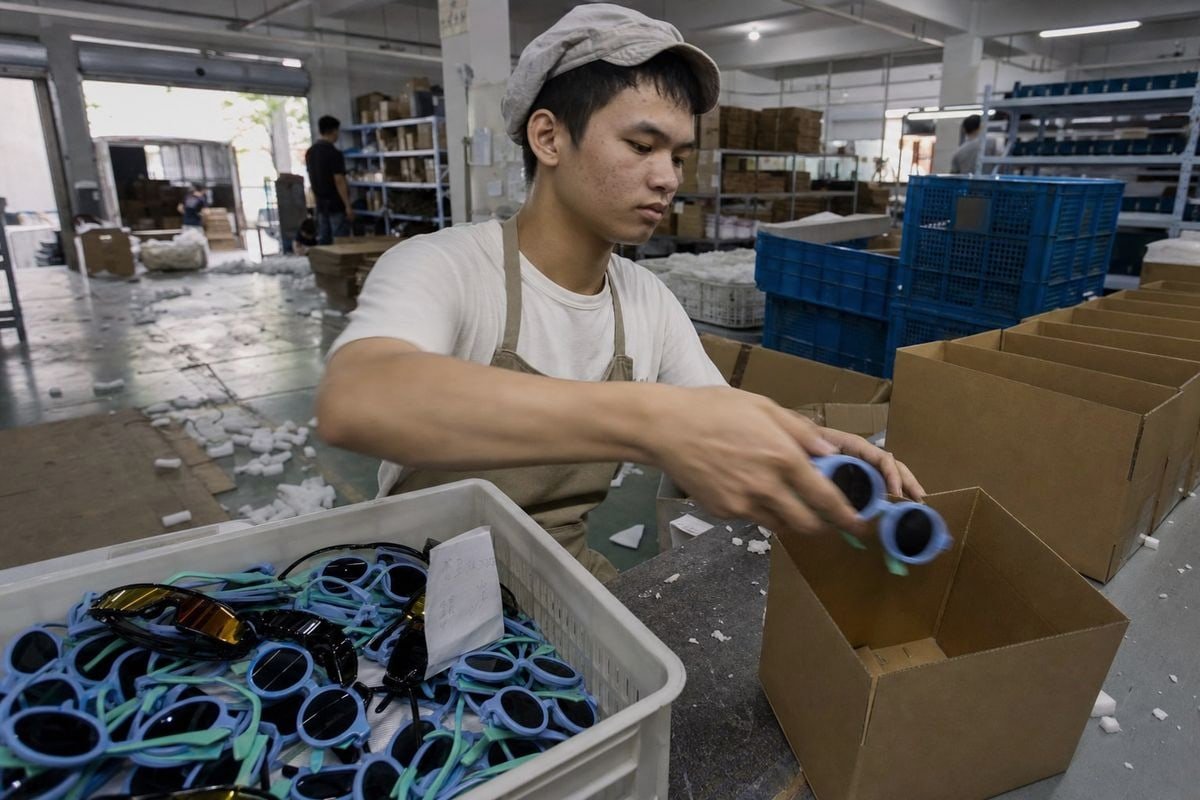
Discounted does not have to mean degraded — but you must verify, not assume. Children's eyewear carries safety obligations that do not shrink because the price did. When we hold TR90 and TPEE stock between seasons, the flexible materials age well, but lens coatings, packaging, and small hardware still need checking before anything ships.
A pre-purchase inspection checklist
Run through these steps on every clearance lot, no exceptions:
- Request lot-specific documentation. Ask for UV400 test reports and CE or ANSI Z80.3 5 compliance papers tied to the actual production batch, not a generic catalog certificate.
- Order physical samples from the clearance stock. Not showroom samples — pieces pulled from the cartons you will actually receive.
- Check the lenses. Look for coating scratches, delamination on mirrored finishes, and haze from long storage.
- Flex the frames and work the hinges. Quality flexible materials like TPEE and TR90 6 should bend and recover without whitening or creaking. Stiff or brittle temples suggest poor material or bad storage.
- Inspect packaging. Sun-faded boxes and yellowed poly bags kill retail presentation even when the product inside is perfect.
- Ask about certification renewal cycles. Some suppliers discount stock approaching recertification testing dates. That can be fine — if the current documents still cover your import window and target market.
- Get return terms in writing. Clearance stock is often final sale. Know that before you pay, and negotiate a defect allowance if returns are excluded.
Watch for the wrong kind of discount
A deep discount driven by seasonality is an opportunity. A deep discount driven by hidden defects, failed batches, or missing paperwork is a liability. The difference shows up in documentation and samples, which is exactly why you should never skip either.
Should I negotiate clearance deals differently with a manufacturer versus a trading company?
When buyers visit our workshop floor in Taizhou, they often tell me the same thing: previous "suppliers" turned out to be traders who could not answer basic questions about lens materials or stock history. That distinction matters most in clearance deals.
Yes. Factories know exactly what stock exists, why it is discounted, and can flex on packaging, rework, and future-order bundling. Trading companies offer wider assortments but thinner margins, less stock transparency, and no rework ability. Verify who you are dealing with before negotiating.

The negotiation playbook changes depending on who sits across the table, because each party has different costs, different information, and different flexibility.
Factory versus trader: what changes
| Negotiation Factor | Direct Manufacturer | Trading Company 7 |
|---|---|---|
| Knows why stock is discounted | Yes — full production history | Often only partial information |
| Margin room to cut | Deeper — one margin layer | Thinner — factory cost is fixed for them |
| Can rework or repackage stock | Yes, on-site | Rarely |
| Can provide lot-specific test reports | Directly from records | Must request from the factory |
| Assortment breadth in one deal | One factory's styles | Multiple factories' leftovers |
| Value of a future-order promise | High — you become a direct account | Lower — relationship is transactional |
How to adjust your approach
With a factory, lead with relationship and bundling. A promise of next-season business carries real weight, because factories plan capacity months ahead. Ask about rework options too — at our facility, we can swap packaging, re-bag, or add a buyer's sticker to clearance stock, which a trader simply cannot do. Also ask what is coming off the line soon; factories sometimes discount styles before official discontinuation, and direct buyers hear about it first.
With a trading company, lead with speed and volume. Their advantage is assortment: they may hold leftover lots from several factories, letting you build a varied clearance mix in one shipment. But push harder on documentation, because every certificate passes through an extra hand. And do not expect the trader to cut deeply below their own buy-in price — their floor is higher than a factory's floor.
Either way, verify the claim. Ask for factory audit reports, production photos, or a video call from the workshop floor. In clearance deals especially, knowing the true source of the stock is knowing the true room in the price.
Conclusion
Negotiate end-of-season clearance discounts by timing your approach, targeting dead stock, bundling terms, and verifying safety documents. Treat suppliers as long-term partners, and clearance becomes a repeatable margin strategy.
Notes de bas de page
1. ISO explains certification renewal processes relevant to verifying product compliance timing. ↩︎
2. ITC provides trade market data supporting typical retail clearance markdown benchmarks. ↩︎
3. Defines the less-than-container-load shipping method suggested for smaller clearance buyers. ↩︎
4. FDA guidance explains why UV400 testing matters for verifying children’s sunglasses safety claims. ↩︎
5. Background on the standards body behind the ANSI Z80.3 sunglasses compliance requirement. ↩︎
6. Explains the flexible thermoplastic materials referenced when checking clearance frame quality. ↩︎
7. Alibaba represents the trading company sourcing model discussed as an alternative to factories. ↩︎
Plus d'articles que vous pourriez aimer

1 août 2026
L'usine doit-elle gérer l'emballage et l'étiquetage des lunettes pour enfants, ou utiliser un fournisseur désigné ?

1 août 2026
Entrepôt propre vs. exécution directe par le fournisseur : lequel réduit les coûts de retour pour les marques de lunettes pour enfants ?

1 août 2026
Entrepôt direct au port ou staging outre-mer : lequel permet d'économiser le plus sur l'expédition des lunettes pour enfants ?
Vous recherchez un partenaire fiable en lunetterie pour enfants ?
Explorez plus de 800 styles prêts et un support OEM/ODM complet adapté à votre marque.
Contactez-nous English
  Español de México
  Deutsch
  Français
  日本語
日本語  العربية
  Português do Brasil