¿Cómo puedo pedir a los proveedores que desarrollen modelos exclusivos de gafas de sol para niños?
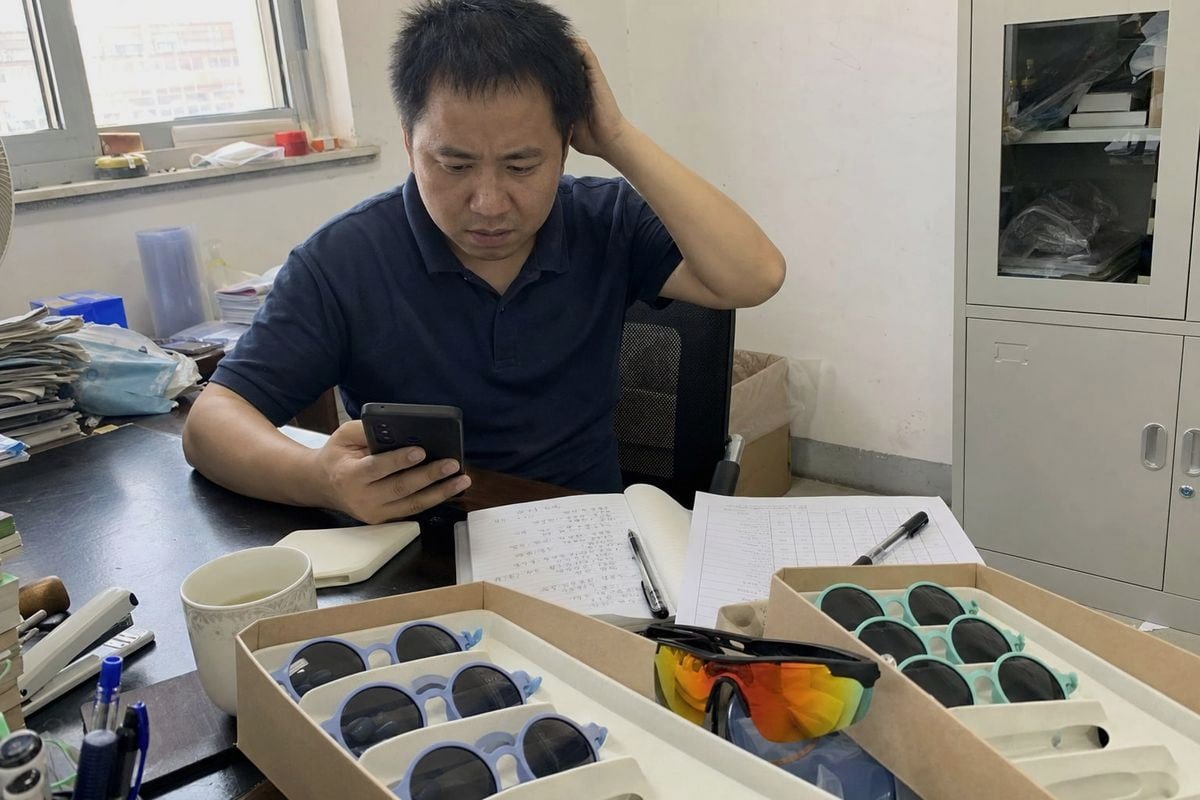
Los compradores me preguntan sobre [modelos exclusivos de gafas de sol para niños](https://okayeyewear.com/how-develop-exclusive-kids-sunglasses-own-brand-to/) casi todas las semanas, y en nuestra línea de producción veo el mismo problema: la solicitud llega demasiado vaga para que cualquier fábrica pueda actuar.
Para solicitar a los proveedores modelos exclusivos de gafas de sol para niños, envíe un brief de desarrollo claro: grupo de edad objetivo, estilo de referencia, cambios requeridos, estándares de seguridad, necesidades de logotipo y embalaje, MOQ estimado y el alcance de exclusividad que espera. Un brief específico permite a la fábrica cotizar, prototipar y comprometerse por escrito.
Esa respuesta suena simple, pero cada parte esconde decisiones reales. CPSIA 1. Permítame guiarle a través de lo que debe preparar, cómo verificar una fábrica, cómo son los plazos y cómo asegurar la exclusividad.
¿Qué debo preparar antes de contactar a un proveedor para un diseño exclusivo?
Un fundador de marca de Australia me envió un mensaje una vez con una sola línea: "¿Pueden hacer algo exclusivo para nosotros?". Nuestro equipo no pudo cotizarlo. Tuvimos que enviar once preguntas antes de que comenzara cualquier trabajo real.
Antes de contactar a un proveedor, prepare un brief de desarrollo por escrito que cubra el rango de edad objetivo, las medidas de la cara, los estilos de referencia o bocetos, las especificaciones de las lentes como lentes polarizadas UV400, los materiales, los colores, el método del logotipo, el embalaje, la cantidad estimada del pedido, el mercado objetivo y el tipo de exclusividad que desea.

El documento más útil que puede aportar es una hoja de especificaciones del producto. No tiene que ser perfecta. Tiene que ser lo suficientemente específica como para que una fábrica pueda decirle qué es posible, cuánto cuesta y cuánto tiempo lleva. Cuando los compradores nos envían un brief claro, nuestra cotización sale en días. Cuando envían una idea vaga, la ida y vuelta puede consumir dos o tres semanas antes de que siquiera discutamos las muestras.
Decida qué significa realmente "exclusivo" para usted.
La exclusividad no es una sola cosa. En el abastecimiento de gafas, puede significar al menos cinco cosas diferentes, y cada una tiene un costo y un perfil de MOQ muy diferentes. Debe decidir qué nivel desea antes de hablar con nadie.
| Nivel de exclusividad | Lo que implica | Impacto de costo típico |
|---|---|---|
| Combinación de colores exclusiva | Sus colores en una montura existente | Bajo; MOQ estándar |
| Marca privada | Su logotipo, embalaje, presentación lista para la venta al por menor | Bajo a moderado |
| Montura de stock modificada | Sienes, línea de cejas o forma de lente cambiadas en herramientas existentes | Moderado |
| Nuevo molde personalizado | Silueta completamente original, nuevas herramientas de acero | Alto; tarifa de molde más MOQ más alto |
| Exclusividad de mercado o temporal | El proveedor reserva un modelo para su región o período | Negociado, generalmente basado en el volumen |
Muchos de nuestros clientes a largo plazo comenzaron con una montura de stock modificada de nuestra biblioteca de aproximadamente 800 estilos existentes, y luego invirtieron en moldes de gafas personalizados 2 solo después de que un diseño se demostrara a sí mismo en el comercio minorista. Ese camino reduce drásticamente su riesgo.
Incluya el caso de negocio, no solo el diseño.
Una fábrica invierte horas de ingeniería, herramientas y tiempo de línea en un proyecto exclusivo. Así que dígale al proveedor por qué el proyecto vale la pena: su canal, su plan de reposición, su volumen anual aproximado. No necesita prometer cifras enormes. Necesita demostrarle al proveedor que es un socio serio, porque la exclusividad es más fácil de conceder cuando hay una historia creíble de pedidos repetidos detrás.
Prepare referencias visuales.
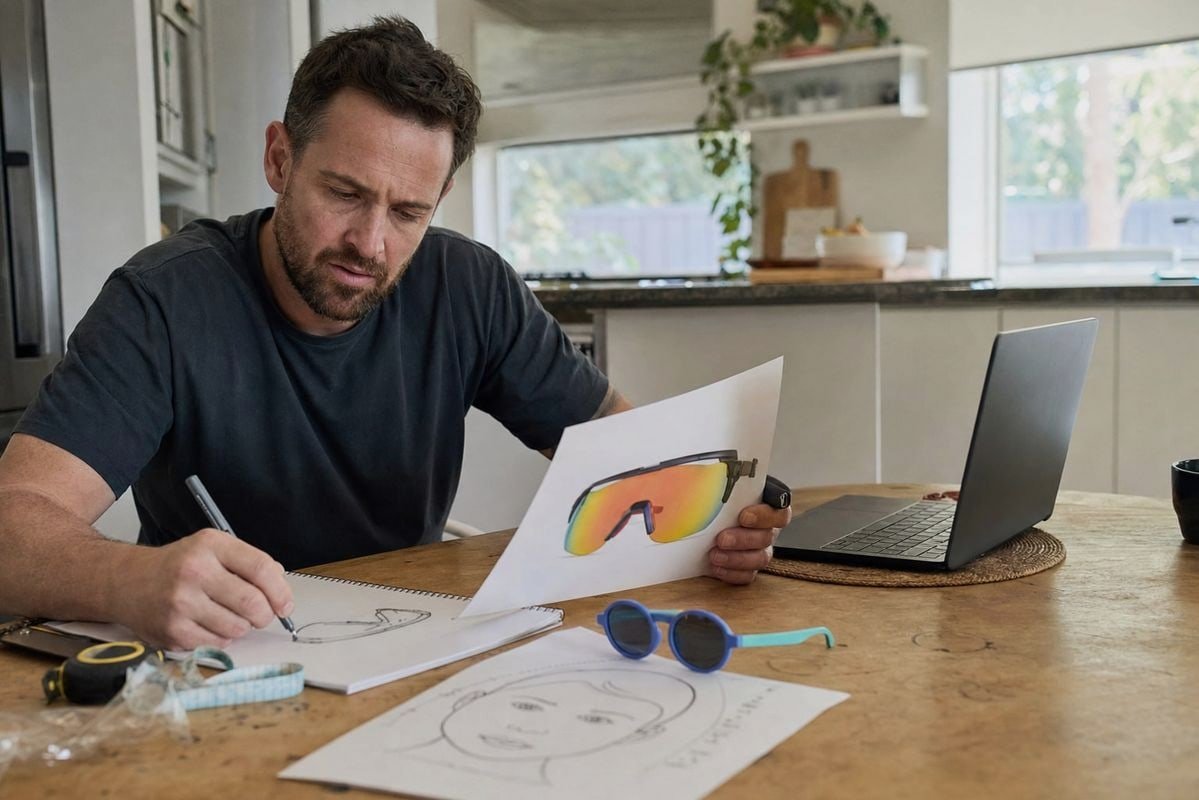
Las fotos de productos de la competencia, bocetos o incluso una captura de pantalla anotada ayudan enormemente. Por ejemplo, un comprador nos envió una foto de un estilo de escudo envolvente deportivo con una lente degradada de espejo de naranja a amarillo y nos pidió que la redujéramos y suavizáramos para edades de cinco a ocho años. Esa única imagen ahorró una semana de conjeturas.
¿Cómo sé si una fábrica realmente puede desarrollar moldes personalizados para gafas de sol infantiles?
Aquí hay una compensación que evalúo cada vez que cotizamos un nuevo molde: las monturas infantiles dejan mucho menos margen de error que las monturas para adultos, por lo que una fábrica que solo comercia o ensambla no puede asumir de forma segura el desarrollo personalizado real. Debe verificar la capacidad antes de comprometer dinero.
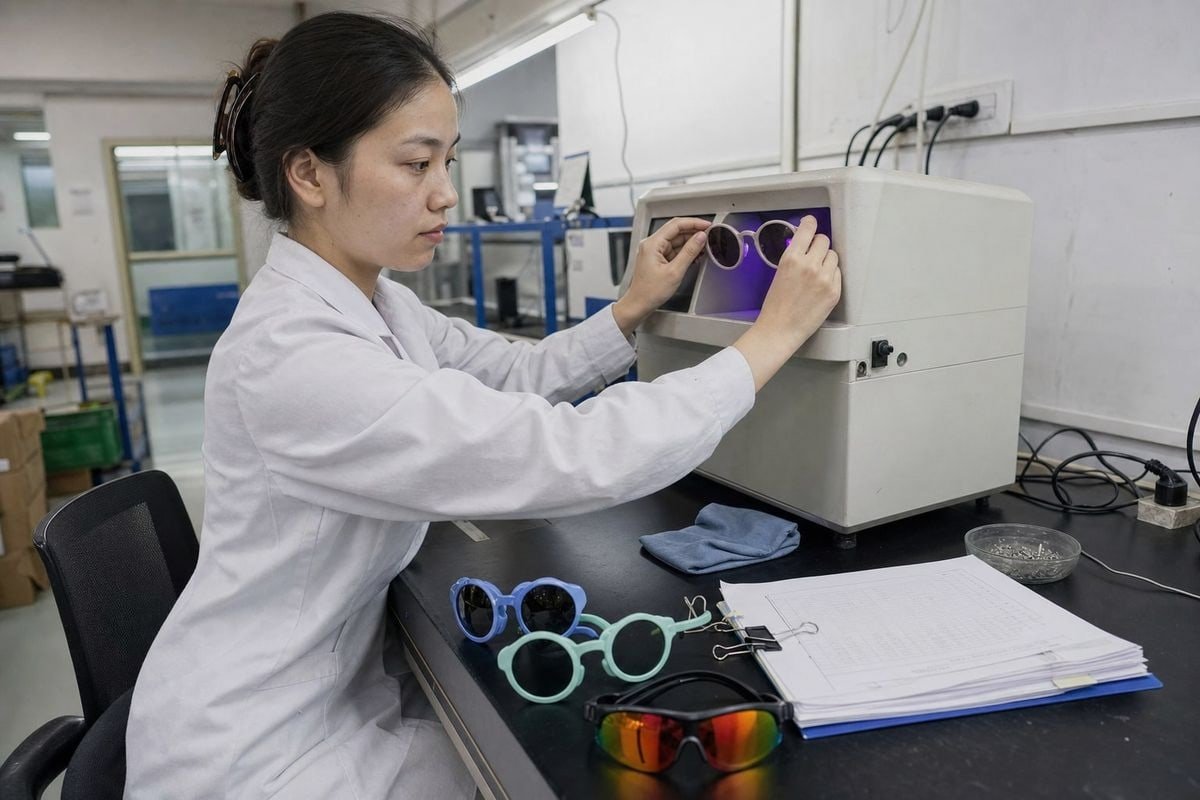
Verificar una fábrica solicitando pruebas de proyectos de fabricación OEM anteriores, borradores de CAD 3D, procesos internos de control de herramientas o moldes, datos de ajuste específicos para niños por grupo de edad, experiencia en materiales en TPEE y TR90, e informes de pruebas de laboratorio para el cumplimiento de CPSIA, CE y UV400.
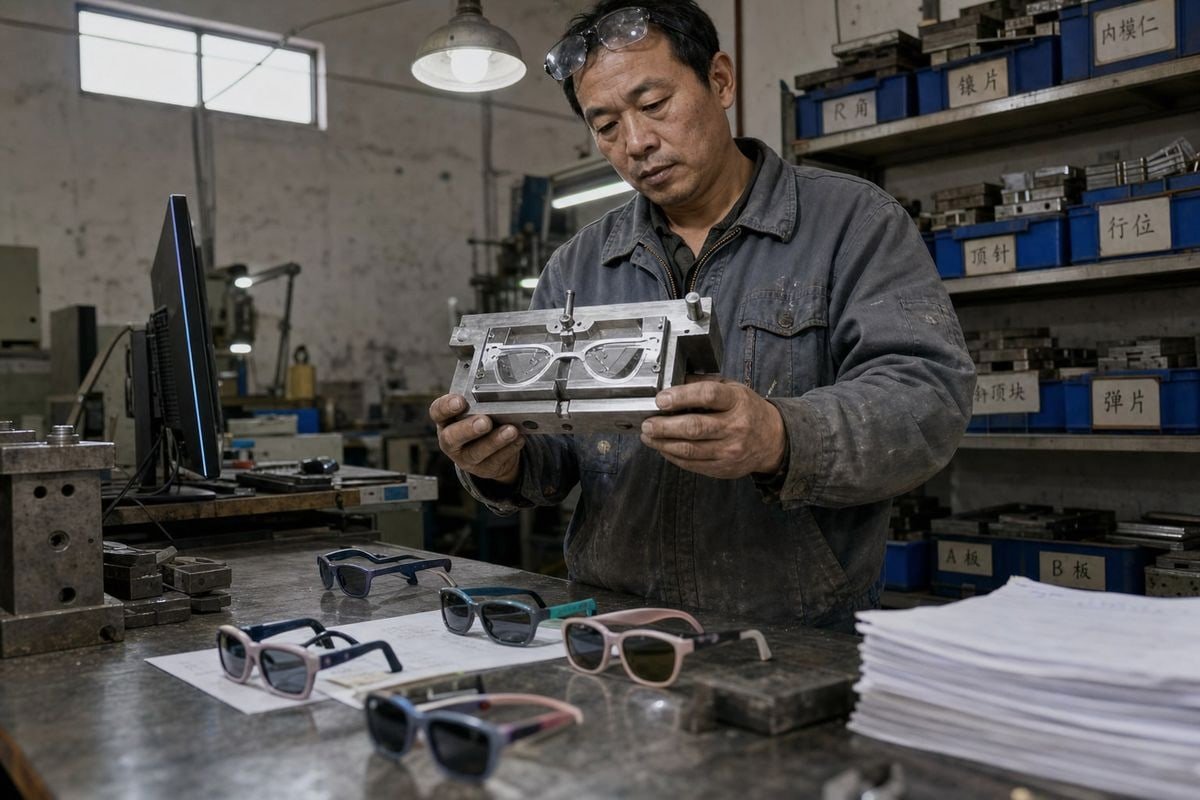
Muchos proveedores anuncian "personalización completa" pero en realidad revenden monturas de otros talleres. Si no controlan el molde, no pueden garantizar su exclusividad, sus dimensiones o la consistencia de sus pedidos repetidos. En nuestra taller gestionado con 5S 3 en Taizhou, con unos 120 trabajadores y quince años de experiencia en gafas, el control de moldes es una parte fundamental de cómo protegemos los diseños de los clientes. Eso es lo que también debe buscar en otros lugares.
Preguntas que exponen la capacidad real.
Haga estas preguntas directamente y preste atención a lo específicas que son las respuestas:
- ¿Puede mostrarme un borrador CAD 3D o una modificación de diseño para un proyecto personalizado anterior de niños?
- ¿Qué ancho de montura, tamaño de puente y longitud de patilla recomienda para las edades de 3 a 5 años frente a 6 a 10 años, y por qué?
- ¿Desarrollan y almacenan moldes internamente, y quién es el propietario de las herramientas si pago la tarifa del molde?
- ¿Qué materiales flexibles utilizan y pueden demostrar la flexión del material flexible TPEE sin romperse o formar bordes afilados?
- ¿Puede proporcionar informes de pruebas de laboratorio 4 verificados para CPSIA, CE y UV400 en productos similares?
- ¿Cuál es su proceso de muestreo de prototipos y cuántas rondas de revisión se incluyen?
Una fábrica capaz responde con números y pasos del proceso. Un comerciante responde con "sí, no hay problema" a todo. Esa diferencia es su señal de advertencia más clara.
Por qué la experiencia en materiales es más importante para los niños
Los niños tiran, se sientan, doblan y mastican sus gafas de sol. Los plásticos rígidos de inyección se agrietan y crean bordes afilados. Es por eso que nuestros ingenieros construyen casi todo alrededor de monturas de TR90 y Templo TPEE 5: estos materiales se flexionan bajo una flexión extrema y vuelven a su forma. Al evaluar a un proveedor, pídales que tuerzan una muestra frente a usted en una videollamada. También verifique acabado de borde redondeado 6, áreas de contacto pulidas y ajuste estable en rostros reales de niños, no solo en un expositor. Las normas de cumplimiento de seguridad no son papeleo para gafas infantiles; son el producto.
¿Cuál es el proceso y el cronograma típicos para desarrollar un modelo exclusivo?
Una compradora de una marca japonesa para bebés me dijo una vez que su mayor temor no era el costo, sino perder la temporada de verano porque el desarrollo se prolongaba. Su instinto era correcto. El cronograma es donde los proyectos exclusivos suelen salir mal, por lo que debes mapearlo antes de comprometerte.
Un proyecto típico de gafas de sol exclusivas para niños dura entre 90 y 150 días: resumen y cotización en 1-2 semanas, diseño 3D en 2-3 semanas, fabricación de moldes en 30-45 días, prototipo y revisiones en 2-4 semanas, luego 30-45 días para la producción en masa después de la aprobación de la muestra.
El cronograma exacto depende de si necesita una nueva herramienta o una modificación de un estilo existente. En nuestra experiencia exportando a compradores en más de veinte países, la ruta de montura modificada puede reducir el cronograma total aproximadamente a la mitad, porque la fabricación de moldes es la etapa individual más larga.
Desglose etapa por etapa
| Etapa | Nuevo molde personalizado | Montura de stock modificada |
|---|---|---|
| Breve, cotización, factura proforma | 1–2 semanas | 1 semana |
| Diseño CAD 3D y aprobación | 2–3 semanas | 1–2 semanas |
| Fabricación de moldes / ajuste de herramientas | 30–45 días | 0–15 días |
| Muestreo de prototipos y pruebas de ajuste | 2–4 semanas | 1–2 semanas |
| Pruebas de laboratorio para cumplimiento de seguridad | 2–3 semanas (pueden superponerse) | A menudo ya cubierto |
| Producción en masa | 30–45 días | 30–40 días |
Dos notas prácticas sobre esta tabla. Primero, obtenga siempre una hoja de cotización o factura proforma que incluya el modelo, la cantidad, los detalles de personalización, el embalaje, el plazo de entrega y las condiciones de pago. Ese documento previene la mayoría de las disputas posteriores. Segundo, realice pruebas de laboratorio en paralelo con el muestreo siempre que sea posible, para que la certificación no agregue retrasos en serie.
MOQ y expectativas de costos
El desarrollo exclusivo aumenta el precio unitario o la cantidad mínima de pedido (MOQ), y a veces ambos. Un umbral de personalización común en esta industria se sitúa alrededor de unos pocos cientos de piezas por estilo, y un nuevo molde aumenta los requisitos porque la fábrica debe recuperar los costos de las herramientas. Puede suavizar esto de tres maneras: combinar colores dentro de un estilo para alcanzar el mínimo, negociar un MOQ para toda la colección en lugar de un MOQ por color, u ofrecer un compromiso de varios años o de pedidos repetidos a cambio de una primera tirada más baja. Regularmente acordamos tiradas piloto para marcas serias, y luego escalamos una vez que el modelo se prueba a sí mismo, porque una relación de reordenación exitosa vale más para nosotros que un solo pedido grande.
La muestra aprobada es tu ancla
Cualquiera que sea el cronograma que acuerde, insista en que la muestra de preproducción firmada se convierta en la referencia de calidad vinculante para cada tirada futura. Pida a la fábrica que conserve una muestra maestra y solicite que los reordenamientos utilicen el mismo material, pulido y proceso de control de calidad. Si puede, también solicite dos o tres muestras de stock aleatorias de otros modelos al principio, para que juzgue la consistencia real de la fábrica en lugar de una pieza perfecta elegida a mano.
¿Cómo puedo proteger mi diseño y asegurar la exclusividad con mi fabricante elegido?
Al principio de nuestro fabricación OEM 7 trabajo, aprendí una lección difícil: un "no venderemos esto a otros" verbal significa muy poco dos años después, cuando el personal cambia y los recuerdos se desvanecen. La protección tiene que vivir en documentos y en el control de herramientas, no en la buena voluntad.
Proteja su diseño firmando un acuerdo de confidencialidad (NDA) antes de compartir obras de arte, agregando una cláusula de exclusividad escrita a sus términos de compra, definiendo la propiedad del molde cuando paga las tarifas de herramientas, registrando sus propias marcas comerciales y confirmando que el proveedor mantiene los archivos del molde reservados solo para sus reordenaciones.
Piense en la protección como tres capas que trabajan juntas. Los documentos legales definen sus derechos. La estructura comercial da al proveedor una razón para respetarlos. El control físico de moldes hace que las violaciones sean difíciles en la práctica. Una debilidad en cualquier capa debilita todo el acuerdo.
Las tres capas de protección
| Capa | Herramienta | Lo que protege |
|---|---|---|
| Legal | NDA, acuerdo de propiedad intelectual, cláusula de exclusividad en los términos del pedido | Sus archivos de arte, diseño y el modelo en sí |
| Comercial | Compromisos de volumen, planes de reordenación, alcance de exclusividad definido | El incentivo del proveedor para mantenerse leal |
| Físico | Términos de propiedad del molde, confirmación de almacenamiento del molde, marca de etiqueta privada | Las herramientas reales y la identidad del producto terminado |
En la capa legal, firme el NDA antes de enviar los archivos finales de arte o 3D, no después. Luego escriba los términos de exclusividad en el propio contrato de compra: qué modelo, qué mercados, qué período de tiempo y qué sucede si alguna de las partes lo incumple. Las promesas vagas como "exclusivo para usted" son más débiles que "este molde produce solo para la Marca X en todo el mundo durante 24 meses, renovable al reordenar"."
Haz que la exclusividad sea fácil de aceptar para el proveedor
Aquí hay una perspectiva honesta desde la fábrica. La exclusividad ilimitada, mundial y permanente en un molde financiado por el proveedor es una petición difícil. La exclusividad limitada es fácil. Ofrece un mercado definido, un período definido y un plan de volumen razonable, y la mayoría de las fábricas serias aceptarán por escrito. Si pagas la tarifa completa del molde, negocia que la herramienta te pertenezca y no pueda usarse para otros clientes bajo ninguna circunstancia. Mantenemos moldes propiedad del cliente bajo exactamente ese acuerdo, y documentamos qué moldes están bloqueados para qué marcas.
No olvides la protección a nivel de marca
Registra tu marca registrada 8 en tu mercado local y, idealmente, en China. Combínalo con la marca de etiqueta privada — tu logo moldeado o impreso en la patilla, tu empaque, tu presentación lista para la venta — para que incluso una montura visualmente similar de otro lugar no pueda pasar como tu producto. Finalmente, guarda tus propias copias de todos los archivos de diseño, fotos de muestras aprobadas, medidas y registros de inspección. La documentación es una protección silenciosa y te cuesta casi nada.
Conclusión
Las solicitudes vagas paralizan los proyectos exclusivos; un brief claro, una fábrica verificada, un cronograma realista y protección escrita los desbloquean. Prepárate bien y los proveedores dirán que sí.
Notas al pie
Página oficial de la CPSC que explica la ley CPSIA referenciada como certificación de seguridad requerida. ↩︎
Alibaba es una plataforma líder de abastecimiento B2B relevante para el desarrollo de moldes de gafas y OEM. ↩︎
Define la metodología de organización del lugar de trabajo 5S mencionada como central para las operaciones de la fábrica. ↩︎
La guía de pruebas y certificación de la CPSC respalda la recomendación de solicitar informes de laboratorio verificados. ↩︎
Información de fondo sobre el material de elastómero termoplástico utilizado para patillas de gafas flexibles y duraderas para niños. ↩︎
La guía de la CPSC sobre seguridad de productos infantiles respalda la verificación del acabado de los bordes y el ajuste. ↩︎
Explica el modelo OEM al que se hace referencia en los antecedentes de fabricación del proveedor y la lección de protección de diseño. ↩︎
El recurso oficial de registro de marcas de la OMPI respalda el consejo de protección de marca proporcionado en el artículo. ↩︎
Más artículos que te podrían gustar
¿Buscas un socio confiable en gafas para niños?
Explore más de 800 estilos listos y soporte OEM/ODM completo adaptado a su marca.
Ponte en contacto English
  Español de México
  Deutsch
  Français
  日本語
日本語  العربية
  Português do Brasil