Warum brauchen Kinderbrillen Nasenpads im Asian-Fit-Stil und welche Vorteile bietet das integrierte Design?
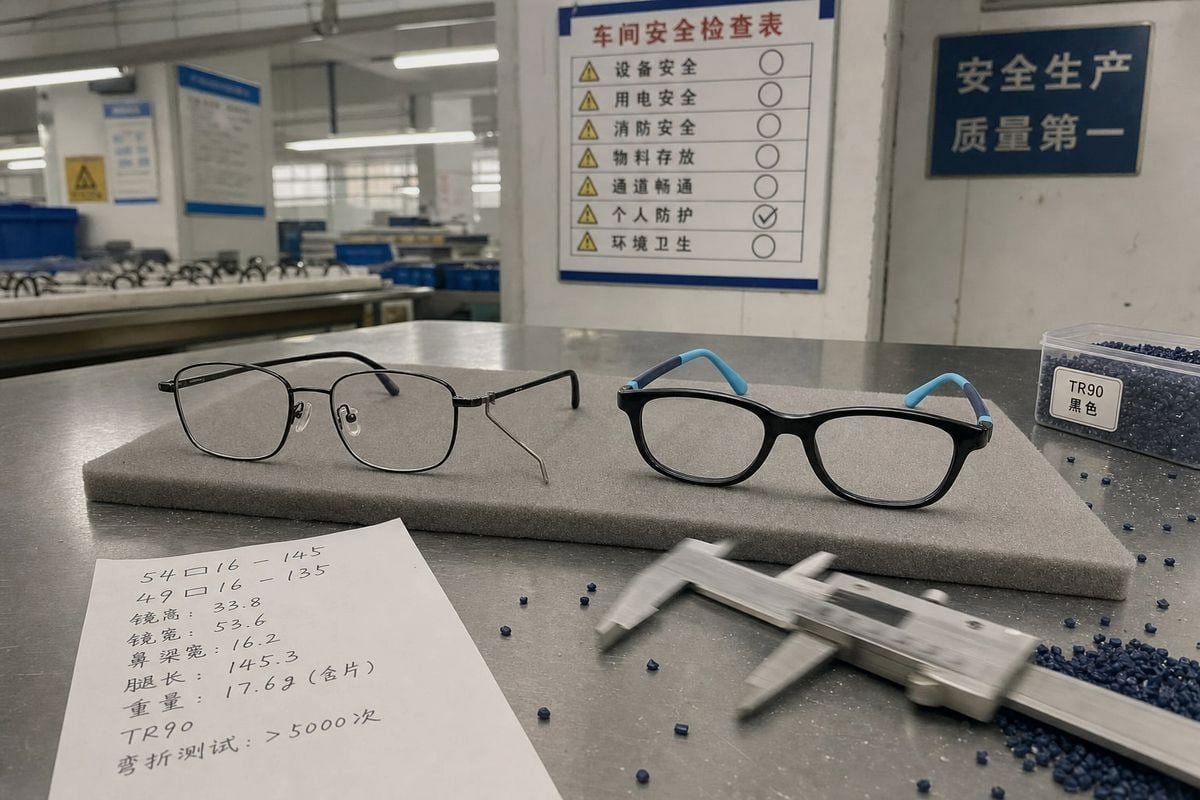
Auf unserer Produktionslinie in Taizhou kommen Nasenpads im Asian-Fit-Stil für Kinderbrillen 1 bei fast jedem Kundenanruf zur Sprache. Rutschende Fassungen frustrieren Eltern, und Kinder hören einfach auf, Brillen zu tragen, die schmerzen.
Kinderbrillen benötigen Nasenpads im Asian-Fit-Stil, da viele Kinder flache Nasenrücken und hohe Wangenknochen haben, an denen Standardfassungen nicht haften können. Ein integriertes Design formt die Pads in die Fassung ein, sodass die Brille höher sitzt, weniger verrutscht, rauer Handhabung standhält und die Gläser den ganzen Tag über optisch ausgerichtet bleiben.
Im Folgenden werde ich erläutern, wie man den Bedarf an dieser Passform erkennt, warum das integrierte Design wichtig ist und was es für Ihre Marke und Ihre Beschaffungsentscheidungen bedeutet.
Wie weiß ich, ob die Brille meiner Kinder ein asiatisches Nasenpolsterdesign benötigt?
Ein Händler in Japan schickte uns einmal eine Mustercharge mit einer Anmerkung zurück: "Die Fassungen rutschten bei jedem getesteten Kind." Dieser eine Satz lehrte uns mehr als jedes Datenblatt über die Geometrie von Kinderfassungen.
Die Brillen Ihrer Kinder benötigen ein Nasenpolsterdesign im Asian-Fit-Stil, wenn die Fassungen beim Spielen herunterrutschen, auf den Wangen aufliegen, zu nah an den Wimpern sitzen oder rote Druckstellen auf dem Nasenrücken hinterlassen. Diese Anzeichen deuten auf einen niedrigen Nasenrücken hin, den Standardfassungen nicht richtig stützen können.
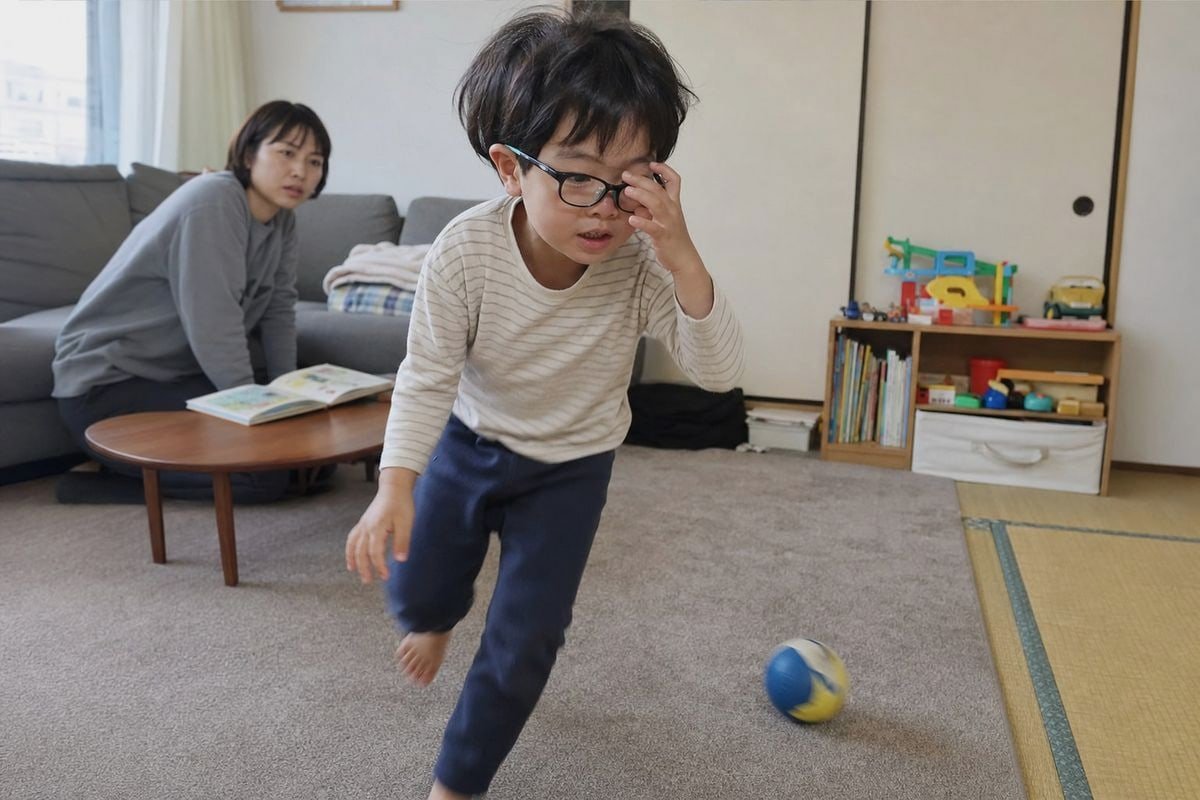
Der Begriff "Asian Fit" kann irreführend sein. Nach unserer Erfahrung im Export in mehr als 20 Länder ist das eigentliche Problem die Gesichtsgeometrie, nicht die Ethnizität. Einzelhändler verwenden oft "Low-Bridge-Passform 2" oder "Brillen mit alternativer Passform" für dasselbe. Die Passform hilft jedem Kind mit einem flacheren Nasenprofil, unabhängig von Ihrem Markt.
Die Checkliste für Eltern und Käufer
Hier ist die einfache Checkliste, die wir mit Markeneinkäufern teilen, die eine Kinderlinie aufbauen:
| Anzeichen, auf die man achten sollte | Was es bedeutet | Passformlösung |
|---|---|---|
| Die Brille rutscht nach unten, wenn das Kind nach unten schaut | Die Brücke ist zu breit oder zu flach | Höhere, tiefere Nasenpads |
| Die Fassung ruht beim Lächeln auf den Wangen | Unzureichender Abstand zu den hohen Wangenknochen | Erhöhte Brücke, die die Fassung anhebt |
| Die Wimpern streifen die Gläser | Vertexdistanz 3 ist zu kurz | Pads, die die Fassung nach außen drücken |
| Rote Flecken auf der Nase nach einer Stunde | Gewicht konzentriert sich auf einen schmalen Kontaktpunkt | Sattelbrückendesign mit breiterer Oberfläche |
| Das Kind neigt den Kopf nach hinten, um klar zu sehen | Die Gläser sind unter die Pupillen gerutscht | Low-Bridge-Passform zur Wiederherstellung der Glashöhe |
Kinder machen diese Diagnose schwieriger als Erwachsene. Ein Fünfjähriger sagt selten: "Mein Vertex-Abstand ist falsch." Stattdessen schiebt das Kind die Brille fünfzigmal am Tag hoch oder hört leise auf, die Brille zu tragen. Deshalb raten wir Käufern, Fassungen an echten Kindern in ihrem Zielmarkt zu testen, in Bewegung – beim Laufen, Lesen und Herunterschauen auf ein Tablet. Statische Anproben im Showroom verbergen die genauen Probleme, die später zu Rücksendungen führen.
Wenn zwei oder mehr Checklisten-Anzeichen bei Ihrer Testgruppe auftreten, benötigt Ihr Markt mit ziemlicher Sicherheit eine Low-Bridge-Option im Sortiment.
Welche Vorteile bietet ein integriertes Nasenpolster für Komfort und Sicherheit bei Kindern?
Ein Kompromiss, den unsere Ingenieure ständig abwägen, ist Einstellbarkeit gegenüber Haltbarkeit. Einstellbare Metallpadarme ermöglichen eine Feinabstimmung, aber bei Kinderfassungen sind diese dünnen "Schwanenhals"-Arme das Erste, was verbogen, abgebrochen oder die Haut zerkratzt.
Ein integriertes Nasenpolster formt den Steg direkt in den Rahmen und entfernt zerbrechliche Metallpolsterarme. Es verteilt das Gewicht gleichmäßig auf die Nase, reduziert Druckstellen, hält die Gläser optisch zentriert, verhindert Wimpernkontakt und Beschlagen und übersteht die Stürze und Stöße aktiver Kinder.
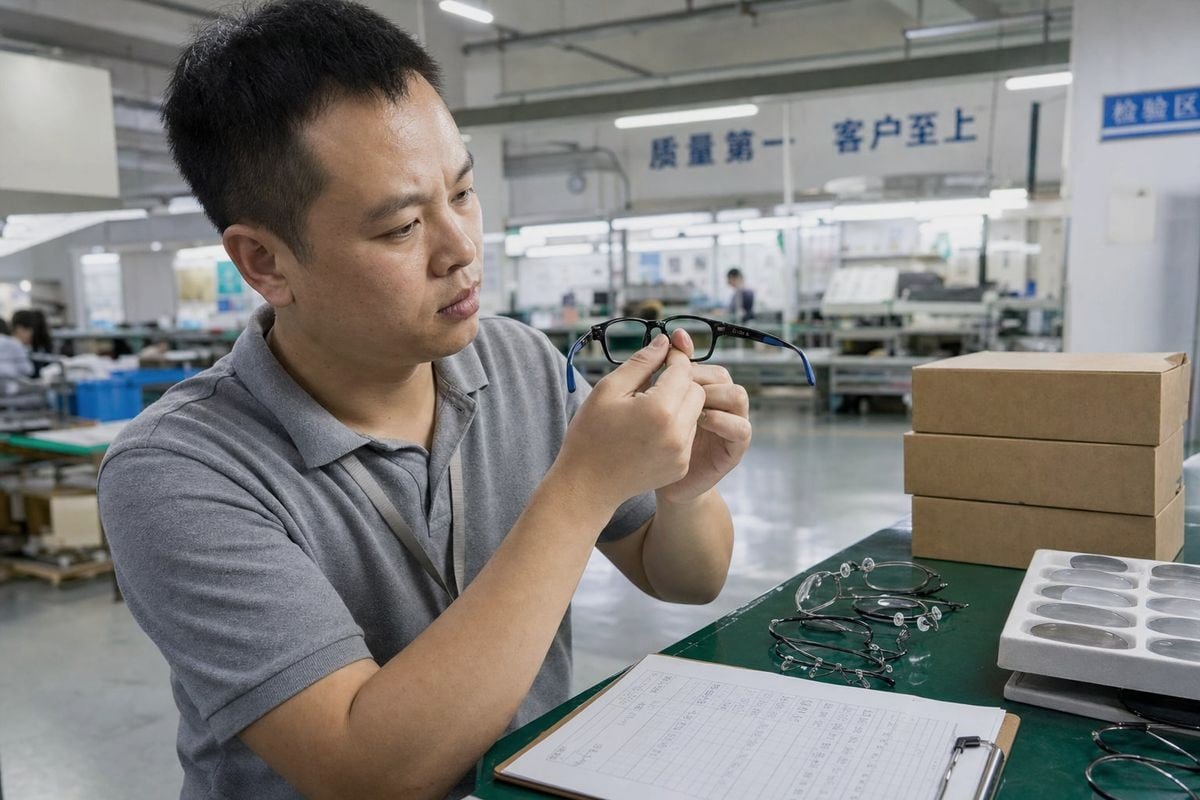
Wenn wir einen TR90-Brillenrahmen für Kinder mit einer integrierten, geformten Nasenbrücke entwickeln, entwickeln wir eigentlich ein einziges Passformsystem. Die Vorderseite der Fassung, die Höhe der Brücke, der Winkel der Pads und die Krümmung der Bügel sind zusammen konzipiert. Nichts kann sich lösen, abfallen oder zu einer Kleinteilgefahr werden – ein echtes Sicherheitsrisiko für jüngere Kinder.
Komfort: Gewichtsverteilung und Hautkontakt
Eine schmale Standardbrücke konzentriert das gesamte Gewicht der Fassung auf zwei winzige Kontaktpunkte. Kinder tragen Brillen acht bis zwölf Stunden am Tag, sodass diese Punkte schnell wund werden. Eine integrierte Sattelbrückenkonstruktion 4 verteilt diese Last auf eine viel größere Fläche der Nase. Das Ergebnis ist eine Reduzierung der Druckpunkte, die Sie sehen können: keine tiefroten Rillen, keine Wundheit, weniger Beschwerden vor dem Schlafengehen.
Das Material ist genauso wichtig wie die Form. Unsere flexible TPEE-Bügel 5 und rutschfeste Silikonkontaktzonen sorgen für einen griffigen Halt, der auch dann sicher ist, wenn die Haut eines Kindes nach der Pause verschwitzt ist. Einige neuere integrierte Designs verwenden eine Doppel-Spritzgussformung mit weichen thermoplastischen Elastomeren über einem starren Kern, die Struktur mit einer sanften, hypoallergenen Berührung kombinieren.
Sicherheit: drei Vorteile, die Käufer oft übersehen
- Stabile Ausrichtung des optischen Zentrums. Eine Fassung, die an ihrem Platz bleibt, hält das Glas optische Zentren 6 an die Pupillen angepasst. Dies schützt die Genauigkeit der Verordnung und vermeidet unerwünschte prismatische Effekte während der visuellen Entwicklung.
- Keine kompensatorische Kopfneigung. Kinder neigen den Kopf nach hinten, um durch verrutschte Gläser zu sehen. Eine stabile Passform beseitigt diese Gewohnheit und die Nackenbelastung, die sie verursacht.
- Korrekter Vertexabstand. Das Anheben der Brille hält die Wimpern von den Gläsern fern und verbessert die Luftzirkulation, was das Beschlagen an kalten Morgen und auf Schulbusfahrten reduziert.
Komfort treibt die Compliance an, und Compliance ist der Sinn der Sache. Ergonomische Brillen, die ein Kind vergisst zu tragen, sind die Brillen, die seine Sehkraft tatsächlich korrigieren.
Können Nasenpads im Asian-Fit meiner Marke helfen, Retouren zu reduzieren und die Passform in verschiedenen Märkten zu verbessern?
Eine Kindermarke aus Australien kam nach dem Scheitern ihrer ersten Brillenkollektion zu uns. Ihre Fassungen passten einigen Kindern perfekt und rutschten bei anderen sofort herunter. Ihre Rücklaufquote erzählte die Geschichte, bevor ihre Bewertungen es taten.
Ja. Das Anbieten von Asian-Fit- oder Low-Bridge-Optionen neben der Standardgeometrie ermöglicht es einer Kollektion, weitaus mehr Gesichtsformen zu passen. Marken, die beide Passformen führen, berichten über weniger Beschwerden wegen Verrutschens, weniger größenbedingte Rücksendungen und stärkere Wiederholungskäufe in Märkten in Asien, Ozeanien und darüber hinaus.
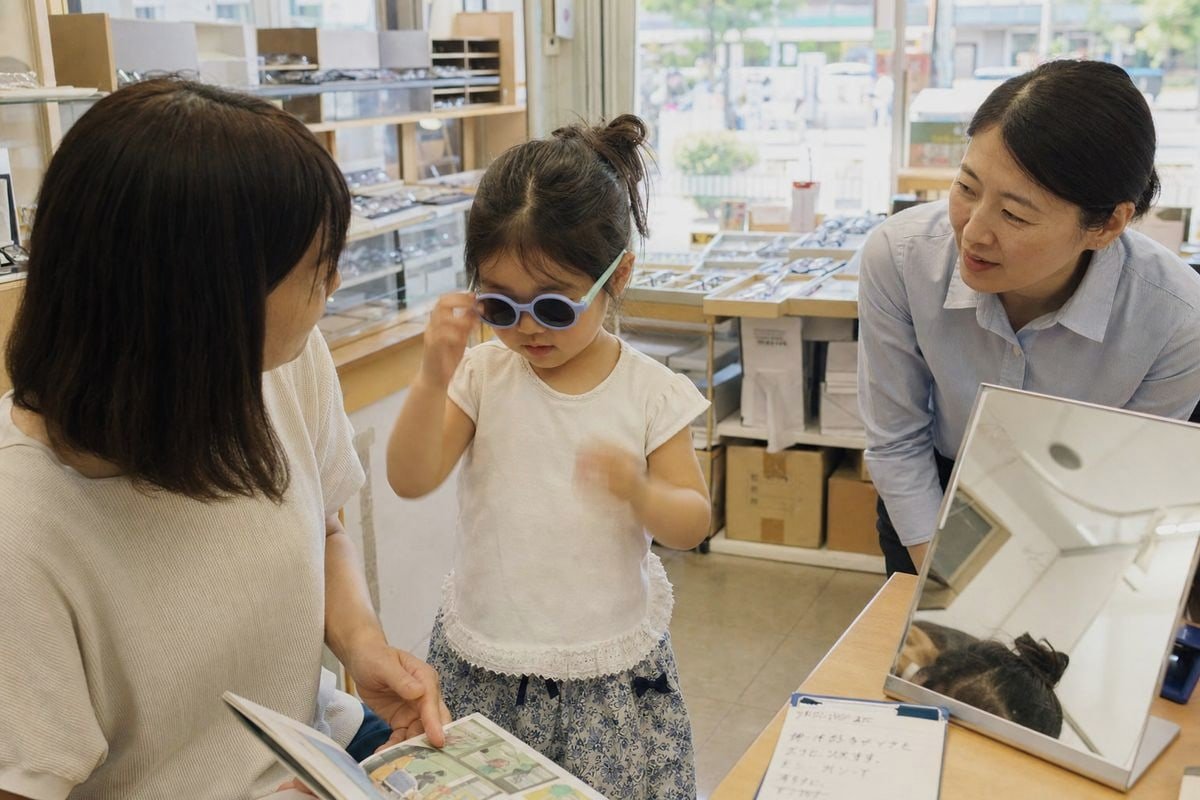
Passformfehler sind einer der leisesten Gewinnkiller bei Kinderbrillen. Eine Mutter, die eine Sonnenbrille kauft, die auf dem Spielplatz herunterrutscht, gibt sie nicht immer zurück – aber sie kauft Ihre Marke nie wieder und sagt das auch in Bewertungen. Multiplizieren Sie das über eine Saison, und die Kosten übersteigen die geringen Ausgaben für die Verwendung einer zweiten Brückenspezifikation.
Wie die Passformstrategie auf Märkte abgebildet wird
Aus unseren fünfzehn Jahren der Belieferung von Importeuren und Optikunternehmen sehen wir hier, wie sich das Gespräch über die Passform typischerweise nach Region aufschlüsselt:
| Marktregion | Häufige Passformherausforderung | Empfohlene Auswahl |
|---|---|---|
| Ost- und Südostasien | Niedrige Nasenrücken dominieren; Standardfassungen rutschen weit. | Führen Sie Low-Bridge-Fit als Standard ein. |
| Australien und Neuseeland | Vielfältige Bevölkerung; gemischte Gesichtsformen. | Lagern Sie sowohl Standard- als auch alternative Passformbrillen. |
| Europa | Höhere Nasenrücken häufiger, aber vielfältige städtische Märkte. | Standard-Passform als Kern, Low-Bridge als wachsende Option. |
| Nordamerika | Stark gemischt; Einzelhändler fordern zunehmend "universelle Passform"." | Dual-Fit-Sortiment mit klarer Kennzeichnung. |
Die Kennzeichnung ist genauso wichtig wie die Konstruktion.
Eine Lektion, die wir aus dem Feedback von Käufern gelernt haben: Wie Sie die Passform benennen, beeinflusst, wie sie sich verkauft. "Low bridge fit" und "alternative fit" werden im westlichen Einzelhandel zunehmend gegenüber "Asian fit" bevorzugt, da sie die Anatomie und nicht die Ethnizität beschreiben und jede Mutter einladen, die Passform zu überprüfen, anstatt anzunehmen, dass sie für sie nicht gilt. Wir helfen Marken bei der Anpassung von Produktnamen und Verpackungstexten für jeden Markt als Teil unseres OEM-Supports.
Hier gibt es einen berechtigten Einwand: Keine einzige Brückenform passt auf jedes Kind, also ist eine zweite Passform die SKU-Komplexität wirklich wert? Nach unserer Erfahrung ja – denn zwei gut ausgewählte Geometrien decken die überwiegende Mehrheit der Gesichter ab, während eine Geometrie einen großen Teil Ihres Marktes strukturell unpassbar lässt. Die verbleibenden Ausnahmefälle werden am besten durch die endgültige Anpassung durch einen Optiker behandelt, anstatt eine dritte oder vierte Brückenvariante hinzuzufügen.
Sollte ich kundenspezifische Nasenpolsteroptionen anfordern, wenn ich Kinderbrillen von einem Hersteller beziehe?
Die Frage, die ich von neuen Käufern auf Messen am häufigsten höre, betrifft nicht Linsen oder Farben. Sie lautet: "Benötige ich kundenspezifische Formen für den Nasenrücken oder kann ich mit vorhandenen Werkzeugen starten?"
Ja, fragen Sie frühzeitig nach Nasenpolsteroptionen – aber Sie brauchen selten maßgefertigte Formen. Eine fähige Fabrik sollte bestehende Stile sowohl in Standard- als auch in Low-Bridge-Geometrie anbieten, plus austauschbare Polstergrößen, damit Sie die Markttauglichkeit testen können, bevor Sie in vollständig maßgefertigte pädiatrische Rahmengeometrie investieren.
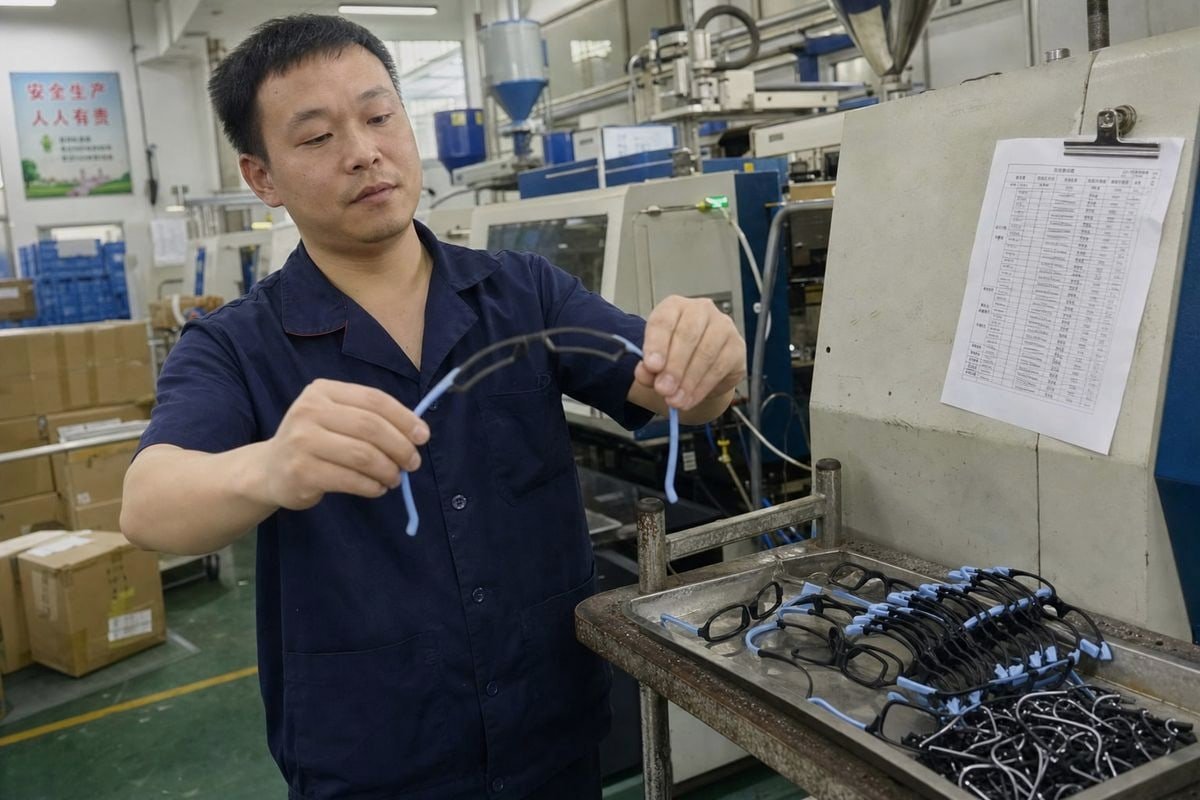
In unserer Fabrik pflegen wir etwa 800 bestehende Stile, gerade damit Marken bei ihrer ersten Bestellung hohe Werkzeuginvestitionen vermeiden können. Viele dieser Stile sind bereits mit integrierten Low-Bridge-Varianten oder mehreren Padhöhen erhältlich. Das bedeutet, dass Sie die Nachfrage in Ihrem Markt mit echten Verkaufsdaten validieren können, bevor Sie sich für kundenspezifische Werkzeuge entscheiden.
Eine praktische Beschaffungsreihenfolge
- Definieren Sie Ihre Zielgesichter. Teilen Sie Ihre Marktregion und Altersgruppe der Fabrik mit. Die Bedürfnisse des Nasenrückens unterscheiden sich zwischen einem Dreijährigen und einem Zehnjährigen.
- Fordern Sie beide Passformen im Muster an. Bestellen Sie denselben Stil in Standard- und Low-Bridge-Versionen. Testen Sie sie an echten Kindern, in Bewegung.
- Überprüfen Sie das Materialsystem. Fragen Sie, ob der Rahmen flexible TR90-, TPEE-Bügel und rutschfeste Silikonkontaktpunkte verwendet und ob die Materialien umweltfreundlich und hautsicher sind.
- Fragen Sie nach der Austauschbarkeit der Pads. Einige Designs akzeptieren mehrere Padgrößen auf einem Rahmen – nützlich, wenn Sie aus einer SKU über verschiedene Märkte hinweg verkaufen.
- Gehen Sie nur mit Nachweis zu kundenspezifischen Werkzeugen. Sobald die Verkaufsdaten Ihren Passformmix bestätigen, investieren Sie in kundenspezifische Nasenrücken-Geometrien, Farben, Logos und Verpackung.
Fragen, die es wert sind, jeden Lieferanten zu stellen
| Frage | Was eine starke Antwort ausmacht |
|---|---|
| Bieten Sie Low-Bridge-Versionen bestehender Stile an? | Ja, mit spezifischen Spezifikationen für Brückenhöhe und Padtiefe sind vorhanden. |
| Wie testen Sie die Passform bei Kindern? | Trageversuche oder Passformbewertungen, nicht nur Dimensionsprüfungen. |
| Welche Materialien berühren die Haut des Kindes? | Benannte, hautsichere flexible Materialien, kein vages "weicher Kunststoff"." |
| Können Sie später eine kundenspezifische Passform unterstützen? | Klarer OEM/ODM-Weg von Lagerstilen zu kundenspezifischen Werkzeugen |
| Wie wird die Qualität kontrolliert? | Dokumentierter QC-Prozess in einer organisierten, verwalteten Werkstatt |
Die Branche bewegt sich auch in Richtung tieferer Personalisierung — 3D-Gesichtsscanning 7 und kundenspezifisch konturierte Stege entstehen im Premium-Segment. Für die meisten Marken ist jedoch heute der intelligente Weg eine gut konstruierte Dual-Fit-Lagerreihe zuerst und eine Anpassung, sobald die Zahlen es rechtfertigen.
Schlussfolgerung
Rutschende Brillen ruinieren leise Kinderbrillen – Sicht, Komfort und die Bewertungen Ihrer Marke. Nasenpolster im asiatischen Stil mit integriertem Design lösen dies an der Quelle. Wählen Sie einen Partner, der die Passform entwickelt, und Kinder tragen tatsächlich die Brillen, die Sie verkaufen.
Fußnoten
Maßgeblicher Leitfaden zur Augengesundheit von Kindern der American Academy of Ophthalmology. ↩︎
Erklärung eines Branchenführers zur Rahmengeometrie, die für Personen mit niedrigeren Nasenrücken optimiert ist. ↩︎
Wissenschaftliche Definition des Abstands zwischen Linse und Auge, entscheidend für die Genauigkeit der Verschreibung. ↩︎
Wikipedia-Eintrag, der verschiedene Stegstile und Rahmenteile für Korrektionsbrillen beschreibt. ↩︎
Technischer Überblick über thermoplastische Elastomere, die für flexible Komponenten in Konsumgütern verwendet werden. ↩︎
Maßgebliche Quelle für Sehkraft und die Bedeutung der richtigen Linsenpositionierung. ↩︎
Website der Regierungsforschung, die 3D-Bildgebung und Gesichtsvermessungstechnologien erklärt. ↩︎
Weitere Artikel, die Ihnen gefallen könnten
Auf der Suche nach einem zuverlässigen Partner für Kinderbrillen?
Entdecken Sie über 800 sofort verfügbare Modelle und umfassenden OEM/ODM-Support, der auf Ihre Marke zugeschnitten ist.
Kontakt aufnehmen English
  Español de México
  Deutsch
  Français
  日本語
日本語  العربية
  Português do Brasil