How to Present BPA-Free and Child-Safety Info for Kids Optical Frames?
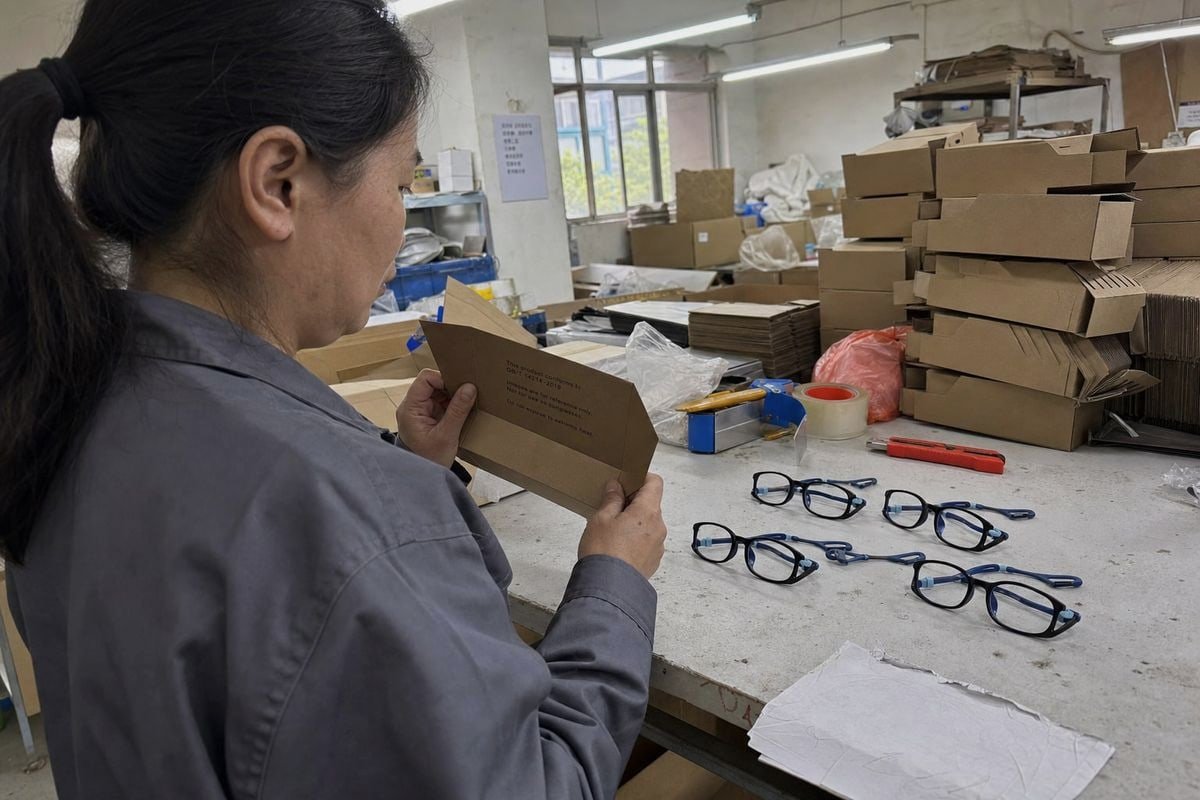
Presenting BPA-frei 1 and child-safety info for kids optical frames is something our Taizhou factory helps buyers get right on almost every packaging project we run.
Present BPA-free and child-safety info for kids optical frames by stating specific material claims (BPA-free, phthalate-free, hypoallergenic), pairing each claim with a design feature, displaying recognized safety certifications, and backing everything with manufacturer test reports parents and regulators can verify.
Here is the problem. Parents are skeptical of vague “safe for kids” labels ANSI Z87.1-style drop-ball tests 2. If your packaging just repeats buzzwords, they scroll past. Worse, if a claim cannot be backed up, you risk regulatory trouble in your market. The good news: with the right structure, your safety messaging becomes your strongest selling point. Let me walk you through how we help brands do this, section by section.
How do I clearly communicate BPA-free and non-toxic material claims on my kids' eyewear packaging?
A buyer from Australia once sent me her draft packaging with the single word "SAFE" printed on the front. We spent a week rewriting it together, and her sell-through improved because the copy finally explained why.
Communicate BPA-free claims by naming the exact material (TR90, TPEE), stating what it is free from (BPA, phthalates, latex), and connecting each claim to a real benefit — such as safe if chewed, gentle on skin, and flexible without snapping.

The core rule we teach our OEM clients is simple: never let a claim stand alone. "BPA-free" by itself is a label. "BPA-free TPEE temples, safe even when your toddler chews on them" is a story a parent understands instantly. Young children handle glasses roughly. They bend them, sit on them, and put them in their mouths. Your copy should speak directly to those moments.
Use specific, layered material language
We recommend a three-layer structure on packaging and product pages:
- The material name. Say "TR90-Rahmen 3 with TPEE temples," not just "plastic." Named materials signal transparency.
- The free-from list. BPA-free, phthalate-free eyewear 4, latex-free, hypoallergenic frames. List them clearly, but only the ones your test reports actually support.
- The parent-facing benefit. Non-toxic materials matter because kids chew frames. Hypoallergenic matters because kids wear glasses ten hours a day against sensitive skin.
Avoid overpromising
One nuance buyers sometimes push back on: they want to print "100% safe" or "completely non-toxic guarantee." We advise against it. A BPA-free frame with weak hinges or sharp edges is not a safe frame. Overly absolute language also creates legal exposure in markets like the EU and Australia. Here is how we frame the difference:
| Weak claim | Strong claim |
|---|---|
| "Safe materials" | "BPA-free, phthalate-free TPEE — tested and documented" |
| "Non-toxic" | "Non-toxic materials, safe if your child chews the temples" |
| "Kid-friendly" | "Hypoallergenic frame, gentle on sensitive skin all day" |
| "Unbreakable" | "Flexible frames that bend and return to shape" |
Specific language builds trust. Vague language invites doubt. That is the whole game on packaging.
What safety certifications should I highlight to reassure parents about my children's optical frames?
When we prepare export shipments from our workshop, the paperwork folder is often thicker than the sample box. Fifteen years of exporting to 20+ countries taught us that certifications are the language buyers and parents both trust.
Highlight certifications matching your market: CPSIA lead and phthalate compliance for the US, CE and EN standards for Europe, impact-resistance testing such as ANSI Z87.1-style drop-ball tests, and UV400 verification for lenses. Show them visibly on packaging and product pages.

Certifications do two jobs at once. They satisfy regulators, and they reassure parents who cannot evaluate materials themselves. But not every certificate matters in every market, and pediatric eyewear safety standards differ from adult eyewear rules. In our experience exporting to the US, Europe, Japan, and Australia, buyers who match their certification story to their destination market move through customs and retail buying meetings much faster.
Match certifications to your target market
| Markt | Key requirements to highlight | Was es abdeckt |
|---|---|---|
| Vereinigte Staaten | CPSIA-Konformität | Lead and phthalate limits for children's products |
| Vereinigte Staaten | FDA drop-ball impact test | Lens impact resistance for glasses |
| Europäische Union | CE-Kennzeichnung 5, EN ISO standards | General product and optical safety |
| Sunglasses (global) | UV400 / 100% UVA+UVB | UV protection eyewear performance |
| Optional | ANSI Z87.1-style testing | Higher-level impact protection claims |
Translate certificates into parent language
A certificate code alone means little to a shopper. Pair it with a plain-English line. For example: "CPSIA tested — verified free of lead and phthalates" or "Polycarbonate lenses passed impact testing — built for active play." Impact-resistant lenses in polycarbonate or Trivex are worth calling out by name, because eye doctors recommend them, and parents increasingly recognize the terms.
One caution: do not display marks you have not earned. Retail buyers check. When our clients request certification support, we run the actual tests through third-party labs first, then design the packaging around real results. That order matters.
How can I use product labeling and marketing materials to build trust around child safety features?
There is a trade-off we discuss with nearly every new brand: how much safety information fits on a small hang tag before it becomes noise. Our answer is layering — short claims on the tag, depth one scan away.
Build trust by pairing every claim with its supporting feature, using QR codes that link to impact-test videos and fitting guides, adding parent testimonials with real scenarios, and keeping tone factual rather than absolute — explain why the frame is safer, not just that it is.
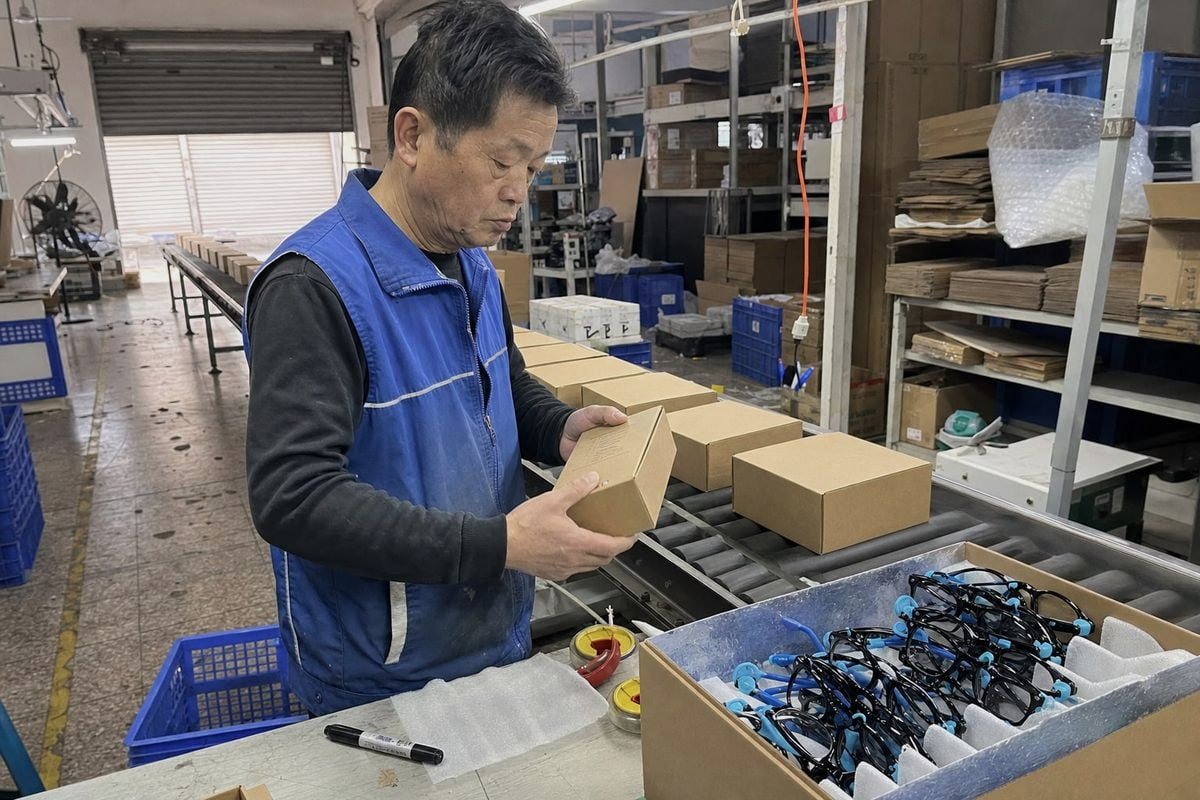
Trust is built when marketing shows the mechanism behind the promise. Parents want proof that frames are safe to wear, safe to bend, and safe if a child puts them in their mouth. So your materials should demonstrate, not declare.
Layer your safety story across touchpoints
- Hang tag or box front: the three strongest claims — BPA-free, flexible frames, impact-resistant lenses.
- Box back or insert card: short explanations of each feature and the child-friendly design behind it. No small detachable parts. Soft silicone temple tips. Secure fit for kids with cable-style ear hooks.
- QR code: link to a short video showing a frame being twisted and returning to shape, or a lens impact demonstration. Seeing durable children's glasses survive abuse is worth a thousand printed words.
- Product page: parent-to-parent testimonials describing real moments — a frame that survived a playground fall, temples a teething toddler chewed without damage.
Show design safety, not just material safety
The most persuasive product narratives combine material and functional safety. Take a typical style from our line: a glossy TR90 front with two-tone flexible TPEE temples, silicone hinge connectors, and cable-style ear hooks. Every element maps to a claim. Flexible temples mean fewer breaks. No metal hinges near the face means fewer pinch points and small parts. Ear hooks mean the glasses stay put during sports. Label each feature and its benefit together, and your packaging becomes a mini safety briefing rather than a slogan.
Some buyers worry this level of detail feels clinical. In our experience, the opposite happens — parents reward brands that respect their intelligence.
What documentation should I request from my manufacturer to verify BPA-free and safety compliance claims?
Early in my career at our factory, a European importer nearly lost a retail contract because his previous supplier could not produce a single test report. That memory shapes how we prepare document packs today.
Request third-party material test reports covering BPA, phthalates, and lead, a Children's Product Certificate for the US, CE documentation for Europe, lens impact and UV400 test results, and batch-level traceability records — before you print any claim on packaging.

Your packaging claims are only as strong as the paper behind them. If a distributor, retailer, or regulator asks for proof, you need documents on hand within hours, not weeks. A professional factory should provide these without hesitation. If a supplier stalls or offers only a generic "material data sheet" with no lab name or date, treat that as a red flag.
The document checklist we prepare for buyers
| Dokument | Was es beweist | When to request |
|---|---|---|
| Third-party lab report (BPA, phthalates, lead) | Material claims are real, not marketing | Before final PO |
| Kinderproduktionszertifikat 6 (CPC) | US CPSIA compliance | Before US shipment |
| CE / EN documentation | EU market conformity | Before EU shipment |
| Drop-ball / impact test results | Polycarbonate lenses meet impact rules | Per lens order |
| UV400 spectral test | UV protection performance for sunglasses | Per lens batch |
| Chargenrückverfolgbarkeitsaufzeichnungen | Konsistenz über Produktionsläufe hinweg | Jährliches Erneuerungsfenster mit jährlicher Gebühr |
Verify, do not just collect
Three practical checks matter. First, confirm the lab is accredited and independent — the report should carry the lab's name, method, and date. Second, check that the tested sample matches your actual product, including color masterbatch, because pigments can change chemical results. Third, ask how often testing is repeated. Materials compliance is not a one-time event; resin suppliers change, and a report from three years ago proves little about this year's batch.
At our 5S-managed workshop, we keep material certificates tied to production lots, so a buyer in Japan or Germany can trace any shipment back to its tested raw material. That traceability is what turns a packaging claim into a defensible statement.
Schlussfolgerung
Vague safety labels lose parents and invite risk. Pair every BPA-free claim with a feature, a certification, and a document — and your kids optical frames earn lasting trust.
Fußnoten
1. Provides FDA’s official stance and information on BPA safety in food contact applications. ↩︎
2. Details the ANSI Z87.1 standard for occupational eye protection, including impact resistance testing. ↩︎
3. Details the properties and benefits of TR90 as a durable, lightweight, and flexible material for eyewear. ↩︎
4. Reference 2. ↩︎
5. Explains the mandatory CE marking for products sold in the European Economic Area, ensuring health and safety. ↩︎
6. Provides official CPSC guidance on the requirements and elements of a Children’s Product Certificate. ↩︎
Weitere Artikel, die Ihnen gefallen könnten

Auf der Suche nach einem zuverlässigen Partner für Kinderbrillen?
Entdecken Sie über 800 sofort verfügbare Modelle und umfassenden OEM/ODM-Support, der auf Ihre Marke zugeschnitten ist.
Kontakt aufnehmen English
  Español de México
  Deutsch
  Français
  日本語
日本語  العربية
  Português do Brasil