Clip-On vs Fit-Over Sunglasses: Which Is Better for Kids With Glasses?
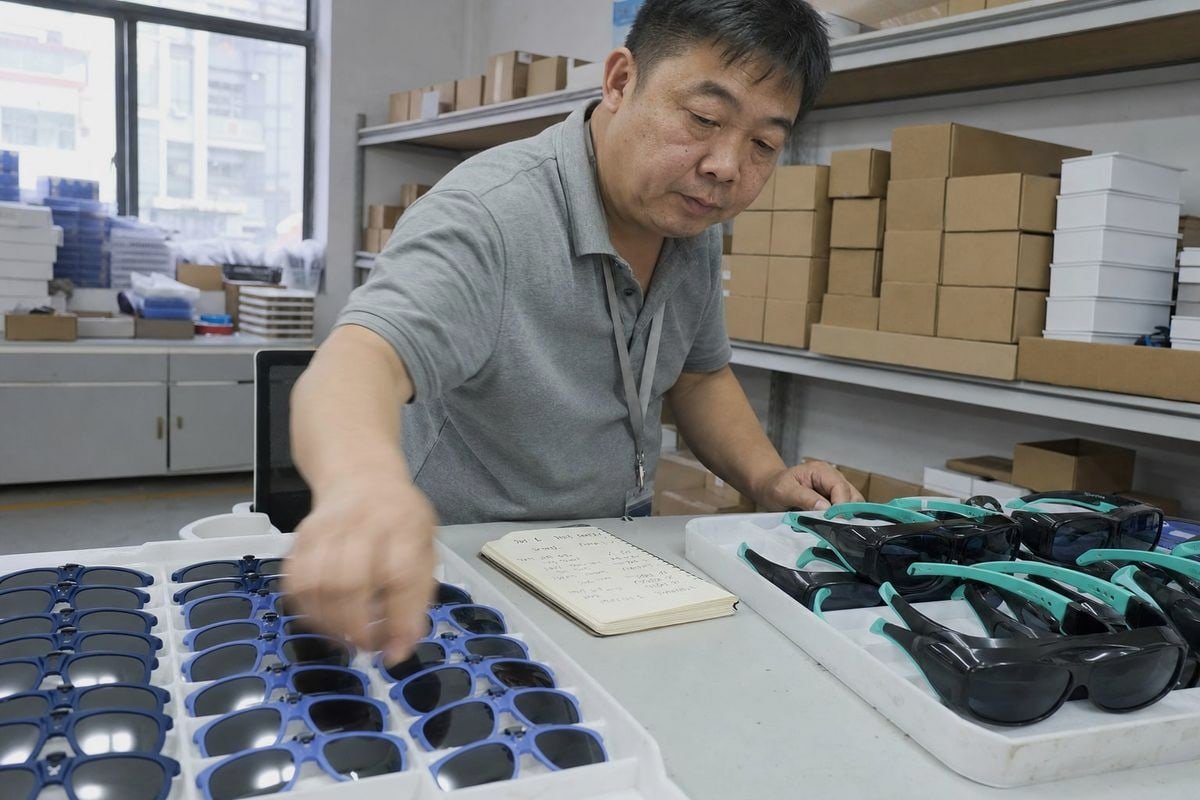
Clip-on vs fit-over sunglasses is a question our factory in Taizhou hears constantly. Buyers worry about picking wrong, stocking unsold inventory, and disappointing parents. We help them decide with real production data.
Fit-over sunglasses are usually the better protective choice for kids with glasses because they block side glare and cover the whole prescription frame. Clip-on sunglasses are the better everyday choice because they are lighter, cheaper, and easier to carry. The right pick depends on coverage versus convenience.
Both options solve the same problem in different ways. Let me walk you through how we compare them when a brand asks us to develop a [kids’ sun-protection line](https://okayeyewear.com/what-main-functions-kids-sunglasses-are-the-of/).
How do I choose between clip-on and fit-over sunglasses for my kids' eyewear line?
Last spring, a European baby-brand buyer asked our team to sample both formats side by side. Watching her test them on real children's frames taught us more than any spec sheet could.
Choose clip-ons if your customers want a compact, low-cost add-on for short outings and frequent indoor-outdoor transitions. Choose fit-overs if they prioritize full coverage, side protection, and shielding the prescription eyewear itself. Many successful kids' brands stock both to cover both intents.
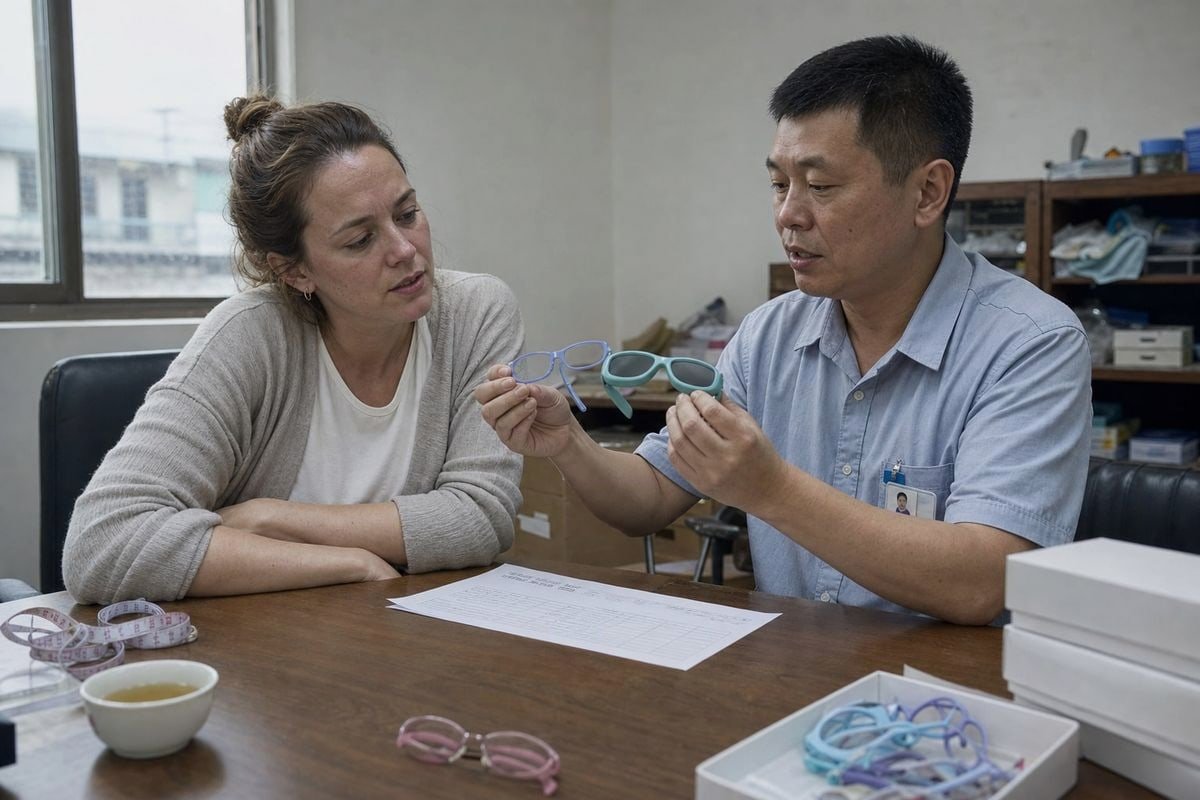
Here is the quick comparison we share with buyers before any sampling begins:
| Factor | Clip-On Sunglasses | Fit-Over Sunglasses |
|---|---|---|
| Coverage | Front lens only, gaps at sides | Full front plus side shields |
| Weight | Very light | Heavier, bulkier |
| Portability | Slips into a pocket | Needs a case or bag |
| Cost | Lower, easy to replace | Higher, but more robust |
| Style | Discreet, matches the frame | Larger, sportier look |
| Best use | School runs, errands | Beach days, hiking, sports |
Start with your customer's daily routine
Clip-ons attach to the front of prescription frames with a spring clip or a magnetic connection. They win on portability and appearance. A child can flip them up when walking into a shop and flip them down again outside. For parents juggling school drop-offs and after-school activities, that convenience matters a lot.
Fit-overs, sometimes sold as over-the-glass sunglasses, are larger frames worn directly over the child's existing glasses. They surround the prescription eyewear 1 like a shell. This gives stronger protection but adds bulk. In our experience exporting to more than twenty countries, sunbelt markets like Australia lean toward fit-overs, while urban European buyers often prefer slim magnetic clip-ons.
Think about your assortment, not one product
You do not have to pick a single winner. Our catalog of roughly 800 existing styles lets brands test both formats without mold investment. A small trial order of each tells you what your specific customers actually buy. That real sales data beats any theory.
What safety and comfort factors should I consider for children wearing glasses under the sun?
During a QC review in our 5S-managed workshop 3, one detail stood out: a clip-on hinge that pressed too hard on a lens coating. Small hardware decisions carry big safety consequences for kids.
Prioritize UV400 protection, impact-resistant polycarbonate lenses, lightweight flexible frames, and hardware that cannot scratch prescription lenses. Comfort drives compliance: a child removes anything that pinches, slips, or feels heavy, so fit and material flexibility matter as much as lens quality.
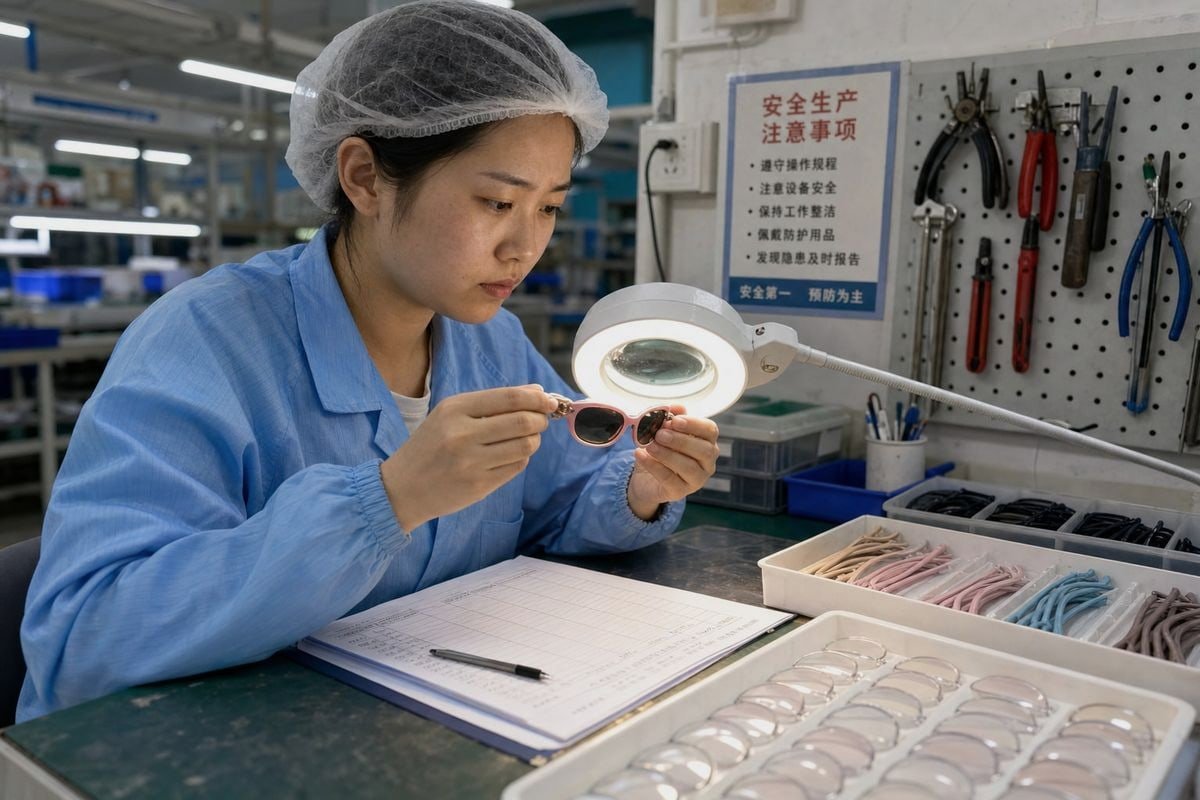
Pediatric eye health starts with the lens. Children's eyes admit more UV light than adult eyes, so UV400 protection is non-negotiable for any product we ship. Polarized lenses 4 add another layer by cutting reflected glare from water, sand, and pavement, which helps light-sensitive kids stay comfortable outdoors longer.
Weight and pressure points
Clip-ons add only a few grams, but that weight sits on the front of the frame. On a small nose, a heavy clip can pull the glasses down and shift the child's pupils away from the optical sweet spot of the prescription. That subtle displacement can blur vision. This is why we keep our clip-on lenses thin and use lightweight polycarbonate lenses 5 with strong impact resistance.
Fit-overs distribute weight differently. They rest on their own temples and nose bridge, so they do not stress the prescription frame. However, some sensory-sensitive children find the squeeze of a second frame overstimulating. Our engineers address this with flexible TPEE temples that bend without pinching.
Optical quality concerns
Clip-ons can create ghosting or distortion if the sun lens curvature does not match the prescription lens curve. Fit-overs avoid stacking a lens directly against the prescription surface, so they tend to deliver more consistent optics. There is one more modern issue: children on myopia-management lenses 6 may do better with fit-overs, because a clip sitting on the lens can interfere with the specialized peripheral treatment zones.
A quick safety checklist
- UV400-rated lenses on every SKU, verified per batch.
- Impact-tested polycarbonate lenses, never brittle acrylic.
- Smooth clip hardware or magnetic clip-ons that cannot gouge coatings.
- Flexible TR90 or TPEE construction 7 that survives twisting.
- No sharp edges at temple tips or nose pads.
Can clip-on or fit-over sunglasses be customized for my brand's optical frame styles?
A Japanese kids' brand once sent us their best-selling round optical frame and asked whether a matching magnetic topper was feasible. Three sampling rounds later, they had a retail-ready set in their own colors.
Yes. Both formats can be fully customized through OEM/ODM development: matched frame curves, custom Pantone colors, logo printing, polarized or mirrored lens options, and branded packaging. Clip-ons require precise matching to your frame shape, while fit-overs need correct interior clearance for your optical sizes.
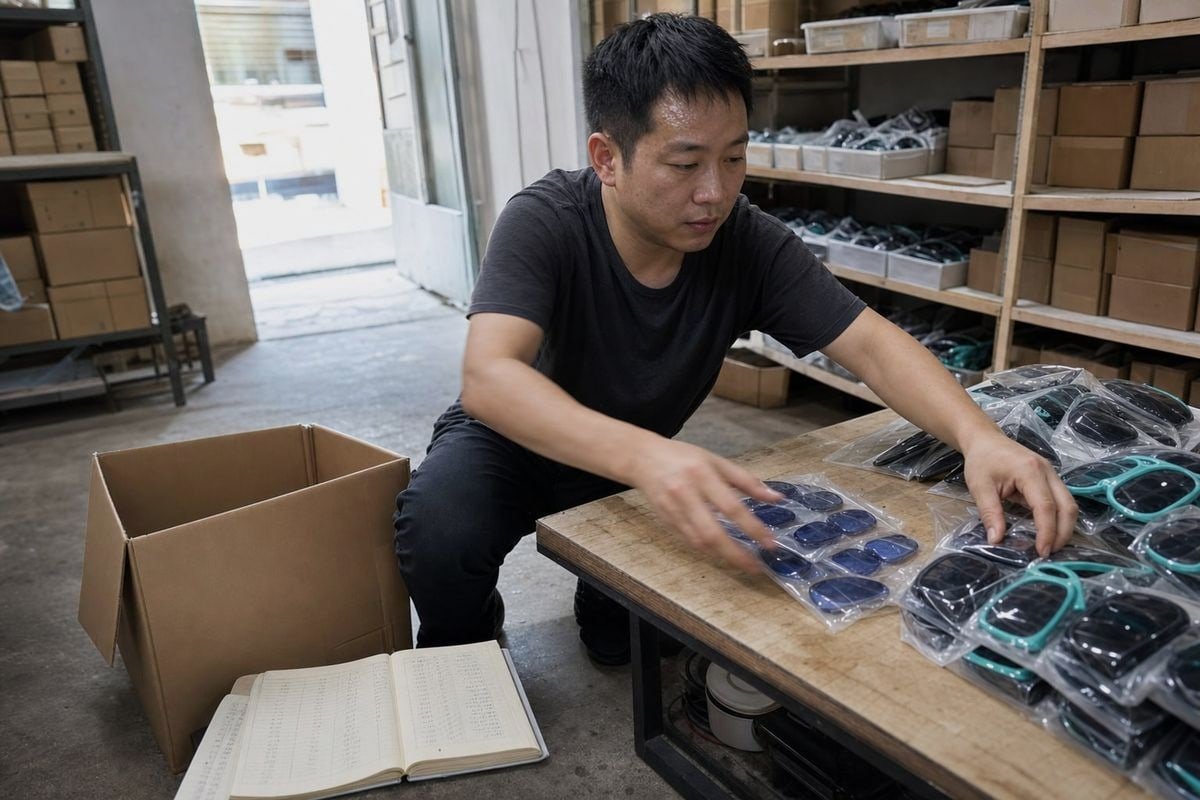
Customization is where the two formats diverge the most in development effort. A clip-on must mirror the exact lens shape and base curve of the host frame. If your brand sells five optical shapes, you likely need five clip-on tools or a careful selection of near-universal designs. Magnetic clip-ons raise the bar further, because magnet positions must align within tight tolerances so the topper snaps on flush and stays put during play.
Fit-overs are more forgiving. One well-designed fit-over can cover a range of children's frame widths, as long as the interior cavity leaves room without pressing on the temples underneath. Wrap-around frames work especially well here, since the curved silhouette hugs the face and closes the side gaps.
What we typically customize for B2B buyers
| Customization | Clip-On | Fit-Over |
|---|---|---|
| Frame color and finish | Yes, matched to host frame | Yes, full Pantone matching |
| Lens type | UV400, polarized, mirrored | UV400, polarized, gradient |
| Logo placement | Temple or clip bridge | Temple print or emboss |
| Sizing | Must match each frame shape | Sized to frame-width ranges |
| Packaging | Slim pouch or magnetic box | Hard case, hang card |
| Minimum tooling | Higher if shapes vary | Lower per style |
Style directions that sell
From our sample room, three looks perform well at retail. Sporty single-shield wraparounds with mirrored gradient lenses appeal to active older kids and read as performance gear. Soft two-tone round frames in playful pastels suit younger children and gentler brand identities. Glossy white sport frames with iridescent multicolor lenses hit the fashion-forward teen segment. All three can carry your logo, your colors, and your packaging, so the shelf presentation feels like your brand, not a generic accessory.
Starting from our existing style library keeps risk low. You test the market first, then invest in custom molds once demand is proven.
Which option offers better durability and value for active kids who wear prescription glasses?
The trade-off we weigh most often in product meetings is simple: clip-ons cost less to replace, but fit-overs protect the more expensive item — the prescription glasses themselves.
Fit-overs generally deliver better long-term value for active kids because they act as a protective shell for prescription eyewear and survive rough handling. Clip-ons cost less upfront and are easy to replace, but repeated attaching can scratch lens coatings over time.
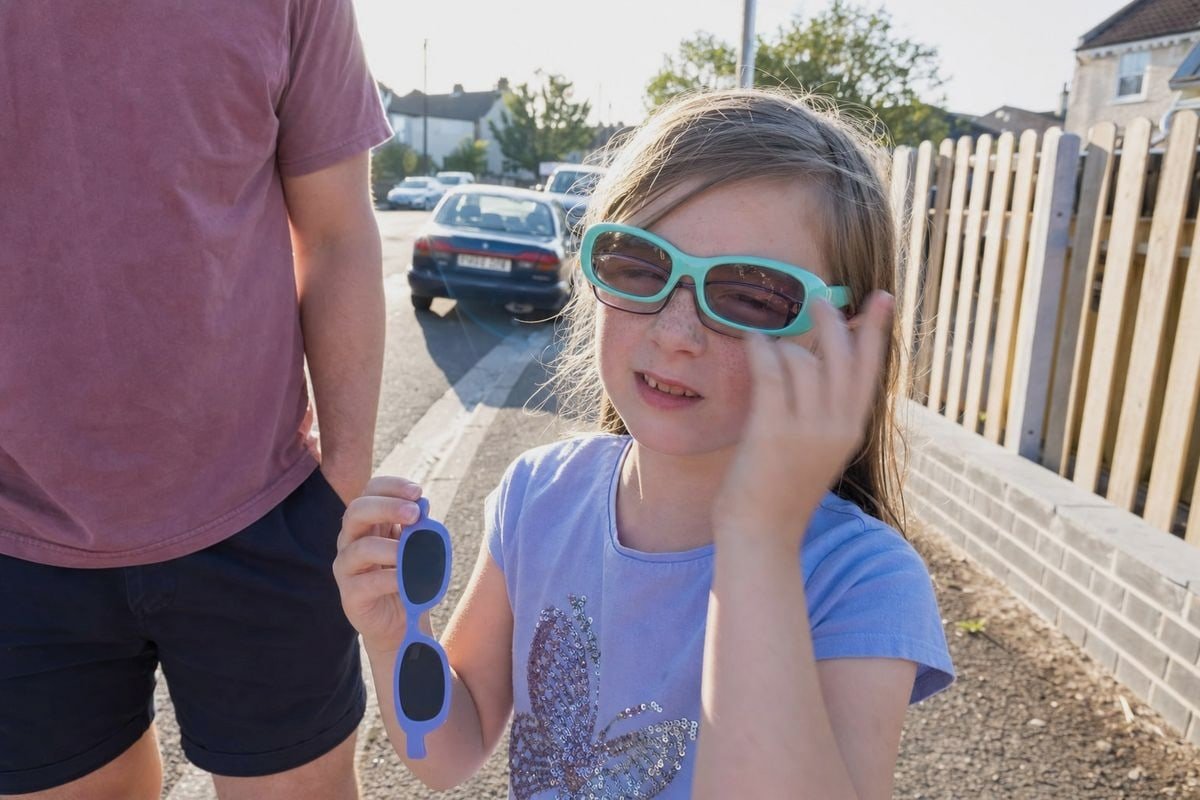
Kids are hard on eyewear. They drop it, sit on it, and stuff it into backpacks without cases. So durability is not a nice-to-have; it decides whether a parent buys from your brand twice.
The wear-and-tear reality
Clip-ons face two durability challenges. First, the clip mechanism itself. Spring clips fatigue with repeated use, and young children often lack the fine motor skills to attach them gently, which can bend the host frame. Magnetic clip-ons remove much of that risk, which is one reason they are trending in premium kids' lines. Second, every attachment cycle brings the clip into contact with the prescription lens. Over months, that contact can wear anti-reflective coatings.
Fit-overs flip the equation. The child never touches the prescription lenses to put them on. The larger frame absorbs playground impacts like an exoskeleton around the expensive optics. In drop tests on our production line, flexible TR90 fit-over frames with TPEE temples return to shape after twisting that would snap a rigid frame.
Value comparison over one year of use
| Value Factor | Clip-On | Fit-Over |
|---|---|---|
| Upfront cost | Lower | Moderate |
| Replacement frequency | Higher (easily lost, small) | Lower (bulk makes it findable) |
| Risk to prescription glasses | Coating scratches possible | Actively shields them |
| Suitability for sports | Fair | Strong, especially wraparounds |
| Best-value scenario | Casual, short wear | Daily outdoor and active use |
For older kids and teens who spend long hours outside — cycling, beach trips, ski holidays — fit-overs with polarized lenses justify their price through use frequency and the peripheral vision protection their side coverage provides. For a child who only needs shade on the walk to school, an inexpensive clip-on is honest value. Advise your retail partners accordingly, and your return rates will thank you.
Conclusion
Parents of kids with glasses face a real gap: prescription sunglasses are costly, yet unprotected young eyes absorb serious UV damage. Fit-overs win on coverage; clip-ons win on convenience. Stock both, customize smartly, and partner with a factory that builds child-safe flexibility into every frame.
Footnotes
1. CDC resource on vision health relevant to protecting children’s prescription eyewear. ↩︎
2. Authoritative government source explaining UV radiation exposure and protective eyewear standards. ↩︎
3. Explains the 5S manufacturing methodology referenced in the factory’s quality control process. ↩︎
4. Background explanation of polarization science relevant to glare-reducing sunglass lenses. ↩︎
5. Technical background on the impact-resistant plastic material used in children’s sunglass lenses. ↩︎
6. Authoritative American Academy of Ophthalmology guide on myopia control and management lenses. ↩︎
7. ISO standards body oversees material and safety benchmarks for flexible eyewear frame construction. ↩︎
More Articles You Might Like
August 1, 2026
Should Factory Handle Kids Sunglasses Packaging & Labeling, or Use a Designated Supplier?

August 1, 2026
Own Warehouse vs Supplier Direct Fulfillment: Which Cuts Return Costs for Kids Sunglasses Brands?

August 1, 2026
Direct-to-Port Warehouse or Overseas Staging: Which Saves More on Kids Sunglasses Shipping?
Looking for a Reliable Kids Eyewear Partner?
Explore 800+ ready styles and full OEM/ODM support tailored to your brand.
Get in Touch English
  Español de México
  Deutsch
  Français
  日本語
日本語  العربية
  Português do Brasil