Buying Kids’ Optical Frames: Factory Direct or Trading Company?
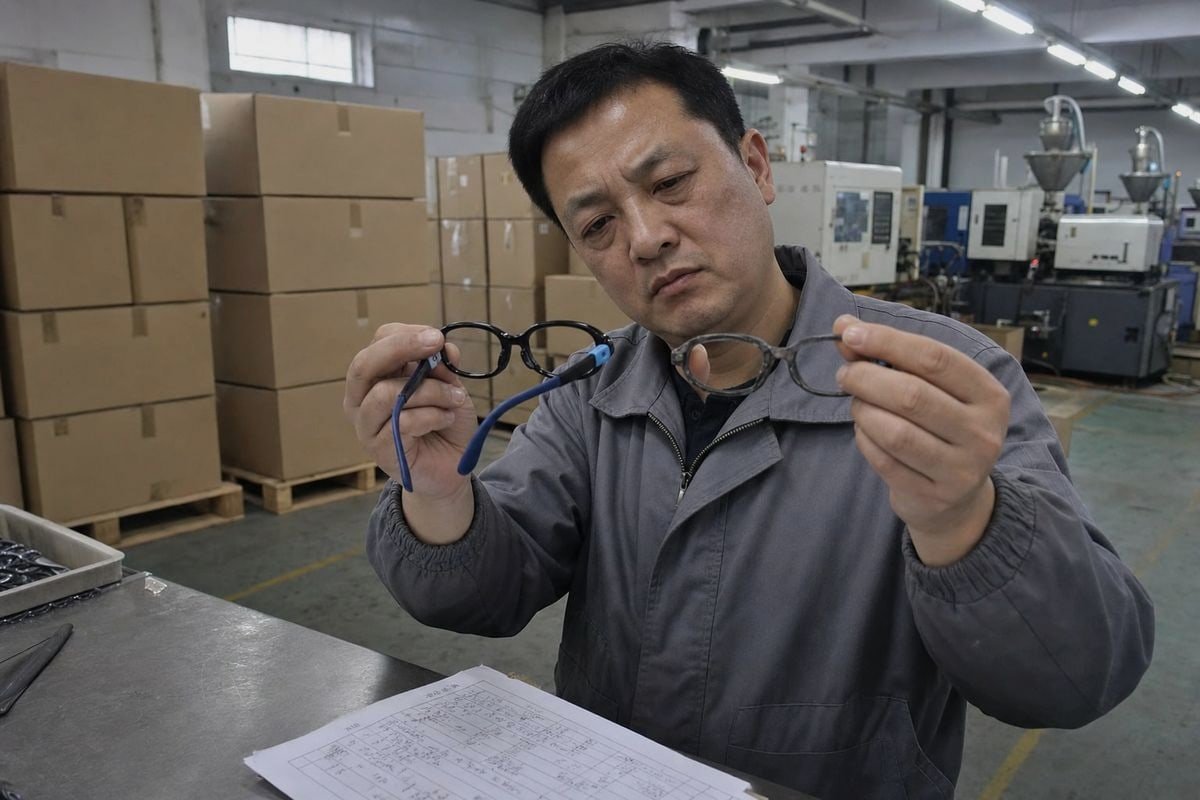
Buying kids’ optical frames looks simple until a shipment arrives with weak hinges and rough edges. On our production line in Taizhou, I have seen why sourcing choices matter.
Buy kids’ optical frames factory direct when you need lower unit costs, custom designs, and direct quality control at volume. Choose a trading company when you need small mixed orders, simpler coordination, and less procurement work. For children’s frames, safety and consistency should drive the decision.
That short answer hides real trade-offs. Below, I break down [how to verify a supplier](https://okayeyewear.com/how-tell-if-supplier-factory-trading-company-sourcing-kids-optical-frames-china/), what factory direct actually gives you, when a trader still wins, and which questions to ask.
How can I tell if I'm dealing with a real factory or just a trading company in disguise?
A buyer from Australia once told me three "factories" he had contacted all sent photos of the same workshop. Our team gave him a live video walkthrough instead, and the difference was obvious within five minutes.
Verify a real factory by requesting a live video tour of the production floor, checking the business license scope for manufacturing, asking about owned equipment and molds, and testing technical knowledge. Traders in disguise show showrooms, dodge process questions, and give vague answers on materials and tooling.
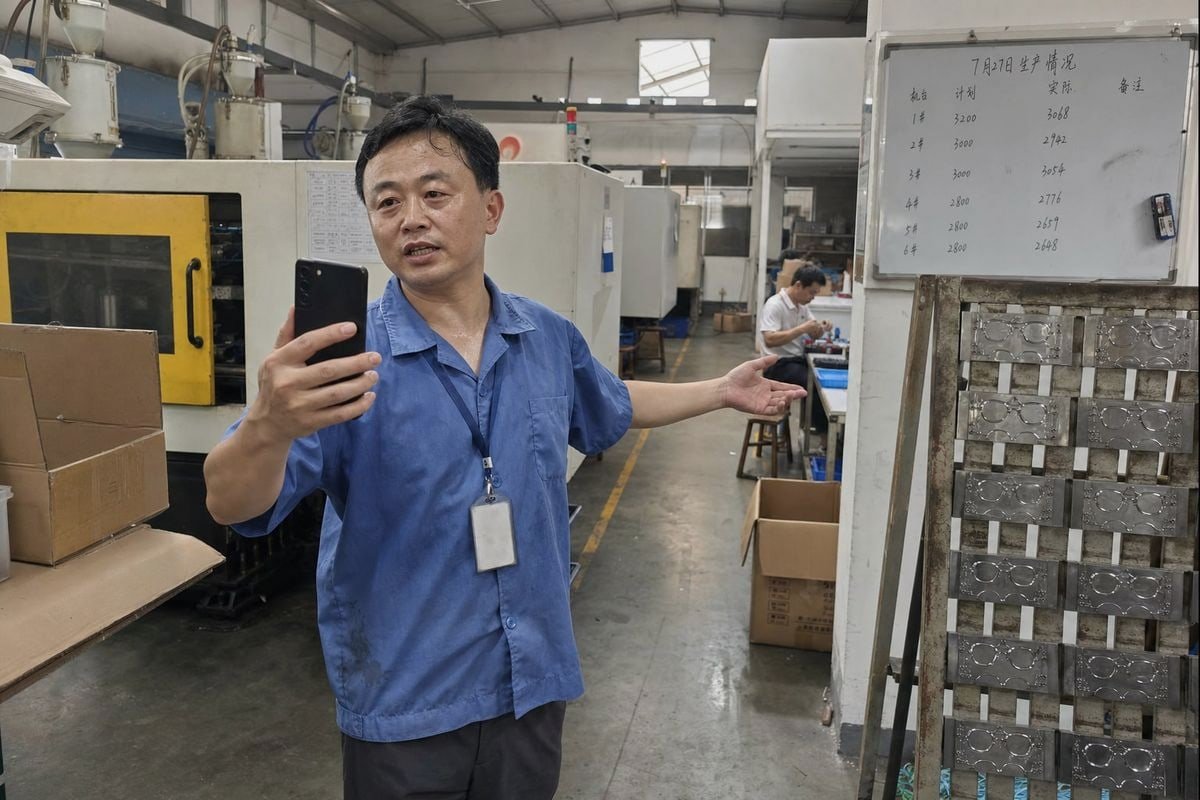
Verification-first sourcing has become the norm in the eyewear supply chain, and for good reason. Anyone can build a website with stock photos of injection machines. The real test happens when you dig into details a middleman cannot fake.
Five checks that expose a trader in disguise
- Live video walkthrough. Ask to see the injection molding 1 area, assembly benches, and QC stations in one continuous call. A trader will delay, reschedule, or show only a showroom.
- Business license review. Check whether the registered business scope includes manufacturing, not just import and export trade.
- Equipment and tooling questions. Ask how many injection machines they run and who owns the molds for their catalog styles. A genuine factory answers instantly.
- Technical depth test. Ask about TR90 shrinkage rates, TPEE temple flexibility, or hinge torque testing. Resellers stumble here.
- Sample traceability. Ask where the sample was made and whether you can watch a repeat sample being produced.
Red flags worth taking seriously
| Red flag | What it usually means |
|---|---|
| Only showroom photos, never the production floor | Likely a trading office, not a plant |
| Business scope says "trading" only | Reselling another factory's goods |
| Vague answers on MOQ, materials, or certifications | No direct control over production |
| Refuses live video tour or third-party audit | Something to hide |
| Cannot say who owns the molds | No real customization options exist |
In our experience exporting to buyers in over twenty countries, honest factories welcome scrutiny. We run a 5S-managed workshop with around 120 workers, and we would rather show it than describe it. When a supplier resists transparency on children's eyewear safety, walk away. The stakes with kids' products are too high for guesswork.
What advantages will I actually gain by sourcing kids' optical frames directly from the factory?
One trade-off we discuss with new clients every week is speed versus control. When a brand works with us directly, spec changes reach our injection team the same day, not after a week of relayed messages.
Factory direct sourcing gives you manufacturer direct pricing without intermediary markups, direct control over materials and quality control standards, faster technical communication, full OEM/ODM customization, and clear accountability. For kids' optical frames, it also means you can verify safety-critical details at the source.
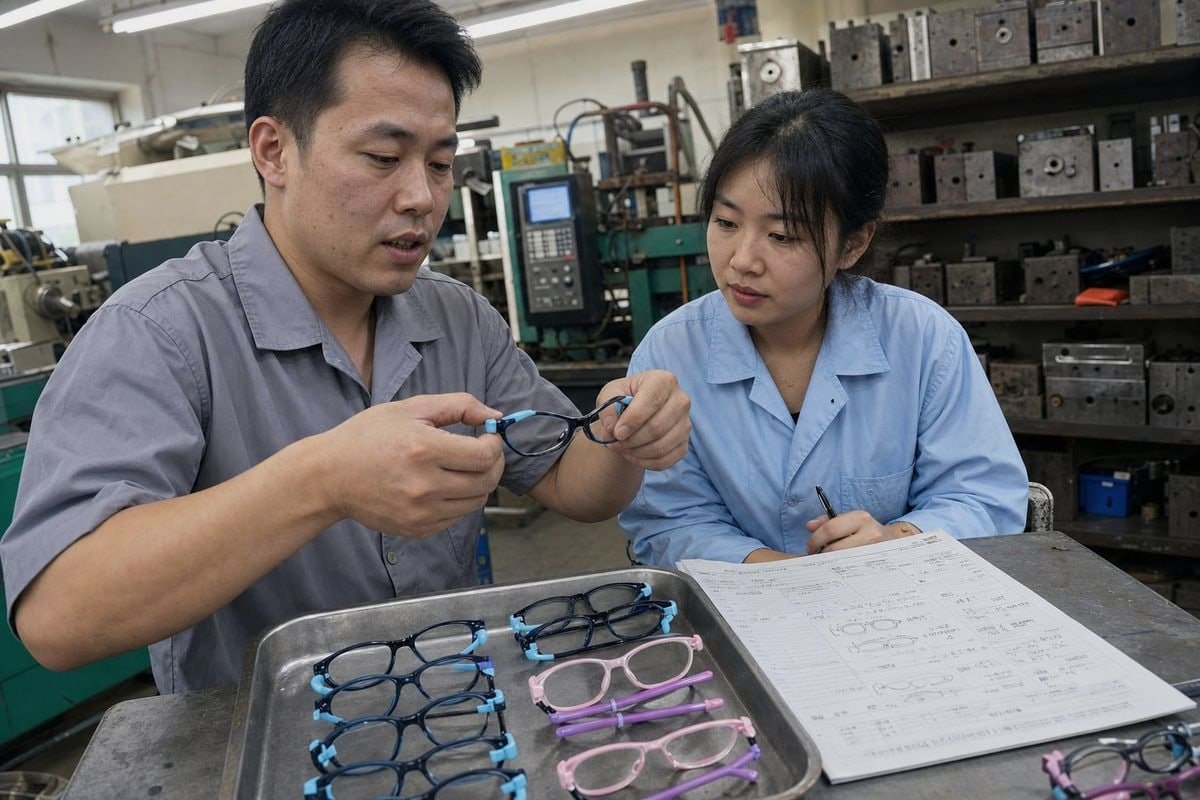
The advantages fall into four groups: cost, control, customization, and accountability. Each one matters more for children's frames than for adult fashion eyewear, because kids' products carry higher stakes on fit, durability, and safety.
Cost and pricing transparency
Industry sources often cite factory-direct pricing as 5–30% lower than trader pricing, depending on the product and volume. Treat that range as indicative, not guaranteed. The saving comes from removing the intermediary margin, and it grows as your order volume grows. Just as important, direct pricing is transparent. You can see what a material upgrade or packaging change actually costs.
Control over what touches a child's face
Kids' optical frames are not scaled-down adult frames. They need flatter bridges, shorter temples, and materials that flex instead of snap. When you work with the factory, you can specify TR90 frames 2 with TPEE temples, confirm the resin is non-toxic and environmentally friendly, and review hinge strength testing directly. Our engineers have found that flexible-material expertise is exactly where quality shortcuts happen when a trader chases the lowest quote among factories.
| Advantage | Why it matters for kids' frames |
|---|---|
| Lower unit cost at volume | Frees budget for better materials and lenses |
| Direct QC access | You can inspect hinge strength, edges, and finishing at the source |
| OEM optical frames capability | Custom colors, logos, sizing, and retail-ready packaging |
| Stable specifications | Reorders match the first batch, batch after batch |
| Single point of accountability | No finger-pointing between trader and factory when issues arise |
Customization and private label growth
Full OEM/ODM support is where factory direct truly separates itself. Private label eyewear programs need custom Pantone colors, logo printing, branded packaging, and sometimes new tooling. A trader can request these things, but the limits are always set by the underlying factory. Working directly, you negotiate those limits yourself.
Could working with a trading company still make sense for my brand's current order volume?
I will be honest about something we tell smaller buyers directly: not every order belongs at a factory. Early in my career here, we turned away a startup wanting fifty pieces across ten styles, and a trader served them better at that stage.
Yes. A trading company makes sense when your volume is below typical factory minimum order quantity levels, when you need mixed SKUs from multiple sources in one shipment, or when your team lacks the capacity to manage direct production follow-up, inspections, and export logistics.
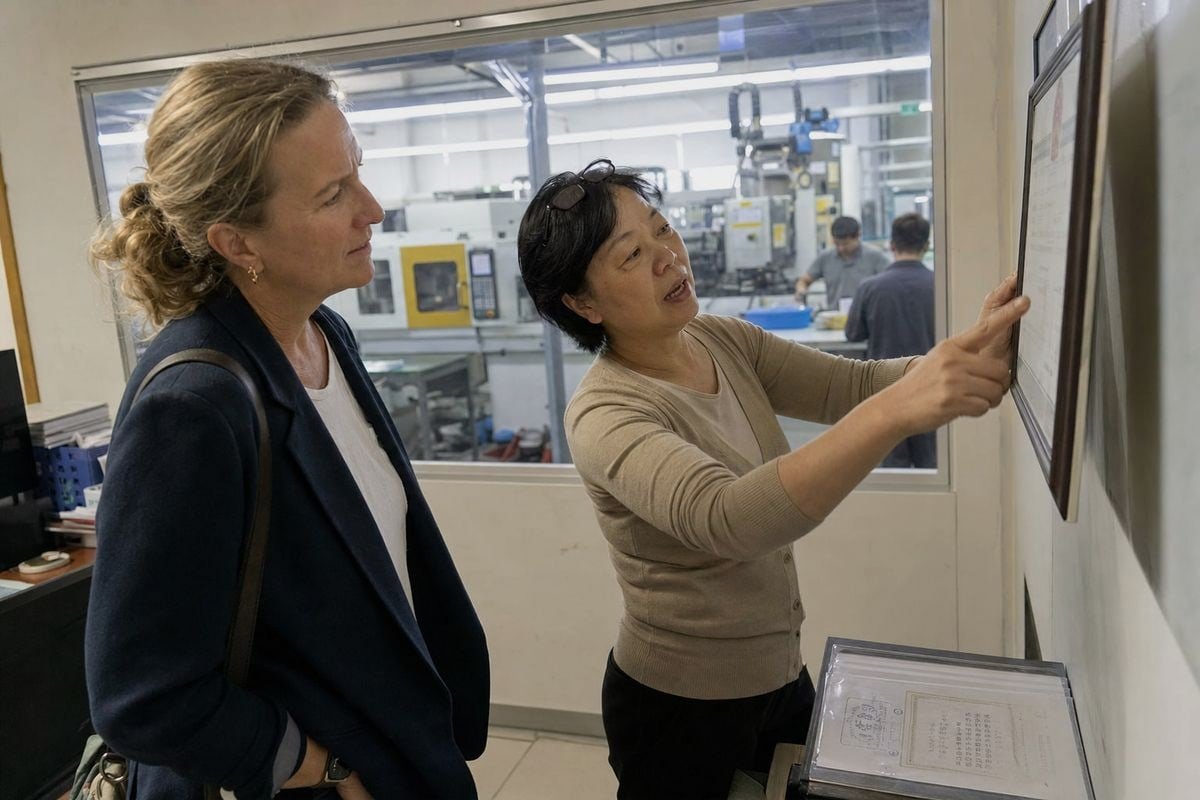
Many buyers assume factory direct is always best. That assumption causes real pain when a two-person startup tries to manage sample rounds, production scheduling, compliance documents, and freight across time zones. Traders exist because they solve genuine problems.
Where traders genuinely win
- Small first runs. Testing the market with 100–300 units per style often falls below a production line's efficient batch size.
- Mixed product sourcing. If you need frames, cases, cleaning cloths, and unrelated kids' accessories in one container, a trader consolidates it all.
- Coordination buffer. Traders handle translation, follow-up, and export paperwork, absorbing operational risk you may not be staffed for.
- No verification resources. If you cannot audit factories or run video walkthroughs, a reputable trader adds a screening layer.
The middle path most buyers miss
There is a third option worth knowing. Some factories, including ours, hold large existing style libraries. We keep roughly 800 ready styles, from glossy black rectangular frames with flexible navy TPEE temples 3 and strap loops for active kids, to translucent blush-pink rounded frames with a fashion-forward look. That lets a new brand launch wholesale kids eyewear without mold investment, at MOQs far lower than custom tooling would require. You get factory pricing and quality control 4 with trader-like flexibility on style variety. Before defaulting to a trading company for low volume, ask factories whether they offer open-mold catalogs. Many small brands are surprised that the eyewear supply chain has evolved to serve them directly, provided they pick the right manufacturing partner.
What should I ask a supplier to confirm they can truly support my kids' eyewear program long-term?
A procurement manager from Japan once sent us a two-page question list before her first sample order. It felt demanding at the time. Three years and many reorders later, I understand it was the smartest thing she did.
Ask about material sourcing and safety testing, documented quality control standards, mold ownership, batch-to-batch consistency processes, customization options, lead-time reliability, compliance certificates for your market, and how defects are handled. Long-term suppliers answer specifically; short-term ones answer vaguely.
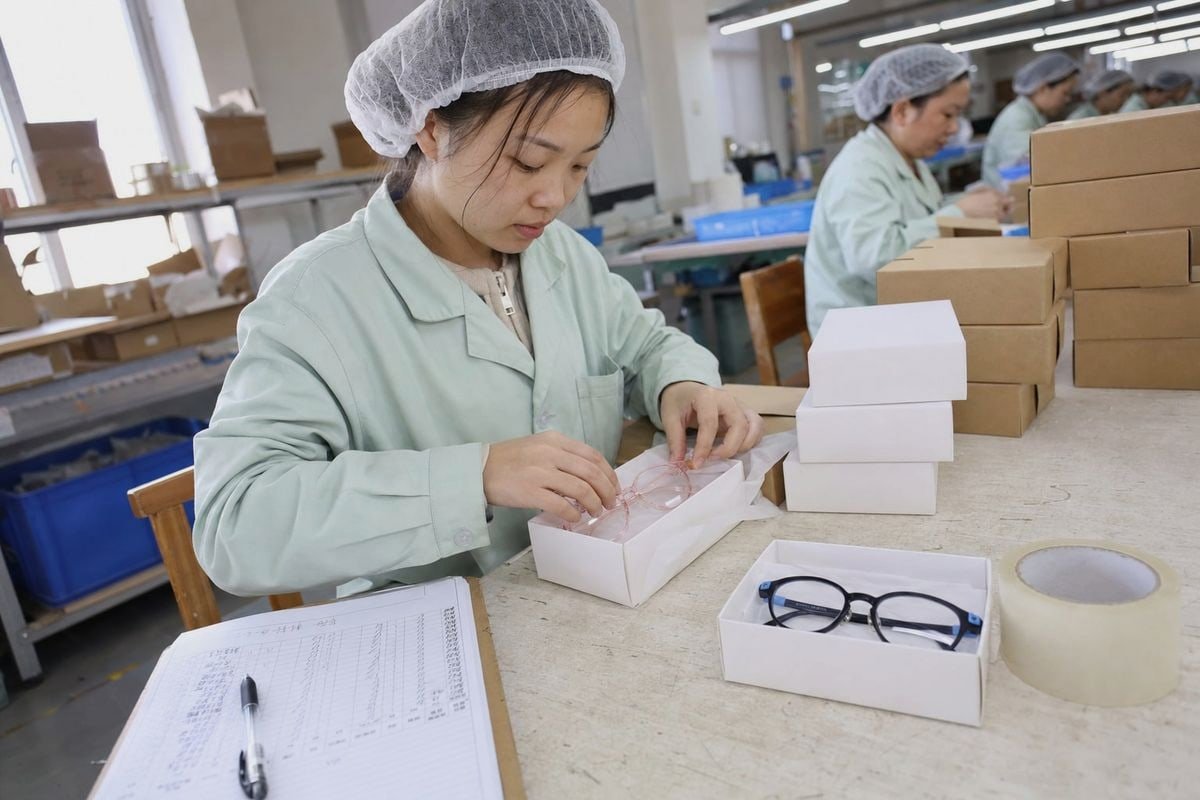
Long-term programs live or die on consistency. Your second order must match your first, and your tenth must match your second. That is why your questions should probe systems, not just samples. A beautiful sample proves a factory can make one good frame. Documented processes prove it can make ten thousand.
The question framework by category
| Category | Key questions to ask |
|---|---|
| Materials and safety | What resin grades do you use for TR90 and TPEE? Can you provide test reports for children's eyewear safety and non-toxic compliance in my market? |
| Quality control | What are your incoming, in-process, and final inspection steps? What is your AQL standard? Can I appoint a third-party inspection? |
| Customization | What customization options exist for colors, logos, lenses, and packaging? Who owns custom molds, and what are tooling lead times? |
| Reliability | What is your on-time delivery record? How do you handle capacity during peak season? |
| Aftercare | How are defects credited or replaced? Who is my single point of contact? |
Watch how they answer, not just what they answer
Specifics signal capability. When a buyer asks us about temple flexibility, we can talk through TPEE hardness selection, why we pair TR90 fronts with softer temples, and how we check hinge cycling before packing. A supplier who cannot go that deep will struggle when your program hits a real problem. Also ask about communication rhythm: who replies, how fast, and in what language. Over fifteen years of eyewear work, I have learned that clear communication predicts long-term success better than the sharpest first quote. Ask for references in your region, and ask how many clients have reordered for three years or more.
Conclusion
Choosing wrong costs money, time, and trust with parents. Match the model to your stage: factory direct for control and repeatable programs, traders for small mixed tests. Verify first, always.
Footnotes
1. Replaced with Wikipedia page for a comprehensive overview of injection molding. ↩︎
2. Explains the properties and benefits of TR90 thermoplastic material for eyewear frames. ↩︎
3. Replaced with a working blog post from the same domain, directly discussing TPEE for kids’ sunglasses. ↩︎
4. Explains ISO 9001, a key standard for quality management systems. ↩︎
More Articles You Might Like
August 5, 2026
Bio-Based vs Regular Cellulose Acetate: What's the Difference for Kids' Frames?
August 5, 2026
How Recyclable Are Kids' Optical Frame Materials, and What Eco-Friendly Alternatives Exist?
August 5, 2026
Do Kids Optical Frames Whiten or Age in Storage, and How to Control Warehouse Conditions?
Looking for a Reliable Kids Eyewear Partner?
Explore 800+ ready styles and full OEM/ODM support tailored to your brand.
Get in Touch English
  Español de México
  Deutsch
  Français
  日本語
日本語  العربية
  Português do Brasil