هل TR90 أو الأسيتات أو التيتانيوم هي الأفضل للنظارات الطبية للأطفال حسب العمر؟
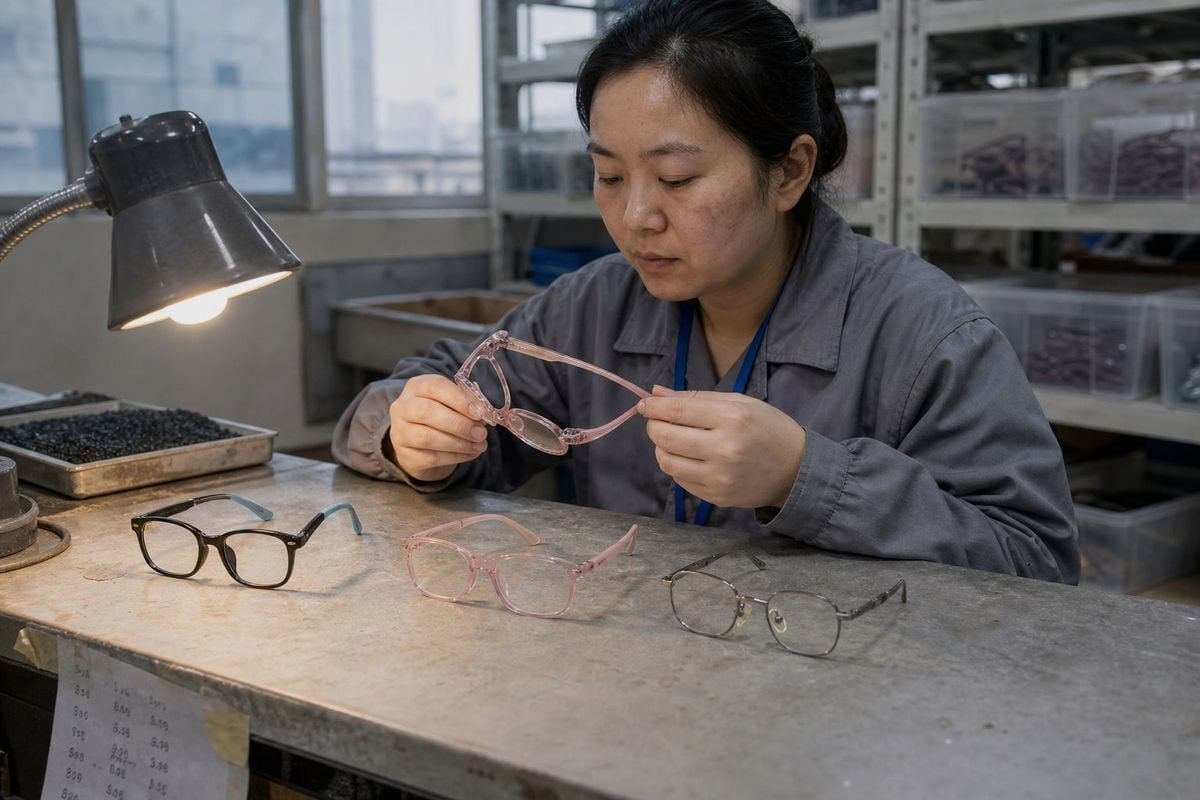
الاختيار بين TR90 أو الأسيتات أو التيتانيوم للنظارات الطبية للأطفال يربك العديد من المشترين الذين ألتقي بهم. اختر الخطأ، وتتراكم المرتجعات. في خط الإنتاج لدينا، نرى السبب يوميًا.
TR90 هي أفضل مادة شاملة للنظارات الطبية للأطفال الذين تتراوح أعمارهم تقريبًا بين 2-12 عامًا لأنها خفيفة الوزن ومرنة ومقاومة للصدمات. الأسيتات تناسب المراهقين الذين يركزون على الأناقة، بينما التيتانيوم هو الأفضل للأطفال الأكبر سنًا الذين يحتاجون إلى نظارات طبية فاخرة وخفيفة الوزن للغاية ومضادة للحساسية.
هذه هي الإجابة المختصرة. لكن العمر ومستوى النشاط ووضع علامتك التجارية يغيران المعادلة. دعني أرشدك خلال كيفية نصحنا للمشترين لاتخاذ القرار، قسمًا تلو الآخر.
كيف أختار أنسب مادة إطار للأطفال الصغار مقابل المراهقين؟
طلب مني مدير مشتريات من أستراليا أن أقدم عرض أسعار لنفس إطار الأسيتات بثلاثة أحجام للأطفال. أوقفتها. لا ينبغي لطفل صغير ومراهق في الرابعة عشرة من عمره ارتداء نفس المادة، وهذا هو السبب.
للأطفال الصغار ومرحلة ما قبل المدرسة، اختاري مواد ناعمة ومرنة مثل إطارات TR90 أو ذات الأطراف المصنوعة من السيليكون التي تنثني دون أن تنكسر. بالنسبة للمراهقين، يتحول التركيز على السلامة إلى الملاءمة والتوافق مع البشرة، لذا يصبح الأسيتات أو التيتانيوم المضاد للحساسية مناسبًا لأن الأطفال الأكبر سنًا يتعاملون مع النظارات بعناية أكبر بكثير.
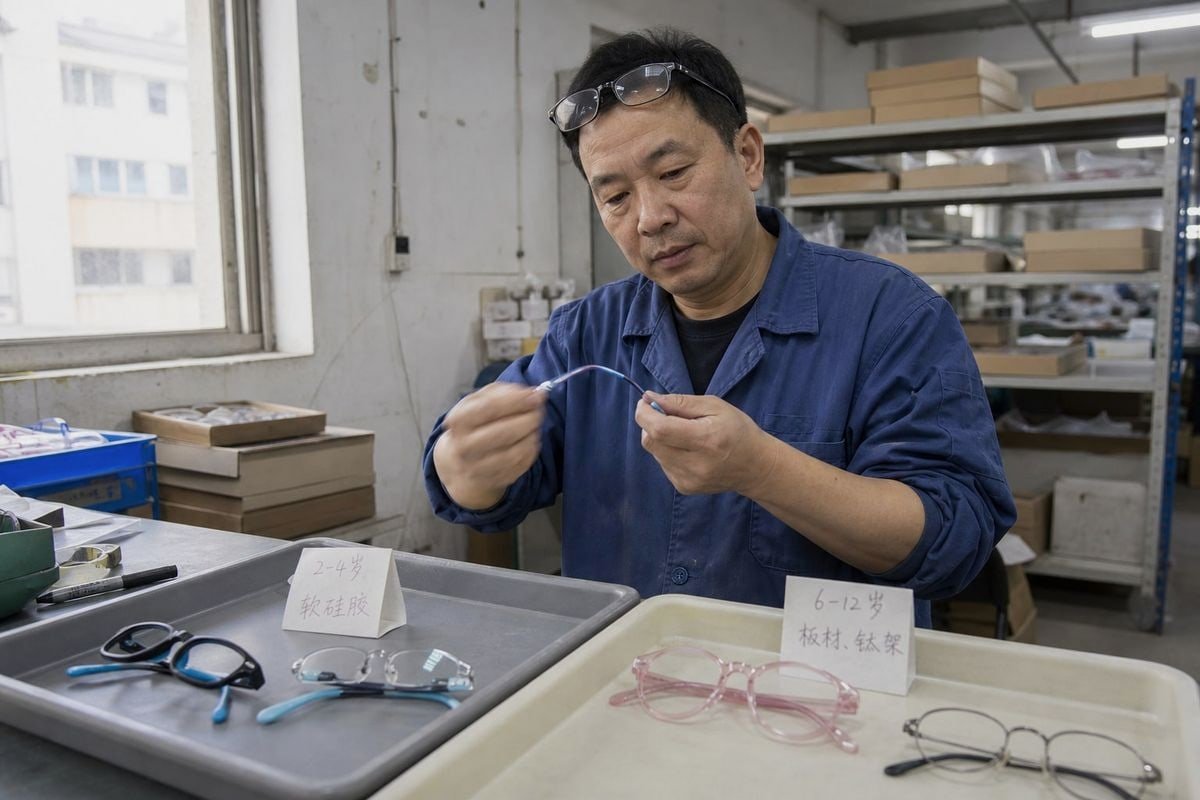
السلامة تعني أشياء مختلفة في أعمار مختلفة. بالنسبة لطفل يبلغ من العمر عامين، فإن الخطر هو إطار ينكسر إلى حواف حادة، أو ذراع صلب يضغط على الأنسجة الرخوة أثناء السقوط. بالنسبة للمراهق، فإن الخطر يتعلق براحة طويلة الأمد وتهيج الجلد وبقاء العدسات في وضعها الصحيح. في مصنعنا في تايتشو، نصنع معظم أنماط الأطفال الصغار من TR90 مع أذرع TPEE لهذا السبب بالضبط: الإطار بأكمله ينثني ويلتوي ويعود إلى شكله.
نظرة سريعة حسب العمر
- الأعمار 2-4: أعط الأولوية للمرونة والاستبدال. يعمل TR90 بشكل جيد، ولكن بالنسبة للأطفال الذين يضعون الإطارات في أفواههم أو يلتوونها بقوة، فإن الخيارات الأكثر نعومة مثل أذرع السيليكون أو TPEE أكثر أمانًا. هذا هو المكان الذي يهم فيه اتجاه الأسيتات الحيوية الناشئ، حيث أنه يستبدل الملدنات الفثالات التقليدية ببدائل نباتية - وهو مصدر قلق حقيقي للآباء القلقين بشأن تسرب المواد الكيميائية أثناء الاستكشاف الفموي.
- الأعمار 5-8: هذه هي منطقة TR90 الأقوى. يتطلب سوء استخدام المدرسة والملعب أقصى قدر من مقاومة الصدمات.
- الأعمار 9-12: لا يزال TR90 هو الرائد في متانة الإطار، لكن الأسيتات تبدأ في المنافسة عندما يرغب الأطفال في مظهر أكثر نضجًا.
- الأعمار 13+: تتولى الأسيتات والتيتانيوم زمام الأمور عندما تصبح الأناقة والملاءمة الدقيقة للأنف والهوية أكثر أهمية من المتانة والقدرة على الارتداد.
طبقة أمان إضافية: المفصلات. تركز إطارات المعادن الضغط على المفصلات والجسور, ، وهذا هو السبب في أننا نحدد مفصلات زنبركية أو أذرع مرنة بالكامل على كل إطار تقريبًا نصنعه للأطفال دون سن العاشرة.
لماذا يتفوق TR90 على الأسيتات والتيتانيوم للأطفال الصغار النشطين؟
المقايضة التي نزنها في أغلب الأحيان عند تطوير نمط جديد للأطفال هي الصلابة مقابل البقاء. يحافظ الإطار الأكثر صلابة على الضبط بشكل أفضل، لكن الطفل الصغير سيسقط ويجلس ويمزق نظارته أسبوعيًا. البقاء على قيد الحياة يفوز عادة.
يتميز TR90 بأدائه الأفضل من الأسيتات والتيتانيوم للأطفال الصغار النشطين لأنه بلاستيك ذاكرة ينحني ويعود إلى شكله بدلاً من أن ينكسر. إنه أخف بحوالي 50% من الأسيتات القياسي، ويقاوم الصدمات، ويتجنب نقاط الضغط المفصلية والجسر التي تفشل في الإطارات المعدنية.
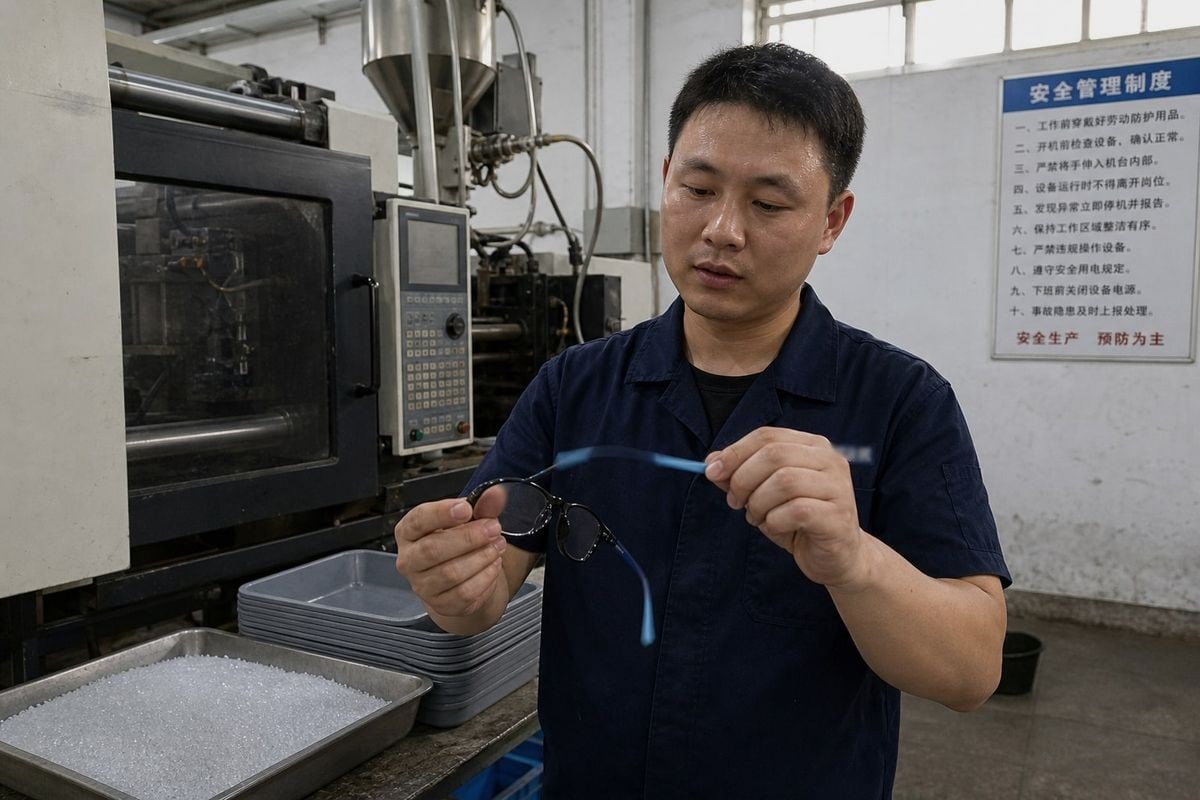
TR90 هو بلاستيك حراري يطلق عليه غالبًا بلاستيك الذاكرة. قم بلف ذراع TR90 المصنوع جيدًا 90 درجة وسيعود إلى شكله الأصلي. جرب ذلك مع 1 وتحصل على صدع؛ جربها مع ذراع تيتانيوم وتحصل على انحناء دائم أو مفصلة مقطوعة. لنمط حياة نشط - الرياضة، ألعاب الملعب، التخزين الخشن في حقيبة الظهر - هذه المرونة هي القصة بأكملها. أسيتات السليلوز الحيوي مقابل العادي 2 الوزن مهم أكثر مما يتوقع معظم المشترين. في طب العيون للأطفال،.
ينخفض امتثال مرتديها بسرعة عندما تنزلق الإطارات أو تضغط على الأنف. نظرًا لأن TR90 يزن حوالي نصف وزن الأسيتات القياسي، فإن الأطفال ببساطة يبقون النظارات. انخفاض الانزلاق يعني أيضًا أن المركز البصري يبقى في مكانه الصحيح., مزايا التصميم التي تحصل عليها فقط مع القولبة بالحقن 3 تسمح لنا قوالب الحقن TR90 ببناء.
جسر سرجي
، والذي يوزع الوزن بالتساوي على جسر أنف الطفل غير المتطور. تستخدم إطارات الأسيتات التقليدية عادةً جسورًا على شكل ثقب المفتاح، والتي تركز الضغط على نقطتي اتصال صغيرتين. بالنسبة للأطفال دون سن الثامنة، فإن ملاءمة الجسر السرجية أكثر راحة بشكل ملحوظ، ونراها في معدلات شكاوى أقل من عملائنا من العلامات التجارية. هناك ميزة أخرى يجب أن يعرفها المشترون في الأسواق الباردة: مقاومة الطقس البارد. يمكن أن تصبح الأسيتات هشة وتتشقق في درجات حرارة أقل من الصفر خلال اللعب في الهواء الطلق في فصل الشتاء. يحافظ TR90 على مرونته. بالنسبة لعملائنا في شمال أوروبا واليابان، فإن هذه الخاصية وحدها قد حسمت أكثر من مواصفات مادة واحدة. 4, TR90 أخف بحوالي 50% من الأسيتات القياسية، مما يحسن الراحة وامتثال مرتديها لدى الأطفال.
يقلل الوزن المنخفض من الانزلاق وضغط الأنف، لذا فإن الأطفال الصغار يبقون نظاراتهم - وهو عامل حاسم في نظارات الأطفال.
ما هي اختلافات المتانة والمرونة التي يجب أن أتوقعها بين هذه المواد الثلاث؟
أسيتات السليلوز.
توقع أن يكون TR90 الأكثر مرونة والأفضل في تحمل السقوط، وأن يحتفظ الأسيتات بالتعديلات جيدًا ولكنه يتشقق تحت الصدمات الحادة أو البرد، وأن يقاوم التيتانيوم التآكل والإجهاد لسنوات مع بقائه عرضة للكسر عند المفصلات. TR90 والتيتانيوم هما الأصعب في الإصلاح؛ الأسيتات هو الأسهل في التعديل.
تيتانيوم
| خاصية | TR90 | ممتاز - عودة الذاكرة | متوسط (تيتانيوم بيتا أفضل) |
|---|---|---|---|
| المرونة | جيد، ولكن نقاط ضغط المفصلات | منخفض - يتشقق تحت الالتواء | الوزن التقريبي (إطار الأطفال) |
| مقاومة الصدمات | ممتازة | مقبول | 8-10 جرام |
| 22-25 جرام | 8–10 جم | 22–25 جم | 9–12 جم نقي؛ 13–15 جم بيتا |
| سلوك الطقس البارد | يبقى مرنًا | يمكن أن يصبح هشًا، وقد ينكسر | مستقر |
| مقاومة التآكل | ممتازة | جيد | ممتازة |
| قابلية التعديل من قبل أخصائي البصريات | محدود — ملاءمة التفاف ثابتة | ممتازة | ممتازة |
| قابلية الإصلاح | صعب | الأسهل | صعب، مكلف |
هناك فارقان يستحقان الصدق. أولاً، قابلية التعديل: يمنح الأسيتات والتيتانيوم أخصائيي البصريات مساحة حقيقية لضبط ملاءمة الأذرع والجسر، وأحيانًا مع وسادات أنف قابلة للتعديل على التيتانيوم. غالبًا ما يعتمد TR90 على ملاءمة التفاف ثابتة لا يمكن إعادة تشكيلها كثيرًا، وهذا هو السبب في أن تصميمات TR90 الخاصة بنا تأتي بعرض جسر متعدد بدلاً من ذلك. ثانيًا، الدقة: سلامة الهيكل الصارمة للتيتانيوم مهمة بالفعل لعدسات إدارة قصر النظر عالية التقنية مثل تصميمات D.I.M.S. أو H.A.L.T.، والتي تحتاج إلى تركيز عدسة ثابت ودقيق لتعمل. الإطار الذي ينثني باستمرار يمكن أن يضر بذلك. لذا بالنسبة لخط إنتاج التحكم في قصر النظر الموجه للأطفال الأكبر سنًا، فإن صلابة التيتانيوم تتوقف عن كونها ضعفًا وتصبح ميزة.
ما يعنيه هذا لمعدلات الإرجاع
تعكس بيانات البيع بالتجزئة نفس النمط: تُظهر إطارات الأطفال المصنوعة من TR90 معدلات إرجاع أقل من الأسيتات، ويرجع ذلك أساسًا إلى أن السقوط اليومي الذي يكسر الأسيتات يترك TR90 دون مساس. تعوض قابلية إصلاح الأسيتات جزئيًا عن ذلك - غالبًا ما يكون الذراع المكسور قابلاً للإصلاح - ولكن بالنسبة للعلامات التجارية للتجارة الإلكترونية التي لا تحتوي على شبكة من أخصائيي البصريات، فإن خطر الكسر المنخفض لـ TR90 يساوي أكثر من قابلية إصلاح الأسيتات.
كيف أقرر أي مادة تناسب ميزانية علامتي التجارية والفئة العمرية المستهدفة؟
درس تعلمته مبكرًا في التصدير: أرخص إطار ليس هو الخيار الأرخص. اختار مستورد أوروبي أسيتات رخيصة لمجموعة الأعمار 4-7 سنوات، ومسحت بدائل الضمان مدخرات الهامش في غضون موسمين.
طابق المواد مع الفئة العمرية المستهدفة ومستوى السعر: TR90 للخطوط الاقتصادية والمتوسطة التي تخدم الفئات العمرية من 2 إلى 12 عامًا، والأسيتات للخطوط التي تركز على الأناقة من المتوسطة إلى العالية للفئات العمرية من 9 سنوات فما فوق، والتيتانيوم للخطوط الفاخرة المضادة للحساسية التي تستهدف الفئات العمرية من 10 سنوات فما فوق. ضع في اعتبارك مخاطر الاستبدال عند حساب التكلفة، وليس فقط سعر الوحدة.
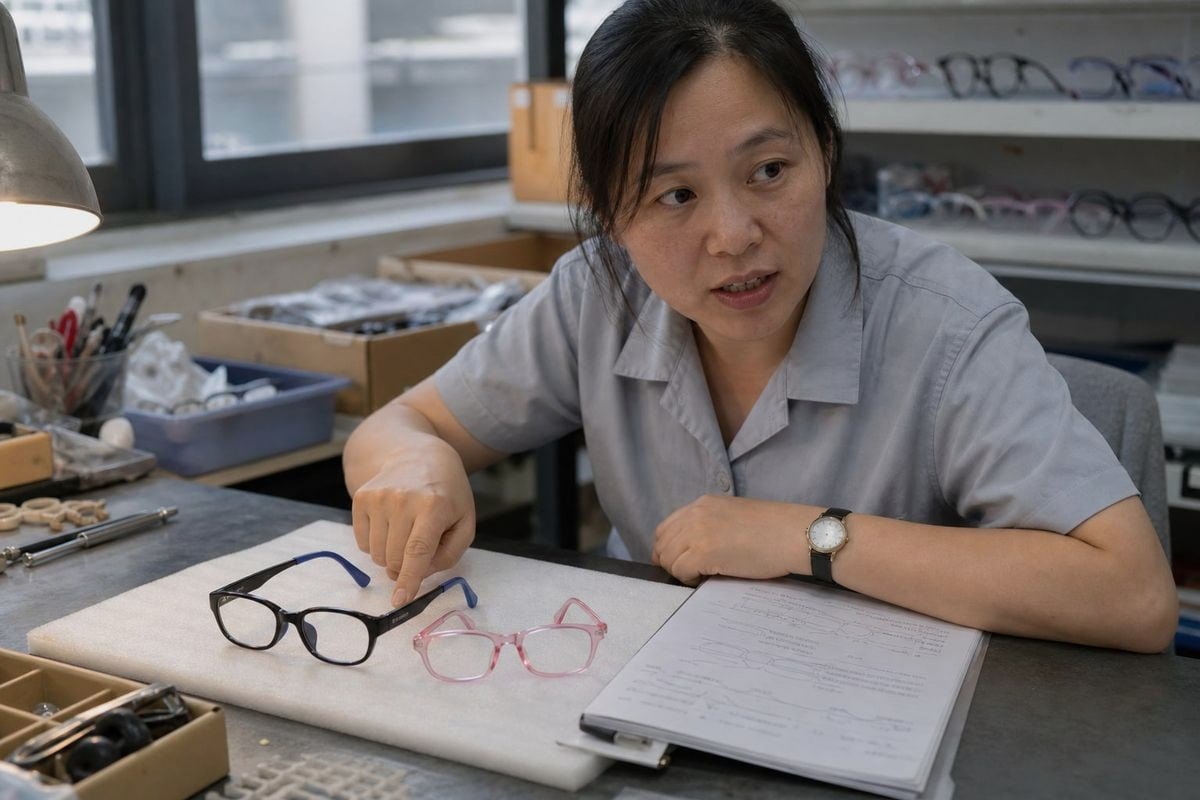
بالنسبة لمشتري B2B، هذا في الواقع قرار تحديد موقع. إليك المصفوفة التي نستخدمها في اجتماعات التطوير مع عملاء العلامات التجارية:
| سيناريو العلامة التجارية | أفضل مادة | لماذا تناسب |
|---|---|---|
| خط القيمة أو الدخول، الأعمار 2-8 | TR90 (مع أذرع TPEE للأصغر سنًا) | تكلفة وحدة منخفضة، متانة إطار عالية، أقل عدد من المرتجعات |
| علامة تجارية رياضية أو خارجية للأطفال | TR90 | مقاومة الصدمات، راحة خفيفة الوزن، ملاءمة التفاف آمنة |
| خط المراهقين العصري، الأعمار 9-14 | أسيتات أو أسيتات حيوية | عمق ألوان غني، أنماط، ملمس يدوي فاخر |
| علامة تجارية فاخرة أو للبشرة الحساسة، الأعمار 10+ | متوسط (تيتانيوم بيتا أفضل) | خصائص مضادة للحساسية، مقاومة التآكل، خفيفة الوزن للغاية |
| برنامج إدارة قصر النظر | هجين من التيتانيوم أو TR90 الصلب | تركيز ثابت للعدسات المتخصصة |
| علامة تجارية صديقة للبيئة للأطفال الرضع/الصغار | أسيتات حيوية أو TPEE | ملدنات نباتية، آمنة للمضغ |
فحص واقعي للميزانية
يقع TR90 في الطرف الودود لمنحنى التكلفة، والتيتانيوم في الطرف الفاخر، والأسيتات في المنتصف إلى المنتصف العلوي اعتمادًا على تعقيد التصميم. ولكن احسب التكلفة الإجمالية للملكية: سعر الوحدة بالإضافة إلى معدل الكسر بالإضافة إلى المناولة الضمانية. عادةً ما تجعل مرونة TR90 التكلفة الحقيقية الأقل لمجموعات الأعمار الصغيرة.
تقليل مخاطر الإطلاق الخاصة بك
لا تحتاج إلى قوالب مخصصة لاختبار استراتيجية المواد. من كتالوجنا الذي يضم حوالي 800 نمط موجود، يمكن لعلامة تجارية جديدة اختيار مجموعة أساسية من TR90 بالإضافة إلى كبسولة أسيتات صغيرة للأطفال الأكبر سنًا، وتطبيق ألوان وشعارات مخصصة وتغليف جاهز للبيع بالتجزئة، والتحقق من الطلب قبل الاستثمار في الأدوات. هذه هي الطريقة التي بدأ بها معظم شركائنا على المدى الطويل في أسواق التصدير لدينا التي يزيد عددها عن 20 سوقًا.
الخلاصة
اختر حسب العمر، وليس حسب الضجيج: TR90 لـ الأطفال الصغار والنشطين, ، والأسيتات للمراهقين الذين يقودهم الأسلوب، والتيتانيوم لاحتياجات البشرة الحساسة الفاخرة. احصل على هذا بشكل صحيح، وتتوقف المرتجعات عن استهلاك هامشك.
ملاحظات ختامية
الموقع الرسمي لشركة تصنيع Grilamid TR 90، المعيار الصناعي لإطارات TR90. ↩︎
مدخل موسوعي موثوق يحدد المادة وتطبيقها المحدد في إطارات النظارات. ↩︎
موارد سريرية من الأكاديمية الأمريكية لطب العيون فيما يتعلق برعاية رؤية الأطفال واختيار الإطار. ↩︎
قاعدة بيانات وطنية للبحوث الطبية الحيوية تغطي تشريح الوجه والتوافق الحيوي للمواد للأجهزة الطبية. ↩︎
مقالات أخرى قد تعجبك

هل تبحث عن شريك موثوق به للنظارات للأطفال؟
استكشف أكثر من 800 نمط جاهز ودعم OEM/ODM كامل مصمم خصيصًا لعلامتك التجارية.
اتصل بنا English
  Español de México
  Deutsch
  Français
  日本語
日本語  العربية
  Português do Brasil