إطارات معدنية مقابل أسيتات: أيهما أكثر متانة لنظارات الأطفال؟

نقاش الإطارات المعدنية مقابل أسيتات يصل إلى مكتبي أسبوعيًا تقريبًا. يختار المشترون مادة، ويشحنون حاوية، ثم تتراكم المرتجعات - جسور مكسورة، أذرع ملتوية، آباء غاضبون. في خط الإنتاج لدينا في تايتشو، رأيت كيف يمكن لاختيار مادة خاطئة أن يقتل إطلاق نظارات الأطفال بصمت. الخبر السار؟ يمكن معرفة الإجابة بمجرد تحديد ما تعنيه ’المتانة“ بالفعل للطفل.
لا تفوز إطارات المعدن ولا أسيتات بشكل قاطع بمتانة نظارات الأطفال. أسيتات تمتص السقوط والصدمات بشكل أفضل، بينما المعدن - خاصة التيتانيوم - يحافظ على شكله لفترة أطول ويقاوم الحرارة. بالنسبة للأطفال الصغار والنشطين، غالبًا ما تتفوق مادة بلاستيك الذاكرة المرنة TR90 على كليهما بالانحناء بدلاً من الكسر.
دعني أشرح هذه الإجابة بشكل صحيح. سأقارن المادتين على مقاييس المتانة الحقيقية، وأقدم بدائل مرنة، وأنهي بالرياضيات المتعلقة بالطلبات الكبيرة التي تهم علامتك التجارية.
كيف أعرف ما إذا كانت الإطارات المعدنية أو المصنوعة من الأسيتات ستصمد بشكل أفضل في الاستخدام اليومي الخشن من قبل الأطفال؟
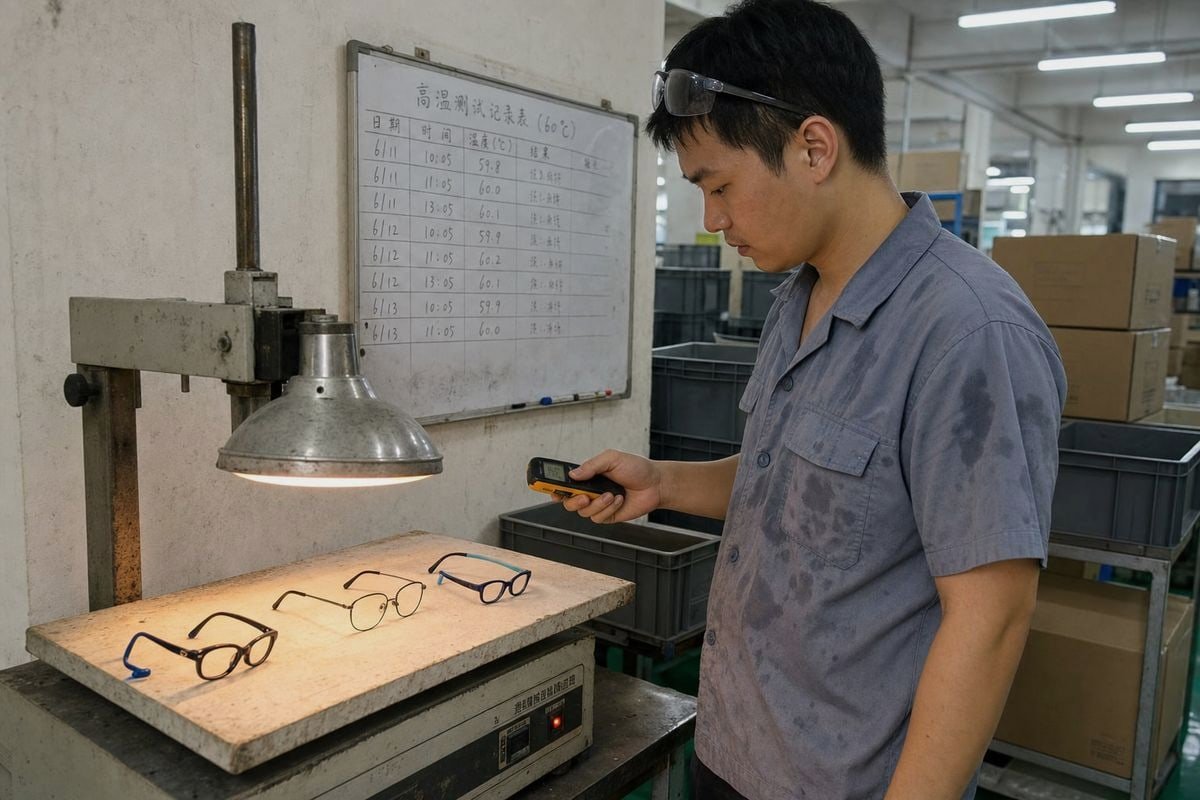
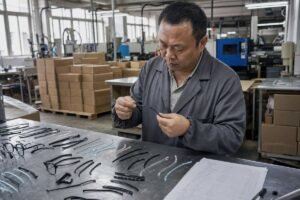
علمتني جلسة مراقبة جودة في الربيع الماضي الكثير. اختبرنا دفعة من الإطارات العينة - انحنت الأذرع المعدنية وظلت منحنية، بينما أسيتات السليلوز الحيوي مقابل العادي 1 انثنت، ثم عادت، ثم تشققت عند أقصى حد.
أسيتات تتحمل السقوط والرمي والصدمات في الملعب بشكل أفضل لأنها تنثني وتمتص الصدمات. المعدن يتحمل التآكل اليومي والحرارة والاستخدام المتكرر بشكل أفضل لأنه يحافظ على شكله. قم بتقييم كل مادة بناءً على سلوك طفلك المستهدف الفعلي، وليس بناءً على معيار مثالي معملي.

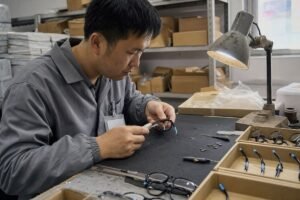
المتانة ليست خاصية واحدة. إنها خمسة على الأقل. عندما نجري فحوصات المواد الواردة في ورشة عمل مدارة بنظام 5S 2, ، نختبر كل واحدة على حدة، لأن الإطار يمكن أن يجتاز اختبارًا ويفشل في اختبار آخر بشكل سيء.
الوجوه الخمسة للمتانة
| عامل المتانة | أسيتات | معدن (تيتانيوم/فولاذ مقاوم للصدأ) |
|---|---|---|
| تحمل السقوط والصدمات | قوي - يمتص الصدمات | أضعف - يمكن أن ينكسر عند المفاصل الملحومة |
| الحفاظ على الشكل بمرور الوقت | يمكن أن تتسع بعد 12-18 شهرًا من الاستخدام | ممتاز - تغيير طفيف على مر السنين |
| تحمل الحرارة (السيارات الساخنة، الشمس) | ضعيف - عرضة للتشوه الحراري | جيد جدًا |
| مقاومة التآكل والعرق | جيدة جدًا - مقاومة كيميائية | يمكن أن تتآكل أو تتقشر الطلاءات؛ يتفوق التيتانيوم |
| الإصلاح والتعديل | يحتاج إلى حرارة؛ يصعب إصلاح الشقوق | سهل باستخدام أدوات أخصائي البصريات القياسية |
لاحظ النمط. أسيتات تفوز في الأحداث المفاجئة والعنيفة. المعدن يفوز في الأحداث البطيئة والمتكررة. ينتج الأطفال كلا النوعين من الضغط، ولكن ليس بنفس القدر. طفل في السادسة يسقط نظارته، يجلس عليها، وينزعها بيد واحدة. هذه أحداث صدمة - منطقة أسيتات. طفل في الثانية عشرة يرتدي نظارة عشر ساعات في اليوم، كل يوم، لمدة عامين. هذه منطقة تحمل - حيث تتألق نظارات الفولاذ المقاوم للصدأ وإطارات التيتانيوم.
هناك عامل خفي أيضًا. يسمح سمك أسيتات الهيكلي بأخدود عدسة أعمق، لذا عدسات بولي كربونات 3 أقل عرضة للخروج أثناء صدمة ملعب عالية السرعة. لا يمكن للحواف المعدنية الرفيعة أن تتطابق مع هذه القبضة. أسيتات تخفف الاهتزازات أيضًا، مما يقلل من اهتزاز العدسة عندما يركض الطفل. لكن أسيتات تتمدد ببطء: تتسع العديد من إطارات أسيتات تدريجيًا على مدار 12-18 شهرًا من الاستخدام اليومي، بينما يمكن للإطار المعدني المصنوع جيدًا أن يحافظ على محاذاته لمدة خمس سنوات أو أكثر.
لذا اسأل نفسك سؤالًا واحدًا قبل الاختيار: هل طفلي المستهدف في الغالب يسقط النظارات أم في الغالب يرتدي النظارات؟ عادة ما يحدد الجواب المادة.
ما الذي يجب أن أبحث عنه عند مقارنة بدائل TR90 المرنة للإطارات المعدنية والأسيتات التقليدية؟
أرسلت لنا مشترية من أستراليا ذات مرة صندوقًا من إطاراتها المرتجعة - نصفها أسيتات متشققة، ونصفها معدن منحني. أرسلنا عينات TR90 مع معابد TPEE 4. انهار معدل مرتجعاتها في الموسم التالي.
عند مقارنة البدائل المرنة، ابحث عن بلاستيك الذاكرة TR90 الذي يعود إلى شكله بعد الالتواء، وأذرع TPEE التي تبقى ناعمة على البشرة، وتثبيت آمن للعدسة، ومفصلات زنبركية أو جسر مرن، ومقاومة معتمدة للصدمات. هذه الميزات تتفوق على قوة المواد الخام للأطفال دون سن العاشرة.
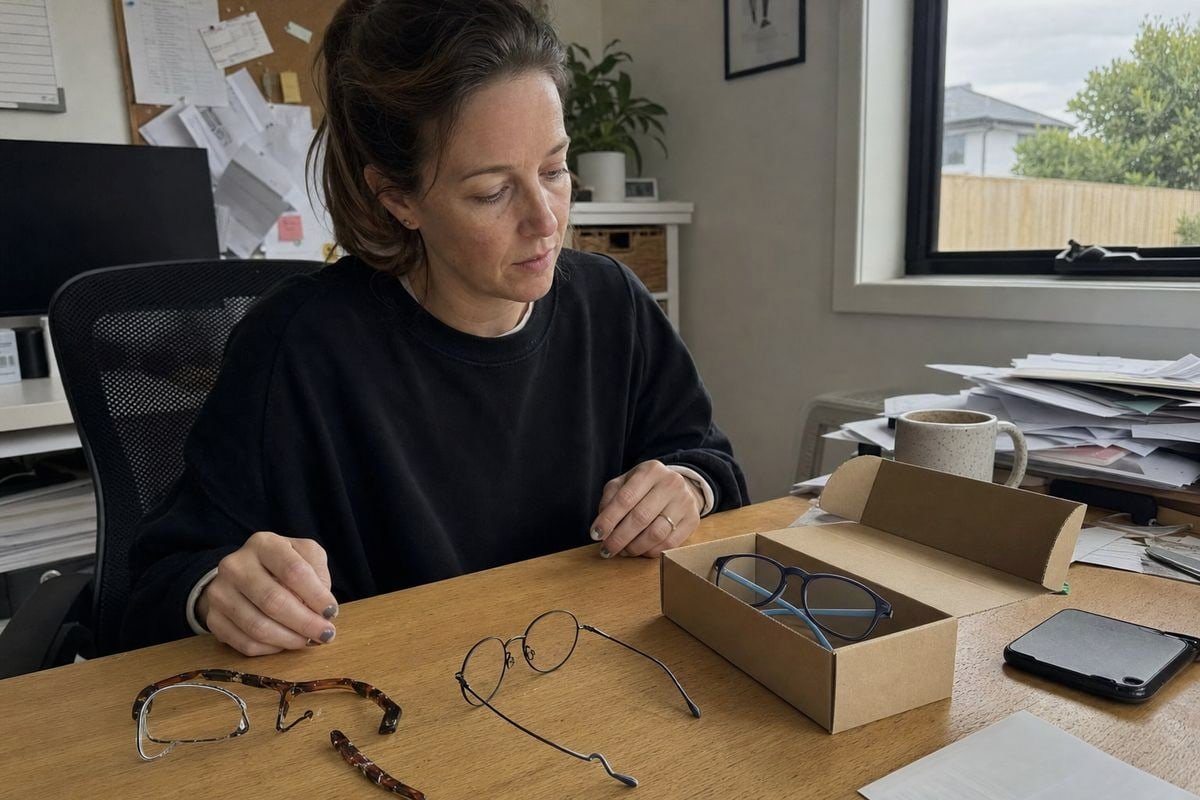
هذا هو الموقف الصادق من شخص يصنع TR90 كل يوم عمل: المرونة هي استراتيجية متانة، وليست حلاً وسطًا. الإطار الذي ينحني 90 درجة ويعود إلى وضعه لا يمكن أن ينكسر بالطريقة التي يمكن أن ينكسر بها أسيتات الصلب، ولا يمكن أن يحتفظ بانحناء دائم بالطريقة التي تفعلها سبائك المعادن اللينة.
ما الذي يميز الإطارات المرنة الجيدة عن الإطارات الرخيصة
ليس كل بلاستيك مرن يستحق الاسم. قم بتقييم العينات بناءً على هذه النقاط:
- استعادة الذاكرة. قم بلف الذراع بالكامل. بلاستيك الذاكرة TR90 5 يجب أن تعود إلى هندستها الأصلية في غضون ثوانٍ. يبقى البلاستيك الرخيص PP أو الأساسي مشوهًا أو يبيض عند خط الإجهاد.
- بناء المفصلة. مفصلات زنبركية 6 تسمح للأذرع بالانثناء للخارج وتحمل السحب بيد واحدة الذي يقوم به كل طفل. في إطارات البلاستيك الاقتصادية، تسحب المفصلات المثبتة بالحرارة مباشرة؛ المفصلات المثبتة بالمسامير أو البراغي تقاوم هذه القوة بشكل أفضل بكثير.
- راحة الذراع. نحن نجمع بين واجهات TR90 وأذرع TPEE في العديد من أنماطنا الحالية التي يبلغ عددها حوالي 800 نمط لأن TPEE يبقى ناعمًا، ويمسك بخفة، ولا يضغط أبدًا بقوة خلف الأذنين الصغيرتين.
- أمان العدسة. تحقق من أن عدسات البولي كربونات تستقر في أخدود عميق وكامل. المرونة لا تعني شيئًا إذا خرجت العدسة عند الاصطدام.
- سلامة الجلد. TR90 و TPEE هما مواد مضادة للحساسية 7 خالية من النيكل، مما يزيل خطر الحساسية الذي تحمله السبائك المعدنية منخفضة الجودة.
بطاقة أداء سريعة للمواد للأطفال دون سن العاشرة
| معيار | TR90 / TPEE | أسيتات | معدن |
|---|---|---|---|
| ينحني دون أن ينكسر | ممتازة | مقبول | ضعيف إلى مقبول |
| الوزن | خفيف جدا | معتدل | خفيف (التيتانيوم) إلى ثقيل (سبيكة) |
| خطر الإصابة عند الاصطدام بالوجه | الأدنى | معتدل | الأعلى |
| خيارات الألوان والتشطيبات | واسع | الأوسع | محدود بالطلاء |
بالنسبة للأطفال الصغار ومرحلة ما قبل المدرسة، نادرًا ما تكون هذه المقارنة متقاربة. تنحني المواد المرنة عند الاصطدام بدلاً من دفع الحواف الصلبة إلى وجه الطفل - وهي نقطة أمان تدعمها معظم الإرشادات البصرية التي تركز على الأطفال.
كيف أوازن بين المتانة والراحة والسلامة عند البحث عن مواد نظارات الأطفال؟
أصعب مقايضة أزنها في تطوير المنتجات ليست المتانة وحدها أبدًا. إطار يشبه الدبابة يرفض الطفل ارتداءه يفشل بشكل أكبر من إطار ينكسر - لأنه يفشل كل يوم.
وازن الثلاثة من خلال التعامل مع السلامة على أنها أمر غير قابل للتفاوض، والراحة كمحرك للامتثال اليومي، والمتانة كنتيجة لتفاصيل التصميم. اختر مواد لا تسبب الحساسية، وبناء خفيف الوزن تحت وزن معتدل، وحواف مستديرة، وتثبيت آمن للعدسة، ومفصلات مصممة لتحمل سوء الاستخدام.
لقد تعلمت هذا الدرس مبكرًا في سنوات عملنا الخمسة عشر في مجال البصريات: يعيد الآباء النظارات غير المريحة بنفس سرعة إعادتهم للنظارات المكسورة. نادرًا ما يفصل تجار التجزئة بين الاثنين في تقارير شكواهم، لذا فإن "مشكلة المتانة" غالبًا ما تكون مشكلة راحة في الخفاء. الإطار الذي ينزلق على جسر الأنف المسطح للطفل يتم دفعه لأعلى مئات المرات في اليوم، ويتعرض للضغط عند المفصلات، ويسقط في النهاية. السقوط يكسره - لكن الملاءمة السيئة تسببت في ذلك.
السلامة أولاً: غير القابلة للتفاوض
بعض الخيارات خارج الطاولة تمامًا للأطفال. حواف معدنية حادة بالقرب من العين. سبائك غنية بالنيكل تلامس البشرة الحساسة - الأسيتات و TR90 مضادة للحساسية بشكل طبيعي، وهو ما يهم أكثر مما يدركه العديد من المشترين. عدسات زجاجية من أي نوع؛ عدسات بولي كربونات مع حماية UV400 8 هي المعيار الذي نستخدمه عبر مجموعتنا للأطفال. ومواد صلبة لمجموعة ما دون سن الخامسة، حيث يتحول السقوط على الوجه إلى إطار صلب يشكل خطرًا.
الراحة ثانياً: ما يبقي النظارات على الوجه
ميزات الراحة تعمل كميزات متانة:
- وسادات أنف قابلة للتعديل على الإطارات المعدنية توقف الانزلاق المستمر الذي يؤدي إلى السقوط - وهو أمر بالغ الأهمية لجسور الأنف غير المتطورة. في أنماط TR90 الخاصة بنا، نقوم بتشكيل جسور أنف تشريحية للقيام بنفس المهمة بدون أجزاء صغيرة.
- جسر مرن يوزع الضغط عبر مقدمة الإطار بدلاً من تركيزه في نقطة كسر واحدة.
- أطراف أذرع سيليكون ناعمة, ، مثل أطراف TPEE الزرقاء السماوية على إطاراتنا البصرية ذات اللونين، تمسك بلطف حتى يتوقف الأطفال عن العبث بنظاراتهم.
- وزن خفيف. إطار أخف يرتد عند الاصطدام بدلاً من دفع كتلته الخاصة إلى أخدود العدسة.
المتانة ثالثًا: لأنها تتبع من الاثنين الأولين
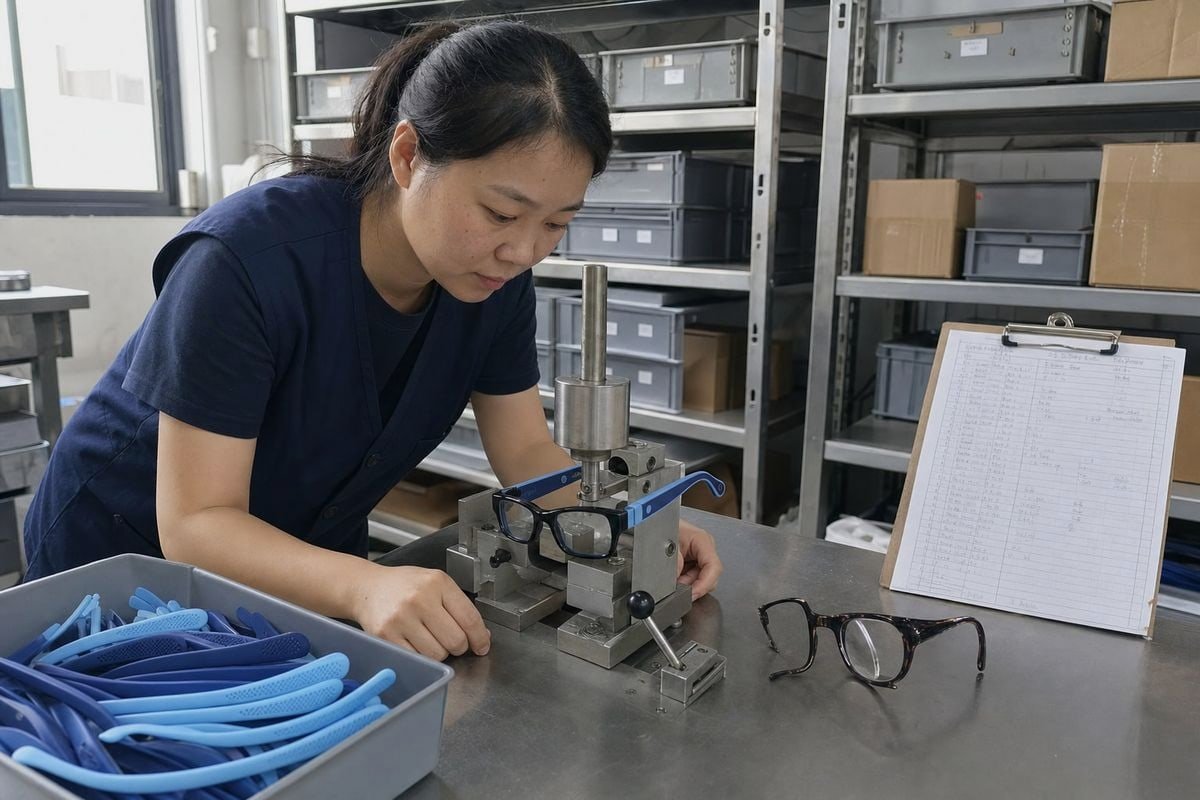
عندما يتم تصميم السلامة والراحة بشكل صحيح، فإن المتانة تعتني بنفسها إلى حد كبير. الإطار المجهز جيدًا والخفيف والمرن ببساطة يتعرض لأحداث أقل عنفًا. لهذا السبب تتحقق عملية مراقبة الجودة لدينا من هندسة الملاءمة وضغط المفصلات على كل دفعة، وليس فقط صلابة المواد. المتانة نظام، وليست سطرًا في ورقة المواصفات.
ما هي مادة الإطار التي تقدم قيمة أفضل على المدى الطويل لعلامتي التجارية عند الطلب بكميات كبيرة من الشركة المصنعة؟
طلب مني موزع أوروبي مرة أن أقدم نفس التصميم من الأسيتات وسبائك المعادن و TR90. اختلفت أسعار الوحدات. اختلفت التكلفة الإجمالية للملكية بشكل كبير.
بالنسبة لمعظم العلامات التجارية للأطفال التي تطلب بكميات كبيرة، يوفر TR90 مع مكونات TPEE أفضل قيمة طويلة الأجل: انخفاض معدلات الإرجاع، وتكلفة وحدة أقل من التيتانيوم، وموقع سلامة قوي، وتخصيص واسع. تناسب إطارات التيتانيوم خطوط البصريات المتميزة؛ تناسب الأسيتات المجموعات التي تقودها الموضة وتحتاج إلى ألوان غنية.
القيمة في الطلب بالجملة ليست سعر تسليم ظهر السفينة. إنها السعر مقسومًا على مدة بقاء الإطار، مضروبًا في ما تفعله المرتجعات والمراجعات لعلامتك التجارية. دعني أشرح ذلك بالطريقة التي أشرح بها للمشترين الذين يزورون مصنعنا في تايتشو.
مقارنة القيمة الإجمالية للمشترين بالجملة
| عامل القيمة | أسيتات | التيتانيوم / الفولاذ المقاوم للصدأ | TR90 + TPEE |
|---|---|---|---|
| تكلفة الوحدة | معتدل | مرتفع (التيتانيوم) | منخفض إلى معتدل |
| معدل العائد المتوقع (الأطفال النشطون) | معتدل | معتدلة إلى عالية | منخفض |
| التخصيص (الألوان، التشطيبات) | ممتازة | محدودة | جيد جدًا |
| التعرض لمطالبات الضمان | التشقق، الالتواء | الانحناء، فقدان البرغي، تآكل الطلاء | الحد الأدنى |
| أفضل وضعية | خطوط أطفال عصرية | نظارات طبية فاخرة، للمراهقين | مجموعات يومية ورياضية للأطفال الصغار |
الرياضيات وراء التوصية
تستمر العديد من إطارات الأطفال في العمل لمدة عام إلى عامين مع العناية العادية. إذا فشل إطار معدني رخيص في غضون ستة أشهر، فإن عميلك يلوم علامتك التجارية، وليس المعدن. غالبًا ما يمحو العائد الذي تم تجنبه بالكامل التوفير لكل وحدة من المواد الأرخص. العرق وواقي الشمس يزيدان من سوء هذا بالنسبة للمعادن الاقتصادية: الحموضة وواقيات الشمس للأطفال تسبب تآكل وتقشر الطلاء الواقي على إطارات المعادن منخفضة الجودة، بينما تتجاهل الأسيتات و TR90 كلاهما كيميائيًا.
تقليل مخاطر إطلاق منتجك
هناك أيضًا مسألة الأدوات. تفترض العلامات التجارية الجديدة غالبًا أنها بحاجة إلى قوالب مخصصة، مما يعني استثمارًا كبيرًا مقدمًا قبل بيع وحدة واحدة. هذا هو السبب بالضبط في أننا نحتفظ بحوالي 800 تصميم موجود عبر النظارات الشمسية والإطارات الطبية - يمكن للعلامة التجارية اختيار التصميمات المثبتة، وتطبيق ألوان وشعارات ومواصفات عدسات مخصصة، وتغليف جاهز للبيع من خلال عملية OEM/ODM الخاصة بنا، واختبار السوق دون تكاليف القوالب. ابدأ بطلب مختلط: TR90 للمجموعة الأساسية اليومية، ومجموعة صغيرة من الأسيتات لجذب الموضة، وأضف التيتانيوم لاحقًا إذا كان سوقك يدعم التسعير المتميز. هذا التسلسل يحافظ على أموالك آمنة بينما تخبرك بيانات المبيعات أين يجب أن تضاعف جهودك.
الخلاصة
لا يوجد فائز عالمي في مقارنة إطارات المعدن مقابل الأسيتات: الأسيتات تتسامح مع الصدمات، والتيتانيوم يحافظ على شكله، وغالبًا ما يتفوق TR90 المرن على كليهما للأطفال الصغار. طابق المادة مع العمر والسلوك والرياضيات القيمة لعلامتك التجارية - واختر شريك مصنع يختبر المتانة بالطريقة التي يقدمها الأطفال بها بالفعل.
ملاحظات ختامية
خلفية عن مرونة مادة البوليمر وخصائص امتصاص الصدمات التي تمت مناقشتها في المقال. ↩︎
يشرح منهجية التصنيع الرشيقة المشار إليها لفحص الجودة على خط الإنتاج. ↩︎
يوفر خلفية فنية عن مادة العدسة المقاومة للصدمات المذكورة بشكل متكرر في المقال. ↩︎
تغطي إرشادات إدارة الغذاء والدواء (FDA) سلامة المواد المستخدمة في المنتجات الاستهلاكية التي يتم ارتداؤها على الجلد. ↩︎
مدخل موسوعي موثوق يغطي مواد البولي أميد والبلاستيك الذاكرة في النظارات. ↩︎
تشرف لجنة سلامة المنتجات الاستهلاكية (CPSC) على معايير السلامة لمنتجات الأطفال، بما في ذلك متطلبات المفصلات والمتانة الميكانيكية. ↩︎
تشرح موارد المعاهد الوطنية للصحة (NIH) مخاطر حساسية النيكل التي تهدف مواد النظارات المضادة للحساسية إلى تجنبها. ↩︎
دليل رسمي من الأكاديمية الأمريكية لطب العيون حول UV400 وسلامة العين. ↩︎
مقالات أخرى قد تعجبك
هل تبحث عن شريك موثوق به للنظارات للأطفال؟
استكشف أكثر من 800 نمط جاهز ودعم OEM/ODM كامل مصمم خصيصًا لعلامتك التجارية.
اتصل بنا English
  Español de México
  Deutsch
  Français
  日本語
日本語  العربية
  Português do Brasil