How Does Summer Heat Affect Kids’ Sunglasses in a Car?
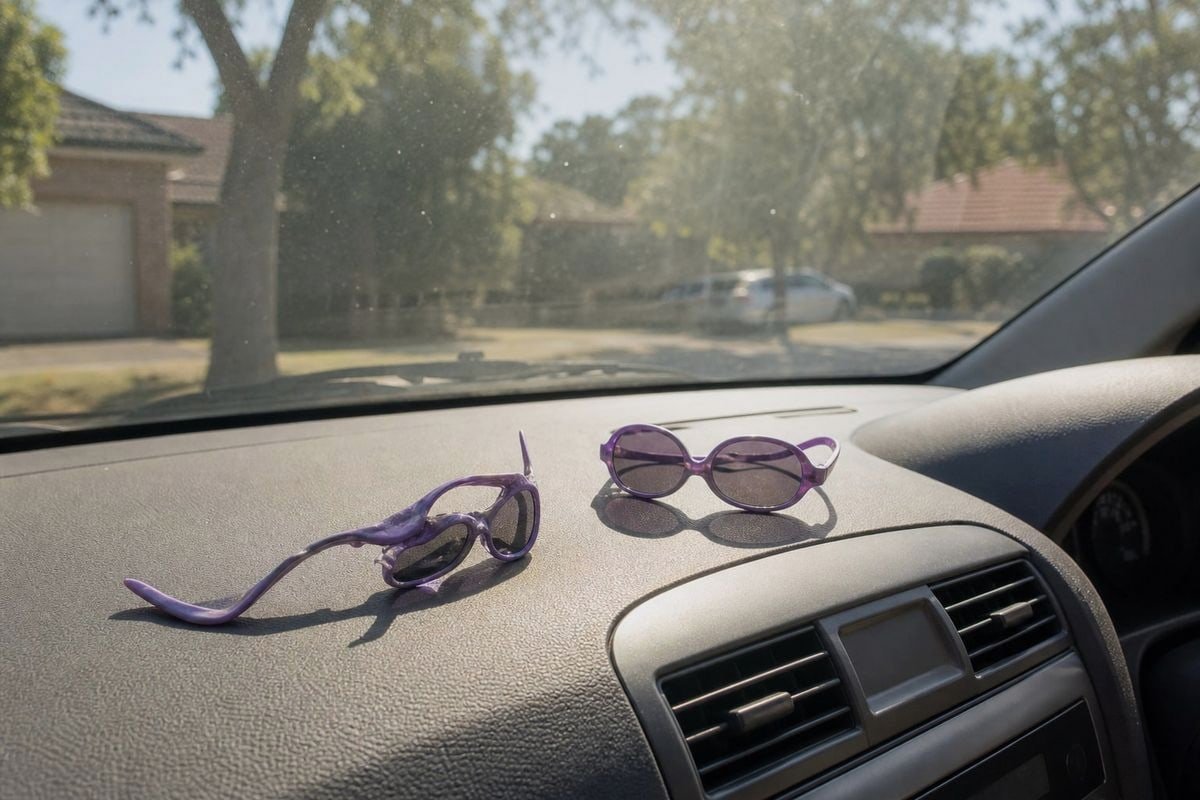
Every summer, buyers send us photos of warped kids’ sunglasses pulled from hot cars UV-blocking additives 1. On our production line in Taizhou, we see exactly why this happens — and how to prevent it.
Summer heat affects kids’ sunglasses in a car by softening plastic frames, warping their shape, cracking lens coatings, degrading polarized films, and making metal parts too hot to wear. Cabin temperatures of 140–175°F can permanently damage fit, comfort, and UV protection.
The damage is rarely dramatic. Sunglasses do not melt into a puddle. Instead, they quietly bend, haze, and loosen until they no longer protect a child’s eyes. Let me walk you through what actually happens, material by material, and what you should demand from your supplier before your next order.
Why do my kids' sunglasses warp or lose shape when left in a hot car?
A buyer from Australia once returned a competitor's sample to us that had spent one afternoon on a dashboard. The temples had spread so wide the frame slid off a child's face instantly.
Kids' sunglasses warp in hot cars because most plastic frames soften near their heat deflection temperature, which cheap plastics can reach at 130–175°F cabin heat. Once softened, the frame relaxes, spreads, or twists, and it holds that distorted shape permanently after cooling.
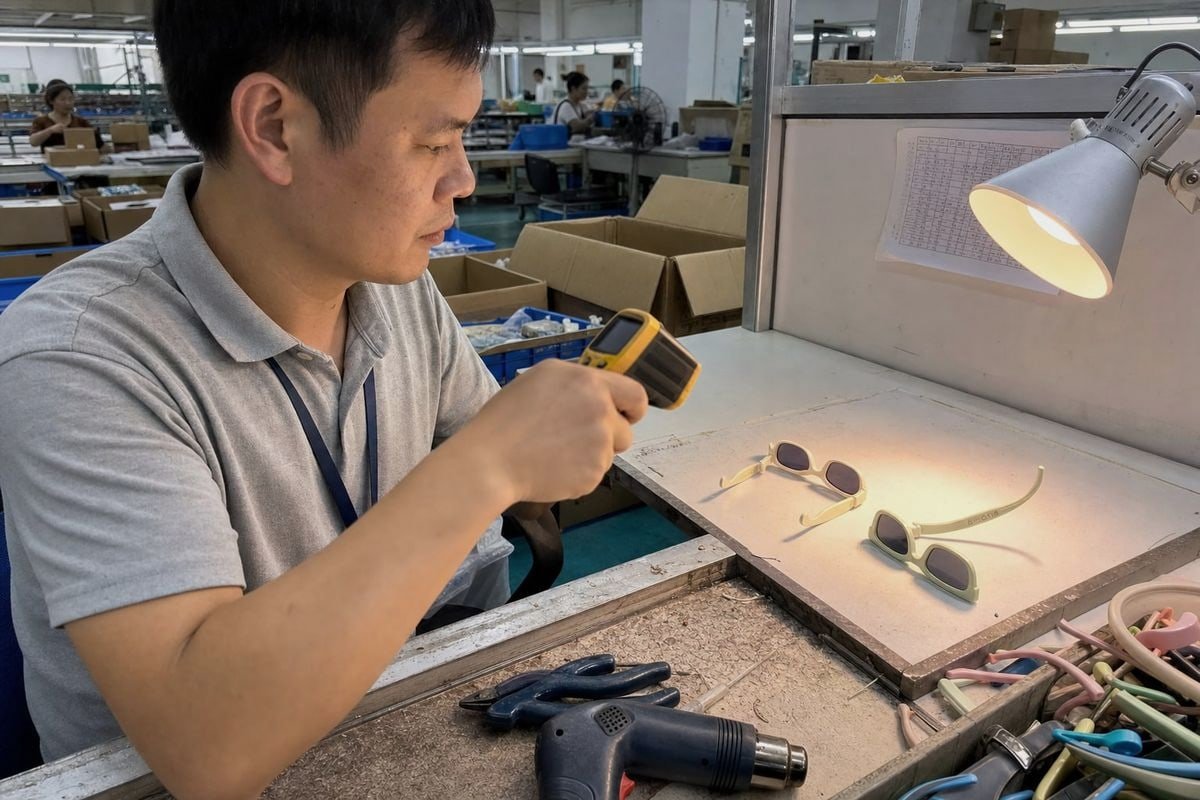
The science here is simple. Plastic frames are shaped under controlled heat during قولبة بالحقن 2. When a parked car recreates high heat — but without any mold holding the shape — the material "remembers" its stress points and relaxes. The frame widens. The temples splay. The nose bridge twists. And because kids' frames use thinner, lighter walls than adult frames, they reach that softening point faster.
Why the dashboard is the worst spot
Cabin air temperature is only part of the story. Surface temperature matters more. A dashboard sits in direct sunlight and absorbs radiant heat, so it gets far hotter than the air around it. Some reports suggest dashboard surfaces can climb toward 80–90°C in strong summer sun. A pediatric heat study found sun-exposed vehicles reach 40°C in roughly 1.4 hours on average — and the dashboard gets there much sooner.
| Storage spot in the car | Relative heat risk | لماذا |
|---|---|---|
| Dashboard | Extreme | Direct sun plus radiant surface heat |
| Rear shelf | عالي جداً | Direct sun through rear glass |
| Seat in sunlight | مرتفع | Direct solar exposure |
| Glove compartment | معتدل | Shaded, but still absorbs cabin heat |
| Bag on the floor, shaded | أقل | No direct sun, coolest air layer |
Why kids' frames warp faster than adult frames
In our fifteen years of making children's eyewear, we have learned that kids' frames face three extra risks. First, many budget kids’ sunglasses use softer, cheaper plastics to cut cost. Second, the walls are thinner to keep weight down for small faces. Third, children toss glasses onto seats and dashboards without thinking, so exposure happens more often. A frame that fits crooked or slips down the nose stops blocking UV from the correct angle — which defeats its whole purpose.
Which frame materials can I trust to resist heat damage in high temperatures?
Material choice is the trade-off we discuss most with new brand clients. A frame can be cheap, flexible, or heat-stable — and the wrong compromise shows up every July in return claims.
TR90 and TPEE offer the best balance of heat tolerance, flexibility, and child safety among kids' frame materials. Basic PC and cheap injection plastics soften fastest, acetate can warp and bloom, and metal resists warping but becomes dangerously hot on a child's skin.
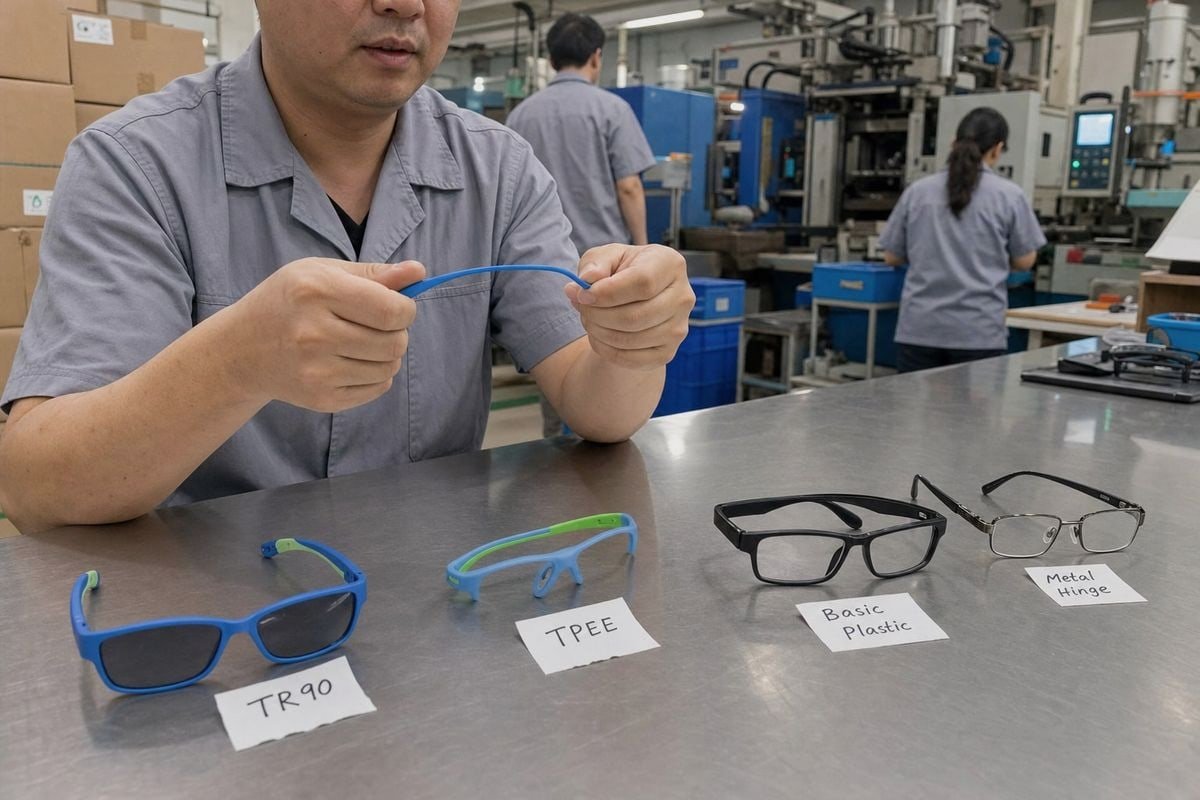
No frame material is fully immune to a sealed car in direct summer sun. But the gap between materials is wide, and it is worth understanding before you place a purchase order.
How common kids' frame materials compare
| المواد | مقاومة الحرارة | Warping risk in a hot car | Child comfort and safety | الاستخدام النموذجي |
|---|---|---|---|---|
| TR90 | جيد | منخفض إلى معتدل | Excellent — light, flexible, impact resistant | Quality kids' frames |
| TPEE | جيد | Low — flexes and recovers | Excellent — soft, bendable, gentle on skin | Baby and toddler frames, flexible temples |
| أسيتات | معتدل | Moderate — can warp and lose polish | Good, but heavier | Fashion frames |
| Basic PC / cheap plastic | ضعيف | High — softens quickly | Fair — often rigid and brittle | نظارات شمسية ترويجية بميزانية محدودة |
| Metal alloy | High (shape) | Low warping, but surfaces overheat | Risk — hot hinges and pads can burn skin | Adult and teen styles |
What we specify at our factory
Across the roughly 800 styles in our catalog, we lean on TR90 fronts with TPEE temples for most children's designs. TR90 is a thermoplastic with genuinely good dimensional stability under heat 3, and TPEE is an elastomer that bends and springs back rather than taking a permanent set. That combination handles a hot car far better than commodity plastic. It also survives being sat on, stepped on, and stuffed into a backpack — which, honestly, happens more often than dashboard exposure.
One nuance we always share with buyers: metal frames deserve caution for kids in summer markets. The frame shape may survive the heat, but hinges, screws, and nose pads act like small heat sinks. A child grabbing hot glasses from a car seat can get a genuinely painful surprise. For children under ten, we recommend all-plastic flexible constructions with no exposed metal on skin-contact areas.
Can extreme car heat affect the UV protection or lens quality of children's sunglasses?
During lens QC in our 5S-managed workshop, we inspect coatings under angled light, because heat damage to lenses often hides in plain sight until you catch the reflection.
Yes. Extreme car heat can craze or peel anti-reflective and scratch-resistant coatings, delaminate polarized films, and distort lens curvature. UV-blocking performance can also degrade at sustained high temperatures, so a lens may look fine yet filter less UV than it should.
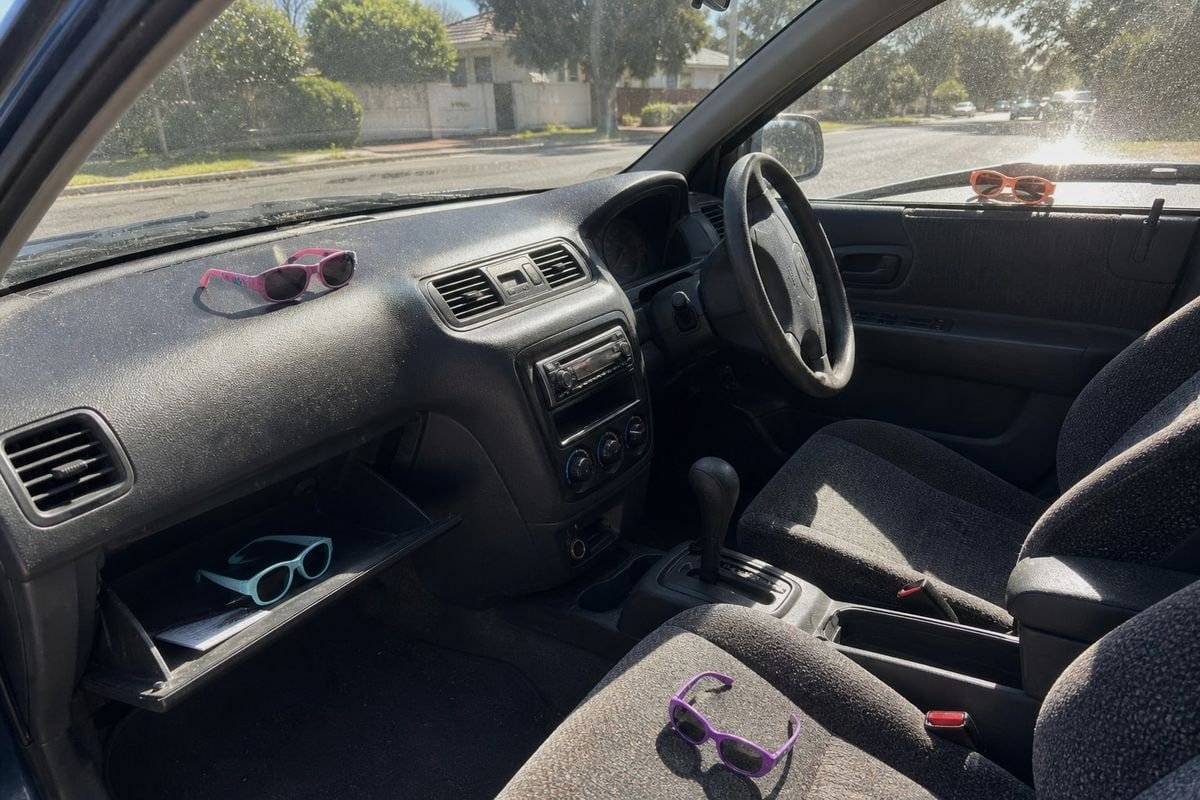
This is the part parents and even some buyers underestimate. A warped frame is obvious. A compromised lens is not. And for children, that invisible failure matters more, because children's eyes 4 are physiologically more vulnerable to UV — their pupils are larger and their natural lenses are clearer, so more UV radiation reaches the retina than in an adult eye.
The three ways heat attacks a lens
First, coatings fail. Anti-reflective and hard coatings expand at different rates than the lens base material underneath. Repeated heat cycles cause "crazing" — a fine web of cracks — plus hazing, bubbling, or peeling at the edges. Once a coating crazes, there is no repair.
Second, polarized films delaminate. Most polarized lenses are laminated structures with a polarizing film 5 bonded between layers. Heat stresses the adhesive. The result is uneven polarization, blotchy dark patches, or visible bubbles. The lens may still be dark, but its glare protection becomes patchy and unreliable.
Third, UV performance can quietly decline. Some reports indicate UV-blocking additives 6 applied to lens surfaces begin degrading around 150°F — a temperature a sun-baked cabin can genuinely reach. A dark lens without full UV protection is arguably worse than no sunglasses at all, because the dark tint dilates the pupil and lets more unfiltered light in.
Why you cannot rely on a child's feedback
A child will almost never say "my glare protection feels reduced." They simply keep wearing damaged glasses. That is why we tell every brand partner: after any hot-car incident, parents should inspect lenses visually and by touch — checking for haze, cracks, uneven color, or peeling — rather than waiting for a complaint. We also advise our clients to state clearly on packaging that eyewear should not be stored in vehicles, both to protect kids and to manage warranty claims, since many warranties exclude heat damage.
What heat-resistance testing should I request from my eyewear manufacturer before ordering?
A procurement manager from Japan once asked us a question I wish every buyer asked: "Before I ship these to a hot climate, what proof do you have they will survive it?"
Request high-temperature storage testing (such as 55–70°C for several hours), thermal cycling, coating adhesion checks after heat exposure, UV400 verification on post-heat samples, and hinge or flex testing at elevated temperature. Ask for documented pass criteria on frame dimensions and lens integrity.
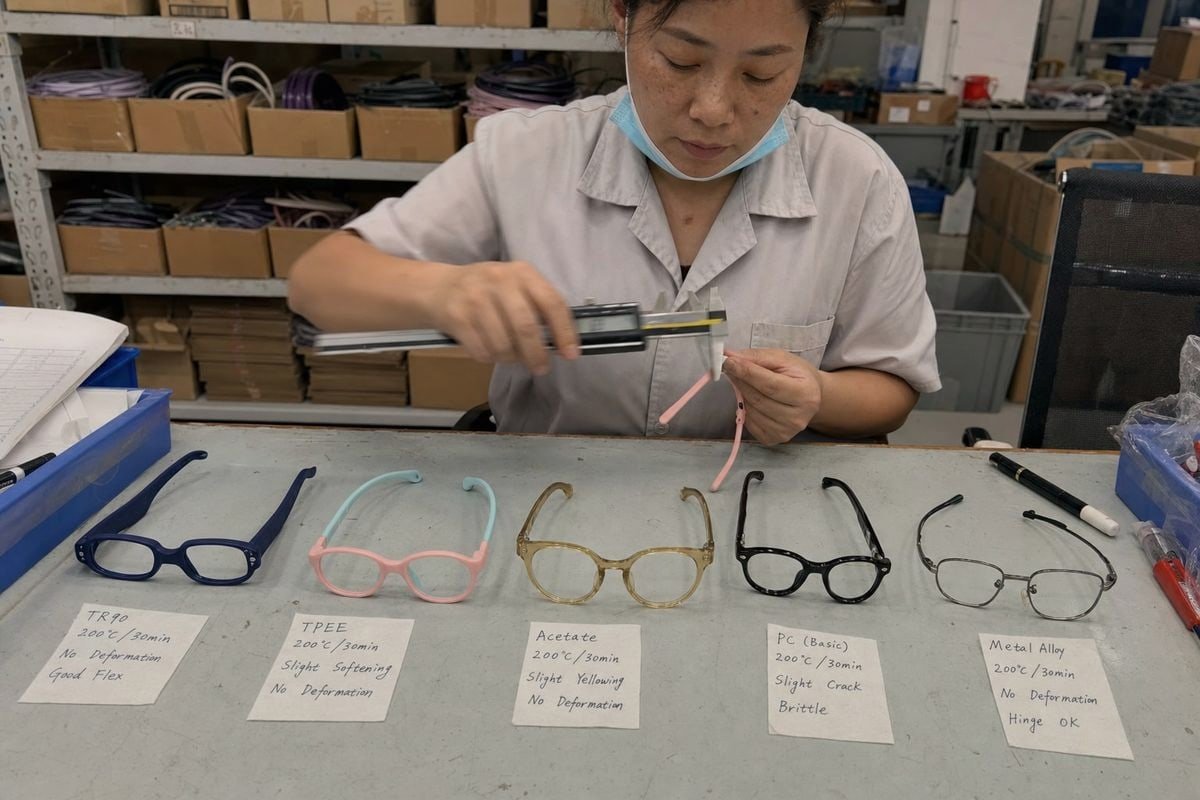
Not every factory runs these checks, and not every buyer knows to ask. Over fifteen years of exporting to more than twenty countries — including hot-summer markets like Australia and southern Europe — we have built a simple testing conversation you can copy for any supplier.
A practical testing checklist for buyers
| Test to request | What it verifies | What "pass" should look like |
|---|---|---|
| High-temperature storage | Frame shape stability in simulated car heat | No visible warping; key dimensions within tolerance |
| Thermal cycling | Resistance to repeated hot–cold swings | No coating crazing, no delamination, no cracking |
| Coating adhesion after heat | AR and hard-coat bonding strength | No peeling in cross-hatch or tape test post-heat |
| UV400 check on heated samples | UV protection survives heat exposure | Blocks wavelengths up to 400nm after conditioning |
| Polarization uniformity (if polarized) | Film and adhesive integrity | Even polarization, no bubbles or blotches |
| Flex and hinge test warm | Temple durability when material is softened | No permanent set or hinge loosening |
How to have this conversation with a supplier
Keep it in order. First, ask which tests the factory runs as standard versus on request. Second, ask for the actual pass criteria in writing — "we test it" means little without numbers. Third, request conditioned samples: units that have been through heat testing, shipped alongside fresh ones, so you can compare fit and lens clarity yourself. Fourth, confirm the test applies to your exact configuration, because a mirror-coated shield lens, a polarized round lens, and a plain tinted lens behave differently under heat.
When we develop custom OEM projects 7 — custom colors, logos, lens packages, and retail packaging — we treat destination climate as a design input, not an afterthought. A shipment heading to a tropical distributor gets extra attention on coating specs and carton conditions. Ocean freight itself can expose containers to serious heat, so your product's heat story starts before it ever reaches a customer's car.
الخلاصة
Hot cars quietly ruin kids' sunglasses — warping frames, cracking coatings, and weakening UV protection. Choose heat-tolerant materials like TR90 and TPEE, inspect after exposure, and demand documented heat testing from your supplier.
ملاحظات ختامية
1. ISO sets international standards for sunglasses UV protection performance. ↩︎
2. Explains the manufacturing process used to shape plastic sunglasses frames. ↩︎
3. Background on thermoplastic properties relevant to TR90 frame heat resistance. ↩︎
4. WHO explains why children’s eyes are more vulnerable to UV radiation exposure. ↩︎
5. Background on polarizing film technology used in laminated sunglass lenses. ↩︎
6. AOA details how UV-blocking coatings work and why heat can degrade their effectiveness. ↩︎
7. Alibaba is a leading sourcing platform for custom OEM eyewear manufacturing projects. ↩︎
مقالات أخرى قد تعجبك
August 1, 2026
هل يجب على المصنع التعامل مع تغليف ووضع ملصقات نظارات الأطفال الشمسية، أم استخدام مورد مخصص؟
August 1, 2026
مستودع خاص مقابل الوفاء المباشر من المورد: أيهما يقلل تكاليف الإرجاع لعلامات نظارات الأطفال الشمسية؟
August 1, 2026
مباشر إلى ميناء المستودع أو التخزين الخارجي: أيهما يوفر أكثر على شحن نظارات الأطفال الشمسية؟
هل تبحث عن شريك موثوق به للنظارات للأطفال؟
استكشف أكثر من 800 نمط جاهز ودعم OEM/ODM كامل مصمم خصيصًا لعلامتك التجارية.
اتصل بنا English
  Español de México
  Deutsch
  Français
  日本語
日本語  العربية
  Português do Brasil