كم يجب أن يكون وزن نظارات الأطفال الشمسية لراحة؟
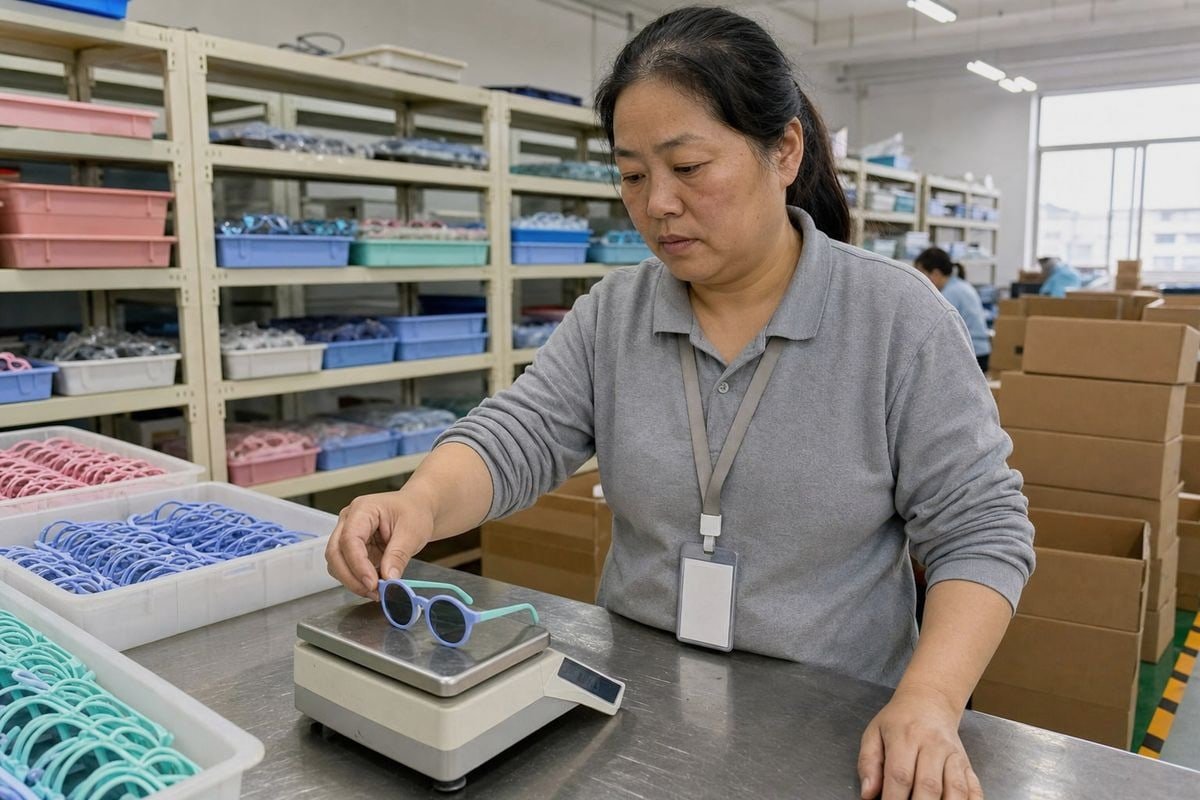
وزن نظارات الأطفال الشمسية هو أول مواصفات أتحقق منها في خط الإنتاج الخاص بنا في تايتشو. ثقيلة جدًا، ويسحبها الأطفال في غضون دقائق - و تظل رؤية شاشات LCD طبيعية. 1 لا يعني شيئًا حينها.
يجب أن تزن نظارات الأطفال الشمسية المريحة ما يقرب من 12 إلى 20 جرامًا. الأطفال الصغار يكونون أفضل تحت 15-16 جرامًا، بينما يتحمل الأطفال في سن المدرسة 16-20 جرامًا إذا كان الإطار مرنًا ومتوازنًا بشكل جيد. تقلل الأطر الأخف وزنًا الضغط على الأنف والأذنين، لذا يحتفظ بها الأطفال لفترة أطول.
هذا النطاق الرقمي هو نقطة البداية، وليس القصة بأكملها. أدناه، سأفصل أهداف الوزن والمواد والمتانة وكيفية اختبار الراحة قبل الالتزام بطلب بالجملة.
ما هو نطاق الوزن الذي يجب أن أبحث عنه عند شراء نظارات شمسية مريحة للأطفال؟
سألني مشترٍ من أستراليا ذات مرة لماذا عادت إطارات موردها السابق التي تزن 28 جرامًا باستمرار في المرتجعات. كانت الإجابة بسيطة: رفض الأطفال ارتدائها.
ابحث عن نظارات شمسية للأطفال في نطاق 12-20 جرامًا. استهدف 12-16 جرامًا للأطفال الصغار والأطفال الحساسين للحواس، و 16-20 جرامًا للارتداء اليومي في مرحلة ما قبل المدرسة والابتدائية، وما يصل إلى 22 جرامًا للأنماط الرياضية التي تستبدل القليل من الوزن بالقبضة والثبات المحيطي.
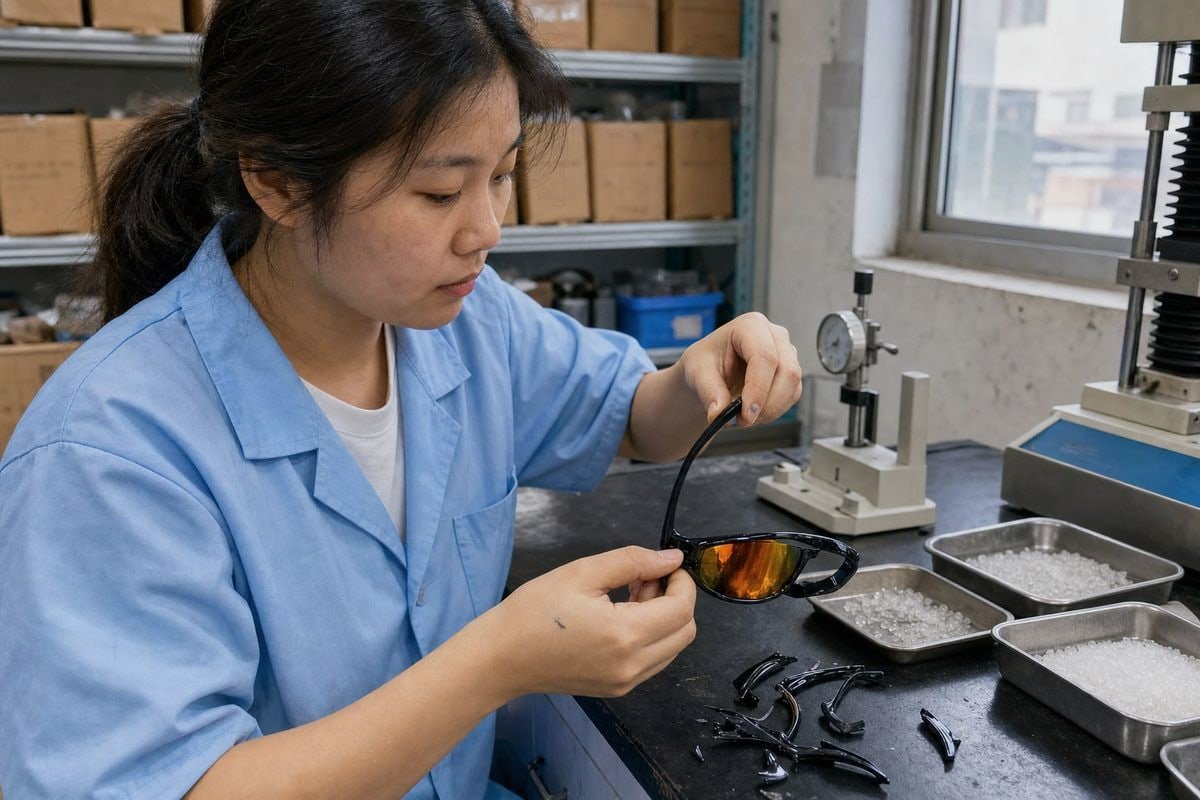
لقد صوت السوق بالفعل على هذا. عبر حوالي 800 نمط موجود في كتالوجنا، فإن الموديلات التي يعاد طلبها باستمرار تقع ضمن هذه المنطقة الخفيفة جدًا. قوائم البيع بالتجزئة المسوقة على أنها "مريحة" تتجمع حول 12 جرامًا، 14 جرامًا، 16.4 جرامًا، 19 جرامًا، و 20 جرامًا. هذه ليست مصادفة. إنه النطاق الذي يتوقف فيه الطفل عن ملاحظة الإطار.
أهداف الوزن حسب العمر وحالة الاستخدام
| العمر / حالة الاستخدام | الوزن المستهدف | لماذا تعمل |
|---|---|---|
| الرضع والأطفال الصغار (0-4) | 12-16 جرام | عضلات رقبة ووجه أضعف؛ تحمل منخفض للضغط |
| مرحلة ما قبل المدرسة والابتدائية (4-8) | 16-20 جرام | الملاءمة المستقرة مهمة بقدر الجرامات في هذه المرحلة |
| الأطفال النشطون / الرياضيون (8+) | 18-22 جرام | الوزن الإضافي الطفيف لا بأس به إذا تحسنت القبضة والتغطية |
| الأطفال الحساسون للحواس | 12-15 جرام | مواد ناعمة الملمس، لا توجد نقاط ضغط صلبة |
لماذا يمكن أن تضللك الجرامات وحدها
توزيع الوزن مهم بقدر الوزن الإجمالي. يمكن أن يشعر إطار بوزن 19 جرامًا مع أذرع صدغ متوازنة وجسر عريض وناعم بأنه أخف وزنًا على الوجه من إطار بوزن 15 جرامًا يركز كل شيء على الأنف. عندما نطور نمطًا جديدًا، نتحقق من مكان وجود الكتلة، وليس فقط ما تقوله الموازين. الإطارات الثقيلة من الأمام تنزلق على الأنوف الصغيرة. الإطارات ذات أذرع الصدغ المتوازنة توزع الحمل نحو الأذنين وتشعر بأنها غير مرئية تقريبًا.
لذلك استخدم نطاق 12-20 جرامًا كمرشح للمصادر الخاص بك، ثم قم بتقييم التوازن وتصميم الجسر والملاءمة ضمنه. كلا الخطوتين مهمتان.
كيف تساعد مواد TPEE و TR90 في تقليل وزن الإطار دون التضحية بالسلامة؟
علمتنا خمسة عشر عامًا من العمل مع البوليمرات المرنة فريقنا شيئًا واحدًا في وقت مبكر: يحدد اختيار المادة سقف الوزن قبل أن تبدأ التصميمات حتى.
TPEE و TR90 عبارة عن بوليمرات مرنة ومنخفضة الكثافة تسمح للإطارات بالبقاء قوية عند سماكات جدران رفيعة. هذا يقلل الوزن إلى نطاق 12-20 جرامًا بينما تنثني المواد بدلاً من أن تنكسر، مما يلغي نقاط الكسر الحادة ويجعل الإطارات أخف وزناً وأكثر أمانًا للأطفال.
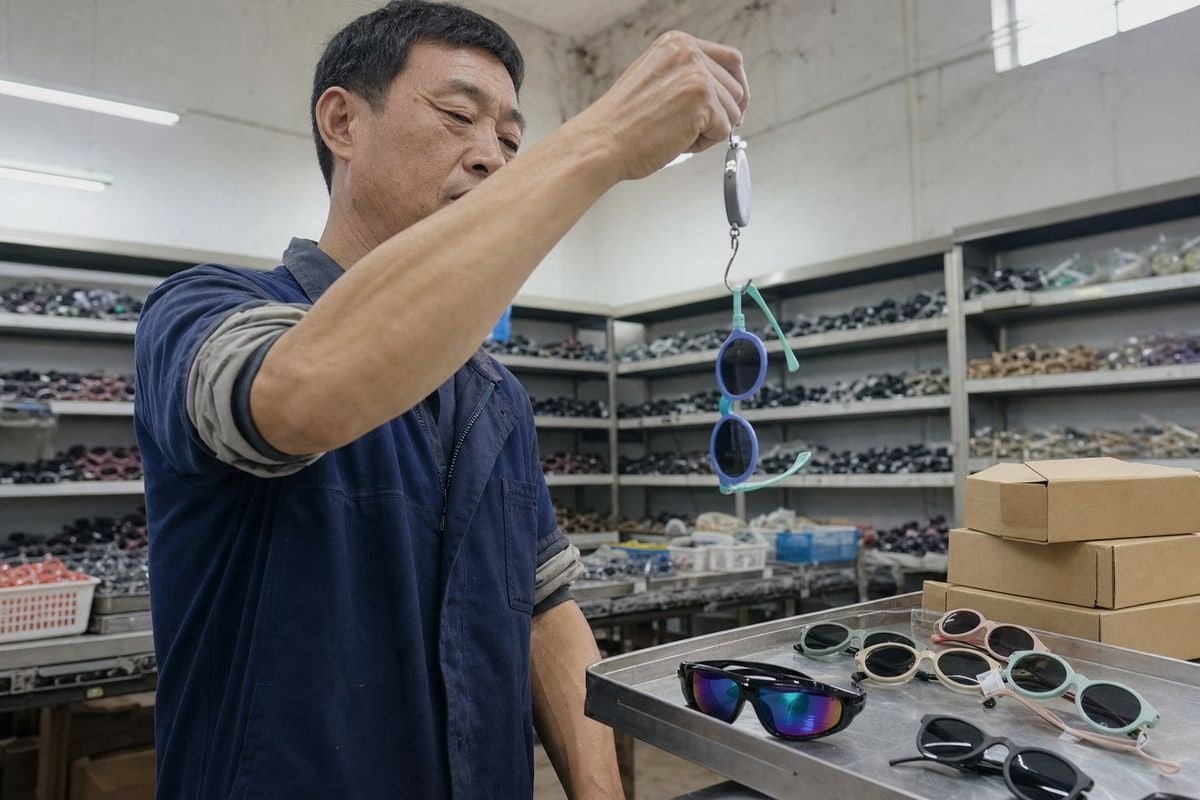
تحتاج إطارات الأسيتات والمعدن التقليدية إلى حجم لتكون قوية. هذا الحجم يضيف جرامات. ، بوليمر ذاكرة حراري بلاستيكي، يقلب هذه المعادلة. يحتفظ بشكله عند مقاطع عرضية رفيعة، لذلك يمكن للمصممين تقليص الإطار الأمامي والأذرع دون إنشاء نقاط ضعف. النتيجة هي إطار يزن أقل ويبقى أكثر مقاومة للصدمات. 2 يذهب TPEE خطوة أبعد على جانب السلامة. إنه مادة مرنة ناعمة تشبه المطاط. TR90 3, إلاستومر.
. في مجموعاتنا من إطارات TR90 الأمامية وأذرع الصدغ المصنوعة من TPEE، تنثني أذرع الصدغ للخارج عندما يسحب الطفل الإطار بيد واحدة - وهو ما يفعله كل طفل. لا يوجد كسر، لا حافة حادة، لا جلد مقروص. كلا المادتين هما أيضًا خيارات صديقة للبيئة 4. مقارنة بالعديد من المواد البلاستيكية القديمة، وهو أمر مهم للعلامات التجارية الأوروبية واليابانية التي نوفر لها. مقارنة المواد في لمحة 5 أسيتات قياسي.
الوزن النسبي
| خاصية | TR90 | TPEE | عالي (عودة الذاكرة) |
|---|---|---|---|
| عالي جدًا (شبيه بالمطاط) | خفيف جدا | خفيف جدا | أثقل |
| المرونة | سلوك الكسر | ينحني، يقاوم الكسر | منخفض |
| ينحني، لا ينكسر تقريبًا | يمكن أن يتشقق إلى قطع حادة | ناعم، ثابت | يمكن أن يتحطم إلى قطع حادة |
| ملمس الجلد | ناعم، متين | ناعم، وقابض | صلب |
| أفضل استخدام في إطارات الأطفال | إطار أمامي، إطارات كاملة | المعابد، إطارات الأطفال | إطارات الموضة للكبار |
لماذا الجدران الرقيقة لا تعني إطارات هشة
المفهوم الأساسي هو نسبة القوة إلى الوزن 6. يتحمل TR90 دورات ثني متكررة من شأنها أن ترهق وتكسر البلاستيك الصلب. لذلك يمكن لإطار TR90 بوزن 16 جرامًا أن يدوم أطول من إطار صلب بوزن 25 جرامًا في الاستخدام الفعلي للأطفال. نقوم بإقران هذا مع تصميمات مفصلات مرنة ومناطق أنف ناعمة مدمجة، لذلك لا توجد نقطة واحدة تتحمل كل الضغط - أو كل الضغط على وجه الطفل.
هل لا تزال الإطارات خفيفة الوزن قادرة على البقاء متينة بما يكفي للأطفال النشطين؟
المتانة هي المقايضة التي أزنها على كل قالب جديد. إذا قطعت الكثير من المواد في المكان الخطأ، فإن الإطار الذي يسجل جيدًا على الميزان يفشل في الملعب.
نعم. تظل الإطارات خفيفة الوزن متينة عند بنائها من بوليمرات مرنة مثل TR90 و TPEE، مع مناطق مفصلية مقواة، وهندسة التفافية، وحتى سمك الجدار. المرونة، وليس الضخامة، هي ما ينجو من السقوط والالتواء والإزالة بيد واحدة من قبل الأطفال النشطين.

يأتي غريزة ربط الوزن بالصلابة من نظارات البالغين، حيث تشير الأسيتات الثقيلة إلى الجودة. تعمل نظارات الأطفال بمنطق معاكس. سيجلس الطفل على نظاراته الشمسية، ويسقطها على الخرسانة، ويلوي الصدغين للخلف. يفشل الإطار الثقيل الصلب في هذه الاختبارات عن طريق التشقق. يمتص الإطار الخفيف المرن الإساءة وينتفض.
من أين تأتي المتانة حقًا
نماذجنا الرياضية ذات التصميم الملفوف مثال جيد. تصميمات العدسة الواحدة - النوع ذو الشكل المنحني الانسيابي الذي يحتضن الوجه - تكتسب المتانة من هندستها، وليس من الجرامات الإضافية. يوزع المنحنى المستمر التأثير عبر واجهة الإطار بأكملها. تتناقص أذرع الصدغ السميكة المنحوتة إلى أطراف رفيعة مرنة، لذا يتركز الضغط حيث يمكن للمادة أن تنثني، وليس حيث يمكن أن تنكسر.
هذا ما نركز عليه أثناء التطوير ومراقبة الجودة:
- تعزيز منطقة المفصل. المفصل هو نقطة الفشل الأكثر شيوعًا. نختبر دورات الفتح والإغلاق المتكررة والانثناء الخارجي للصدغ على كل نمط جديد.
- سمك الجدار المتساوي. تخلق انتقالات السمك المفاجئة من السميك إلى الرقيق نقاط إجهاد. الانتقالات السلسة تحافظ على الإطار الرقيق قويًا.
- احتفاظ العدسة. يجب أن يظل الإطار الخفيف يمسك العدسة بإحكام من خلال التأثيرات وتقلبات درجات الحرارة.
- سلوك درجة الحرارة. تلين المواد البلاستيكية قليلاً في حرارة الصيف وتتصلب في برد الشتاء. نتحقق من استقرار الملاءمة عبر هذا النطاق، لأن الإطار المباع في يوليو لا يزال بحاجة إلى أن يناسب في ديسمبر.
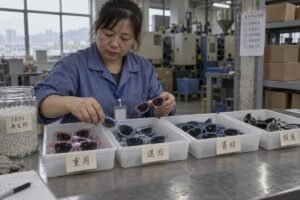
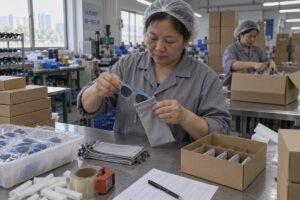
في عملنا ورشة عمل مدارة بنظام 5S 7, ، تمر الإطارات بفحوصات الانثناء والسقوط قبل الشحن. في تجربتنا في التصدير إلى أكثر من 20 دولة، فإن الأنماط ذات أقل عدد من الشكاوى هي باستمرار الأنماط الخفيفة والمرنة - وليس الثقيلة.
كيف أختبر راحة ومقاس الإطار قبل تقديم طلب بالجملة لمصنعي؟
درس واحد من سنوات مشاريع OEM: المشترون الذين يختبرون العينات المادية على أطفال حقيقيين نادرًا ما يواجهون مرتجعات لاحقًا. المشترون الذين يوافقون من الصور يفعلون ذلك أحيانًا.
اطلب عينات مادية، وزن كل إطار على ميزان جرام، واختبر الملاءمة على الأطفال في الفئة العمرية المستهدفة. تحقق من ضغط الجسر، وثبات الصدغ، وراحة الأذن، والانزلاق أثناء الحركة على مدار جلسة ارتداء تزيد عن 30 دقيقة قبل الموافقة على الإنتاج بالجملة.
A ورقة المواصفات تخبرك بالوزن. لا يمكن أن تخبرك ما إذا كان طفل يبلغ من العمر أربع سنوات سيحتفظ بالإطار. لذلك قبل أي طلب بالجملة، قم بإجراء تقييم عينة منظم. عندما نرسل عينات ما قبل الإنتاج إلى عملائنا من العلامات التجارية، نشجع بالضبط هذه العملية، لأن اكتشاف مشكلة في الملاءمة في مرحلة العينة يكلف أيامًا - اكتشافها بعد الإنتاج يكلف موسمًا.
قائمة تدقيق عملية لتقييم العينة
| اختبار | كيفية القيام بذلك | معايير النجاح |
|---|---|---|
| فحص الوزن | زن على مقياس مطبخ أو مجوهرات بوزن 0.1 جرام | ضمن 12-20 جرامًا للعمر المستهدف |
| ضغط الجسر | ابحث عن علامات حمراء على الأنف بعد 30 دقيقة من الارتداء | لا توجد علامات مرئية أو شكاوى |
| قبضة الصدغ | اجعل الطفل يركض ويقفز وينظر لأسفل | لا انزلاق، لا إعادة ضبط |
| اختبار الانثناء | اثنِ الصدغين للخارج بزاوية تزيد عن 90 درجة | يعود الإطار إلى شكله، لا يوجد تبييض |
| ملمس الحافة | مرر إصبعًا على جميع الحواف الداخلية | ناعم، لا توجد خطوط قولبة حادة |
| تحمل الارتداء | اطلب من الطفل ارتدائها أثناء اللعب العادي | ينسى الطفل أن الإطار على وجهه |
أسئلة تستحق أن تسألها لموردك
اطلب الوزن الدقيق لكل نمط،, مادة الإطار الأمامي والذراعين بشكل منفصل، وكيفية بناء المفصلة. اسأل عما إذا كان الجسر مادة ناعمة مدمجة أم حافة صلبة مصبوبة. واسأل عن ملاحظات الملاءمة التي لدى المصنع من الأسواق الأخرى - الوجوه الصغيرة تختلف حسب المنطقة، والمورد الذي لديه تاريخ تصدير عبر العديد من البلدان يمكنه الإشارة إلى مشاكل التحجيم قبل أن تكتشفها. من جانبنا، نشارك هذه البيانات علنًا مع العينات، لأن الملاءمة المريحة في مرحلة العينة هي ما يحول الطلب الأول إلى برنامج طويل الأجل.
الخلاصة
نظارات شمسية للأطفال تحمي العيون فقط عندما يرتديها الأطفال. يتم رفض الإطارات الثقيلة؛ يتم ارتداء إطارات TPEE و TR90 المرنة بوزن 12-20 جرامًا. قم بقياس الضوء، واختبر الملاءمة، ثم اطلب.
ملاحظات ختامية
مصدر موثوق يشرح مخاطر التعرض للأشعة فوق البنفسجية التي تهدف نظارات الأطفال الشمسية إلى منعها. ↩︎
خلفية عن أسيتات السليلوز، مادة النظارات التقليدية مقارنة بـ TR90/TPEE. ↩︎
مرجع خلفي حول البوليمرات الحرارية المستخدمة في صنع مادة إطار TR90. ↩︎
يحدد فئة البوليمر الشبيه بالمطاط التي تنتمي إليها TPEE للقراء غير المطلعين على المصطلح. ↩︎
مورد وكالة حماية البيئة حول استدامة البلاستيك ذات الصلة بالادعاء حول مواد الإطار الصديقة للبيئة. ↩︎
تشرح ويكيبيديا هذا المفهوم الهندسي المشار إليه عند مقارنة مواد الإطار. ↩︎
يشرح منهجية التصنيع 5S المذكورة فيما يتعلق بممارسات ورشة مراقبة الجودة. ↩︎
مقالات أخرى قد تعجبك
هل تبحث عن شريك موثوق به للنظارات للأطفال؟
استكشف أكثر من 800 نمط جاهز ودعم OEM/ODM كامل مصمم خصيصًا لعلامتك التجارية.
اتصل بنا English
  Español de México
  Deutsch
  Français
  日本語
日本語  العربية
  Português do Brasil