How to Manage Cash Flow Gaps When Sourcing Kids Sunglasses from China?
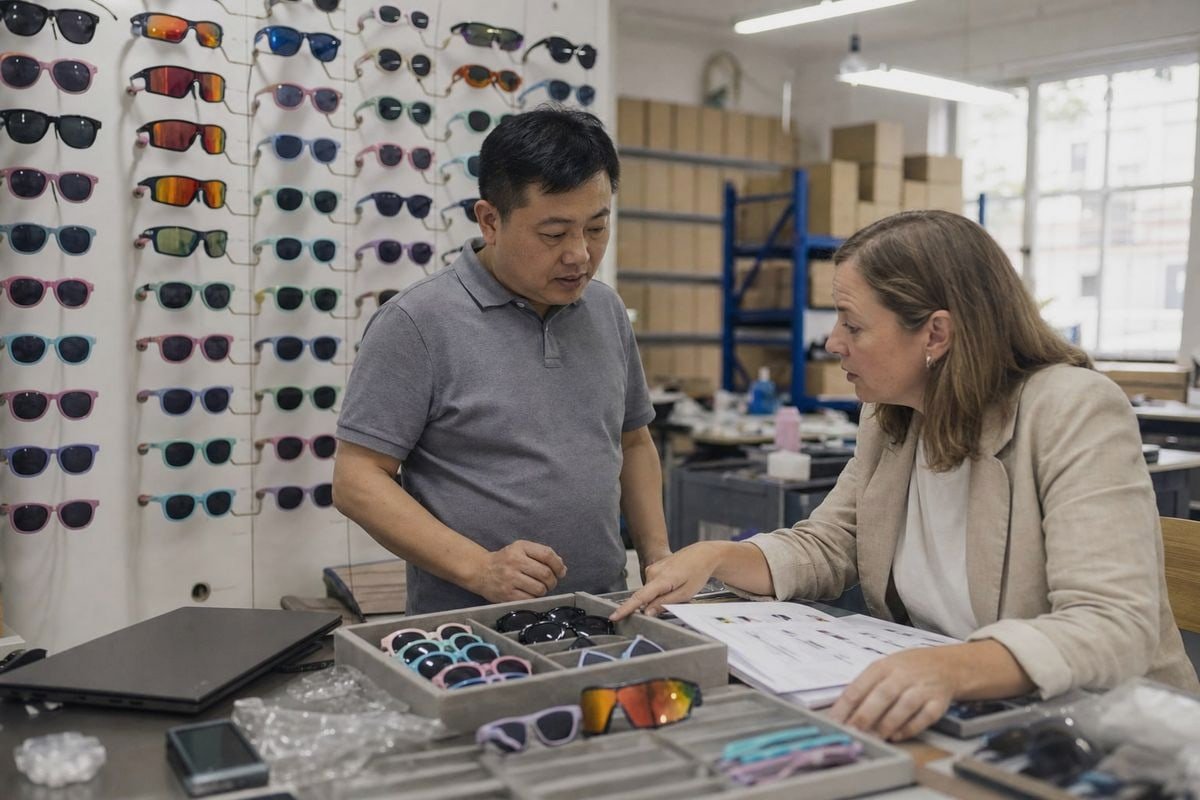
Cash flow gaps when sourcing kids sunglasses from China have sunk more good brands than bad products ever did. On our production floor in Taizhou, I have watched it happen.
Manage cash flow gaps when sourcing kids sunglasses from China by choosing existing styles instead of custom molds, negotiating milestone-based payment terms like 30/70, ordering to realistic MOQs matched to sales forecasts, and using small trial batches before committing capital to unproven designs.
The real problem is timing, not price. Money leaves your account months before revenue comes back. This article walks through four practical levers you can pull to close that gap.
How can I reduce upfront costs when ordering from an existing kids sunglasses collection instead of custom molds?
A buyer from Australia once asked me for a fully custom TR90 frame on her very first order. I talked her out of it. Her budget survived, and her brand launched three months earlier.
Ordering from an existing collection eliminates mold tooling fees, which often run thousands of dollars per frame shape, and cuts lead time by weeks. You customize colors, logos, lenses, and packaging on proven designs, so your upfront capital goes into sellable inventory instead of steel.
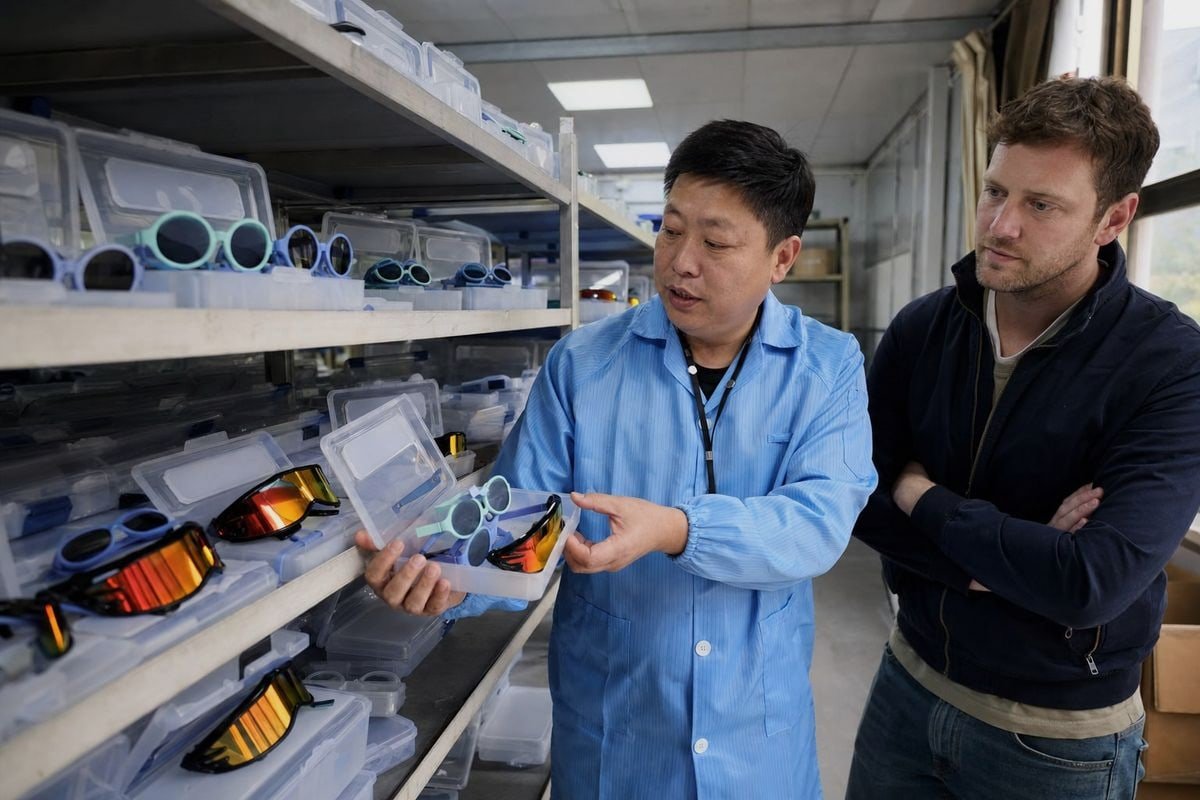
Custom molds are the single biggest avoidable upfront cost in children's eyewear sourcing. A new injection mold for one frame shape ties up capital before a single pair exists. Then you still pay for samples, production, اختبارات امتثال CPSIA 1, and freight. For a new brand, that stacks three or four cash outflows on top of each other before any revenue arrives.
Our catalog holds roughly 800 existing styles, from soft two-tone round frames in flexible TPEE to sport wraparound shields with mirrored gradient lenses. Buyers pick a base design, then we apply custom colors, UV400 or polarized lenses 2, logo printing, and retail-ready packaging. The result looks proprietary on the shelf, but the tooling cost is zero.
Where the savings actually come from
| إليك قائمة تحقق من التكاليف المخفية التي أشاركها مع المشترين الجدد: | Custom mold route | Existing collection route |
|---|---|---|
| Mold and tooling fees | Paid upfront, per shape | لا شيء |
| Sampling time | 4–8 weeks | 3–7 days |
| Compliance testing | Full new-product testing | Often covered by prior reports |
| الحد الأدنى لكمية الطلب | Higher, to justify tooling | Lower, standard production runs |
| Cash at risk on an unproven design | مرتفع | منخفض |
When a custom mold still makes sense
Custom tooling pays off once a style proves itself. If a shape sells through two or three reorders, the per-unit tooling cost becomes trivial. One SERP-savvy tactic worth knowing: if you do commission a kids-specific mold, do it in Q3 or early Q4, when factories have off-peak capacity and tooling fees are more negotiable. Start on catalog styles, then invest in molds from profit, not from startup capital.
What payment terms should I negotiate with my China eyewear factory to ease cash flow pressure?
The trade-off I weigh most often with new buyers is deposit size versus production priority. A smaller deposit eases their cash position, but trust has to be built before terms can stretch.
Negotiate 30/70 payment terms as a baseline: a 30 percent deposit, with the 70 percent balance due against the bill of lading or after a passed pre-shipment inspection. Established buyers can push toward milestone payments or net 30–60 terms as trust and order history grow.

Payment structure is where working capital management meets relationship building. The standard in Chinese manufacturing is a deposit before production and the balance before shipment. Every day you can legally and fairly delay that balance is a day your cash keeps working elsewhere. Moving the balance from "before shipment" to "against bill of lading" alone can extend your timing by 7–15 days. On a seasonal product like kids sunglasses, two weeks can decide whether cash returns before or after peak summer demand.
A realistic ladder of terms
Terms improve with history, not with pressure. Here is the progression we typically see with our own B2B customers across 20-plus countries:
| Relationship stage | Realistic terms | What unlocks the next level |
|---|---|---|
| First order | 30% deposit, 70% before shipment | Smooth payment, clear communication |
| 2–3 repeat orders | 30/70 against bill of lading | Consistent volumes, no disputes |
| Ongoing partner | Milestone payments or net 30 | Forecast sharing, annual commitments |
| Strategic partner | Net 60, open account | Deep trust, often trade credit insurance in place |
How to strengthen your ask
Tie the balance payment to a third-party pre-shipment inspection. Factories accept this readily when they run disciplined مراقبة الجودة 3, because a passed inspection protects both sides. Offer something in return, too: a rolling forecast, consolidated orders, or a longer-term commitment. In my experience, buyers who visit the factory, communicate consistently, and pay on time unlock better terms within a year. Suppliers extend credit to partners, not to strangers who only negotiate on price. If a factory refuses any inspection-linked terms at all, treat that as a signal about their confidence in their own product.
How do I plan my inventory and MOQs so I'm not tying up too much capital at once?
One lesson I learned the hard way: a European distributor once ordered heavily across twelve colorways of one frame. Four colors sold out fast. Eight sat in his warehouse for a year.
Plan inventory by matching minimum order quantity to a conservative sales forecast, concentrating volume on three to five proven fast-moving SKUs, and running a rolling 13-week cash flow forecast. Track your inventory turnover ratio and reorder against real sell-through, not optimism.
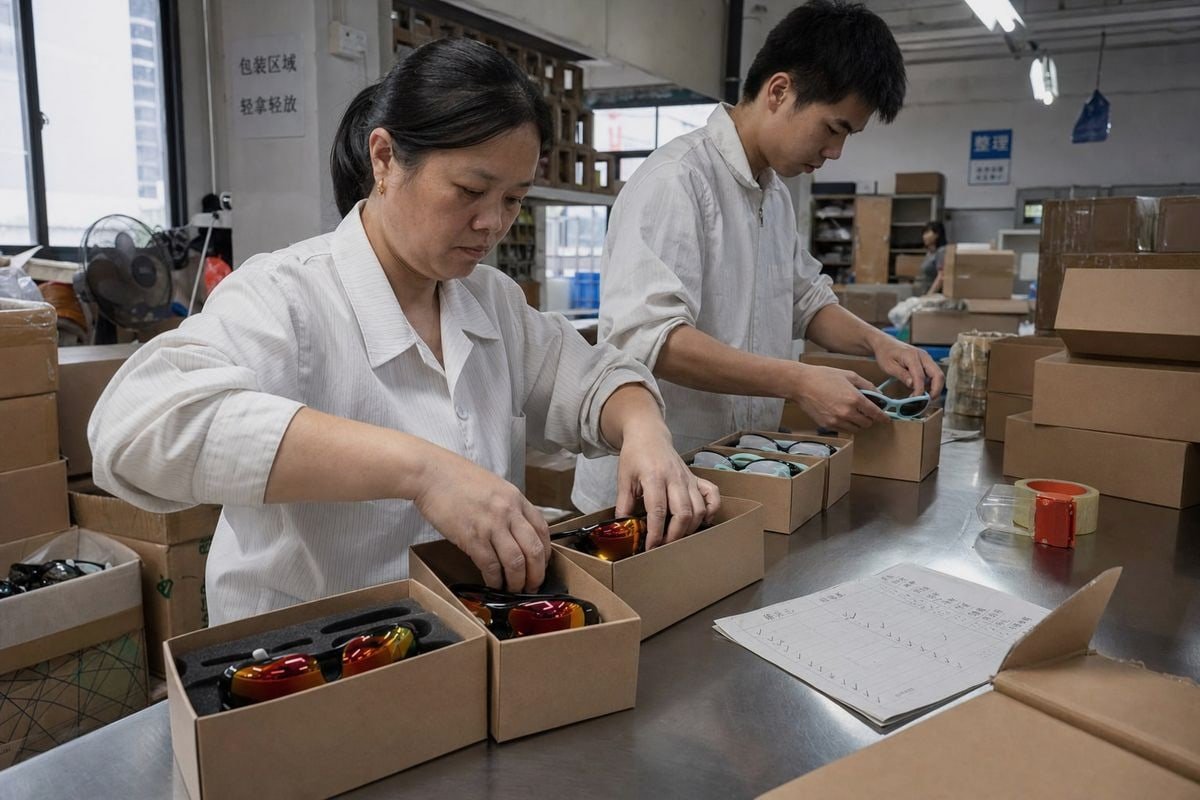
Inventory is cash wearing a disguise. Every pair sitting in a warehouse is capital you cannot use for marketing, payroll, or the next order. For kids sunglasses, the risk is sharper because demand is seasonal and style-driven. A color that misses the season may never recover its value.
Forecast the full landed-cost timeline
Plan around total landed cost 4, not factory price. Freight forwarding costs, duties, insurance, and inland delivery all hit your account before a single pair is sellable. Map every outflow on a calendar: deposit, balance, freight, customs, warehousing. Then map expected inflows from your sales channels. The gap between those two lines is your financing need. A rolling 13-week forecast makes short-term gaps visible before they become emergencies, and keeping 3–6 months of operating expenses in reserve gives you a buffer when timing slips.
Structure the assortment, not just the quantity
Spread your MOQ intelligently. Instead of ordering deep on one design, we help buyers split a production run across a tight assortment: a couple of core shapes in the safest-selling colors, plus small quantities of trend colors. Lead time optimization matters here too — timing replenishment orders to land four to six weeks before your seasonal peak keeps stock lean without risking stockouts.
Numbers worth watching
- Cash conversion cycle — days from paying the factory to collecting from customers.
- Inventory turnover ratio — slow turns mean trapped capital.
- Days inventory outstanding per SKU — kill the slow movers early with promotions.
- Reserve coverage — those 3–6 months of expenses that keep one bad season from becoming fatal.
If receivables from retailers are your bottleneck rather than inventory, supply chain finance tools like invoice financing 5 can convert unpaid invoices into working cash. Financing carries a cost, so compare that cost against the margin you protect by staying in stock through peak season. Often the math favors financing; sometimes it favors a smaller, safer order.
Can splitting orders or using smaller trial batches help me manage cash flow while testing new styles?
When we shipped our first sport wraparound shields with orange-to-yellow mirrored lenses, one importer wisely tested a small batch first. The style flew. His confident reorder was four times the size.
Yes. Splitting orders into smaller trial batches limits capital exposure on unproven styles, generates real sell-through data, and funds larger reorders from actual revenue. Unit costs run slightly higher, but the reduced risk of dead stock usually outweighs the difference.
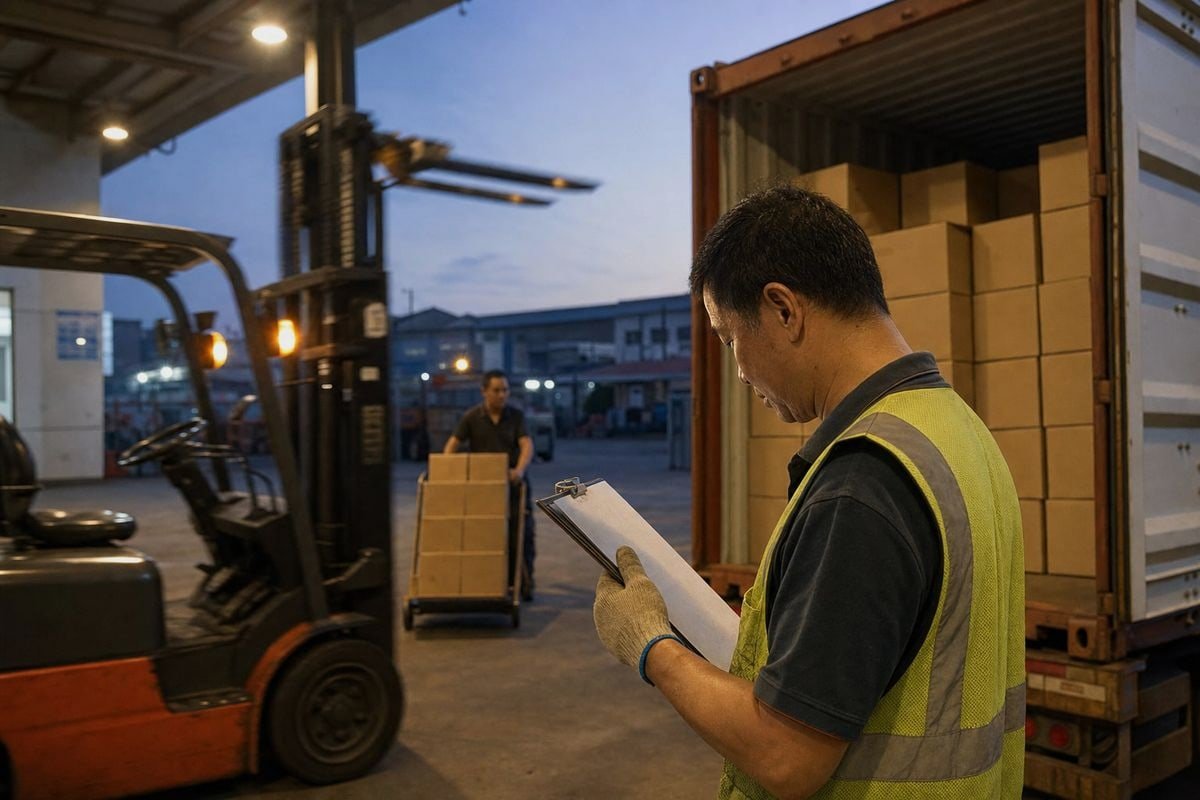
The trial-batch approach turns product launches from a gamble into a process. Rather than committing your full budget to one large production run, you place a smaller first order, sell it through, and let the market tell you what to reorder. Your customers' cash then funds the bigger second run.
The trade-off, honestly stated
Smaller orders do cost more per unit, and they can cause stockouts if a style takes off faster than expected. The answer is not "always order small." It is a hybrid: small test buys for new shapes and trend colors, larger committed runs for proven sellers. Because our existing collection carries low MOQs, buyers can test several styles in one consolidated shipment, which also softens freight forwarding costs per unit. Some smaller brands go further and consolidate shipments with non-competing kids' brands — swimwear or sun hat labels — to turn costly LCL freight into a shared full container.
A simple staged-launch framework
| المرحلة | حجم الطلب | Cash purpose | Decision trigger |
|---|---|---|---|
| Trial | Minimum viable batch, 2–4 styles | Test demand cheaply | 60–70% sell-through in 8 weeks |
| Validation | 2–3x trial volume on winners | Confirm repeat demand | Reorder rate and margin hold |
| Scale | Full seasonal run | Maximize margin per unit | Forecast backed by real data |
Accelerate cash on the customer side
Trial data does more than guide reorders — it sells. Use pre-orders 6 from wholesale buyers to collect deposits before production, effectively funding your factory deposit with their capital. Verified CPSIA compliance testing reports strengthen that pitch, because retailers commit earlier to children's products with documented safety. If a confirmed purchase order arrives before you have the cash to fill it, purchase order financing 7 can bridge that specific gap without diluting equity. And to smooth the extreme seasonality of sunglasses, consider adding evergreen kids' eyewear — blue-light or optical frames — so revenue flows year-round instead of only in summer.
الخلاصة
Cash flow gaps in China sourcing are a timing problem you can engineer away: existing styles, milestone payment terms, disciplined MOQs, and staged trial orders keep capital moving instead of trapped.
ملاحظات ختامية
1. Official government guidelines on mandatory safety testing for children’s products in the US. ↩︎
2. Medical guidance on the importance of UV protection and lens types for eye health. ↩︎
3. Systematic process used to ensure manufactured products meet defined quality criteria. ↩︎
4. The total price of a product once it has arrived at a buyer’s doorstep. ↩︎
5. Financial strategy to improve cash flow by borrowing against outstanding customer invoices. ↩︎
6. Sales strategy where customers commit to buying a product before it is available for shipment. ↩︎
7. Funding method where a lender pays a supplier to fulfill a customer’s order. ↩︎
مقالات أخرى قد تعجبك

August 1, 2026
هل يجب على المصنع التعامل مع تغليف ووضع ملصقات نظارات الأطفال الشمسية، أم استخدام مورد مخصص؟

August 1, 2026
مستودع خاص مقابل الوفاء المباشر من المورد: أيهما يقلل تكاليف الإرجاع لعلامات نظارات الأطفال الشمسية؟

August 1, 2026
مباشر إلى ميناء المستودع أو التخزين الخارجي: أيهما يوفر أكثر على شحن نظارات الأطفال الشمسية؟
هل تبحث عن شريك موثوق به للنظارات للأطفال؟
استكشف أكثر من 800 نمط جاهز ودعم OEM/ODM كامل مصمم خصيصًا لعلامتك التجارية.
اتصل بنا English
  Español de México
  Deutsch
  Français
  日本語
日本語  العربية
  Português do Brasil