How to Confirm FDA Registration and U.S. Agent for Kids’ Sunglasses from China?
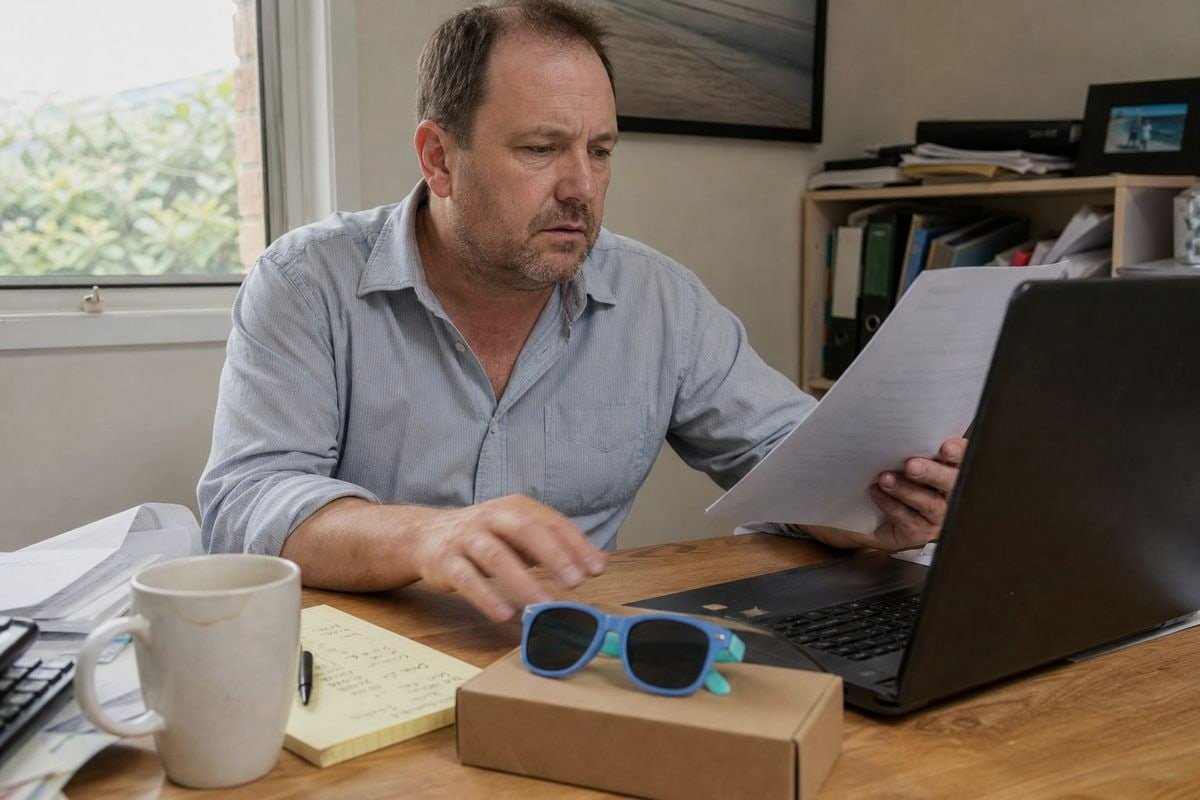
Confirming FDA registration and a U.S. Agent for kids’ sunglasses is where many importers stumble. I have watched buyers accept a “certificate” from our competitors that FDA never issued. One customs hold later, their launch was dead — a mess our export team helps clients avoid every season.
To confirm FDA registration and a U.S. Agent for kids’ sunglasses from China, search FDA’s public Establishment Registration and Device Listing database for the factory’s legal name, verify the registration is current, confirm a device listing for nonprescription sunglasses, and request the U.S. Agent’s name and physical U.S. address.
That is the short version. The details matter, though. Below, I walk through each verification step, the documents to demand, and the red flags that should stop your order.
How do I verify my Chinese eyewear factory's FDA registration is genuine and active?
Last year, a buyer from Australia forwarded me a rival factory's "FDA Approval Certificate" and asked if ours looked the same. It didn't — because FDA never issues such certificates. Our records live in FDA's own database, where anyone can check them.
Search the FDA Establishment Registration and Device Listing database (FURLS-based public records) using the factory's exact legal name, 10-digit registration number, or 7-digit Owner/Operator Number. Confirm the record shows an active foreign establishment with a current-year registration and a device listing for sunglasses.
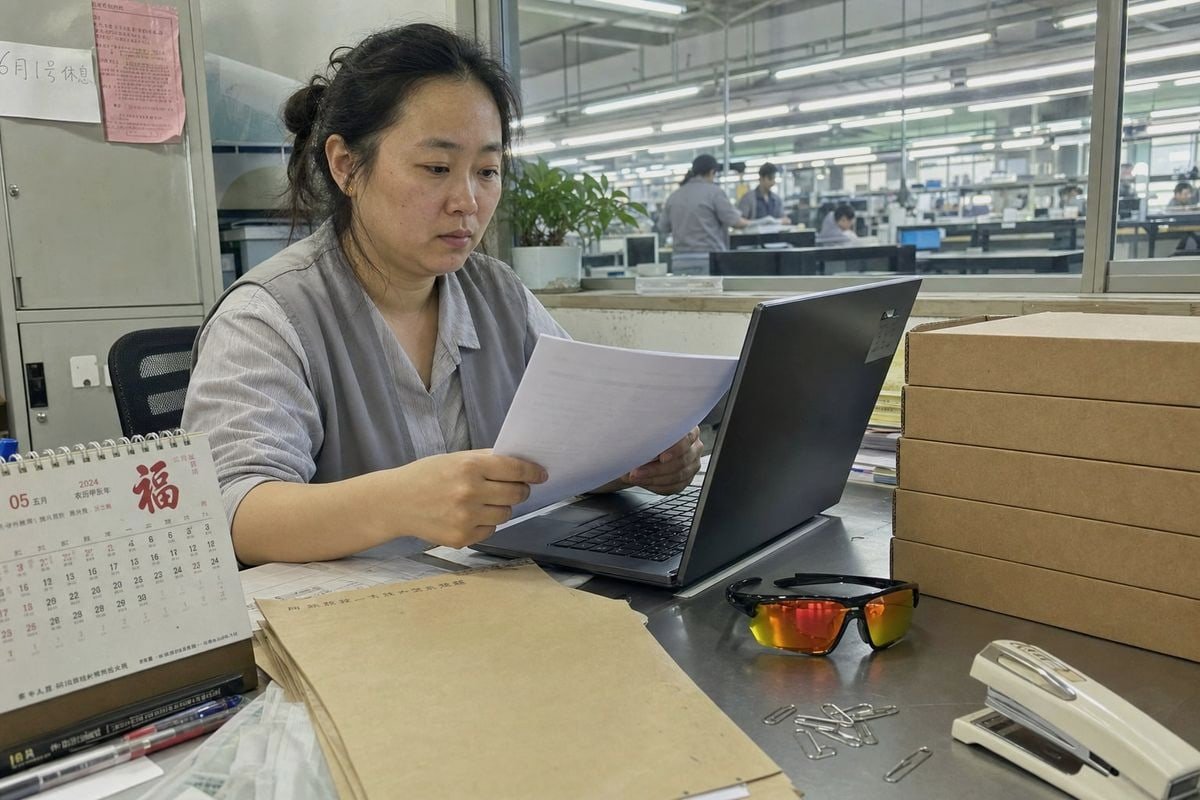
The single biggest misconception in this industry is that FDA registration equals FDA approval. It does not. FDA states plainly that a registration number does not denote approval of the establishment or its products. Nonprescription sunglasses — including children's styles — are a Class I Medical Device 1 under 21 CFR 886.5850, exempt from 510(k) premarket notification. But that exemption does not mean "no FDA oversight." It means the factory still must register its establishment annually, list its devices, and name a U.S. Agent.
Step-by-step verification
- Ask the supplier for their legal entity name in English, their FEI Number (FDA Establishment Identifier), and their Owner/Operator Number.
- Search FDA's Establishment Registration & Device Listing database. It is updated weekly and returns up to 100 establishments per search.
- Confirm the record matches the supplier's legal name exactly — not a trading company or a "sister factory."
- Check the registration status 2 is current. Registration must be renewed every fiscal year, and the annual MDUFA user fee (over $9,000) must be paid, or the record lapses.
- Verify the FEI Number specifically. Suppliers often hand over only an Owner/Operator Number, which does not confirm the facility completed final validation.
What the numbers mean
| Identifier | Digits | ما تثبته |
|---|---|---|
| Registration Number | 10 | The establishment is registered for the current year |
| Owner/Operator Number | 7 | The owning entity exists in FDA's system |
| FEI Number | Varies | The facility itself completed FDA validation |
In our experience exporting children's eyewear to the U.S. for over a decade, serious buyers check all three. A record that only shows an Owner/Operator Number is a half-finished registration — and a half-finished registration is a shipment risk.
What role does a U.S. Agent play, and how do I confirm mine is properly assigned?
A procurement manager once asked me why our U.S. Agent's phone number mattered to her order. Fair question. When FDA cannot reach a foreign factory, the agent is the legal doorway — and a fake doorway leaves your goods stranded.
A U.S. Agent is the mandatory communication contact between FDA and a foreign manufacturer. Confirm yours by requesting the agent's name, physical U.S. address, and phone number, then verifying the agent resides or maintains a real place of business in the United States and has confirmed the appointment with FDA.
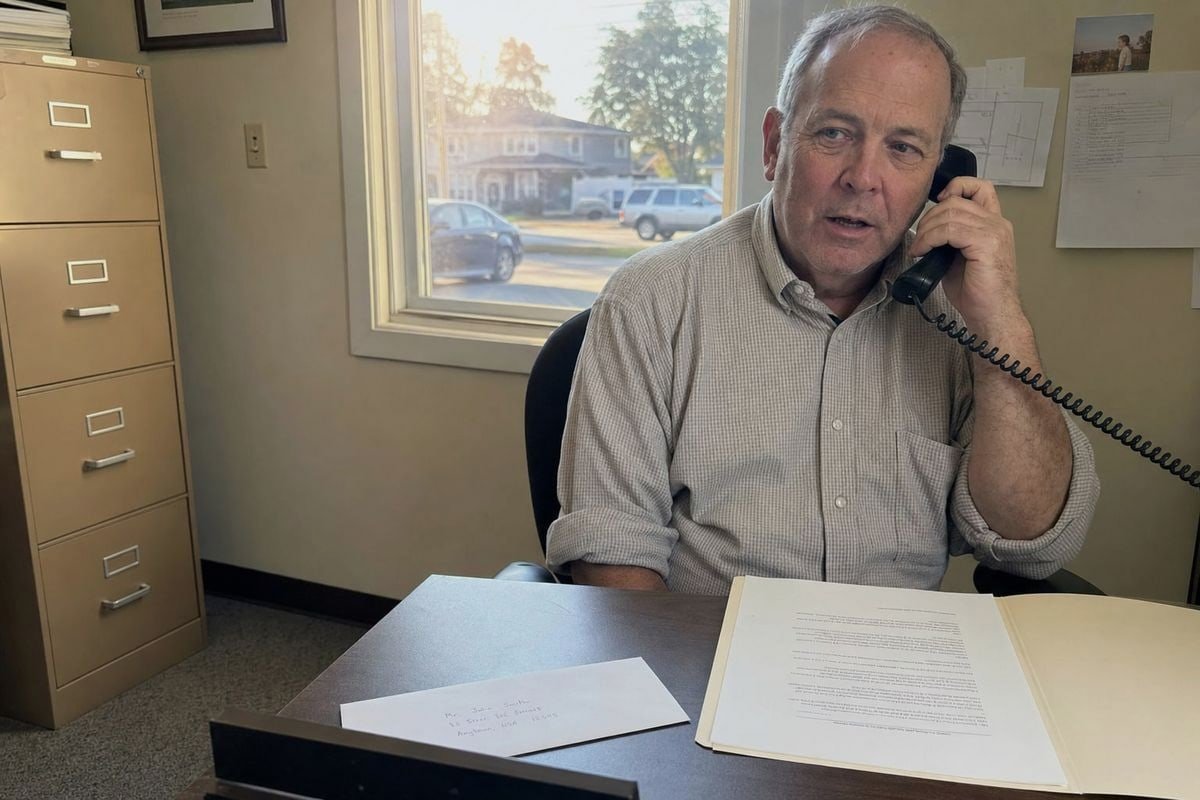
Every foreign establishment 3 that registers with FDA must designate one U.S. Agent. FDA prohibits P.O. Boxes and answering services for this role — the agent needs a genuine physical presence 4 in the United States. The agent's job is to receive FDA communications, respond to questions about imported devices, and assist FDA in scheduling inspections. When we registered our Taizhou facility, the process was not complete until our agent confirmed the appointment through FDA's automated system. That "Active Consent" step matters: agents must verify their appointment within a 10-day window, or the designation is not valid.
What the U.S. Agent is not
Here is where buyers get confused. The U.S. Agent is a regulatory liaison — nothing more. The agent does not clear customs, does not take legal liability for the goods, and does not replace product testing.
| الدور | Handles | Who appoints them |
|---|---|---|
| U.S. Agent | FDA communications, inspection scheduling | The foreign manufacturer |
| Importer of Record | Customs clearance, duties, legal liability | The buyer/importer |
| Testing Lab | Impact resistance and safety testing | Manufacturer or buyer |
Practical checks before you order
Ask your supplier three direct questions. First: who is your U.S. Agent, by name and street address? Second: is that agent named in your current FDA registration record? Third: can the agent actually answer a phone call during U.S. business hours? A supplier who dodges these questions probably listed a generic consultant who consented once and vanished. We keep our agent's details ready to share with any buyer who asks, because transparent answers here are the cheapest trust-building tool a factory has.
What FDA documents should I request from my supplier before placing a bulk order?
Before our 5S-managed workshop releases any children's shipment, our QC team assembles a document pack. I built that habit after seeing a client's container flagged because a frame assembler supplied a lens certificate it had no right to issue.
Request the factory's FDA registration number and current-year confirmation, the Medical Device Listing showing product code HQY for nonprescription sunglasses, the named U.S. Agent's details, and a 21 CFR 801.410 Drop Ball Test Certificate issued by the actual lens manufacturer.
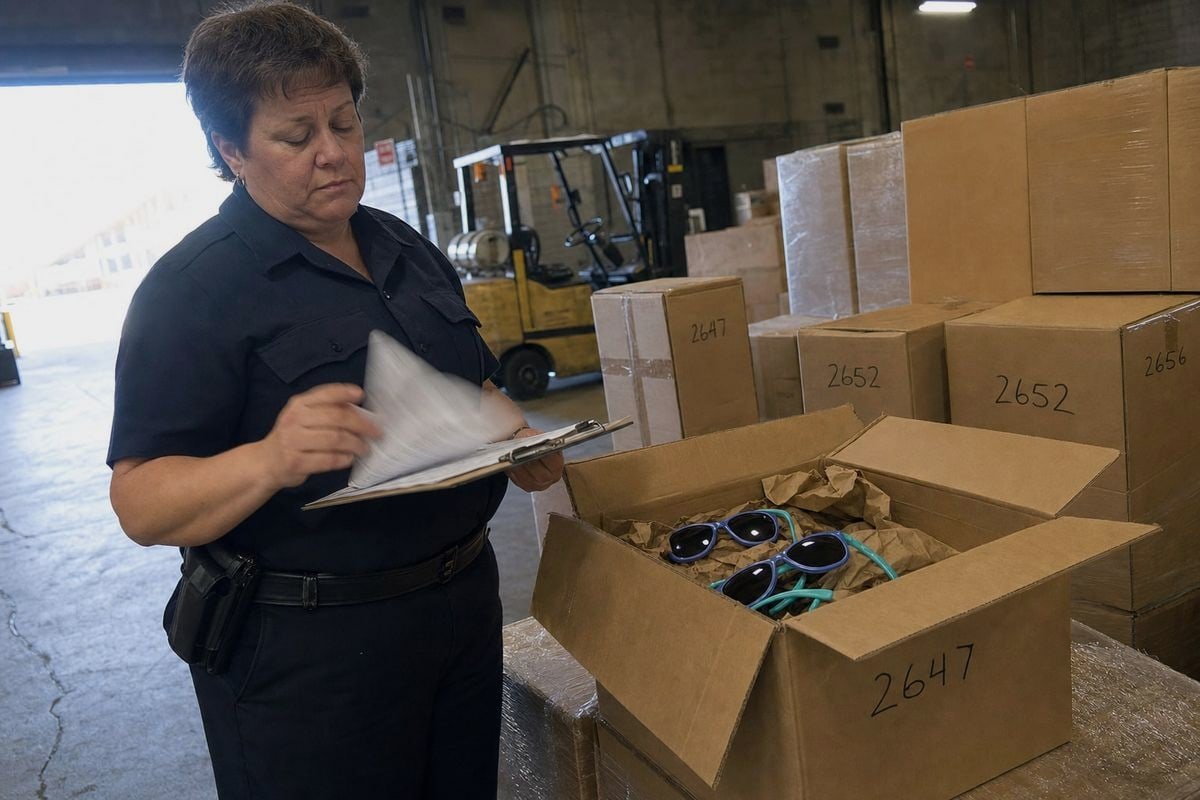
Documents are where compliance becomes real. A database record proves the establishment exists. The document pack proves this specific product, in this specific shipment, is import-ready. Here is the full set I recommend every buyer collect before wiring a deposit.
The essential document pack
| وثيقة | ما تثبته | Common red flag |
|---|---|---|
| FDA registration confirmation | Establishment is registered for the current fiscal year | Expired year or mismatched legal name |
| Medical Device Listing (product code HQY) | The sunglasses model is listed as a Class I device | Listing covers frames only, not sunglasses |
| U.S. Agent details | A valid U.S.-based agent is appointed | Only an email address, no street address |
| Drop Ball Test Certificate | Lenses meet impact resistance requirements under 21 CFR 801.410 5 | Certificate issued by a frame-only assembler |
| MDUFA fee receipt | Annual user fee is paid, registration has not lapsed | Supplier cannot produce a current receipt |
Why the Drop Ball Test source matters
Under 21 CFR 801.410, sunglass lenses must be impact resistant. The standard test drops a steel ball onto the lens from a set height. Here is the trap: certificates provided by frame-only assemblers are frequently rejected during U.S. Customs audits, because the assembler never tested the lenses. The certificate must trace back to the actual lens manufacturer. When we build UV400 or polarized lenses into our TR90 and TPEE children's frames, we keep the lens-level test documentation matched to each batch, so the paper trail survives an audit.
Also verify the "FDA registered" wording on any document. If a supplier's paperwork claims "FDA approved" or "FDA certified," treat the entire pack with suspicion — those phrases signal either ignorance of the rules or deliberate misrepresentation.
How do I avoid compliance risks when importing kids' sunglasses into the U.S. market?
Weighing lens hardness against frame flexibility is a trade-off our engineers face on every new children's style. U.S. compliance forces the same discipline: two separate regulatory regimes apply at once, and satisfying only one leaves you exposed.
Avoid compliance risk by satisfying both regimes: FDA rules covering registration, device listing, and impact-resistant lenses, plus CPSC compliance standards under CPSIA, which require third-party testing, a Children's Product Certificate, and permanent tracking labels for any product designed for children twelve or under.
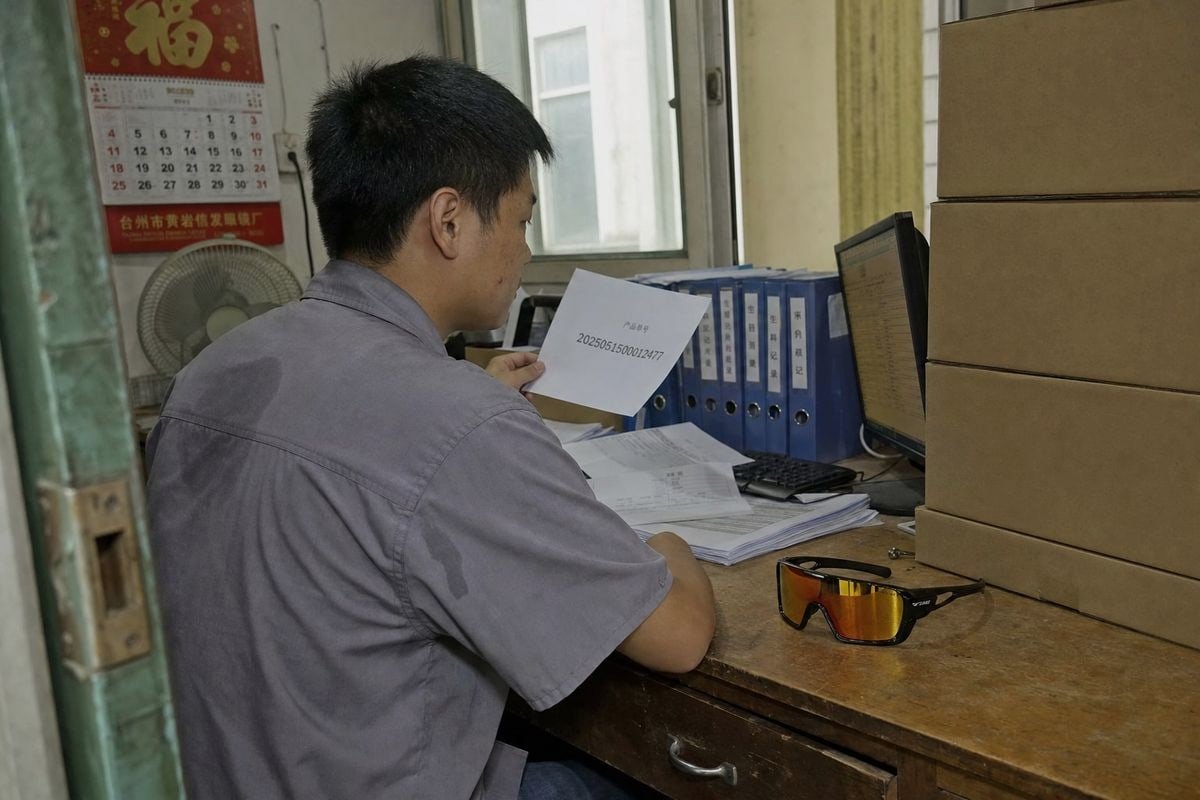
This is the layer many first-time importers miss entirely. Kids' sunglasses sit at the intersection of two U.S. agencies. FDA treats them as eyewear — a Class I Medical Device with registration, listing, and impact resistance requirements. CPSC treats them as a children's product, which triggers a completely different checklist under CPSIA.
The children's product overlay
For children's sunglasses, CPSIA generally requires third-party testing at a CPSC-accepted laboratory for lead content 6 and, where applicable, phthalates. The importer must then issue a شهادة منتجات الأطفال 7 based on those test reports. The product also needs a permanent tracking label identifying the manufacturer, production date, and batch. None of this appears in FDA's FURLS database — it is a parallel obligation, and FDA registration does nothing to satisfy it.
Some buyers push back and tell me their supplier said FDA registration "covers everything." It does not, and I would rather lose a quick sale than let a client believe that. Our flexible TPEE and TR90 materials were chosen partly because they test cleanly for children's chemical requirements, but every buyer still needs batch-level lab reports to support their own Children's Product Certificate.
A practical risk-reduction workflow
- Verify FDA registration, device listing, and the U.S. Agent before sampling.
- Confirm the Drop Ball Test Certificate traces to the lens maker.
- Commission or collect CPSIA third-party tests for the exact production batch.
- Prepare the Children's Product Certificate before goods ship.
- Check tracking labels are molded or printed on the product and packaging.
- Keep all records organized for customs and retail platform audits.
Treat any supplier who cannot support this workflow as a risk signal, not a bargain. Customs delays, Amazon delistings, and recall exposure all cost far more than the price difference between a compliant factory and a cheap one.
الخلاصة
Verify the FDA record, confirm a real U.S. Agent, collect batch-level documents, and add the CPSIA layer. Do these four things, and your kids' sunglasses import stands on solid ground.
ملاحظات ختامية
1. Official FDA guidance on medical device classification and Class I device panels. ↩︎
2. FDA instructions for verifying and maintaining active establishment registration and device listings. ↩︎
3. Updated FDA URL for registration and listing requirements. ↩︎
4. FDA requirements for U.S. Agents, including the necessity of a physical U.S. location. ↩︎
5. Official FDA regulation detailing impact resistance requirements for all sunglass lenses. ↩︎
6. CPSC guidance on lead content limits and testing for children’s products under CPSIA. ↩︎
7. CPSC requirements and instructions for importers to issue a Children’s Product Certificate. ↩︎
مقالات أخرى قد تعجبك
August 1, 2026
هل يجب على المصنع التعامل مع تغليف ووضع ملصقات نظارات الأطفال الشمسية، أم استخدام مورد مخصص؟
August 1, 2026
مستودع خاص مقابل الوفاء المباشر من المورد: أيهما يقلل تكاليف الإرجاع لعلامات نظارات الأطفال الشمسية؟
August 1, 2026
مباشر إلى ميناء المستودع أو التخزين الخارجي: أيهما يوفر أكثر على شحن نظارات الأطفال الشمسية؟
هل تبحث عن شريك موثوق به للنظارات للأطفال؟
استكشف أكثر من 800 نمط جاهز ودعم OEM/ODM كامل مصمم خصيصًا لعلامتك التجارية.
اتصل بنا English
  Español de México
  Deutsch
  Français
  日本語
日本語  العربية
  Português do Brasil