How to Add Supplier Compliance Manual Clauses to Order Confirmations for Kids’ Sunglasses?
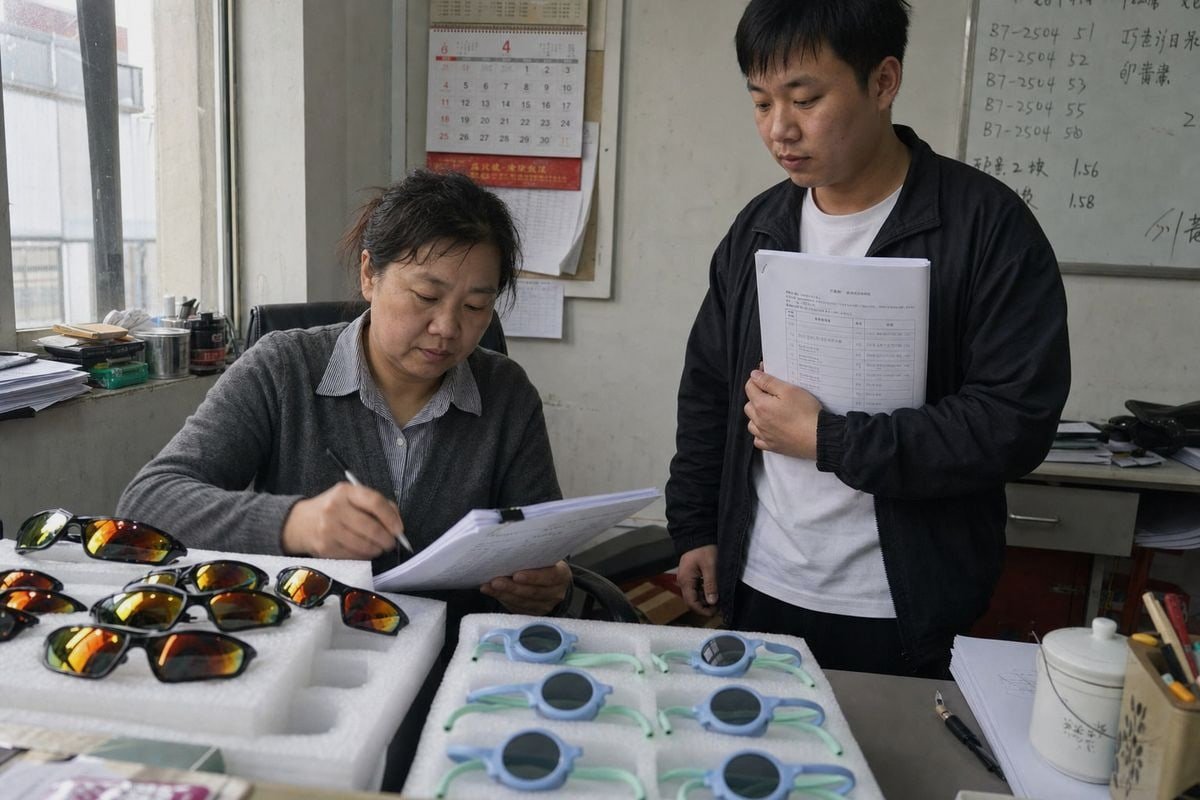
Adding supplier compliance manual clauses to order confirmations for kids’ sunglasses is a question our factory in Taizhou hears often, usually after a buyer has already been burned once.
To add supplier compliance manual clauses to order confirmations for kids’ sunglasses, state that the supplier accepts both the PO terms and a named compliance manual version, attach or reference the exact clauses on safety, testing, labeling, and traceability, and require signed acknowledgment before production begins.
Below, I will walk you through what to include, how to check the supplier’s paperwork, how to adapt wording by market, and what to do when clauses are missing.
What compliance clauses should I include when confirming a kids' sunglasses order?
A few years ago, a European buyer sent us a beautiful compliance manual — forty pages — but their order confirmation only said "PO accepted." When a labeling question came up mid-production, nobody could point to a binding clause. We fixed it together, and I learned exactly which clauses belong on the confirmation itself.
Include an acceptance clause incorporating the compliance manual by version and date, plus clauses covering compliance with law, children's product safety, testing and certification, labeling and traceability, ethical sourcing, packaging, pre-shipment change notification, and buyer remedies such as rejection or cancellation for nonconformance.
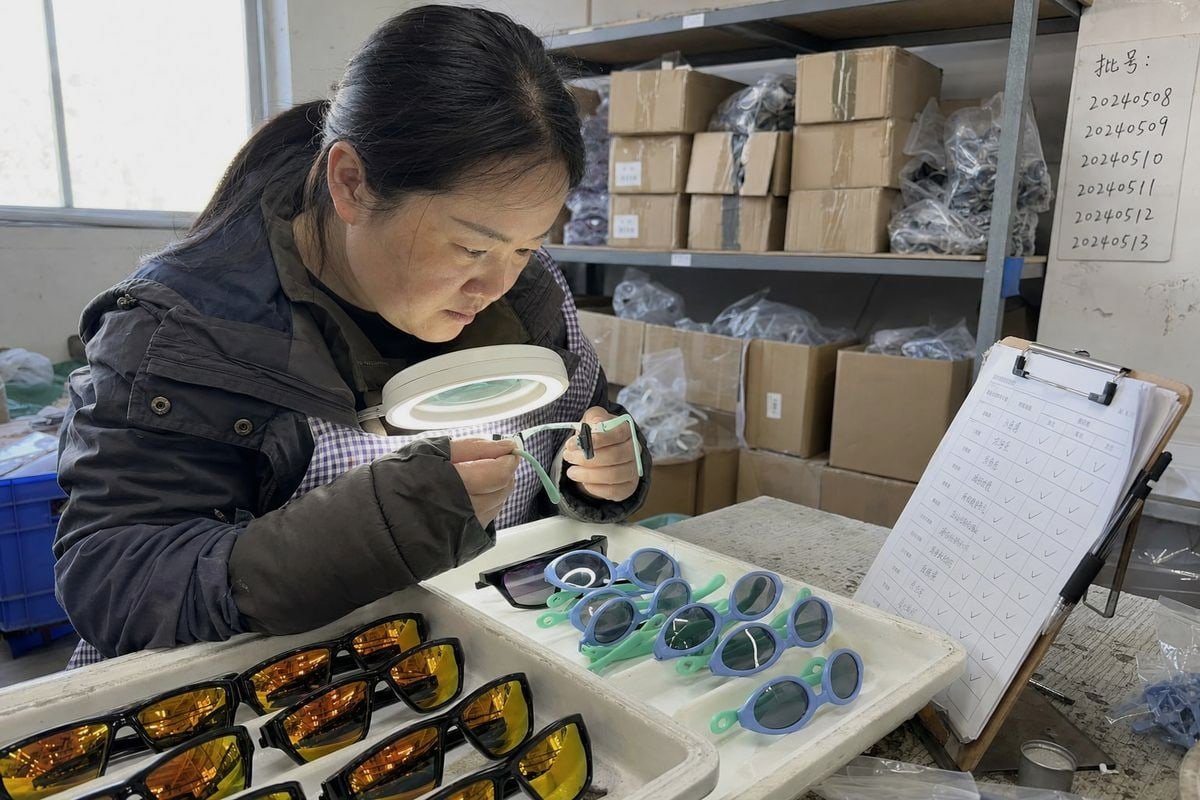
The order confirmation does not need to carry every word of your compliance manual. It needs to do one job well: bind the supplier to the manual and to the product-specific rules that matter for a children's item. Kids' sunglasses are not a generic accessory. They sit on a child's face for hours, they claim UV protection, and they trigger children's product regulations 1 in most markets. That is why the clause set has to be tailored, not copied from an apparel template.
The core clause categories
Here is the clause structure we recommend to our B2B customers when they place orders with us:
| Clause category | What it should say | Why it matters for kids' sunglasses |
|---|---|---|
| Acceptance and incorporation | Supplier accepts the PO and the compliance manual, identified by title, version, and date | Makes the manual enforceable, not just a policy |
| Compliance with law | Supplier warrants compliance with all applicable laws and standards in the destination market | Covers children's product rules and eyewear rules |
| Product safety | Sunglasses meet children's product and eyewear safety requirements; nonconforming goods will not ship | The single most important promise for a kids' item |
| Testing and certification | Test reports and certificates provided before shipment; records retained | Proof of UV400 performance, impact resistance, material safety |
| Labeling and traceability | Accurate age grading, UV rating, origin, and batch or lot codes | Enables recalls and satisfies children's product traceability rules |
| Ethical sourcing | No forced labor, no child labor, no hazardous labor | A baseline obligation in every modern supplier manual |
| Change notification | Supplier must flag any change in material, factory, or process before production | Prevents silent substitutions in frames or lens coatings |
| Remedies | Buyer may reject, cancel, or charge back for noncompliance | Gives the confirmation real teeth |
Product-specific detail for children's eyewear
For our TR90 frames with TPEE temples, buyers often add material restriction limits directly into the clause text — الفثالات 2 in the plastic, lead in coatings, and restricted substances in rubberized nose pads and temple tips. Naming these limits in the confirmation removes ambiguity. In our experience, the strongest confirmations also reference the applicable eyewear standards by name, such as EN ISO 12312-1 3 for Europe or ASTM F659 for the US, so both sides test against the same target from day one.
How do I make sure my supplier's order confirmation matches our compliance manual requirements?
There is a trade-off I weigh every time we issue a confirmation from our side: keep the document short enough that a busy procurement manager will actually read it, but complete enough that nothing important lives only in someone's email inbox. That balance is achievable if you check the confirmation systematically.
Compare the confirmation against your manual line by line: verify it names the manual's exact version and date, restates the priority of documents, lists the required certificates and test reports, mirrors your labeling and traceability rules, and contains no conflicting supplier terms that could override yours.

Matching is not a one-time reading exercise. It is a short, repeatable verification process. I suggest treating the confirmation as a gatekeeper document — nothing moves to production until it passes.
عملية تحقق من خمس خطوات
- Check the incorporation language. The confirmation must say the compliance manual is part of the order, and it must identify the manual by title, edition, and date. "We follow your requirements" is not incorporation.
- Check the priority of documents. The confirmation should state which document controls if terms conflict — usually the PO first, then the confirmation, then the manual, then product specs. This one sentence prevents most disputes.
- Check for conflicting supplier terms. Some suppliers attach their own standard terms to confirmations. Your confirmation should state that conflicting supplier terms do not apply unless you accept them in writing.
- Check the documentation list. Every certificate, test report, and inspection record your manual requires before shipment should appear in the confirmation, with a deadline. If your manual requires a Children's Product Certificate for the US, the confirmation should say so explicitly.
- Check the acknowledgment. Require a signature or digital acknowledgment 4, not just shipment against the order. A signed confirmation is your first document agreed by both parties, and it closes the "we never agreed to your manual" argument permanently.
Make the supplier's job easy
From the factory side, I can tell you what makes this work smoothly: give us the clause set as an attachment, not a link to a portal we cannot access. When our team in Taizhou receives the exact pages, we can route them to QC, to the lens supplier, and to packaging in the same afternoon. When we receive a vague reference, the confirmation sits in a queue while people ask questions. Some buyers also set a confirmation deadline — 48 hours is a common standard in supplier manuals — which keeps the whole handshake fast and documented.
Can I request customized compliance wording in my order confirmation for different markets?
One of our long-term customers sells the same round pastel frame — the periwinkle-and-mint style from our catalog — in both Australia and Germany. Same mold, same TPEE temples, but two different confirmations, because the two markets test and label sunglasses differently. That experience taught me that market-specific wording is not bureaucracy; it is precision.
Yes. You can and should customize compliance wording per destination market, naming the applicable standard — such as EN ISO 12312-1 for the EU, ASTM F659 for the US, or AS/NZS 1067 for Australia — plus market-specific labeling, chemical restrictions, and certificate requirements in each confirmation.

Different markets treat kids' sunglasses differently, and a single generic clause cannot cover them all accurately. UV category definitions, transmittance thresholds 5, chemical restriction lists, and labeling formats vary. If your confirmation names the wrong standard, your test reports may be valid but irrelevant.
How requirements differ by market
| السوق | Key eyewear reference | Typical extra requirements for children's products |
|---|---|---|
| الاتحاد الأوروبي | EN ISO 12312-1 under PPE rules | CE marking, EU-format documentation, REACH chemical limits |
| الولايات المتحدة | ASTM F659 6, FDA impact-resistance rules, children's product regulations | Children's Product Certificate, third-party lab testing, tracking labels |
| أستراليا / نيوزيلندا | AS/NZS 1067 | Mandatory sunglasses standard compliance, lens category labeling |
| Japan | JIS-based eyewear practice | Japanese-language labeling, importer documentation |
Practical ways to manage the variations
We help buyers handle this in three ways. First, use a modular clause library: one base clause set for every order, plus a market module that gets inserted per destination. Second, ask the supplier to proactively flag conflicts between your manual and destination-market rules before production starts — for example, differences in UV performance thresholds between the EU and US frameworks. A good factory will raise these early; we have caught lens-category labeling mismatches at the confirmation stage more than once, long before packaging was printed. Third, if you run an ERP or PLM system 7, set rules that auto-insert SKU-specific and market-specific clauses into confirmations. That removes copy-paste errors, which are surprisingly common when one procurement team manages multiple suppliers and multiple markets. Whichever method you choose, keep the customized wording short and operational. Suppliers sign what they understand.
What should I do if my supplier's order confirmation is missing key safety compliance clauses?
Early in my time working with overseas kids' brands, a buyer forwarded me a competitor's confirmation for review. It listed price, quantity, and delivery date — nothing else. No safety warranty, no testing requirement, no traceability language. For a children's product, that document was a liability wearing a stamp.
Do not proceed. Reply in writing listing the missing clauses, send an amended confirmation or addendum incorporating your compliance manual by version and date, require signed acknowledgment before production starts, and hold deposits or approvals until the corrected confirmation is returned.

A missing clause is not always a red flag about intent. Sometimes it signals a supplier who has never exported children's products to a regulated market. Sometimes it signals a template that was never updated. Either way, the fix is procedural, and the sequence matters.
The correction sequence
| خطوة | إجراء | Why it protects you |
|---|---|---|
| 1 | Freeze production authorization | Nothing binds until the paperwork is right |
| 2 | Send a written gap list | Creates a record of what was missing and when you flagged it |
| 3 | Issue an addendum or revised confirmation | Incorporates the manual by name, version, and date |
| 4 | Require signature or digital acknowledgment | Closes the "we never agreed" loophole |
| 5 | Tie the deposit or PO release to the signed document | Gives the requirement commercial weight |
| 6 | Verify test and certificate commitments have deadlines | Converts promises into checkable milestones |
Read the supplier's response as a signal
How a supplier reacts to your gap list tells you a great deal. When buyers send us clause requests at our workshop, our sales and QC teams review them together, and we either sign or explain exactly which point needs discussion — for example, if a testing timeline conflicts with the lens supplier's lead time. A supplier who signs instantly without questions may not have read the clauses. A supplier who refuses everything may not be able to meet children's product requirements at all. The best response is a specific one: agreement on most clauses, and clear, reasoned questions on the rest. Also consider adding a post-sale بند التعويض 8 covering compliance failures discovered after shipment, and audit rights so you can verify records later. If a supplier will not accept any safety warranty for a children's product, treat that as your answer about the partnership, not just the paperwork.
الخلاصة
Bind the compliance manual into every order confirmation by version and date, tailor clauses to children's eyewear and each market, verify systematically, and never start production on incomplete paperwork.
ملاحظات ختامية
1. CPSC is the US authority enforcing the children’s product safety regulations mentioned here. ↩︎
2. CDC explains health risks of phthalate exposure relevant to children’s product material restrictions. ↩︎
3. ISO publishes the sunglasses eye-protection standard referenced for EU market compliance testing. ↩︎
4. Explains electronic signature methods used to formally record supplier acknowledgment of terms. ↩︎
5. WHO details UV radiation exposure limits underlying lens transmittance threshold requirements. ↩︎
6. ASTM is the standards body governing sunglass lens impact-resistance testing referenced for US shipments. ↩︎
7. Background on enterprise systems used to automate market-specific compliance clause insertion. ↩︎
8. Explains the legal concept of indemnification referenced for post-shipment compliance failure protection. ↩︎
مقالات أخرى قد تعجبك

August 1, 2026
هل يجب على المصنع التعامل مع تغليف ووضع ملصقات نظارات الأطفال الشمسية، أم استخدام مورد مخصص؟

August 1, 2026
مستودع خاص مقابل الوفاء المباشر من المورد: أيهما يقلل تكاليف الإرجاع لعلامات نظارات الأطفال الشمسية؟

August 1, 2026
مباشر إلى ميناء المستودع أو التخزين الخارجي: أيهما يوفر أكثر على شحن نظارات الأطفال الشمسية؟
هل تبحث عن شريك موثوق به للنظارات للأطفال؟
استكشف أكثر من 800 نمط جاهز ودعم OEM/ODM كامل مصمم خصيصًا لعلامتك التجارية.
اتصل بنا English
  Español de México
  Deutsch
  Français
  日本語
日本語  العربية
  Português do Brasil