ما هي متطلبات الامتثال التي يجب أن يلبيها تصميم تغليف نظارات الأطفال الشمسية؟
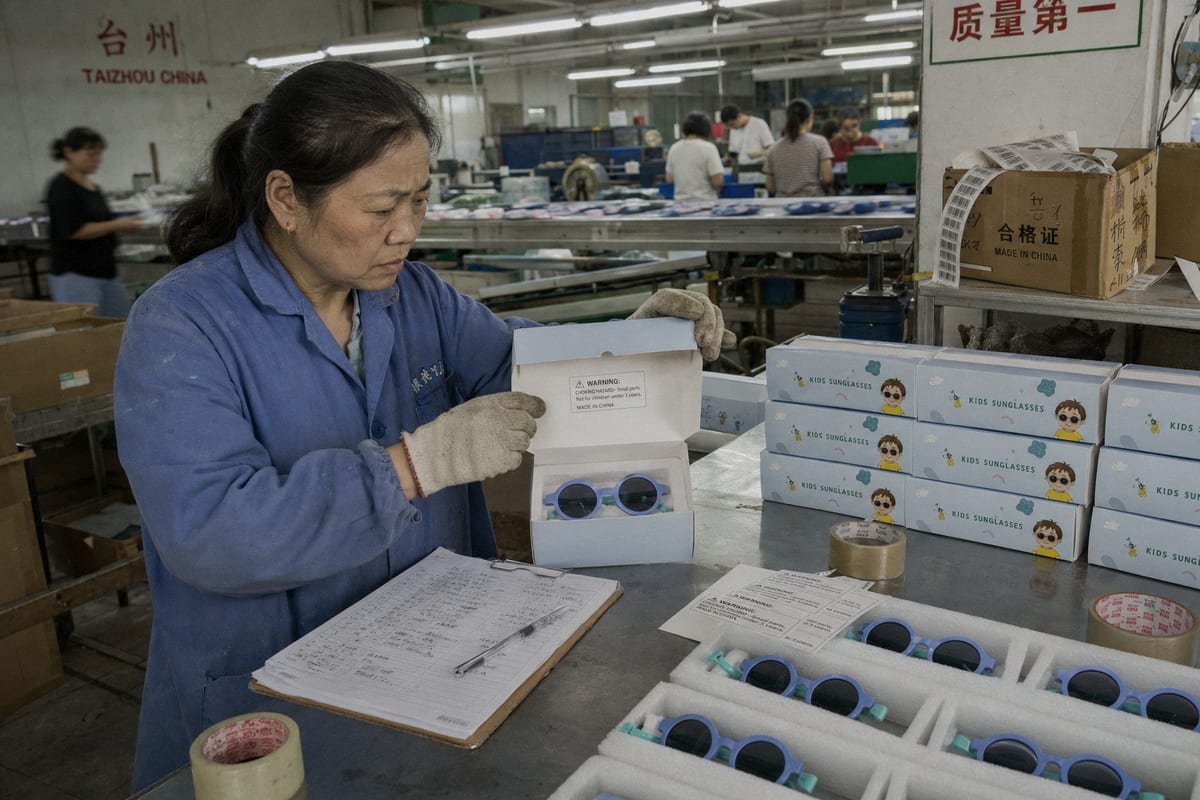
يعد امتثال تصميم تغليف نظارات الأطفال الشمسية هو المكان الذي رأيت فيه علامات تجارية جميلة تتعثر. في خط الإنتاج الخاص بنا في تايتشو، أدى نقص ملصق تحذير واحد مرة واحدة إلى تأخير حاوية كاملة. هذا الألم يمكن تجنبه.
يجب أن يحمل تغليف نظارات الأطفال الشمسية علامات شهادات السلامة (CE، الملصقات المتعلقة بـ FDA)، وملصقات تتبع الدُفعات، وبيانات تصنيف العمر، وتحذيرات خطر الاختناق، وملصقات حماية UV400، ومعلومات فئة العدسة، وعلامات بلد المنشأ، ورموز إعادة التدوير. تختلف المتطلبات حسب السوق، لذلك يجب التحقق من رسومات التغليف مقابل قواعد منتجات الأطفال في كل بلد وجهة.
التغليف الخاص بنظارات الأطفال ليس مجرد علامة تجارية. يتعامل المنظمون معه كجزء من سلسلة الامتثال. أدناه، سأفصل ما تحتاجه رسوماتك بالفعل، سوقًا بسوق.
ما هي شهادات السلامة التي يجب أن أبحث عنها في ملصقات عبوات نظارات الأطفال الشمسية؟
أرسل لي أحد المشترين من أوروبا مرة واحدة نموذجًا رائعًا للصندوق مع صفر امتثالعلامة 1لصقها. قام فريقنا بتمييزها قبل الطباعة - وهذا المراجعة أنقذت إطلاقها. تأتي علامات الشهادات أولاً، ثم التصميم.
يجب أن تعرض عبوات النظارات الشمسية للأطفال علامة CE للاتحاد الأوروبي، و UKCA لبريطانيا، والإشارة إلى معايير ISO 12312-1 أو اختبارات AS/NZS حيثما ينطبق ذلك، ووضع علامة حماية UV400، ودعم متطلبات الولايات المتحدة مثل شهادة منتجات الأطفال والامتثال لمقاومة الصدمات من إدارة الغذاء والدواء للعدسات.
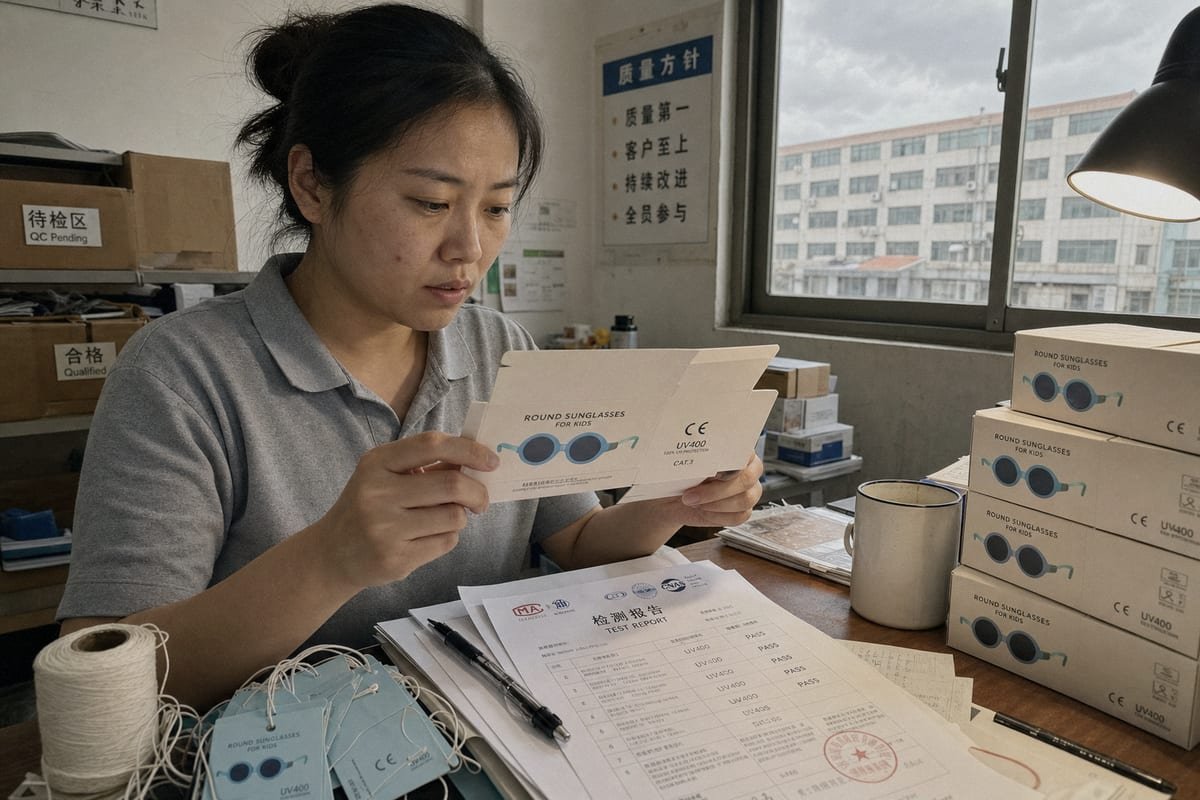
تخبر علامات الشهادات مسؤولي الجمارك وتجار التجزئة والآباء أن المنتج الموجود خلف التغليف قد تم اختباره. في خبرتنا التي تمتد 15 عامًا في تصنيع نظارات الأطفال، تعلمنا أن لكل علامة قواعد وضع خاصة بها، ويمكن للتغليف أن يحل محل وضع العلامات على المنتج في بعض الولايات القضائية.
العلامات الأساسية حسب السوق
| العلامة أو المرجع | السوق | ماذا تشير | ملاحظات الوضع |
|---|---|---|---|
| علامة CE | الاتحاد الأوروبي | تستوفي النظارات الشمسية متطلبات لائحة معدات الوقاية الشخصية | يجب أن تكون مرئية ومقروءة وغير قابلة للإزالة؛ يمكن أن تظهر على الإطار أو التغليف أو الملصق |
| علامة المملكة المتحدة للمطابقة (UKCA) | المملكة المتحدة | مطابقة المملكة المتحدة بعد خروج بريطانيا من الاتحاد الأوروبي | مرونة وضع مماثلة لـ CE |
| معايير ISO 12312-1 | مرجع عالمي | فئات مرشحات العدسة والسلامة البصرية | عادة ما يتم الاستشهاد بها على التغليف أو الملصق الداخلي |
| مرجع شهادة المنتج (CPC) | الولايات المتحدة الأمريكية | شهادة منتجات الأطفال 2 موجود بعد اختبار طرف ثالث | تسافر الشهادة مع الشحنة؛ يدعم التغليف إمكانية التتبع |
| ملصق حماية UV400 | عالمي | تحجب العدسات الأطوال الموجية حتى 400 نانومتر | عادةً ما تكون بطاقة تعليق أو ملصق أو لوحة مطبوعة |
لماذا تستحق علامة CE عناية إضافية
متطلبات وضع علامة CE صارمة على الوضوح. يجب أن تحافظ العلامة على نسبها الدنيا عند تغيير حجمها. لقد رأيت رسومات قام فيها مصمم بتقليص شعار CE إلى تذييل زخرفي - وهذا يفشل في الفحص. تسمح الإرشادات الفرنسية بوضع العلامات المطلوبة على الإطار أو التغليف أو الملصق أو مزيج منها، مما يمنح المصممين بعض المساحة. ولكن يجب ألا تكون العلامة مخفية أو مشوهة أو مطبوعة بلون منخفض التباين يختفي مقابل الخلفية.
يجب أن تتطابق مطالبات الأشعة فوق البنفسجية مع تقارير الاختبار
عندما نوفر UV400 أو خيارات العدسات المستقطبة لدينا 3, ، فإننا دائمًا ما نطابق مطالبة التغليف مع بيانات اختبار العدسة الفعلية. لا تدع لغة التسويق تتجاوز تقارير مختبرك أبدًا. إذا كان الصندوق يقول UV400، فإن الملف الفني 4 يجب أن يثبت ذلك. المبالغة في ادعاء أداء الأشعة فوق البنفسجية على منتج للأطفال هي إحدى أسرع الطرق لجذب الانتباه التنظيمي.
كيف أضمن أن تلبي عبواتي لوائح منتجات الأطفال الدولية؟
المقايضة التي نزنها في أغلب الأحيان هي جاذبية الرف مقابل مساحة تنظيمية. يقوم فريق التغليف الخاص بنا في مصنع المعدات الأصلية (OEM) بحظر مناطق الامتثال على الرسومات قبل إدخال أي رسومات للعلامة التجارية - إنها سير العمل الوحيد الذي يعمل باستمرار.
ابدأ بالسوق الوجهة الأكثر صرامة، وقم بتعيين كل عنصر إلزامي على العمل الفني أولاً، ثم تحقق من مواد التعبئة والتغليف مقابل الحدود الكيميائية مثل CPSIA و REACH. قم بتأكيد تقارير الاختبار من طرف ثالث، وشهادة منتج الأطفال للولايات المتحدة، وتسجيل EPR قبل الموافقة على ملفات الطباعة.
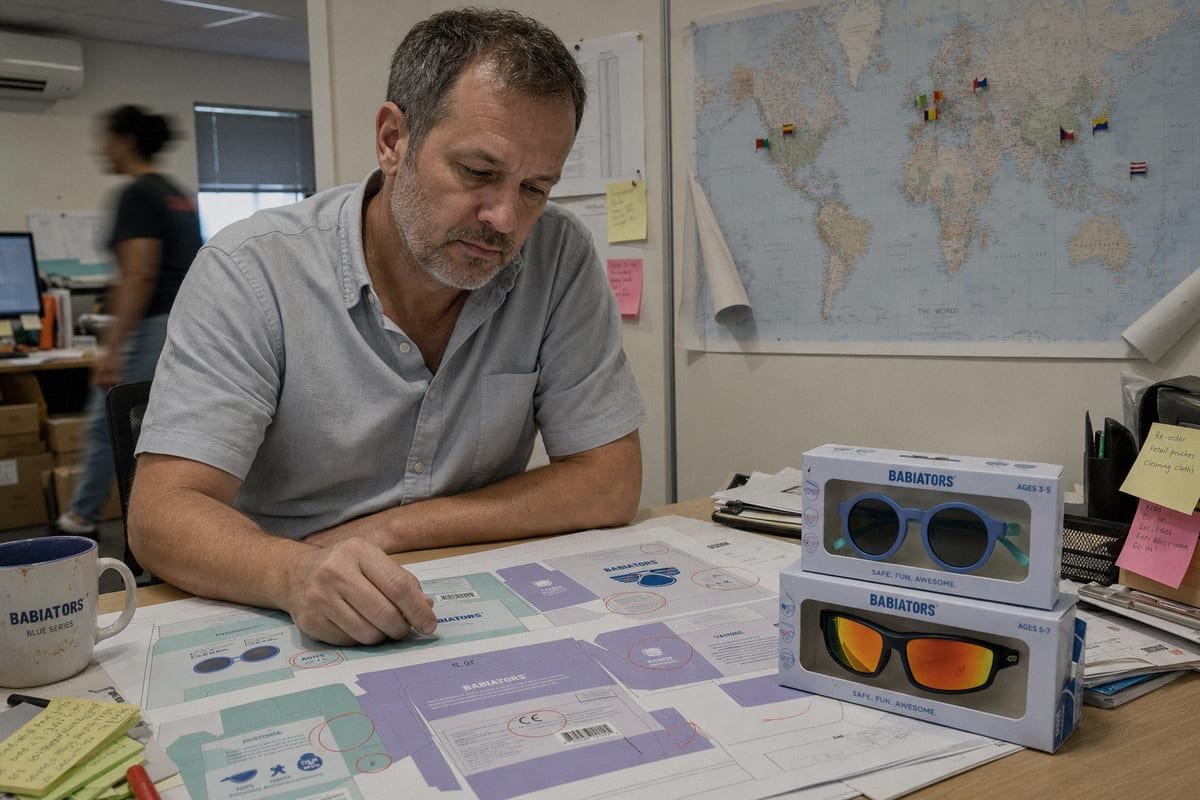
الامتثال الدولي متعدد الطبقات. هناك قواعد للمنتج تظهر على التغليف، وقواعد حول مادة التغليف نفسها، وقواعد العرض التي تحدد ما إذا كان منتجك يعتبر قانونيًا منتجًا للأطفال على الإطلاق.
الطبقة الأولى: قواعد المنتج التي تعيش على الصندوق
في الولايات المتحدة،, الامتثال لـ CPSIA 5 يقود معظم الالتزامات. المنتج المخصص بشكل أساسي للأطفال الذين تقل أعمارهم عن 12 عامًا هو منتج للأطفال. هذا يؤدي إلى اختبار طرف ثالث في مختبر مقبول من CPSC, ، وشهادة منتج للأطفال (CPC)، وملصقات تتبع. اختبار الرصاص والفثالات 6 applies to accessible components, and your packaging often carries the traceability data that connects the retail unit back to those test reports. Separately, FDA medical device registration matters because sunglasses are regulated as medical devices; sunglasses are exempt from 510(k) submission, but establishment registration, device listing, and impact-resistant lens rules under 21 CFR 801.410 still apply.
Layer Two: The Packaging Material Itself
| المتطلب | Region | ما يجب التحقق منه |
|---|---|---|
| Heavy metal limits (lead, cadmium, mercury, hexavalent chromium) | الاتحاد الأوروبي | Packaging component test reports |
| CPSIA chemical limits | الولايات المتحدة الأمريكية | Inks, coatings, and any child-accessible packaging parts |
| EPR registration and reporting | EU / UK | Producer registration, recycling fees, symbols like Triman in France |
| Recyclability marking | Various | Correct local recycling symbols per market |
Layer Three: Presentation Decides Classification
Here is the nuance many brands miss. The CPSC considers how a product is represented in its packaging, display, promotion, and advertising when deciding whether it is a children's product. Cartoon characters, pastel palettes, and small sizing on the box all signal a children's item. You cannot design a playful kids' box and then argue the product is general-purpose eyewear. When we help buyers with retail-ready packaging, we assume children's product rules apply in full and design accordingly.
A Practical Verification Sequence
- List every destination market before artwork begins.
- Pull the mandatory label elements for the strictest market.
- Reserve space for those elements on the dieline first.
- Confirm material and ink compliance with your packaging supplier.
- Cross-check final artwork against test reports and the technical file.
- Get a pre-shipment compliance review before mass printing.
ما هي ملصقات التحذير ومعلومات العمر المطلوبة على عبوات النظارات للأطفال؟
Early in my export career, a shipment of our flexible TPEE frames needed a last-minute hangtag reprint because the age grading statement was missing. Since then, warnings and age information get checked twice at our 5S-managed workshop before packing.
تتطلب عبوات النظارات للأطفال عادةً بيانًا لتصنيف العمر، وملصقات تحذير من خطر الاختناق حيث توجد أجزاء صغيرة، وملصقات تتبع الدُفعات مع الشركة المصنعة والموقع والتاريخ ورقم الدُفعة، وملصقات فئة العدسة وتحذيرات الاستخدام مثل عدم الملاءمة للقيادة، ووضع علامة بلد المنشأ للواردات.
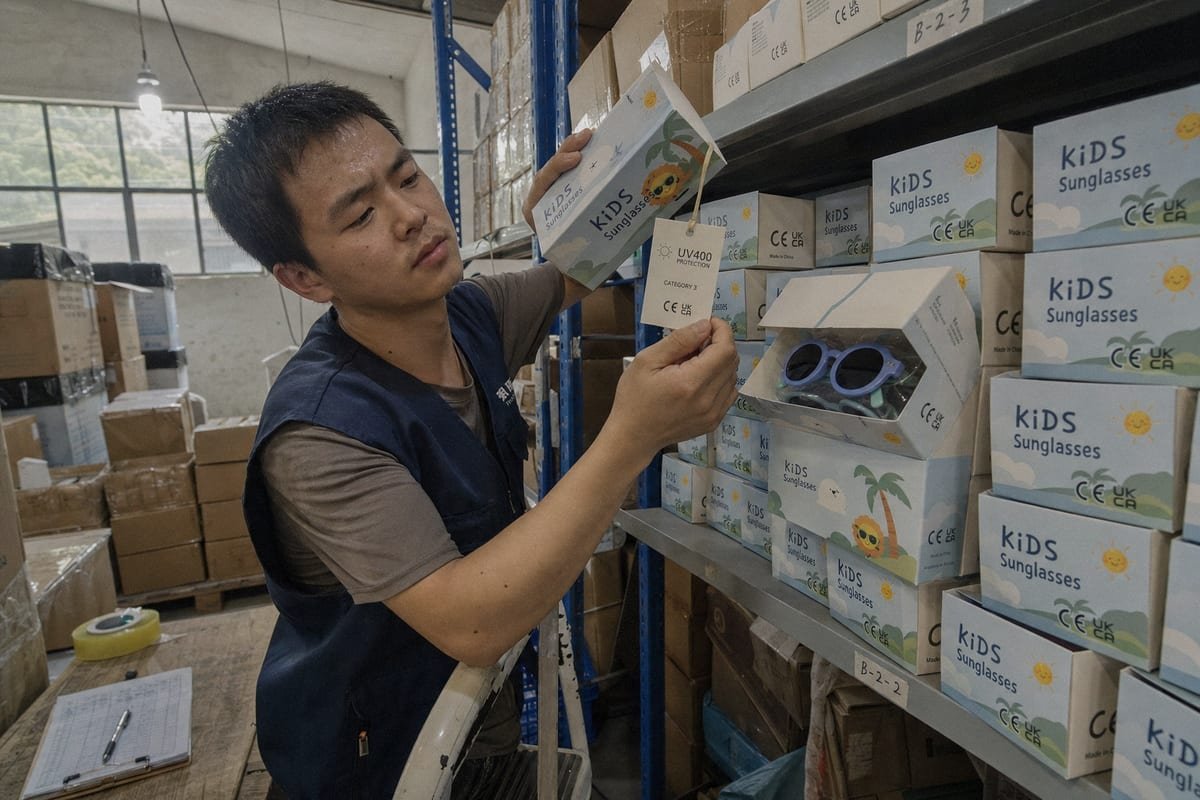
Warnings and age information do two jobs. They protect children, and they protect your brand from recalls and liability. Let me break down each required element.
Age Grading Statements
An age grading statement tells the buyer, the retailer, and the regulator which children the product suits. For sunglasses, this usually reads as an intended age range, such as ages 3 and up. The statement must match reality. Our pastel round frames sized for toddlers cannot carry a vague all-ages claim, because sizing and design clearly target young children. Misleading age claims are a common and avoidable mistake.
Choking Hazard and Small Parts Warnings
Sunglasses contain small components — hinge screws, nose pads, decorative parts. If any accessible part could detach and fit a small-parts cylinder, choking hazard warning labels 7 become relevant, especially for products marketed to younger age bands. Even where a formal warning is not mandated, we advise buyers to assess detachment risk. Our TR90 frames with TPEE temples are engineered to flex rather than snap, which reduces breakage into small pieces, but the packaging assessment still has to happen.
Batch Tracking Labels
| Tracking Element | الغرض |
|---|---|
| Manufacturer or importer name | Identifies who is responsible |
| Production location | Locates the factory of origin |
| Date of manufacture | Narrows recall scope by time |
| Batch or run number | Enables precise, rapid recalls |
The CPSC expects tracking information on both the product and its packaging, where practicable. On small kids' frames, the packaging often carries the fuller tracking detail while the frame carries an abbreviated mark.
Lens and Usage Warnings
Several jurisdictions require the lens category on packaging, and some — including markets following ASEAN-style rules — require warnings such as not suitable for driving and road use where the lens category demands it. Australia and New Zealand mandate category and warning labeling at the point of sale under their children's sunglasses standards. One universal rule: never let a price sticker or promotional over-label cover a required marking.
A procurement manager from Australia recently asked me this exact question during a video call about our 800-style catalog. My honest answer: a good factory partner should carry much of this load, but the importer keeps legal responsibility.
نعم - يمكن لمصنع OEM ذي الخبرة تقديم تقارير اختبار ووثائق فنية وبيانات فئة عدسة صحيحة وقوالب أعمال فنية متوافقة وأنظمة ملصقات تتبع وإرشادات خاصة بالسوق للولايات المتحدة والاتحاد الأوروبي والمملكة المتحدة وأستراليا. يظل المستورد مسؤولاً قانونيًا، لذا اختر مصنعًا يتمتع بخبرة حقيقية في الامتثال للتصدير.
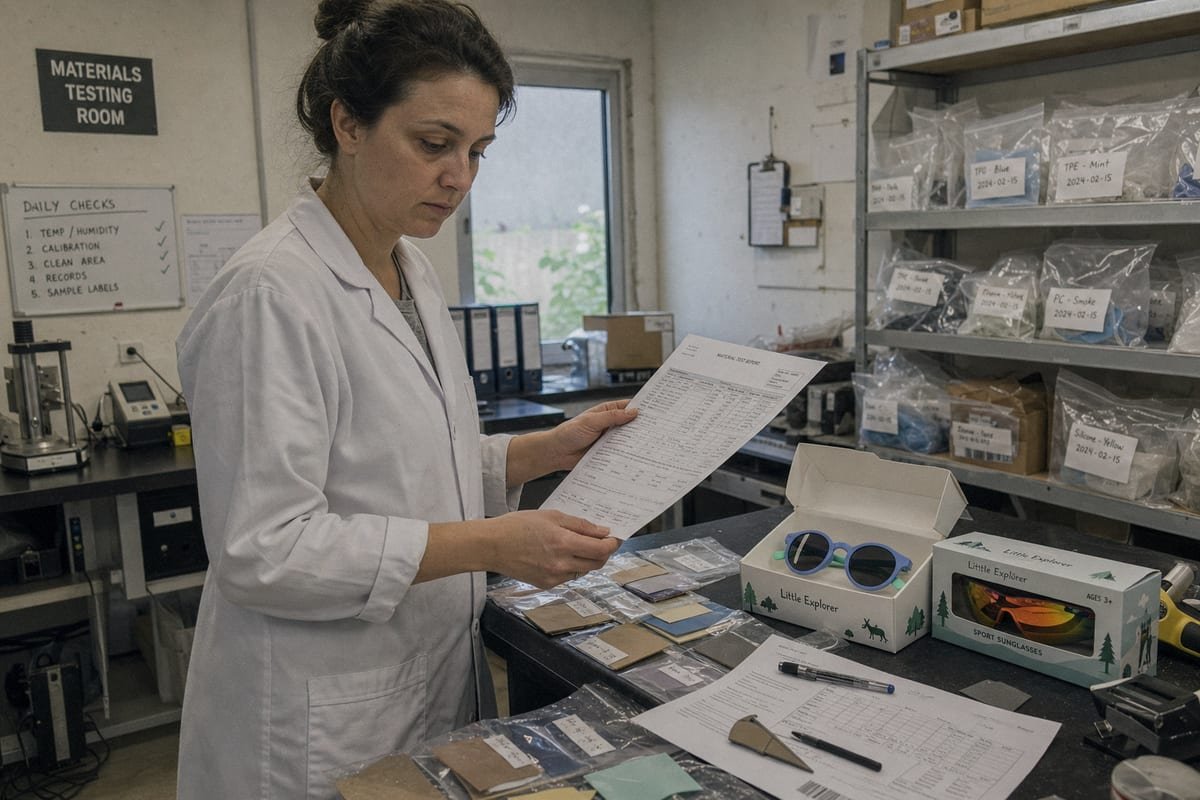
Compliance is a shared project between brand and factory. Here is how the responsibilities realistically split, based on our experience shipping children's eyewear to buyers in more than 20 countries.
What a Capable Factory Should Provide
First, documentation. Your manufacturer should maintain a technical file: product descriptions, applicable standards, risk assessments, third-party test reports, declarations of conformity, labeling samples, and instructions. When our clients sell into the EU, we align packaging artwork with that technical file so nothing on the box contradicts the paperwork.
Second, testing coordination. For the U.S., the factory should arrange lead and phthalates testing and lens impact testing at accepted labs, and support the CPC process. For the EU and UK, testing against ISO 12312-1 standards and PPE requirements should be routine, not a surprise request.
Third, artwork review. Full OEM/ODM support means more than printing your logo. Our packaging team pre-blocks zones for the CE mark, age grading, batch tracking labels, and recycling symbols before brand graphics are placed. This compliance-first layout workflow prevents the classic failure: beautiful packaging with no room left for mandatory marks.
What Stays on the Brand's Side
You own market registration duties — تسجيل المنشأة لدى إدارة الغذاء والدواء 8 and device listing for the U.S. importer of record, EPR packaging registrations in the EU and UK, and any local recycling fee reporting. You also own final claims. If your marketing adds a UV or polarization claim beyond the test data, that risk is yours.
Questions to Ask Before You Commit
- Can you share recent third-party test reports for children’s sunglasses?
- How do you apply batch tracking labels to product and packaging?
- Have you shipped children's eyewear to my specific market before?
- Will your team review my packaging artwork against compliance requirements?
- How do you handle non-conforming batches during QC?
A factory that answers these confidently — with documents, not promises — is a partner. One that hesitates is a risk you will pay for later.
الخلاصة
Non-compliant packaging can block shipments, trigger recalls, and damage trust. Map required marks first, verify materials, and partner with a factory that treats compliance as part of design.
ملاحظات ختامية
1. Authoritative EU guide on CE marking requirements and placement for products sold in the European Economic Area. ↩︎
2. CPSC guidance on the Children’s Product Certificate (CPC) required for all children’s products imported into the U.S. ↩︎
3. Technical overview of how polarized lenses work to reduce glare and improve visual safety. ↩︎
4. Official EU business portal for technical documentation and CE compliance. ↩︎
5. Official CPSC resource explaining the Consumer Product Safety Improvement Act requirements for children’s products in the U.S. ↩︎
6. CPSC rules regarding mandatory third-party testing for lead and phthalates in children’s products. ↩︎
7. Reference for understanding choking hazards and the safety standards used to protect children from small product parts. ↩︎
مقالات أخرى قد تعجبك

August 1, 2026
هل يجب على المصنع التعامل مع تغليف ووضع ملصقات نظارات الأطفال الشمسية، أم استخدام مورد مخصص؟
August 1, 2026
مستودع خاص مقابل الوفاء المباشر من المورد: أيهما يقلل تكاليف الإرجاع لعلامات نظارات الأطفال الشمسية؟

August 1, 2026
مباشر إلى ميناء المستودع أو التخزين الخارجي: أيهما يوفر أكثر على شحن نظارات الأطفال الشمسية؟
هل تبحث عن شريك موثوق به للنظارات للأطفال؟
استكشف أكثر من 800 نمط جاهز ودعم OEM/ODM كامل مصمم خصيصًا لعلامتك التجارية.
اتصل بنا English
  Español de México
  Deutsch
  Français
  日本語
日本語  العربية
  Português do Brasil