What Should Kids Optical Frames Meet for All-Day Wear with Hyperopia?
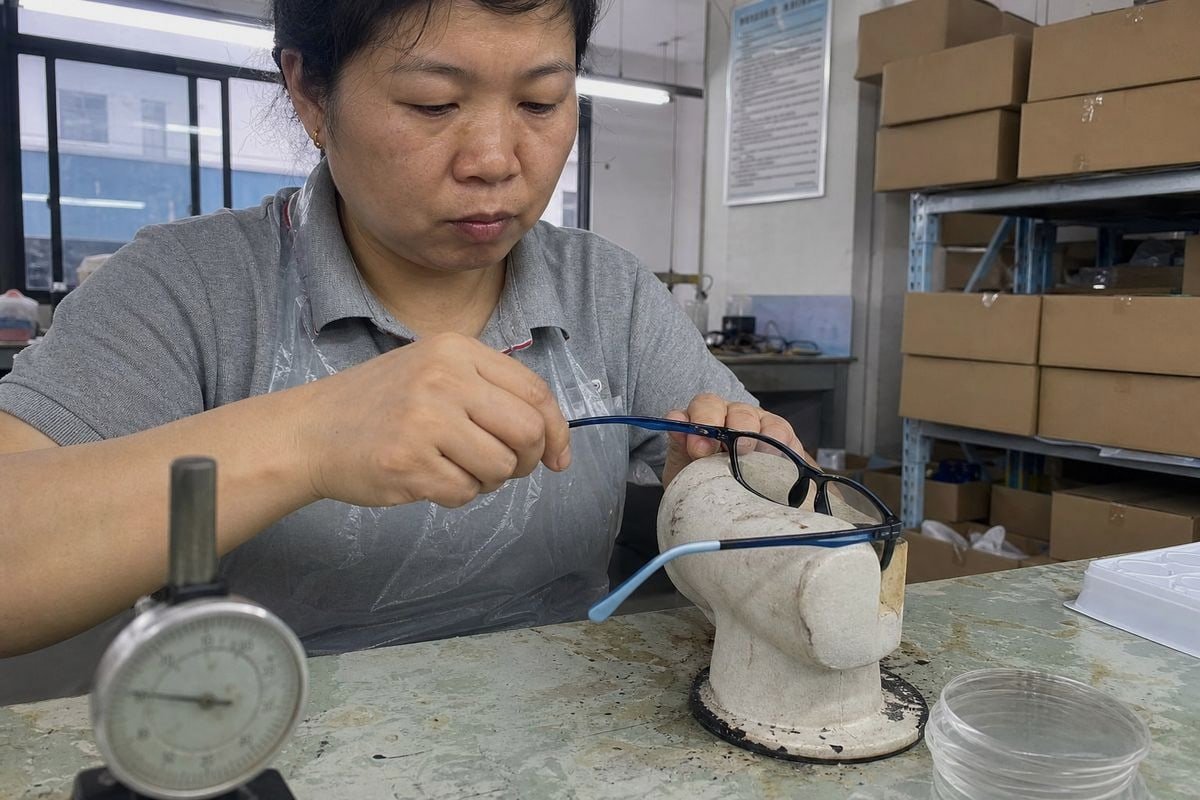
Choosing kids optical frames 1 for hyperopia worries many parents and buyers. On our production line in Taizhou, we see why: a frame that fails, fails the prescription too.
Kids optical frames for all-day hyperopia wear must be lightweight, flexible, and impact-resistant, fit the face width and bridge correctly, hold the pupils centered behind the lenses, keep a stable vertex distance, and use comfort features like soft temple tips so children keep them on willingly.
That is the short answer. Below, I break it into four practical questions: materials, safety, fit, and willingness to wear. Each one affects whether the correction actually works.
How Do I Choose Frame Materials That Stay Comfortable on My Child's Face All Day?
Last spring, a QC batch test at our factory stopped a shipment: one temple material felt stiff after cold storage. That tiny detail decides whether a child tolerates ten hours of wear.
Choose lightweight, flexible, hypoallergenic materials such as TR90, TPEE, or memory metal for kids' hyperopia frames. These materials bend without breaking, weigh less than standard acetate, resist skin irritation, and reduce pressure on the nose and ears during full-day, full-time wear.

Hyperopic children with higher prescriptions often need glasses full time, not just for reading. So the material touches their skin all day, every day. Weight matters first. A plus-power lens is thickest at the center, so the lens already adds grams. The frame must not add more. In our experience developing TR90 kids optical frames with TPEE temples, the combination works because the front stays rigid enough to hold the lens shape while the temples flex around the head without pinching.
Comparing Common Frame Materials for Children
| Material | Weight | Flexibility | Skin Safety | Best Use |
|---|---|---|---|---|
| TR90 | Very light | High, returns to shape | Hypoallergenic | Full-day optical wear |
| TPEE | Very light | Extremely soft and bendable | Hypoallergenic, eco-friendly | Temples and toddler frames |
| Memory metal | Light | Springs back after bending | Good with coating | Older kids, slim styles |
| Standard acetate | Moderate | Low | Generally safe | Fashion-first styles |
| Lightweight acetate | Light | Low to moderate | Generally safe | Style-driven school wear |
Hypoallergenic materials are not a luxury. Children sweat during play, and sweat plus a reactive material causes red marks behind the ears. We test our TPEE compounds for exactly this reason. Flexibility also protects the prescription itself: a frame that twists and recovers keeps the lenses aligned. A frame that warps shifts the optical centers, and the child quietly loses correction quality. For hyperopia, where consistent focus supports reading and schoolwork, that quiet loss matters more than a scratch or a scuff.
What Safety Standards Should My Kids' Optical Frames Actually Meet?
A procurement manager 2 from Australia once asked me a blunt question: "What breaks first, and where do the pieces go?" That question shapes how we engineer every kids' optical frame we ship.
Kids' optical frames should pair impact-resistant polycarbonate or Trivex lenses with flexible, break-resistant frame fronts, use hypoallergenic and eco-friendly materials, include smooth edges with no sharp points, and feature spring hinges that survive repeated outward bending during rough daily handling.
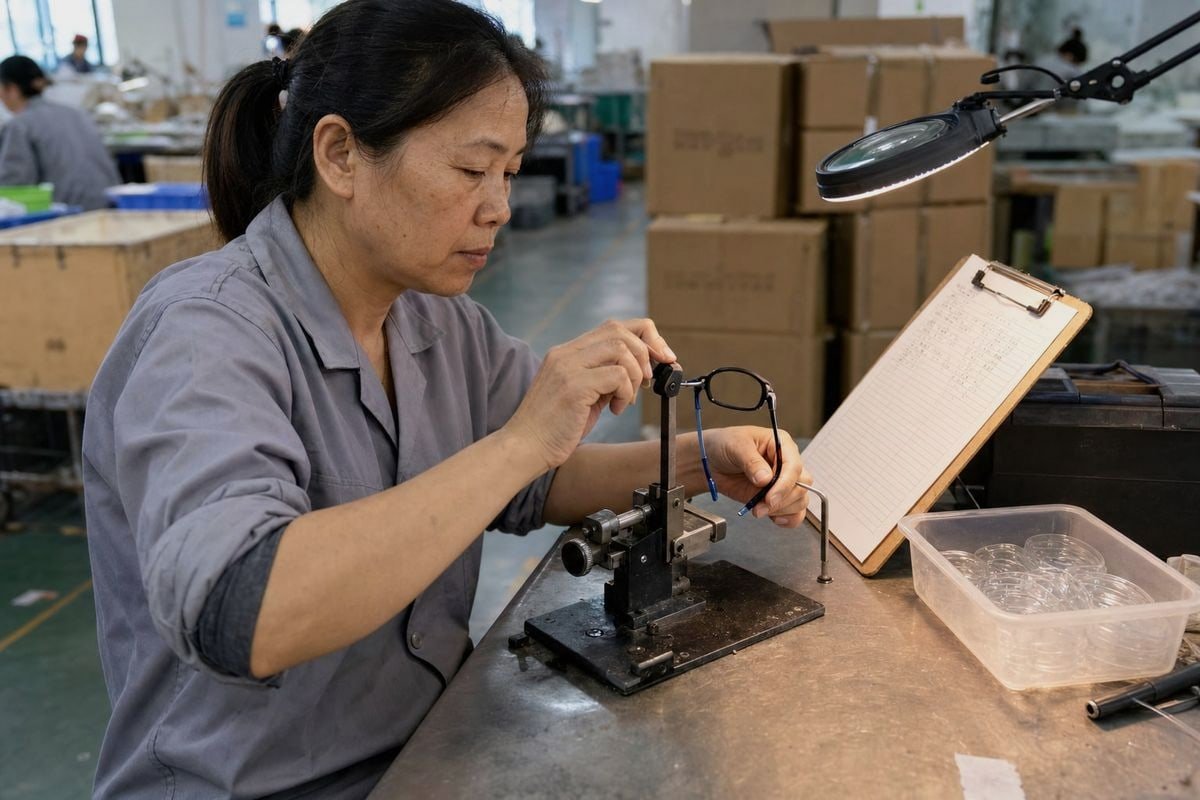
Safety in pediatric eyewear is a system, not a single spec. Pediatric optometry guidance consistently favors polycarbonate lenses or Trivex for children because both are impact-resistant and lighter than traditional plastic. That matters double for hyperopia: plus lenses are thicker in the center, so a lighter lens material directly improves comfort and safety during high-energy play. The frame must match the lens. Farsighted lenses often carry a steeper base curve, and a frame that is not base-curve compatible can warp under that curvature or allow lens pop-outs. We check groove depth and rim tension on our optical styles for exactly this reason.
The Safety Checklist We Apply in Our Workshop
- Lens compatibility: the frame accepts polycarbonate lenses without stressing the rim.
- No sharp edges: molded parts are polished, hinge screws are recessed.
- Flex testing: temples open past normal angle repeatedly without cracking.
- Material safety: compounds are hypoallergenic and free of harmful plasticizers.
- Retention: lenses stay seated after twist and drop simulation.
I would push back on one common buyer assumption here. Commercial listings often lead with style and color, while clinical sources stress fit and impact resistance. Both matter, but safety and durability are part of the prescription's effectiveness. A broken frame is an interrupted treatment. In our fifteen years making children's eyewear, the brands that grow are the ones that treat safety as the baseline, then add style on top.
How Can I Make Sure the Fit Supports My Child's Vision Correction Without Slipping?
Every fit decision is a trade-off we weigh at the design stage: a looser bridge feels softer at first try-on, but it lets the frame slide, and a sliding frame quietly weakens a high-plus prescription.
Match the frame width to the face, use a saddle bridge or adjustable nose pads for flatter pediatric noses, size temples so tips curve securely behind the ears, and keep pupils centered in small eye sizes to preserve vertex distance and optical accuracy.
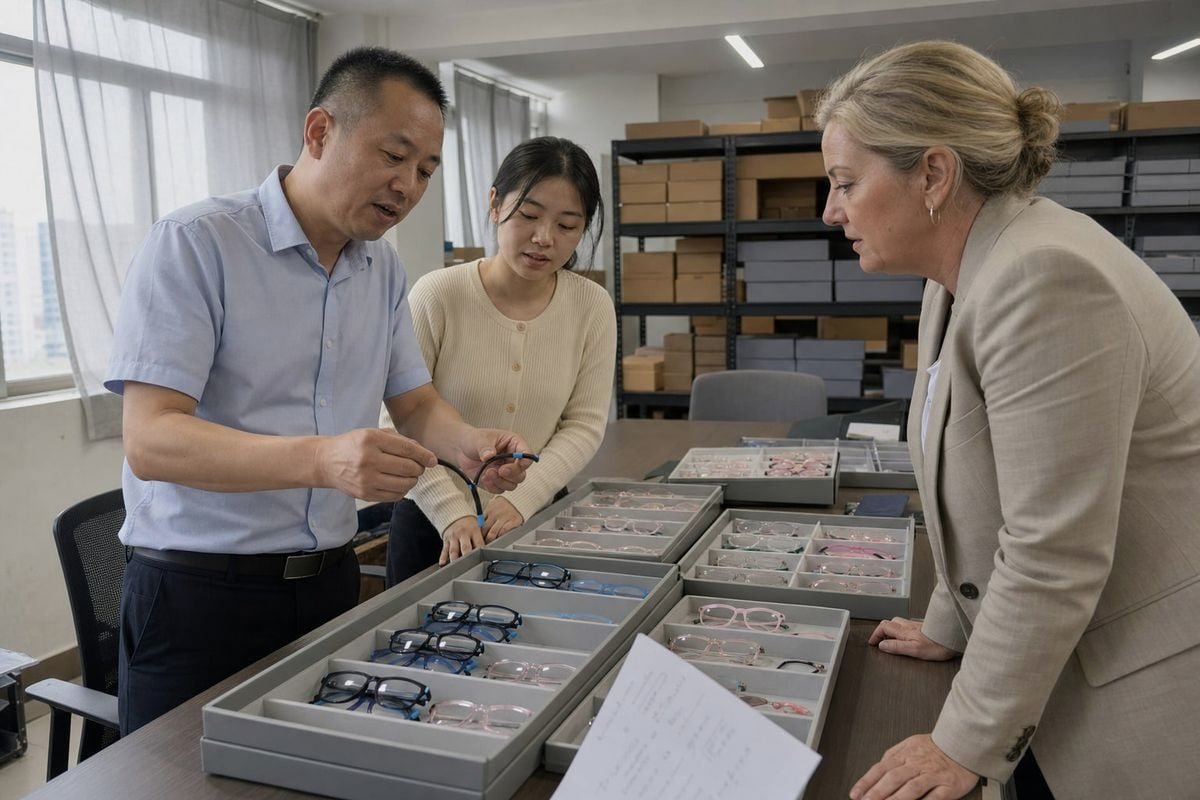
Fit is where hyperopia gets specific. With high-plus prescriptions, even minor shifts in vertex distance change the effective power of the lens. A frame that slides down the nose does not just look sloppy; the child receives a slightly different correction than the one prescribed. That is why frame front rigidity and a correct bridge fit are not cosmetic details. Pediatric fitting guidance highlights four measurable areas, and we build our sizing charts around them.
The Four Fit Zones That Decide Everything
| Fit Zone | What to Check | What Goes Wrong If Ignored |
|---|---|---|
| Frame width | Matches face; child cannot look over the top | Child peeks over frame, losing correction |
| Eye size | Small enough to center pupils | Thicker lens edges, peripheral distortion |
| Bridge fit | Saddle bridge or silicone pads sit flush on flatter noses | Frame slides, vertex distance drifts |
| Temple length | Tips reach behind ears without pressure | Slipping during play, sore spots |
Why Small Eye Sizes Help Hyperopia Specifically
Small frame eye sizes keep the child's pupils 3 perfectly centered, which minimizes lens thickness and peripheral distortion. Oversized frames do the opposite: they make plus lenses thicker and heavier, hurting both comfort and appearance. When we develop optical fronts for younger children, we deliberately keep lens shapes compact. Adjustable nose pads or a molded saddle bridge then anchor that compact front on a low nasal profile. Temple length finishes the job. Our curved TPEE ear hooks, with textured grip patterns, are designed so the frame stays put through recess and sport. Straps and silicone ear grips help active kids, but I always tell buyers: those are aids, not substitutes for correct sizing and a professional fitting. If glasses sit too tight, too loose, or off-center, the family should return to the optician for adjustment.
Which Frame Features Help My Child Wear Their Glasses Willingly All Day Long?
One lesson from years of sample reviews with kids' brands has stuck with me: children reject glasses for reasons adults never notice, like a hinge that tugs a strand of hair.
Kids wear glasses willingly when frames offer spring hinges, soft silicone temple tips, adjustable nose pads, playful colors the child chose, aspheric lens options that shrink magnification, and anti-reflective coatings that ease eye strain during long school days.
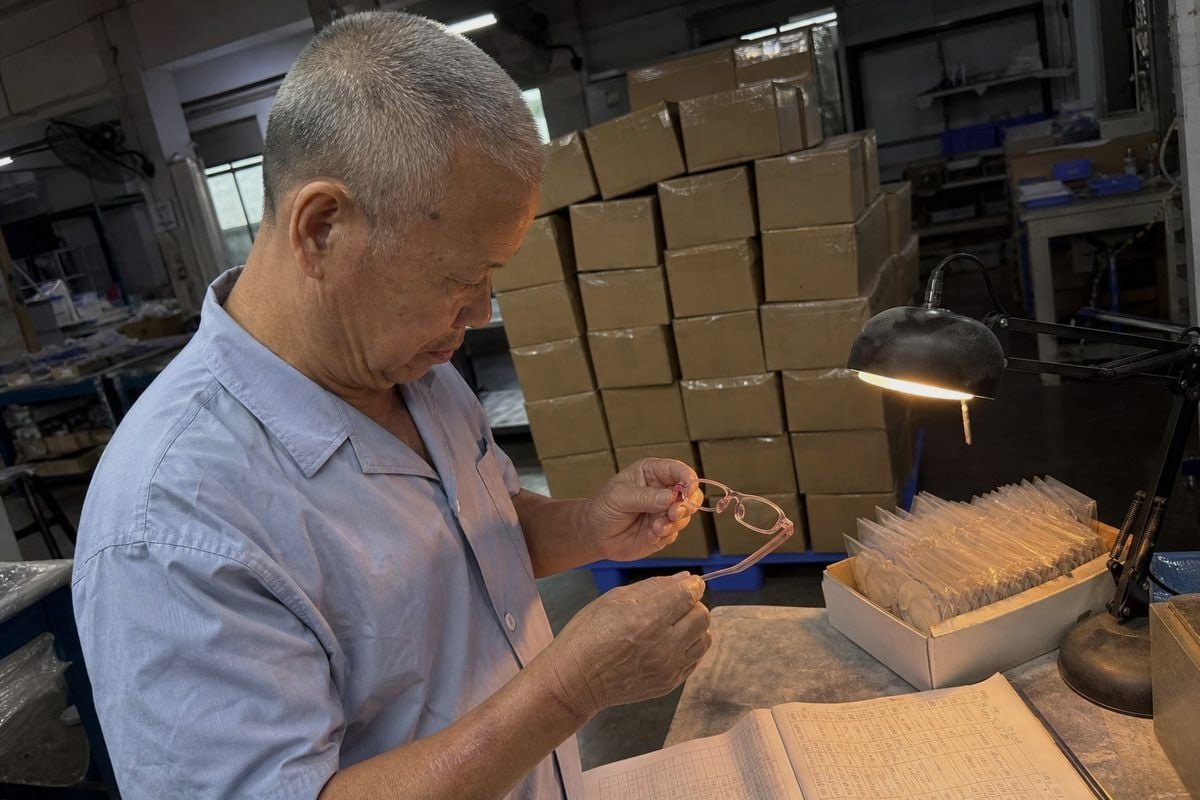
Compliance is the quiet variable behind every hyperopia prescription. Children are more likely to wear glasses they actually like, so direct child involvement 4 in choosing the frame is the single strongest driver of long-term, all-day wear. Style is not trivial. Our catalog of roughly 800 existing styles exists partly for this reason: brands can offer real choice, from a glossy black front with sky-blue silicone tips to a translucent pale pink acetate look, without heavy mold investment.
Comfort Features That Extend Wear Time
Mechanical details do the daily work. Spring hinges that flex outward, ideally to 180 degrees, forgive rough handling and keep the temples hugging the head. Cable temples or curved ear hooks add stability for sport. Soft, embossed silicone tips prevent pressure points behind the ears. Each feature removes one excuse to take the glasses off.
Lens Features That Reduce Fatigue
| Feature | Benefit for a Hyperopic Child |
|---|---|
| Aspheric lens geometry | Reduces the magnified-eye look and cuts plus-lens weight |
| Anti-reflective coating | High light transmittance eases visual fatigue and cognitive load during schoolwork |
| Polycarbonate lenses | Lighter weight lowers nose pressure across the day |
| Compact lens shape | Reduces lens thickness and edge distortion |
Hyperopic children constantly work their focusing system during near tasks. Anything that offers eye strain relief, from an anti-reflective coating to a lighter lens, makes the glasses feel like help rather than punishment. Give a child comfort, stability, and a frame they picked themselves, and full-day wear stops being a battle.
Conclusion
Kids optical frames for hyperopia must combine flexible, hypoallergenic materials, impact-resistant lenses, precise bridge and temple fit, and child-approved style. When those meet, all-day wear happens naturally.
Footnotes
1. Authoritative medical guide from the American Academy of Ophthalmology on selecting children’s eyewear. ↩︎
2. Statista provides market data and industry insights relevant to eyewear procurement and global trade. ↩︎
3. Information about the human pupil and its role in optical alignment and vision correction. ↩︎
4. AAO resource explaining how involving children in their eye care improves compliance and treatment outcomes. ↩︎
More Articles You Might Like

August 5, 2026
Bio-Based vs Regular Cellulose Acetate: What's the Difference for Kids' Frames?

August 5, 2026
How Recyclable Are Kids' Optical Frame Materials, and What Eco-Friendly Alternatives Exist?
August 5, 2026
Do Kids Optical Frames Whiten or Age in Storage, and How to Control Warehouse Conditions?
Looking for a Reliable Kids Eyewear Partner?
Explore 800+ ready styles and full OEM/ODM support tailored to your brand.
Get in Touch English
  Español de México
  Deutsch
  Français
  日本語
日本語  العربية
  Português do Brasil