What Are the Most Common Pitfalls to Avoid When Ordering Kids’ Optical Frames?
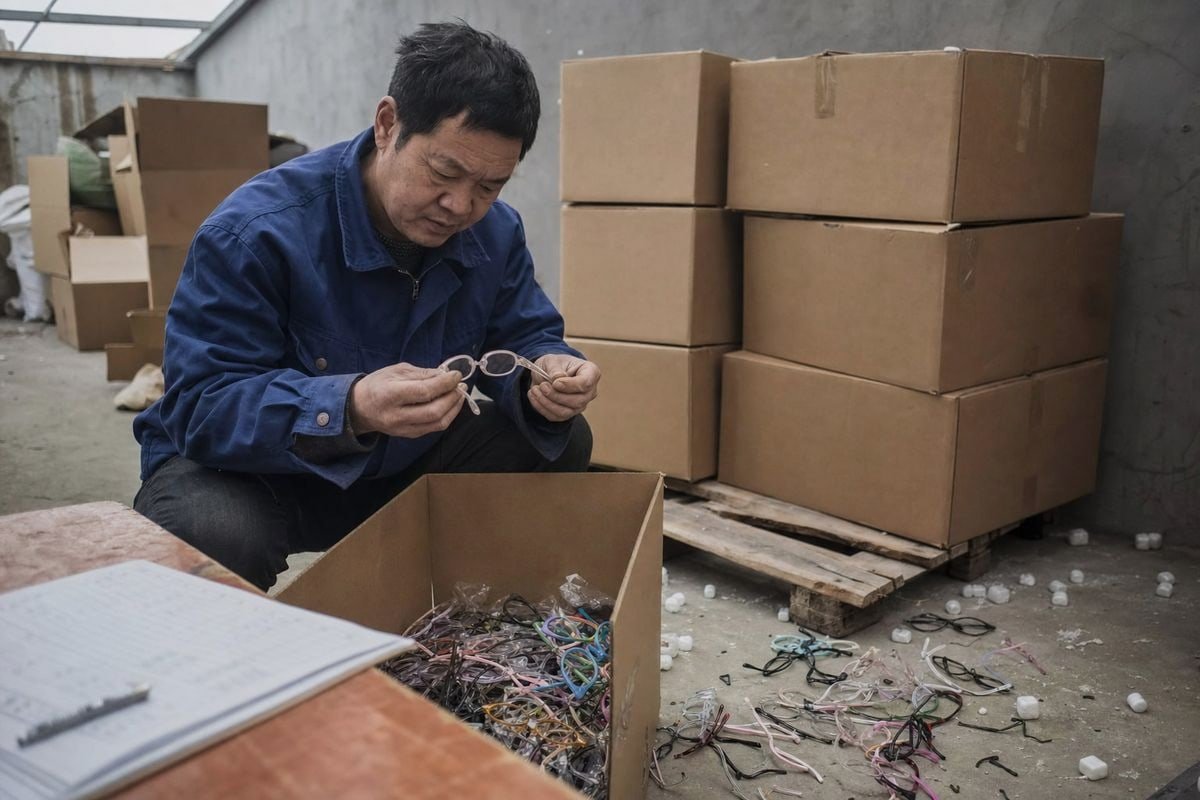
Ordering kids’ optical frames looks simple until the first container arrives wrong. On our Taizhou production line, we have seen brands lose entire launch seasons to avoidable mistakes.
The most common pitfalls when ordering kids’ optical frames are choosing rigid or unsafe materials, skipping pre-shipment quality control, committing to high MOQs on unproven custom molds, and communicating specs vaguely during sampling. Each mistake causes returns, delays, or safety failures that damage a children’s eyewear brand.
I want to walk you through each of these traps one by one. I will show you what goes wrong, what it looks like in real orders, and how to prevent it before you sign a purchase order.
How can I avoid choosing the wrong materials for my kids' optical frame order?
A buyer from Australia once sent us a competitor's frame that had snapped at the hinge. Her return rate was climbing, and the cause was a cheap, rigid plastic never meant for children.
Avoid wrong materials by specifying flexible, hypoallergenic frame materials like TR90 and TPEE, requesting impact resistance standards documentation, and testing physical samples on real children's faces. Reject rigid acetate copies, unverified "eco" resins, and any frame that cracks instead of bending under twist pressure.
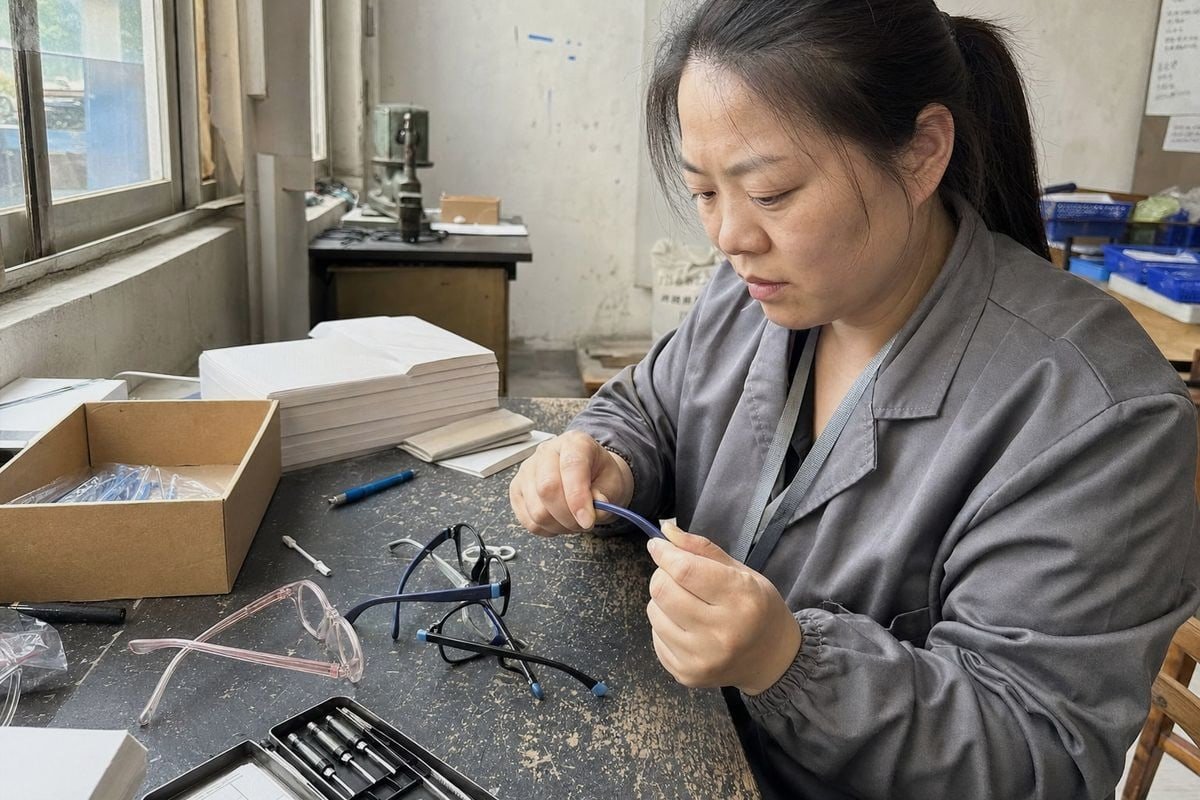
Material choice is the single decision that shapes everything downstream: safety, comfort, durability, and your warranty and replacement policy costs. Kids do not treat glasses gently. They sleep in them, sit on them, and pull them off with one hand. A frame material that survives adult use for years can fail on a child within weeks.
Why flexibility matters more than hardness
In our fifteen years making children's eyewear, the frames that survive are the ones that bend and return. That is the core of flexible frame technology. TR90 1 offers memory flexibility for the front frame. TPEE 2 goes further for temples, twisting almost flat without stress-whitening. We often combine them: a TR90 front with TPEE temples, plus silicone ear hooks for grip. Spring hinges add another layer of forgiveness when a child yanks the temples outward.
Comparing common kids' frame materials
| Material | Flexibilidade | Peso | Skin Safety | Typical Risk |
|---|---|---|---|---|
| TR90 | High, memory flex | Muito leve | Hypoallergenic | Low when virgin material is used |
| TPEE | Extremamente alto | Muito leve | Hypoallergenic, soft touch | Low; ideal for temples |
| Standard acetate | Low to medium | Mais Pesado | Generally safe | Cracks at hinges; heat-sensitive adjustments |
| Cheap injected plastic | Baixo | Leve | Variable | Snaps on impact; sharp break edges |
| Bio-acetate / recycled resins | Médio | Médio | Usually safe | Limited adjustment range; heat sensitivity |
One more warning from our workshop: some suppliers quote "TR90" but blend in recycled filler. The frame looks identical but turns brittle in cold climates. Always request material certificates, and do a simple twist test on samples. If the temple whitens or cracks, walk away. Also confirm the demo lenses and final lens plan — lentes de policarbonato 3 should be your default for children because they absorb impact rather than shattering.
What quality control mistakes should I watch for when working with an overseas frame manufacturer?
Last year, a European importer asked us to re-inspect a shipment from another factory. Nearly a third of the frames had misaligned temples. That inspection cost him less than the returns would have.
Watch for skipped pre-production samples, no in-line inspection during molding and assembly, missing impact resistance standards testing, unverified hinge torque, and no final AQL inspection before shipment. Demand a documented QC checklist covering dimensions, hinge function, surface finish, lens quality, and packaging integrity.
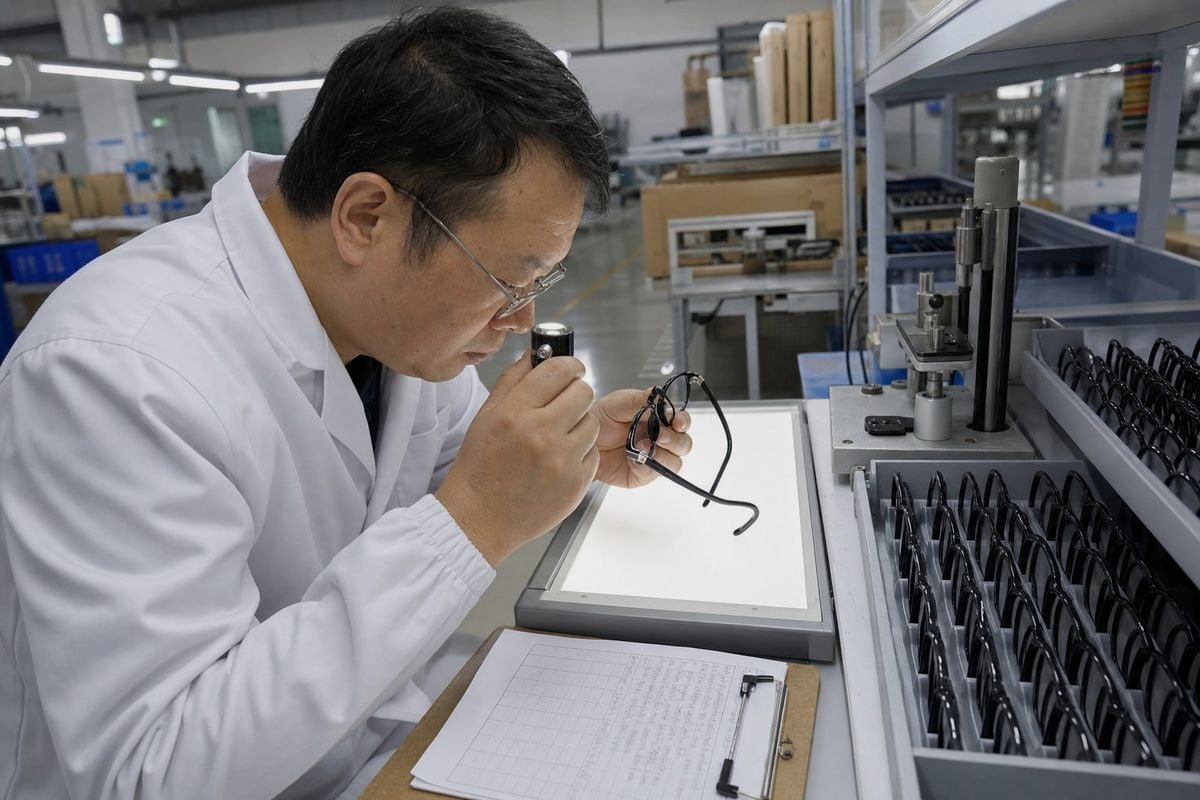
Quality control failures rarely announce themselves at the factory. They show up months later as customer complaints, and by then your brand carries the damage, not the supplier. Independent testing of online eyewear orders has found alarming failure rates — one widely cited study reported that 44.8% of glasses ordered online had incorrect prescriptions or failed safety standards, and 29% of children's glasses failed impact testing. That study covered online vendors specifically, but the lesson applies to any unsupervised supply chain: children's eyewear fails more often than adult eyewear when nobody checks.
The QC stages you should never skip
- Pre-production sample approval. Sign off a golden sample. Every later inspection compares against it.
- Incoming material inspection. Verify raw TR90, TPEE, or acetate lots before molding starts.
- In-line inspection. Catch color drift, flash lines, and hinge misalignment during production, not after.
- Function testing. Check spring hinges through repeated open-close cycles and confirm temple length adjustment holds its set position.
- Final AQL inspection. Use a recognized sampling standard 4 on finished, packed goods before payment of the balance.
Red flags in a supplier's QC culture
Our 5S-managed workshop taught us that tidiness predicts quality. When you audit a factory, look at the floor, the labeling of work-in-progress, and whether inspectors have written criteria or just "experience." Ask how they handle bridge fit and stability checks — a frame can pass every dimension test and still sit crooked if the bridge molding is inconsistent. Ask for their rework rate. A factory that claims zero defects is hiding data, not achieving perfection.
How do I prevent MOQ and customization missteps when launching a new kids' eyewear collection?
The trade-off I discuss most with new brands is this: custom molds give you a unique shape, but they lock cash into unproven designs before a single frame sells.
Prevent MOQ missteps by launching from a supplier's existing style library instead of custom molds, negotiating mixed-color MOQs, and limiting customization to colors, logos, lenses, and packaging. Reserve tooling investment for a second order, after real sales data proves which shapes and sizes your market wants.
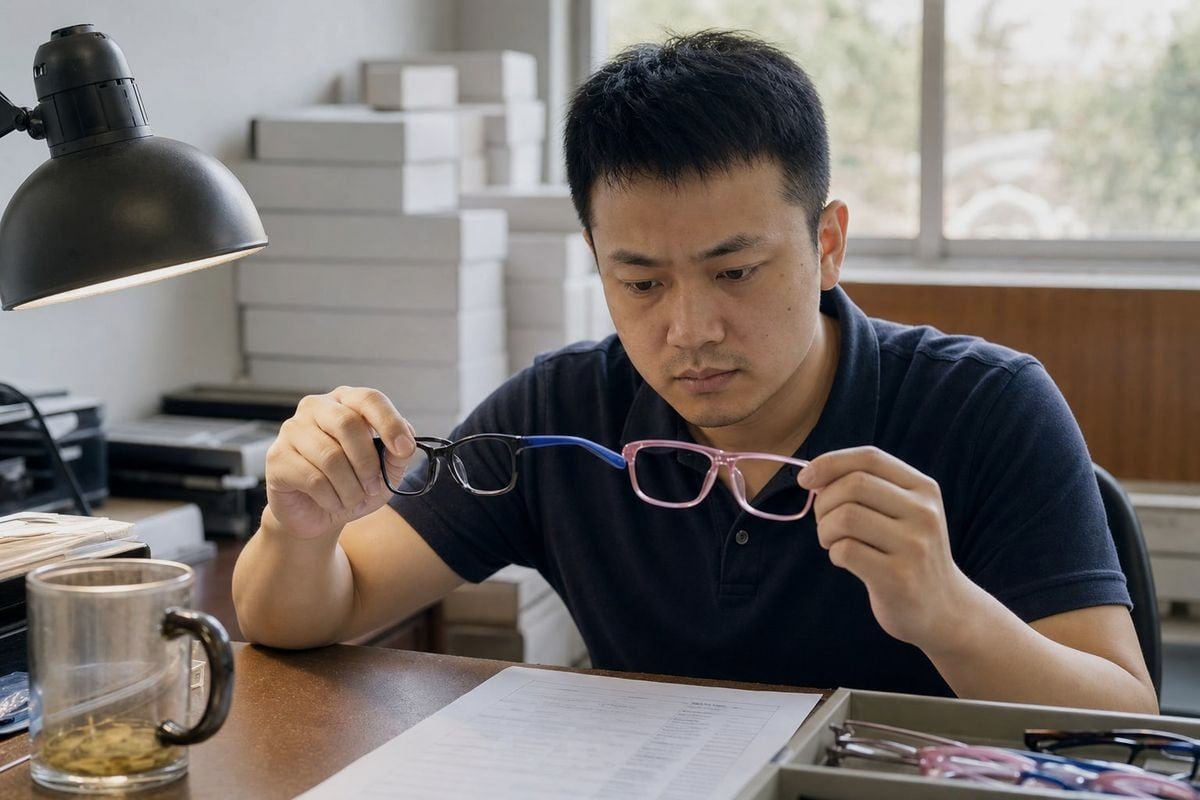
New brands often assume customization means starting from zero. It does not. At our factory, buyers choose from roughly 800 existing children's styles and then customize colors, temple materials, logos, lens options like UV400 5 or polarized, and retail-ready packaging. That path cuts launch risk dramatically, because the mold cost is already amortized and the fit geometry is already proven on children's faces.
Two launch paths compared
| Fator | Existing-style OEM launch | Full custom mold launch |
|---|---|---|
| Tooling cost | Nenhuma | Significant upfront investment per mold |
| MOQ per style | Lower, often mixable across colors | Higher, to justify mold amortization |
| Prazo de entrega | Faster; molds exist | Longer; mold making plus trial runs |
| Fit risk | Low; sizing already validated | High until wear-tested on children |
| Brand uniqueness | Medium; via colors, logos, packaging | High; proprietary shape |
| Melhor para | First collections, market testing | Proven bestsellers, second-phase scaling |
Customization details buyers forget
Sizing is where kids' collections quietly fail. Age labels are unreliable; two six-year-olds can have very different head widths and bridge shapes. Build your range around actual frame measurements, and consider adjustable nose pads or molded silicone bridges for stability across face shapes. Think about your online eyewear sizing guide from day one — if you sell online, parents need clear lens width, bridge, and temple measurements, not just "ages 4–7." Also decide early on lens specs: demo lenses for optical channels, or finished polycarbonate lenses with UV protection for plano sun styles. Finally, involve kids in the aesthetics. Frames children refuse to wear generate returns just as surely as frames that break.
What communication and sampling errors most often delay my kids' optical frame production?
Early in my export career, I learned an expensive lesson: a buyer wrote "pink temples," we shipped blush, and she expected fuchsia. One missing Pantone code delayed her season by six weeks.
The costliest errors are vague specifications without Pantone codes or technical drawings, approving samples by photo instead of physical inspection, skipping wear-testing on real children, ignoring pupillary distance measurement and lens fitting requirements, and failing to document every agreed change in writing before mass production begins.
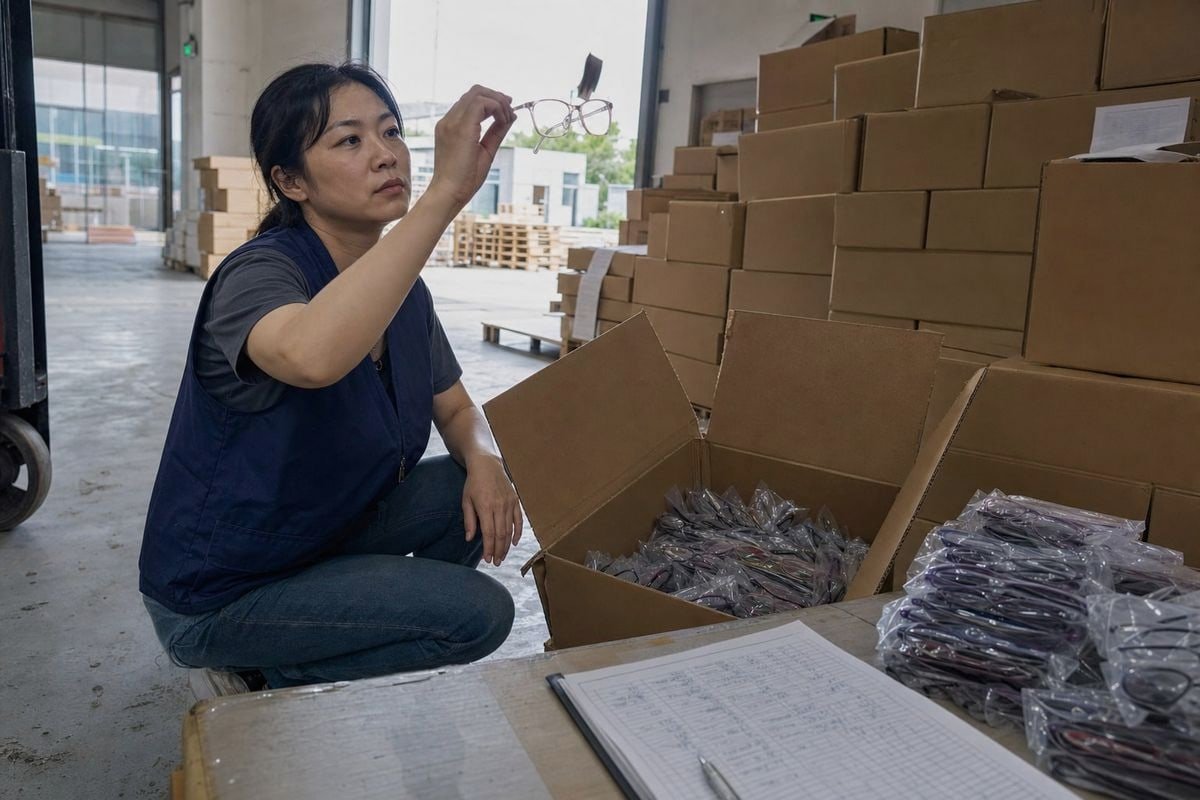
Sampling is not a formality. It is the only moment when fixing a problem costs days instead of months. Yet buyers under launch pressure routinely compress it, approve by WhatsApp photo, and pay for that shortcut later. Photos cannot show hinge tension, bridge fit and stability on a small nose, or whether a temple tip presses behind a child's ear. Only a physical sample, ideally worn by children in your target age group during real activity, reveals those flaws.
A specification checklist that prevents delays
| Specification item | What to define precisely |
|---|---|
| Cores | Pantone codes for frame, temples, and hinge parts |
| Dimensions | Lens width, bridge width, temple length, frame height |
| Materials | Exact grades of TR90, TPEE, silicone components |
| Hardware | Spring hinges type, screw specs, ear hook design |
| Lentes | Polycarbonate lenses, UV400, demo or Rx-ready |
| Fit features | Adjustable nose pads, pantoscopic tilt allowance |
| Branding | Logo position, method, artwork files |
| Embalagem | Case, cloth, insert, barcode, carton markings |
Communication habits that keep production on schedule
Confirm everything in writing after every call. Keep one master spec sheet with version numbers, so "the latest file" is never ambiguous. If your frames will carry prescription lenses, share your optician's requirements early — pupillary distance measurement 6 ranges and lens curvature affect how much wrap a frame can carry, especially for myopia management lenses 7 that demand stable positioning. Remember that professional optician fitting happens after your frames ship, so build adjustability in: flexible temples, adjustable ear hooks, and bridges that hold their shape. And agree on your warranty and replacement policy with your supplier before problems occur, not after.
Conclusão
Most kids' optical frame failures trace back to four pitfalls: wrong materials, weak QC, risky MOQ decisions, and vague sampling. Avoid those, and your collection launches safely, on time, and on brand.
Notas de rodapé
1. TR90 is a nylon-based copolymer; background on the material family aids reader understanding. ↩︎
2. TPEE is a thermoplastic elastomer; Wikipedia explains its flexible polymer properties. ↩︎
3. Explains the impact-resistant polymer used for children’s safety lenses. ↩︎
4. ISO develops recognized acceptance sampling and quality
Mais Artigos que Você Pode Gostar
5 de agosto de 2026
Acetato de Celulose Bio-Baseado vs. Regular: Qual a Diferença para Armações Infantis?
5 de agosto de 2026
Quão Recicláveis São os Materiais de Armações Ópticas Infantis e Quais Alternativas Ecológicas Existem?
5 de agosto de 2026
As Armações Ópticas Infantis Branqueiam ou Envelhecem em Armazenamento e Como Controlar as Condições do Armazém?
Procurando um Parceiro Confiável em Óculos Infantis?
Explore mais de 800 estilos prontos e suporte completo OEM/ODM adaptado à sua marca.
Entre em Contato English
  Español de México
  Deutsch
  Français
  日本語
日本語  العربية
  Português do Brasil