Should You Sign an Exclusive Supply Agreement for Kids’ Sunglasses Procurement?
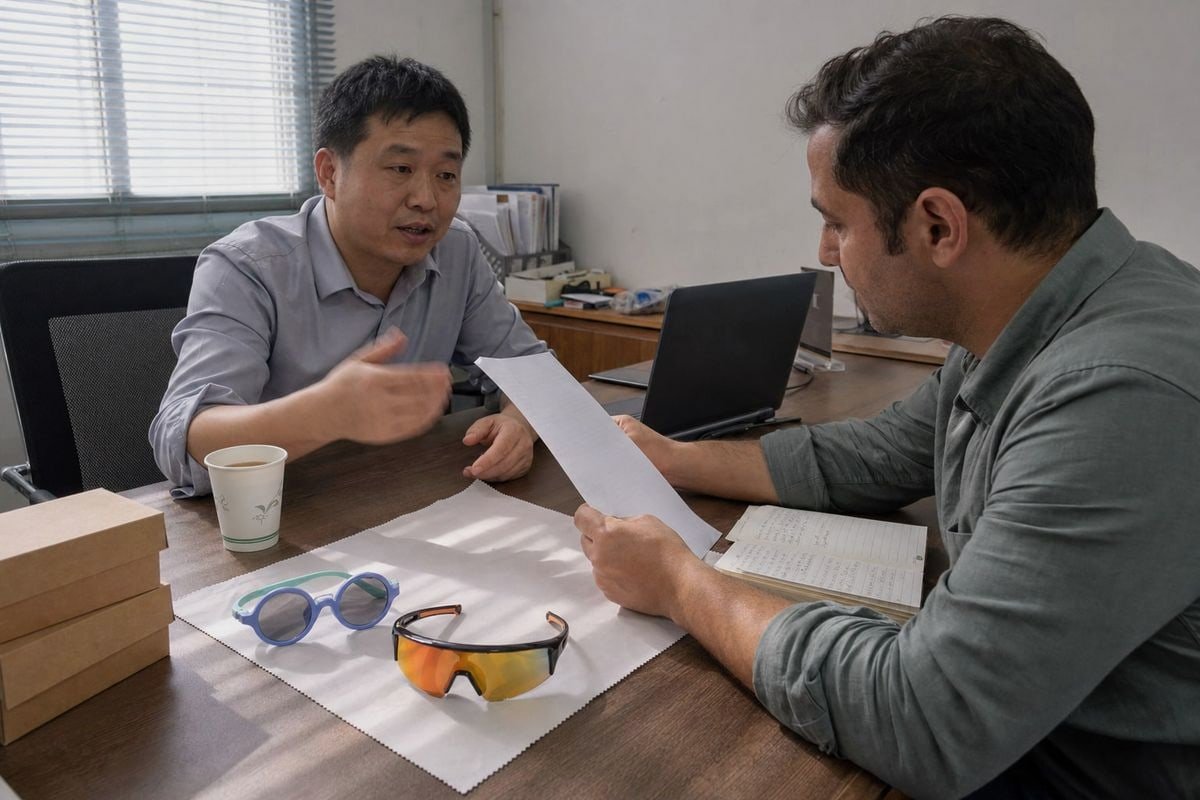
An exclusive supply agreement for kids’ sunglasses procurement sounds safe — one factory, one contract, one relationship. On our production line, I’ve seen it work brilliantly and fail painfully.
Sign an exclusive supply agreement for kids’ sunglasses procurement only when you need custom molds, guaranteed capacity, or strict compliance control. Otherwise, use a preferred-supplier or hybrid model. Exclusivity is a tool for control, not a default buying strategy for children’s eyewear.
Let me walk you through both sides. I’ll cover the real benefits, the hidden risks, how to vet a factory for exclusivity, and the exact terms worth negotiating.
What are the real benefits of an exclusive supply agreement with a kids' sunglasses manufacturer?
A few years ago, a Japanese kids' brand asked our factory in Taizhou for an exclusive deal on three TR90 frame styles. Their reasoning taught me a lot about when exclusivity genuinely pays off.
The real benefits are locked-in pricing, guaranteed production capacity, consistent quality control, custom mold investment, and simplified compliance documentation. Exclusivity gives a kids' sunglasses manufacturer confidence to invest in your brand, and gives you price volatility protection and priority slots in peak season.
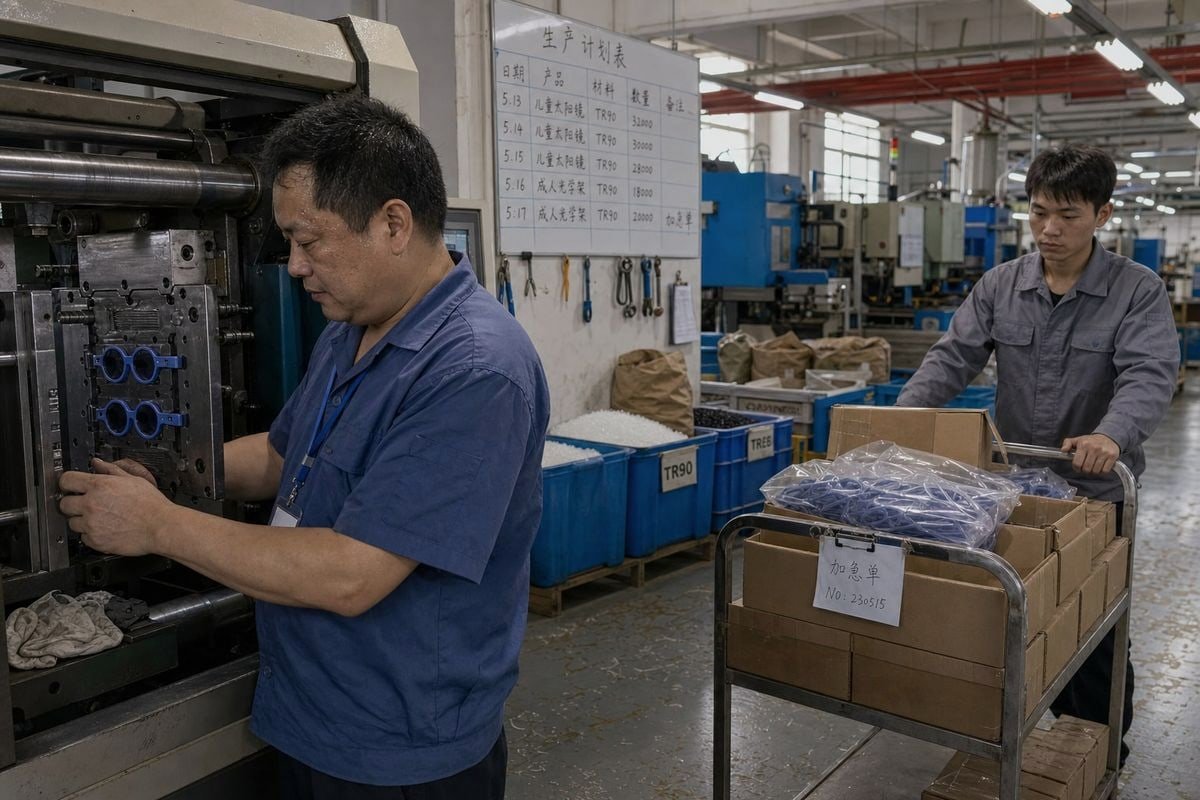
The strongest argument for exclusivity is commitment on both sides. When a buyer guarantees volume, we can plan raw material purchases months ahead. That means price volatility protection when TPEE or lens coating costs spike. It also means lead time reliability, because your orders sit at the front of the queue.
Quality and compliance become easier to control
Children's eyewear is not a casual category. Buyers need padrões de proteção UV400 1, impact-resistant lenses, BPA-free materials 2, and — for the US market — conformidade com CPSIA 3. Auditing all of that across five fragmented suppliers is hard. Auditing it with one accountable partner is much simpler. In our experience exporting to 20+ countries, buyers with a single documented supply chain pass retailer audits faster.
The supplier invests back into your brand
Exclusivity also unlocks deeper private label branding 4. A factory with guaranteed business will fund custom molds, proprietary colorways, and retail-ready packaging that it would never risk on a one-off order.
| Benefit | What it looks like in practice |
|---|---|
| Stable pricing | Fixed or capped pricing over the contract term |
| Priority capacity | First access to production slots in spring and summer peaks |
| Uniform quality | One QC standard, one defect rate, one fit specification |
| Compliance control | Centralized test reports, material certificates, traceability |
| Personalização | Custom molds, logos, lenses, and packaging investment |
What risks should I consider before locking into an exclusive eyewear supplier?
I'll be honest about something buyers rarely hear from a factory: I have advised clients not to sign exclusive terms with us when their volumes and product mix didn't justify it.
The main risks are single-point-of-failure dependency, weakened price negotiation, vendor lock-in risks when quality slips, fashion lag on fast-moving trends, and sustainability lock-in if the supplier misses new eco-certifications. Long exclusive terms also raise procurement and competition-law concerns in some markets.
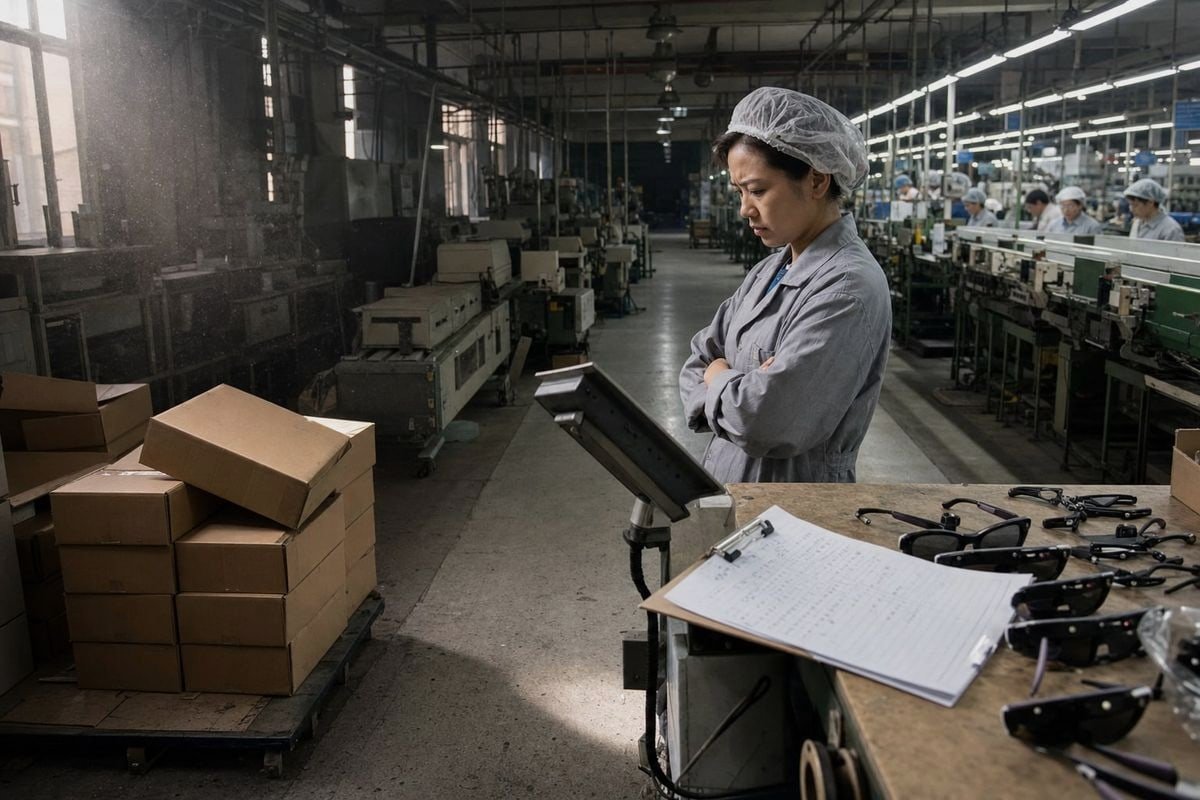
The biggest danger is concentration. If your only supplier suffers a factory shutdown, a shipping crisis, or a failed batch test, your entire inventory pipeline stops. There is no immediate alternative. For seasonal products like kids' sunglasses, missing a spring delivery window can wipe out a whole year's revenue.
Leverage shifts once you sign
Before an exclusive deal, you can benchmark quotes freely. After it, leverage moves toward the supplier. Without price-review clauses, you may pay above market within two years. This is why supply chain diversification 5 remains the default advice in procurement guidance — competition keeps everyone honest.
Fashion lag and sustainability lock-in
Kids' eyewear trends move fast. A viral wraparound shield style with mirrored gradient lenses can dominate a season, then vanish. If your contract binds you to a supplier's existing tooling, competitors pivot while you wait. The same applies to regulation: if your exclusive partner cannot deliver bio-acetate or recycled plastic options when retailers demand them, your brand is stuck.
Legal and procurement exposure
Regulators can view exclusive supply contracts as exclusionary if they block rivals from needed inputs, especially where one party has market power. Most kids' brands are far from that threshold, but public-sector or school buyers should still favor regular tenders and objective criteria.
| Risk | Trigger | Mitigação |
|---|---|---|
| Single point of failure | Factory disruption, failed audit | Prequalified backup supplier |
| Price drift | No benchmarking rights | Annual price-review clause |
| Fashion lag | Long term, fixed SKU list | Tiered or style-limited exclusivity |
| Sustainability lock-in | New material regulations | Exit rights for missed certifications |
| Compliance failure | Failed UV400 or CPSIA testing | Termination for cause, recall obligations |
How do I know if my manufacturer can support exclusivity across multiple markets?
When a European buyer recently asked us to supply their brand exclusively across Australia, Japan, and the EU, my first response was a document checklist — not a price sheet. That order of priorities matters.
Verify multi-market capability by checking test reports against each region's UV400 protection standards and CPSIA compliance, confirming realistic MOQ and capacity headroom, auditing the workshop, reviewing material certificates for BPA-free materials, and running trial orders before committing to exclusive terms.
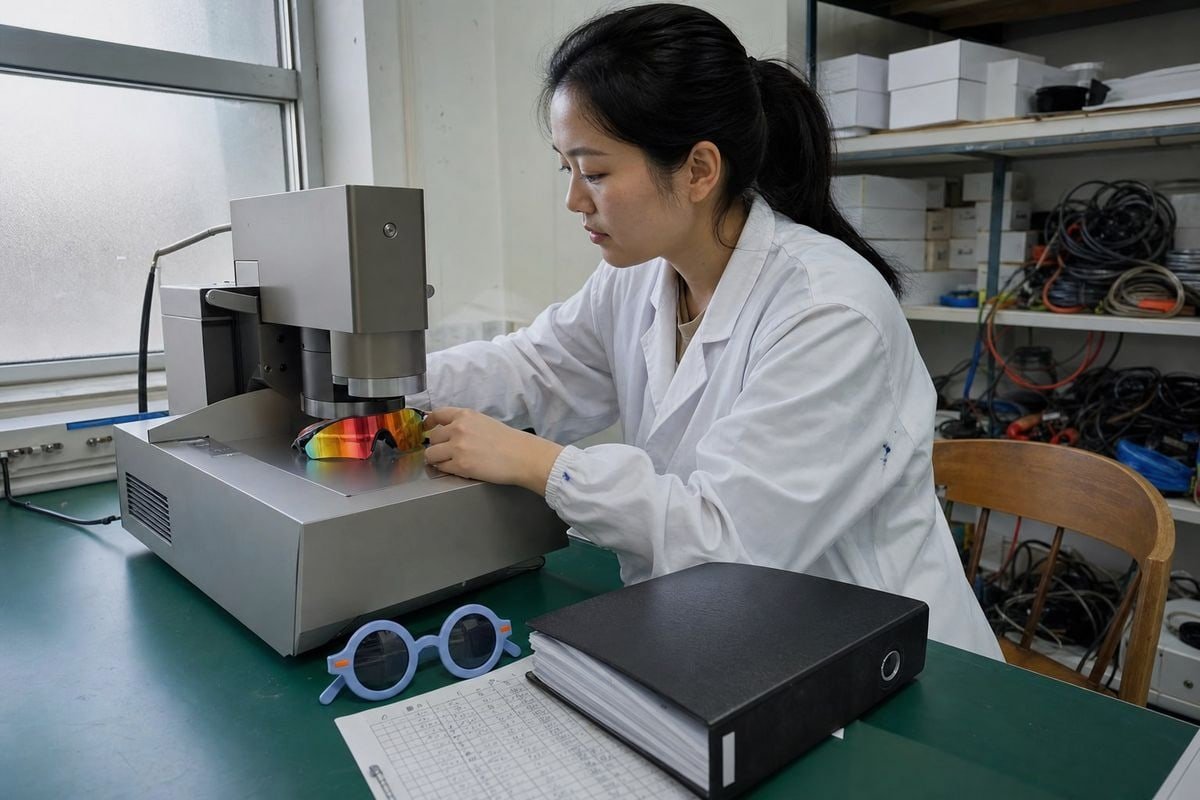
Exclusivity across markets is only as strong as the factory behind it. A supplier that can serve one country well may still collapse under three regulatory regimes and overlapping peak seasons. Here is how I recommend buyers test us — and any factory — before signing.
Run a structured qualification process
- Request full documentation first. Ask for lens test reports proving UV400 protection standards, material certificates confirming BPA-free materials, and evidence of impact-resistant lenses 6 meeting each target market's standard.
- Check regulatory coverage per market. The US needs CPSIA compliance and children's product certificates. The EU requires CE-aligned testing. Australia and Japan have their own labeling expectations. One report does not cover all.
- Audit real capacity, not claimed capacity. Our workshop runs about 120 workers under 5S management 7. A buyer should verify that exclusivity for their volume still leaves the factory headroom — a supplier at full capacity cannot promise priority slots.
- Test with trial orders. Current sourcing guidance for children's eyewear emphasizes small trial orders before scaling. Place two or three staggered orders and measure fill rate, defect rate, and lead time reliability.
- Assess design depth. A factory with a large existing style library — ours holds around 800 styles across sport shields, round flexible frames, and optical shapes — can pivot when trends shift, which protects you from fashion lag.
- Confirm OEM/ODM range. Multi-market exclusivity usually means market-specific packaging, languages, and private label branding. Verify the factory can execute all of it in-house.
Only after these steps does an exclusive discussion make sense. If a supplier resists documentation or audits, that is your answer.
What terms should I negotiate to protect my brand in an exclusive supply agreement?
The hardest negotiation I've sat through wasn't about price. It was about what happens when things go wrong — and that is exactly where an exclusive contract earns its keep.
Negotiate a defined SKU scope, a short initial term with performance-based renewal, realistic Minimum Order Quantity commitments, quality KPIs, audit and recall obligations, price-review and benchmarking rights, territory definitions, and clear exit rights for compliance failures, repeated defects, or late deliveries.
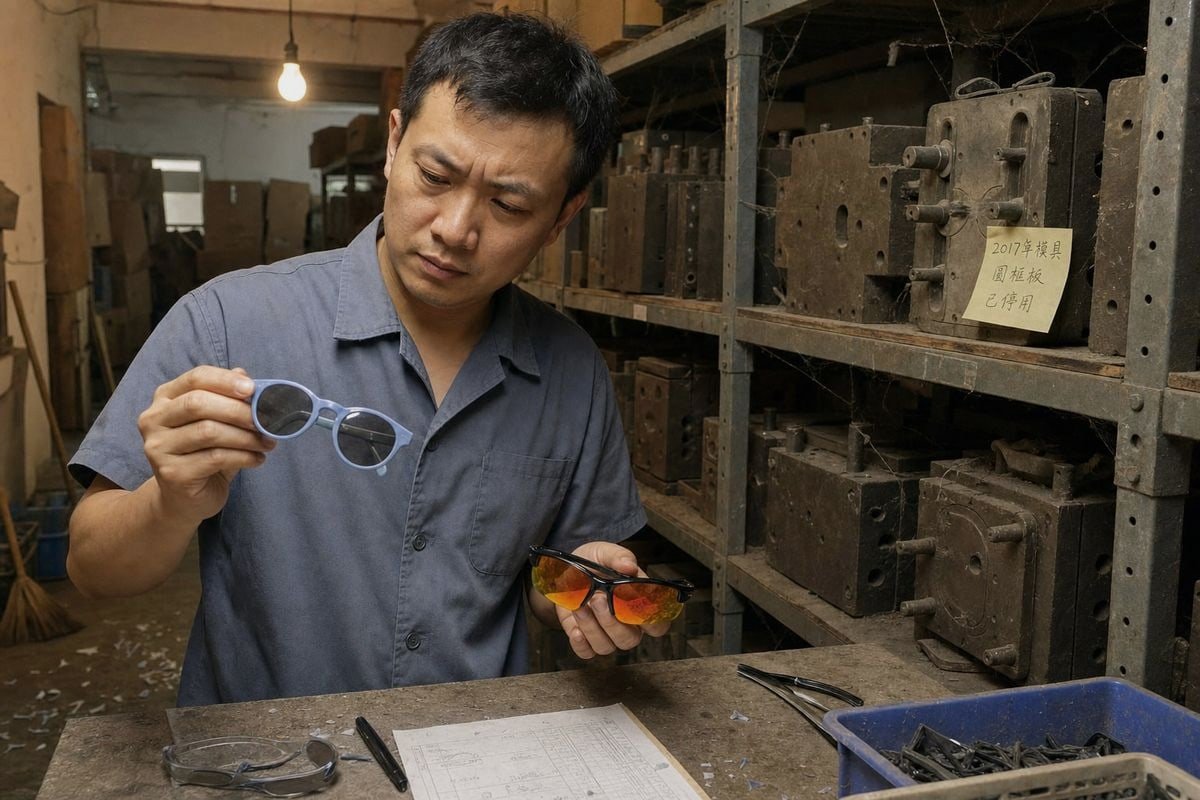
An exclusive supply agreement is only as safe as its exit doors. In wholesale eyewear manufacturing, the contracts that survive are specific about scope, measurable on performance, and honest about failure scenarios.
Define the scope narrowly
Never sign exclusivity for "kids' sunglasses" in general. List exact SKUs, molds, or style families. Consider tiered exclusivity: lock in your high-volume classic safety frames where cost efficiency matters, and keep fast-fashion trend pieces open to a non-exclusive pool. This hybrid model preserves supply chain diversification without losing the benefits of commitment.
Balance commitments on both sides
Exclusivity is a trade. You give volume certainty; the factory gives price protection and priority. Set the Minimum Order Quantity (MOQ) at a level your forecasts genuinely support, and define what happens if you fall short — a price adjustment is fairer than automatic termination.
| Cláusula | What to demand | Why it protects you |
|---|---|---|
| Term and renewal | 12-month initial term, renewal tied to KPIs | Avoids long-term lock-in on unproven performance |
| Quality KPIs | Defect rate, fill rate, on-time delivery thresholds | Makes underperformance measurable and actionable |
| Conformidade | Ongoing UV400 and CPSIA testing, audit rights, recall duties | Keeps child-safety documentation current |
| Pricing | Annual review with benchmarking rights | Prevents post-signing price drift |
| Territory | Defined markets and channels only | Stops the deal from blocking future expansion |
| Exit rights | Termination for failed tests, repeated defects, late delivery | Your escape route when trust breaks down |
Protect your intellectual property
If exclusivity funds custom molds, the contract must state who owns them, who paid for them, and whether they transfer or get destroyed at termination. I've seen brands lose their signature frame shape because mold ownership was never written down.
Conclusão
Exclusivity rewards brands that need control — custom molds, strict compliance, guaranteed capacity — and punishes those chasing convenience. Verify the factory, negotiate exit rights, and sign only when control clearly outweighs competition.
Notas de rodapé
1. WHO fact sheet on UV radiation explains why UV400 protection matters for children’s eyewear. ↩︎
2. FDA guidance on BPA safety supports the material certification claims discussed for kids’ eyewear. ↩︎
3. Official U.S. regulation governing children’s product safety testing referenced directly in the article. ↩︎
4. Background on private label manufacturing supports the article’s discussion of brand customization. ↩︎
5. Explains the broader supply chain concept underlying the article’s diversification advice. ↩︎
6. OSHA eye protection standards give authoritative context on impact-resistance requirements for lenses. ↩︎
7. Background on the 5S workplace organization system referenced for factory workshop standards. ↩︎
Mais Artigos que Você Pode Gostar
1 de agosto de 2026
A Fábrica Deve Lidar com a Embalagem e Rotulagem de Óculos de Sol Infantis, ou Usar um Fornecedor Designado?
1 de agosto de 2026
Armazém Próprio vs. Envio Direto do Fornecedor: Qual Reduz os Custos de Devolução para Marcas de Óculos de Sol Infantis?
1 de agosto de 2026
Armazém Direto ao Porto ou Estiva no Exterior: Qual Economiza Mais no Envio de Óculos de Sol Infantis?
Procurando um Parceiro Confiável em Óculos Infantis?
Explore mais de 800 estilos prontos e suporte completo OEM/ODM adaptado à sua marca.
Entre em Contato English
  Español de México
  Deutsch
  Français
  日本語
日本語  العربية
  Português do Brasil