How to Verify Licensed Cartoon Character Authorization for Kids’ Sunglasses Suppliers?
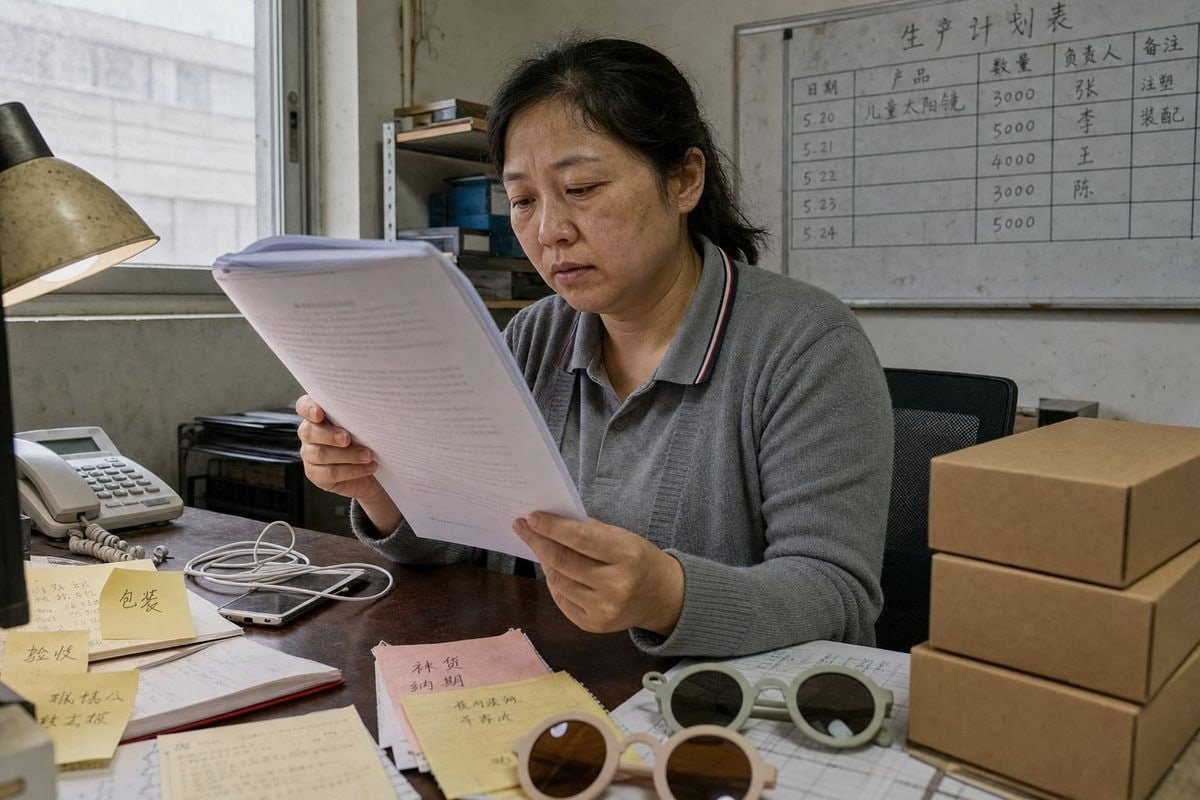
Verifying licensed cartoon character authorization for kids’ sunglasses suppliers is a question our factory hears constantly. One wrong assumption can cost buyers seized shipments, legal claims, and a damaged brand overnight.
To verify licensed cartoon character authorization, request the supplier’s licensing agreement or Letter of Authorization, confirm it covers eyewear, your territory, and current dates, then cross-check the supplier’s legal name directly with the brand owner’s licensing department before placing any order.
That is the short answer. But each of those steps has details that trip up even experienced importers. Let me walk you through what to check, what documents to demand, and when to skip licensed characters altogether.
What documents should I request to confirm a supplier's licensing is legitimate?
A buyer from Australia once forwarded us a supplier's "official license certificate" and asked our opinion. It was a factory business license — nothing to do with Intellectual Property rights at all.
Request a copy of the licensing agreement excerpt or Letter of Authorization naming the exact character, the rights holder, the licensee's full legal name, eyewear as the product category, your sales territory, and valid effective dates. Then verify it directly with the brand owner's licensing department.
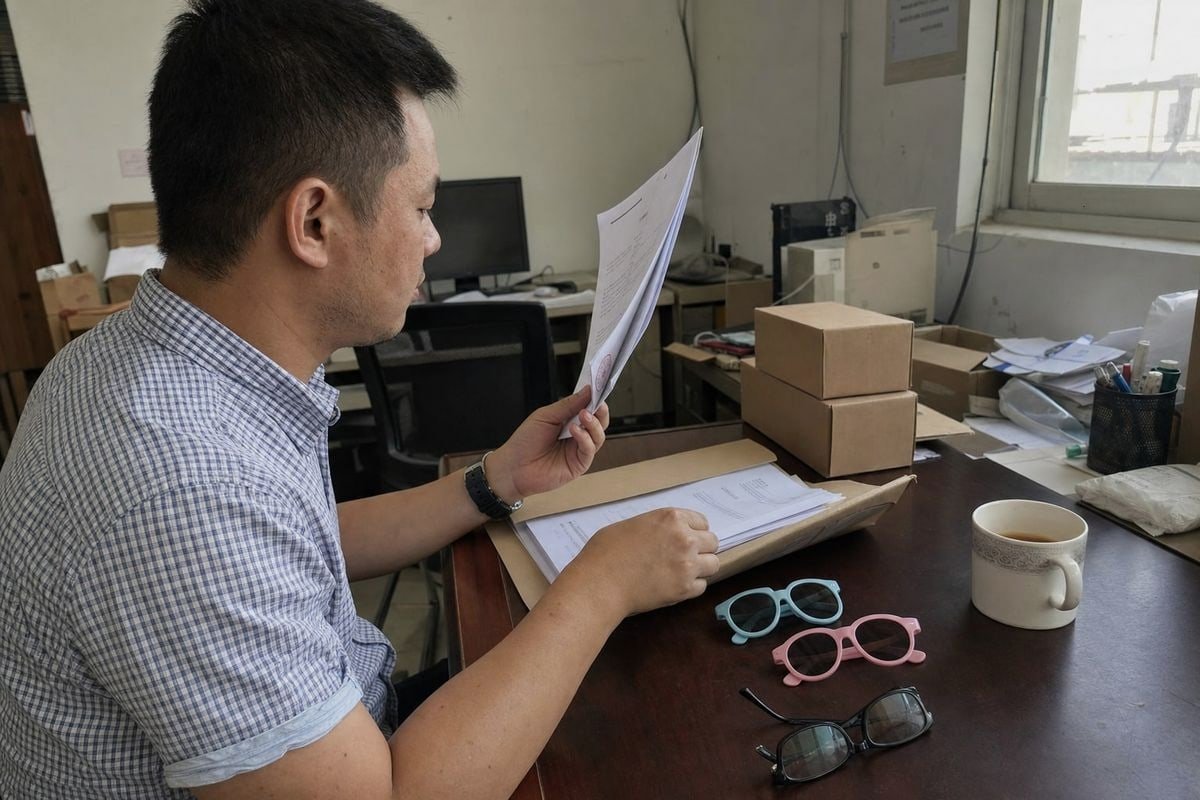
Character licensing is a contract-based permission system 1. "Officially licensed" is a legal status, not a marketing phrase, so it must be backed by paperwork. Over fifteen years of making children's eyewear, we have seen how strict legitimate licensors are. They control design approvals, packaging artwork, and even the factories allowed to touch their characters. So a real authorization chain always leaves a paper trail you can inspect.
Os documentos principais a serem solicitados
Ask for these, in this order of importance:
| Documento | O que prova | What to check |
|---|---|---|
| Licensing agreement excerpt | The supplier or its principal holds rights from the brand owner | Parties' full legal names, character name, product category, territory, dates |
| Letter of Authorization (LOA) | A factory is authorized by the licensee to manufacture | Must name the factory, the product, and reference the master license |
| Disney FAMA certification (or equivalent) | The specific facility is approved by the licensor | Facility name must match the actual production site |
| Style guide approval records | Artwork passed the licensor's approval process | Approved samples, packaging sign-offs |
| Lab test reports | Product safety compliance | UV400, lead content, and ideally a reference to the licensed brand program |
How to read what you receive
Match every detail. The character name must be exact. The product category language must explicitly include eyewear, sunglasses, or accessories — a license for toys does not cover sunglasses. The territory must include your market; a China-only sales license does not authorize export to Europe. The dates must be active at the time of both production and shipment, and ask about the sell-off period so you are not buying dead stock from a lapsed contract. Finally, verify the licensee's name against the brand owner's official licensee list, or email their licensing department 2. Legitimate official brand licensees expect this and cooperate readily.
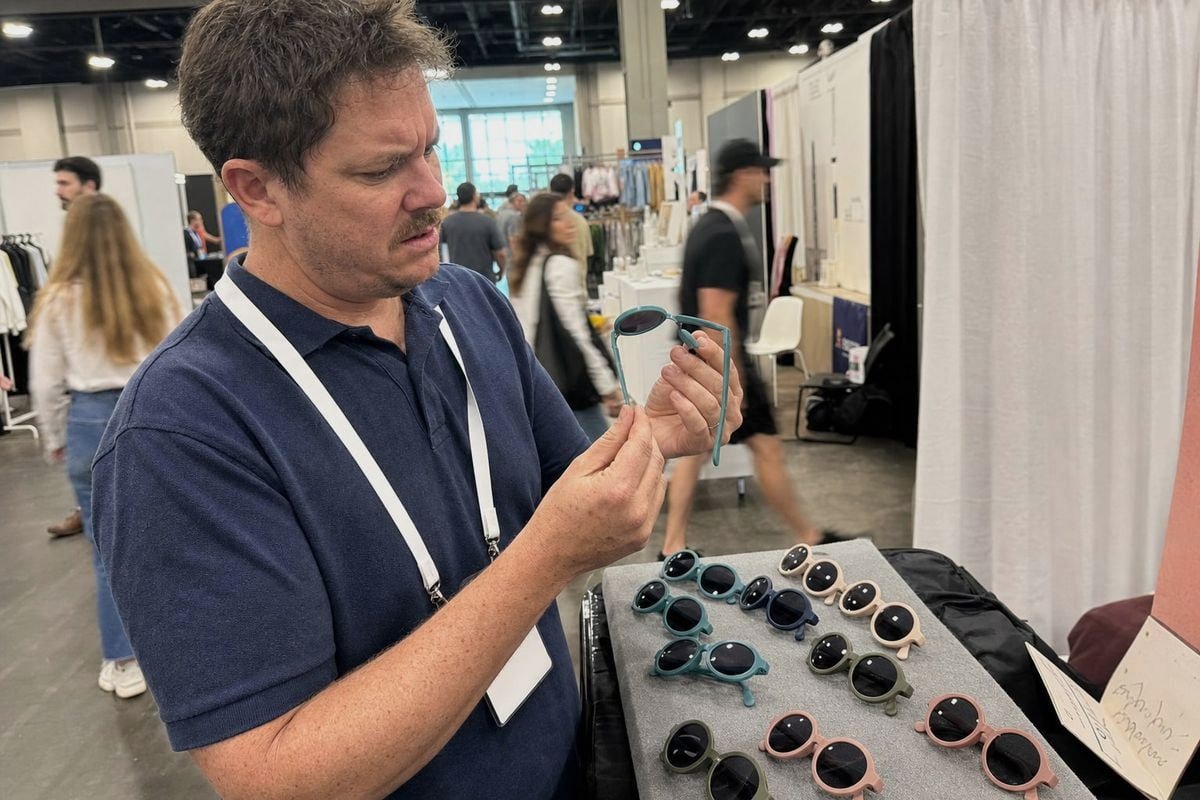
At trade shows, I sometimes walk aisles where booth after booth displays famous cartoon characters on kids' sunglasses. Our sales team can usually spot the unauthorized ones within seconds — the signals are surprisingly consistent.
Counterfeit sellers show vague "officially licensed" claims without documents, cannot name the rights holder, use inconsistent or off-model character artwork, lack hologram security labels or licensor hangtags, and offer prices far below what genuine royalty-bearing products can sustain.
Counterfeit eyewear rarely announces itself. It hides behind confident marketing language. So you need a checklist that separates verifiable facts from sales talk.
Red flags in supplier behavior
The strongest warning signs come from how a supplier responds to questions, not from the product photos. Watch for these patterns:
- The supplier says "licensed" but cannot name the actual brand owner or current licensee.
- The paperwork names a different product category — for example, apparel, not sunglasses.
- The authorization is expired, undated, or a low-quality scan with mismatched company names.
- The supplier presents generic certificates or factory audits as proof of IP authorization.
- Product pages use popular characters, but only marketing text supports the claim.
- The supplier refuses to provide a licensee contact for verification.
- The price is dramatically lower than comparable licensed products. Royalties typically add real cost, so a "licensed" item priced like a generic one is suspicious.
Physical and artwork checks
| Verifique | Genuine licensed product | Likely counterfeit |
|---|---|---|
| Security features | Hologram security labels, serial numbers, licensor hangtags | Missing, or crude imitations |
| Character artwork | Matches the official brand style guide exactly | Off-model faces, wrong colors, distorted proportions |
| Embalagem | Licensor copyright lines and legal notices | Missing or misspelled legal text |
| Test reports | Reference the licensed program and children's safety standards | Generic or absent |
Off-model artwork is a giveaway. Licensors enforce style guides down to color codes and pose libraries. If the character looks slightly "wrong," it almost certainly bypassed the approval process. Supply chain transparency is your final filter: a legitimate supplier can trace every step from brand owner to licensee to authorized factory, and will let you audit that chain.
What risks do I face if I import kids' sunglasses with unverified character licensing?
One importer approached us after a painful experience elsewhere: an entire container of character sunglasses 3 held at customs. He switched to developing his own branded line with us, but the lost season still stung.
Importing kids' sunglasses with unverified licensing exposes you to customs seizure of the full shipment, trademark infringement lawsuits, statutory damages, marketplace account suspension, mandatory product recalls, destroyed inventory with no refund, and lasting damage to your brand's retail relationships.
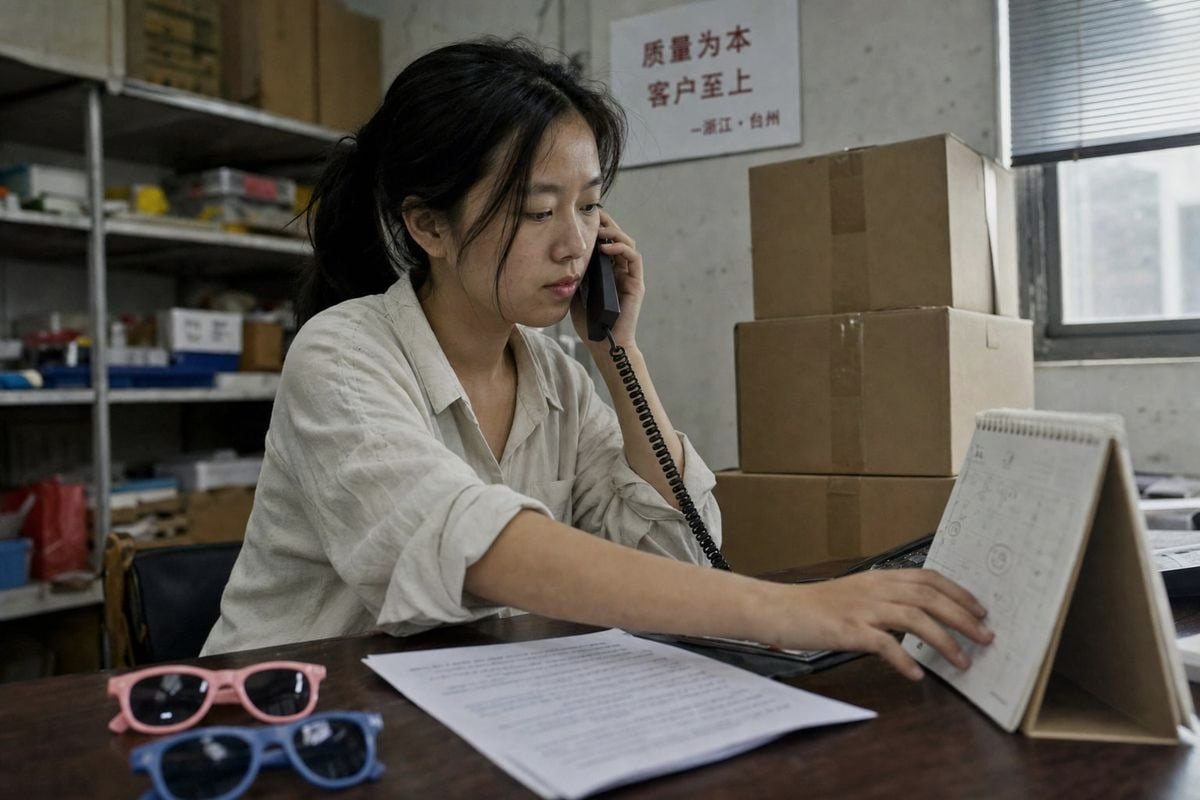
The risks stack on top of each other, and children's products amplify every one of them. Character-licensed goods are common in kids' accessories, which makes sunglasses a priority category for enforcement.
The risk stack, from border to courtroom
| Risk | O que acontece | Impacto de custo típico |
|---|---|---|
| Customs seizure | IP holders record trademarks with customs; suspect goods are detained and often destroyed | Full loss of goods plus freight; suppliers not on a brand's customs white list trigger extra scrutiny |
| Trademark infringement claims | Brand owners pursue importers, not just factories | Legal fees, damages, settlement costs |
| Marketplace enforcement | Amazon, eBay, and others remove listings and can suspend accounts | Lost sales channel, frozen funds |
| Safety liability | Unauthorized goods often skip CPSIA compliance testing for lead and phthalates | Recalls, fines, injury liability |
| Reputation damage | Retail buyers drop suppliers linked to counterfeits | Lost contracts, long-term distrust |
Why the importer carries the liability
Here is the part many buyers miss. Liability does not stay with the overseas factory. As the importer of record, you are responsible for both IP legality and product safety in your market. Rights holders find it far easier to sue a domestic importer than a foreign factory. And because these are children's products, regulators look at unauthorized goods with extra suspicion — a factory willing to ignore licensing rules is often willing to skip UV400 verification 4 and material safety testing too. In our production planning, safety testing and legal clearance 5 always travel together; a shipment missing one usually lacks the other. The financial math is brutal: one seized container can erase the margin from a year of successful orders.
Should I choose a manufacturer with generic designs instead of licensed characters to avoid legal issues?
When new brands visit our Taizhou workshop, this is the strategy question we discuss most. Our answer usually surprises them: original designs frequently outperform licensed characters for growing brands — and we built about 800 existing styles around that belief.
For most small and mid-size brands, generic or custom-designed kids' sunglasses are the smarter choice. You avoid royalty fees, licensing verification burdens, and infringement risk, while building your own brand equity through custom colors, logos, and packaging instead of renting someone else's characters.
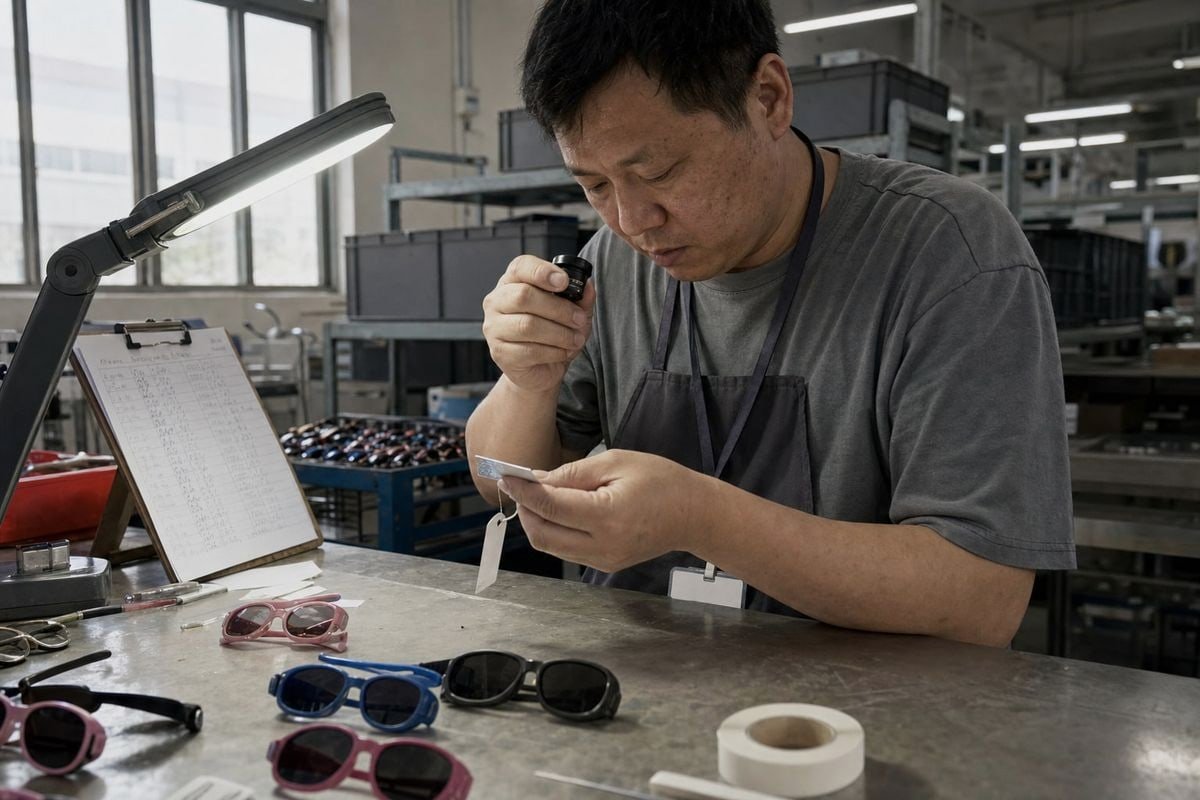
Let me be balanced. Licensed characters do drive impulse purchases 6, and children recognize them instantly. If you are a major retailer with legal teams and direct licensor relationships, licensing can work well. But weigh the full picture honestly.
Licensed characters vs. original designs
| Fator | Licensed characters | Generic / custom designs |
|---|---|---|
| Legal risk | High if the chain is not verified | Minimal — you own or control the design |
| Cost structure | Royalties, minimum guarantees, approval fees | Standard manufacturing cost only |
| Time to market | Slow — licensor approvals at every step | Fast — sample to shipment on your schedule |
| Brand equity | Builds the character owner's brand | Builds your brand |
| Flexibilidade | Locked to license term and territory | Sell anywhere, anytime, in any channel |
| Design control | Style guide restrictions | Full freedom on colors, shapes, packaging |
What makes generic designs actually sell
The common objection is that plain sunglasses cannot compete with a famous mouse or princess. In our experience exporting to brands in 20+ countries, that fear is overstated. Kids and parents respond strongly to playful colors, comfortable fit, and safe flexible materials. Our two-tone round frames — periwinkle fronts with mint-teal temples — and vivid gradient-mirror sport shields sell on their own visual appeal, no character needed. Because we mold in flexible TPEE and TR90, the frames bend without snapping, which parents value more than any cartoon face. With full OEM/ODM support 7, buyers add their own logos, custom colors, lens options, and retail-ready packaging. Choosing from existing styles also means launching without heavy mold investment, so you can test your market at low risk. You spend your margin building an asset you own, not paying rent on a character you can lose when the licensing agreement expires.
Conclusão
Unverified character licensing can destroy an importer's season. Demand real documents, verify the full chain, watch for red flags — or partner with us on original designs you truly own.
Notas de rodapé
1. Background on licensing concepts underlying character authorization agreements. ↩︎
2. WIPO explains trademark licensing verification processes referenced when checking authorization. ↩︎
3. CBP enforces intellectual property rights at customs, directly relevant to shipment seizures. ↩︎
4. CDC guidance on UV protection standards relevant to children’s sunglasses safety testing. ↩︎
5. CPSC oversees children’s product safety compliance mentioned alongside legal clearance. ↩︎
6. Explains consumer behavior driving demand for licensed character merchandise. ↩︎
7. Background on manufacturing model that lets brands customize products without licensed characters. ↩︎
Mais Artigos que Você Pode Gostar
1 de agosto de 2026
A Fábrica Deve Lidar com a Embalagem e Rotulagem de Óculos de Sol Infantis, ou Usar um Fornecedor Designado?
1 de agosto de 2026
Armazém Próprio vs. Envio Direto do Fornecedor: Qual Reduz os Custos de Devolução para Marcas de Óculos de Sol Infantis?
1 de agosto de 2026
Armazém Direto ao Porto ou Estiva no Exterior: Qual Economiza Mais no Envio de Óculos de Sol Infantis?
Procurando um Parceiro Confiável em Óculos Infantis?
Explore mais de 800 estilos prontos e suporte completo OEM/ODM adaptado à sua marca.
Entre em Contato English
  Español de México
  Deutsch
  Français
  日本語
日本語  العربية
  Português do Brasil