How to Split a Large Kids Sunglasses Order Across Chinese Factories for Consistent Quality?
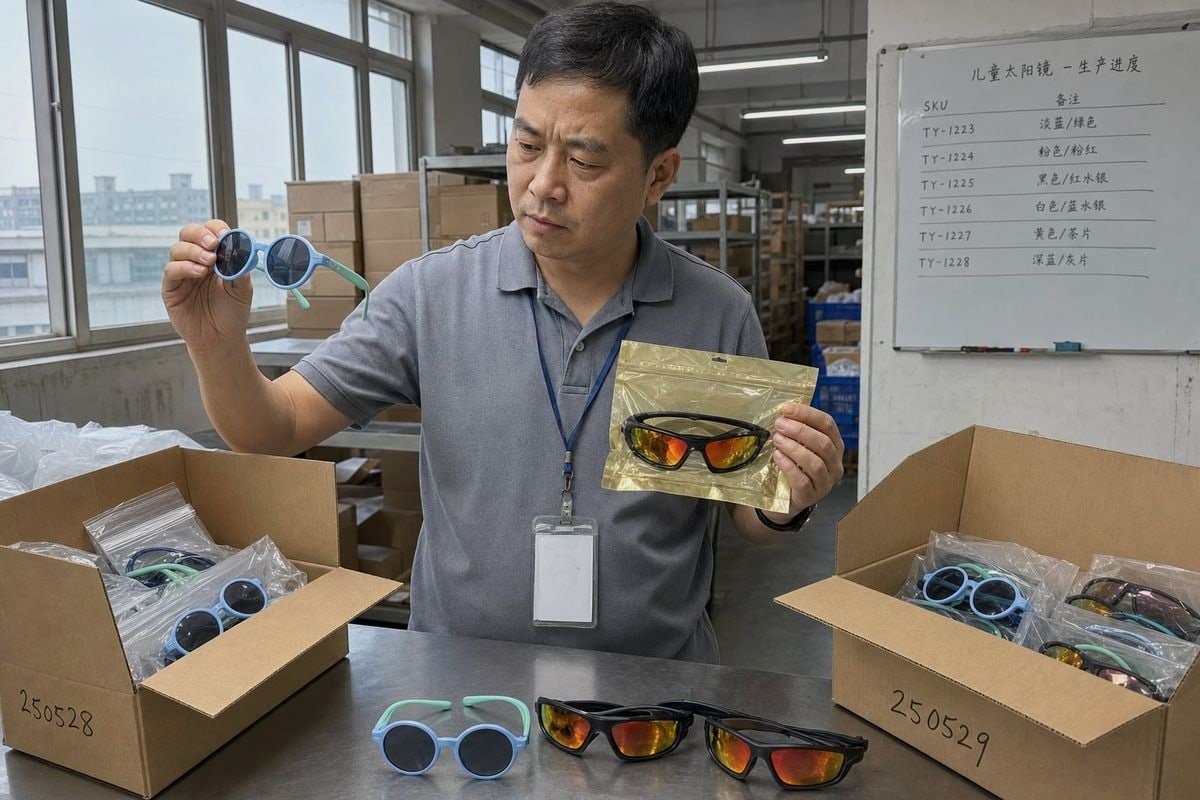
Splitting a large kids sunglasses order across Chinese factories sounds smart until batch one and batch two arrive looking different AQL inspection 1. On our Taizhou production line, we see this problem often.
To split a large kids sunglasses order across Chinese factories with consistent quality, create one master spec sheet, lock a golden sample for each factory, centralize material sourcing, apply identical AQL inspection checklists, and assign a lead factory as your quality anchor before shipment consolidation.
That is the short answer. Now let me walk you through how to do each step in practice, based on what actually works when real production begins.
How do I choose the right factories to split my kids sunglasses order without sacrificing consistency?
A buyer from Australia once asked us to take overflow from another plant ASTM F963 2. The first thing we requested was their approved sample — not their price target. That order shipped clean.
Choose factories with comparable equipment, similar material expertise, and proven children's eyewear experience. Audit each plant's certifications and workshop management, then assign volume by strength — not evenly. Split by style or SKU where possible, and keep one primary factory as your quality anchor.
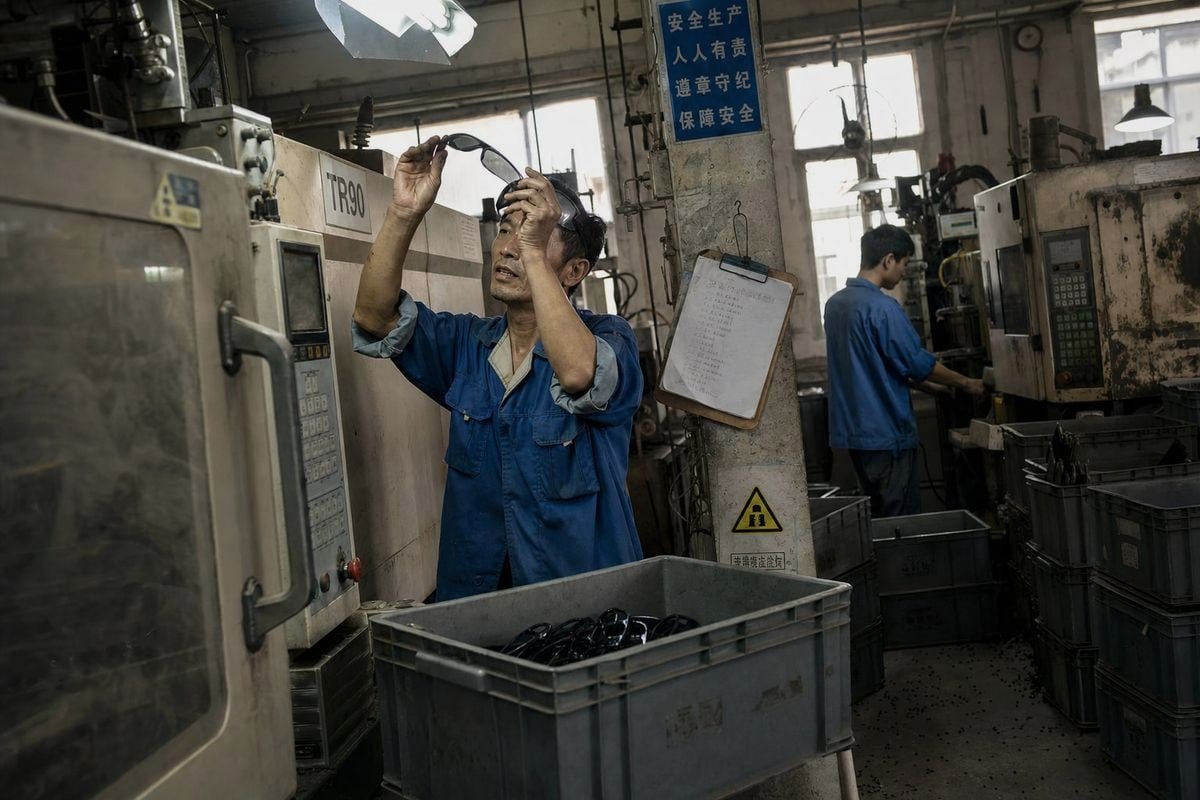
Not every factory pairing works. In our 15 years making children's eyewear, the biggest consistency failures happen when buyers pair two plants with very different capabilities CPSIA lead limits 3. One factory injection-molds TR90 daily. The other mostly does cheap PC frames. Their output will never match, no matter how good your spec sheet is Pantone codes 4.
Match capability before you match price
Start with a capability audit. Look at machines, workforce skill, workshop management, and material experience. Our own workshop runs 5S management with around 120 workers, and we can tell within minutes whether another plant can hold the same tolerances we do. You should build that same judgment through audits or a trusted sourcing partner.
Split by SKU, not by identical SKU
The safest split model gives each factory a different style. Factory A makes your wraparound sport shield model. Factory B makes your round pastel frame. Each factory owns its style completely, so small process differences never sit side by side on the same retail peg. Only split an identical SKU when volume truly forces it, and only if you can standardize every input.
| Split Model | Consistency Risk | When to Use |
|---|---|---|
| Split by style/SKU | Baixo | Multi-style assortments |
| Primary + overflow factory | Médio | Capacity limits at main plant |
| Same SKU, two factories | Alto | Only with locked materials and one QC standard |
| Split by component | Medium-High | Only with strong sourcing oversight |
Assign a primary and a secondary
Treat the two factories differently. One is your primary supplier and quality anchor. The other handles overflow or a second colorway. Equal parallel sourcing doubles your coordination burden without doubling your protection.
What quality control steps should I put in place when working with multiple Chinese manufacturers at once?
Early in our OEM work, we learned that a spec sheet alone never protects a buyer. A physical golden sample, signed and sealed, settles arguments that documents cannot.
Lock one master tech pack and an approved golden sample per factory, then enforce identical AQL inspection checklists, defect thresholds, and carton rules everywhere. Add during-production inspections, final random inspections, and photo or video verification, with all decisions flowing through one central point of contact.
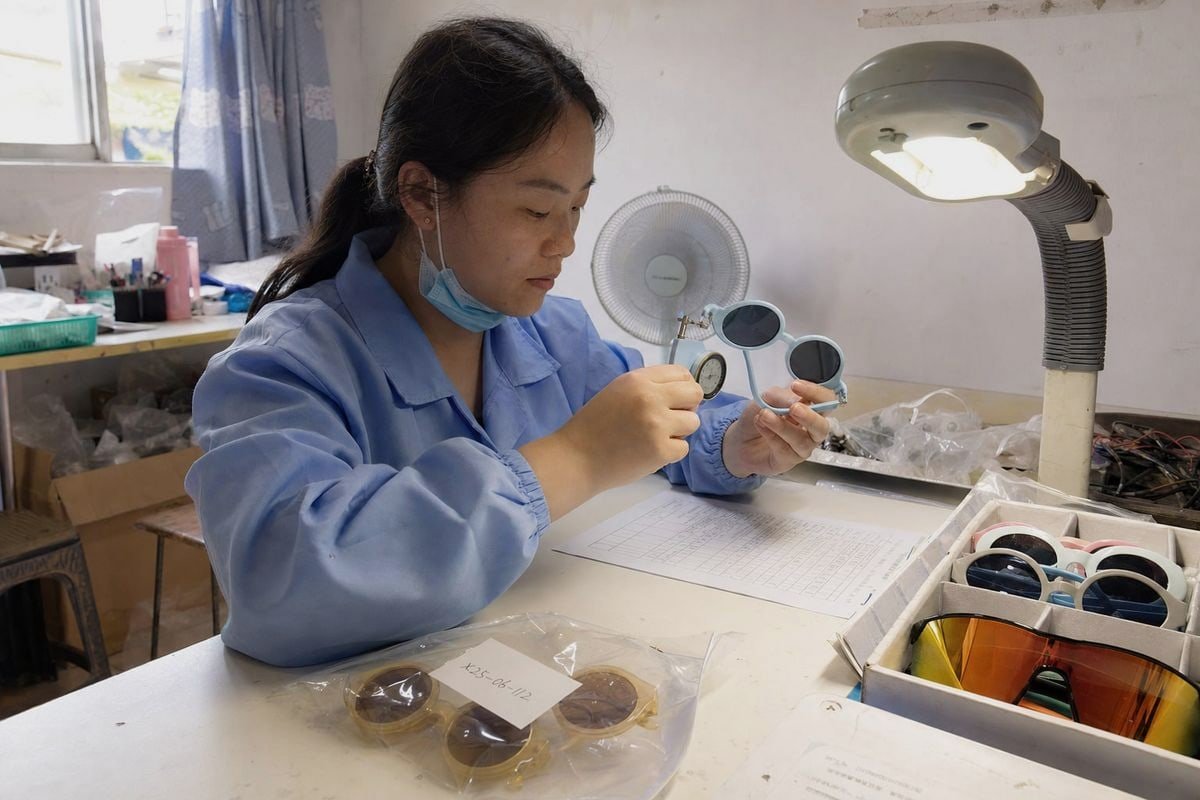
Quality drift between factories rarely comes from bad intent. It comes from interpretation. Two capable plants read the same drawing and make two slightly different products. Your QC system must remove interpretation entirely.
Build one master specification
Your tech pack should define frame color codes, lens tint percentage, UV400 5 requirement, hinge type, temple flexibility, sizing, logo placement, and packaging details. Send the identical document to every factory. Never let one factory work from an email thread while the other works from a PDF.
Sequence your QC checkpoints
- Approve a golden sample from each factory before mass production starts.
- Run a during-production inspection when roughly 20–30% of units are complete.
- Require production photos or live video at key stages to verify output.
- Conduct a final random inspection against the same AQL level at both plants.
- Cross-check consolidated goods at the warehouse before export.
| QC Checkpoint | Timing | Main Purpose |
|---|---|---|
| Golden sample approval | Before production | Lock the quality benchmark |
| During-production inspection | 20–30% complete | Catch drift early, while fixable |
| Photo/video verification | Contínuo | Confirm factory identity and progress |
| Final random inspection | 100% complete | Verify AQL compliance before payment |
| Receiving check | At consolidation | Confirm SKU counts and carton condition |
Keep decisions centralized
One person on your side approves changes. If Factory A asks about a hinge screw and Factory B asks about lens coating, both answers should come from the same desk. Mixed instructions create mismatched lots faster than any production error.
For kids sunglasses specifically, also confirm safety testing alignment upfront. Standards like EN71-3 6, ASTM F963, and CPSIA lead limits must be interpreted identically by both factories, because compliance experience varies between plants.
How can I make sure colors, materials, and packaging match across different factory batches?
Color matching taught us humility. Years ago, two batches of the same periwinkle-blue frame looked identical under factory lights and clearly different under retail lighting. Since then, we trust instruments, not eyes.
Centralize raw material sourcing through one pre-approved supplier for frames, lenses, and pigments. Use Pantone codes and spectrophotometer readings instead of visual swatches, lock packaging dielines and carton labeling in the master spec, and compare production units against the golden sample under standard lighting.
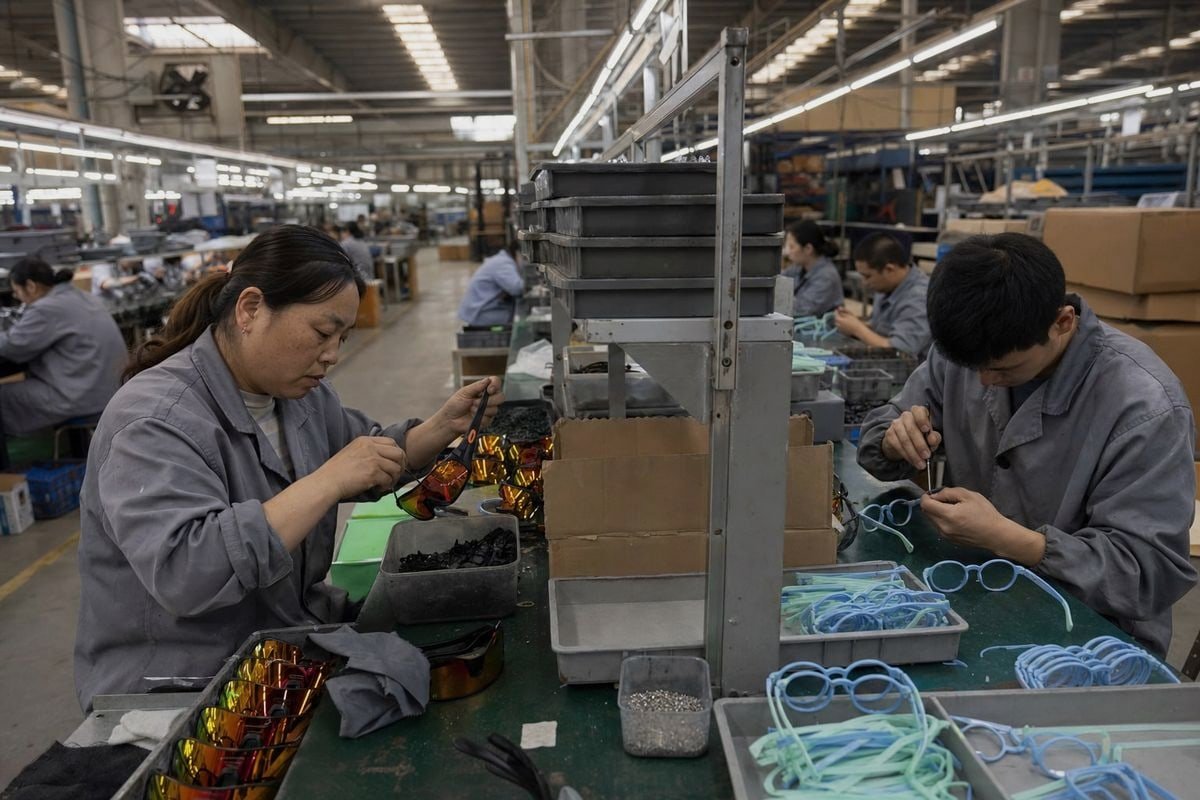
Kids sunglasses make color drift painfully visible. A pastel mint temple that shifts slightly greener, or a mirrored gradient lens that transitions at a different point, will sit side by side on the same shelf. Parents notice. Retailers complain. Here is how to prevent it.
Control the inputs, not just the outputs
The single most effective move is centralized material sourcing. If both factories buy TR90 pellets, TPEE compound, pigment masterbatch, and lenses from the same approved supplier, you eliminate the largest source of variance before molding even starts. Independent procurement is where color and durability drift begin. On our own line, we hold material consistency tightly for exactly this reason — flexible TPEE temples only feel identical when the compound batch is identical.
Measure color digitally
Physical swatches age, fade, and read differently under different humidity and lighting. Use Pantone digital codes plus espectrofotômetro 7 readings as the contractual reference. Then verify production units under a standard light box, not office fluorescents.
| Element | Standardization Method | Common Failure Without It |
|---|---|---|
| Cor da armação | Pantone code + spectrophotometer | Visible shade drift between batches |
| Lens tint | Tint percentage + UV400 test spec | Uneven darkness across lots |
| Mirrored coating | Approved coating supplier + reference lens | Gradient shifts at different points |
| Embalagem | Locked dieline, paper stock, print proof | Different box shades and print quality |
| Carton labeling | One labeling template for all plants | Warehouse confusion at consolidation |
Do not forget packaging
Packaging drift is the most overlooked consistency failure. Lock the dieline, paper weight, print proof, and inner packing method in your master spec. Ideally, have one printer supply both factories. Retail-ready presentation only works when every box on the shelf matches.
What communication and inspection process helps me manage split orders smoothly from China?
A procurement manager in Europe once ran two of our competitor factories through separate email chains. The specs diverged within three weeks. We rebuilt her process around one shared channel, and the problem disappeared.
Run one centralized communication channel with standardized reporting formats, weekly production updates, and a master order list with unique references per shipment. Designate a lead factory to cross-inspect the other's sample batches, then verify all cartons at the consolidation warehouse before export.
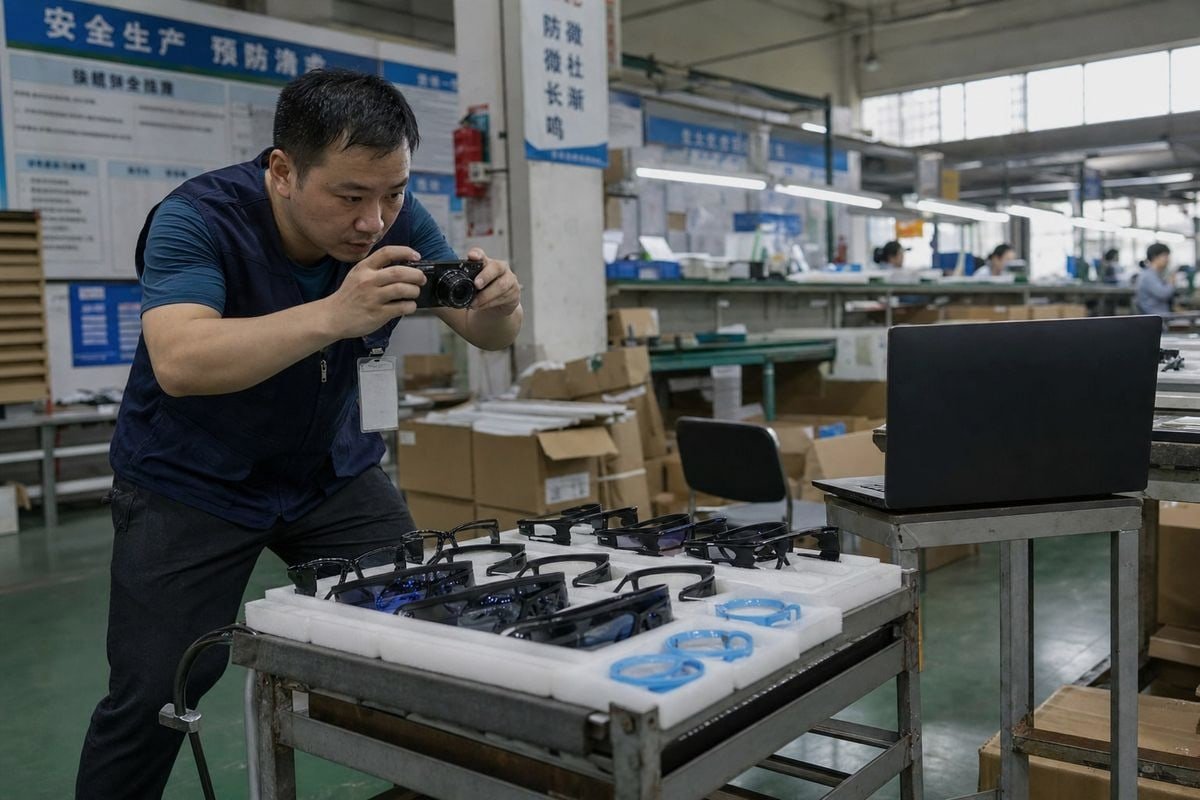
Coordination friction is the real cost of split sourcing. The product problems are usually downstream symptoms of communication problems. So design your process before the deposit is paid.
Standardize how factories report to you
Both factories should use the same reporting template, the same milestone dates, and the same photo requirements. When updates arrive in the same format, deviations jump out immediately. When they arrive as free-form messages, drift hides in the noise.
Use the lead-factory model
Designate one factory as your quality anchor. Have it cross-inspect sample batches from the other plant before consolidated shipment. This creates an internal peer-review checkpoint, and in our experience exporting to buyers in 20+ countries, an experienced children's eyewear factory spots hinge tension and finishing deviations that a general inspector may miss.
Manage logistics with a master order list
Give every shipment a unique warehouse reference tied to your master order list. At consolidation, inspect incoming cartons, verify SKU counts against the list, and only then combine goods for export. Separate this receiving check from your quality inspection — they answer different questions.
Finally, judge the whole exercise on total landed cost. Split sourcing adds inspection fees, handling, and coordination time. Sometimes one capable factory with sufficient capacity — or a partner with a deep existing style library that removes mold investment entirely — is cheaper and safer than two plants. We often help brands avoid splitting altogether by producing multi-style assortments under one roof from our roughly 800 existing designs.
Conclusão
Split orders fail when specs drift and no one owns final quality. Lock one master spec, one QC standard, and one decision point — then splitting becomes a controlled strategy, not a gamble.
Notas de rodapé
1. AQL is a technical sampling standard central to the article’s quality control checklists. ↩︎
2. ASTM F963 is the official US toy safety standard mentioned for compliance alignment. ↩︎
3. CPSIA is the US federal law governing lead limits referenced for compliance checks. ↩︎
4. Pantone is the color-matching system referenced for standardizing frame colors across factories. ↩︎
5. UV400 protection is a key lens specification mentioned in the tech pack details. ↩︎
6. EN71-3 is a cited safety standard for children’s products referenced in the article. ↩︎
7. Spectrophotometry is the measurement technology described for digital color verification. ↩︎
Mais Artigos que Você Pode Gostar

1 de agosto de 2026
A Fábrica Deve Lidar com a Embalagem e Rotulagem de Óculos de Sol Infantis, ou Usar um Fornecedor Designado?
1 de agosto de 2026
Armazém Próprio vs. Envio Direto do Fornecedor: Qual Reduz os Custos de Devolução para Marcas de Óculos de Sol Infantis?

1 de agosto de 2026
Armazém Direto ao Porto ou Estiva no Exterior: Qual Economiza Mais no Envio de Óculos de Sol Infantis?
Procurando um Parceiro Confiável em Óculos Infantis?
Explore mais de 800 estilos prontos e suporte completo OEM/ODM adaptado à sua marca.
Entre em Contato English
  Español de México
  Deutsch
  Français
  日本語
日本語  العربية
  Português do Brasil