How to Sign an Exclusive Agency Agreement With a Kids’ Sunglasses Factory?
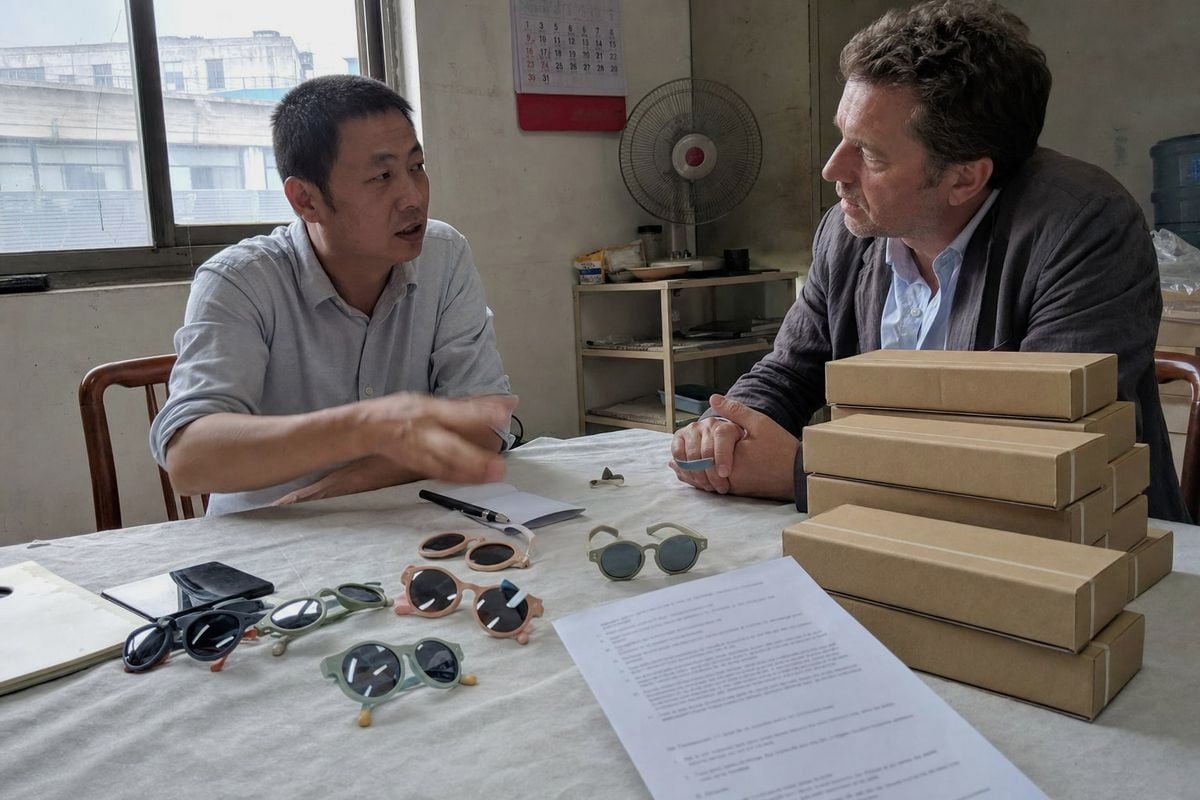
Signing an exclusive agency agreement with a kids’ sunglasses factory sounds simple — until it isn’t CPSIA requirements 1. I have watched buyers on our production floor discover that too late. A vague contract can lock you into weak territory rights, shifting prices, and no recourse when quality slips. The fix is a properly structured agreement, and that is exactly what this guide walks through.
To sign an exclusive agency agreement with a kids’ sunglasses factory, vet the factory’s safety compliance first, then define territory, products, and channels precisely, set tiered volume commitments, add quality and delivery remedies, and lock in pricing, priority production, and clear termination triggers in writing.
Below, I break the process into four practical steps. Each one covers a part of the agreement that buyers most often get wrong. Let’s start with the factory itself.
What should I look for in a kids' sunglasses factory before offering exclusivity?
A few years back, a European buyer toured our Taizhou workshop before signing anything. He checked our TPEE material certificates before he even asked about price. Smart move.
Before offering exclusivity, verify the factory's child-safety compliance (EN71, CPSIA, UV400 protection standards), material quality, OEM ODM manufacturing depth, production capacity, quality control inspections, financial stability, and existing style library. Exclusivity only makes sense with a partner who can sustain it long-term.
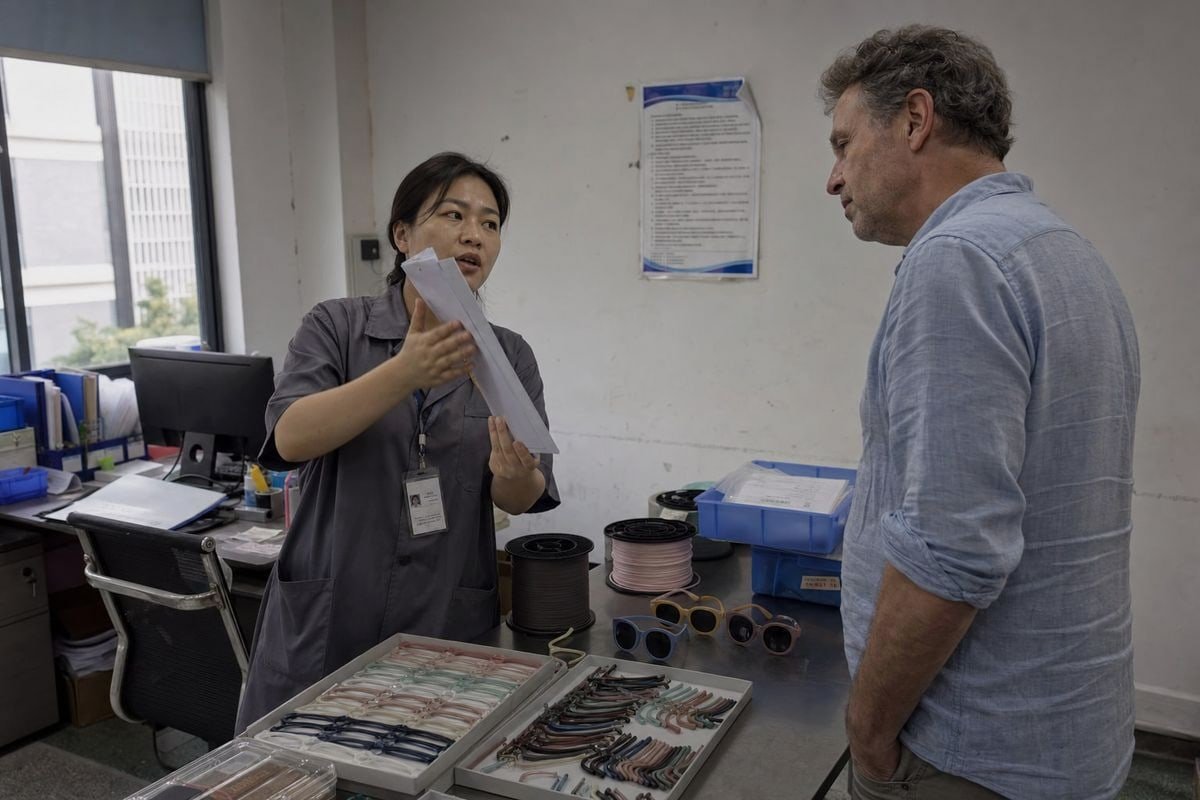
Exclusivity is a long-term commitment, so you should audit the factory as if you were hiring a business partner — because you are. In our fifteen years of making children's eyewear, the buyers who succeeded with exclusive deals were the ones who did the deepest checks upfront. Here is what I would look at, in order of importance.
Safety and compliance come first
Kids' sunglasses sit in a safety-sensitive category. The end user is a child, so the legal and reputational stakes are higher than for adult fashion eyewear. Confirm the factory can meet EN71 2 and CPSIA requirements for your target markets, and check whether it supports FDA and CE certification paperwork for the US and Europe. Ask how padrões de proteção UV400 3 are verified per batch, not just per sample. Also ask whether the factory carries or supports product liability insurance 4 requirements, since many retailers demand it.
Materials and manufacturing depth
Flexible, bite-safe materials matter for children. Our own lines use TPEE e TR90 5 precisely because rigid frames snap and injure. A factory offering genuine flexible-material expertise — not repainted adult molds — is a stronger exclusivity candidate. Full OEM ODM manufacturing support (custom colors, logos, lenses, packaging) also tells you the factory can grow with your brand.
A practical audit table
| Audit Area | What to Verify | Bandeira Vermelha |
|---|---|---|
| Conformidade | EN71, CPSIA, UV400 test reports | "We can get certificates if needed" |
| Materials | TPEE/TR90 sourcing, non-toxic documentation | No material traceability |
| Capacity | Workers, lines, peak-season output | Outsources core production |
| CQ | Multi-stage quality control inspections 6 | Final inspection only |
| Style library | Existing molds to launch without tooling cost | Every style needs new molds |
| Track record | Years exporting, markets served | Under 3 years, single market |
A factory with a large existing style library — we maintain roughly 800 styles — lets you test the market with lower Minimum Order Quantity MOQ 7 risk before committing exclusive volumes to custom designs.
How do I define territory and volume commitments in an exclusive agency agreement?
One trade-off we weigh constantly at our factory: a wide territory motivates an agent, but an underperforming agent in a wide territory blocks the whole market. Both sides feel this tension.
Define territory by country or region, sales channel, and customer segment in writing, with named carve-outs for existing accounts. Pair territorial exclusivity with tiered annual volume commitments — realistic Minimum Order Quantity MOQ targets that scale yearly — so exclusivity is earned, not merely granted.

First, clarify your terminology, because it changes everything downstream. Many buyers say "exclusive agency" when they actually want exclusive distribution rights. The two are legally different:
| Model | O que você recebe | Who Sets Prices | Your Revenue |
|---|---|---|---|
| Exclusive agency | Sole right to represent and market in a territory | Factory usually retains pricing and order approval | Commission on sales |
| Exclusive distribution | Sole right to buy and resell in a territory | You set resale prices | Resale margin |
| Licensing | Right to use a brand on products | Varies by license | Royalty-based margin |
Most kids' brand buyers actually want exclusive distribution rights — you purchase from the factory and resell under your own brand. Decide which model fits before drafting, because commission structures, pricing control, and competition restrictions differ sharply between them.
Draw the territory in three dimensions
A territory clause should specify geography (e.g., Australia and New Zealand), channel (online marketplaces, boutiques, pediatric optical stores, or all retail), and customer segment (consumer retail versus promotional products). We once had two partners nearly collide because one held "Europe online" and another held "Germany retail" — precise drafting prevented a real dispute. Also list carve-outs: existing OEM accounts, the factory's own marketplace presence, or trade-show sales.
Structure volume commitments in tiers
Flat minimums punish new brands in year one and under-challenge them in year three. Tiered commitments work better: a modest first-year MOQ across the style range, then stepped increases tied to keeping exclusivity. If targets are missed, exclusivity converts to non-exclusive status rather than terminating the whole relationship — a fair middle ground both sides can live with.
What terms protect my brand if the factory fails to meet quality or delivery expectations?
A buyer from Japan once asked me a blunt question during a QC walkthrough: "What happens contractually when a batch fails?" I respected that. Good factories welcome accountability clauses.
Protect your brand with written quality standards referencing EN71/CPSIA and UV400, pre-shipment inspection rights, batch-failure remedies with replacement timelines, delivery penalties or order-cancellation rights for late shipments, recall cost allocation, NNN protections for custom designs, and a termination clause triggered by repeated failures.
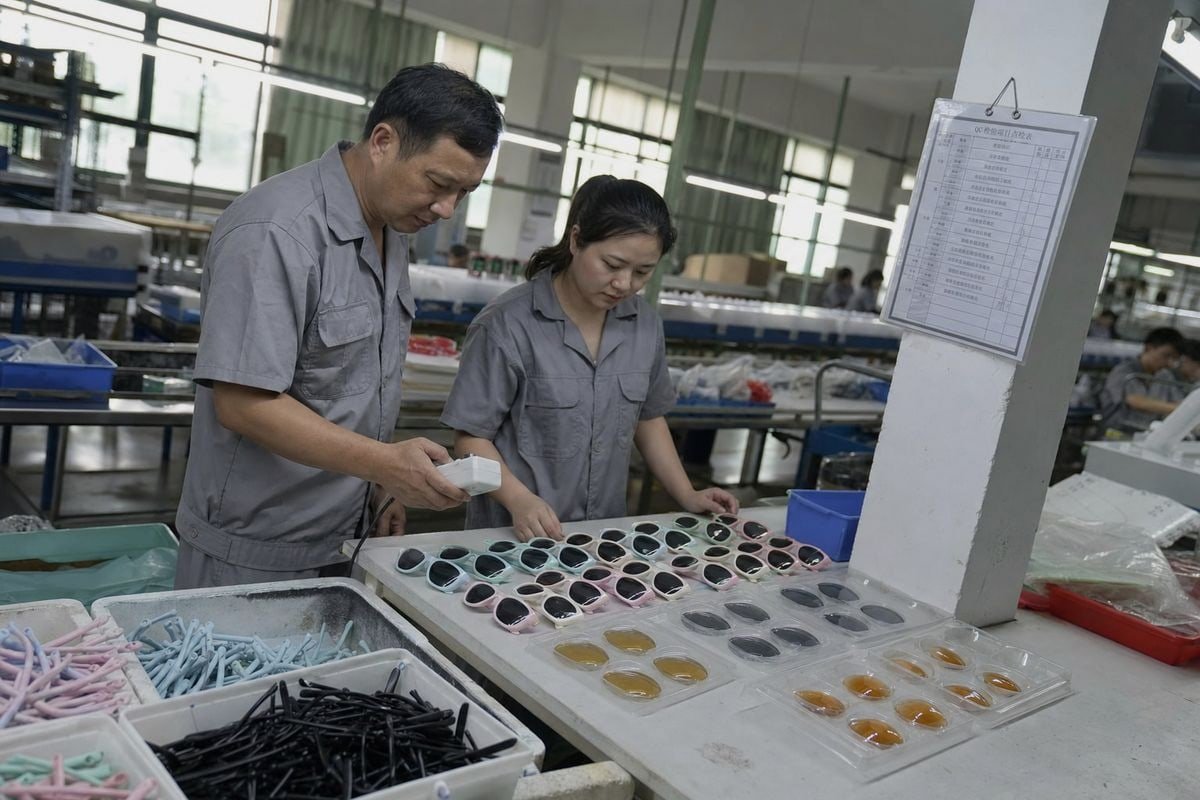
Exclusivity cuts both ways. Once you commit your territory to one factory, a quality failure becomes your brand's failure. So the agreement must convert quality expectations into enforceable mechanics, not polite intentions. I recommend building the protection in four layers.
Layer 1: Defined standards and inspection rights
Attach the actual specifications as a contract annex: lens category, UV400 protection standards, frame flexibility tolerances, hinge cycle counts, and packaging specs. Then secure the right to conduct quality control inspections — in-line during production and pre-shipment — either yourself or through a third-party agency. In our 5S-managed workshop, we run multi-stage checks anyway, and we put those checkpoints into contracts because it protects both parties when a dispute arises.
Layer 2: Batch-failure remedies
Define what counts as a batch failure — for example, a defect rate above an agreed AQL threshold — and what happens next: rework, replacement within a stated number of days, credit, or refund. For children's products, add a recall provision that allocates costs if a safety issue emerges post-sale, and confirm product liability insurance coverage in writing.
Layer 3: Delivery accountability
| Failure Event | Typical Remedy |
|---|---|
| Shipment 1–14 days late | Small credit or expedited freight at factory cost |
| Shipment 15–30 days late | Escalating penalty percentage per week |
| Shipment 30+ days late | Right to cancel order and recover deposit |
| Repeated late shipments | Trigger for exclusivity review or termination |
Layer 4: IP and anti-bypass protection
For custom designs, sign a China-specific NNN agreement (non-disclosure, non-use, non-circumvention) so your molds, colorways, and packaging cannot be sold to competitors or used to bypass you into your own customer base. Add trademark and artwork approval rights so nothing carries your logo without written sign-off.
How can I structure the agreement to secure long-term pricing and priority production?
The lesson I have learned from fifteen years of export relationships: pricing stability is negotiated with data, not demanded with pressure. Factories reward predictability far more than they reward hard bargaining.
Secure long-term pricing by locking a wholesale pricing structure for 12–24 months with a transparent adjustment formula tied to raw-material indexes, requiring written notice before changes. Secure priority production through rolling forecasts, reserved capacity windows, and renewal terms conditioned on mutual performance.
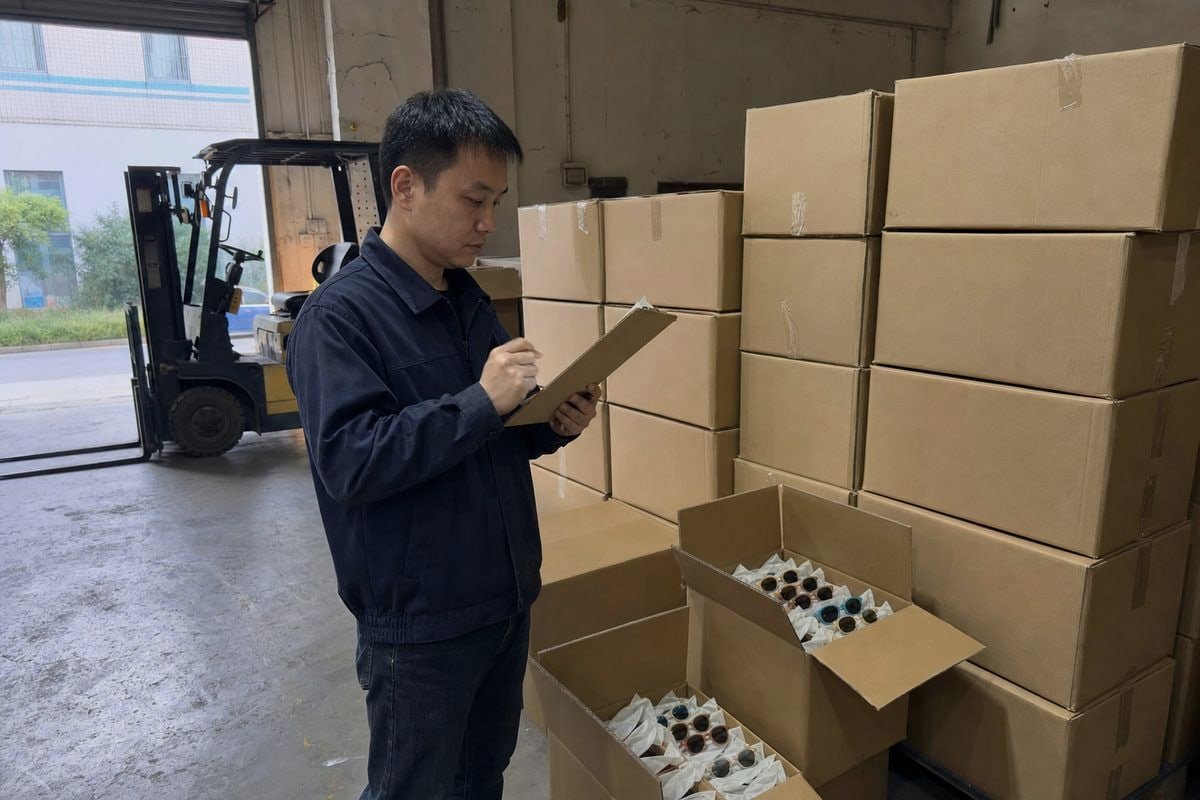
Long-term pricing and priority production are the real prizes of exclusivity — but you only get them if the contract makes your business predictable for the factory. Here is how I would structure that exchange, step by step.
- Fix a base wholesale pricing structure. Attach a price list per SKU as a contract annex, valid for 12 to 24 months. Include volume-based discount tiers so growth automatically improves your unit economics.
- Replace unilateral price changes with a formula. Instead of letting the factory "adjust prices as needed," tie adjustments to documented raw-material cost movements (TPEE, TR90, lens stock) with a cap per year and 60–90 days' written notice. This keeps both sides honest when markets shift.
- Trade forecasts for reserved capacity. Commit to rolling 90-day forecasts. In exchange, the factory reserves production slots ahead of peak season. On our lines, buyers who forecast reliably always ship first in the pre-summer rush — that priority is worth more than a marginal price cut.
- Standardize the ordering workflow. Specify quotation validity, pro forma invoice terms, deposit and final payment structure, and confirmed lead times, so every order follows the same predictable rhythm.
- Condition renewal on mutual performance. A two- or three-year initial term with renewal tied to your volume targets and the factory's quality and delivery record keeps both parties invested. Add a termination clause for convenience with adequate notice, plus post-termination rights covering open orders, remaining inventory sell-off, and customer list ownership.
- Consider production visibility. Where systems allow, negotiate access to production scheduling data so you can plan inventory scaling on real information rather than guesswork.
Governing law and dispute resolution belong here too — agree on arbitration venue and language before you ever need them.
Conclusão
An exclusive agency agreement rewards preparation. Vet compliance, draw precise territory, demand quality remedies, and trade forecasts for pricing stability — then sign with confidence.
Notas de rodapé
1. CPSC provides the official text and guidance on CPSIA compliance for children’s products in the US. ↩︎
2. EN71 is the official EU toy safety standard referenced for children’s eyewear compliance verification. ↩︎
3. CDC explains UV radiation risks and protection standards relevant to sunglasses safety verification. ↩︎
4. Wikipedia explains product liability concepts relevant to insurance requirements for children’s product manufacturers. ↩︎
5. Wikipedia explains thermoplastic elastomer materials like TPEE used for flexible, bite-safe eyewear frames. ↩︎
6. ISO defines international quality management standards underlying formal quality control inspection processes. ↩︎
7. Wikipedia background on minimum order quantity clarifies this key sourcing and volume-commitment concept. ↩︎
Mais Artigos que Você Pode Gostar
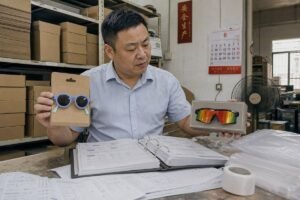
1 de agosto de 2026
A Fábrica Deve Lidar com a Embalagem e Rotulagem de Óculos de Sol Infantis, ou Usar um Fornecedor Designado?
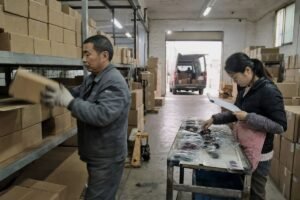
1 de agosto de 2026
Armazém Próprio vs. Envio Direto do Fornecedor: Qual Reduz os Custos de Devolução para Marcas de Óculos de Sol Infantis?
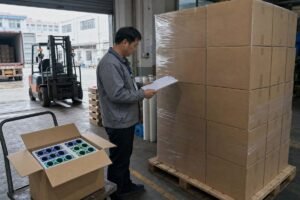
1 de agosto de 2026
Armazém Direto ao Porto ou Estiva no Exterior: Qual Economiza Mais no Envio de Óculos de Sol Infantis?
Procurando um Parceiro Confiável em Óculos Infantis?
Explore mais de 800 estilos prontos e suporte completo OEM/ODM adaptado à sua marca.
Entre em Contato English
  Español de México
  Deutsch
  Français
  日本語
日本語  العربية
  Português do Brasil