How Do I Select Kids’ Sunglasses Styles to Fill Price Gaps?
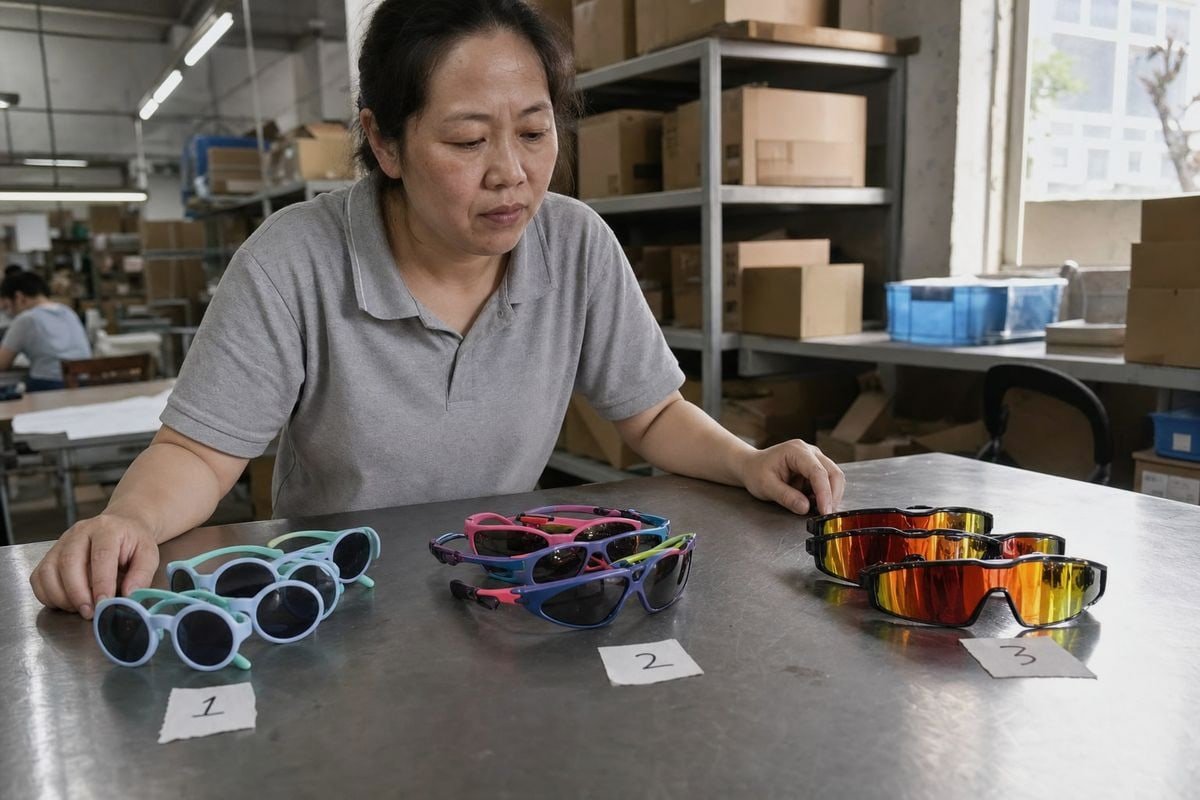
Selecting kids’ sunglasses styles to fill price gaps is a question buyers bring to our Taizhou factory every season. A patchy lineup quietly bleeds sales. Parents who cannot find a mid-priced option walk away, and your retail profit margins suffer. On our production line, we have helped brands close those holes with the right style-to-price mapping.
To select kids’ sunglasses styles that fill price gaps, map your lineup into budget, mid-range, and premium tiers, then add styles where tiers are empty: playful basics at entry level, flexible TPEE/TR90 frames mid-tier, and polarized or brand-led designs at premium — keeping UV400 protection constant throughout.
That is the short answer. Now let me walk you through each step, from spotting the gaps to sourcing the styles without heavy upfront investment.
How can I identify the price gaps in my current kids' sunglasses lineup?
A procurement manager 1 from Australia once sent me her full product list and asked why sales had stalled. Within ten minutes, we spotted it together: she had novelty frames at the bottom, designer pairs at the top, and nothing parents actually wanted in between.
Identify price gaps by listing every kids' sunglasses SKU by retail price, grouping them into entry, mid, and premium bands, and looking for empty or thin bands. A gap exists wherever a parent's expected price point — typically the good-better-best middle — has no credible option.
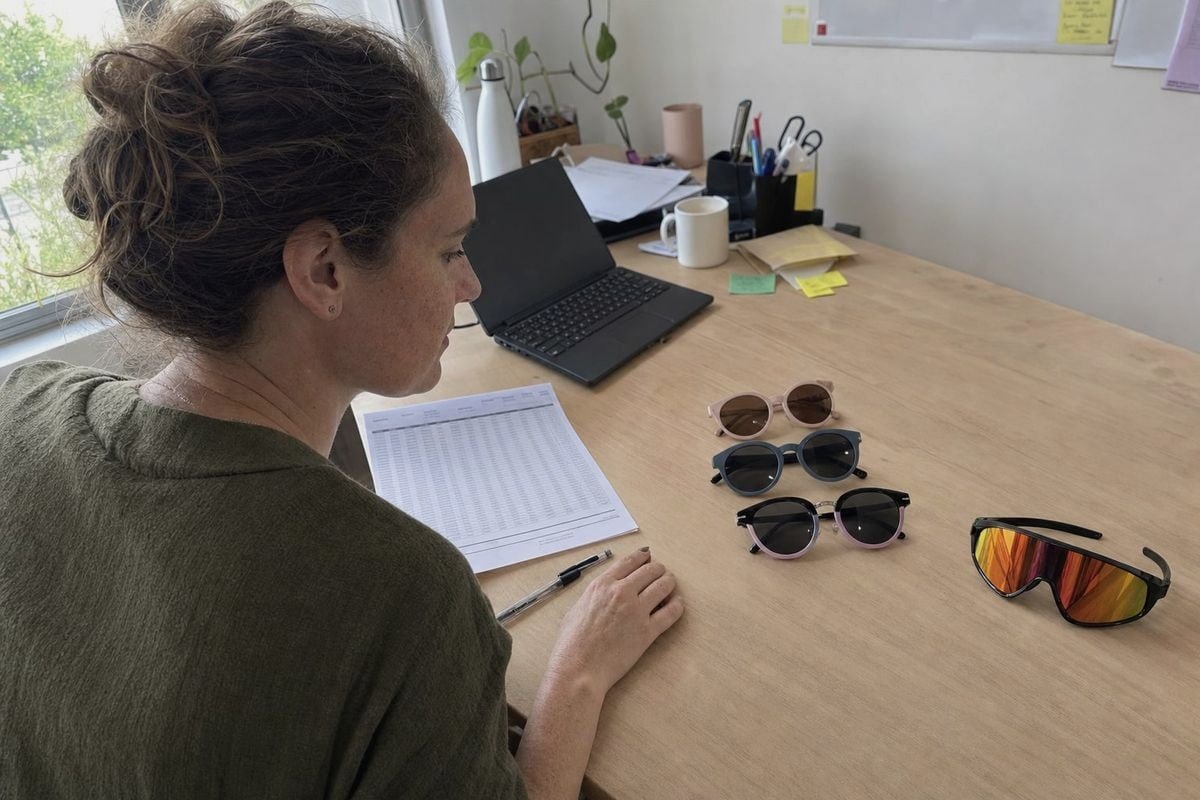
Start with a simple audit. Export your current assortment into a spreadsheet. Add three columns: retail price, style type, and target age group. Then sort by price. The gaps usually jump out immediately.
Build a price-tier map
Most kids' sunglasses markets 2 split into three practical bands. Your exact numbers will vary by country, but the structure holds. Inventory price tiering works best when each band has at least two or three distinct styles.
| Price Tier | Typical Retail Range | What Parents Expect | Common Gap Symptom |
|---|---|---|---|
| Entry-level | $5–$12 | Fun shapes, basic Proteção UV400 3 | Only one style, or none at all |
| Mid-range | $13–$28 | Flexible frames, better fit, more colors | The most common hole in lineups |
| Premium | $29–$60+ | Polarized lenses, brand story, gift-ready packaging | Present but with weak differentiation |
Look beyond price alone
A gap is not only a missing price point. It can also be a missing style or age group inside a tier. Check these dimensions:
- Age coverage: Do you serve toddler vs youth sizing at every tier, or only at one?
- Use case: Do you have a sporty wrap option, a classic everyday shape, and a trend-led design?
- Feature ladder: Does anything justify the step from your cheapest pair to your most expensive one?
In our experience exporting to 20+ countries, the mid-tier hole is the most expensive one to leave open. That is where most parents actually buy. If your lineup jumps from $8 novelty frames straight to $45 branded pairs, you are handing the middle to your competitors.
Which styles or materials should I choose to fill each price tier effectively?
When we develop new molds at our workshop, the first decision is never the shape. It is the material, because material sets the cost floor and defines which tier a style can credibly occupy.
Fill the entry tier with simple polycarbonate rounds, rectangles, and playful shapes; fill the mid-tier with flexible TR90 and TPEE frames in sporty and everyday silhouettes; fill the premium tier with polarized lenses, mirrored shields, and Mini-Me adult-inspired designs with elevated finishes.
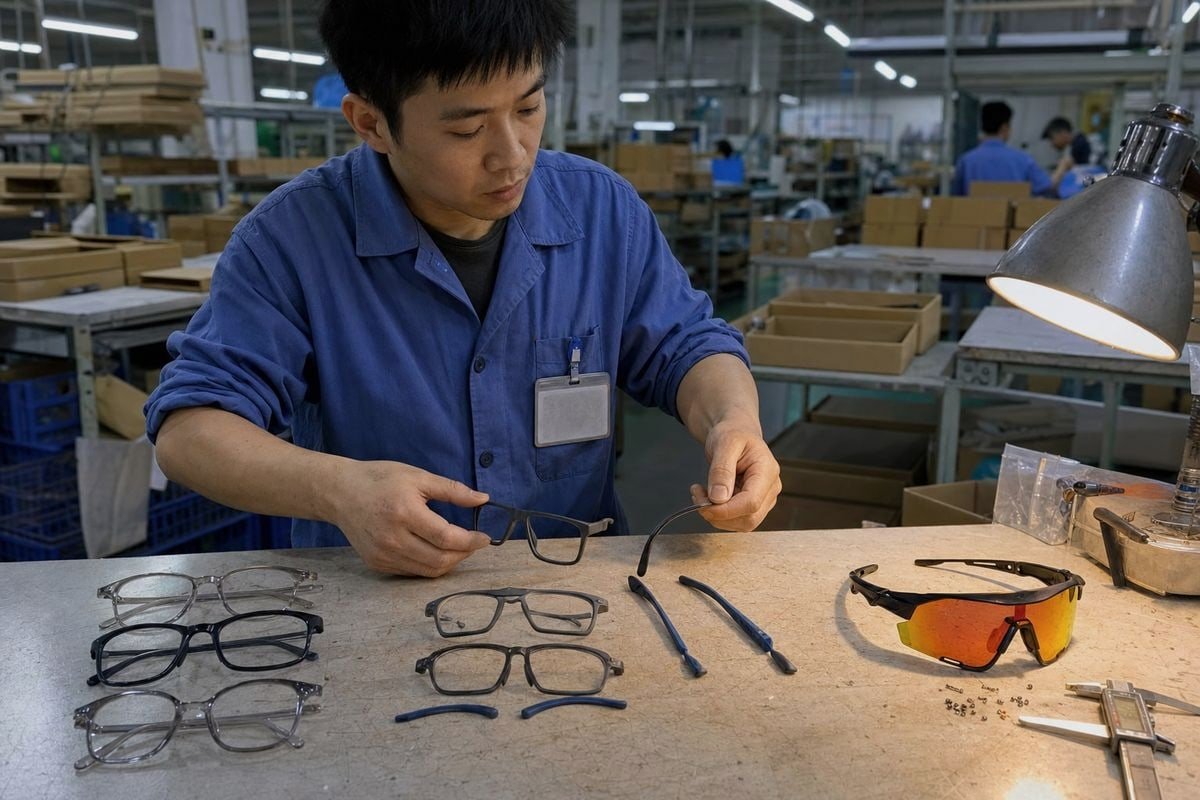
The style-to-price map below reflects what we see selling across European, Japanese, and Australian kids' brands. Shoppers expect different visual cues at different prices, so give them clear signals.
The style-to-price map
| Tier | Best-Selling Styles | Recommended Materials | Suporte total de personalização para dar vida à identidade da sua marca, em múltiplos níveis de qualidade e preço para se adequar à sua posição de mercado. |
|---|---|---|---|
| Entry-level | Round frames, rectangles, hearts, flowers, cat-eye | Impact-resistant polycarbonate, basic PC frames | UV400 tinted lenses |
| Mid-range | Two-tone color-block rounds, wayfarers, sport wraps | TR90 frames, TPEE temples, flexible frames | UV400, optional polarized lenses |
| Premium | Mirrored shield wraps, Mini-Me aviators, teen silhouettes | Full TPEE or TR90 with premium finishes | Polarized, gradient mirrored coatings |
Match the style language to the tier
Entry-level pairs should look fun and impulse-friendly. Think soft matte finishes and cheerful two-tone color transitions — like a powder-blue front fading into mint-teal temples. These sell on shelf appeal and low commitment.
Mid-range pairs must feel noticeably better in the hand. Flexibility is the story here. When a parent twists a TR90 frame and it springs back, the higher price explains itself. Add spring hinges, softer temple tips, and richer colorways.
Premium pairs earn their price through lens technology 4 and adult-mirroring design. A glossy white sport wrap with an iridescent orange-to-teal mirrored shield lens 5 looks nothing like a toy. Parents pay more for styles that echo their own eyewear. Mirrored gradient lenses, polarized options, and retail-ready packaging complete the step up.
One more rule we hold firm at our factory: every tier — including the cheapest — carries UV400 protection and BPA-free materials. Style is the visible difference between tiers. Safety is not.
How do I balance affordability with safety and quality when selecting new styles?
Early in my fifteen years in eyewear, I watched a buyer cut lens costs on a budget line to save a few cents per unit. The returns and complaints that followed cost far more than the savings. That lesson shaped how we run quality control today.
Balance affordability with safety by treating UV400 lenses, impact-resistant materials, and secure fit as fixed non-negotiables, then adjusting only style complexity, finishes, lens coatings, and packaging by tier. Cut decoration to hit a price point — never cut protection.
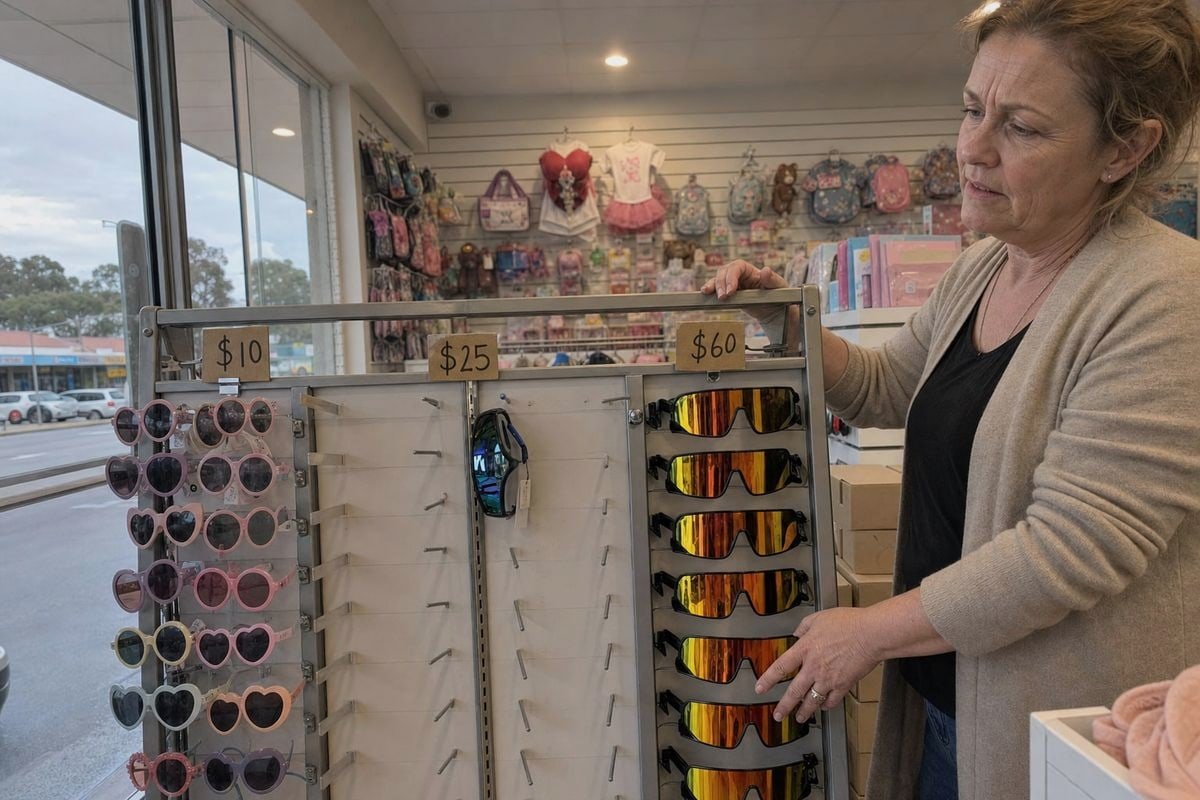
The key insight is simple. Some costs are safety costs, and some costs are style costs. You can flex the second group. You should never flex the first.
The non-negotiables at every price
- UV400 or 100% UVA/UVB lenses. Parents view eye safety 6 as a health requirement, not a luxury. One failure here damages trust across your whole brand.
- Impact-resistant lenses. Kids drop, sit on, and throw their sunglasses. Polycarbonate or equivalent lenses prevent dangerous shattering.
- BPA-free materials. Children chew temple tips. Material safety must be documented, not assumed.
- Close-fitting coverage. Lenses should cover the eyes and surrounding skin with no large gaps at the sides, so UV cannot sneak in around the frame.
Where you can flex the cost
| Elemento de Custo | Safe to Adjust? | How It Shifts by Tier |
|---|---|---|
| UV400 lens protection | Não | Constant at every tier |
| Frame material grade | Partially | PC at entry, TR90/TPEE at mid and premium |
| Lens coatings (mirror, polarized) | Sim | Basic tint → mirrored → polarized |
| Fit features (adjustable head straps, spring hinges) | Sim | Add for toddler and sport styles mid-tier up |
| Packaging and accessories | Sim | Polybag → box → case with cloth |
Think in total cost, not unit cost
A very cheap pair that breaks in two weeks gets replaced twice a summer. A flexible mid-range pair survives the season. When we brief buyers, we frame durability as value per wear, not price per unit. That framing also gives your sales team a clean story: the mid-tier pair costs more because it lasts, fits better, and stays on the child's face. For toddler styles, adjustable head straps and flexible temples solve the fit problem that drives most early returns. Spending a little more on fit features often lowers your real cost of quality.
Can I source these styles without investing in custom molds or large minimum orders?
A startup founder from Japan asked me this exact question last year. She had a strong brand concept but no budget for tooling. We launched her first three-tier range entirely from our existing style library, with her colors and logo.
Yes. Working with an OEM/ODM factory that offers a large existing style catalog lets you fill every price tier without custom mold investment. You select proven frame shapes, then customize colors, logos, lenses, and packaging at low minimums to test the market with limited risk.
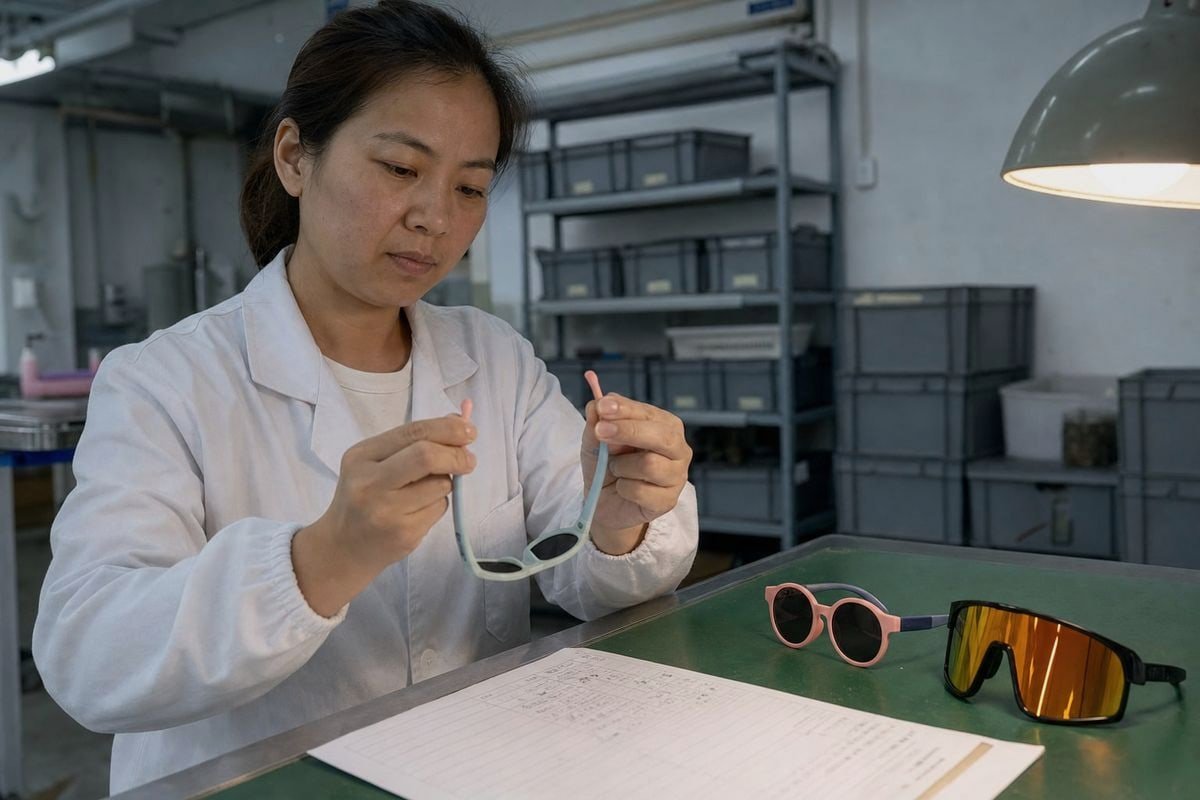
Custom molds make sense once a style proves itself. They rarely make sense for filling a gap fast. A new steel mold costs thousands of dollars and adds weeks or months to your timeline. For gap-filling, the smarter route is an existing-style program.
How the low-risk sourcing process works
- Audit your gaps. Use the tier map from earlier to define exactly which price points and style types you need.
- Browse an existing catalog. At our factory, buyers choose from roughly 800 existing styles — rounds, wayfarers, sport wraps, shields, and toddler frames — so most gaps already have a matching shape.
- Customize the visible details. Change frame colors, add your logo, select UV400 tinted, mirrored, or polarized lenses, and design your packaging. This is where your brand identity lives.
- Order small, test, then scale. Existing styles allow far lower minimums than custom tooling. Launch a tight assortment, watch sell-through, and reorder winners.
- Move to custom molds selectively. Once a silhouette proves itself at retail, invest in a unique mold to protect that bestseller from copycats.
Why this beats going straight to custom
Existing styles carry proven fit data. The bridge shapes 7, temple lengths, and toddler vs youth sizing have already been tested on real children's faces across many markets. You inherit that refinement for free. Custom molds, by contrast, need multiple sampling rounds to get fit right — and a poorly fitting kids' frame fails no matter how good it looks. Entry-level price points especially benefit from this approach, because low retail prices cannot absorb tooling amortization. In our 5S-managed workshop, existing-style orders also move through production faster, which matters when you need to fill a gap before the summer season, not after it.
Conclusão
Price gaps cost you sales every day they stay open. Map your tiers, keep UV400 protection constant, vary style and material by tier, and source from existing styles to fill gaps fast — that is how we help brands build complete kids' sunglasses ranges.
Notas de rodapé
1. Professional definition of the procurement manager role and its responsibilities within the supply chain. ↩︎
2. General overview of the sunglasses industry, including market segments and historical development. ↩︎
3. Authoritative medical source from the American Academy of Ophthalmology explaining UV400 and 100% UV protection. ↩︎
4. Expert guidance from ophthalmologists on different types of sunglass lenses and their protective qualities. ↩︎
5. Description of various sunglass lens styles and their aesthetic and functional properties. ↩︎
6. Official FDA consumer update providing safety tips for sun protection and eye safety. ↩︎
7. Overview of eyeglass components and design terminology used in the eyewear industry. ↩︎
Mais Artigos que Você Pode Gostar

1 de agosto de 2026
A Fábrica Deve Lidar com a Embalagem e Rotulagem de Óculos de Sol Infantis, ou Usar um Fornecedor Designado?

1 de agosto de 2026
Armazém Próprio vs. Envio Direto do Fornecedor: Qual Reduz os Custos de Devolução para Marcas de Óculos de Sol Infantis?

1 de agosto de 2026
Armazém Direto ao Porto ou Estiva no Exterior: Qual Economiza Mais no Envio de Óculos de Sol Infantis?
Procurando um Parceiro Confiável em Óculos Infantis?
Explore mais de 800 estilos prontos e suporte completo OEM/ODM adaptado à sua marca.
Entre em Contato English
  Español de México
  Deutsch
  Français
  日本語
日本語  العربية
  Português do Brasil