How Do Secured Platform Payments vs Bank Transfers Differ for Kids’ Sunglasses Suppliers in China?
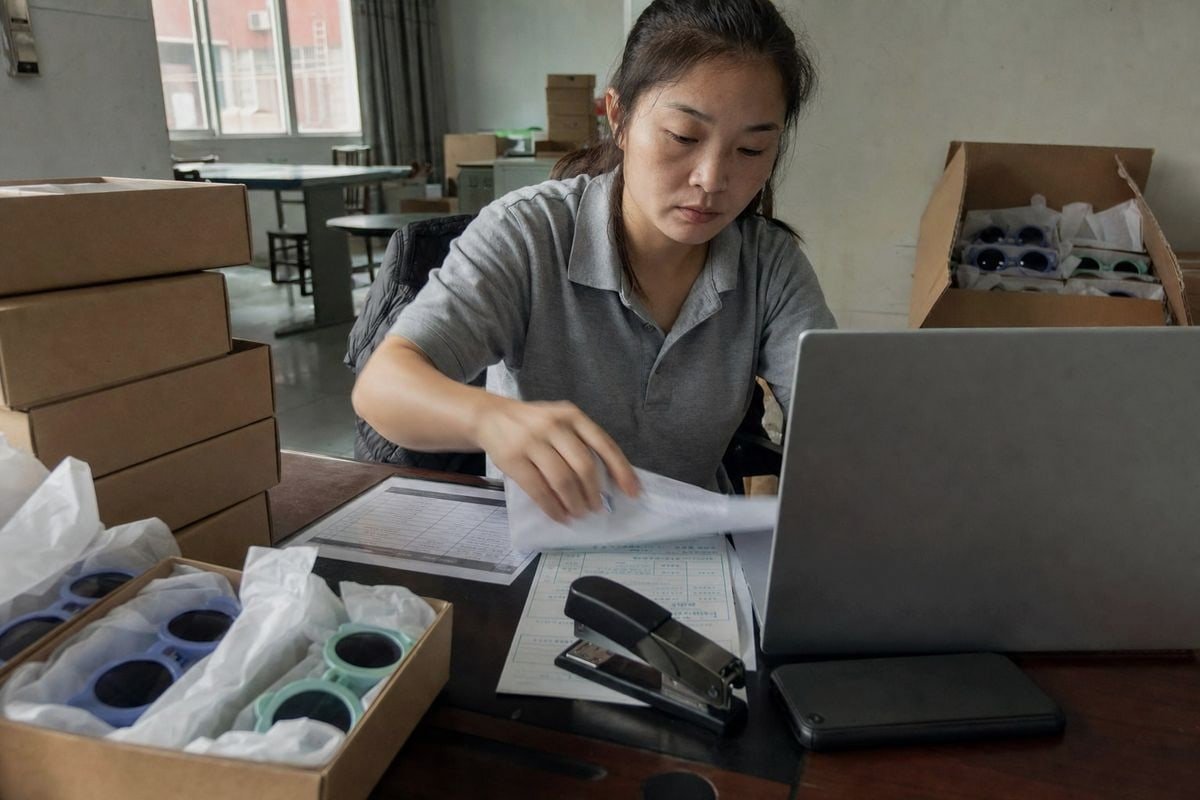
Buyers ask our Taizhou factory about secured platform payments vs bank transfers every week. Choose wrong, and you risk a lost deposit, stalled production, or cash trapped mid-shipment.
Secured platform payments hold funds in escrow until you confirm your kids’ sunglasses order, giving strong buyer protection with new suppliers. Bank transfers (T/T) settle directly, cost less on large wholesale orders, but offer almost no recourse once the money is sent.
Both methods can be safe. They just protect different risks. Let me walk you through how each one works, what it costs, and when to use it.
Which Payment Method Gives Me Better Buyer Protection When Sourcing Kids' Sunglasses from China?
An Australian brand founder once told me she lost a deposit to a fake eyewear "factory" before finding us. That conversation still shapes how we advise buyers on payment safety.
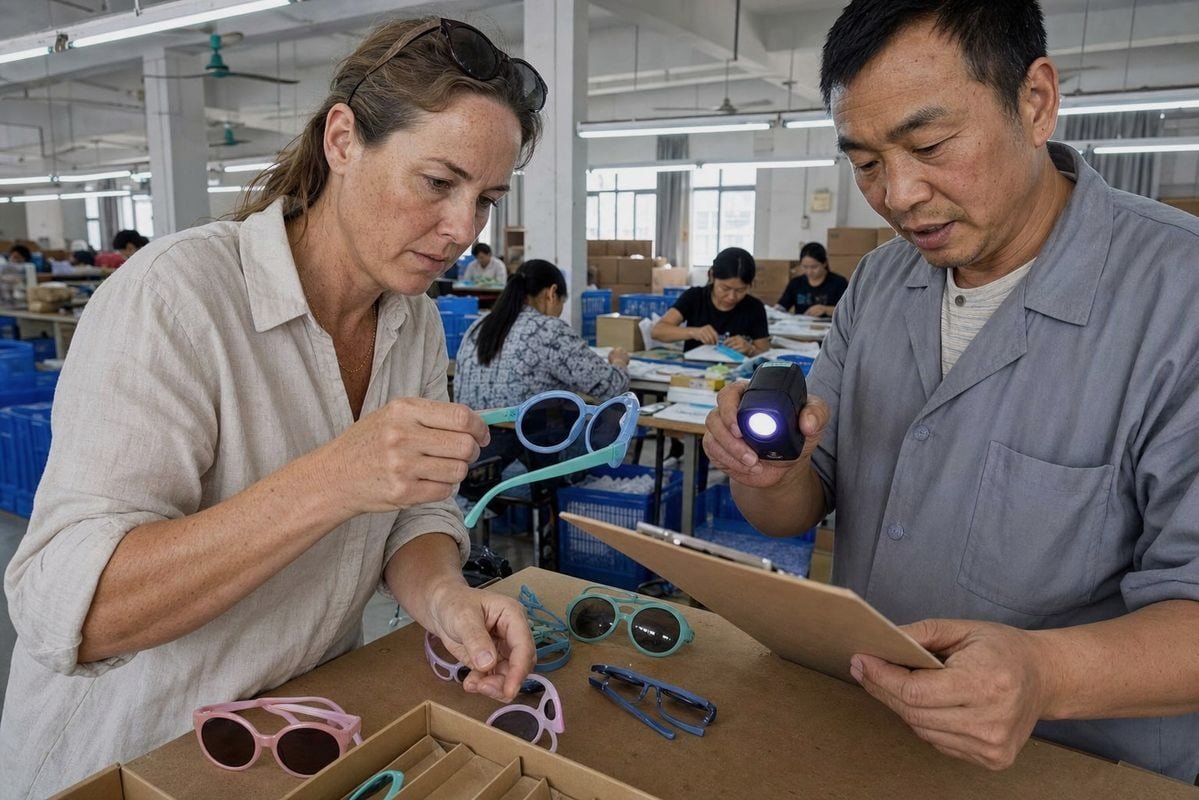
Secured platform payments give better buyer protection for first orders because funds are held until you confirm the sunglasses meet UV400 and safety specifications. Bank transfers offer traceable, formal settlement, but almost no recovery power if a supplier underdelivers or simply disappears.
Here is the core comparison at a glance:
| Fator | Secured Platform Payments | Bank Transfers (T/T) |
|---|---|---|
| Funds released | After buyer confirmation or dispute window | Immediately, once wired |
| Recourse if goods fail | Formal dispute resolution process | Very limited |
| Melhor para | First orders, samples, unverified suppliers | Repeat orders, vetted factories |
| Supplier acceptance | Varies; some resist fees and holds | Nearly universal in China |
| Typical example | Alibaba Trade Assurance, escrow services | SWIFT 1 wire to a business account |
Why This Matters More for Children's Eyewear
Kids' sunglasses are compliance-sensitive. A dispute is rarely about "no goods arrived." It is usually about quality: lenses that fail padrões de proteção UV400 2, frames that snap instead of flexing, or missing CPC certification 3 documents for the US market. A platform's buyer protection policy gives you a structured way to argue those points and get money back. A completed wire gives you an email thread and hope.
The Weak Spot of Each Method
Platform escrow secures the commercial transaction, but the dispute window closes. If a defect appears after release, you are back to negotiating. Bank transfers secure the payment rail — traceable, formal, easy to reconcile — but the bank does not care whether your shield-lens sports sunglasses arrived with the wrong mirror coating. In our experience exporting to twenty-plus countries, buyers who understand this distinction negotiate far better terms. Some of our long-term customers also use documentary methods, such as letters of credit 4, for very high-value production runs, because those instruments tie payment to documents rather than trust alone.
How Do Fees and Exchange Rates Compare Between Platform Payments and Bank Transfers for My Orders?
On our side of the invoice, we weigh a real trade-off: platform commissions eat our margin, while wire fees eat yours. Someone always pays for the payment rail.
Platform payments typically add 2–3% transaction fees plus possible card surcharges, while bank transfers charge flat wire fees plus an FX spread and intermediary charges. For small sample orders, platforms usually cost less overall; for large wholesale orders, telegraphic transfers normally win.
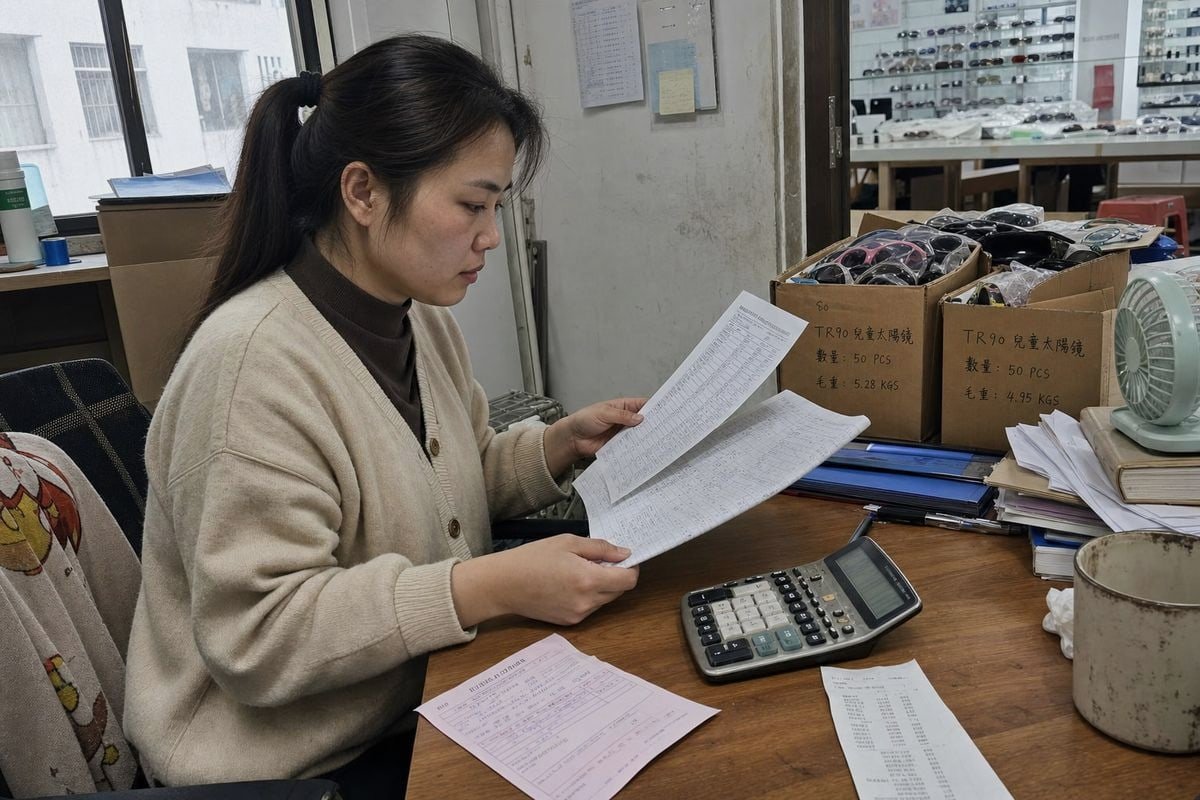
The percentage-versus-flat-fee structure is the key. A 2.5% platform fee on a $500 sample order is $12.50 — cheaper than most international wires. The same 2.5% on a $30,000 wholesale manufacturing order is $750, which dwarfs a flat wire fee.
| Elemento de Custo | Platform Payment | Bank Transfer (T/T) |
|---|---|---|
| Base fee | ~2–3% of order value | Flat sending fee, often with receiving and intermediary charges |
| Card surcharge | Sometimes added on top | Not applicable |
| FX spread | Often competitive on fintech rails | Bank rates are usually less favorable |
| Velocidade | Fast to initiate; release may be delayed | Typically 3–5 days via SWIFT |
| Hidden cost | Supplier may quote higher unit prices | Delays can affect inventory timing |
The Unit Price Effect
There is a fee most buyers never see. Chinese suppliers frequently quote lower unit prices for bank transfers because they avoid platform commissions and receive immediate liquidity to buy raw materials. At our factory, deposits fund TR90 and TPEE purchasing directly, so T/T orders are simply easier to price sharply.
Faster Rails Are Emerging
Specialized B2B fintech services now offer "local rails" — you pay into a virtual local account, bypassing the 3–5 day SWIFT delay while keeping a clean digital paper trail for compliance. China's Digital Yuan 5 (e-CNY) is also emerging as a middle ground for B2B trade, combining bank-transfer speed with platform-style transparency. Your true cost is never just the fee line. It includes the FX spread, intermediary charges, and any delay that pushes your production slot or delivery window.
Can I Trust a New Chinese Eyewear Supplier More If They Accept Secured Platform Payments?
Fifteen years of exporting children's eyewear from Taizhou has taught me something simple: buyers do not fear paying. They fear paying the wrong company. Payment habits reveal a lot.
Yes, acceptance of secured platform payments is a positive trust signal, because the supplier is agreeing to third-party dispute resolution and delayed fund release. However, it should complement — never replace — supplier verification, business license checks, and physical sample testing before you commit.
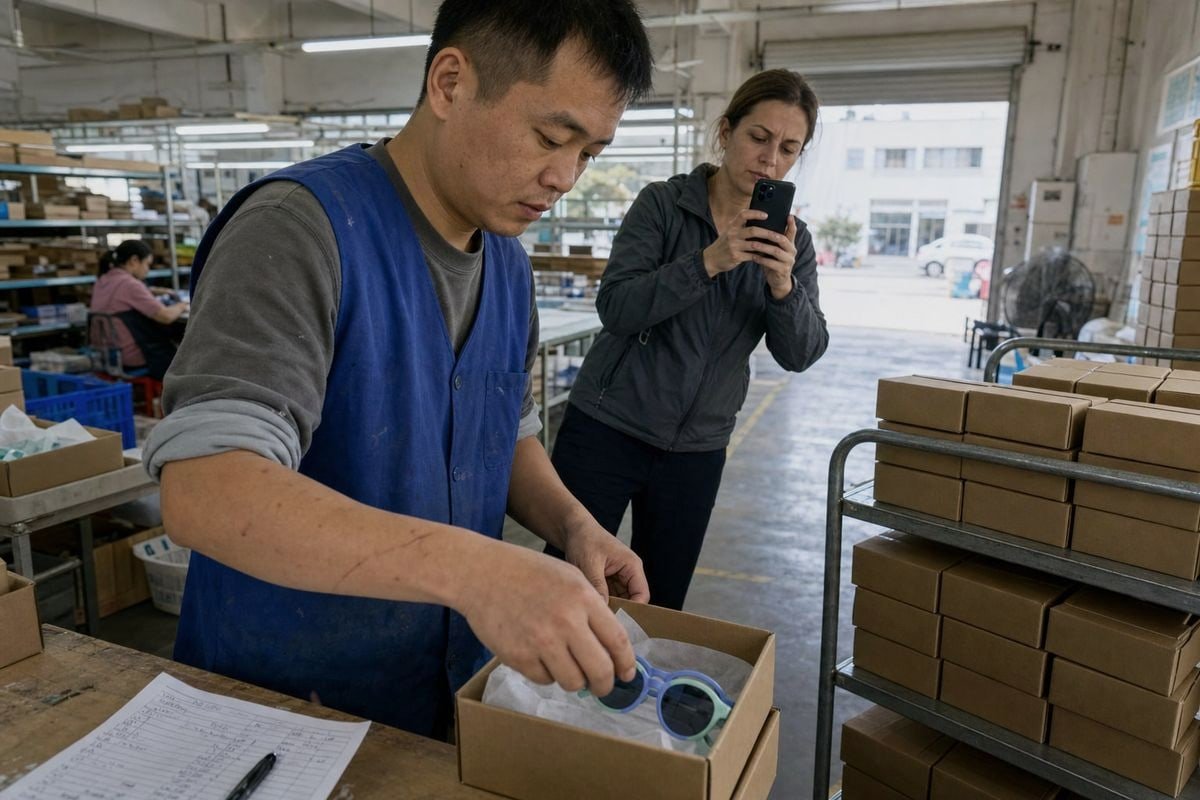
A factory that accepts Alibaba Trade Assurance or escrow terms is telling you something: it expects to deliver, and it can survive a hold on its cash. Scammers and fragile trading companies dislike those conditions. But treat this as one signal among several, not a green light on its own.
A Practical Verification Checklist
- Match the beneficiary name exactly to the Chinese business license. Scammers often request transfers to "personal" or "subsidiary" accounts. If the account name differs from the license, stop.
- Confirm the supplier is a factory, not a trader. Ask for workshop photos, a video call on the production floor, or an audit report. Our own buyers regularly video-tour our 5S-managed workshop before their first order.
- Test physical samples first. Flexible TPEE temples, lens UV performance, and hinge durability cannot be judged from a catalog photo of a wraparound shield lens.
- Ask for compliance documents up front. CPC certification for the US, EN71 test familiarity for Europe, and clear UV400 documentation should be easy for a real kids' eyewear factory to produce.
One more trend worth knowing: some smart-contract-enabled platforms now support ESG-triggered payments, releasing funds only when the supplier uploads a valid social compliance audit, such as BSCI, for that production batch. Serious factories welcome that scrutiny. When a supplier resists every form of conditional payment and pressures you toward a fast full-amount wire, that resistance is your answer.
What Payment Terms Should I Negotiate with My Kids' Eyewear Manufacturer for Long-Term Orders?
Our workshop schedules production runs around deposits. When a deposit lands, we book TR90 and TPEE material for that batch — which is exactly why payment terms matter to both sides.
Negotiate a 30% deposit by T/T to start production, and release the 70% balance only after a third-party inspection or lab tests pass, against a copy of the Bill of Lading. Confirm every term in writing on a proforma invoice before sending money.
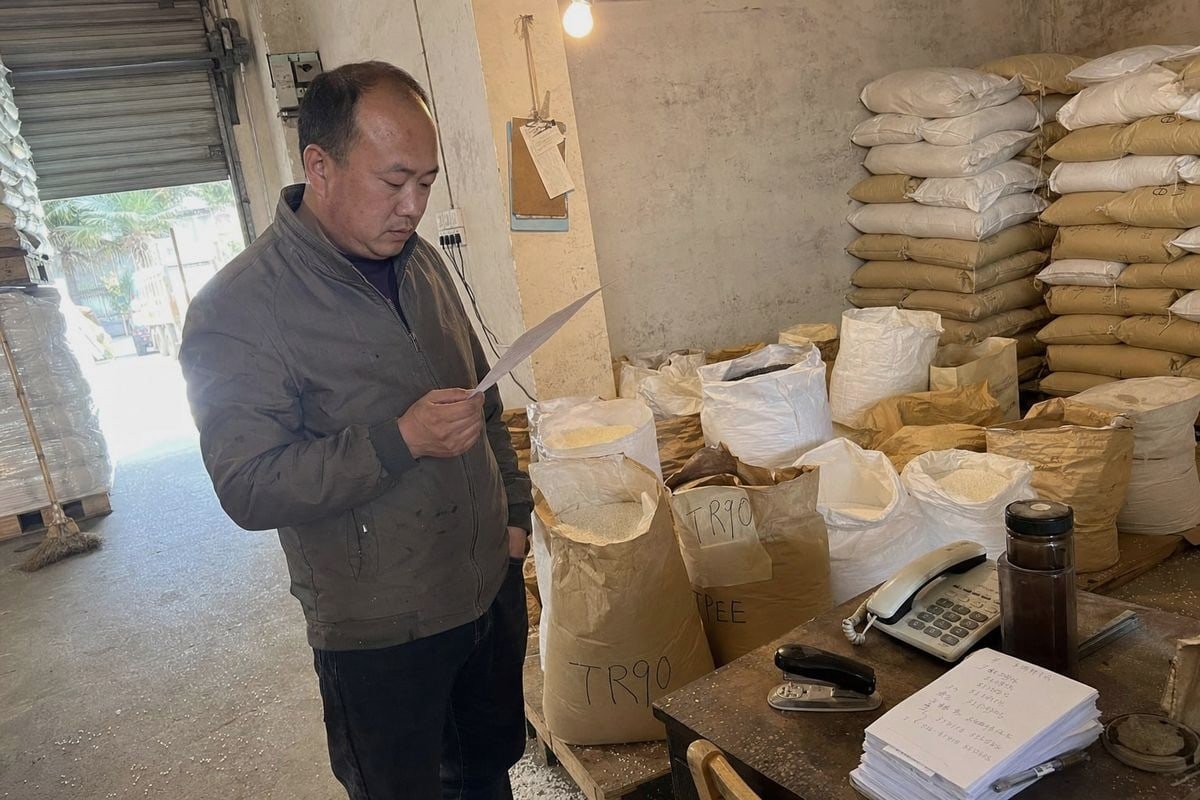
The 30/70 structure via telegraphic transfer (T/T) is the industry standard for a reason. It splits risk fairly: the factory commits materials and labor, and the buyer keeps leverage until goods are verifiably ready. But the smartest buyers we work with adjust the trigger for that 70%.
Match the Terms to the Relationship Stage
| Order Stage | Recommended Method | Suggested Terms |
|---|---|---|
| Samples and test buys | Secured platform payment | Pay in full via escrow; small value, maximum protection |
| First production order | Platform payment or 30/70 T/T | 30% deposit; balance after inspection and lab results |
| Repeat orders | Bank transfer (T/T) | 30/70 against Bill of Lading; negotiate better unit pricing |
| Large or seasonal runs | T/T or letter of credit | Documentary terms for high-value protection |
Tie the Balance to Evidence, Not Just Milestones
Sophisticated buyers increasingly tie the final 70% release to passing third-party lab tests — CPSIA 6 or EN71-1 for children's products — rather than the traditional milestone of goods leaving the factory. For kids' sunglasses, that is a meaningful upgrade. It converts subjective quality arguments into objective test reports. At our factory, we actively support this: buyers choosing from our roughly 800 existing styles can book pre-shipment inspections, and we provide the documentation package before requesting the balance. A factory confident in its quality control has no reason to fear evidence-based release terms. One that does fear them is telling you something important.
Conclusão
Payment mistakes cost more than fees. Use secured platform payments for samples and first orders, then shift to 30/70 bank transfers once supplier verification and quality trust are established.
Notas de rodapé
1. Official source explaining the SWIFT wire transfer network referenced for bank transfers. ↩︎
2. Provides background on UV protection standards referenced for kids’ sunglasses quality checks. ↩︎
3. Official CPSC page detailing CPC certification requirements referenced for US market compliance. ↩︎
4. Explains documentary payment instrument mentioned as alternative for high-value production runs. ↩︎
5. Background on China’s Digital Yuan mentioned as emerging middle ground for B2B trade payments. ↩︎
6. Official US regulatory source for CPSIA compliance mentioned for children’s product lab testing. ↩︎
Mais Artigos que Você Pode Gostar

1 de agosto de 2026
A Fábrica Deve Lidar com a Embalagem e Rotulagem de Óculos de Sol Infantis, ou Usar um Fornecedor Designado?

1 de agosto de 2026
Armazém Próprio vs. Envio Direto do Fornecedor: Qual Reduz os Custos de Devolução para Marcas de Óculos de Sol Infantis?

1 de agosto de 2026
Armazém Direto ao Porto ou Estiva no Exterior: Qual Economiza Mais no Envio de Óculos de Sol Infantis?
Procurando um Parceiro Confiável em Óculos Infantis?
Explore mais de 800 estilos prontos e suporte completo OEM/ODM adaptado à sua marca.
Entre em Contato English
  Español de México
  Deutsch
  Français
  日本語
日本語  العربية
  Português do Brasil