Como Negociar Termos de Produto Defeituoso Com Fornecedores de Óculos de Sol Infantis?
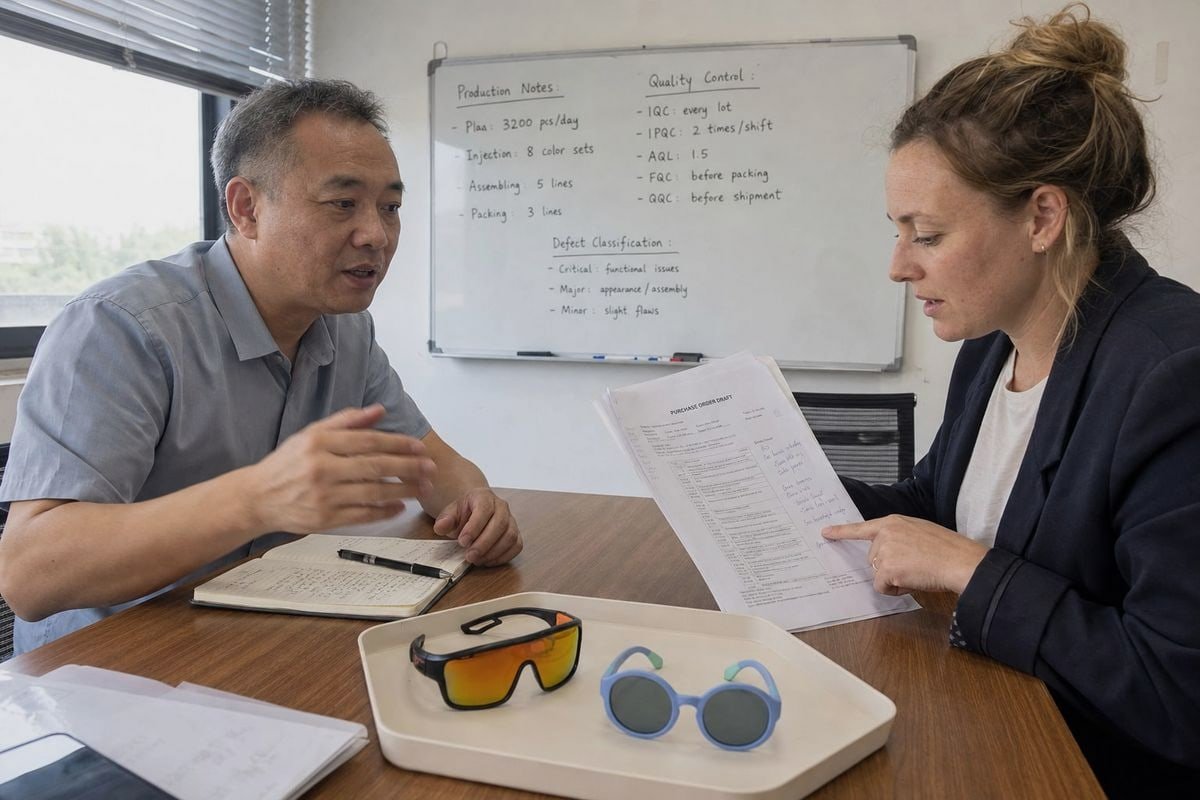
Aprender a negociar termos de produto defeituoso com fornecedores de óculos de sol infantis pode salvar sua marca de perdas dolorosas ANSI Z80.3 1. Em nossa linha de produção em Taizhou, vi acordos vagos arruinarem boas parcerias. Um carregamento chega, uma dobradiça falha, e de repente ninguém concordou em quem paga. A solução é simples: negociar termos claros de defeito antes que a produção comece.
Para negociar termos de produto defeituoso com fornecedores de óculos de sol infantis, defina defeitos e limites de AQL por escrito antes da produção, exija inspeção pré-embarque por terceiros, retenha 5-10% do pagamento até que a qualidade seja confirmada e concorde com remédios específicos — substituição, retrabalho ou crédito — com prazos e alocação de custos.
Essa é a resposta curta. Agora, deixe-me guiá-lo por cada etapa em detalhes, desde taxas de defeito aceitáveis até o tratamento de uma disputa quando um carregamento ruim chega à sua porta.
Qual Taxa de Defeito Devo Aceitar Antes de Negociar Termos de Substituição ou Reembolso?
Um comprador da Austrália me perguntou uma vez por que nossas cotações fazem referência a números de AQL. Em nossos 15 anos fabricando óculos infantis, essa única pergunta evitou mais disputas do que qualquer cláusula contratual.
Aceitar AQL 2.5 para defeitos cosméticos menores, AQL 1.5–2.5 para defeitos funcionais maiores e AQL 0 a 1.0 para defeitos críticos de segurança em óculos de sol infantis. Qualquer defeito crítico — descolamento da lente, bordas afiadas, falha UV — deve acionar direitos automáticos de rejeição, substituição ou reembolso.

AQL significa Nível de Qualidade Aceitável. Vem de ISO 2859-1 2 e ANSI/ASQ Z1.4, os padrões que a maioria dos inspetores terceirizados usa. Em termos simples, diz ao inspetor quantas unidades defeituosas são permitidas em uma amostra aleatória antes que todo o lote falhe. A maioria dos compradores de bens de consumo usa o Nível de Inspeção Geral II, e eu recomendo o mesmo para óculos de sol infantis, a menos que seu pedido seja muito pequeno.
A chave é que nem todos os defeitos são iguais. Um pequeno arranhão na parte interna de uma haste não é o mesmo que uma dobradiça que quebra quando uma criança dobra os óculos. Portanto, seu contrato deve dividir os defeitos em três classes e atribuir uma tolerância diferente a cada uma.
As Três Classes de Defeitos para Óculos de Sol Infantis
| Classe de Defeito | Exemplos | AQL Sugerido | Remédio Típico |
|---|---|---|---|
| Crítico (segurança) | Desprendimento da lente, bordas afiadas, UV400 3 falha, dobradiça quebrada expondo metal, avisos de segurança ausentes | 0 – 1.0 | Rejeitar lote; substituição ou reembolso por conta do fornecedor |
| Principal (funcional) | Lente empenada, parafusos soltos da dobradiça, alinhamento torto da armação, cor errada da lente, haste caindo | 1.5 – 2.5 | Retrabalho ou substituição das unidades afetadas |
| Menor (cosmético) | Pequenos arranhões, manchas de impressão leves, amassados pequenos na embalagem, leve variação de cor | 2.5 – 4.0 | Aceitar, ou negociar crédito se excessivo |
Por que essa divisão importa para a negociação? Porque sua influência muda com a classe. Se um lote falhar em defeitos críticos, você detém quase todas as cartas. Um produto infantil com falha de segurança não pode ser vendido, e qualquer fábrica honesta sabe disso. Em nossa própria linha, TPEE e TR90 4 armações são escolhidas precisamente porque flexionam em vez de quebrar, então falhas críticas devem ser raras — e seu contrato deve tratá-las dessa forma.
Para problemas cosméticos menores, seja realista. Exigir zero arranhões em um item infantil de baixo custo aumentará o preço unitário ou levará o fornecedor a esconder problemas. Um AQL justo mantém ambos os lados honestos e lhe dá uma linha clara e objetiva de aprovação/reprovação para negociar.
Mais uma dica: peça ao fornecedor dados históricos de taxa de defeitos de execuções de produção anteriores. Se a taxa real deles for de 1%, você pode negociar razoavelmente um AQL mais rigoroso. Se eles se recusarem a compartilhar quaisquer dados, isso por si só lhe diz algo.
Como Posso Obter Garantias de Qualidade Claras Escritas no Meu Contrato com o Fornecedor?
Há uma troca que discuto com quase todas as novas marcas que integramos: termos contratuais mais rigorosos versus preço unitário. Em minha experiência exportando para mais de 20 países, os compradores que colocam garantias de qualidade por escrito antecipadamente realmente pagam menos ao longo do tempo gerenciamento da cadeia de suprimentos 5.
Escreva garantias de qualidade na própria ordem de compra: refira a amostra dourada aprovada, especifique os níveis AQL e os padrões de inspeção, exija certificados de conformidade como EN ISO 12312-1 ou ANSI Z80.3, defina recursos e prazos para falhas e vincule o pagamento final a uma inspeção de terceiros aprovada.
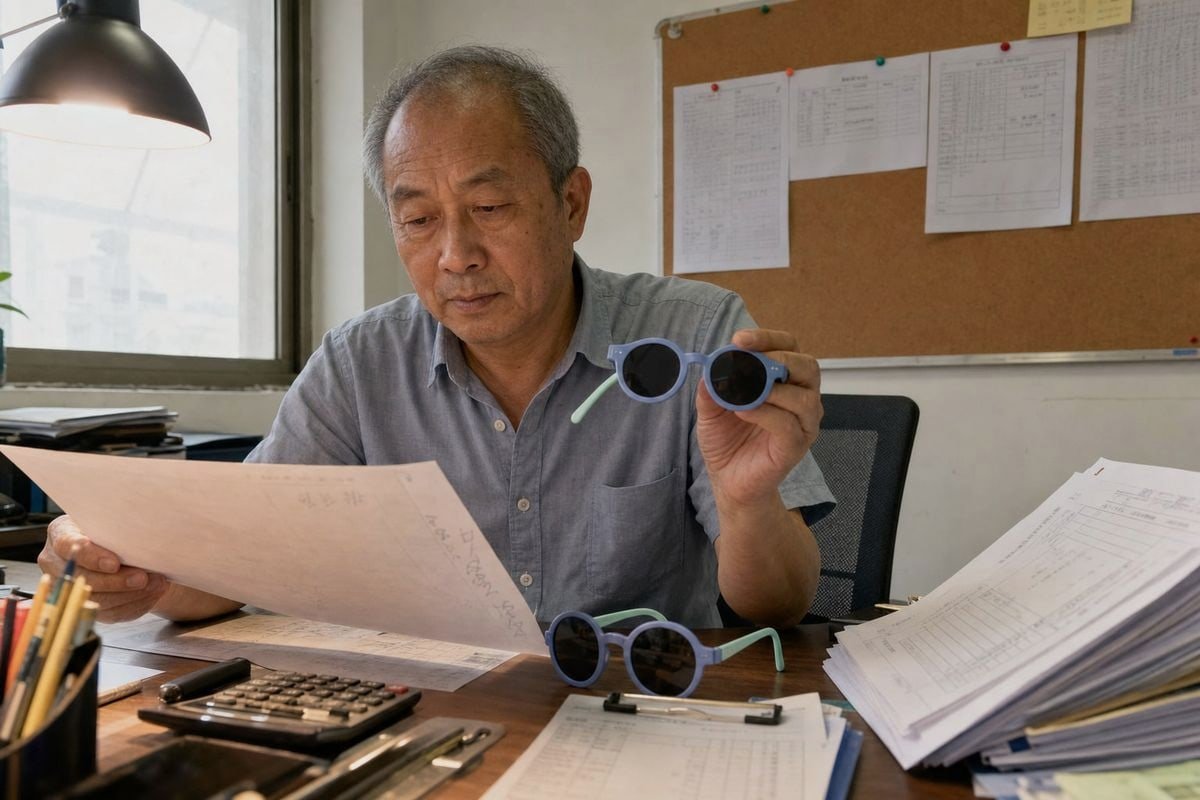
Promessas verbais evaporam no momento em que um contêiner deixa o porto. E-mails ajudam, mas a posição mais forte é uma ordem de compra ou acordo de fornecimento que detalha tudo antes que a primeira armação seja moldada. Aqui está o que recomendo incluir, com base nos contratos que nossos compradores mais profissionais nos enviam.
As Cláusulas Que Realmente Protegem Você
| Cláusula | O Que Deveria Dizer | Por Que Importa |
|---|---|---|
| Referência da amostra dourada | A produção deve corresponder à amostra assinada e aprovada em material, cor, lente e acabamento | Remove discussões sobre o que é "correto" |
| Padrão de inspeção | ISO 2859-1, Nível de Inspeção Geral II, com seu AQL acordado por classe de defeito | Dá aos inspetores uma regra objetiva de aprovação/reprovação |
| Certificação de conformidade | Relatórios de teste válidos para CPSIA 6 (EUA), EN ISO 12312-1 (UE) ou ANSI Z80.3 para resistência UV e de impacto | Óculos infantis são sensíveis à segurança; certificados protegem a revendabilidade |
| Inspeção pré-embarque | Inspeção por terceiros (SGS 7, Intertek, Bureau Veritas) como condição para liberação do embarque | Detecta problemas antes que as mercadorias saiam da fábrica |
| Hierarquia de remediação | Retrabalho ao custo do fornecedor, produção de substituição, reinspeção ao custo do fornecedor, ou reembolso acordado | Evita discussões intermináveis após uma falha |
| Retenção de pagamento | 5–10% da fatura liberados 30–60 dias após a confirmação da qualidade da entrega | Cobre defeitos ocultos como fadiga de dobradiça |
| Alocação de custos | O fornecedor cobre frete de retorno, mão de obra de retrabalho e taxas de reinspeção para defeitos confirmados | Remove o tópico de disputa mais comum |
Algumas notas práticas. Primeiro, solicite especificamente dados de teste de fadiga de dobradiça e adesão de lente. Estes são os dois pontos de falha latente mais comuns em óculos de sol infantis, e não aparecerão em uma inspeção visual. Em nossa fábrica, as hastes flexíveis de TPEE existem precisamente porque dobradiças rígidas falham sob o abuso que as crianças causam, então qualquer fornecedor sério deve ser capaz de discutir o desempenho de fadiga com você.
Segundo, se você é uma nova marca testando o mercado, negocie uma cláusula de pedido escalonado. Comece com um lote de teste menor vinculado a um índice de taxa de defeitos mensurável. Se o teste for aprovado, o pedido maior prossegue pelo preço acordado. É também por isso que mantemos aproximadamente 800 estilos existentes disponíveis — isso permite que os compradores realizem pedidos de teste de baixo risco sem um grande investimento em moldes, o que torna os termos escalonados fáceis de aceitar para ambos os lados.
Terceiro, espere alguma resistência. Fornecedores com margens apertadas podem resistir a longos períodos de garantia ou grandes retenções. Essa é uma preocupação justa, e você pode trocar: uma retenção ligeiramente menor em troca de uma janela de responsabilidade pós-entrega mais longa, por exemplo. Regras claras custam um pouco de atrito no início. Regras vagas custam muito mais depois.
Que Perguntas Devo Fazer a um Fabricante Sobre o Seu Processo de Inspeção de Defeitos?
Durante uma visita à fábrica no ano passado, uma gerente de compras da Europa passou mais tempo em nossa área de CQ gerenciada por 5S do que em nosso showroom. Ela fez perguntas mais perspicazes do que a maioria dos auditores, e todas elas pertencem à sua lista.
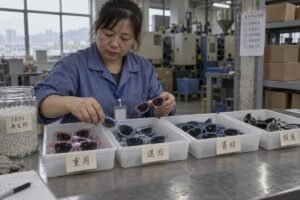
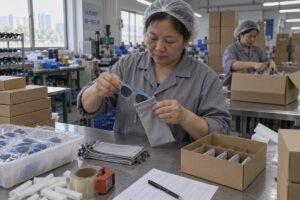
Pergunte como o fabricante inspeciona os materiais recebidos, a montagem em processo e os produtos acabados; qual AQL e plano de amostragem eles usam; como eles testam a proteção UV, a durabilidade da dobradiça e a adesão da lente; como os defeitos são registrados e rastreados; e se eles aceitam inspeções de pré-embarque de terceiros.
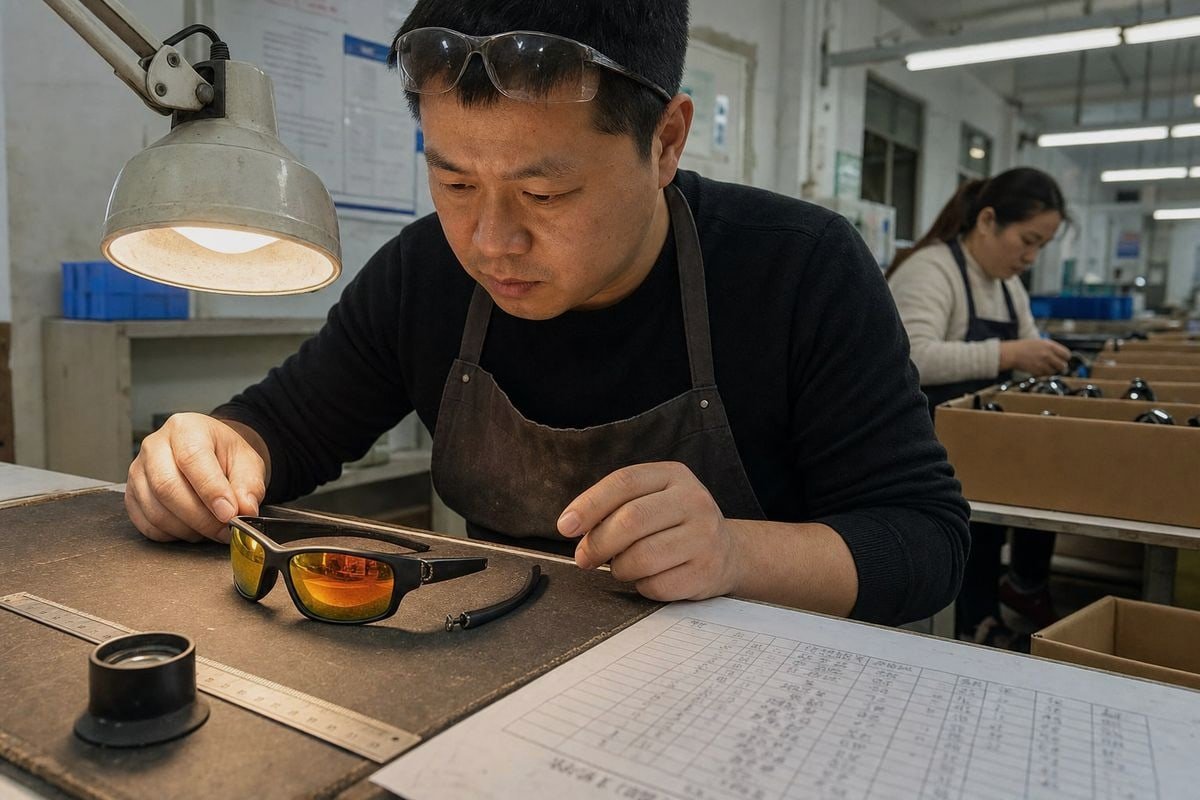
A maneira como uma fábrica responde a essas perguntas diz mais do que qualquer folheto. Um fornecedor com um sistema de qualidade real responderá rapidamente e especificamente. Um fornecedor sem um dará garantias vagas. Aqui está uma lista de perguntas práticas, organizada por estágio de produção, que você pode usar em sua próxima ligação com o fornecedor.
Perguntas por Estágio de Produção
- Materiais de entrada. Como você verifica o material da lente, o desempenho UV400 e a resina da armação antes da produção? Você mantém certificados de material arquivados? Lentes baratas são onde as falhas UV geralmente começam, então esta pergunta é mais importante para óculos infantis.
- Controle em processo. Em que pontos durante a moldagem, montagem e ajuste da lente você verifica a qualidade? Quem tem autoridade para parar a linha? Em nosso chão de fábrica, verificações em processo detectam montagem torta e parafusos soltos muito antes da inspeção final — esperar até o fim é sempre mais caro.
- Inspeção de produtos acabados. Qual plano de amostragem você usa? Quais níveis de AQL? Você pode me mostrar um relatório de inspeção recente com contagens de defeitos reais? Peça para ver o formato do relatório antes de fazer o pedido, para saber que evidências você receberá.
- Teste específico do produto. Você realiza ciclos de fadiga de abertura e fechamento de dobradiças? Verificações de adesão ou delaminação de lentes? Testes de queda ou flexão em armações? Para armações flexíveis de TPEE e TR90, a recuperação de flexão é o teste significativo; a armação deve retornar à forma depois que uma criança sentar nela.
- Rastreabilidade e registros. Se eu relatar um defeito do lote 3, você consegue rastreá-lo até uma data de produção, molde e operador? Fábricas que podem responder sim corrigem as causas raiz. Fábricas que não podem repetirão o mesmo defeito.
- Acesso de terceiros. Você aceitará inspeções da SGS, Intertek ou Bureau Veritas 8 em suas instalações antes do envio? Qualquer hesitação aqui é um sinal de alerta. Fábricas confiantes acolhem inspetores externos porque um relatório aprovado também as protege.
Faça essas perguntas antes de negociar os termos, não depois. As respostas dizem o quão rigoroso seu contrato precisa ser. Uma fábrica com CQ interno forte pode merecer uma retenção menor. Uma fábrica com respostas fracas precisa de termos mais rígidos — ou não deveria receber o pedido.
Como Lidar com Disputas se um Envio de Óculos de Sol Infantis Chegar com Defeitos?
No início da minha carreira aqui, um cliente me ligou frustrado com hastes tortas em um lote entregue — mas sem fotos, sem contagens e com o saldo já pago. Resolvemos, mas a lição ficou: como você lida com as primeiras 48 horas decide como a disputa termina.
Congele os produtos e documente tudo com fotos, vídeos e contagem de defeitos; compare as unidades com a amostra aprovada; calcule o impacto financeiro; envie uma solicitação de ação corretiva por escrito com uma solução proposta e prazo; e retenha qualquer pagamento restante até que a resolução seja confirmada por escrito.
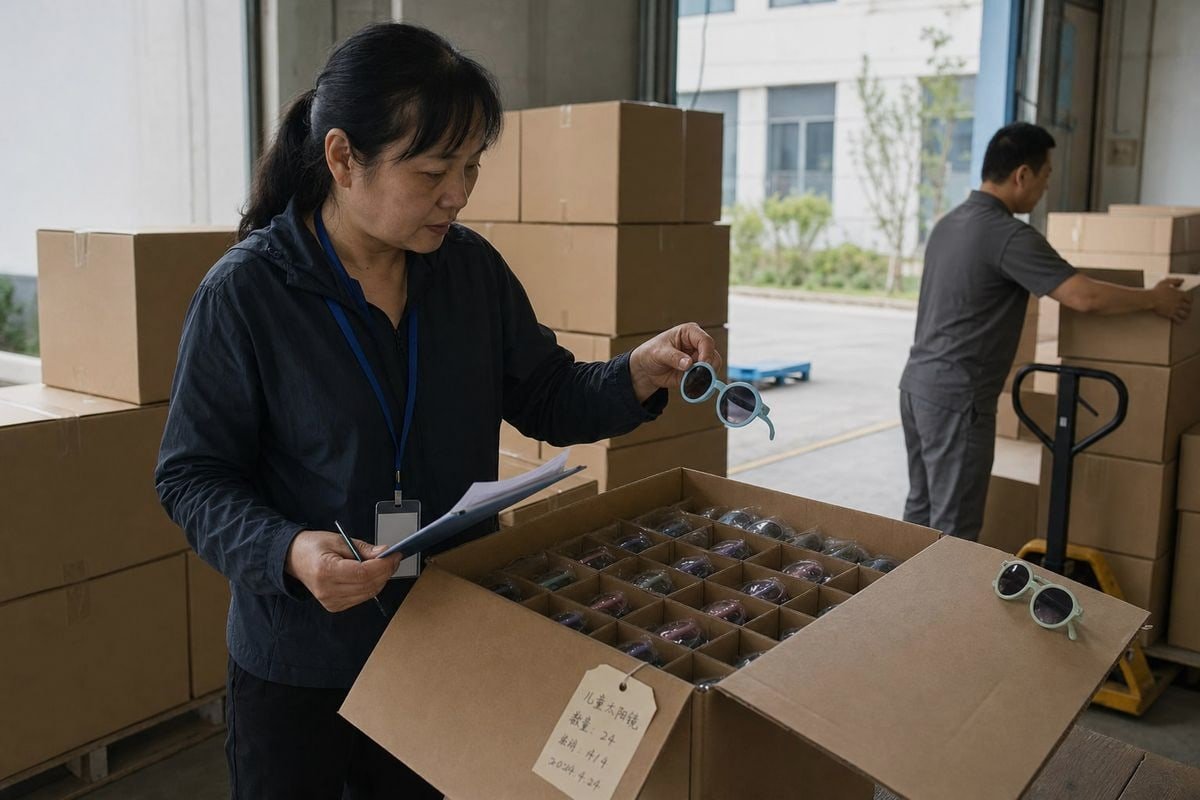
Quando um envio defeituoso chega, a emoção é sua inimiga e a evidência é sua melhor amiga. Fornecedores respondem a reclamações específicas, documentadas e quantificadas. Eles desviam de reclamações vagas. Siga uma sequência estruturada e você quase sempre alcançará um resultado justo.
O Processo de Disputa em Quatro Etapas
| Etapa | O que fazer | Detalhe Chave |
|---|---|---|
| Congele e documente | Interrompa a distribuição; fotografe e filme os defeitos; conte as unidades afetadas; guarde a embalagem e os rótulos das caixas | Compare as unidades defeituosas com sua amostra de referência aprovada lado a lado |
| Quantifique o impacto | Converta as contagens de defeitos em uma taxa de defeitos e um custo projetado, incluindo retrabalho, reembolsos e vendas perdidas | Números negociam melhor do que frustração |
| Envie uma reclamação por escrito | Referencie o número do PO, termos de AQL, resultados de inspeção e evidências; proponha uma remediação e prazo específicos | Notificação por escrito dentro da janela de reclamação do contrato preserva seus direitos |
| Negocie e confirme | Concorde em reparo, substituição, nota de crédito, ajuste de remessa incompleta ou reembolso parcial — depois, coloque por escrito | Não libere o pagamento retido até que a solução seja confirmada |
Ao propor a solução, ofereça uma escolha estruturada em vez de uma demanda de reembolso aberta. Em ordem de preferência, a maioria dos compradores pede: substituição de unidades defeituosas por custo do fornecedor, reparo e reinspeção por custo do fornecedor, um reembolso parcial ou nota de crédito, um ajuste de pagamento para a quantidade defeituosa, ou um desconto no próximo pedido se o relacionamento valer a pena ser preservado. Oferecer opções ao fornecedor agiliza o acordo, pois ele pode escolher a solução que lhe custa menos, mantendo você satisfeito.
Seus pontos de alavancagem são concretos. O saldo não pago é o mais forte. Evidências de inspeção de terceiros vêm em seguida. O desejo do fornecedor de evitar reclamações na plataforma, pagamentos atrasados ou danos à reputação completa o quadro. Use-os com calma. Uma mensagem que diz "aqui estão as evidências, aqui está a quantidade, aqui está o custo e aqui está a solução que propomos até esta data" gera ação. Um e-mail irritado gera silêncio.
Finalmente, proteja o relacionamento onde ele merece ser protegido. Um fornecedor que responde rapidamente, admite a falha e a corrige por conta própria está mostrando exatamente o comportamento que você deseja a longo prazo. Do nosso lado, quando um defeito genuíno é nosso, substituímos as peças ou unidades afetadas — às vezes, apenas as hastes ou lentes precisam ser substituídas, não o par inteiro — porque manter a confiança de uma marca vale muito mais do que a margem de um único envio.
Conclusão
Remessas defeituosas drenam caixa e confiança rapidamente. Negocie os termos de defeito antes da produção: limites claros de AQL, garantias por escrito, perguntas reais de inspeção, alavancagem de pagamento e tratamento de disputas documentado e focado em soluções.
Notas de rodapé
Padrão referenciado para testes de resistência UV e de impacto de óculos de sol. ↩︎
Padrão primário que define a amostragem AQL usada em todo o sistema de classificação de defeitos do artigo. ↩︎
Conceito de fundo sobre padrões de proteção UV relevantes para a discussão de verificação de material de lente. ↩︎
Conceito de ciência de materiais de fundo que explica o polímero de armação flexível discutido no artigo. ↩︎
Conceito de fundo amplo que sustenta as práticas de negociação com fornecedores e contratos de qualidade descritas. ↩︎
Lei de segurança dos EUA referenciada como requisito de certificado de conformidade para óculos infantis. ↩︎
Empresa de inspeção terceirizada nomeada como provedora confiável de inspeção pré-embarque. ↩︎
Firma de inspeção terceirizada nomeada relevante para práticas de verificação de qualidade pré-embarque. ↩︎
Mais Artigos que Você Pode Gostar

Procurando um Parceiro Confiável em Óculos Infantis?
Explore mais de 800 estilos prontos e suporte completo OEM/ODM adaptado à sua marca.
Entre em Contato English
  Español de México
  Deutsch
  Français
  日本語
日本語  العربية
  Português do Brasil