How Many Kids’ Sunglasses Styles and Colors Should I Stock per Shelf Slot?
Deciding how many kids’ sunglasses styles and colors to stock per shelf slot is a question our factory in Taizhou hears from buyers almost every week UV400 1. Get it wrong, and the pain compounds fast: a cluttered shelf confuses parents, slow colors tie up cash, and stockouts on the one frame every child wants kill your season. I have watched brands over-order twelve near-identical frames and then struggle to clear them at a discount. The fix is a simple, repeatable assortment formula — tight on styles, smart on colors, and backed by a supplier who lets you test before you commit.
Stock 3–5 distinct kids’ sunglasses styles and 4–8 total colors per shelf slot. Use 3 styles for tight slots, 5 for high-visibility slots, with 2–3 core colors per style. Keep roughly 80% proven bestsellers and 20% seasonal or trend colorways to balance appeal against inventory risk.
That is the short answer. But the right number shifts with your store format, your age bands, and your reorder cycle. Let me walk you through each decision, step by step.
How many styles and colors should I choose for a single shelf slot to balance variety with inventory cost?
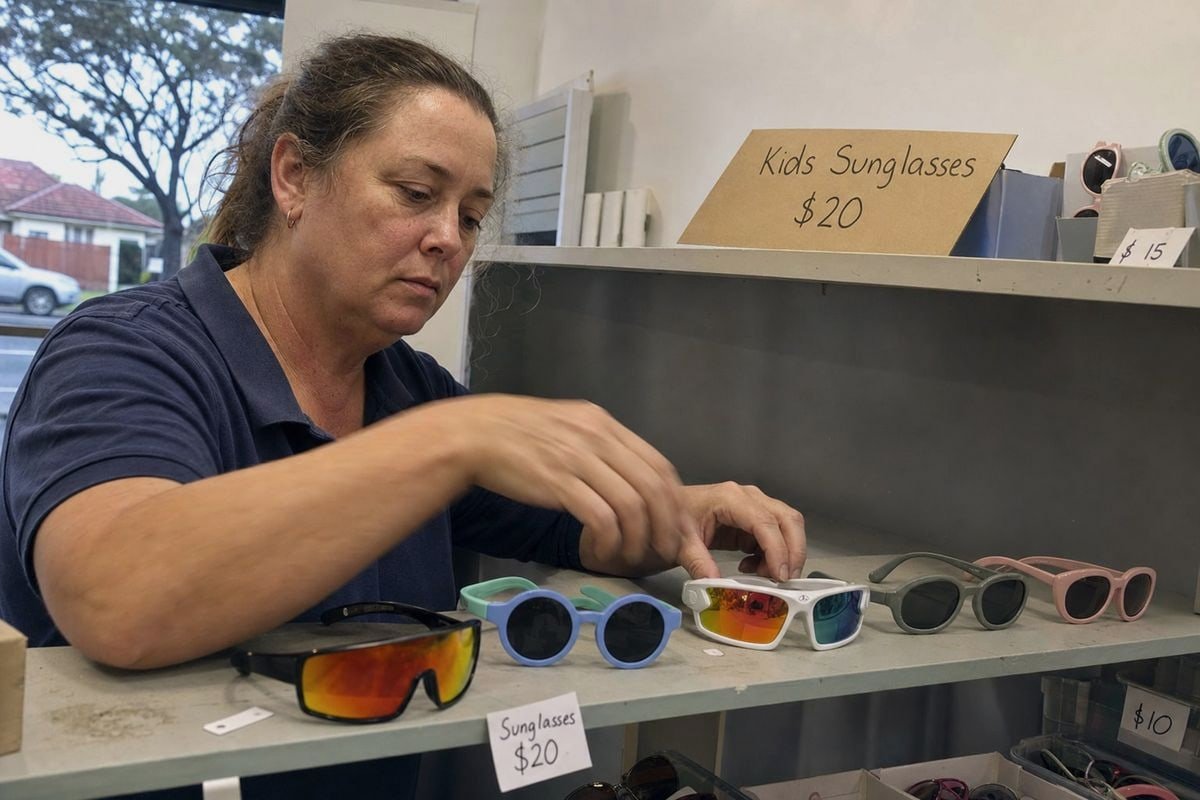
A buyer from Australia once showed me photos of her first retail display: nine styles crammed into one bay. Sell-through was poor. Our team helped her cut it to four, and the shelf finally started working.
Choose 3–5 styles and 4–8 colors per shelf slot. Style is the shopper's first decision, so keep silhouettes distinct. Color is the second decision, so limit each style to 2–3 core colors, adding more only in high-traffic or seasonal placements.
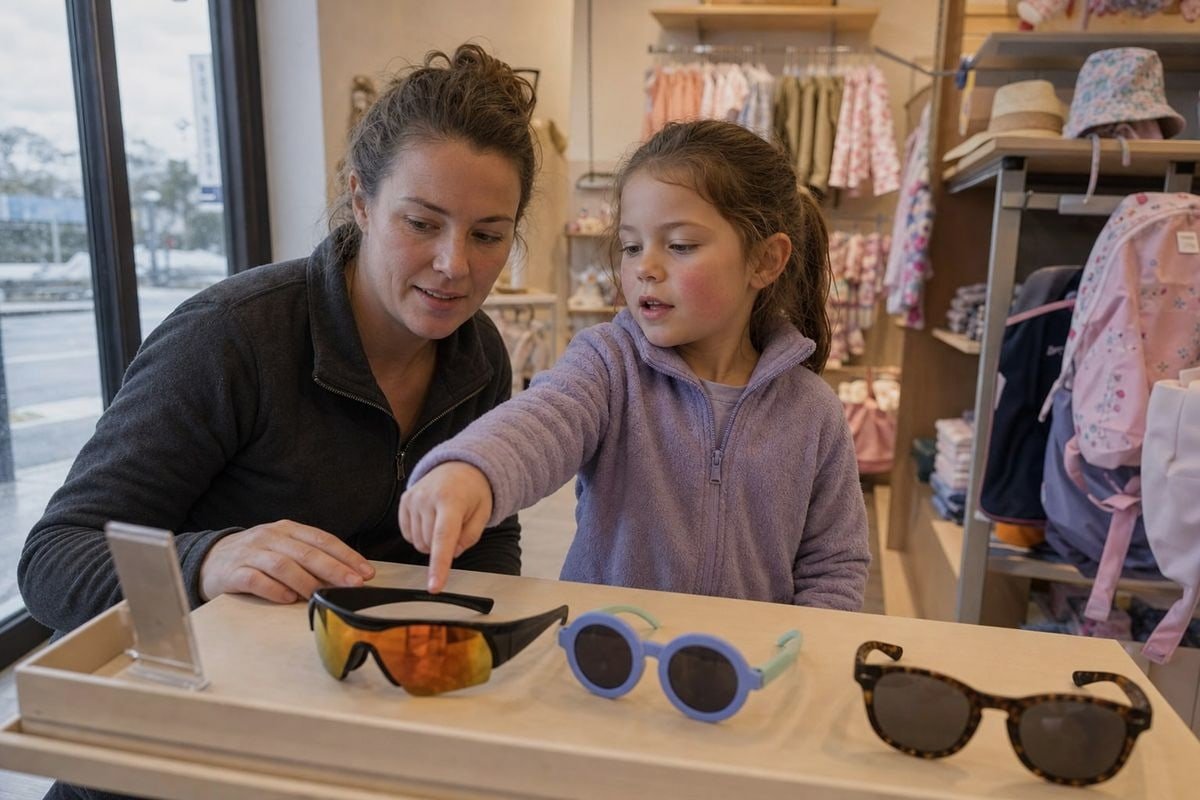
A shelf slot is not a category page. Online, a retailer like Primark can list 29 kids' sunglasses items because shoppers scroll and filter. In-store, a parent scans a slot for maybe five seconds. If they cannot tell the styles apart at a glance, they move on. So the first rule is distinction: every style in the slot should look clearly different from its neighbors.
Match the count to the slot type
Not all slots do the same job. Here is the framework we suggest to buyers when they plan their first planogram 2 with our existing styles:
| Slot type | Styles | Colors per style | Goal |
|---|---|---|---|
| Tight shelf bay | 3 | 2–3 core colors | Fast recognition, low inventory risk |
| Moderate slot | 4 | 2–4 colors | Balanced variety and depth |
| High-visibility slot | 5 max | 3–4 colors | Broad appeal with reliable replenishment |
| Seasonal endcap | 3–4 | 4–6 bright colors | Impulse appeal and display energy |
Why styles beat colors for small slots
More styles broaden appeal across ages and face shapes. But each new style carries its own reorder threshold, its own minimum order quantity, and its own risk of becoming a slow mover. Colors within one style share tooling and often share packaging, so they are cheaper variety. Still, too many colors dilute the display and hide your bestsellers. In our experience shipping to retailers in 20+ countries, the slots that perform best pair one or two neutral core options, one bright playful option, one sport wraparound like our shield-lens styles, and one fashion or trend frame. That mix covers the parent's practical needs and the child's fun factor without visual clutter.
What is the ideal ratio of core styles to seasonal or trend colors when planning my kids' sunglasses assortment?
There is a trade-off I weigh every time we help a brand build a launch assortment: novelty drives excitement, but repeatability drives cash flow. Lean too far either way and the shelf suffers.
Follow an 80/20 split: roughly 80% of your shelf slot inventory should be proven core styles in reliable colors, and 20% should be seasonal or trend colorways. Rotate the trend portion quarterly while keeping core anchors in fixed positions year-round.

The 80/20 split works because it separates two different jobs. Core styles are your anchors. They sit in the same shelf position all year, parents recognize them on repeat visits, and you can reorder them with confidence. Trend colorways are your hooks. They create newness, catch the eye during back-to-school or summer peaks, and give you a low-risk way to read what the market wants next.
How the split plays out on a real shelf
Take a four-style slot as an example. Three styles stay core: a classic round pastel frame, a neutral everyday frame, and a sport wraparound for active kids. The fourth position rotates. In summer, it might be a white shield frame with a gradient mirrored lens. Before the holidays, it might shift to a gift-friendly bright color. The planogram never changes shape — only one slot refreshes.
Adjust the ratio by channel
| Channel | Core share | Trend share | Reasoning |
|---|---|---|---|
| Mass retail / value stores | 85% | 15% | Shoppers want quick, familiar choices |
| Specialty / premium kids' stores | 75% | 25% | Curated newness is expected |
| Seasonal endcaps and promotions | 60% | 40% | Impulse appeal rewards brightness |
| Wholesale / pack-based buying | 70% | 30% | Color breadth fills displays |
One lesson we learned early: never let a trend color become an accidental core. If a seasonal colorway sells through twice in a row, promote it deliberately into the core lineup with a real reorder plan. If it sells once and stalls, retire it. Our flexible TPEE and TR90 frames make this easier for buyers, because the same trusted mold can carry a new colorway without any change to fit, safety, or comfort.
How can I use OKAY EYEWEAR's existing style range to test new colorways before committing to custom molds?
Last year, a European baby-brand buyer asked us for a fully custom frame as her first order. We suggested a different route: pick from our roughly 800 existing styles first, prove the shelf, then invest in molds. She launched three months faster.
Use OKAY EYEWEAR's ~800 existing TPEE and TR90 styles to test new colorways with custom colors, logos, and packaging — no mold investment needed. Once a style-color combination proves sell-through over one or two seasons, commit to custom molds for your winners.
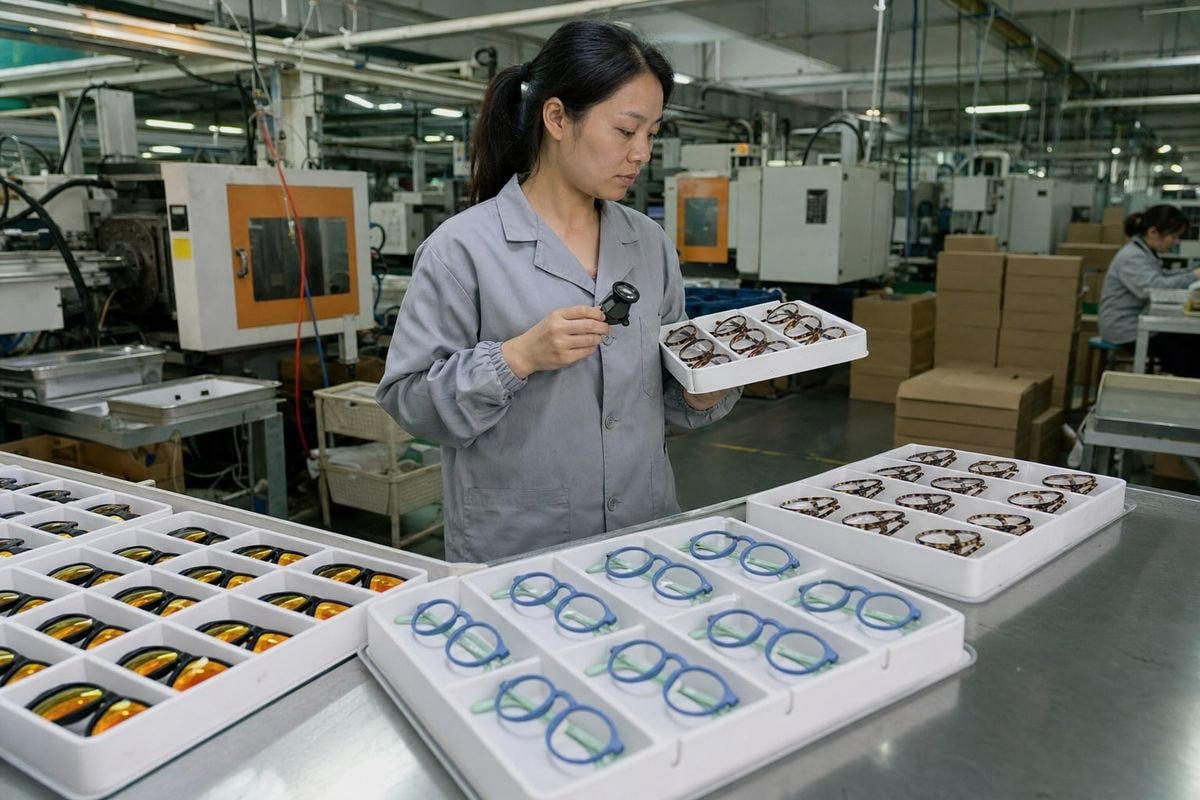
A custom mold 3 is a serious commitment. It carries tooling cost, development time, and the risk that the shape simply does not sell. Testing with an existing style range removes most of that risk while still letting your brand look fully custom on the shelf.
A four-step testing process
- Select 3–5 existing silhouettes that match your target age bands and shelf strategy — for example, a round pastel frame for younger kids, a sport shield for active tweens, and a neutral everyday shape.
- Customize the surfaces, not the tooling. We apply your custom frame colors, temple colors, logo printing, and lens options (UV400 or polarized 4) to existing molds. Your packaging and display cards make it retail-ready.
- Run one full season in your shelf slots. Track sell-through weekly by style and by color, not just by style. A frame that sells well in mint but stalls in gray is telling you something specific.
- Graduate the winners. When a style-color combination proves itself across a season or two, that is the moment to discuss a custom mold — a unique silhouette that competitors cannot buy off the shelf.
This approach matters most for new brands and importers 5. In our 15 years of eyewear production, the buyers who test first almost always end up with stronger custom designs later, because their mold decisions are backed by real shelf data instead of guesses. And because our flexible materials are consistent across the range, the safety and comfort story stays the same whether the frame is catalog or custom.
What minimum order quantities and reorder cycles should I plan for each style-color combination to avoid stockouts?
Our production planners see the same pattern every June: a buyer's bestselling color sells out mid-season, the reorder arrives after the peak, and the margin evaporates. Stockouts on winners cost more than overstock on losers.
Plan MOQs of roughly 300–500 units per style-color combination for core sellers and smaller test quantities for trend colors. Reorder when stock hits 4–6 weeks of cover, accounting for production and shipping lead times, and review sell-through data weekly.
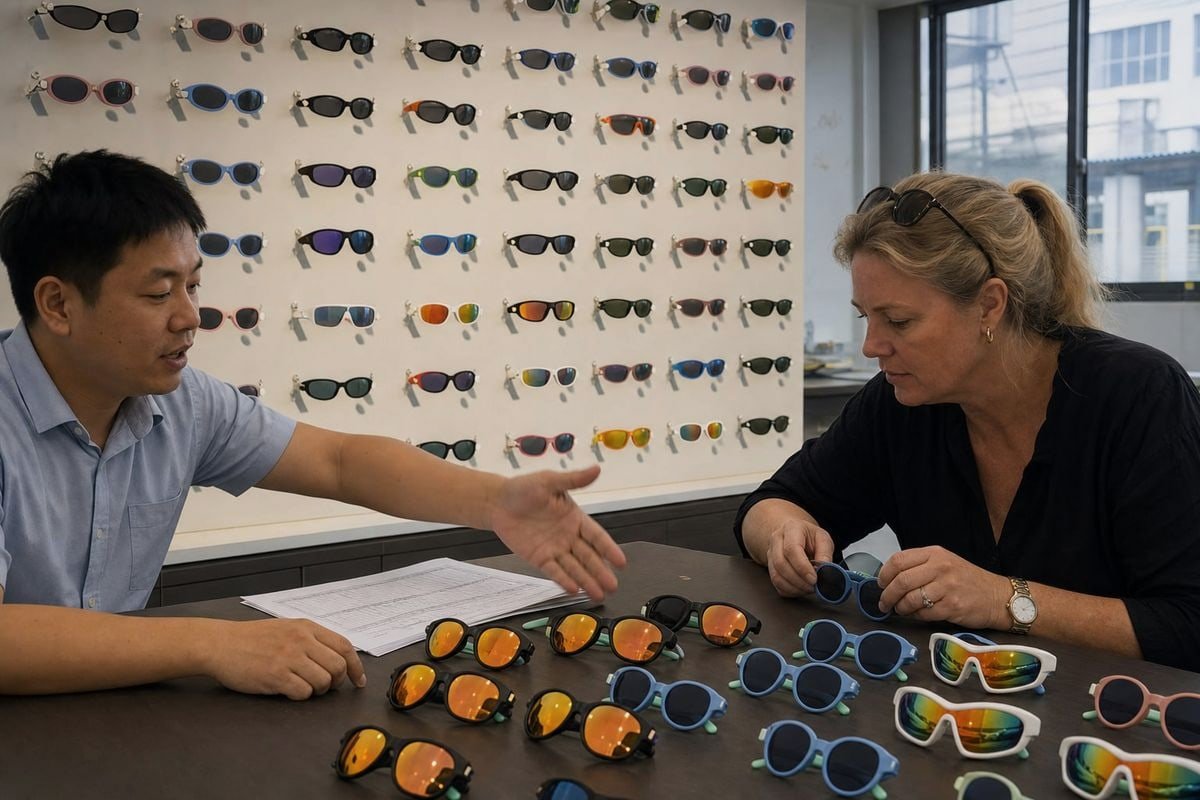
Reorder planning for kids' sunglasses is really lead-time math. Your reorder trigger must equal your expected sales during the full replenishment window: production time, quality checks 6, ocean or air freight, customs, and distribution to stores. If that window is ten weeks and a color sells 50 units a week per store cluster, your trigger point is 500 units — not 100.
Depth by SKU role
Not every style-color combination deserves the same depth. We encourage buyers to tier their orders:
| SKU role | Suggested initial depth | Reorder posture |
|---|---|---|
| Core bestseller color | Full MOQ or above | Automatic reorder at trigger point |
| Core secondary color | Standard MOQ | Reorder if weekly sell-through holds |
| Seasonal trend color | Minimum test quantity | One-and-done unless it outperforms |
| Novelty / gift color | Small test quantity | Retire at season end |
Practical rules that prevent stockouts
- Deepen inventory before you widen it. If replenishment is uncertain, cut a marginal SKU and put that budget into extra depth on your top two colors.
- Reorder colors, not just styles. A style can look healthy in total while its best color is already gone. Track at the style-color level.
- Book seasonal production early. Summer peaks in your market mean production peaks in ours months earlier. Buyers who confirm reorders in Q1 rarely miss the season.
- Use weekly POS data, not the planogram. A static plan drifts from reality within weeks. Shift facings toward what is actually selling.
Because our factory runs a oficina gerenciada por 5S 7 with around 120 workers, we can hold consistent lead times for repeat colorways on existing styles — which is exactly what makes a reliable reorder cycle possible in the first place.
Conclusão
Stock 3–5 distinct styles and 4–8 colors per slot, keep an 80/20 core-to-trend split, test colorways on existing molds, and tier your MOQs — then reorder your winners before they run out.
Notas de rodapé
1. WHO guidance supports the UV protection claim for children’s sunglasses lens options. ↩︎
2. Explains the retail planogram concept used for organizing shelf slot layouts. ↩︎
3. Alibaba.com is a major sourcing platform for custom eyewear mold manufacturing decisions. ↩︎
4. FDA guidance on UV-protective lens standards relevant to children’s sunglasses safety. ↩︎
5. WTO context on international trade relevant to eyewear brands and importers sourcing overseas. ↩︎
6. ISO 9001 outlines quality management processes referenced in production lead-time planning. ↩︎
7. Explains the 5S workplace organization methodology mentioned for factory efficiency. ↩︎
Mais Artigos que Você Pode Gostar

1 de agosto de 2026
A Fábrica Deve Lidar com a Embalagem e Rotulagem de Óculos de Sol Infantis, ou Usar um Fornecedor Designado?

1 de agosto de 2026
Armazém Próprio vs. Envio Direto do Fornecedor: Qual Reduz os Custos de Devolução para Marcas de Óculos de Sol Infantis?

1 de agosto de 2026
Armazém Direto ao Porto ou Estiva no Exterior: Qual Economiza Mais no Envio de Óculos de Sol Infantis?
Procurando um Parceiro Confiável em Óculos Infantis?
Explore mais de 800 estilos prontos e suporte completo OEM/ODM adaptado à sua marca.
Entre em Contato English
  Español de México
  Deutsch
  Français
  日本語
日本語  العربية
  Português do Brasil