How to Manage Exchange Rate and Raw Material Costs When Sourcing Kids Sunglasses from China?
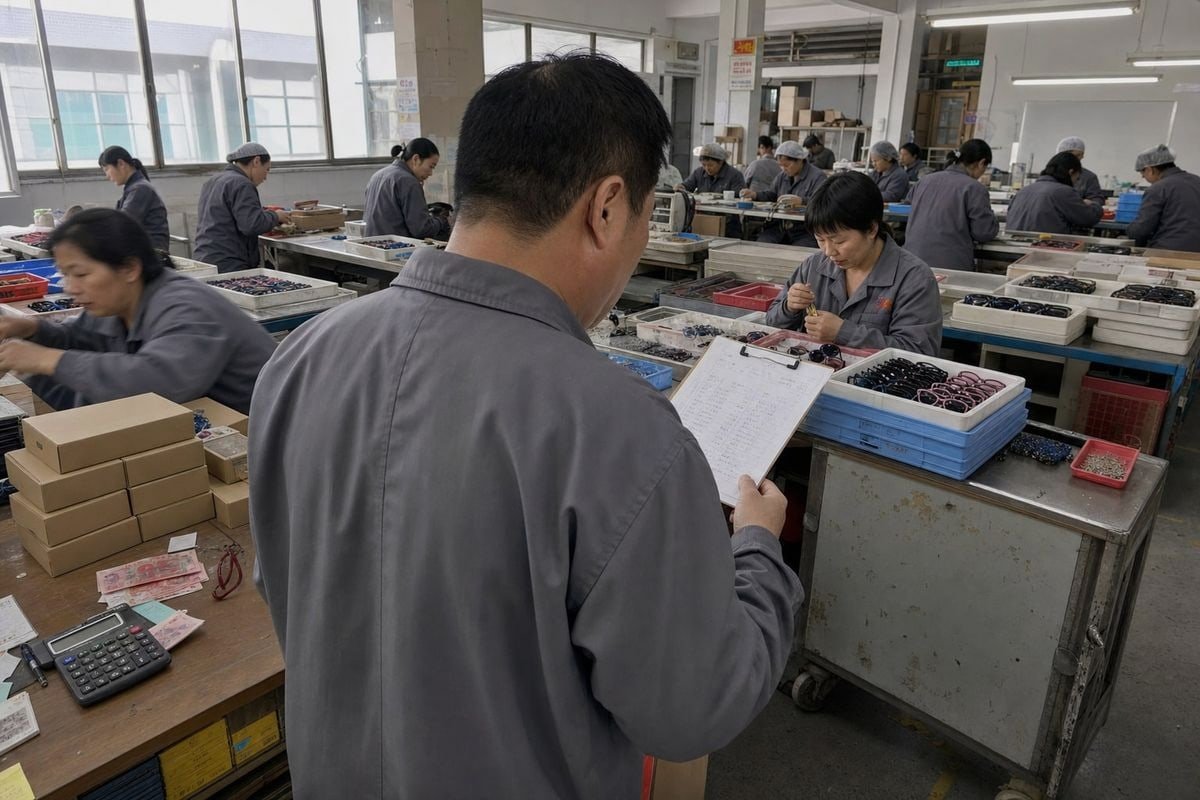
Exchange rate and raw material costs can quietly erase your margin on kids sunglasses forward contracts 1. I have watched buyers on our Taizhou production line win on quote day, then lose money at payment time.
To manage exchange rate and raw material costs when sourcing kids sunglasses from China, negotiate a clear quote currency, split payments to shorten FX exposure, build a 5–8% currency buffer into landed cost, request a bill-of-materials breakdown, and agree price-adjustment triggers with your supplier upfront.
That is the short answer. Below, I will break each part down. You will see how to lock pricing, choose safe materials, structure payments, and pick a factory that keeps costs stable for years.
How can I lock in stable pricing when exchange rates keep shifting during production?
A buyer from Australia once asked me why her final payment cost more than her deposit, even though our USD price never changed UV400 2. Her home currency had slipped during our 45-day production run.
Lock in stable pricing by fixing the quote currency in your contract, paying the deposit when rates are favorable, using forward contracts for orders above roughly $50,000, and budgeting your landed cost at a rate 5–8% weaker than the current spot rate.
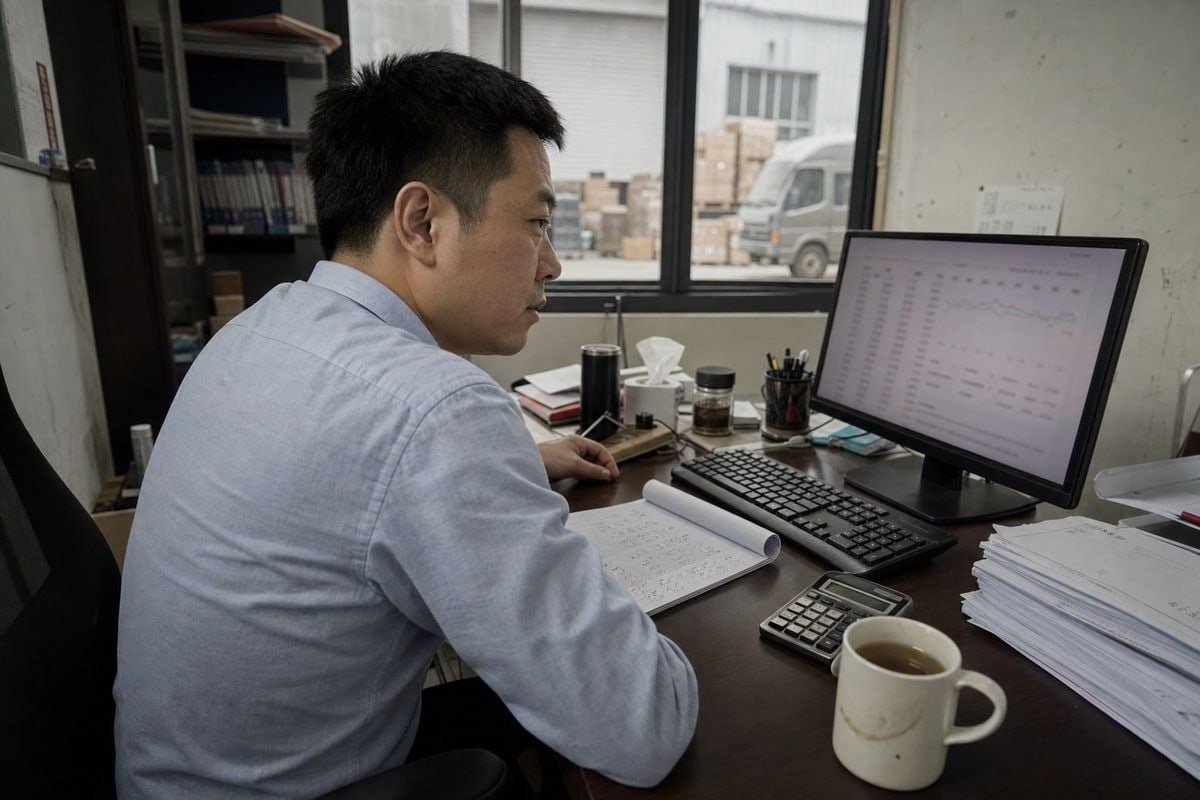
The core problem is timing. You agree a price today, but you pay the balance weeks later FOB terms 3. During that window, your home currency can move against you. The factory price never changed, yet your real cost did HS codes 4. So the goal is not predicting the market. The goal is shrinking the window and cushioning the impact.
USD or RMB: which currency should you negotiate in?
There are two schools of thought, and both have merit VAT export rebate rates 5.
| Quote Currency | Advantage | Drawback | Melhor Para |
|---|---|---|---|
| USD | Easy to compare suppliers; simple budgeting | Factories often hide a 2–3% FX buffer inside the quote | Smaller buyers, first orders |
| RMB (CNY) | Reveals real cost structure; removes hidden padding | You must manage the conversion yourself | Buyers with FX accounts or brokers |
In our experience exporting to 20+ countries, most first-time buyers should start with USD quotes. Once volumes grow and you open a multi-currency account, asking for RMB pricing can shave real cost off each order.
Practical tools, ranked by order size
- Small orders: budget at a rate 5–8% weaker than spot. Treat any upside as bonus margin.
- Medium orders: watch rate trends and time your deposit around stronger points. Avoid panicking at daily noise.
- Large or recurring orders: use a forward contract through your bank or a fintech platform to lock the rate for the balance payment.
We also let long-term partners fix pricing across a full season. That works because both sides agree on review triggers upfront, which I cover later in this article.
What raw material choices help me control costs without compromising safety for kids' sunglasses?
The trade-off I weigh most often in our workshop is simple: a cheaper resin can save a few cents per frame, but a frame that snaps on a child's face costs you the whole brand.
Choose TR90 for frames and TPEE for flexible temples, paired with polycarbonate UV400 lenses. These materials balance impact resistance, flexibility, and child safety while staying cost-stable. Then request a bill-of-materials breakdown so you can verify what actually drives the price.
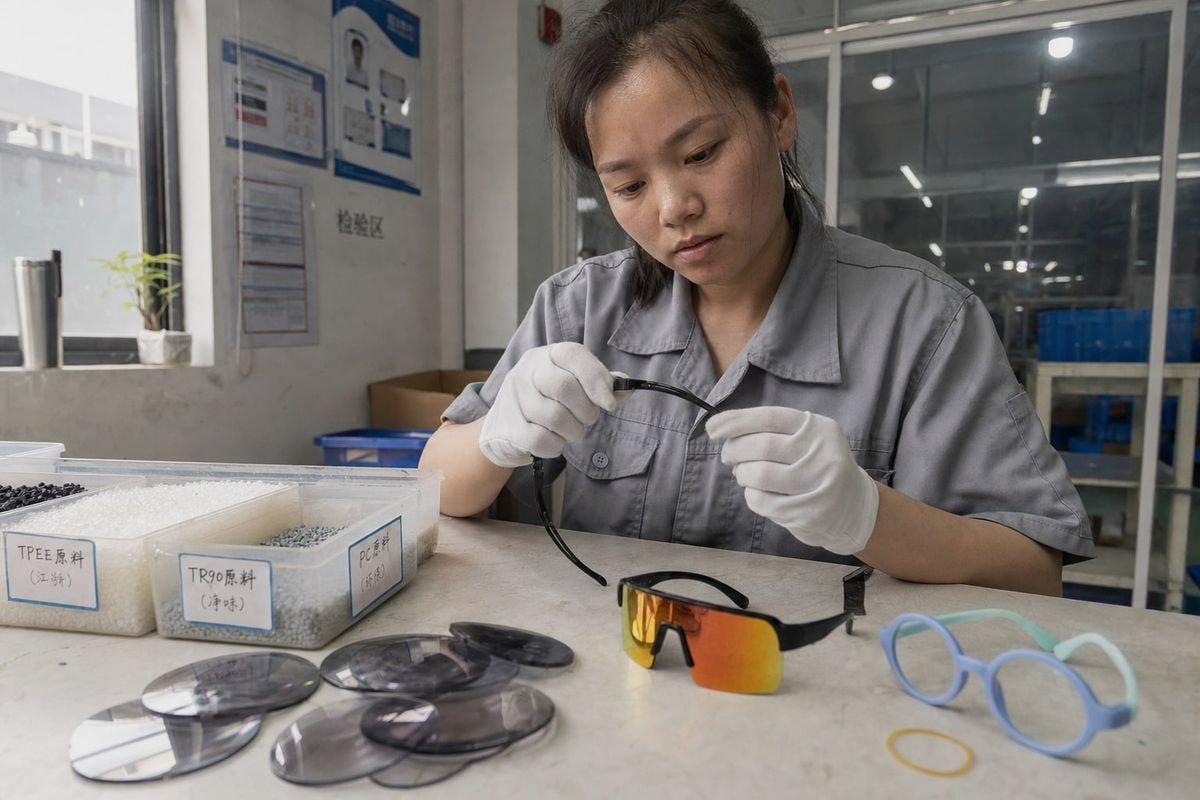
Raw material risk works differently from currency risk. Resin, lens material, coatings, and packaging inputs all move with petrochemical cycles. Polycarbonate 6 lenses and flexible frame materials track oil prices closely. When those inputs rise, some factories pass the cost through openly. Others quietly swap in cheaper material. For kids sunglasses, that second path is dangerous, because it can compromise flexibility, impact resistance, and compliance.
Compare the common material options
| Material | Safety for Kids | Flexibilidade | Cost Stability | Our View |
|---|---|---|---|---|
| TR90 | High impact resistance, lightweight | Bom | Moderate, resin-linked | Best all-round frame material |
| TPEE | Very safe, soft, bends without breaking | Excelente | Moderado | Ideal for temples and baby styles |
| Standard PC frames | Acceptable but rigid | Baixo | Higher stability | Fine for sport shields, less forgiving |
| Cheap generic plastics | Risk of brittleness and failures | Ruim | Cheapest upfront | Avoid for children's eyewear |
Take our sport wraparound shields with mirrored gradient lenses, or our pastel two-tone round frames for younger kids. Both look very different, but both rely on the same principle: the material must flex and survive drops, twists, and rough handling.
Use BOM transparency as your cost control tool
Ask your supplier for a bill-of-materials breakdown. You want to see frame material, lens, hinges, coating, packaging, labor, and overhead as separate lines. This does two things. First, it lets you build a should-cost model, so you can judge whether a price increase is genuine or just margin expansion. Second, it shows you where to save safely. Packaging and small hardware are often better targets for savings than the frame resin itself. In a high-volume, low-ticket category, trimming a few cents from a box is smarter than trimming safety from a frame.
How do I negotiate payment terms with my China supplier to reduce currency risk?
One lesson I learned early in fifteen years of eyewear exporting: payment structure protects margin as much as unit price does. Two buyers can pay the same quote and end up with very different real costs.
Negotiate a 30% deposit and 70% balance before shipment, time each payment around favorable rates, settle in RMB via multi-currency platforms to avoid double conversion fees, and request FOB terms so currency risk applies only to product cost, not freight.
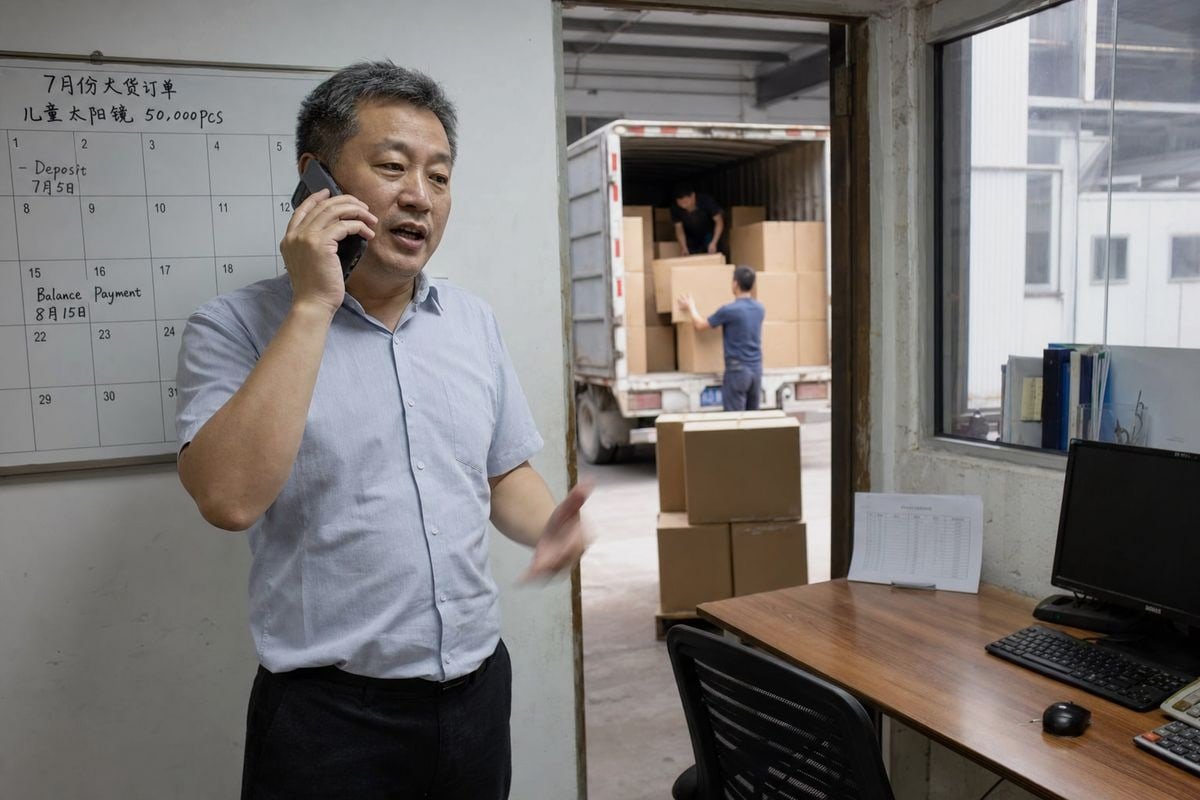
Payment terms are your cheapest hedge. They cost nothing to negotiate, yet they directly shrink your exposure window and your conversion fees. Here is how I encourage our own buyers to think about it.
A step-by-step payment structure
- Split the payment. A 30/70 split means only 70% of your money sits exposed during production. Some buyers negotiate 30/40/30 across longer projects to spread the risk further.
- Time the transfers. Set rate alerts. Pay the deposit when your currency is strong. Do not delay the balance if the trend is moving against you, because waiting for a perfect rate usually costs more than acting on a good one.
- Cut conversion layers. If your bank converts your home currency to USD, and the factory's bank converts USD to RMB, you pay two spreads. Multi-currency platforms let you settle in RMB directly and skip one markup.
- Choose FOB over CIF or DDP. With FOB, currency risk touches only the goods. Freight, insurance, and duty stay in your hands, in your currency, with your providers. That separation makes your landed-cost model much cleaner.
Do not forget the quiet cost factors
Two things move landed cost without any exchange-rate headline. First, China periodically adjusts VAT export rebate 7 rates for eyewear HS codes, which can shift factory pricing. Second, escrow and staged payments tied to inspection results protect you from paying full price for defective goods. When buyers ask us for pre-shipment inspection before the balance transfer, we welcome it. It aligns both sides on quality and keeps the payment schedule honest.
What should I look for in a manufacturer to keep costs predictable over multiple seasons?
When a Japanese kids' brand visited our 5S-managed workshop in Taizhou, their procurement manager did not ask about price first. She asked how we would handle a resin price spike in season three. That was the right question.
Look for a factory with a deep existing style library, transparent BOM-level quoting, genuine material expertise in TR90 and TPEE, in-house quality control, and willingness to sign price-adjustment clauses with clear triggers, benchmarks, and review timelines.
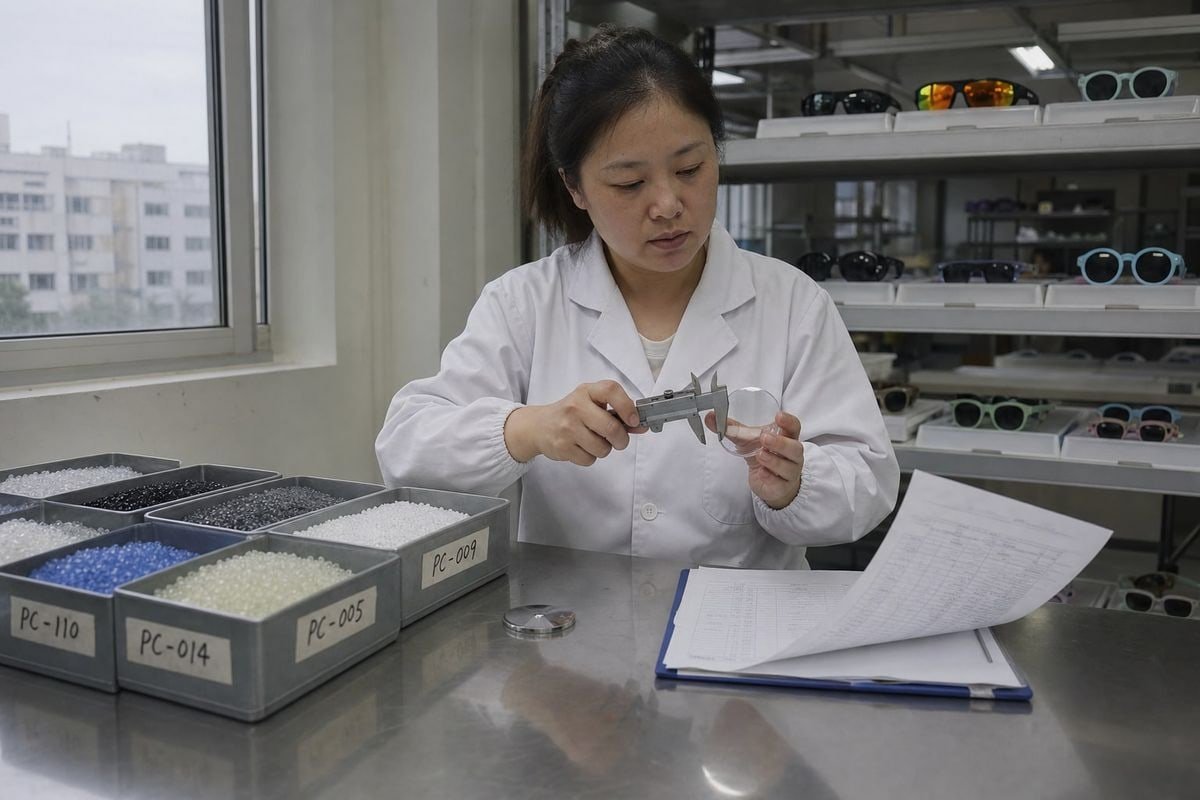
Cost predictability over multiple seasons is really a supplier-selection problem. A factory that quotes low and hides its cost structure will surprise you later. A factory that shows its numbers can share risk with you fairly.
The traits that predict stable pricing
| What to Check | Why It Stabilizes Cost | Bandeira Vermelha |
|---|---|---|
| Existing style library (we hold ~800 styles) | No mold investment; launch and test with low risk | Every request needs new tooling |
| BOM transparency | Price changes can be verified against real inputs | One all-in number, no breakdown |
| Material expertise in TPEE/TR90 | No silent substitution to cheaper resins | Vague answers about material grades |
| In-house QC and stable workforce | Fewer defects, less rework, fewer reorders | High defect rates absorbed into your cost |
| Willingness to sign adjustment clauses | Both sides know when and how prices move | Refusal to discuss long-term terms |
Write price-adjustment clauses that actually work
A good clause defines three things upfront: the trigger, the benchmark, and the process. For example, a review opens only when a named resin index or the USD/CNY rate moves more than 3% from the baseline. The benchmark must be public and external, not the supplier's own claim. The process should set who requests the review, what evidence is shared, and how fast a new price takes effect. In our long-term OEM programs, these clauses prevent arguments. Nobody has to guess whether an increase is fair, because the contract already answered that question.
Finally, remember that quality is a cost lever too. Defects, failed compliance tests, and rework can wipe out a season of careful FX planning. A factory with fifteen years of children's eyewear experience and disciplined workshop management protects your margin in ways no spreadsheet shows.
Conclusão
Volatility will not wait for your purchase order. But you do not need to predict markets — you need to design around them. From our factory floor to your warehouse, the buyers who protect margin best combine a fixed quote currency, split payments, a 5–8% FX buffer, BOM-verified material costs, and a transparent long-term factory partner. Do that, and exchange rate and raw material swings become a manageable line item instead of a margin killer.
Notas de rodapé
1. Explains the financial hedging instrument mentioned for locking exchange rates on large orders. ↩︎
2. FDA guidance on UV protection relevant to lens safety standards mentioned. ↩︎
3. Clarifies the Free On Board shipping term used to separate currency risk from freight. ↩︎
4. Official trade resource explaining the harmonized system codes referenced for eyewear classification. ↩︎
5. Official trade guide explains how China’s VAT export rebate policy affects sourcing costs. ↩︎
6. Background on the lens material referenced for impact resistance and UV protection. ↩︎
7. WTO context on export rebate policies affecting Chinese manufacturing costs. ↩︎
Mais Artigos que Você Pode Gostar

1 de agosto de 2026
A Fábrica Deve Lidar com a Embalagem e Rotulagem de Óculos de Sol Infantis, ou Usar um Fornecedor Designado?

1 de agosto de 2026
Armazém Próprio vs. Envio Direto do Fornecedor: Qual Reduz os Custos de Devolução para Marcas de Óculos de Sol Infantis?

1 de agosto de 2026
Armazém Direto ao Porto ou Estiva no Exterior: Qual Economiza Mais no Envio de Óculos de Sol Infantis?
Procurando um Parceiro Confiável em Óculos Infantis?
Explore mais de 800 estilos prontos e suporte completo OEM/ODM adaptado à sua marca.
Entre em Contato English
  Español de México
  Deutsch
  Français
  日本語
日本語  العربية
  Português do Brasil