How to Handle a Supplier Discontinuing a Kids’ Sunglasses Style?
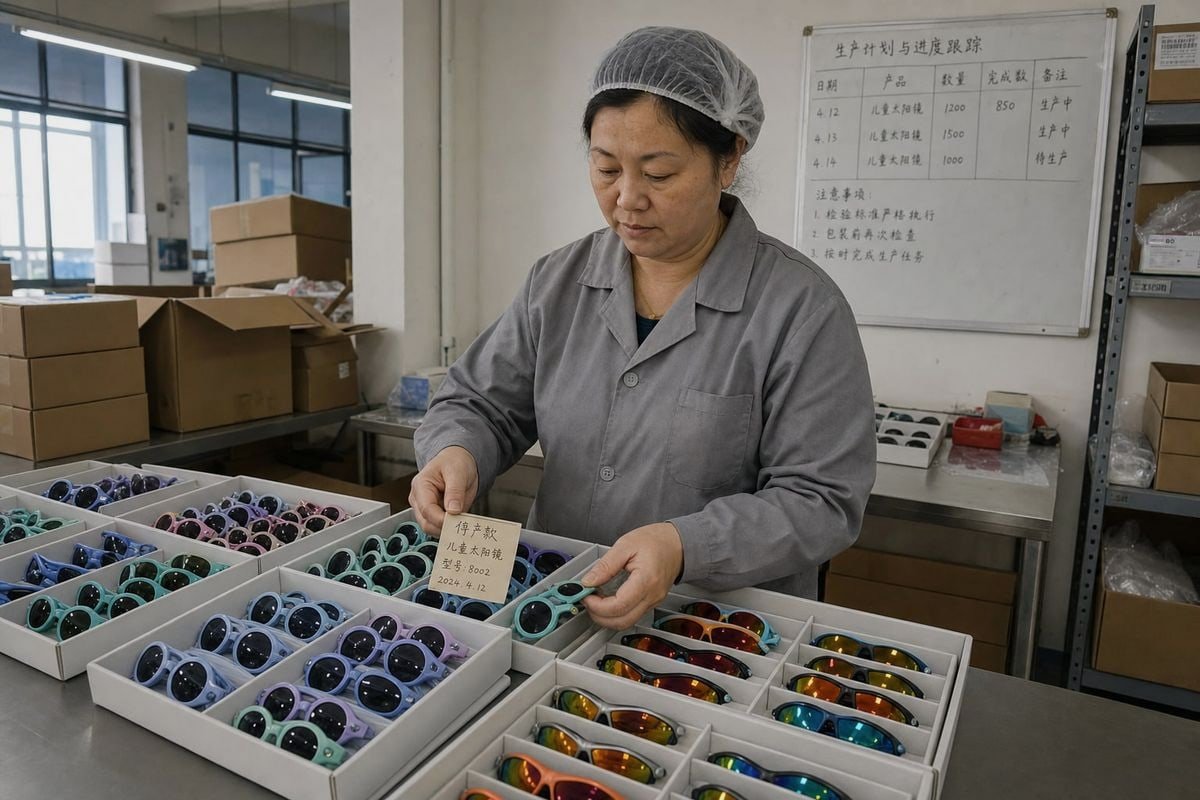
A supplier discontinuing a kids’ sunglasses style can wreck a season. On our production line in Taizhou, we have watched buyers scramble when a bestseller suddenly disappears from a catalog.
When a supplier discontinues a kids’ sunglasses style, confirm the discontinuation is real, calculate your remaining inventory runway, negotiate a final buy or successor style, source and sample a replacement, update all sales channels, and communicate a clear last-order date to your retail buyers.
That is the short version. Below, I will walk through each step in detail, based on what actually works for children’s eyewear brands.
What Should I Do First When My Supplier Tells Me a Style Is Discontinued?
A buyer from Australia once emailed me in a panic. Her previous factory had killed her top-selling round frame with two weeks' notice. Our first advice: slow down and verify before reacting.
First, confirm the style is truly discontinued and not just out of stock. Then audit your on-hand inventory, calculate how many weeks of sales it covers, and ask the supplier about final production runs, last ship dates, and successor styles before making any decision.
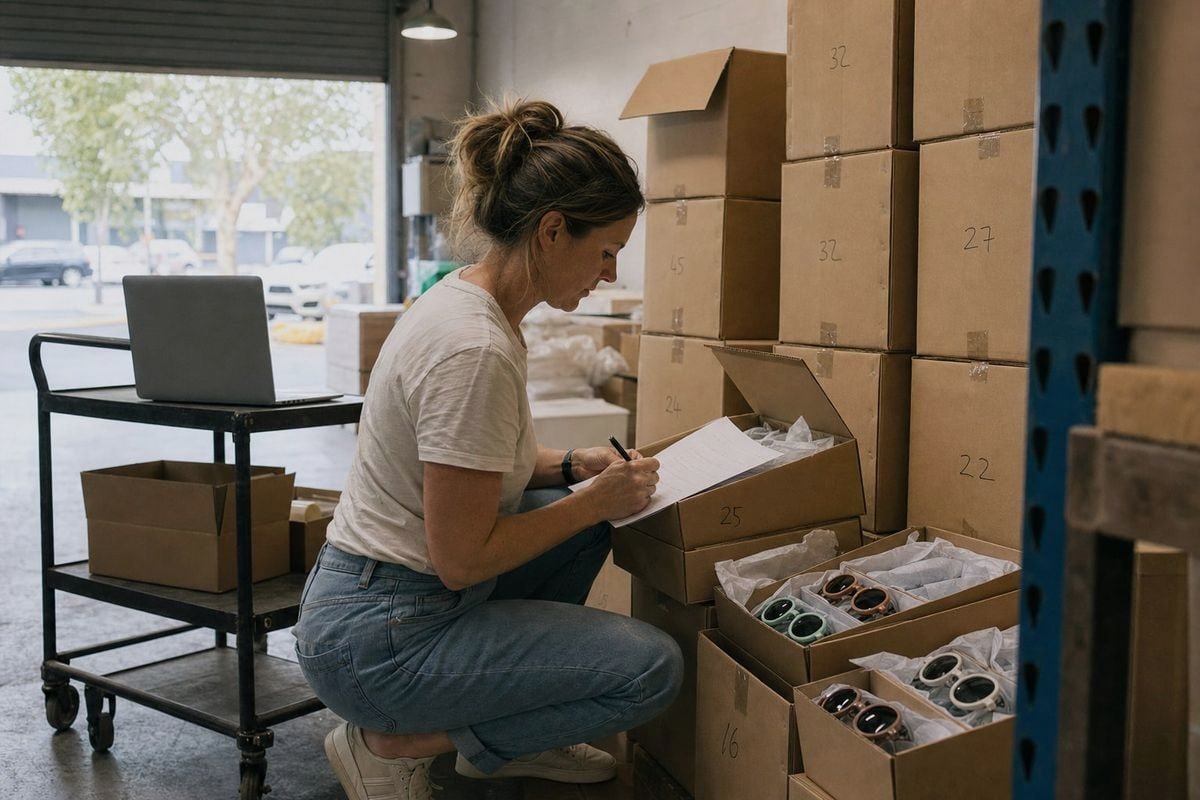
The word "discontinued" gets used loosely in this industry. Sometimes it means the mold is being retired forever. Sometimes it means the factory paused production because a raw material like TPEE or TR90 was in short supply. Sometimes the style still exists but was dropped by one trading company while the original factory keeps making it. These are very different situations, and your response should change accordingly. Give yourself one to two weeks of active checking before you accept the style is truly gone.
Verify Before You React
Check the manufacturer's other listings and other wholesale eyewear distributors 1. Ask directly: is the mold retired, or is this a temporary stockout? If you bought through a trader, the actual factory may still run the style. This is one reason we always tell buyers to know who really owns the tooling.
Run the Inventory Math
Next, do simple sell-through math. This tells you how much time you have to act.
| Input | Exemplo | How to Use It |
|---|---|---|
| Units on hand | 2,400 pcs | Total sellable stock across warehouses |
| Average weekly sales | 200 pcs | Use the last 8–12 weeks of data |
| Runway | 12 weeks | Units on hand ÷ weekly sales |
| Seasonality factor | Summer peak ahead | Shorten runway estimate if peak season is coming |
| Action deadline | ~6 weeks | Sourcing and sampling must finish before runway ends |
Also ask the supplier pointed questions in writing: why is the style ending, what is the last production date, is a final buy possible, and does a successor style exist? Their answers shape everything else. Finally, flag the SKU in your POS, website, and inventory systems immediately so your team does not oversell stock you can never replace. Good backorder management starts here, not after customers complain.
How Can I Find a Comparable Replacement Without Disappointing My Retail Buyers?
Fit is the trade-off we weigh most carefully when helping brands replace a discontinued kids' style. A frame that looks identical in photos can still pinch a child's temples if the geometry is off by millimeters.
Find a replacement by matching the original style's fit dimensions, materials, lens protection, and safety compliance — not just its appearance. Order samples from two or three candidates, compare them side by side against the original, and test comfort and durability before committing to a new SKU.

Panic-switching is the most common mistake I see. A buyer grabs the first lookalike frame from a marketplace, ships it to retail partners, and then the returns start: lenses that are not truly UV400, hinges that snap, frames that slip off small noses. In children's eyewear, product substitution is not cosmetic. It is a trust decision, because parents are the ones paying and they do not forgive twice.
Here is the process we recommend, and the one we run with brands who migrate styles into our own catalog of roughly 800 existing models:
- Define what made the original work. Was it the flexible TPEE temples? The lens shape? The two-tone colorway? Some brands even review virtual try-on data to identify the fit parameters children responded to.
- Filter candidates against hard criteria first. Safety certifications 2 for your market, UV400 lens rating 3, frame dimensions within tolerance, and material flexibility come before color and price.
- Order samples from more than one source. Comparing three options against the original exposes weaknesses a single sample hides.
- Test like a parent, not a merchandiser. Twist the temples. Drop the frame. Check hinge screws. Weigh it. Kids' frames take far more abuse than adult fashion accessories.
A Practical Comparison Checklist
| Criterion | What to Check | Deal-Breaker If… |
|---|---|---|
| Fit | Lens width, bridge, temple length vs. original | Off by more than 1–2 mm on the bridge |
| Material | TR90 or TPEE flexibility, weight | Rigid plastic that can crack on impact |
| Lente | UV400 or polarized, optical clarity | No verifiable UV protection report |
| Durabilidade | Hinge quality, twist and flex recovery | Frame whitens or snaps under flex |
| Embalagem | Retail-ready presentation, branding options | Packaging quality drops below your current standard |
If no genuine equivalent exists, do not force a poor substitute. It is better to retire the style honestly and redirect demand toward your stronger SKUs than to attach your brand name to a downgrade.
How Do I Protect My Brand From Future Discontinuations Like This?
One lesson our export team learned over 15 years: discontinuation pain is almost always a systems problem, not a single-SKU problem. Brands that suffer most had no early warning and no fallback plan.
Protect your brand by adding end-of-life notice clauses to supplier agreements, keeping safety stock on core styles, maintaining backup SKUs that can absorb demand, requesting mold or CAD documentation rights, and treating discontinuation planning as part of your regular SKU rationalization reviews.
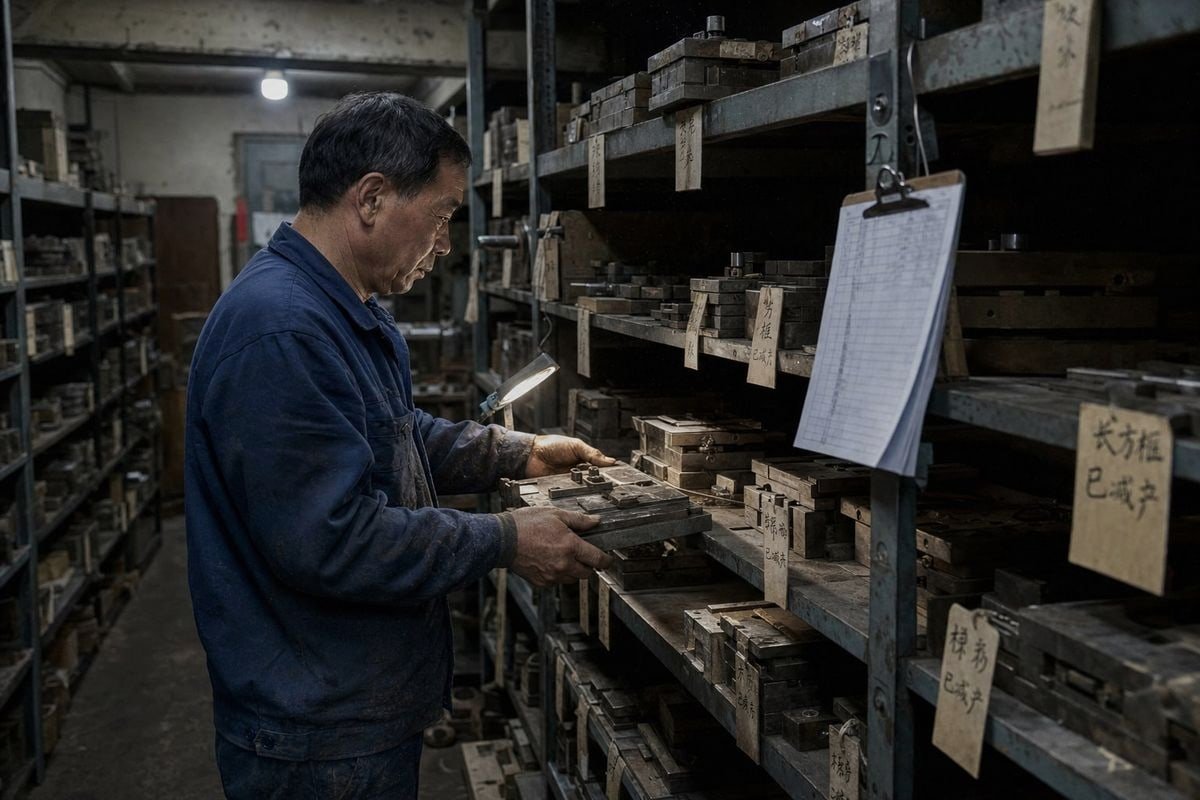
The strongest protection is contractual. Audit your supplier agreements for end-of-life clauses. A fair agreement should require advance notice — 90 to 180 days is reasonable for children's eyewear — plus the right to a final production run so you can secure a controlled last-time buy. Very few small brands negotiate this upfront, and it costs almost nothing to ask. At our factory, we commit to advance notice on style retirements precisely because we know a surprise discontinuation damages the buyer's retail relationships, not just ours.
Operational Safeguards That Actually Work
Beyond the contract, several practical habits reduce your exposure:
- Set safety stock levels on hero SKUs. Your top three to five styles deserve deeper buffers than the long tail. Tie the buffer to lead time plus one selling peak.
- Keep a warranty reserve. Hold back a small percentage of final stock from any closeout inventory push, so you can service loyal customers who need replacements for broken or lost frames.
- Request tooling documentation. Ask for 3D CAD files 4 or mold specifications when you commission custom styles. If you ever must move production, you avoid redesign costs and fit drift.
- Watch raw material signals. Shortages in eyewear polymers like TPEE e TR90 5 often precede discontinuations. If your supplier struggles to source material, styles will get cut. Asking about material supply twice a year is a cheap early-warning system.
- Run structured last-chance selling. When a style does end, use a tiered liquidation plan: loyalty-member early access first, then public clearance. Update the discontinued product page with a clear status and links to the successor style so you preserve SEO value instead of deleting the page. Give frontline staff scripts that pivot from the loss of the old style to the benefits of the new one.
Handled this way, a discontinuation becomes a managed transition — sometimes even an upgrade story you can market — rather than a silent hole in your catalog.
Should I Switch to a Manufacturer With a Larger Style Library to Avoid This Risk Again?
A procurement manager from Japan once told me she chose us over a cheaper quote for one reason: when her old supplier dropped two styles, she had nowhere to pivot. Catalog depth was the insurance she had been missing.
Yes, in most cases. A manufacturer with a large existing style library gives you immediate substitutes when a style ends, reduces mold investment risk, and shortens replacement lead times. Combine that with supply chain diversification so no single factory failure can stall your brand.
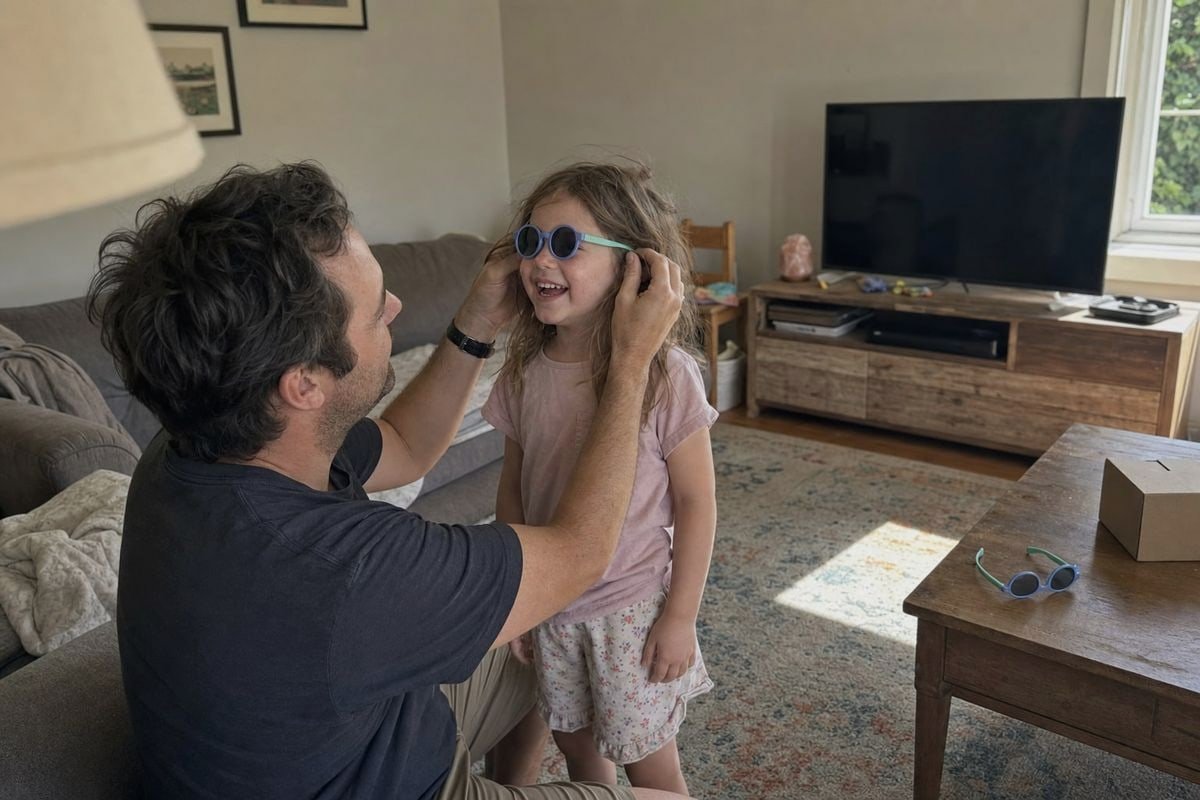
Let me be balanced here, because I obviously have a position. A big library alone does not guarantee safety. What matters is the combination of depth, material expertise, and OEM/ODM flexibility. Our factory maintains around 800 existing styles precisely so brands can test the market or replace a discontinued SKU without paying for new tooling. When a style retires, buyers can usually move to a close successor in the same TR90 or TPEE construction, keep their custom colors and logos, and stay retail-ready. That is a very different experience from starting a sourcing search from zero.
Comparing Your Sourcing Options
| Option | Speed to Replace | Nível de risco | Melhor Para |
|---|---|---|---|
| Stay with small-catalog supplier | Slow — few substitutes | Alto | Only if the relationship is otherwise excellent |
| Marketplace spot-buying | Fast but unverified | Alto | Emergency gap-filling, never long-term |
| Large-library OEM/ODM factory | Fast, sampled, consistent | Baixo–Médio | Brands wanting continuity without mold costs |
| Dual-source across two factories | Moderado | Lowest | Established brands with volume to split |
There is a fair objection: does switching factories mean repeating all your compliance and quality work? Partly, yes. That is why the switch should be a deliberate white label manufacturing 6 or ODM partnership decision, not a panic move. Verify the factory directly — worker count, workshop management, material sourcing — and confirm they are a true factory rather than a trader reselling someone else's molds. Then build alternative sourcing strategies around that anchor: a primary partner with catalog depth, plus at least one qualified backup for genuine supply chain diversification 7. Depth reduces the frequency of discontinuation crises. Redundancy reduces their severity. You want both.
Conclusão
A discontinued kids' sunglasses style is disruptive, but manageable. Verify first, run the inventory math, sample replacements carefully, communicate honestly, and build supplier depth so it never blindsides you again.
Notas de rodapé
1. Authoritative industry overview covering global eyewear distribution and market segments. ↩︎
2. ISO establishes global product safety certification standards referenced in sourcing decisions. ↩︎
3. CDC guidance on UV protection standards relevant to lens safety for children. ↩︎
4. Explains CAD documentation used for mold and tooling specifications in manufacturing. ↩︎
5. Background on the polym
Mais Artigos que Você Pode Gostar

1 de agosto de 2026
A Fábrica Deve Lidar com a Embalagem e Rotulagem de Óculos de Sol Infantis, ou Usar um Fornecedor Designado?

1 de agosto de 2026
Armazém Próprio vs. Envio Direto do Fornecedor: Qual Reduz os Custos de Devolução para Marcas de Óculos de Sol Infantis?

1 de agosto de 2026
Armazém Direto ao Porto ou Estiva no Exterior: Qual Economiza Mais no Envio de Óculos de Sol Infantis?
Procurando um Parceiro Confiável em Óculos Infantis?
Explore mais de 800 estilos prontos e suporte completo OEM/ODM adaptado à sua marca.
Entre em Contato English
  Español de México
  Deutsch
  Français
  日本語
日本語  العربية
  Português do Brasil