Should You Buy Kids Sunglasses Under FOB or CIF: Who Bears Freight and Insurance Risk?
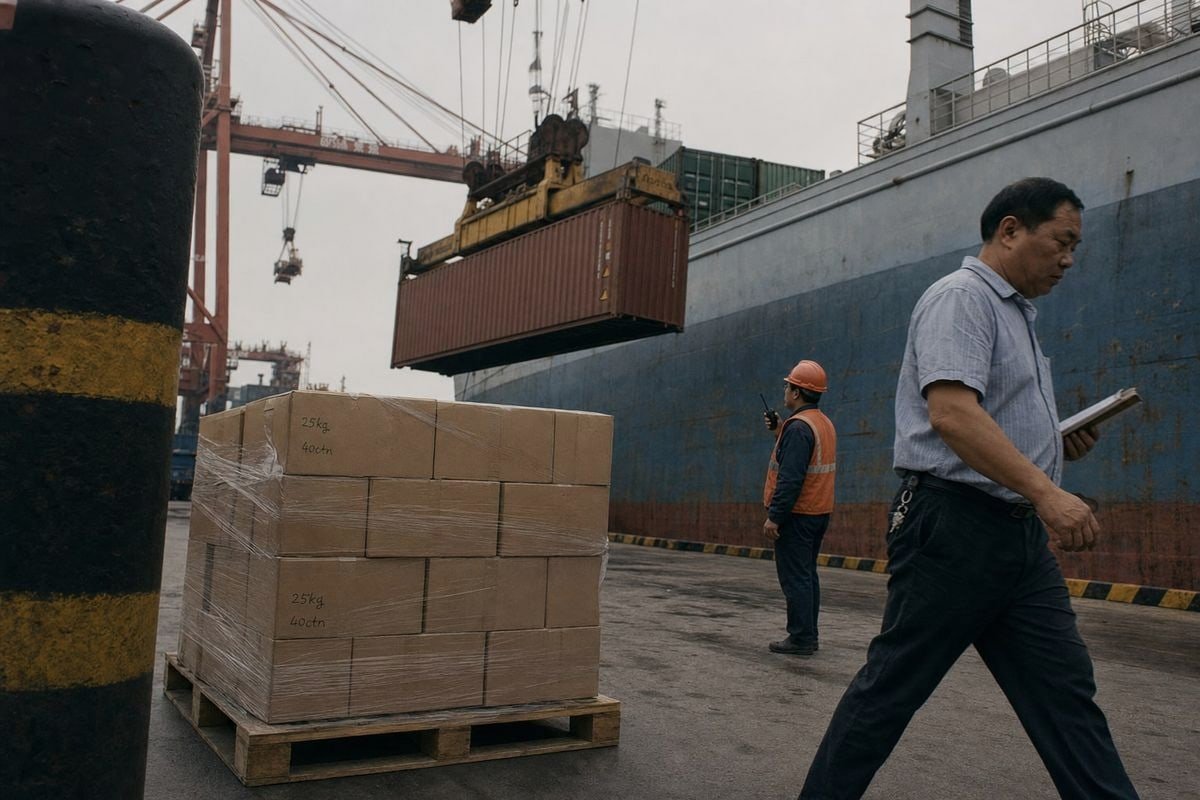
Buying kids sunglasses under FOB or CIF confuses many new importers. I have watched buyers pick CIF believing our factory carried the transit risk — then panic when a container got wet at sea.
Under both FOB and CIF, risk transfers to the buyer when kids sunglasses are loaded on board at the origin port. CIF only means the seller pays ocean freight and provides minimum insurance; FOB means the buyer arranges freight and insurance and gains more control.
That single sentence surprises most first-time importers. Let me walk you through what each term really means, and which one fits your eyewear order.
How do I decide between FOB and CIF when importing kids sunglasses for the first time?
A procurement manager from Australia once asked me to quote her first order both ways. Comparing those two quotes side by side taught her more than any Incoterms textbook.
Decide based on control versus convenience. Choose CIF if you want the seller to bundle freight and insurance for a simple first shipment. Choose FOB if you want to pick your own freight forwarder, insurance level, and shipping route for your kids sunglasses order.

Here is the plain-English comparison I share with new buyers before they confirm any bulk eyewear manufacturing order with us:
| Question | FOB (Free On Board) | CIF (Cost, Insurance, Freight) |
|---|---|---|
| Who pays ocean freight? | Buyer | Seller |
| Who arranges marine cargo insurance? | Buyer | Seller (minimum cover only) |
| When does risk transfer? | On loading at origin port | On loading at origin port |
| Who picks the carrier and route? | Buyer | Seller |
| Who handles export customs clearance? | Seller | Seller |
| Who handles import duties and taxes 1? | Buyer | Buyer |
Notice the row that matters most: the transfer of risk. It happens at the same moment under both terms. That is the core rule of the Incoterms 2020 rules 2, and it shapes everything else in this article.
Start with three honest questions
First, do you already work with a freight forwarder you trust? If yes, FOB is easy. Your forwarder collects the goods at the Chinese port, books the vessel, and issues the Bill of Lading 3 to you directly. If no, CIF removes that homework.
Second, how big is your order? A small trial order of our stock styles — say a few cartons of round TPEE frames — is simple either way. A full private-label program with custom packaging deserves the tighter control of FOB.
Third, how sensitive is your timing? Kids sunglasses are seasonal. If you must hit a summer launch window, controlling the routing yourself matters. Under CIF, the seller may choose the cheapest sailing, not the fastest one.
What freight and insurance risks am I actually responsible for under each shipping term?
Fifteen years of exporting children's eyewear has taught our team one hard lesson: buyers rarely read the insurance clause until something goes wrong at sea.
Under FOB, you pay freight and buy your own insurance, so you control coverage and claims. Under CIF, the seller pays freight and buys only minimum Institute Cargo Clauses C insurance — yet you still bear the transit risk and any gap in coverage.
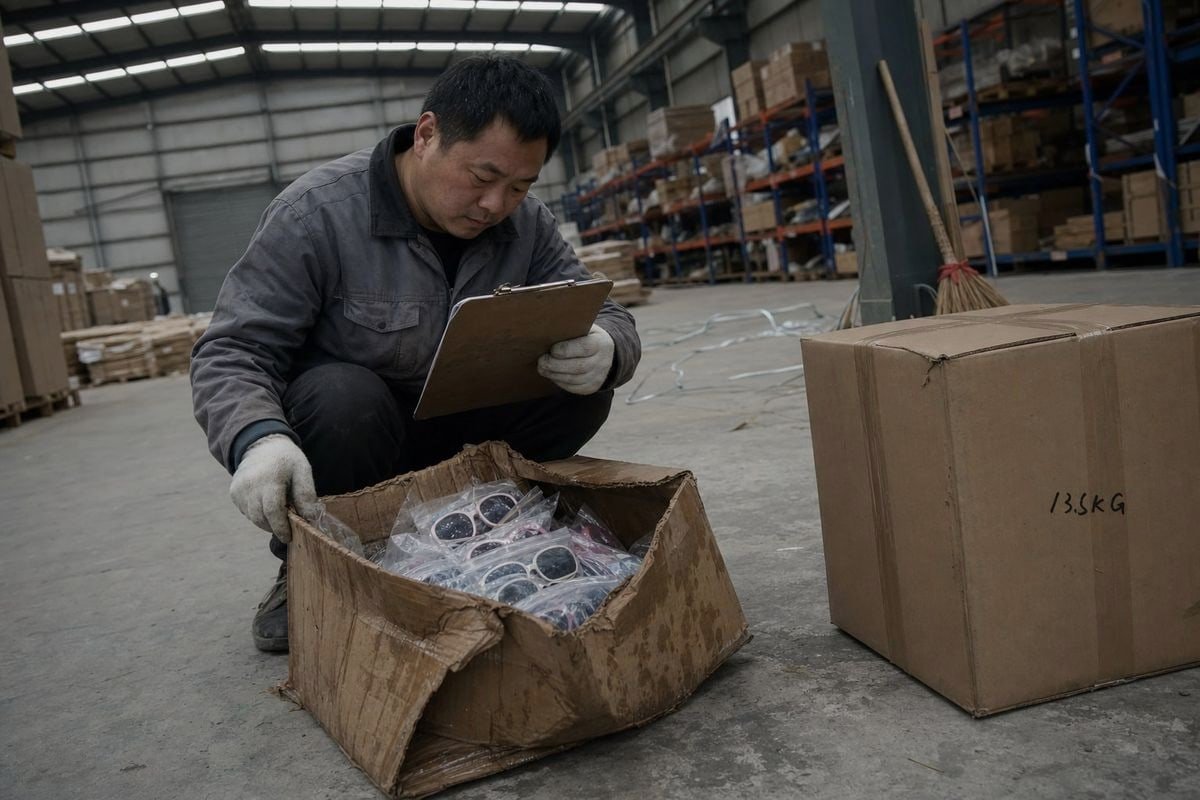
The trap hides inside the word "insurance." CIF sounds protective. But the Incoterms 2020 rules 4 only require the seller to buy the minimum level of marine cargo insurance, commonly written under Institute Cargo Clauses C. That clause covers dramatic, named perils only.
What Clause C actually covers — and what it skips
| Peril | Covered by ICC (C)? | Relevant to kids sunglasses? |
|---|---|---|
| Vessel sinking or capsizing | Sim | Rare but catastrophic |
| Fire or explosion | Sim | Raro |
| Collision or stranding | Sim | Raro |
| Theft or pilferage | Não | Real risk for consumer goods |
| Water or moisture damage | Não | High risk — packaging and lenses suffer |
| Rough handling and breakage | Não | High risk for eyewear |
Look at that table again. The risks most likely to hurt a shipment of sunglasses — theft, wet cartons, crushed boxes — are exactly the ones minimum cover excludes. Our TPEE and TR90 frames are flexible and hard to break, which helps. But mirrored lenses, printed retail packaging, and display accessories do not survive a soaked container.
Under FOB, you fix this yourself. You instruct your forwarder to buy all-risk cover, typically ICC (A), for the full invoice value plus a margin. You also control the claim process. Under CIF, you inherit whatever policy the seller bought, often from an insurer in the seller's country, in the seller's language, with the seller holding the paperwork.
So the real question is not "who insures the goods?" It is "is the included insurance adequate, and who controls the claim?" For anything beyond a small stock-style trial order, that answer usually favors FOB.
How does choosing FOB or CIF affect my landed cost and pricing strategy?
One trade-off I weigh with every quotation: a CIF price looks tidy on paper, but a tidy number is not the same as a low number.
FOB usually gives a lower, more transparent landed cost because you see real freight and insurance rates. CIF bundles seller markups into one figure and often omits destination charges, which can inflate your true cost per unit of kids sunglasses.
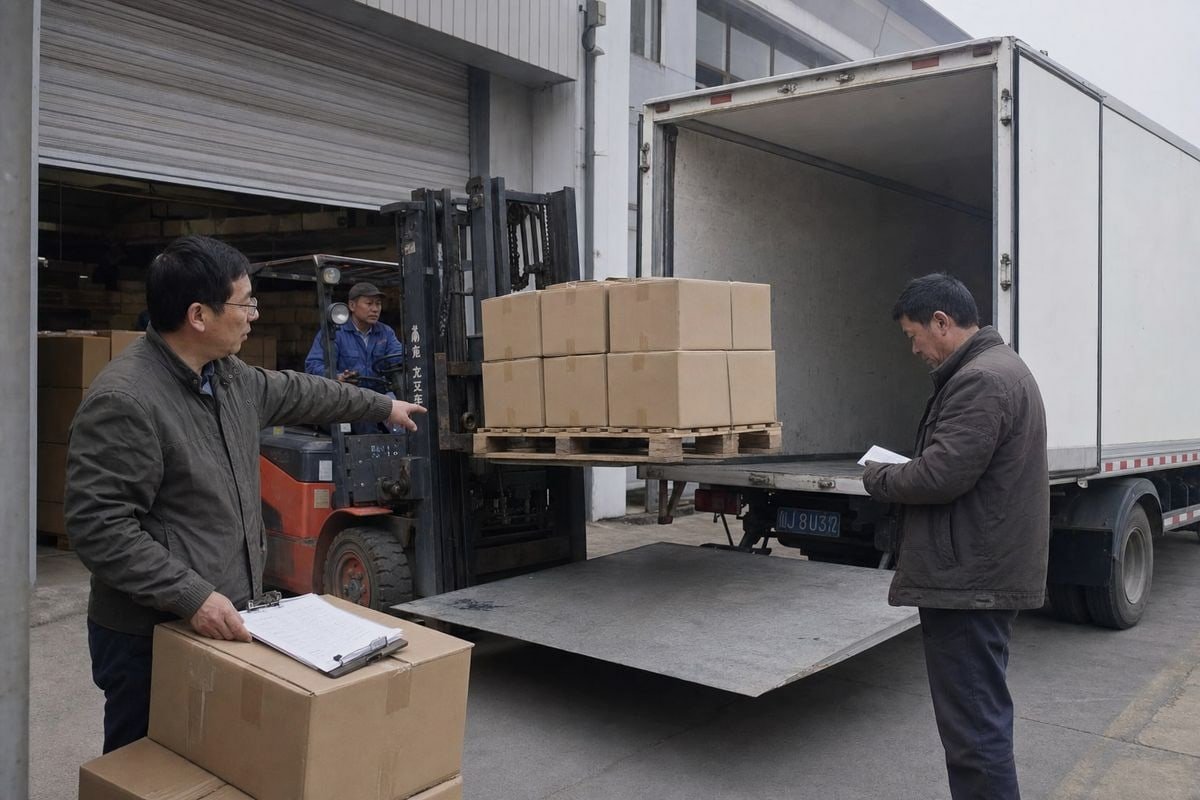
Landed cost drives your retail pricing. If your cost per pair is wrong by even a small amount, your margin math for a whole season is wrong too. Here is how the two terms behave across the full cost chain of supply chain logistics:
| Elemento de custo | FOB | CIF |
|---|---|---|
| Product price (ex-factory + export loading) | Itemized and clear | Blended into one figure |
| Ocean freight | You negotiate via your forwarder | Seller's rate, often with markup |
| Insurance premium | You choose the level and pay directly | Minimum cover, cost hidden in price |
| Destination terminal handling charges | Quoted upfront by your forwarder | Frequently excluded — surprise arrival invoices |
| Import duties and taxes | Calculated on a clean FOB value | Risk of overpaying if freight is not itemized |
The hidden math that catches new brands
Two points from that table deserve emphasis. First, destination charges. CIF ends at the port of destination, but terminal handling fees, documentation fees, and delivery to your warehouse still land on your desk. Buyers who compare a CIF quote against an FOB quote often forget to add these back, so CIF looks artificially cheap.
Second, customs valuation. In markets like the United States, duty is assessed on the FOB value of the goods. If your CIF invoice lumps freight and insurance into one number without itemization, you risk paying import duties and taxes on the shipping cost too. That is money handed away for nothing.
There is also a strategic angle for small e-commerce brands. When you control shipping under FOB, you can coordinate shipment values and timing with your forwarder far more flexibly — including structuring smaller consignments where thresholds like the US de minimis rule 5 apply. Under CIF, the seller controls the booking, so that coordination becomes clumsy.
Our sales team quotes FOB by default for repeat buyers for exactly this reason. Transparent numbers build trust, and trust builds reorders.
Which shipping term should I ask my eyewear manufacturer to recommend for my order size?
Early in my export career, I recommended CIF to a small Japanese kids' brand to "keep things simple." When their goods arrived late for summer, I learned that simple is not always kind.
Ask for CIF on small trial orders under a few cartons, where convenience outweighs control. Ask for FOB on private-label, seasonal, or high-volume orders, so you control the carrier, the insurance level, and the delivery timeline for your kids sunglasses.

A good factory will not push one answer. It will ask about your order profile first. Here is the framework we use when buyers ask us to recommend a term:
A simple decision path by order type
- Trial order of stock styles. You are testing the market with existing designs — perhaps a mix of our sporty wraparound shields and soft round TPEE frames. Volume is low, value is low, and speed of decision matters more than freight savings. CIF is acceptable here. Just ask the seller to itemize freight and insurance on the invoice, and confirm which Incoterm version applies.
- First branded order. You have added your logo, custom colors, and retail packaging. Now the shipment carries brand value, not just product value. Move to FOB. Appoint a freight forwarder, buy all-risk marine cargo insurance for full invoice value plus ten percent, and hold the Bill of Lading 6 in your own chain of documents.
- Seasonal replenishment at volume. Timing is everything. Under FOB, your forwarder can pre-book vessel space before production finishes, choose faster routings, and perform a document pre-check at origin — confirming CPSIA or CE compliance certificates 7 travel with the goods so customs clearance does not stall your launch.
- Ongoing multi-market program. FOB, without question. You gain consolidated bookings, carrier selection that supports your ESG goals, and clean reverse logistics if any shipment ever needs inspection handling on arrival.
One more practical tip: whichever term you choose, write it fully in the contract — for example, "FOB Ningbo, Incoterms 2020" — and specify the insurance clause if the seller arranges cover. Vague terms cause disputes; precise terms prevent them.
Conclusão
Choosing kids sunglasses under FOB or CIF is really choosing between convenience and control — because your transit risk starts at loading either way, no matter who paid the freight.
The danger is assuming CIF protects you. It does not. Minimum insurance leaves gaps exactly where sunglasses shipments get hurt: moisture, theft, and rough handling.
Our advice after fifteen years of shipping flexible TPEE and TR90 children's eyewear to buyers in more than twenty countries: use CIF for small stock-style trials, then graduate to FOB with your own forwarder and all-risk cover as your brand grows. If you want a factory partner that quotes both terms transparently and helps you plan the logistics around your season, we are glad to walk through the numbers with you.
Notas de rodapé
1. Official U.S. Customs and Border Protection guide on how duties and taxes are applied to imported goods. ↩︎
2. Official International Chamber of Commerce page defining the current global standards for shipping and trade terms. ↩︎
3. Authoritative definition of the essential legal document used in international shipping to acknowledge receipt of cargo. ↩︎
4. Official ICC source defines Incoterms 2020 risk transfer rules referenced in the article. ↩︎
5. Official government information regarding the value threshold for duty-free entry of goods into the United States. ↩︎
6. Background reference for the shipping document mentioned as key control point under FOB. ↩︎
7. Official EU source explaining CE marking compliance for imported consumer goods. ↩︎
Mais Artigos que Você Pode Gostar

1 de agosto de 2026
A Fábrica Deve Lidar com a Embalagem e Rotulagem de Óculos de Sol Infantis, ou Usar um Fornecedor Designado?

1 de agosto de 2026
Armazém Próprio vs. Envio Direto do Fornecedor: Qual Reduz os Custos de Devolução para Marcas de Óculos de Sol Infantis?

1 de agosto de 2026
Armazém Direto ao Porto ou Estiva no Exterior: Qual Economiza Mais no Envio de Óculos de Sol Infantis?
Procurando um Parceiro Confiável em Óculos Infantis?
Explore mais de 800 estilos prontos e suporte completo OEM/ODM adaptado à sua marca.
Entre em Contato English
  Español de México
  Deutsch
  Français
  日本語
日本語  العربية
  Português do Brasil