Kids’ Optical Frames: Single Exclusive Supplier vs. Multiple Backup Suppliers?
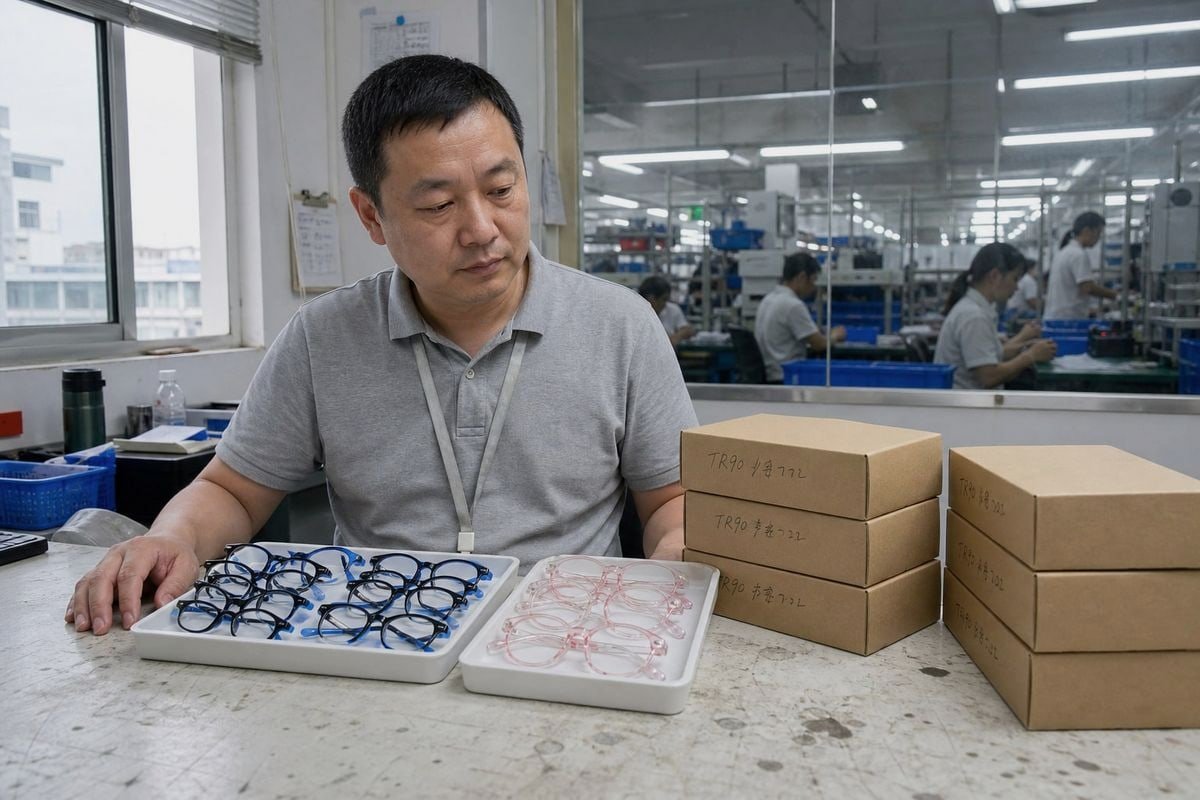
Kids’ optical frames are riskier to source than most buyers realize. On our production line in Taizhou, I have watched one bad batch destroy a brand’s whole season.
Choose a single exclusive supplier for kids’ optical frames when you need tight quality consistency, brand control, and simple management. Choose multiple backup suppliers when supply continuity, seasonal flexibility, and disruption protection matter more. Most growing brands do best with one primary partner plus a qualified backup.
That short answer hides real trade-offs. Below, I walk through how to decide, what each model risks, and how to pick a partner you can trust.
How do I decide between a single exclusive supplier and multiple backup suppliers for kids' optical frames?
A buyer from Australia once asked me this exact question during a factory tour. My honest answer surprised him: it depends on what your brand can afford to lose.
Decide by ranking four priorities: quality consistency, supply continuity, cost control, and management capacity. If consistency and simplicity rank highest, commit to one exclusive supplier. If continuity and flexibility rank highest, build a multi-supplier system with one primary factory and one vetted backup.
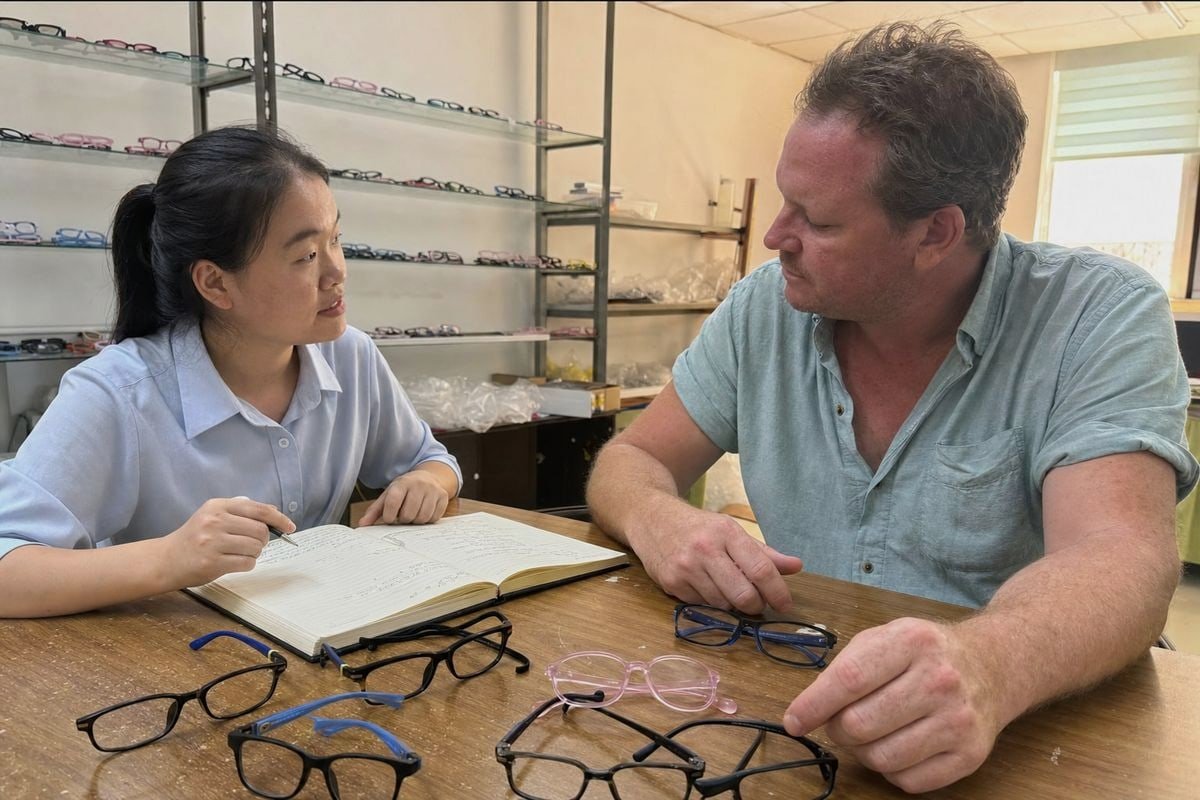
Kids' optical frames are not a normal sourcing category. The product must be durable, flexible, lightweight, and safe on a child's face. Small differences in hinge tension, temple softness, or nose-pad finish change how a frame feels. Parents notice. Opticians notice faster. So your supplier strategy is really a quality-governance decision, not just a price decision.
Here is how the two models compare across the five dimensions that matter most:
| Dimension | Single Exclusive Supplier | Multiple Backup Suppliers |
|---|---|---|
| Cost | Better volume pricing, less price competition | Competitive quotes, but split volume raises unit cost |
| Supply continuity 1 | High concentration risk | Strong fallback if one factory fails |
| Quality control 2 | One QC system, one master sample | Multiple QC systems to align |
| Product consistency | Tight color, fit, and finish matching | Batch variation across factories is common |
| Operational complexity | Low; one point of contact | High; more audits, more coordination |
Three questions to ask yourself
First, can your business survive a six-week supply gap? If not, you need backup capacity somewhere. Second, is your line standardized or assortment-driven? A uniform private-label program favors single sourcing. A broad range across age groups favors diversification. Third, do you have the internal team to manage two or three factories properly? In our experience exporting to 20+ countries, buyers who split orders without extra management bandwidth end up with worse quality from everyone, not better resilience.
Also separate single sourcing from sole sourcing. Single sourcing is a deliberate choice to concentrate demand with one qualified partner. Sole sourcing means you have no practical alternative at all. The first is a strategy. The second is a trap.
What are the risks if I rely on only one factory for my children's eyewear line?
Fifteen years in eyewear has taught our team one hard lesson: factories are physical places. Machines break. Raw materials run short. Even good partners have bad months.
Relying on one factory exposes you to supply disruption, batch defects with no fallback, quality drift over time, price inflation without negotiation leverage, and slow trend response. For children's eyewear, a single failed shipment can leave kids without needed vision correction and retailers without stock.
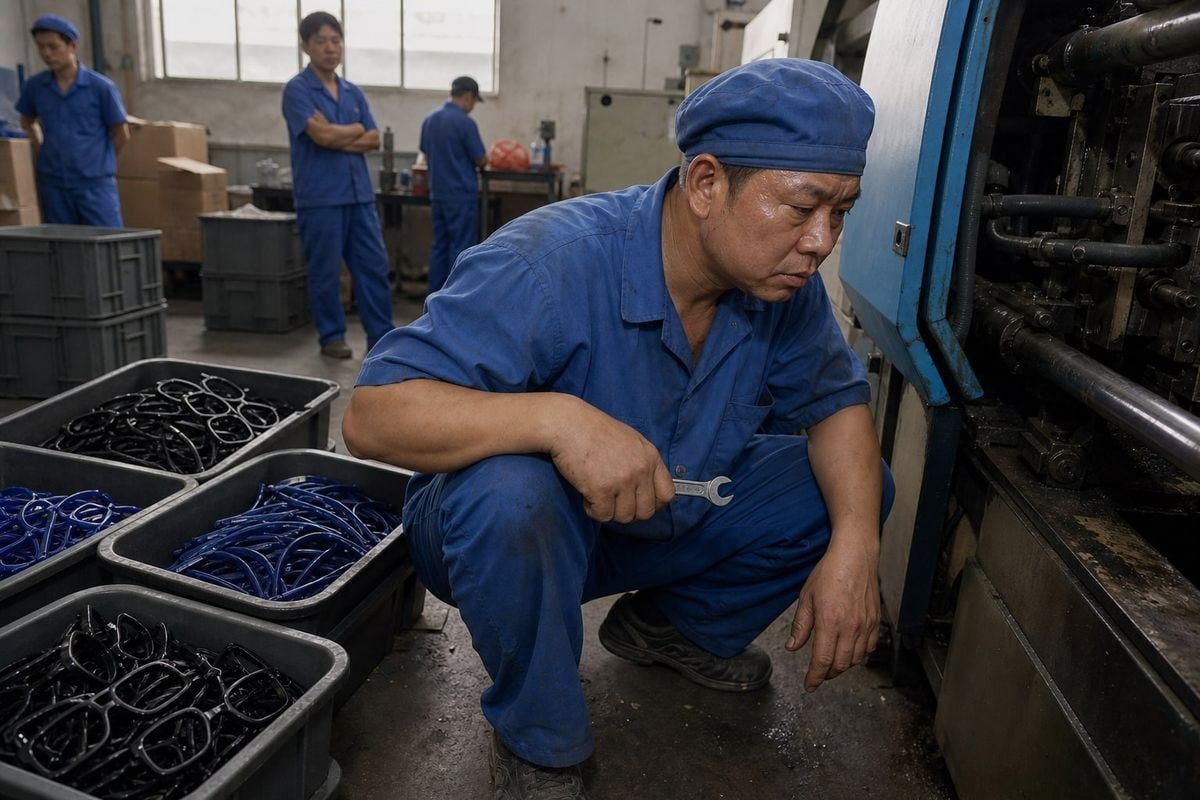
The concentration risk is real, and it stacks. When one supplier is your only supplier, every one of their problems becomes your problem instantly. Here are the main risk categories I see buyers underestimate:
Supply disruption risk
A raw-material shortage in TR90 pellets 3, a production-line breakdown, a port delay, or a local power restriction can stall your whole optical supply chain. With no second factory qualified, recovery takes months, because onboarding a new kids' eyewear supplier properly requires sampling, safety testing, and batch trials.
Quality drift and batch defects
Quality drift is quieter than a missed shipment. Over repeat orders, polish gets slightly rougher, hinge tension loosens, or a silicone temple gets marginally stiffer. In pediatric eyewear durability terms, small drift means broken frames and returns. This is why serious buyers demand master reference samples, batch traceability 4, and random sample testing on every production run, not just pre-contract promises. On our line, we compare every new batch against a sealed reference sample before packing.
Commercial and compliance risk
| Risk | What it looks like | Typical impact |
|---|---|---|
| Price inflation | Annual increases with no competing quotes | Margin erosion of your wholesale pricing models |
| Compliance failure | Factory misses eyewear safety standards 5 updates (BPA-free, lead-free materials) | Recalls, blocked customs clearance |
| Capacity squeeze | Bigger clients get priority in peak season | Late back-to-school deliveries |
| Trend lag | Factory slow to develop new shapes or colors | Stale assortment versus competitors |
One more point buyers forget: children need backup glasses. The backup glasses necessity means demand can spike suddenly when a school program or optician chain reorders. If your only factory is full, you simply miss the sale.
Can working with multiple suppliers actually hurt my quality consistency and branding?
Yes, and I have seen it happen. A European distributor once sent us a competitor's frame to match. Same style, second factory, and the temples flexed completely differently.
Yes. Multiple suppliers can hurt consistency because each factory uses different molds, material grades, tolerances, and finishing processes. Children's frame fit, hinge tension, and color matching will vary between factories unless you enforce shared specifications, sealed reference samples, and identical QC checkpoints across all of them.
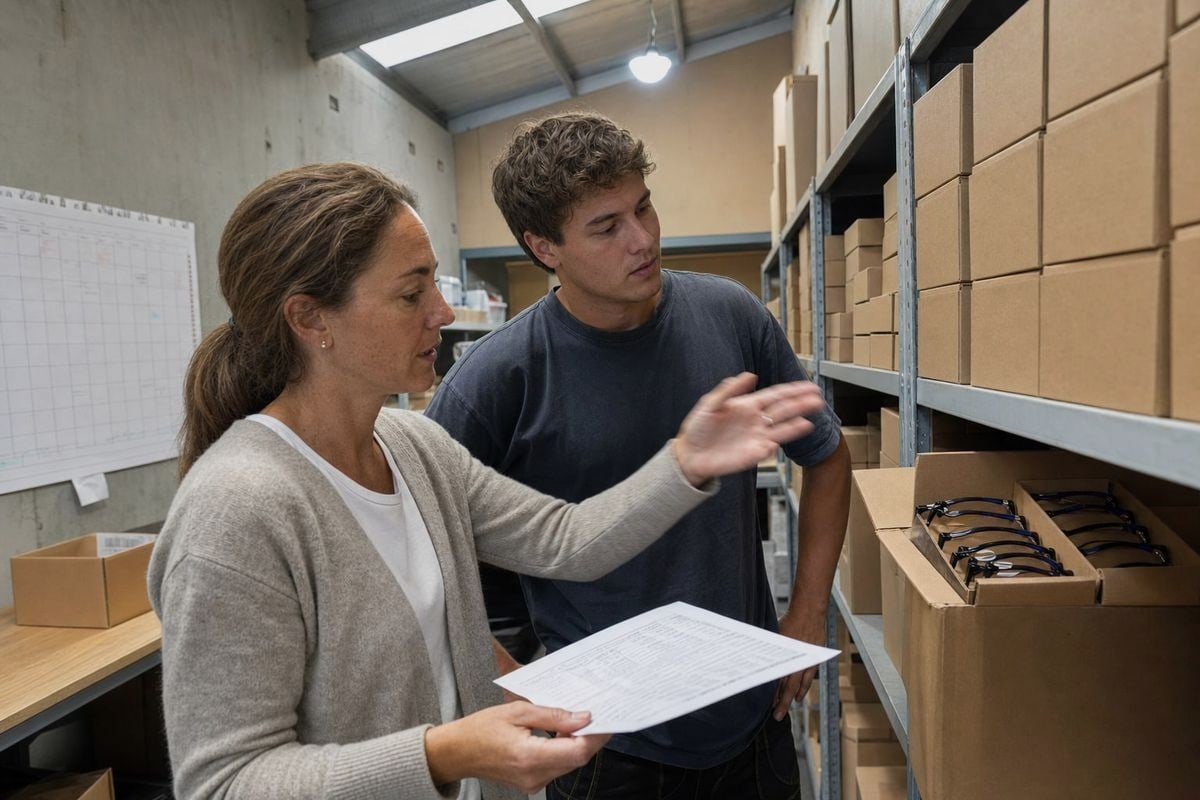
The problem is not that other factories are bad. The problem is that no two factories are identical. Flexible frame materials make this worse, not better. TPEE and TR90 behave differently depending on the resin grade, the injection temperature, and the cooling cycle. Two factories can both use "TR90" and produce frames with noticeably different flexibility and weight. A parent picking up a replacement pair will feel the difference immediately.
Branding suffers in quieter ways too. Logo pad-printing position shifts by a millimeter. Pantone matching runs slightly warm at one factory and slightly cool at another. Packaging cartons come from different converters with different board stock. None of these is a defect on its own. Together, they make your line look inconsistent on an optician's frame board, and frame board management is exactly where retail buyers judge a brand's professionalism.
How to run multiple suppliers without losing consistency
If you do diversify, do it deliberately:
- Split by product family, not by style. Give one factory your flexible TPEE toddler line and another your acetate teen line, so no single SKU has two sources.
- Own your specifications. Document materials, tolerances, hinge torque, color codes, and impact-resistant lenses requirements in writing.
- Circulate sealed golden samples. Every factory checks against the same physical reference.
- Standardize QC checkpoints. Same AQL levels, same inspection points, same photo and video reporting before shipment.
- Keep one primary partner. Concentrate 70–80% of volume with your best factory so the relationship stays deep and pricing stays strong.
Done this way, inventory diversification protects you without fragmenting your brand.
How do I choose a reliable exclusive manufacturing partner for kids' optical frames?
When new buyers visit our 5S-managed workshop, I tell them to ignore the showroom and watch the assembly line instead. That is where reliability lives.
Choose a partner with proven children's eyewear specialization, safe flexible materials like TR90 and TPEE, documented QC with batch traceability, compliance with eyewear safety standards, a broad existing style catalog, full OEM/ODM capability, and a stable track record of on-time delivery to your target markets.
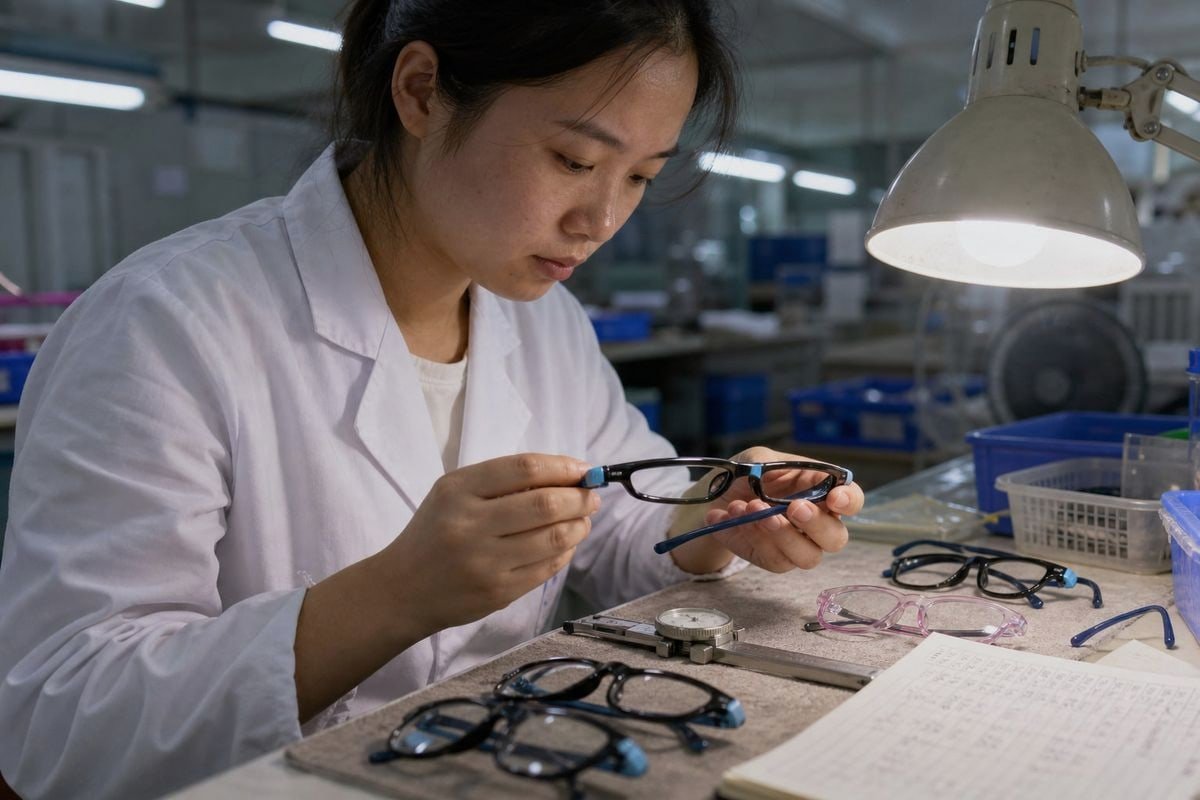
An exclusive relationship only works if the partner deserves that trust. Kids' frames are unforgiving. A factory that mainly makes adult sunglasses will miss the details that matter: temple softness at pressure points behind the ear, nose-bridge sizing for flatter pediatric nose profiles, hinge durability against twisting, and inner-surface finishing that never scratches skin. Specialization is not optional in this category.
Here is the evaluation framework I recommend, based on what our best long-term buyers actually check:
| Evaluation area | What to verify | Red flag |
|---|---|---|
| Material expertise | Genuine TR90 and TPEE processing know-how; BPA-free, lead-free materials | Vague answers about resin grades |
| Safety and compliance | Testing against relevant eyewear safety standards; impact-resistant demo lenses | No test reports available |
| Quality system | Master samples, batch traceability, in-line and pre-shipment inspection | QC only at final packing |
| Product depth | Large existing style library to launch without mold investment | Only fully custom, high-MOQ tooling |
| OEM/ODM capability 6 | Custom colors, logos, lens options, retail-ready packaging | Packaging outsourced with no oversight |
| Stability | Years in operation, worker count, export history to your region | Trading company posing as a factory |
Test the relationship before committing exclusivity
Do not sign exclusivity on day one. Run a staged process instead. Start with samples from at least two candidates and compare fit, flex, and finish side by side. Then place a small trial order and inspect the batch against the approved sample. Then run one full season and measure on-time delivery, defect rates, and communication speed. Only after a factory passes all three stages should you concentrate volume.
A partner with a deep existing catalog also lowers your entry risk. When a brand can select from hundreds of proven styles — we maintain roughly 800 — it can test the market without heavy mold investment, then move to custom development once sales data justifies it. And ask forward-looking questions too: can the factory support myopia control lenses programs, sustainable material options, and the packaging quality that environmentally conscious parents now expect? A reliable exclusive partner should be planning for where children's eyewear is going, not just where it has been.
Conclusion
Neither model wins universally. Single sourcing rewards control and consistency; multiple suppliers reward resilience. Rank your risks honestly, then choose — and vet — your partners accordingly.
Footnotes
1. Offers a broad overview of supply chain management, including continuity aspects. ↩︎
2. Explains the international standard for quality management systems. ↩︎
3. Details the properties and benefits of TR90 material for eyewear frames. ↩︎
4. Defines international standards for traceability in the feed and food chain, relevant to manufacturing. ↩︎
5. Provides information on the American National Standard for eye and face protection. ↩︎
6. Clarifies the differences and implications of OEM and ODM manufacturing models. ↩︎
More Articles You Might Like
August 5, 2026
Bio-Based vs Regular Cellulose Acetate: What's the Difference for Kids' Frames?
August 5, 2026
How Recyclable Are Kids' Optical Frame Materials, and What Eco-Friendly Alternatives Exist?
August 5, 2026
Do Kids Optical Frames Whiten or Age in Storage, and How to Control Warehouse Conditions?
Looking for a Reliable Kids Eyewear Partner?
Explore 800+ ready styles and full OEM/ODM support tailored to your brand.
Get in Touch English
  Español de México
  Deutsch
  Français
  日本語
日本語  العربية
  Português do Brasil