子供用サングラスの分類と最適な種類の選び方
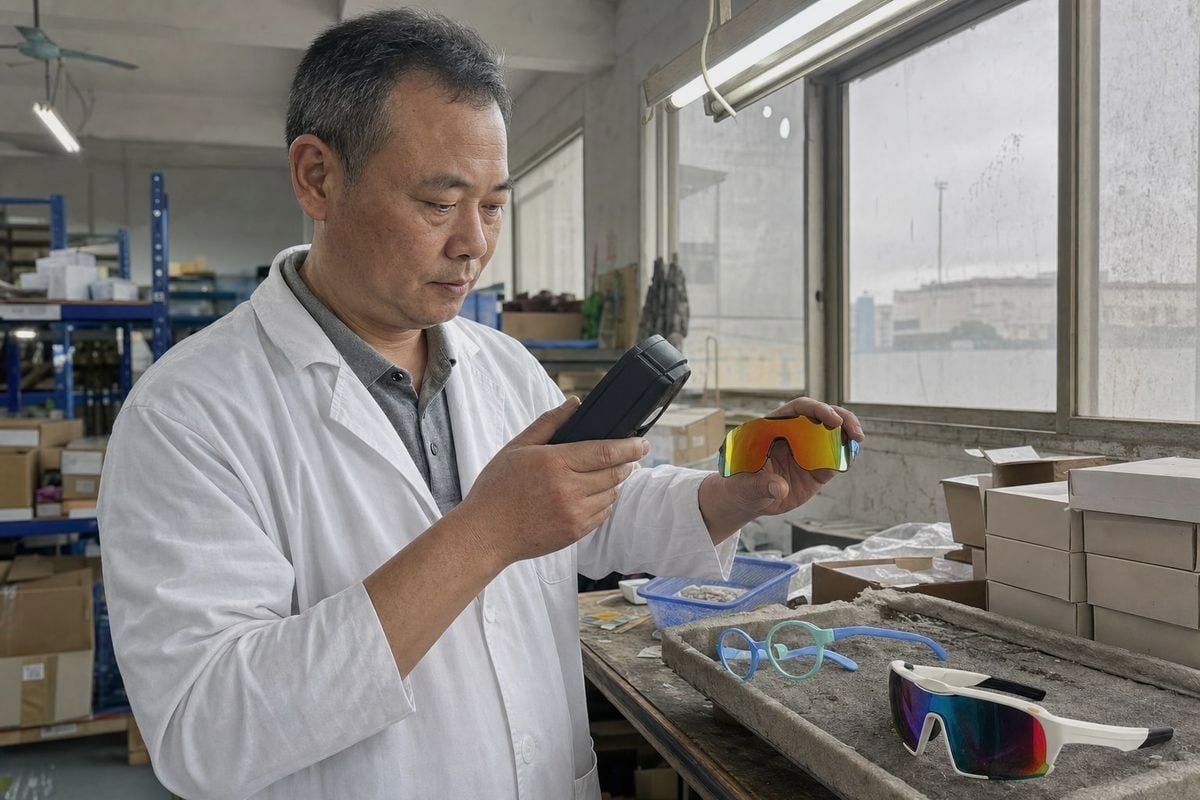
子供用サングラスの調達は、UVテストで不合格になるまでは簡単に見えます。台州の生産ラインでは、一つの仕様の間違いが全体のローンチを台無しにするのを目の当たりにしてきました。.
子供用サングラスをレンズカテゴリー(0~4)、UV保護レベル、フレーム素材、レンズ素材、および使用目的別に分類します。ほとんどの子供に最適なタイプは、検証済みのUV400保護、カテゴリー2~3のティント、耐衝撃性ポリカーボネートレンズ、柔軟なTPEEまたはTR90フレーム、そして安全で年齢に適したフィット感を兼ね備えたものです。.
それが簡単な答えです。以下で各部分を詳しく説明しますので、自信を持って子供用サングラスを調達または指定できるようになります。.
調達前に知っておくべき、子供用サングラスの主な種類は何ですか?
オーストラリアのバイヤーから、他の仕様なしで「子供用サングラス」の見積もりを依頼されたことがあります。800種類の既存スタイルからサンプルを選ぶ前に、5つの分類レイヤーを検討する必要がありました。.
子供用サングラスは5つの方法で分類されます:レンズの色合いカテゴリー(0~4)、紫外線(UV)保護レベル(UV400または100%UV A/UVB)、レンズ素材(ポリカーボネート対標準プラスチック)、フレーム素材(柔軟対硬質)、そして用途(日常、スポーツ、ビーチ、または強い日差しの環境)別です。.
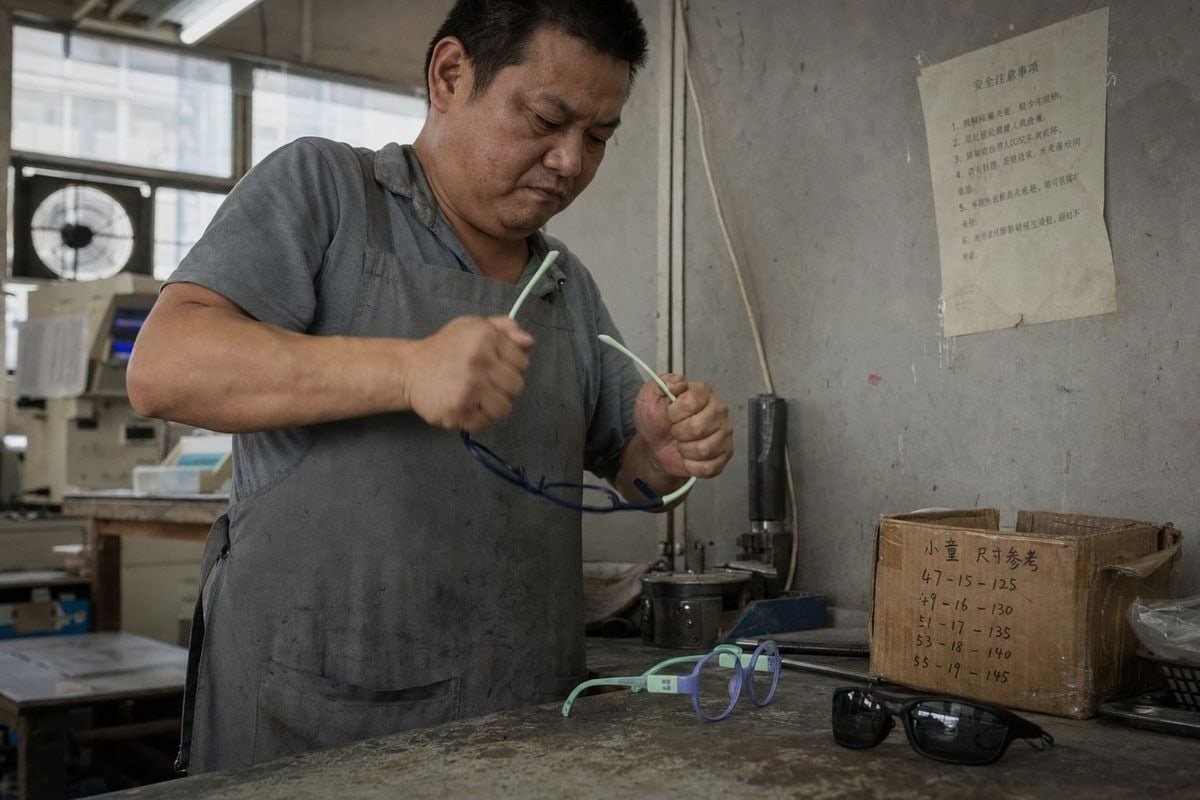
スタイルは買い物客が最初に目にするものですが、安全性においては最も重要度の低いレイヤーです。工場で新しいモデルを開発する際には、製品が実際にどのように使用されるかを定義するレンズカテゴリーシステムから常に始めます。.
カテゴリー0~4レンズシステムの説明
国際的なレンズカテゴリーシステムは、レンズを通過する可視光の量を表します。それは説明しません UV保護 1. 。これらは2つの別個の特性であり、それらを混同することが、私が目にする最も一般的な調達ミスです。.
| スタイルの例 | 光線透過率 | 子供に最適な用途 |
|---|---|---|
| 0 | 80–100% | クリアな安全または化粧用アイウェア、日焼け止めではありません |
| 1 | 43–80% | 軽いファッションウェア、曇りの日 |
| 2 | 18–43% | 一般的な日常のアウトドアユース |
| 3 | 8–18% | 強い日差し:ビーチ、遊び場、夏 |
| 4 | 3–8% | 極度のまぶしさ:高地、雪;運転には絶対に使用しないでください |
ほとんどの子供にとって、カテゴリー2またはカテゴリー3に完全なUV保護を備えたものが最適です。まぶしさの軽減と実用的な着用性のバランスが取れています。カテゴリー4のレンズは日常使用には暗すぎます。アルプスや氷河の特定のプログラムにのみ推奨します。.
ユースケースによる分類
ティント以外に、カタログを日常的なカジュアルフレーム、スポーツラップアラウンドスタイル、ビーチおよびウォーターモデル、そして ストラップ互換性のあるベビー専用デザイン. に分類します。パステルパープルとミントのモデルのような、柔らかいツートンカラーのレトロな丸型フレームは、日常着に適しています。ミラーグラデーションレンズを備えたシングルシールドラップアラウンドは、サイクリングやスキーに適しています。子供の実際の活動に合わせてタイプを合わせることが、見た目だけの棚ではなく、売れる範囲を構築する方法です。.
年齢層に適したフレーム素材の選び方は?
私たちの5S管理ワークショップでは、すべての新しいフレームに簡単なテストを実行します:ひねる、座る、落とす。子供用アイウェアを15年間製造してきた経験から、子供は1週間以内にこれら3つのすべてを行うことを学びました。.
柔らかく柔軟なTPEEフレームと調節可能なヘッドストラップオプションを、赤ちゃんや幼児向けに選びましょう。柔軟なTR90フレーム、またはTR90フロントとTPEEテンプルを、就学前および学齢期の子供向けに選びましょう。また、アクティブなティーン向けに軽量なスポーツグレードのフレームを選びましょう。ねじると壊れる硬いファッションプラスチックは避けましょう。.
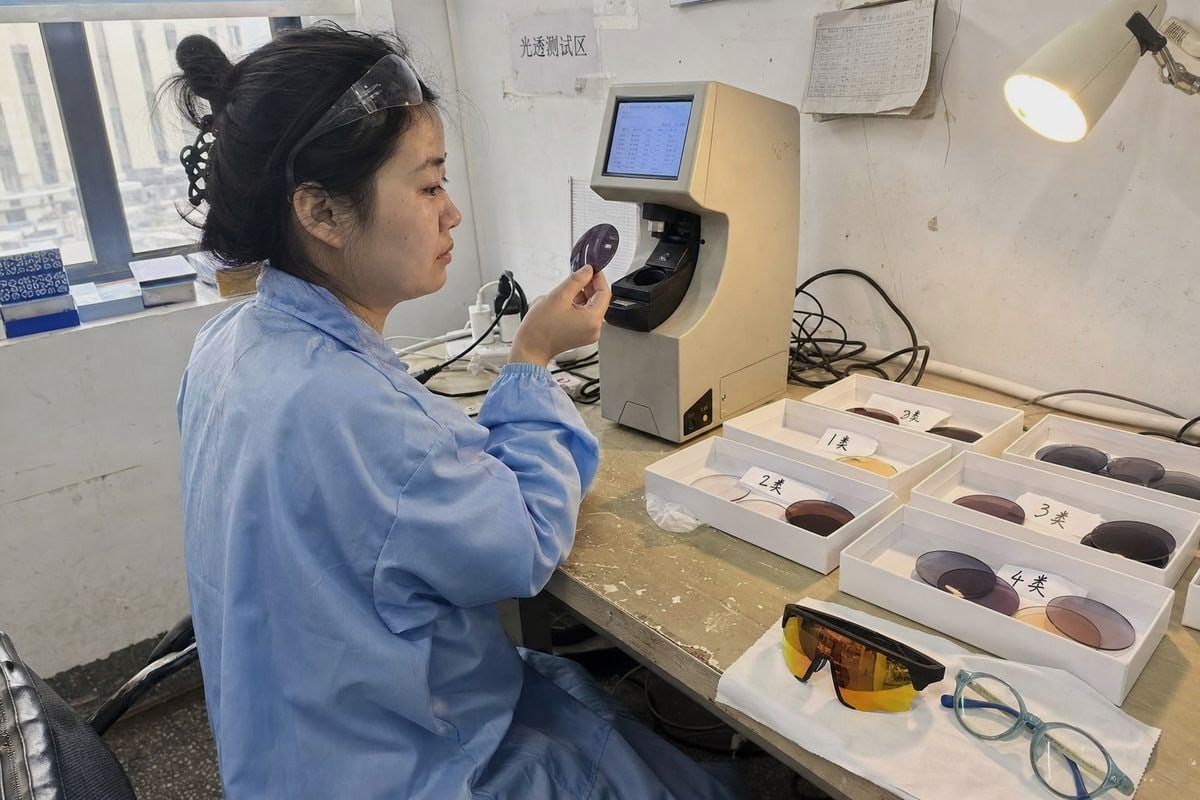
フレーム素材は、子供用アイウェアが大人用アイウェアと最も異なる点です。大人のフレームはそれ自体を守ります。子供のフレームは子供を守らなければなりません。その違いが、私たちが作るすべての素材の決定を推進しており、あなたの調達仕様も同様に推進すべきです。.
なぜ柔軟性が安全機能であり、快適機能ではないのか
割れる硬いフレームは、子供の目や顔の近くに鋭いエッジを作成します。柔軟なTPEEフレームはストレス下で曲がり、元の形状に戻るため、破損と顔面の怪我の両方を防ぎます。TR90は、優れた形状記憶性と軽量性を備え、わずかにしっかりした感触を提供します。だからこそ、私たちのベストセラー構造は、レンズを安定して保持するTR90フロントと、幼児が横からメガネを引っ張ったときに曲がるTPEEテンプルを組み合わせています。どちらの素材も環境に優しく、BPAフリーであり、ヨーロッパや日本で取引しているベビーブランドのバイヤーにとって重要です。.
年齢別のフレーム推奨事項
| 年齢グループ | 推奨フレーム | 指定すべき主な機能 |
|---|---|---|
| 0~2歳(乳幼児) | ソフトTPEEフル | 調節可能なヘッドストラップ、ヒンジやネジなし、超軽量 |
| 3~6歳(就学前) | TPEEまたはTR90 + TPEEテンプル | 柔軟なテンプル、ローブリッジフィット、丸みを帯びたエッジ |
| 7~12歳(学童) | TR90 | 軽量、スプリングのような柔軟性、確実なテンプルグリップ |
| スポーツ/アクティブユース | TR90ラップアラウンド | 顔に沿ったカーブ、ラバー製ノーズパッド、ストラップ互換性 |
バイヤーがしばしば見落とす一つの詳細は、ブリッジの形状です。子供は鼻梁が未発達なため、大人スタイルのブリッジは滑り落ち、レンズを光学中心からずらします。私たちは、これのために特別に、子供用金型に低く幅広のブリッジプロファイルを設計しています。サンプルを評価する際は、自分の顔ではなく、子供のフィットモデルにかけてください。.
重量は柔軟性と同じくらい重要です。子供はかさばるフレームを着用することを拒否するでしょうし、バックパックの中のサングラスは何も保護しません。.
安全性と紫外線保護を確保するために、どのようなレンズの特徴に注目すべきですか?
The trade-off we weigh most often in development is lens spec versus target price. But there is one line we never negotiate on: every kids' lens we ship must carry genuine UV400 protection.
まずUV400または100%のUVAおよびUVB保護が認証されているものを探し、次に耐衝撃性ポリカーボネートレンズ、傷防止コーティング、ANSI Z80.3などの認定基準への準拠を確認してください。偏光レンズとブルーライトフィルターは価値のある追加機能ですが、UVフィルターの代わりには決してなりません。.
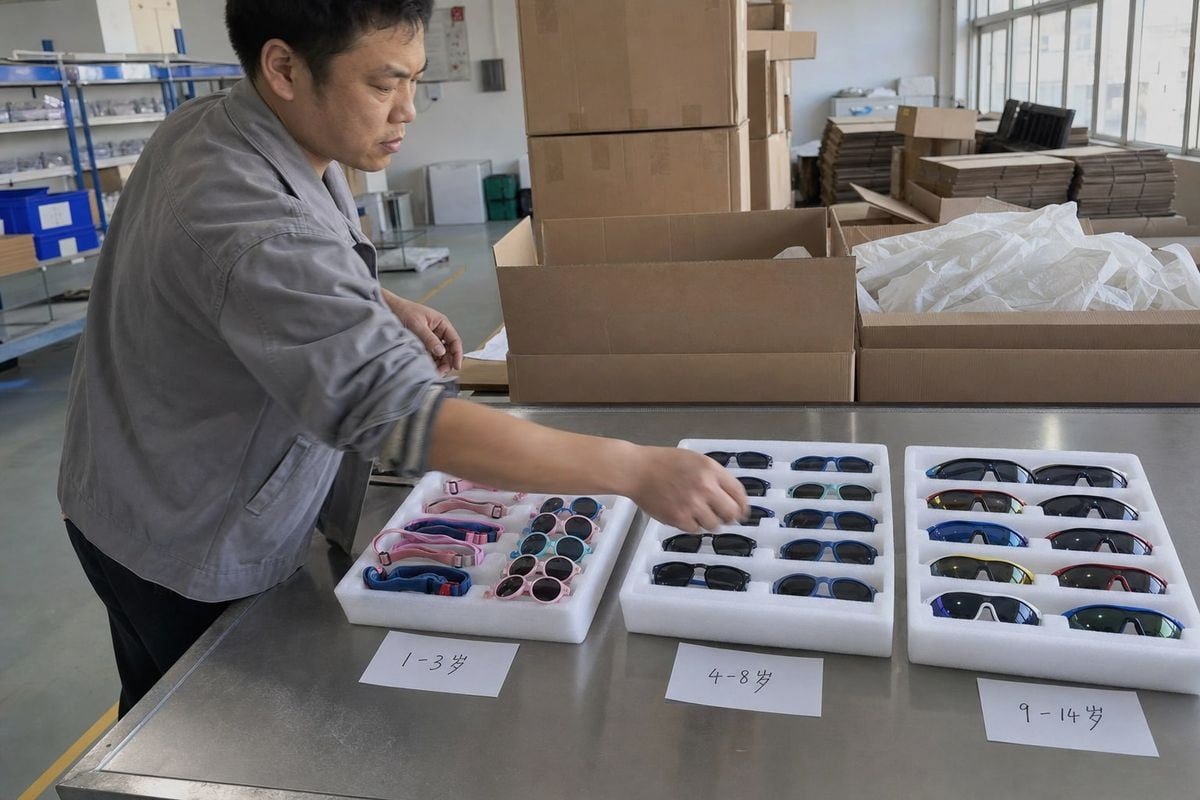
Children's eyes are not small adult eyes. Their crystalline lenses are clearer, so more radiation reaches the developing retina 3. That is why lens specification is the heart of any kids' eyewear program, and why we test lenses batch by batch before shipment.
UV Labeling: The Non-Negotiable First Check
UV400 means the lens filters light below 400 nanometers, covering both UVA and UVB rays. This is effectively the European benchmark, while ANSI Z80.3 standards serve a similar role for the US market. Here is my practical rule for buyers: the tint category tells you how dark the lens is; the UV label tells you whether the child's eyes are actually protected. Always demand test reports, not just marketing claims. Genuine protection supports long-term eye health development; unverified tint undermines it.
Lens Material: Why Polycarbonate Wins
Polycarbonate lenses are lightweight, shatter-resistant, and dramatically tougher than standard acrylic or CR-39 4. For children who run, fall, and throw things, impact resistance is not optional. We pair polycarbonate with a scratch-resistant coating as standard, because kids clean lenses with their sleeves.
Optional Upgrades Worth Considering
- 偏光レンズ 5 — cut reflected glare from water, sand, snow, and pavement; ideal for beach and travel lines.
- Blue light filtering — reduces intense solar HEV exposure for developing eyes.
- Mirrored gradient coatings — reduce brightness further and create strong shelf appeal on sport shields.
- Oleophobic and hydrophobic coatings — repel sunscreen, fingerprints, and water splashes.
- Photochromic lenses 6 — useful for children who wear prescription eyewear and move between indoors and outdoors.
Remember: polarization improves comfort, but it does not replace UV filtering. Specify both separately in your purchase order.
私のブランドのターゲット市場とユースケースにサングラスのスタイルを合わせるにはどうすればよいですか?
Last year, a Japanese baby-products brand and a European outdoor brand visited our showroom in the same week. They walked out with completely different selections from the same 800-style catalog, and both were right.
遊び心のあるツートンカラーのソフトな丸型または四角いフレームで、日常やファッションのラインを合わせましょう。スポーツやアウトドアのラインは、ラップアラウンドシールドスタイル、ミラー偏光レンズ、ストラップオプションで合わせましょう。ベビーラインはストラップ付きのソフトフレームで合わせましょう。そして、強い日差しの旅行ラインは、カテゴリー3〜4のラップアラウンドカバレッジで合わせましょう。.
Style matching is where classification turns into a product line. The goal is simple: the right protection level, in a design the child wants to wear and the parent trusts enough to buy. Coverage is part of that equation. A wrap-around style blocks peripheral light leak, the UV that bounces in from the sides of loose frames, so fit and silhouette are protection features, not just aesthetics.
A Style-to-Market Matching Framework
| Target Market | Recommended Style | Lens Spec | Example from Our Line |
|---|---|---|---|
| Baby / toddler brands | Soft round frames, strap-ready | UV400, Category 2–3, polycarbonate | Compact two-tone frames in soft periwinkle and mint |
| Everyday kids' fashion | Retro round or square, two-tone colors | UV400, Category 2–3 | Matte flexible frames, opaque gray lenses |
| Sport / outdoor brands | Wrap-around single-shield | UV400, Category 3, polarized, mirrored | Glossy black shield with orange-to-gold mirror lens |
| Ski / high-glare travel | Close-fit wrap-around | UV400, Category 3–4 | White sport frame with iridescent multicolor mirror lens |
| Promotional / licensed | Custom-color classic shapes | UV400 minimum, Category 2–3 | Custom colorways with logo temples |
Building a Retail-Ready Range Without Mold Investment
For a new brand, tooling a custom mold is a heavy upfront risk. This is exactly why we keep a large existing library: buyers can select proven shapes, then customize colors, lens coatings, logos, and packaging through our OEM/ODM process. You test the market first, then invest in exclusive molds once a style proves itself. Whatever direction you choose, keep the range coherent: one hero everyday style, one sport style with an adjustable head strap option, and one seasonal fashion color story is a strong, low-risk starting assortment. Also watch the red flags on the low end of the market: missing UV labels, toy-grade construction 7, and listings that only advertise tint or style. Those products damage retailer trust and, more importantly, children's eyes.
結論
Unprotected young eyes face real UV risk, and dark tint alone is a false promise. The fix is a clear spec: verify protection first, then fit, then materials.
The best kids' sunglasses are never simply the darkest ones. They combine verified UV400 protection, the right tint category for the environment, a secure wrap-style fit, impact-resistant polycarbonate lenses, and flexible, child-safe frame materials. Classify by those five layers, match styles to your market, and demand test reports from your supplier. If you want to build a range that way, our team at OKAY EYEWEAR is glad to help you start from proven styles and customize from there.
脚注
1. WHO explains UV radiation risks, clarifying why tint and UV filtering are distinct properties. ↩︎
2. Official FDA consumer guide detailing UV radiation types and sunglasses safety standards. ↩︎
3. Authoritative medical source (AAO) explaining UV vulnerability in children’s developing eyes. ↩︎
4. Background on CR-39 lens material helps readers compare it to polycarbonate impact resistance. ↩︎
5. Wikipedia explains polarization technology behind the glare-reducing lens upgrade described. ↩︎
6. Wikipedia background on photochromic technology supports the light-adaptive lens recommendation. ↩︎
7. CPSC oversees children’s product safety standards relevant to substandard sunglasses construction. ↩︎
 English
  Español de México
  Deutsch
  Français
  日本語
日本語  العربية
  Português do Brasil