How to Classify Kids’ Sunglasses and Choose the Best Type for Children?
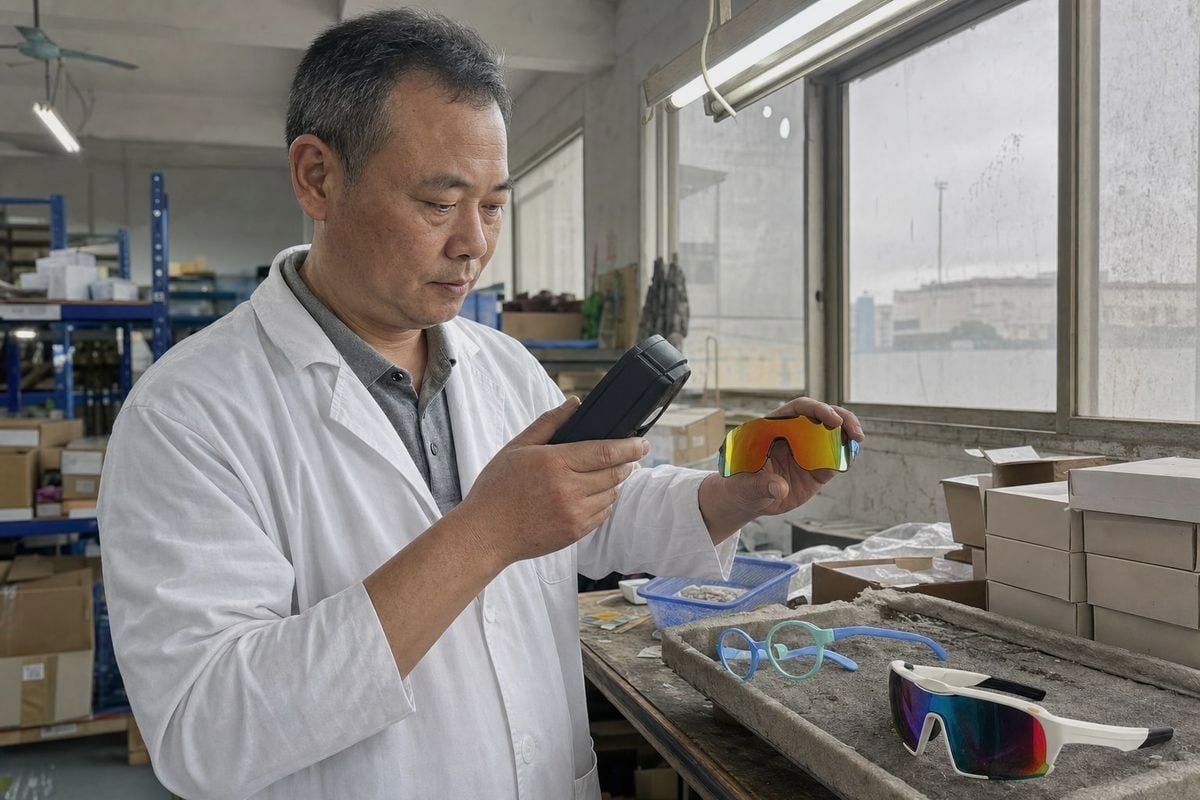
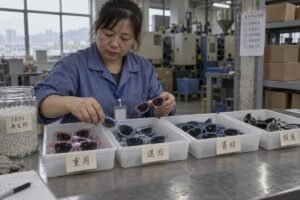
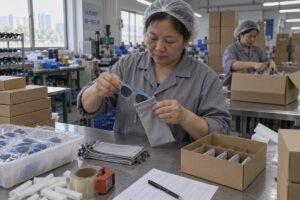
Sourcing kids’ sunglasses looks simple until a shipment fails a UV test. On our production line in Taizhou, I have seen how one wrong spec can sink a whole launch.
Classify kids’ sunglasses by lens category (0–4), UV protection level, frame material, lens material, and intended use. The best type for most children combines verified UV400 protection, Category 2–3 tint, impact-resistant polycarbonate lenses, flexible TPEE or TR90 frames, and a secure, age-appropriate fit.
That is the short answer. Below, I will break each part down so you can source or specify children’s sunglasses with confidence.
What Are the Main Types of Kids' Sunglasses I Should Know Before Sourcing?
A buyer from Australia once asked me to quote "kids' sunglasses" with no other spec. We had to walk through five classification layers before she could even pick samples from our 800 existing styles.
Kids' sunglasses are classified five ways: by lens tint category (0–4), by UV protection level (UV400 or 100% UVA/UVB), by lens material (polycarbonate vs. standard plastic), by frame material (flexible vs. rigid), and by use case (everyday, sport, beach, or high-glare environments).
Style is what shoppers see first, but style is the least important layer for safety. When we develop a new model at our factory, we always start with the lens category system, because it defines how the product will actually be used.
The Category 0–4 Lens System Explained
The international lens category system describes how much visible light passes through the lens. It does not describe Protection UV 1. Those are two separate properties, and confusing them is the single most common sourcing mistake I see.
| Catégorie | Light Transmission | Best Use for Children |
|---|---|---|
| 0 | 80–100% | Clear safety or cosmetic eyewear, not sun protection |
| 1 | 43–80% | Light fashion wear, overcast days |
| 2 | 18–43% | General everyday outdoor use |
| 3 | 8–18% | Strong sunlight: beach, playground, summer |
| 4 | 3–8% | Extreme glare: high altitude, snow; never for driving |
For most children, Category 2 or Category 3 with full UV protection is the sweet spot. It balances glare reduction with practical wearability. Category 4 lenses are too dark for daily use; we only recommend them for specific alpine or glacier programs.
Classification by Use Case
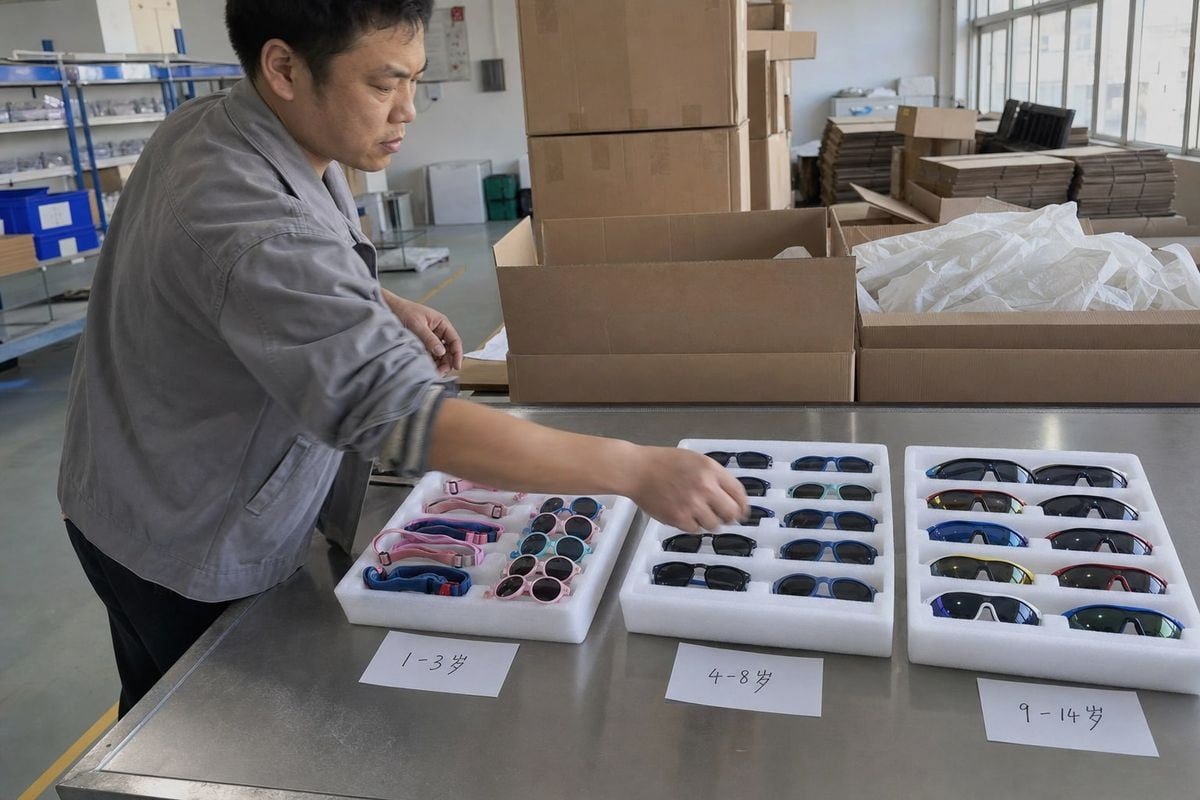
Beyond tint, we group our catalog into everyday casual frames, sport wrap-around styles, beach and water models, and baby-specific designs with strap compatibility. A retro round frame in soft two-tone colors, like our periwinkle-and-mint models, suits daily wear. A single-shield wrap-around with a mirrored gradient lens suits cycling and skiing. Matching the type to the child's real activities is how you build a range that sells through, rather than a shelf of lookalikes.
How Do I Choose the Right Frame Material for Different Age Groups?
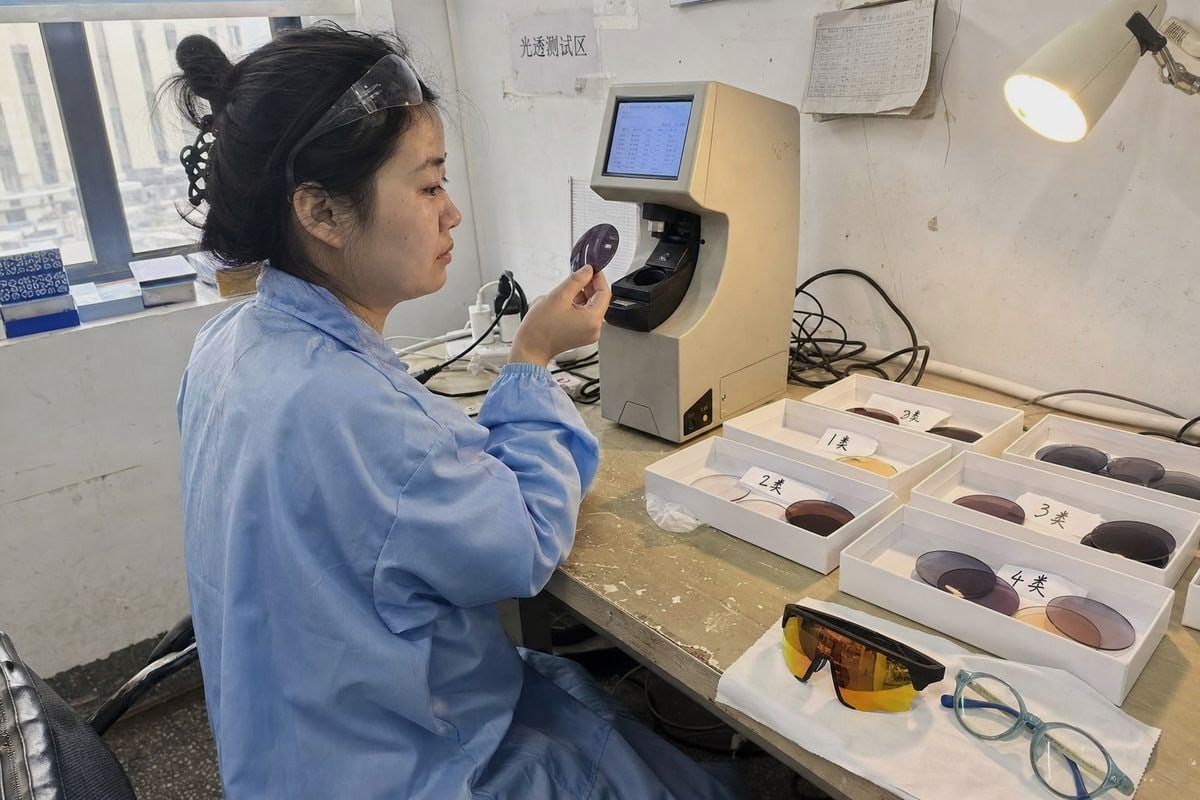
In our 5S-managed workshop, we run a simple test on every new frame: twist it, sit on it, drop it. Fifteen years of making children's eyewear taught us that kids will do all three within a week.
Choose soft, flexible TPEE frames with adjustable head strap options for babies and toddlers; flexible TR90 frames, or TR90 fronts with TPEE temples, for preschool and school-age kids; and lightweight sport-grade frames for active tweens. Avoid rigid fashion plastics that snap under twisting.
Frame material is where child eyewear differs most from adult eyewear. An adult frame protects itself. A child's frame must protect the child. That difference drives every material decision we make, and it should drive your sourcing spec too.
Why Flexibility Is a Safety Feature, Not a Comfort Feature
A rigid frame that snaps creates sharp edges near a child's eyes and face. Flexible TPEE frames bend under stress and return to shape, which prevents both breakage and facial injury. TR90 offers a slightly firmer feel with excellent memory and low weight. That is why our best-selling construction pairs a TR90 front, which holds the lenses stably, with TPEE temples that flex when a toddler pulls the glasses off sideways. Both materials are also environmentally friendly and BPA-free, which matters to the baby-brand buyers we work with in Europe and Japan.
Age-Based Frame Recommendations
| Groupe d'âge | Recommended Frame | Key Features to Specify |
|---|---|---|
| 0–2 years (babies) | Full soft TPEE | Adjustable head strap, no hinges or screws, ultra-light |
| 3–6 years (preschool) | TPEE or TR90 + TPEE temples | Flexible temples, low bridge fit, rounded edges |
| 7–12 years (school-age) | TR90 | Lightweight, spring-like flex, secure temple grip |
| Sport / active use | TR90 wrap-around | Close face curve, rubberized nose pads, strap compatibility |
One detail buyers often miss is bridge geometry. Children have an underdeveloped nasal bridge, so an adult-style bridge slides down and shifts the lenses off the optical center. We engineer lower, wider bridge profiles on our kids' molds specifically for this. When you evaluate samples, put them on a child fit-model, not on your own face.
Weight matters as much as flexibility. A child will simply refuse to wear a bulky frame, and sunglasses in a backpack protect nothing.
Which Lens Features Should I Look for to Ensure Safety and UV Protection?
The trade-off we weigh most often in development is lens spec versus target price. But there is one line we never negotiate on: every kids' lens we ship must carry genuine UV400 protection.
Look for verified UV400 or 100% UVA and UVB protection first, then impact-resistant polycarbonate lenses, a scratch-resistant coating, and compliance with recognized standards such as ANSI Z80.3. Polarized lenses and blue light filtering are valuable extras, but never substitutes for UV filtering.
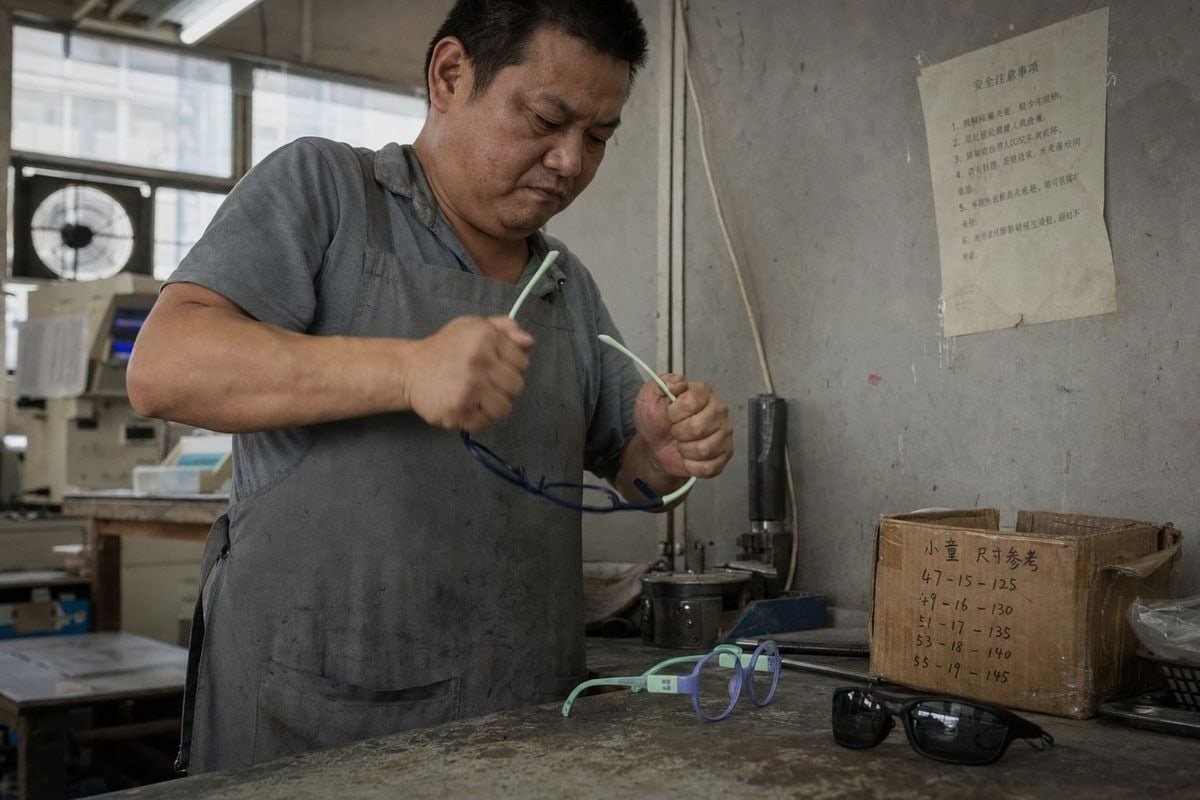
Children's eyes are not small adult eyes. Their crystalline lenses are clearer, so more radiation reaches the developing retina 3. That is why lens specification is the heart of any kids' eyewear program, and why we test lenses batch by batch before shipment.
UV Labeling: The Non-Negotiable First Check
UV400 means the lens filters light below 400 nanometers, covering both UVA and UVB rays. This is effectively the European benchmark, while ANSI Z80.3 standards serve a similar role for the US market. Here is my practical rule for buyers: the tint category tells you how dark the lens is; the UV label tells you whether the child's eyes are actually protected. Always demand test reports, not just marketing claims. Genuine protection supports long-term eye health development; unverified tint undermines it.
Lens Material: Why Polycarbonate Wins
Polycarbonate lenses are lightweight, shatter-resistant, and dramatically tougher than standard acrylic or CR-39 4. For children who run, fall, and throw things, impact resistance is not optional. We pair polycarbonate with a scratch-resistant coating as standard, because kids clean lenses with their sleeves.
Améliorations optionnelles à considérer
- Les verres polarisés 5 — cut reflected glare from water, sand, snow, and pavement; ideal for beach and travel lines.
- Blue light filtering — reduces intense solar HEV exposure for developing eyes.
- Mirrored gradient coatings — reduce brightness further and create strong shelf appeal on sport shields.
- Oleophobic and hydrophobic coatings — repel sunscreen, fingerprints, and water splashes.
- Verres photochromiques 6 — useful for children who wear prescription eyewear and move between indoors and outdoors.
Remember: polarization improves comfort, but it does not replace UV filtering. Specify both separately in your purchase order.
How Can I Match Sunglass Styles to My Brand's Target Market and Use Case?
Last year, a Japanese baby-products brand and a European outdoor brand visited our showroom in the same week. They walked out with completely different selections from the same 800-style catalog, and both were right.
Match everyday and fashion lines with soft round or square frames in playful two-tone colors; match sport and outdoor lines with wrap-around shield styles, mirrored polarized lenses, and strap options; match baby lines with strapped soft frames; and match high-glare travel lines with Category 3–4 wrap-around coverage.
Style matching is where classification turns into a product line. The goal is simple: the right protection level, in a design the child wants to wear and the parent trusts enough to buy. Coverage is part of that equation. A wrap-around style blocks peripheral light leak, the UV that bounces in from the sides of loose frames, so fit and silhouette are protection features, not just aesthetics.
A Style-to-Market Matching Framework
| Target Market | Recommended Style | Lens Spec | Example from Our Line |
|---|---|---|---|
| Baby / toddler brands | Soft round frames, strap-ready | UV400, Category 2–3, polycarbonate | Compact two-tone frames in soft periwinkle and mint |
| Everyday kids' fashion | Retro round or square, two-tone colors | UV400, Catégorie 2-3 | Matte flexible frames, opaque gray lenses |
| Sport / outdoor brands | Wrap-around single-shield | UV400, Category 3, polarized, mirrored | Glossy black shield with orange-to-gold mirror lens |
| Ski / high-glare travel | Close-fit wrap-around | UV400, Category 3–4 | White sport frame with iridescent multicolor mirror lens |
| Promotional / licensed | Custom-color classic shapes | UV400 minimum, Category 2–3 | Custom colorways with logo temples |
Building a Retail-Ready Range Without Mold Investment
For a new brand, tooling a custom mold is a heavy upfront risk. This is exactly why we keep a large existing library: buyers can select proven shapes, then customize colors, lens coatings, logos, and packaging through our OEM/ODM process. You test the market first, then invest in exclusive molds once a style proves itself. Whatever direction you choose, keep the range coherent: one hero everyday style, one sport style with an adjustable head strap option, and one seasonal fashion color story is a strong, low-risk starting assortment. Also watch the red flags on the low end of the market: missing UV labels, toy-grade construction 7, and listings that only advertise tint or style. Those products damage retailer trust and, more importantly, children's eyes.
Conclusion
Unprotected young eyes face real UV risk, and dark tint alone is a false promise. The fix is a clear spec: verify protection first, then fit, then materials.
The best kids' sunglasses are never simply the darkest ones. They combine verified UV400 protection, the right tint category for the environment, a secure wrap-style fit, impact-resistant polycarbonate lenses, and flexible, child-safe frame materials. Classify by those five layers, match styles to your market, and demand test reports from your supplier. If you want to build a range that way, our team at OKAY EYEWEAR is glad to help you start from proven styles and customize from there.
Notes de bas de page
1. WHO explains UV radiation risks, clarifying why tint and UV filtering are distinct properties. ↩︎
2. Official FDA consumer guide detailing UV radiation types and sunglasses safety standards. ↩︎
3. Authoritative medical source (AAO) explaining UV vulnerability in children’s developing eyes. ↩︎
4. Background on CR-39 lens material helps readers compare it to polycarbonate impact resistance. ↩︎
5. Wikipedia explains polarization technology behind the glare-reducing lens upgrade described. ↩︎
6. Wikipedia background on photochromic technology supports the light-adaptive lens recommendation. ↩︎
7. CPSC oversees children’s product safety standards relevant to substandard sunglasses construction. ↩︎
Plus d'articles que vous pourriez aimer

Vous recherchez un partenaire fiable en lunetterie pour enfants ?
Explorez plus de 800 styles prêts et un support OEM/ODM complet adapté à votre marque.
Contactez-nous English
  Español de México
  Deutsch
  Français
  日本語
日本語  العربية
  Português do Brasil