子供用サングラスの過剰在庫を避ける方法
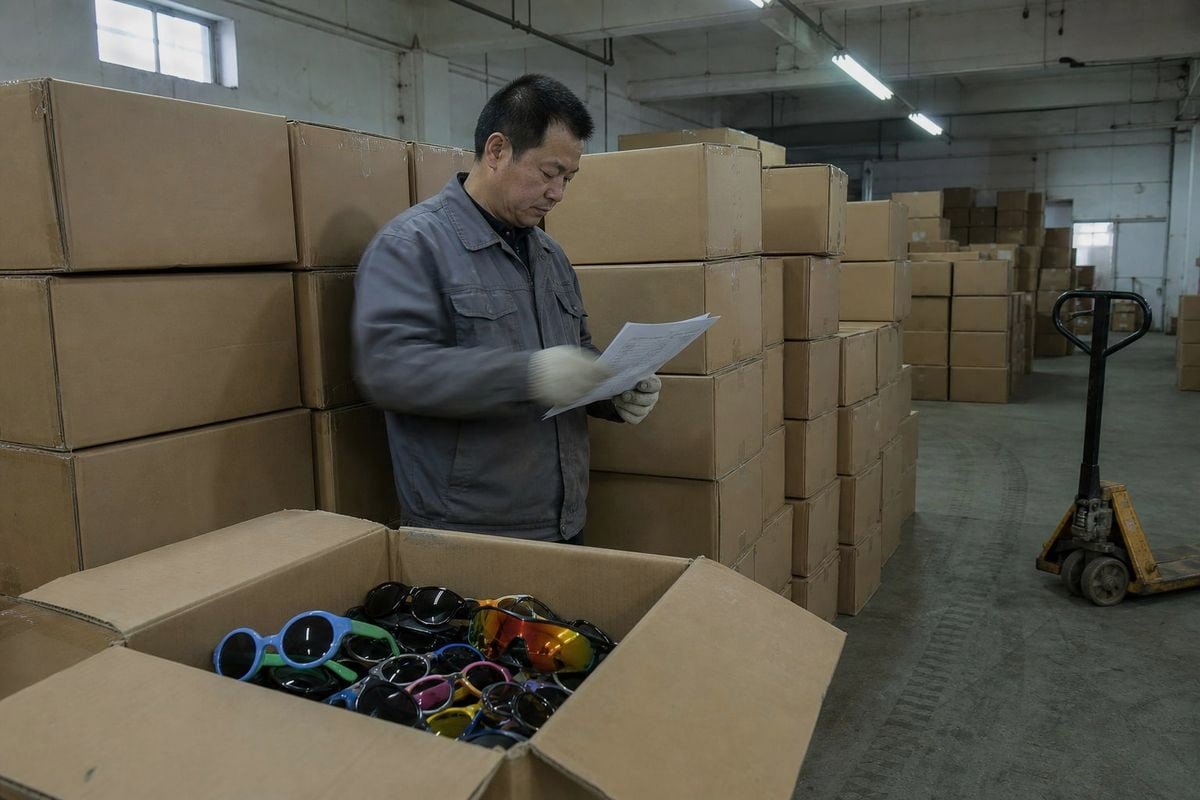
子供用サングラスの過剰在庫 バルク調達で 1 現金を急速に使い果たします TPEEテンプル 2. 。バイヤーが私たちの台州工場を訪れ、大量注文し、その後2シーズンも売れ残り在庫を抱えているのを見てきました。.
子供用サングラスの過剰在庫をバルク調達で避けるには、まず小規模なテストアソートメントから始め、販売実績データを検証し、混合スタイルとカラーで柔軟なMOQを交渉し、大部分の予算を迅速な補充のために確保し、すでに売れることが証明されているスタイルのみを深く再注文してください。.
それが簡単な答えです。次に、20か国以上の実際のバイヤーから得た情報を使用して、各ステップを詳細に説明します。.
大量の子供用サングラスの注文をする前に、市場の需要をどのようにテストできますか?
オーストラリアのバイヤーは、あるスタイルを10,000個も勘に頼って注文しそうになったと語っていました。代わりに、まず5つのスタイルをサンプルするように提案しました。その決定が彼女のシーズンを救いました。.
数種類のスタイルで子供用サングラスの需要をテストするには、少量のお試し注文を行い、実際の販売チャネルで4〜8週間販売し、SKUごとの売れ行き率を追跡し、次に大量注文で実績のあるものだけを拡大します。.
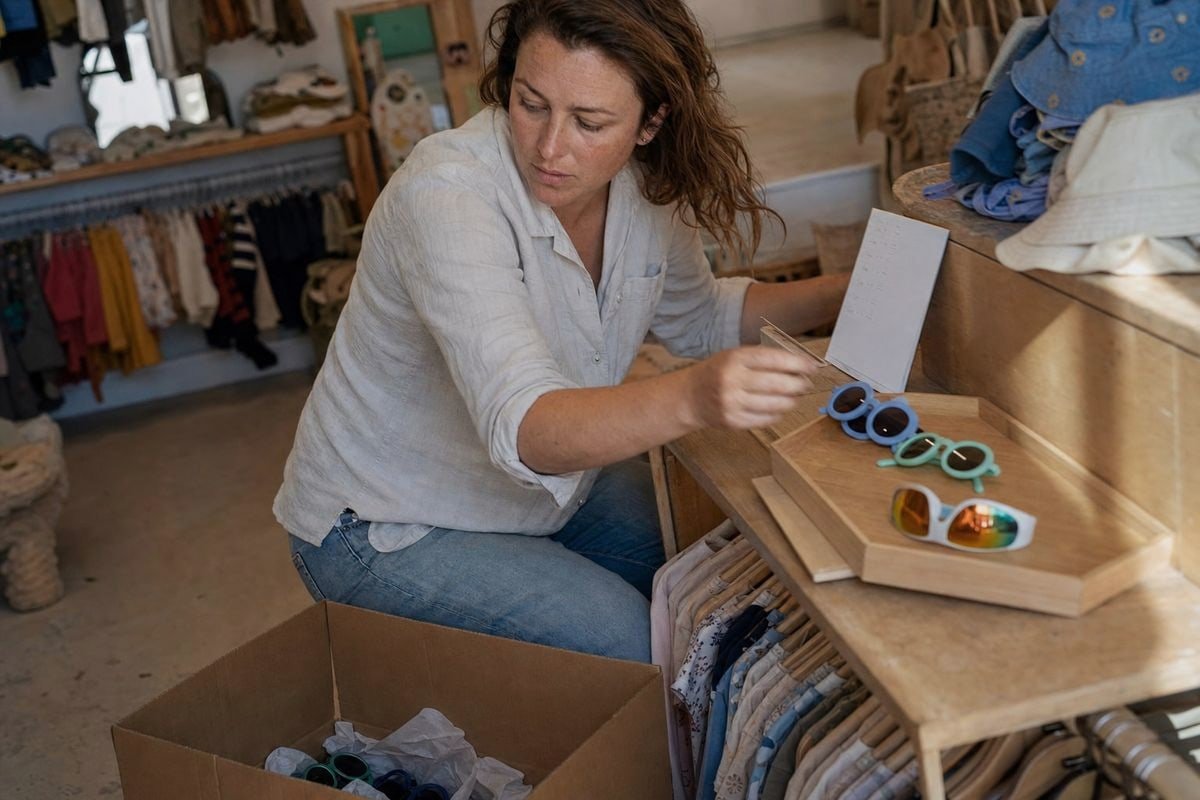
子供用サングラスは季節性があり、トレンド主導で、年齢に敏感です。そのため、勘に頼った注文はリスクが高いです。良いニュースは、需要のテストが複雑である必要はないということです。意図的に行う必要があるだけです。.
構造化されたテスト注文から始める
通常、バイヤーには、約800のデザインの既存のカタログから3〜6つのスタイルを選択するように勧めています。これにより、金型投資なしでテストできます。スタイルごとに浅い数量を注文してください。実際の販売チャネル(ウェブサイト、小売棚、Amazonのリスト)で販売してください。展示会での反応だけで需要を判断しないでください。実際の購入行動が唯一重要なシグナルです。.
適切な数値を追跡する
テスト期間中は、3つの指標を注意深く監視してください。
| 指標 | それがあなたに伝えること | 健全なシグナル |
|---|---|---|
| 販売率 | スタイルがどれだけ速く動くか | テスト期間中に60%以上 |
| 返品率 | フィット感、快適さ、品質の問題 | 5%未満 |
| リピートまたは再注文の関心 | 需要が持続的かどうか | 顧客がより多くの色やサイズを求めている |
6週間でテスト在庫の70%を販売したスタイルは、より深い再注文に値します。「それに値する」と信じているからといって、15%しか売れなかったスタイルは、ドロップまたは再価格設定する必要があります。バルク注文しないでください。"
季節性を有利に活用する
子供用サングラスは、夏、学校の休暇、旅行の時期に急増します。主な購入期間の前に結果が届くようにテストをスケジュールしてください。ヨーロッパと日本への輸出経験から、早期春にテストするバイヤーは、冬に盲目的に注文するバイヤーよりも、夏の大量注文の決定をはるかに良く行います。.
フレキシブル素材のアイウェア工場から調達する場合、最低注文数量はどのくらいを期待すべきですか?
ソーシャルバズは、あなたの特定の市場や価格帯での購入を意味するものではありません。多くのトレンド主導のスタイルは、大量注文が到着する前に廃れてしまいます。.
柔軟素材の子供用アイウェア工場は、既存のデザインの場合、通常、スタイルごとに300〜1,200個のMOQを設定しており、完全にカスタムメイドの場合はそれ以上になります。カタログスタイル、標準色、交渉による混合注文を選択することで、SKUあたりの実効コミットメントを大幅に低くすることができます。.
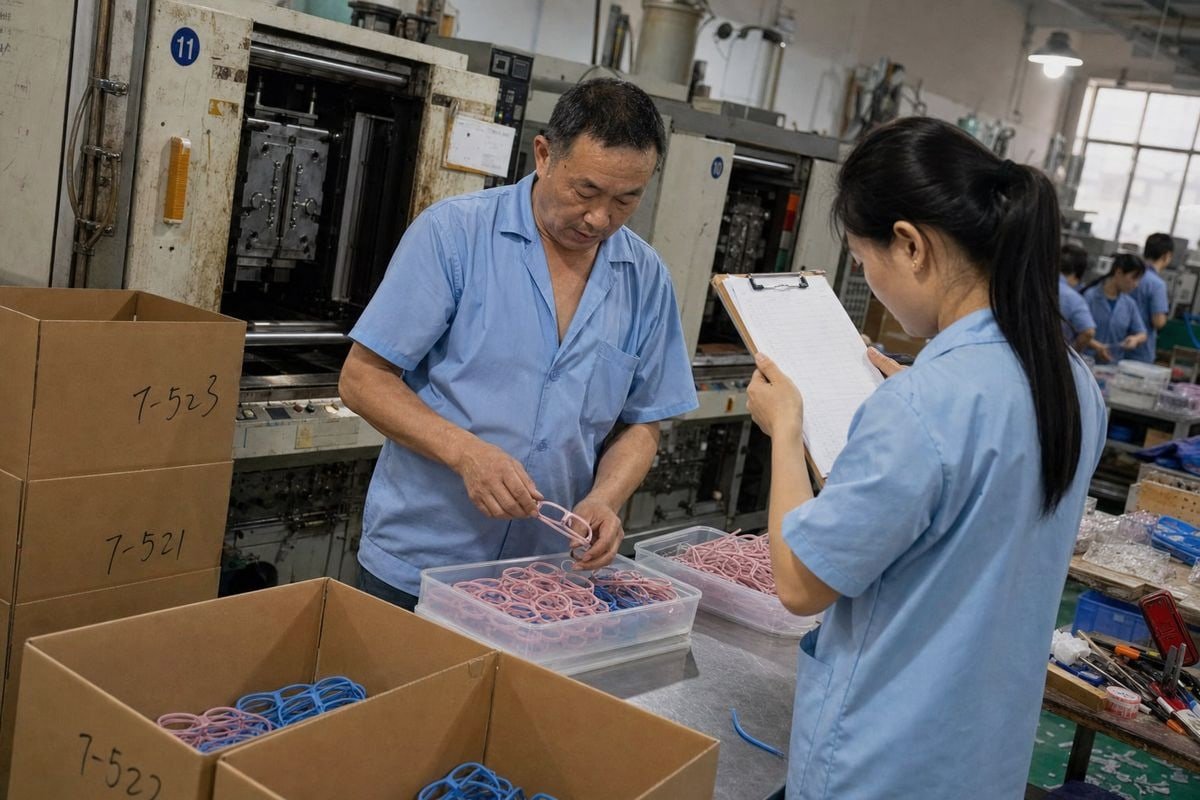
MOQは、私がセールスコールで最も頻繁に答える質問です。バイヤーは、柔軟なTPEEおよびTR90アイウェアが多額のコミットメントを必要とすることを心配しています。実際には、その数値はほとんどの人が予想するよりも扱いやすいです。.
MOQが存在するのには理由があります。材料バッチ処理、色の混合、生産ラインのセットアップをカバーします。しかし、MOQは管理すべき制約であり、達成すべき目標ではありません。多くのバイヤーは、MOQを購入の推奨事項として扱うだけで、過剰在庫を抱えています。そうではありません。
MOQを増減させる要因
| 注文タイプ | 一般的なMOQ範囲 | 異なるカスタマイズレベルは、非常に異なるMOQの現実を運びます。私たちのような柔軟な素材工場では、一般的に次のように機能します。 |
|---|---|---|
| 過剰在庫リスク | 既存のカタログスタイル、標準色 | 低 |
| スタイルあたり300〜600個 | 既存のスタイル、カスタムカラーまたはロゴ | 中程度 |
| スタイルあたり600〜1,200個 | カスタムレンズ、パッケージ、ブランディング | 1,000〜2,000個 |
| 中〜高 | 完全に新しいデザインと新しい金型 | 高い |
3,000個以上、金型費用追加.
How to negotiate smarter terms
Ask your supplier directly about these levers:
- Trial-order pricing for a first cooperation.
- Split shipments — produce once, ship in two batches.
- Reorder priority, so replenishment lead time shrinks after the first run.
- Mixing colors within one style's MOQ.
A reliable factory wants a long-term partner, not a one-time bulk sale. When a buyer asks us for a smaller first order with a clear replenishment plan written into your purchase agreement, we see a serious partner — and we work with that.
スタイル、色、サイズを1回のバルク注文で混在させて、在庫リスクを軽減することはできますか?
Last year, a European kids' brand asked us to split one container across eight styles in three age bands. Their sell-through improved, and their dead stock nearly disappeared. Mixing works.
はい。ほとんどの子供用眼鏡工場では、1回の大量注文でスタイル、色、フレームサイズを混在させることが許可されており、多くの場合、合計MOQに対して行われます。混在させることで、SKU全体のリスクを分散し、スタイルごとの数量を少なく保ち、単一のデザインに過度にコミットすることなく、ヒット商品を発見することができます。.
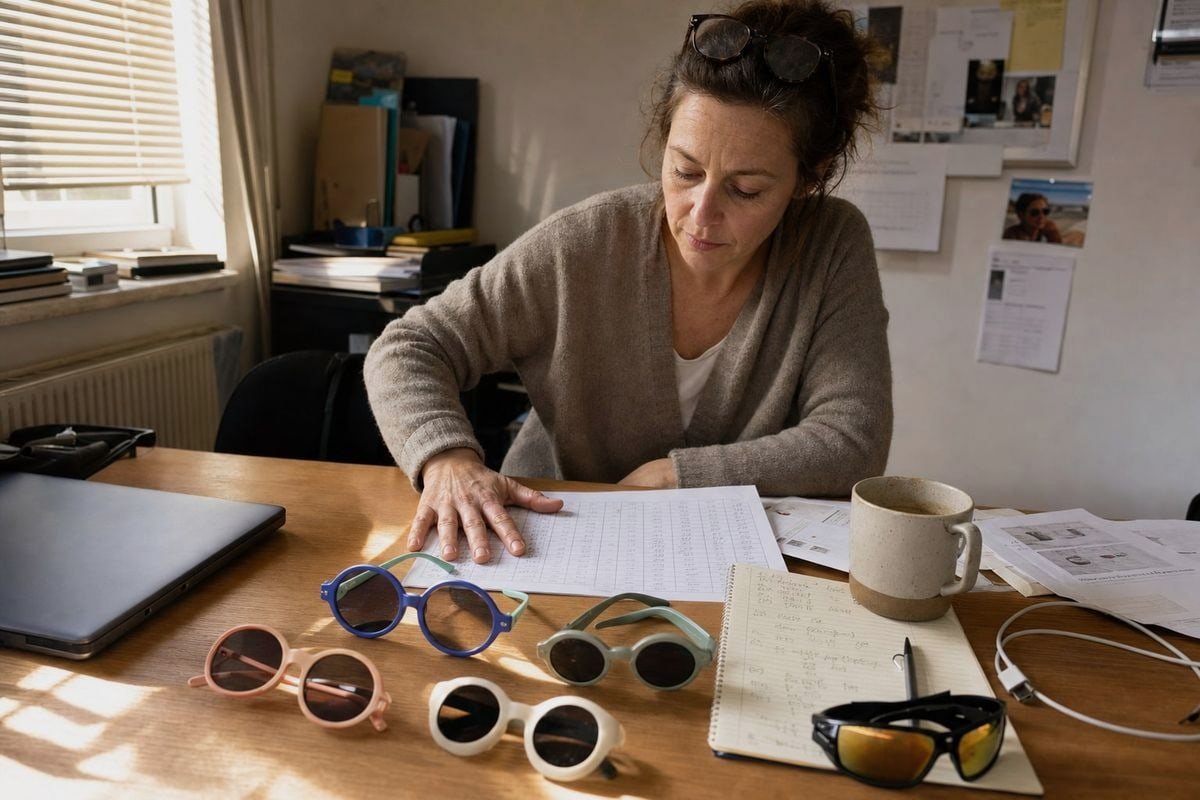
Dead stock rarely comes from ordering too much overall. It comes from ordering too much of the wrong SKU. Mixing is the direct fix, but it has to be structured, not random.
Mix wide, but stay disciplined
There is a trap here. Some buyers swing from one extreme to the other — from one giant single-style order to a chaotic order with thirty styles in every color. Both fail. Too few SKUs concentrates risk. Too many SKUs creates fragmentation, slow sellers, and messy inventory. In our experience, the sweet spot for a first bulk order is roughly five to ten styles, two to three colorways each, across two or three age bands.
A practical mixing framework
| Dimension | Recommended spread | 理由 |
|---|---|---|
| Styles | 5–10 per order | Enough variety to find winners |
| Colors per style | 2–3 | Tests color preference without diluting depth |
| Age/size bands | 2–3 (e.g., 2–5 yrs, 5–9 yrs) | Fit drives sell-through in kids' eyewear |
| Depth per SKU | Shallow first, deep on reorder | Reserve budget for replenishment |
Watch the size distribution
One overlooked cause of overstock is size mismatch. Kids' sunglasses are not one generic category. A frame sized for a three-year-old will not fit a nine-year-old, and parents notice immediately. On our production line, we size TR90フロント 3 and TPEE temples to specific age bands for exactly this reason. Match your size split to your actual customer demographics, not to an even three-way split by default.
大量注文する前に、どの子ども用サングラスのスタイルが実際に売れるか、どうやって選びますか?
Style selection is where I spend the most time advising buyers. After fifteen years making children's eyewear, we can usually tell which designs will move — and which will collect dust.
安全性が証明されたUV400レンズ、衝撃に強い柔軟なフレームといった安全機能を、年齢別の適合性、現在のカラートレンド、そして自社のチャネルデータと組み合わせて、子供用サングラスのスタイルを選びましょう。まず汎用性の高い普段使いしやすい形を優先し、大胆なトレンドスタイルは小さな実験的な追加アイテムとして扱いましょう。.
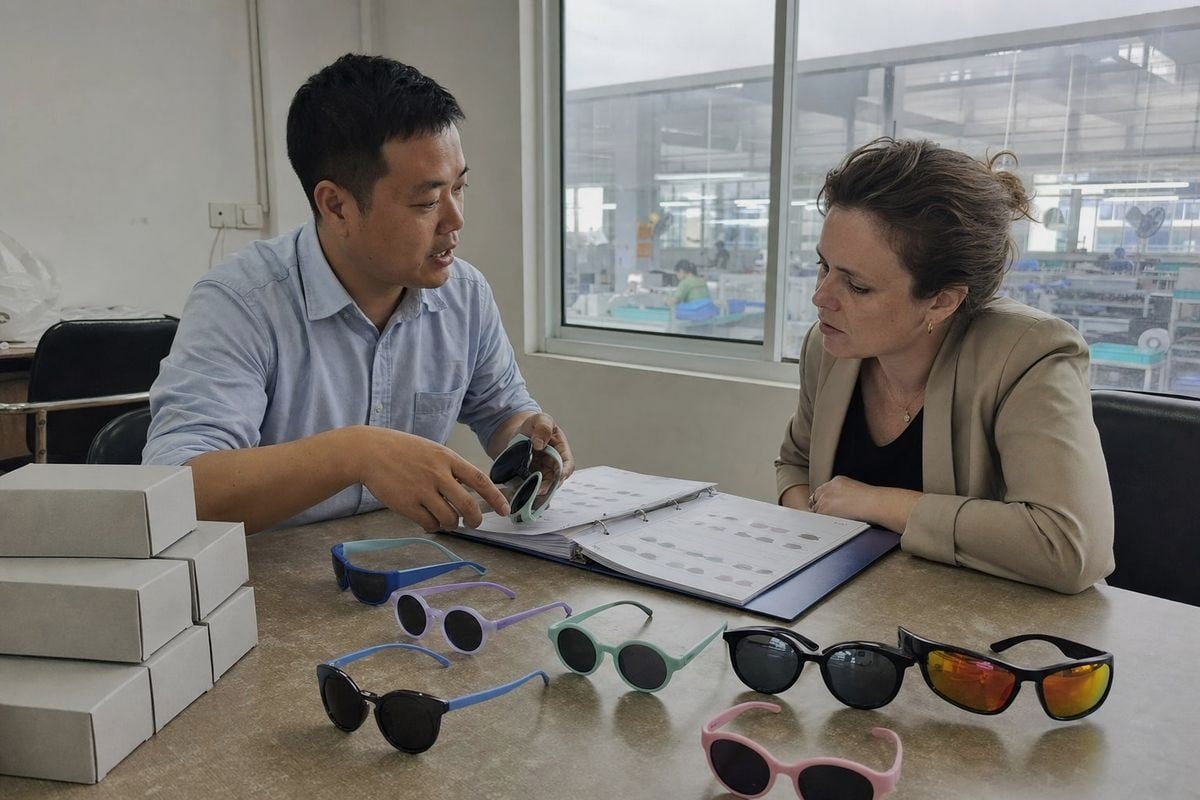
Parents buy kids' sunglasses differently than they buy adult fashion eyewear. Safety and comfort come first. Style comes second — but it still decides which pair a child actually agrees to wear. Both filters must pass, or the product stalls on the shelf.
The non-negotiables that speed up sell-through
Certain features consistently reduce returns and build trust, which directly improves how fast inventory moves:
- UV400-rated lenses 4, clearly labeled.
- Flexible temples that bend without snapping — this is why we build with TPEE and TR90 rather than rigid cheap plastics.
- Impact-resistant, lightweight frames that survive being dropped, sat on, and stuffed into backpacks.
- Environmentally friendly materials 5, which matter more every year to parents in Europe, Japan, and Australia.
A cheap pair that breaks in a week generates returns, bad reviews, and slow repeat sales. Quality is an inventory strategy, not just a product spec.
Balance safe bets with small experiments
Think of your assortment in two tiers. Your core tier should be classic, versatile shapes — rounded frames in pastel two-tone colors, for example, sell steadily across markets and seasons. Your experimental tier can include bolder pieces, like sport-style wraparound shields with ミラーグラデーションレンズ 6, which perform strongly with active-kids and outdoor brands but are more segment-specific. Order the core deep enough to reorder confidently. Order the experiments shallow, and let real sales decide their future.
Sense-check against your channel
Finally, match style to channel. A boutique baby brand sells different frames than an outdoor sports retailer. When buyers send us their store photos and customer profiles, our team can point them toward the styles that similar customers reorder most. Use your supplier's cross-market experience — it is free market research.

 English
  Español de México
  Deutsch
  Français
  日本語
日本語  العربية
  Português do Brasil