子供用サングラスの注文における見積有効期間はどのくらいにすべきか?

毎週、バイヤーは営業チームに、子供用サングラスの注文の見積有効期間がなぜこんなにも早く失効するのかと尋ねます。 CPSIA 1. その期間を逃すと、仕入れコストは静かに上昇する可能性があります。.
キッズサングラスのご注文の見積もり有効期間は通常14〜30日です。標準在庫スタイルには30日、ピークシーズンまたは通貨変動時には14日、材料費が急速に変動するカスタム金型、印刷ロゴ、または処方箋対応フレームには7〜14日を使用してください。.
それが短い答えです。しかし、適切な有効期間は、注文の種類、季節、および関連する原材料によって異なります。 EN71 2. それぞれの要因を説明しますので、自信を持って購買カレンダーを計画できます。.
子供用サングラスの見積もりについて、サプライヤーはどのくらいの期間、価格を固定してくれると期待できますか?
オーストラリアのバイヤーが、なぜ私たちの見積もりが「30日間有効」と表示されているのに、他の工場は60日を提供したのかと尋ねたことがあります。 原油 3. 私たちの台州のワークショップでは、実際の材料契約に基づいて価格を設定しているため、私たちの期間は実際のリスクを反映しています。.
ほとんどのサプライヤーは、標準的なデフォルトとして、子供用サングラスの見積もりに対して30日間、強気な価格を維持しています。信頼できる工場は、確認済みの予測を持つリピートバイヤーに対して45〜60日に延長する場合がありますが、カスタムまたは季節の注文に対しては7〜14日に短縮されます。.
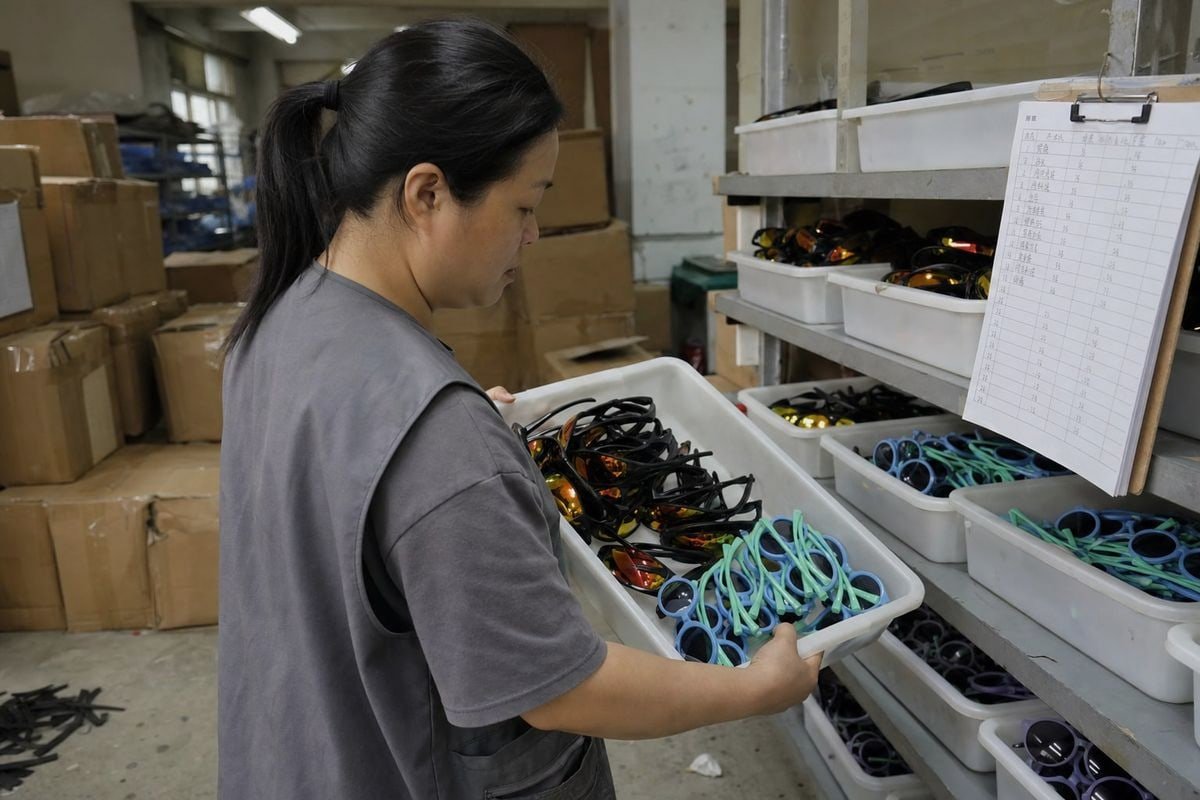
正直な答えは、有効期間はサプライヤー自身のコストエクスポージャーによって裏付けられた約束であるということです。私たちの800スタイルのカタログからラップアラウンドスポーツスタイルを見積もる場合、すでに金型を所有しており、フレーム素材を在庫していることがよくあります。その安定性により、30日間を快適に約束できます。バイヤーが新しいツートンカラーのパステルフレームと新しいカラーマスターバッチを希望する場合、私たち自身のサプライヤーは価格を1〜2週間しか保持しません。約束されていないものよりも長く約束することはできません。.
注文タイプ別の典型的な有効期間
| 注文タイプ | 典型的な有効期間 | 理由 |
|---|---|---|
| 在庫カタログスタイル、標準色 | 30日間 | 金型費用償却済み、材料在庫あり |
| リピートバイヤーからの卸売再注文 | 30–60 days | 予測により工場は材料をヘッジできる |
| カスタムカラーまたはロゴ印刷 | 14日間 | マスターバッチと印刷コストは急速に変動する |
| 新規金型/プライベートブランド開発 | 7–14 days | 金型および開発コストは変動しやすい |
| ピークシーズン(春夏)のスポット注文 | 7–14 days | 生産能力が逼迫し、需要が急増する |
条件なしで90日間のような異常に長い有効期間を約束する見積もりには注意してください。私の経験では、次のいずれかの状況が発生しています。価格に隠されたバッファーが組み込まれているため、初日から過払いしているか、サプライヤーが後で「材料サーチャージ」を使用して再交渉する予定です。理由を説明する工場の、短く正直な期間は、通常、より安全な商業的シグナルです。.
また、単に「30日間有効」ではなく、見積もりには正確な有効期限を記載するように依頼してください。日付付きの見積もりは、特に中国とヨーロッパまたはオーストラリアの間でタイムゾーンをまたいでメールがやり取りされる場合、時計がいつ始まったかについての議論をなくします。.
子供用眼鏡の注文の見積もり有効期間が変更される原因となる要因は何ですか?
この春、私たちはほぼ一晩でいくつかのお見積りを10日間に短縮しました。私たちの射出成形ラインは夏のサングラスの注文で完全に予約されており、1ヶ月間価格を維持することは、双方にとって無責任でした。.
子供用眼鏡の見積もり有効期間は、原材料価格の変動、季節的な需要と工場の生産能力、為替レート、要求されるカスタマイズのレベル、およびCPSIA、EN71、またはASTM要件などのコンプライアンス試験のタイムラインという5つの要因に基づいて変更されます。.
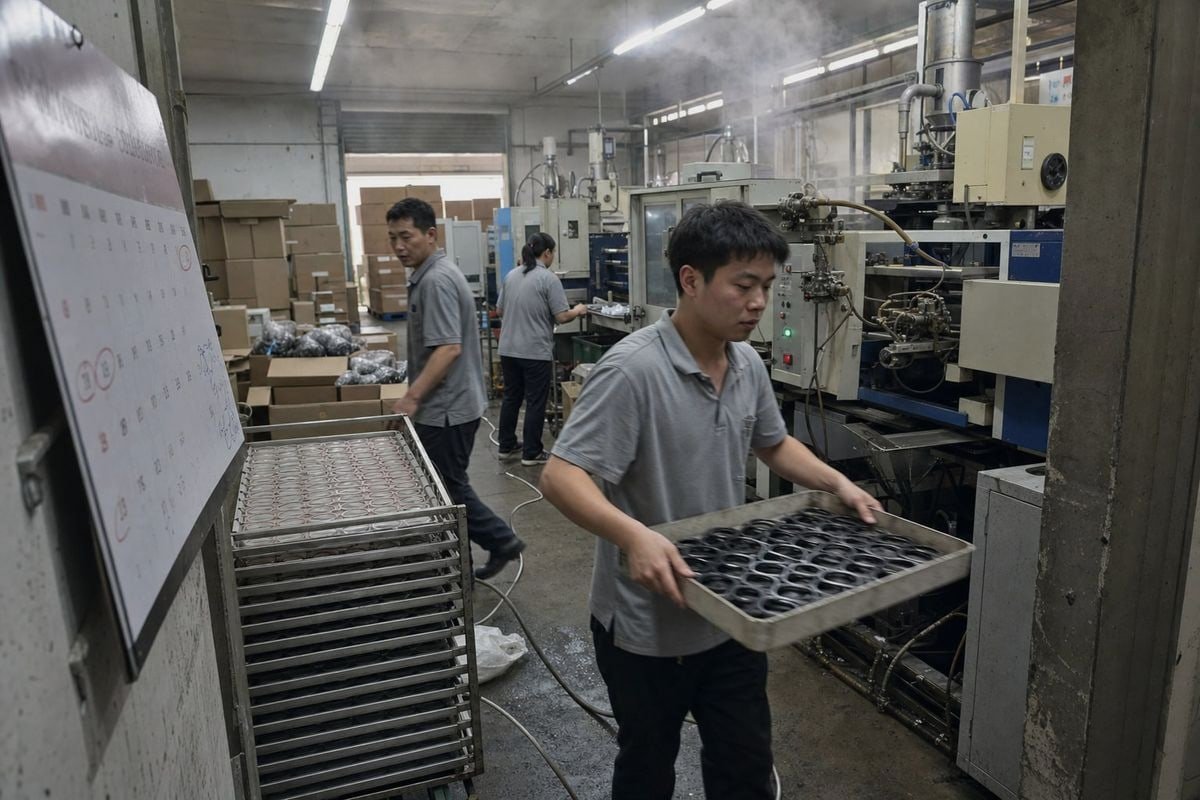
各要因は、予測可能な方向に期間を押し上げます。それらを理解すれば、天気予報のようにサプライヤーの見積もり条件を読むことができます。.
季節性と生産能力
子供用サングラスは季節性が強いです。北半球の夏の注文は1月から4月にかけて積み上がります。その期間中、私たちの生産枠はすぐに埋まり、労働力と物流のコストは上昇します。今日見積もられた価格は来週には利用できなくなる可能性のある生産枠を想定しているため、有効期間は短縮されます。静かな秋の月には、価格を長く維持でき、将来計画しているバイヤーにはより良い条件を提供できる場合があります。.
カスタマイズとライセンス
既存のカタログからの標準スタイルは、価格リスクが最も低いです。カスタム作業は不確実性の層を追加します。カスタムパントンカラーはマスターバッチサプライヤーに依存します。ロゴ印刷はインクとセットアップコストに依存します。子供のカテゴリーで一般的なライセンスキャラクターデザインは、材料価格とは完全に独立した独自のカレンダーで実行されるライセンス更新サイクルを追加します。.
コンプライアンスと認証
子供用アイウェアは、ほとんどの市場で厳格な安全基準を満たす必要があります。見積もり期間中に基準が更新された場合、または市場で新しいテストが必要な場合、見積もりのコストベースが変更される可能性があります。バイヤーには、テストリードタイムを明示的に考慮した有効期間を求めることをお勧めします。.
| 要因 | 有効期間への影響 | バイヤーのアクション |
|---|---|---|
| ピークシーズンの需要 | Shortens to 7–14 days | 第4四半期または第1四半期初頭に注文を確認する |
| 原材料のボラティリティ | 急速に短縮 | Ask what materials drive the quote |
| USD–RMB exchange swings | Shortens on large orders | Discuss a currency band clause |
| Higher MOQ commitment | Extends the window | Offer forecasts for longer validity |
| Compliance re-testing | Adds conditions | Request testing lead time in terms |
なぜ原材料費がTPEEおよびTR90フレームの見積もり有効期間に影響するのですか?
When we developed our TR90 4 frames with TPEE temples, we learned quickly that flexible-material pricing behaves differently from cheap PC frames. Both polymers trace back to petroleum-linked feedstocks, and their prices move.
TPEEとTR90は石油由来のエンジニアリングプラスチックであるため、その価格は原油、原料供給、樹脂需要に連動します。これらのインプットが変動すると、工場のフレームコストは数週間で変動する可能性があり、誤った価格設定の注文から双方を保護するために、見積もり有効期間を短縮せざるを得なくなります。.

Here is the practical chain of events. A resin producer raises TR90 prices because feedstock costs jumped. Our material supplier passes that increase to us within their next purchasing cycle. If we quoted you a frame price 45 days ago and you confirm today, one of us absorbs that gap. A validity period is simply the honest boundary of how long we can absorb it.
Flexible materials for children deserve special attention here. We chose TPEE and TR90 because they bend without snapping, sit lightly on small faces, and survive the abuse active kids deliver. But these are engineering-grade polymers, not commodity plastics. Their supply chain 5s are narrower, so price moves can be sharper. A quote for a genuinely flexible, safe kids frame carries more material risk than a quote for a rigid budget frame, and the validity terms reflect that.
Lenses add a second layer. ポリカーボネート 6 and TAC lens materials are also petroleum-linked. Mirrored and gradient coatings, like the fiery orange-to-teal finishes popular on kids sport shields, involve coating chemicals with their own cost cycles. UV400 7 and polarized options each add specific film and material inputs.
How material exposure maps to validity
| コンポーネント | 素材 | Price Sensitivity | Typical Effect on Quote |
|---|---|---|---|
| Frame front | TR90 | 1,000〜2,000個 | Core driver of validity length |
| Temples | TPEE | 1,000〜2,000個 | Adds flexible-material exposure |
| レンズ | PC / TAC | 中程度 | Compounds petroleum linkage |
| Polarized film | Specialty film | 中程度 | Adds separate supplier cycle |
| Mirror coating | Coating chemicals | Variable | Can trigger surcharges |
The takeaway is simple. Ask your supplier which material drives the largest share of your frame cost. A factory that can answer clearly is pricing from real data, and its validity period will mean something.
注文の確認が引用期間よりも長引く場合、私の価格設定をどのように保護できますか?
A European baby-brand buyer once needed twelve weeks to clear an internal budget review while our quote ran for thirty days. We solved it together, and the process taught us several repeatable tactics.
価格の有効期限が切れる前に書面による延長を交渉し、少額の保証金を預けて価格を固定し、リピート注文の段階的な有効期間構造に合意するか、または完全な再見積もりの代わりに通貨および材料調整条項を受け入れることで、価格を保護してください。.

The worst move is silence. If you let a quote lapse and return two months later, the supplier must requote from scratch at current costs. Every option below works better than that.
Practical steps, in order of preference
- Ask for an extension before the quote expires. Most factories, ours included, will extend a quote by 15–30 days for a serious buyer who explains the delay. A short email costs nothing.
- Place a deposit to lock pricing. A modest deposit lets the factory buy materials forward at the quoted cost. This is the strongest protection available, because your price is now backed by physical resin, not a promise.
- Negotiate tiered validity. Spot orders get the standard 14–30 days. Repeat buyers with annual forecasts get extended validity, because the forecast lets the factory hedge raw material purchases across the year.
- Accept an adjustment clause. Agree that the price holds unless materials or exchange rates move beyond a set band, for example plus or minus three percent. You keep a stable baseline; the supplier keeps protection against extreme swings.
- Split the order. Confirm the styles you are sure about now, at the valid price, and quote the uncertain items separately later.
One more point matters for kids eyewear specifically. Choosing from an existing style library, rather than opening new molds, removes the most volatile cost component from your quote entirely. Tooling amortization for children's frames involves smaller-scale molds and specific lens curvature work, and those development costs are the hardest for any factory to hold firm. Buyers who launch with proven existing styles get longer, steadier validity almost automatically, and they can add custom molds later once volumes justify the risk.
Finally, put everything in writing. An extension agreed on a phone call protects no one. A dated email confirming the new expiry date protects everyone.
結論
Missing a quote deadline erodes margins before your first sale. Plan around a 14–30 day quotation validity period for kids sunglasses orders, confirm early, and partner with a factory that explains its terms honestly.
脚注
1. CPSIA is a US safety standard referenced for children’s eyewear compliance testing. ↩︎
2. EN71 is the European toy safety standard mentioned as a compliance factor. ↩︎
3. US EIA provides authoritative crude oil pricing data referenced for polymer cost tracking. ↩︎
4. TR90 is a polyamide-based engineering polymer discussed as a frame material. ↩︎
5. Background concept explaining how material sourcing networks affect pricing volatility. ↩︎
6. Polycarbonate is a key lens material whose petroleum linkage affects pricing. ↩︎
7. FDA guidance on UV protection standards relevant to UV400 sunglasses lenses. ↩︎


 English
  Español de México
  Deutsch
  Français
  日本語
日本語  العربية
  Português do Brasil