子供用サングラスの安全なトライアル注文数量とは?
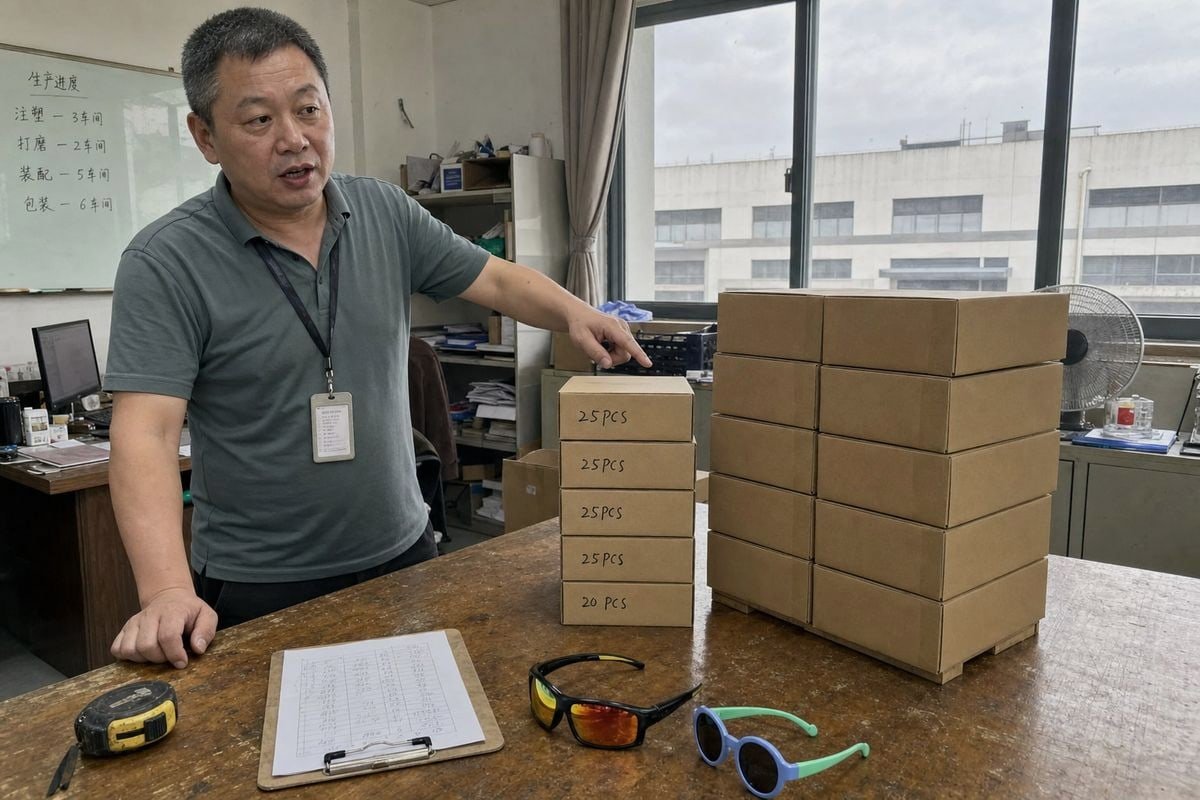
子供用サングラスの安全なトライアル注文数量を選ぶことは、初めて購入する多くのバイヤーを夜も眠れなくさせます。私たちの台州の生産ラインでは、毎週この心配を聞いています。.
子供用サングラスの安全なトライアル注文数量は、通常、在庫フレームでスタイルあたり50〜100個(シンプルなロゴ付き)、カスタムプライベートラベルの場合はモデルあたり約300個です。新しい金型を使用した完全カスタムデザインでは、通常、モデルあたり300〜600個以上が必要です。.
その範囲は広く聞こえますね。意図的に広くしています。適切な数量は、どれだけのカスタマイズをしたいかによって決まります。新しいバイヤーに説明するのと同じように、内訳を説明させてください。.
予算を使いすぎずに最初のトライアル用に何足注文すべきですか?
去年の春、オーストラリアの小さなベビーブランドの女性が、ビデオ通話中にまさにこの質問をしてきました。彼女には500足の予算がありましたが、勇気は100足分でした。私たちは120足から始めました。.
まずは試作としてスタイルごとに50〜100個注文してください。これは、在庫があるフレームを提供しているサプライヤーの場合です。これにより、売れ行きをテストし、フィット感をチェックし、顧客からのフィードバックを収集するのに十分であり、在庫リスクと初期の現金投資を低く抑えることができます。.
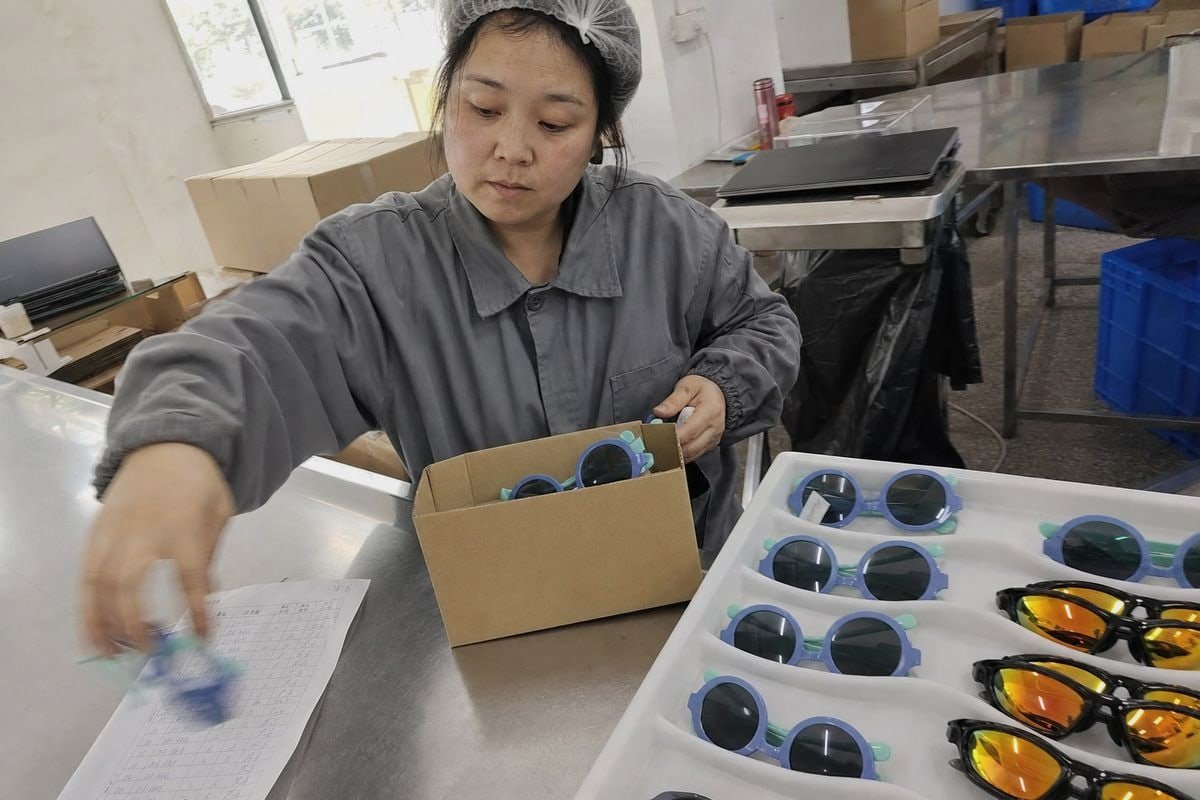
「安全」という言葉は、ソーシングの会話で誤用されがちです。バイヤーはしばしば、安全とは安いことだと考えます。私の経験では、安全とは異なる意味を持ちます。安全なトライアル注文とは、販売が遅くてもあなたを傷つけないほど小さいが、実際の市場データを生成するには十分なほど大きいものです。20足注文しても、ほとんど何も学びません。最初のコラボレーションで1,000足注文すると、多くのことを学びます—おそらく苦い経験を通して。.
単位だけでなく、リスクの層で考える
バイヤーには、3つのリスクの層について考えることをお勧めします。各層が安全な数量を変えます。.
| リスク層 | 意味 | 安全な数量への影響 |
|---|---|---|
| 在庫リスク | 売れ残った在庫に縛られた現金 | 数量を押し下げる |
| データリスク | 需要を測定するには少なすぎる単位 | 数量を押し上げる |
| 品質リスク | 検査とラボテストには十分な単位がない | 数量をわずかに押し上げる |
ほとんどの最初のコラボレーションでは、スタイルごとに50〜100個がこれらの層をうまくバランスさせます。その量は、生産前の適切なサンプル承認プロセスをサポートし、ラボチェックのための小さな破壊テストバッファーの余地を残し、それでも販売可能な在庫を空にすることなく、インフルエンサーや小売パートナーに少数の単位を配布することを可能にします。.
私が常に提起するもう一つの点:あなたの 卸売単価 1 はトライアル量では高くなります。それを受け入れてください。トライアル実行は授業料であり、利益ではありません。目標は、どのスタイルが売れ、どの色が動き、あなたの実際の 在庫回転率 2 がどう見えるかを学ぶことです。利益の最適化は、トライアルではなく、再注文で実現します。.
複数のスタイルや色を最小注文数量内で混ぜることはできますか?
私がほぼすべての新規クライアントと天秤にかけるトレードオフは、多様性と深さです。私たちのカタログには約800の既存スタイルがあり、ミックスが魅力的になることがあります—時には魅力的すぎます。.
はい、ほとんどの工場では、同じフレーム金型内で色を跨いだMOQの分割を許可しています。300個の最小発注数量は、3色それぞれ100個で満たされることがよくあります。異なる金型を跨いだ混載は、各モデルが通常独自のMOQを持っているため、より困難です。.
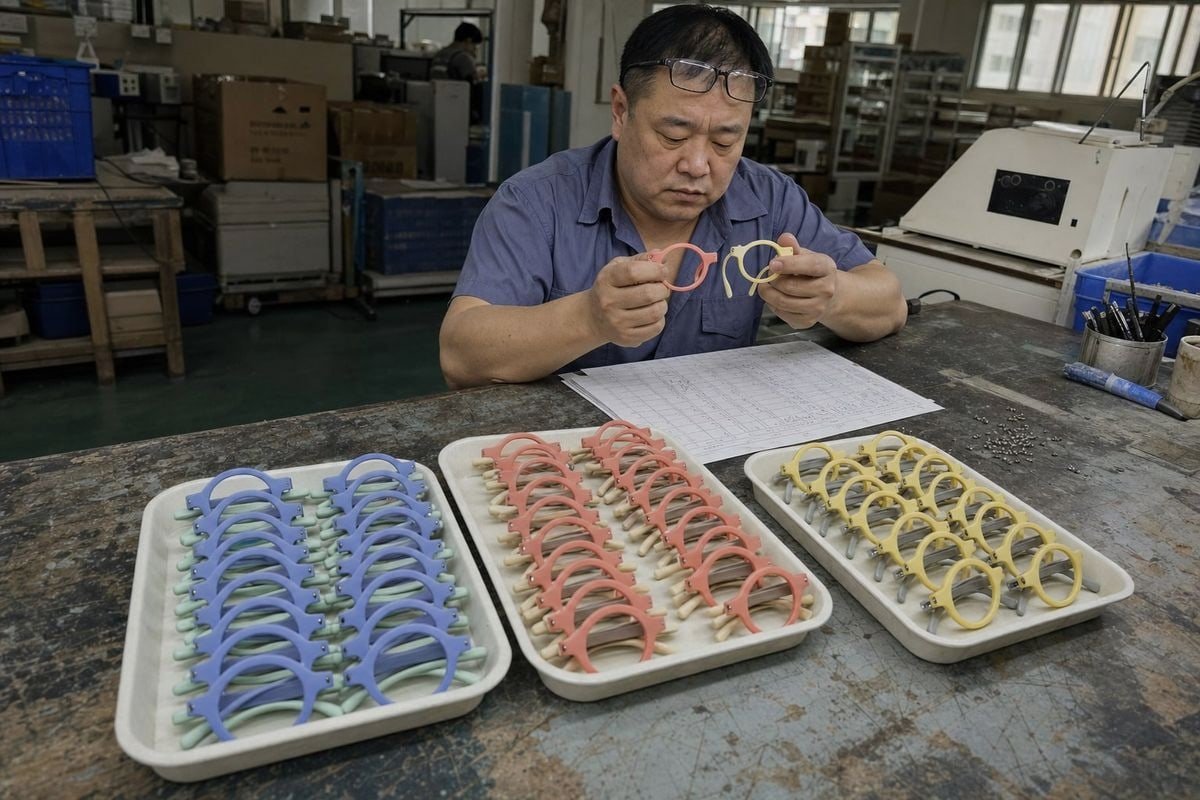
ここにルールの背後にある機械的な理由があります。1つの金型内の色は、同じツーリング、同じ組み立てセットアップ、そしてしばしば同じレンズカットを共有します。色の変更は、主に原材料バッチの変更を意味します。したがって、1つのモデルを2つまたは3つのカラーウェイに分割すると、コストがわずかに増加します。異なるフレームモデルに変更すると、新しい ツーリングセットアップ 3, 、新しいラインキャリブレーション、新しいQC基準が必要になります。だからこそ、 MOQはモデルに適用される, のであり、注文総額ではありません。.
実践的な分割例
パステルカラーの丸いフレーム、例えば私たちのツートンカラーのTPEEスタイル—パーウィンクルブルーのフロントとミントグリーンのテンプルを考えてみてください。その金型内では、3つまたは4つの色の組み合わせを簡単に実行できます。スポーツラップアラウンドシールドスタイルは、完全に別の金型であり、独自の最小値があります。.
| あなたの計画 | 工場の視点 | 通常受け入れられますか? |
|---|---|---|
| 300個、1モデル、3色(各100個) | 1回のツーリング実行、3回の材料バッチ | はい、一般的な慣行です |
| 300個、3モデル、各1色 | 3回の別々のセットアップ | 通常いいえ; 各モデルには独自のMOQが必要です |
| 100個の在庫フレーム、2スタイル、ロゴプリント | 既製在庫に簡単な装飾を追加 | はい、特に在庫プログラムの場合 |
私の正直なアドバイス:最初のコラボレーションは最大2つのスタイルに限定してください。あまりにも多くのSKUにわたる小ロット生産は、データを薄く広げ、単位あたりのセットアップコストを増加させます。2つの実績のあるモデルは、6つの半テスト済みのモデルよりも多くのことを教えてくれます。また、年齢サイジングがコミットメントを倍増させることも忘れないでください—幼児サイズと「同じ」デザインの学齢期サイズは2つの金型であり、多くの場合2つのMOQです。.
中国の子供用アイウェア工場と協力する際に、現実的なMOQ(最低発注数量)の条件は何ですか?
あるドイツの輸入業者が、モデルあたり12個から1,200個までの3つのサプライヤーからの見積もりを私に転送しました。彼はどの数字が「本物」なのか尋ねました。それらはすべて、異なる注文タイプに対して本物でした。.
現実的なMOQ条件は、カスタマイズの深さに依存します:在庫一括販売の場合は12〜100個、カスタムロゴや色についてはモデルごとに約300個、完全にカスタムデザインの場合は300〜600個以上。新しい金型や特殊素材の場合は、モデルごとに最低900〜1,200個になることがあります。.
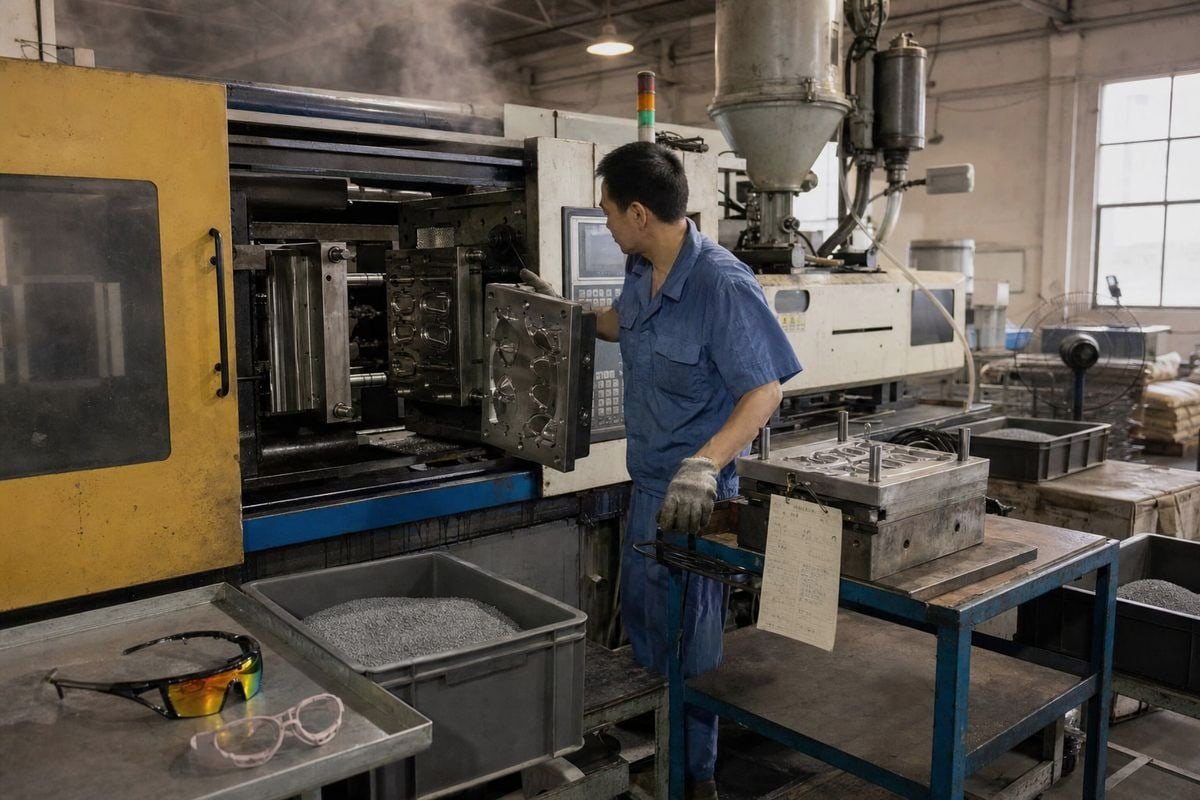
市場の混乱は、サプライヤーが単一のヘッドラインMOQを、それが何に適用されるかを言わずに宣伝することから生じます。12個の最小値は本物ですが、それは既存の在庫の既存の色に対してのみです。 既存の在庫、既存の色. 1,200個の最小値も本物ですが、それは特定のフレーム素材を使用した通常のカスタムランに対してのみです。どちらの数字も同じ業界を表しています。それらは異なるコラボレーションタイプを表しているだけです。.
コラボレーションタイプ別のMOQ
| コラボレーションタイプ | 一般的なMOQ | 何が得られるか | 最適 |
|---|---|---|---|
| ストック卸売 | 12–100 pcs/model | 既存のスタイル、既存の色 | 純粋な市場テスト戦略 |
| ロゴのみ | 100–300 pcs/model | ストックフレームに印刷されたロゴを追加 | 初めてのブランドトライアル |
| セミカスタム(プライベートラベル) | 300個/モデル | カスタムカラー、レンズの色合い、パッケージ | 真剣なブランドローンチ |
| 完全カスタム | 300–600+ pcs/model | 新デザイン、場合によっては新金型 | 実証済みのコンセプトのスケーリング |
MOQを変動させる隠れた変数
MOQは恣意的ではありません。私たちのワークショップでは、それは実際の生産計算を反映しています。いくつかの要因が数値を引き上げます:
- 新しい金型にはツーリング投資が必要であり、これはユニット全体で償却されなければなりません。.
- TPEEフレキシブルフレームでのカスタムカラーマッチングは、原材料の最小バッチサイズを意味します。.
- カスタムパッケージ(ブランドケースまたはポーチ)には、多くの場合、500〜1,000ユニットの独自のMOQがあり、サングラスの最小値を上回り、在庫の不一致を引き起こす可能性があります。.
- 特殊なレンズ処理(偏光またはグラデーションミラーコーティングなど)には、コーティングランの最小値があります。.
また、生産だけでなく、コンプライアンスの予算も考慮してください。米国で販売される子供用サングラスは、鉛とフタル酸エステルのCPSIA安全基準を満たす必要があり、レンズには検証済みの認証が必要です。ヨーロッパでは、CEマーキングが適用されます。これらのテストでは実際のユニットが消費されるため、販売可能なターゲットに加えて、小さな破壊サンプリングバッファー(約5%)を追加してください。最後に、リードタイムの見積もりを書面で依頼してください。現実的なMOQと非現実的な納期が組み合わさっても、それは悪い取引です。 CPSIA安全基準 4 鉛とフタル酸エステル、およびレンズには検証済みの認証が必要です。 UV400保護 5 認証。ヨーロッパでは、CEマーキングが適用されます。これらのテストでは実際のユニットが消費されるため、販売可能なターゲットに加えて、小さな破壊サンプリングバッファー(約5%)を追加してください。最後に、リードタイムの見積もりを書面で依頼してください。現実的なMOQと非現実的な納期が組み合わさっても、それは悪い取引です。.
トライアルロットが成功した場合、注文サイズをどのように拡大できますか?
私が受け取る最も満足のいくメールは、再注文のリクエストです。ある日本の子供向けアクセサリーブランドは、18か月で150個のトライアルピースから1,000個のカスタムプログラムに移行しました。そして、彼らが取った道はコピーする価値があります。.
段階的にスケールアップする:まず、最も売れているトライアルSKUを2〜3倍の数量で再注文し、次にセミカスタムプライベートラベルをモデルあたり300個で進め、完全にカスタムされた金型への投資は、2回以上の成功した再注文サイクルで安定した需要が確認された後のみ行う。.
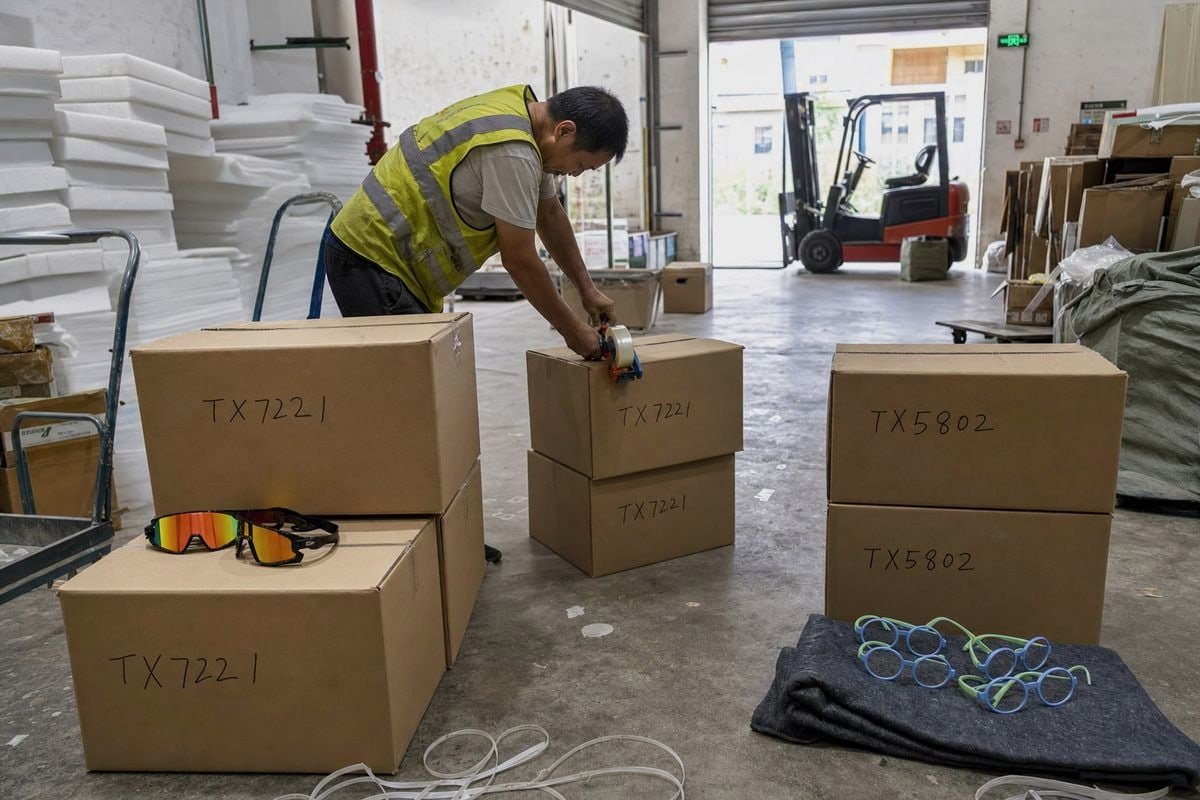
スケーリングは、トライアルオーダーが成果を上げる場所です。この時点で、SKUごとの販売実績、フィット感に関する顧客からのフィードバック、および返品データがあります。それを使用してください。私が目にする最も高価なスケーリングミスは、100個のトライアルから、わずか1か月の好調な売上に基づいて完全カスタム金型に飛びつくことです。子供向け製品の需要は季節的でトレンド主導です。好調な1か月はシグナルであり、証明ではありません。.
段階的なスケーリングパス
- 勝者をすぐに再注文してください。スタイルが8週間以内に完売した場合は、トライアル数量の2〜3倍で再注文してください。ここではスピードが重要です。当社のラインからのストックベースの再注文は、カスタムランよりもはるかに速く出荷され、在庫切れを防ぎます。.
- 敗者を容赦なくカットしてください。在庫回転率の低いSKUをドロップしてください。MOQに達するためだけに、悪いスタイルを良い再注文に平均しないでください。.
- カスタマイズを一度に1段階ずつアップグレードしてください。ロゴのみからカスタムカラーとブランドパッケージに移行してください。 カスタムカラーとブランドパッケージ 300個のレベルで。このボリュームではユニットコストが大幅に下がり、小売プレゼンテーションが向上します。.
- 完全カスタムは最後に検討してください。新しい金型は、600個以上のモデルに自信を持ってコミットできるようになったら意味があります。理想的には、事前注文または小売業者のコミットメントによってサポートされます。.
スケーリング全体を通して、サプライチェーンリスク管理を計画の一部として扱ってください。 サプライチェーンリスク管理 6 計画の一部として。各再注文の前にリードタイムの更新を確認し、承認されたサンプルからレンズと材料の仕様をロックし、出荷前検査をスケジュールしてください。 出荷前検査 7 各バッチで、最初のバッチだけでなく。一貫性は、トライアルサプライヤーを長期的なパートナーに変えるものです。それが、私たちが生産計画を構築する基盤となる関係であり、段階的な成長が1回の大きな飛躍よりも優れている理由です。.
結論
注文量が多すぎると予算が枯渇します。注文量が少なすぎると何も学びません。どちらの間違いも、有望な子供向けアイウェアブランドを立ち上げる前に潰してしまいます。.
解決策は、数量とカスタマイズを一致させることです。テスト用に50〜100個の在庫品、プライベートブランド用にモデルごとに300個、需要が証明されている場合にのみ600個以上。太州工場を15年間運営してきた経験から、最初の協力関係は小さく始め、安全性とフィット感を確認し、データに基づいてスケールアップするのが最善だと断言できます。そのようにトライアルを計画すれば、最初の注文は後悔の倉庫ではなく、パートナーシップの始まりになります。.
脚注
卸売価格設定と数量の経済原則に関する一般的な参照。. ↩︎
在庫がどれだけ早く販売され、補充されるかを測定するための標準的なビジネス定義。. ↩︎
言及されている製造機器とセットアッププロセスの技術概要。. ↩︎
記事で言及されている米国の安全規制に関する権威ある政府情報源。. ↩︎
目の健康のための紫外線対策の必要性を説明する医療権威情報源。. ↩︎
品質とセキュリティのためのサプライチェーン内のリスク管理に関する政府のガイダンス。. ↩︎
出荷前検査の基準と目的を説明する世界貿易当局。. ↩︎

 English
  Español de México
  Deutsch
  Français
  日本語
日本語  العربية
  Português do Brasil