子供用アイウェアで利用可能なレンズコーティングの種類と、偽造品の見分け方
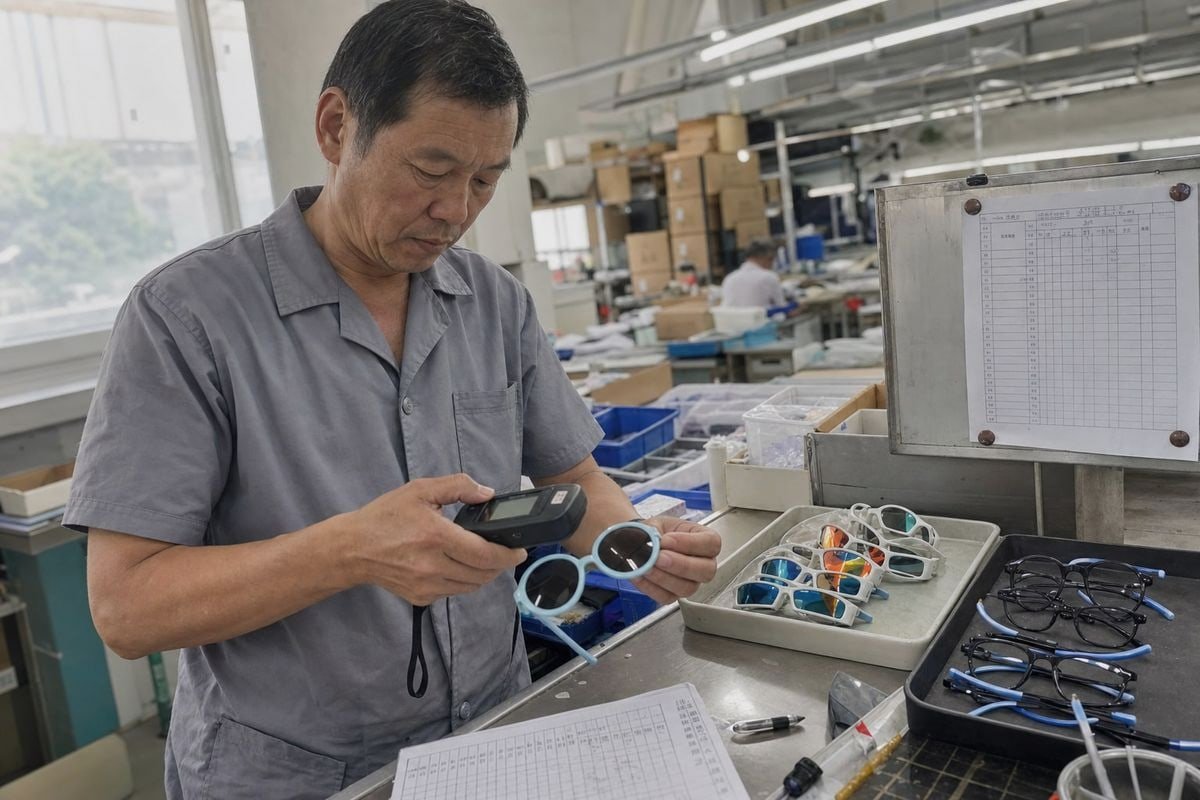
子供用アイウェアのレンズコーティングは、製品ラインを成功させるか失敗させるかの鍵となります ビューローベリタス 1. 私たちの太州の生産ラインでは、サプライヤーが偽のUV400を主張するレンズを出荷したために、バイヤーが小売プログラム全体を失うのを見てきました。子供がサングラスをかけ、親がラベルを信頼しても、保護は全くありません。それは法的リスクであり、ブランドリスクであり、率直に言って、子供の安全性の失敗です。良いニュースは、コーティングの検証は、何を要求し、到着したものをどのようにテストするかを正確に知れば、複雑ではないということです。.
子供用アイウェアのレンズコーティングには、UV400保護、傷防止ハードコート、反射防止コーティング、偏光フィルム、ブルーライトフィルター、疎水性レイヤーが含まれます。偽造品を見分けるには、第三者によるテストレポートを要求し、サンプルにUVメーターまたは光反射テストを実行し、注文前に認証を確認してください。.
以下では、各コーティングオプション、自社工場で実行する検証テスト、要求すべき書類、および実際の使用でコーティングを耐久性のある状態に保つ方法について説明します。.
子供用サングラスを調達するバイヤーにどのようなレンズコーティングオプションを提供すべきか?
私たちが約800の既存スタイルから新しい範囲を開発するとき、レンズコーティングパッケージは通常、真剣なバイヤーが最初に尋ねる仕様です。それはコスト、ポジショニング、および安全性の主張を形作ります。.
UV400保護を譲れない基本とし、次に傷防止加工、アウトドア用には偏光レンズ、度付きフレームには反射防止コーティング、そしてプレミアムオプションとして疎水性またはブルーライトカットコーティングを追加します。各コーティングパッケージをお子様の年齢と用途に合わせてください。.
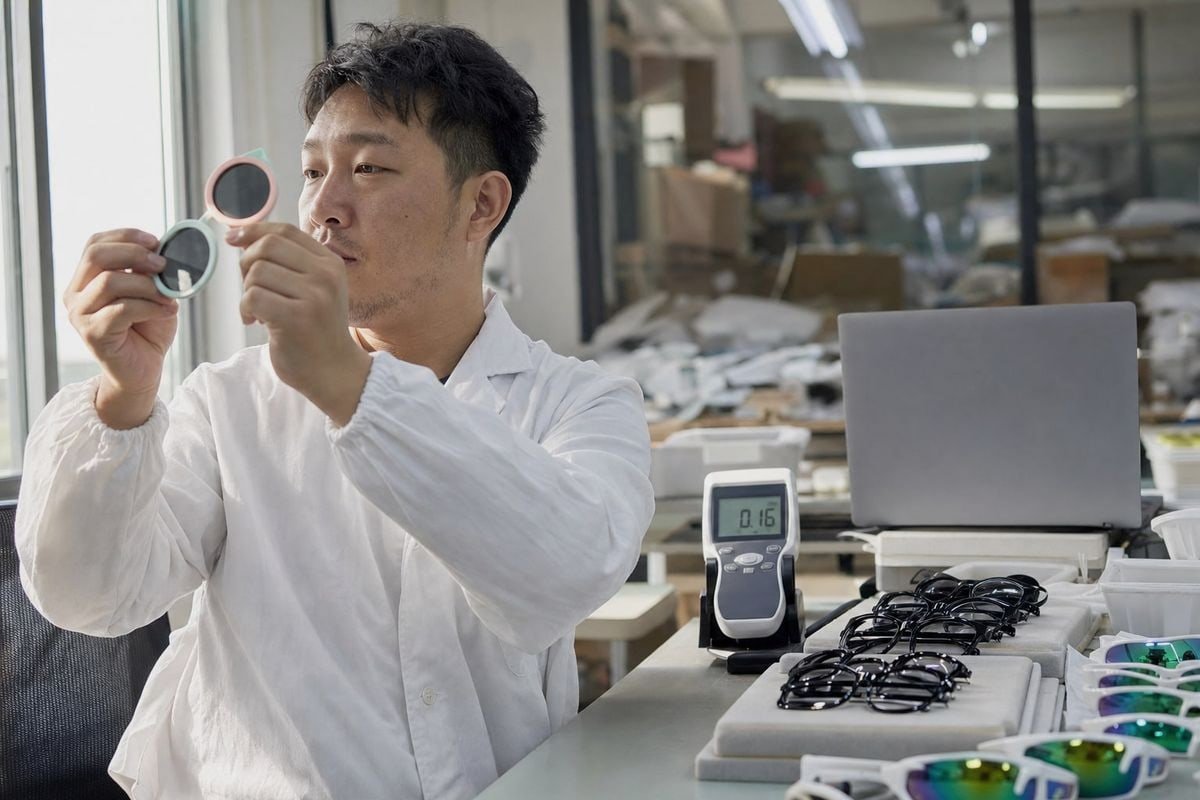
簡単な比較のために、子供用アイウェアラインを構築するバイヤー向けの主なオプションを次のように提示します。
| コーティング/処理 | それがすること | 子供向けの優先度 | 典型的な使用例 |
|---|---|---|---|
| UV400保護 | 400nmまでのUVA/UVBをブロックします | 必須 | すべての子供用サングラス |
| 傷防止ハードコート | 落下や乱暴なクリーニングによる摩耗に耐えます | 必須 | すべての子供用アイウェア |
| 偏光フィルム | 水、道路、雪からの反射グレアをカットします | アウトドアラインに最適 | ビーチ、スポーツ、旅行スタイル |
| 反射防止コーティング | 画面や教室の照明からの反射を減らします | しばしば価値がある | 光学フレーム、デモレンズ |
| ブルーライトフィルター 2 | デバイスからの高エネルギー可視光をフィルターします | オプション | スクリーンタイム光学範囲 |
| 疎水性コーティング | 水や汚れをはじき、簡単に掃除できます | あって嬉しい | プレミアムパッケージ |
| ミラー/グラデーションコーティング | 反射性の化粧層、追加の光量削減 | 状況による | スポーツシールドサングラス |
レンズ素材から始め、コーティングを重ねる
コーティングは、下のレンズと同じくらいしか機能しません。だからこそ、私たちは推奨します ポリカーボネートレンズ 3 ほとんどの子供用スタイルに。ポリカーボネートは固有の耐衝撃性を提供し、自然にUVをブロックするため、コーティングが適用される前から安全マージンが得られます。より安価なアクリルレンズには適切なUV400コーティングを追加する必要がありますが、まさにそこで手抜きをするサプライヤーが失敗します。.
コーティングを製品タイプに合わせる
幼児向けの丸いパステルカラーのサングラスには、UV400とハードコートが必要です。ミラーグラデーションレンズを備えたスポーツラップアラウンドシールドには、剥がれないようにミラー層を適切に接着する必要があります。デモレンズ付きのTR90光学フレームは、反射防止コーティングにより、製品がよく写真に写り、小売店でプレミアムに見えるようになります。私が常にバイヤーに与える注意点の一つは、ブルーライトフィルターは最もマーケティング主導のカテゴリーであるということです。子供に対する証拠は、パッケージが示唆するものよりも薄いため、医療上の主張ではなく、快適な機能として位置づけてください。.
UV400または偏光コーティングの主張が本物かどうか、注文前にどうすればわかりますか?
オーストラリアのバイヤーがかつて、UV400と表示された競合他社のサンプルを送ってきましたが、私たちのUVメーターではすぐに失敗しました。その会議は、彼女がそれ以降すべてのサプライヤーをどのように資格認定したかを変え、検証は預金の前に行われなければならず、コンテナが着陸した後ではないことを私に教えました。.
注文前に現物サンプルをテストしてください。UVメーターまたは分光光度計を使用してUV400保護を確認し、2つの偏光レンズを90度に交差させて黒く消えるか確認し、ARコーティングの光反射テストを実行してください。ステッカーや口頭での主張だけに頼らないでください。.
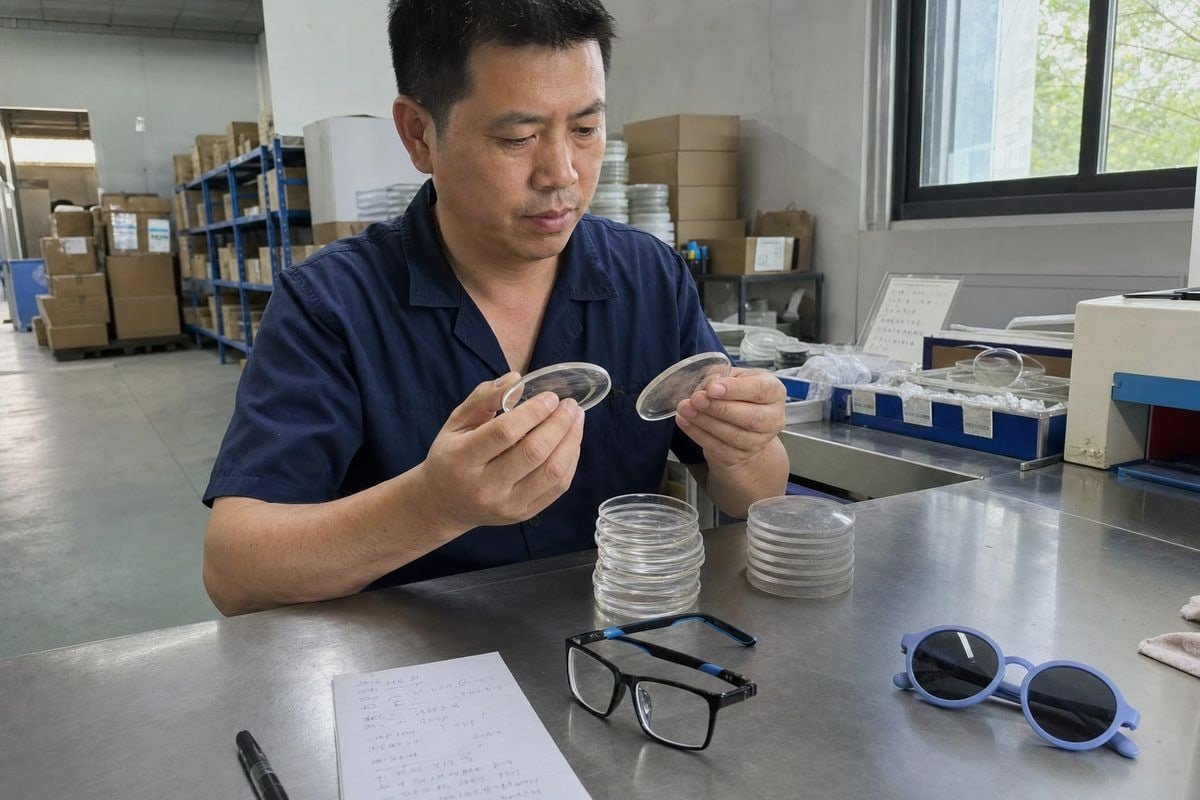
ここに私がすべての調達マネージャーに推奨する実践的なシーケンスがあります。それはほとんど費用がかからず、ほとんどの偽造品を捕らえます。.
ステップ1:UV透過率チェック
サプライヤーに、できればビデオ通話でUV透過率メーターでレンズを実演するように依頼し、ライブで読み取り値を確認できるようにします。本物のUV400レンズは、400nm未満でほぼゼロの透過率を示します。私たちのショールームでは、正直な数字が長期的な信頼を築くことを知っているので、リクエストに応じてこのテストを実行します。工場がためらったり、メーターが壊れていると主張したりした場合は、それを回答と見なしてください。.
Step 2: The Crossed Polarizer Test
Polarized coatings are easy to verify. Hold two 偏光レンズ 4 together and rotate one by 90 degrees. Genuine polarized lenses turn nearly black at the crossed position. You can also view an LCD screen through the lens and rotate it; a real polarized lens will darken the screen at certain angles. Fake "polarized" lenses, which are often just tinted, show no change at all.
Step 3: The Light Reflection Test for AR Coatings
Tilt the lens toward a light source. A genuine anti-reflective coating shows a faint green, blue, or purple residual reflection. A bare lens reflects plain white light like a mirror. This is not a laboratory-grade test, but it reliably exposes lenses sold as AR-coated that never saw a coating chamber.
Step 4: The Water Bead Test
For hydrophobic coating claims, drip water on the lens. On a genuine coating, water forms tight, spherical beads that roll off. On bare plastic, it spreads and smears. Fingerprint behavior tells a similar story for oleophobic layers.
| Quick Test | Genuine Result | Fake or Absent Result |
|---|---|---|
| UV meter reading | Near 0% transmission below 400nm | Significant UV passes through |
| Crossed polarizers | Lenses black out at 90° | No darkening, just tint |
| Light reflection test | Green/blue/purple sheen | Plain white mirror-like glare |
| Water bead test | Tight droplets roll off | Water spreads and smears |
One honest caution: home-style tests screen out obvious fakes, but they do not replace laboratory verification 5. Combine them with the documentation covered in the next section.
メーカーにどのようなコーティング認証または試験報告書を要求すべきか?
Documentation requests are where I can usually tell an experienced importer from a first-time buyer within one email. After fifteen years supplying children's brands in more than twenty countries, our team keeps a standard document pack ready, because serious buyers always ask.
ISO 12312-1またはお住まいの市場の規格に準拠した第三者UV400試験報告書、子供向け製品のEN 71またはCPSIA安全報告書、米国向けFDA落下球衝撃試験、および工場からのバッチ連動真正性証明書をリクエストしてください。.
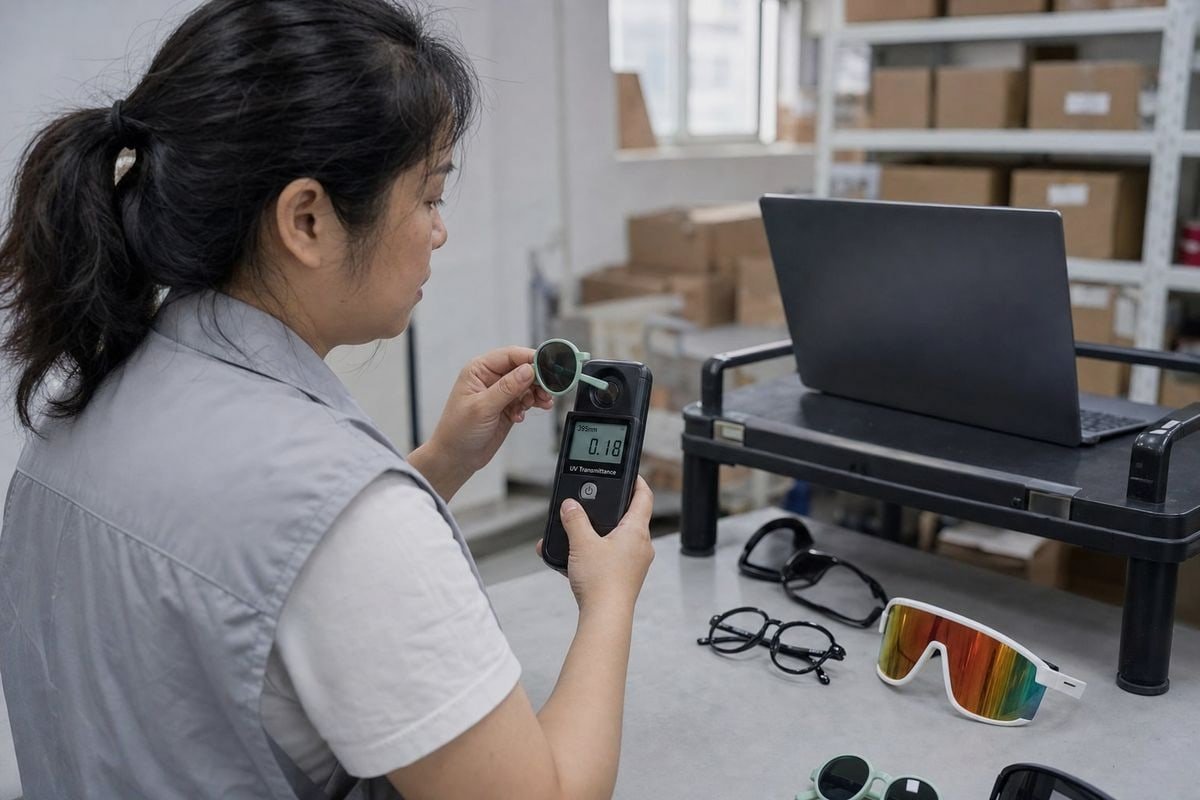
The exact paperwork depends on your destination market. Here is the framework I walk buyers through:
| 市場 | Key Standards | What the Report Should Cover |
|---|---|---|
| EU / UK | EN ISO 12312-1, EN 71, CE/UKCA | UV transmission, category rating, chemical safety |
| アメリカ | ANSI Z80.3, FDA 21 CFR 801.410, CPSIA | UV claims, drop-ball impact resistance, lead/phthalates |
| オーストラリア / ニュージーランド | AS/NZS 1067.1 | Lens category, UV transmittance, labeling |
| 日本 | JIS T 7333 or accepted ISO equivalents | Optical quality, UV transmission |
Insist on Third-Party Reports, Not Just Factory Data
An in-house QC record is useful, but it is not independent proof. Ask for reports from recognized labs such as SGS, TÜV, インターテック 6, or Bureau Veritas. Then verify the report itself: check the report number with the lab, confirm the tested product matches your SKU, and check the date. A common trick in this industry is recycling an old report from a different lens batch. We issue batch-linked documentation for our UV400 and polarized lens options precisely so buyers can trace a report back to their actual shipment.
Ask What Identifies the Genuine Product
Legitimate coating and lens packages usually carry specific product names, not vague labels like "premium protection." Some higher-end lenses also carry laser engravings or discreet markings that identify the lens supplier. A few forward-looking programs are even experimenting with QR-linked digital authentication tied to lab batches. You do not need blockchain to buy safely, but you do need a paper trail: purchase order specifying each coating by name, a matching test report, and an authenticity certificate covering the production batch. If your supplier cannot describe how a coating is applied, in what facility, and to what thickness, the coating may exist only in the sales pitch.
子供用メガネのコーティングを繰り返し使用しても耐久性を保つにはどうすればよいですか?
Durability is a trade-off I weigh on almost every ODM project. A flexible TPEE temple survives a toddler bending it backward, but the lens coating must survive something harsher: being wiped on a sandy t-shirt two hundred times.
レンズに吹き付けられたものではなく、レンズに接着された硬化性の傷防止処理を指定し、ポリカーボネートレンズと互換性のあるコーティングを選択し、耐摩耗性および密着性試験の結果を要求し、出荷前サンプルを数週間着用して耐久性を自分で検証してください。.
Kids treat eyewear worse than any adult ever will. Frames get dropped on playgrounds, stuffed into school bags, and cleaned with whatever fabric is nearby. So coating durability is not a premium extra for children's products. It is core engineering.
Specify How the Coating Is Applied
Not all hard coats are equal. A properly dip-coated or vacuum-deposited scratch-resistant treatment 7 bonds to the lens surface and cures into a hard shell. A cheap sprayed layer sits on top and wears through within weeks. Industry claims suggest premium hard coats can improve scratch resistance by four to six times over an uncoated lens. Treat that as a supplier claim until tested, but the direction is real: application method matters more than the marketing name.
Test Durability Before Mass Production
これは、バイヤーにアドバイスする際に使用するサイジングフレームワークです validation process we recommend, and the one we follow internally:
- Request the supplier's abrasion test data, such as steel wool or Bayer-type abrasion results, plus adhesion testing like a cross-hatch tape test.
- Run your own wear trial. Give pre-production samples to real families for three to four weeks and inspect for hazing, peeling, or edge lift.
- Check coating and material compatibility. Coatings must flex with the lens; a rigid coat on a flexible lens cracks under impact.
- Inspect the same points at pre-shipment: coating uniformity, no orange-peel texture, no clouding at lens edges.
Watch the Early-Failure Warning Signs
A genuine quality coating degrades slowly and evenly. A misrepresented one fails fast: patchy peeling near the edges, clouding after normal cleaning, or a hydrophobic layer that stops beading water within days. And be skeptical of any supplier promising "scratch-proof" lenses. No coating is scratch-proof. Scratch-resistant means better resistance, never immunity, and honest factories say so plainly.
結論
Fake coating claims put children at risk and brands in court. Verify UV400 and polarized claims with sample tests, demand third-party reports, and partner with a factory that welcomes scrutiny.
脚注
1. Independent certification body used to validate children’s eyewear compliance claims. ↩︎
2. NIH eye health authority relevant to evaluating blue light exposure claims for children. ↩︎
3. Explains material properties giving polycarbonate lenses inherent UV blocking and impact resistance. ↩︎
4. Background on polarizing filters supports the crossed-lens verification test described. ↩︎
5. International lab accreditation body backing credible third-party test reports. ↩︎

 English
  Español de México
  Deutsch
  Français
  日本語
日本語  العربية
  Português do Brasil