How to Use In-Store Return Data for Kids’ Sunglasses to Adjust Next Season’s Orders?
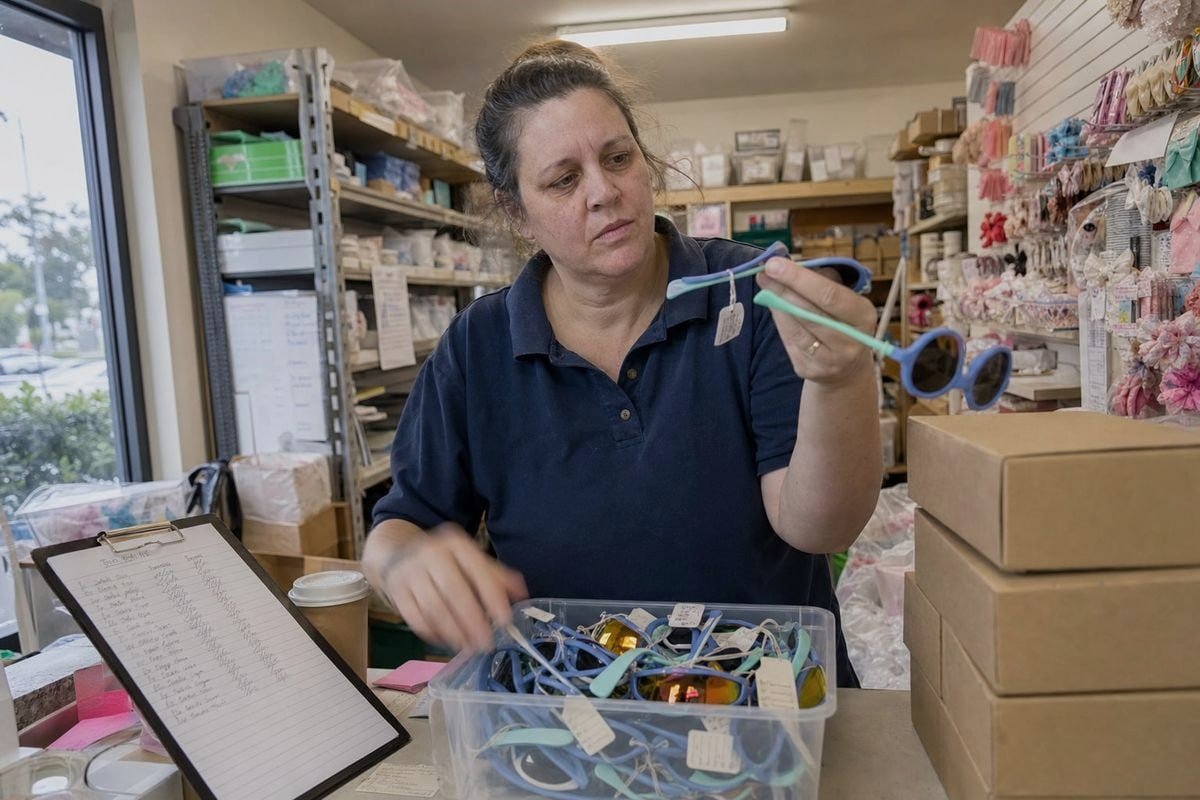
In-store return data for kids’ sunglasses is buried treasure. On our production line, we see buyers repeat the same ordering mistakes every season because nobody mined it.
Use in-store return data for kids’ sunglasses by tagging every return with a reason code, tracking SKU-level return concentration, and cutting styles with fit or breakage issues. Then rebalance next season’s order toward low-return sizes, materials, and colors your manufacturer can adjust.
That is the short answer. The rest of this article shows you exactly how to do it, step by step, with the same logic we use when advising our own B2B buyers.
What Return Reasons Should I Track to Improve Next Season's Kids' Sunglasses Orders?
A buyer from Australia once sent us a spreadsheet with one column: "returned — yes/no." At our factory, we could do nothing with it. The reason behind each return is where the value lives.
Track five return reason categories: size and fit failures, comfort complaints, breakage or defects, style rejection by parent or child, and color or lens mismatch. Standardize these as reason codes at the register so the data stays comparable across stores and seasons.
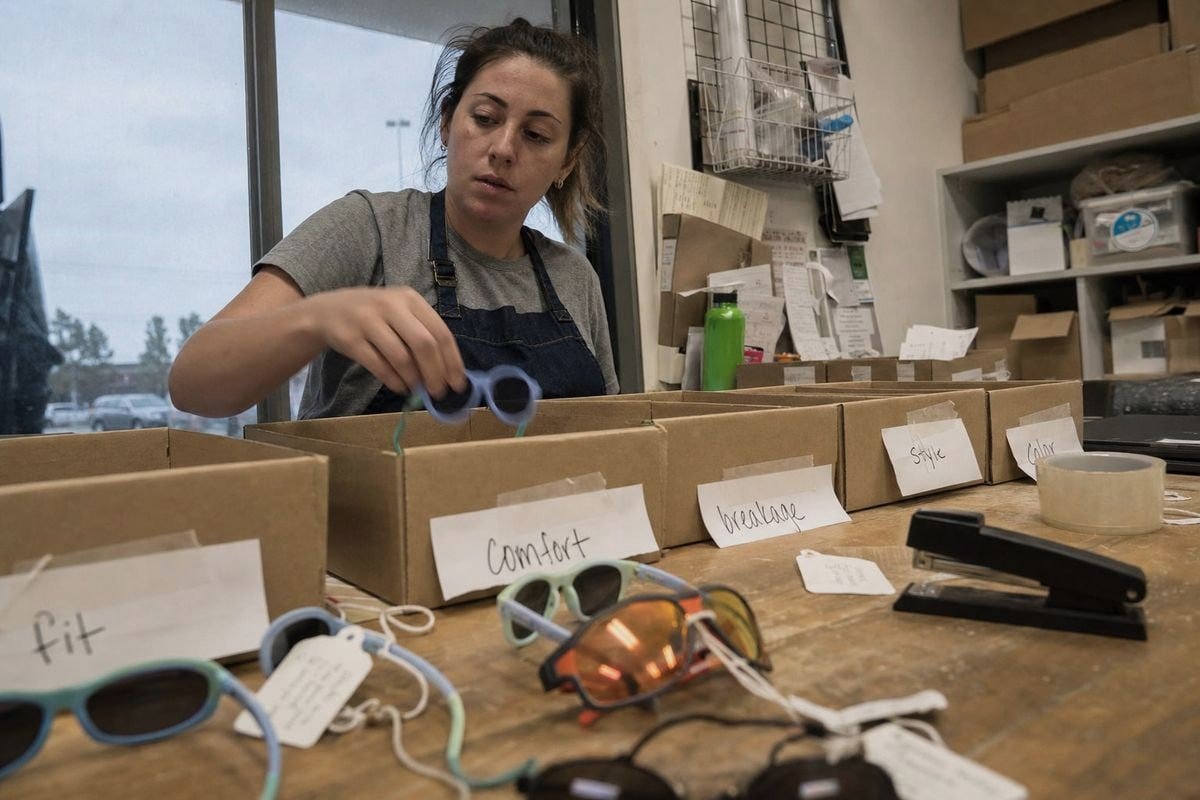
In-store returns are a cleaner signal than online returns. Industry research consistently shows in-store return rates 1 run much lower than e-commerce rates, because there is no shipping friction or "ordered three, kept one" behavior. So when a parent walks a pair of kids' sunglasses back to your counter, that return usually means something real about the product. Treat it as free market research, not just a cost line.
The Reason Codes That Actually Change a Buy Plan
Not every return reason deserves equal weight in assortment planning. Here is how we advise buyers to structure their codes:
| Reason Code | What It Tells You | Next-Season Action |
|---|---|---|
| Fit: temple pressure or slippage | Frame mold or size grading is wrong | Change fit spec or size ratio |
| Comfort: weight, pressure points | Material is too rigid or heavy | Switch to flexible materials |
| Defect: hinge, lens, breakage | Component or QC failure | Fix spec with manufacturer, tighten QC |
| Style: parent or child rejection | Design mismatch with your customer | Rebalance colors and silhouettes |
| Lens: too dark, too light, glare | Tint spec mismatch | Adjust lens category or add polarized |
One refinement matters a lot in this category: split style rejections into parental functional dissatisfaction versus child aesthetic rejection. A parent returning wraparound sport shields because they "look too aggressive" is a different problem than a child refusing a round periwinkle frame because a friend laughed at it. The first tells you to adjust your safety-versus-style messaging. The second tells you to test designs with kids before committing volume.
Also log time-to-return. A return within three days usually means fit or defect. A return after three weeks, right after vacation season, may signal temporary-use behavior rather than a genuine quality issue. Your product defect rate should only count the first group. Add associate comments as a free-text field, but never let a single anecdote override the pattern. Small samples mislead, especially for seasonal kids' accessories.
How Can I Use Return Data to Choose More Flexible, Comfortable Frame Materials Like TPEE and TR90?
The trade-off we weigh most often in our Taizhou workshop is rigidity versus resilience. A stiff frame holds its shape beautifully on a display wall — and snaps the first time a six-year-old sits on it.
Filter your return data for comfort and breakage codes. If temple pressure, slippage, snapped hinges, or bent frames dominate, your current material is too rigid. Shifting those SKUs to flexible TPEE and TR90 constructions directly removes the top physical causes of returns.
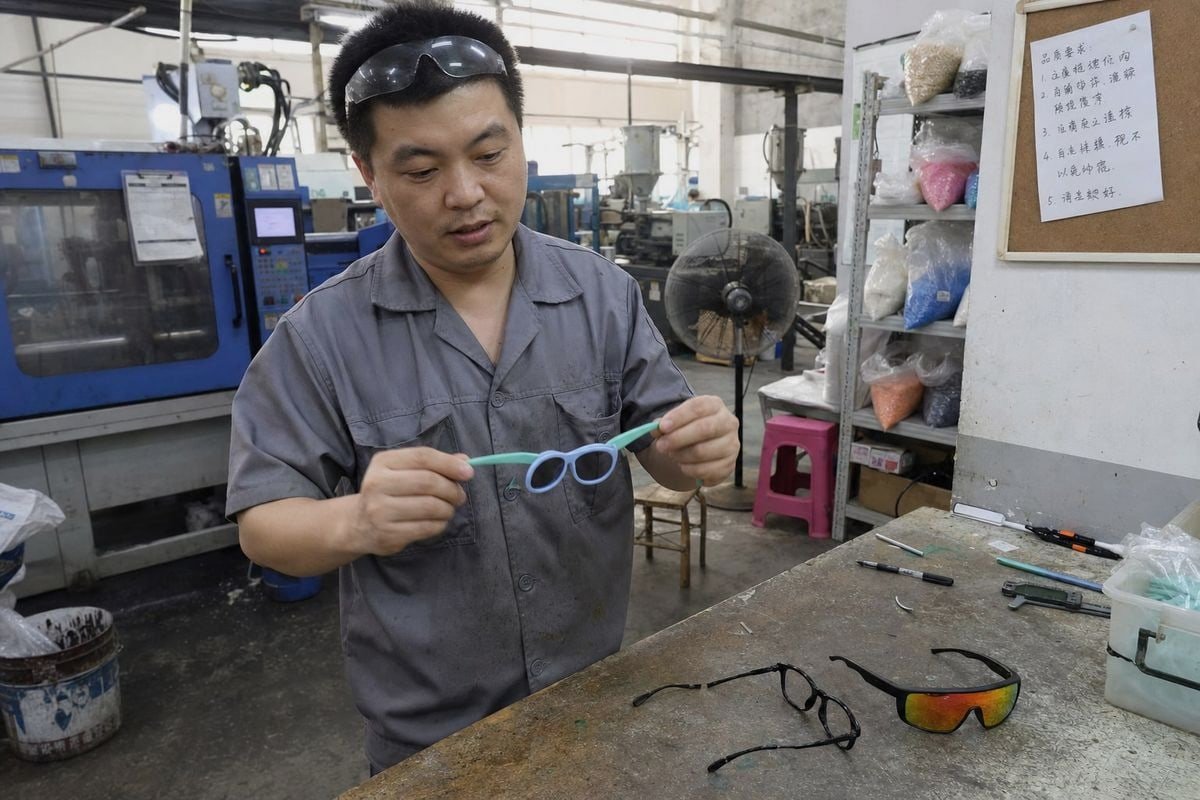
Return data gives you a material diagnosis if you read it correctly. Over fifteen years of making children's eyewear, we have seen the same pattern repeat: buyers who source cheap rigid injection frames 2 get a return profile heavy in two codes — "broken" and "hurts behind the ears." Both trace back to the same root cause. Hard plastic does not flex with a child's face or survive a child's day.
Matching Return Symptoms to Material Fixes
| Return Symptom | Likely Material Cause | Material Solution |
|---|---|---|
| Temples snapped at hinge | Brittle plastic, rigid hinge | TR90 frame with flexible TPEE temples |
| Red marks behind ears | Hard temple tips, no give | Soft TPEE temple ends |
| Frame bent out of shape | Low memory retention | TR90 memory polymer, returns to shape |
| "Too heavy" complaints | Dense acetate or thick PC | Lightweight TR90 construction |
| Nose bridge discomfort | Rigid, one-size bridge | Contoured flexible bridge design |
TR90 is a thermoplastic with memory properties 3. It bends, twists, and returns to its original shape, which is exactly what active kids demand of eyewear. TPEE adds softness and elasticity, which is why we often pair a TR90 front with TPEE temples — structure where you need it, flex where the frame touches the child's head. Both materials are lightweight and environmentally friendly, which matters to the parents making the purchase decision and to the brands we supply across twenty-plus countries.
Here is the objection we hear: "Flexible materials cost more per unit, and my sell-through looks fine." True on unit cost. But run the full math. Every breakage return costs you the margin, the restocking labor, and often a markdown, because a returned kids' frame rarely resells at full price. If your defect-driven returns drop meaningfully after a material switch, the higher unit cost pays for itself — and your inventory turnover 4 improves because fewer units cycle backward through the register. Comfort is not a soft benefit. In children's eyewear, it is the hard driver of your return line.
How Do I Work With My Manufacturer to Adjust Style and Size Ratios Based on Return Trends?
Last year, a European importer showed us return data proving their floral-print frame was loved — but the temples ran tight for ages seven to nine. We kept the print, widened the fit, and the reorder doubled.
Share SKU-level return reasons, size skew, and sell-through data with your manufacturer before placing next season's order. Then adjust pack ratios toward low-return sizes, modify fit specs on high-return molds, and swap weak colorways using existing tooling rather than new molds.

A good factory partner treats your return trends as engineering input, not criticism. Because we hold around 800 existing styles, most of the changes a buyer's return data suggests do not require new mold investment. That keeps your risk low and your reaction time fast. Here is the collaborative process we run with our OEM/ODM clients:
A Five-Step Process for Turning Return Trends Into Order Changes
- Consolidate the season's data. Send your manufacturer the return reason mix by SKU, size, and colorway, alongside historical sales trends and sell-through rate for the same items. Returns without sales context invite the wrong fixes.
- Separate product issues from operational issues. Damaged packaging, cashier errors, and gift returns are your process problems, not the factory's design problems. Strip them out first.
- Apply a simple decision rule per SKU. High returns with one consistent reason: change the spec or cut the SKU. High returns from store ops: fix the process. Low returns with high sell-through: grow the buy. Low returns with weak sales: do not overbuy just because the return rate looks clean — that is SKU rationalization, not sentiment.
- Adjust size ratios and age grading. If returns cluster in one size band — say, the smallest frames coming back as "too tight" — shift the pack ratio toward the mid and larger fits. Pair this with age-growth thinking: children size out of frames predictably, so pre-emptively deepening larger bridge widths captures returning customers instead of losing them.
- Rebalance breadth versus depth. Cut depth on high-return trendy styles. Add depth on stable, low-return core silhouettes. Watch return-to-exchange conversion too: a frame shape that gets exchanged rather than refunded is a gateway style worth prioritizing, because the customer still wanted the category — just a different fit.
This is demand forecasting grounded in evidence rather than gut feel. When we run this loop with a buyer for two or three seasons, their size and fit analysis gets sharp enough that fit-related returns become a rounding error, and open-to-buy dollars flow to styles that actually stay sold.
What Packaging or Quality Control Changes Can Help Me Reduce Returns in Future Orders?
A lesson from our 5S管理ワークショップ 5: half the "defective" returns buyers complained about early in our history were not design flaws. They were escapes — units that a tighter inspection gate would have caught before export.
Reduce future returns by tightening pre-shipment QC on hinges, lens coatings, and frame stress points, and by upgrading packaging with protective cases, clear age-and-size labeling, and UV400 certification callouts. Better labeling prevents wrong-size purchases, which are silent return drivers.
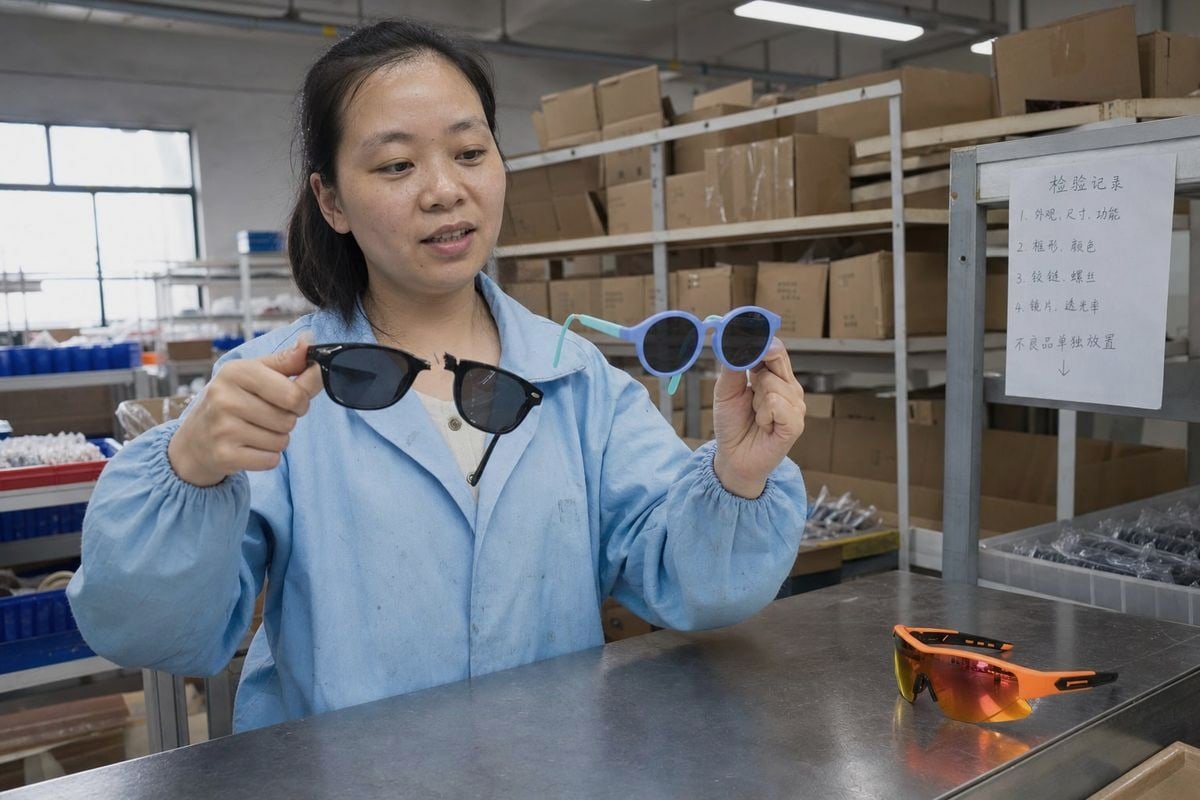
Your return codes tell you exactly where to invest in QC. Audit the "defective" returns first. If spring hinges dominate, the fix is a component spec change plus a hinge cycle test added to inspection. If lens scratches dominate, the fix may be a coating upgrade — or simply better packaging, because many "scratched" units were damaged in transit or on the display floor, not in production.
Where QC and Packaging Investments Pay Back
| Investment | Return Reason It Prevents | Cost Level | Payback Speed |
|---|---|---|---|
| Hinge cycle testing at final inspection | Broken/loose temples | 低 | Immediate |
| Lens coating and scratch checks | "Scratched on arrival" | 低 | Immediate |
| Frame flex and stress testing | Bent or snapped frames | 低 | One season |
| Protective case or pouch included | Transit and display damage | 中程度 | One season |
| Age range and frame width on packaging | Wrong-size purchases | 低 | Immediate |
| UV400 rating printed clearly | Parent doubt and "not protective enough" returns | 低 | Immediate |
Packaging deserves more credit than it gets in return reduction. A parent who can read "recommended ages 5–8, frame width 120mm" on the box buys the right size the first time. That kills a return before it happens, and no reason code will ever show you the returns you prevented. Clear UV400 and polarized labeling 6 also raises perceived value, and we have consistently observed that parents who trust the protection level return items less often — they see the sunglasses as safety gear, not a toy.
On the factory side, insist that your supplier documents inspection standards and AQL levels 7 in writing before production. In our workshop, retail-ready presentation is part of the OEM/ODM scope 8 — custom cases, cleaning cloths, hang tags, and cartons — because a professionally packaged product survives the retail journey and signals quality at the shelf. Feed the results back into your customer feedback loops each season, and track your retail KPIs — return rate by reason, defect rate, sell-through — against your own historical baseline rather than a generic retail average. Kids' sunglasses behave like kids' sunglasses, not like apparel.
結論
Returns are demand intelligence, not just losses. Tag reasons, fix materials and fit with your manufacturer, tighten QC and packaging — and next season's kids' sunglasses order gets smarter.
脚注
1. Provides background on retail return behavior patterns referenced when comparing in-store versus online returns. ↩︎
2. Technical overview of the injection molding process used



 English
  Español de México
  Deutsch
  Français
  日本語
日本語  العربية
  Português do Brasil