How to Request Samples and Negotiate Fees When Sourcing Kids Sunglasses?
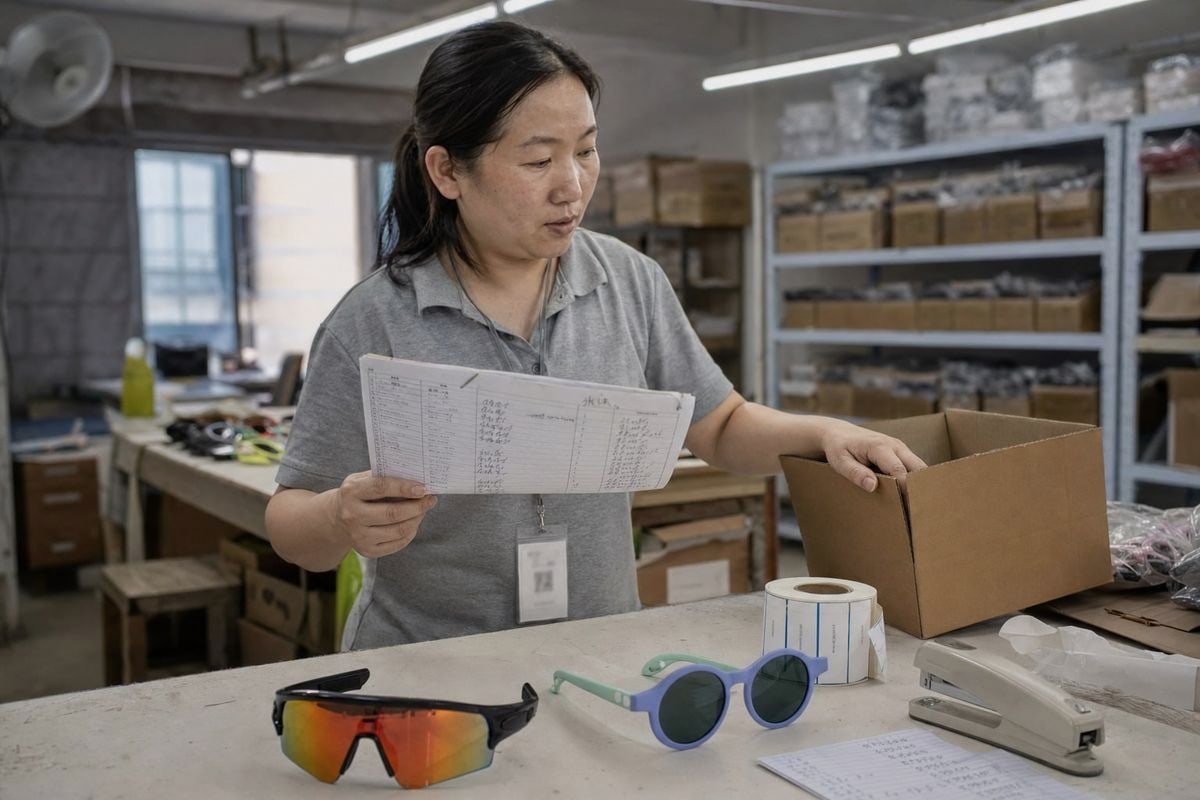
I have watched buyers request samples of kids sunglasses with a single screenshot and no specs CE認証 1. On our production line, that vague request always leads to the wrong sample, wasted fees, and weeks of delay. The fix is simple: prepare properly, ask clearly, and negotiate terms before you pay.
To request samples and negotiate fees when sourcing kids sunglasses, send a detailed spec sheet with model numbers, lens type, and logo needs, ask for sample and shipping costs separately, and confirm in writing whether the sample fee refund policy credits fees against your bulk order.
That is the short answer. Now let me walk you through each stage, from preparation to negotiation, refunds, and lead times, using what we see every week at our Taizhou factory.
What Should I Prepare Before Requesting Samples From a Kids Sunglasses Factory?
Last month a buyer from Australia sent us one line: "Please send samples of your kids sunglasses." With around 800 styles in our catalog, I honestly did not know where to start.
Before requesting samples, prepare a supplier shortlist, exact model numbers or reference photos, frame material and lens requirements such as UV400 protection, logo files, packaging preferences, your target quantity range, and your full shipping address. A complete spec package gets you accurate quotes and faster samples.
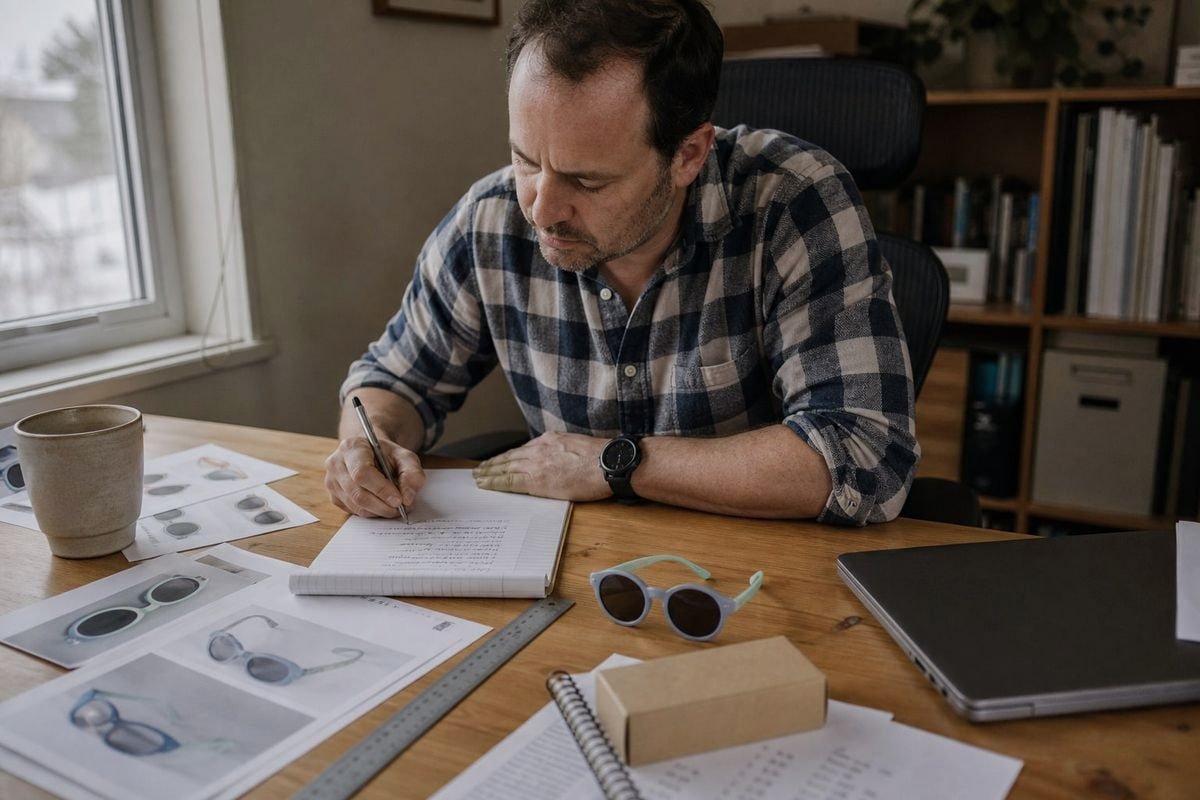
Preparation is where most first-time buyers lose time. A factory cannot quote what it cannot picture. So before you email anyone, build a simple spec package. In our experience exporting to buyers in 20+ countries, the requests that move fastest all contain the same core elements.
Build a Short Supplier Shortlist First
Do not blast sample requests to twenty factories. Pick three to five candidates. Check whether each one is a real factory or a trader. Ask about worker count, years of experience, and whether they welcome a factory audit. A genuine children's eyewear factory will talk comfortably about materials like TPEE製フレキシブルフレーム 2 and TR90, not just prices.
What Your Sample Request Should Include
Here is the checklist we wish every buyer used:
| アイテム | なぜ重要なのか |
|---|---|
| Model number or clear reference photo | Prevents the factory from guessing the style |
| Frame material (TPEE, TR90, PC) | Affects safety, flexibility, and price |
| Lens spec (UV400, polarized, mirrored) | Kids eyewear must block UV; coatings change cost |
| Color and finish (matte, glossy, two-tone) | Pantone codes avoid color disputes later |
| Logo method and artwork file | Printing, laser, or molding have different setups |
| Packaging idea | Retail-ready boxes change sample scope |
| Target quantity range | Lets the supplier quote bulk pricing tiers upfront |
| Shipping address and courier account | Speeds up dispatch the moment samples are ready |
State Whether You Want Catalog or Custom Samples
Be explicit. Standard catalog samples, like a sport wraparound shield style or a pastel two-tone round frame, can often ship in days. Customized OEM samples with your logo and colors follow a mini development cycle: artwork approval 3, sample confirmation, then production. Pricing and timeline differ a lot, so say which one you need.
Also mention compliance early. If you sell in the US, raise CPSIAコンプライアンス 4. If you sell in Europe, ask about CE certification. Factories that serve kids brands should answer without hesitation.
How Do I Negotiate Sample Fees Without Damaging My Relationship With the Supplier?
There is a trade-off I explain to buyers almost weekly: we could offer free samples to everyone, or we could keep our engineers focused on serious projects. Sample fees exist to protect the second choice.
Negotiate respectfully by accepting that sample fees signal buyer seriousness, then ask three questions before paying: what is the sample cost, what is shipping separately, and will the fee be credited against your first bulk order. Frame it as a partnership, not a discount hunt.
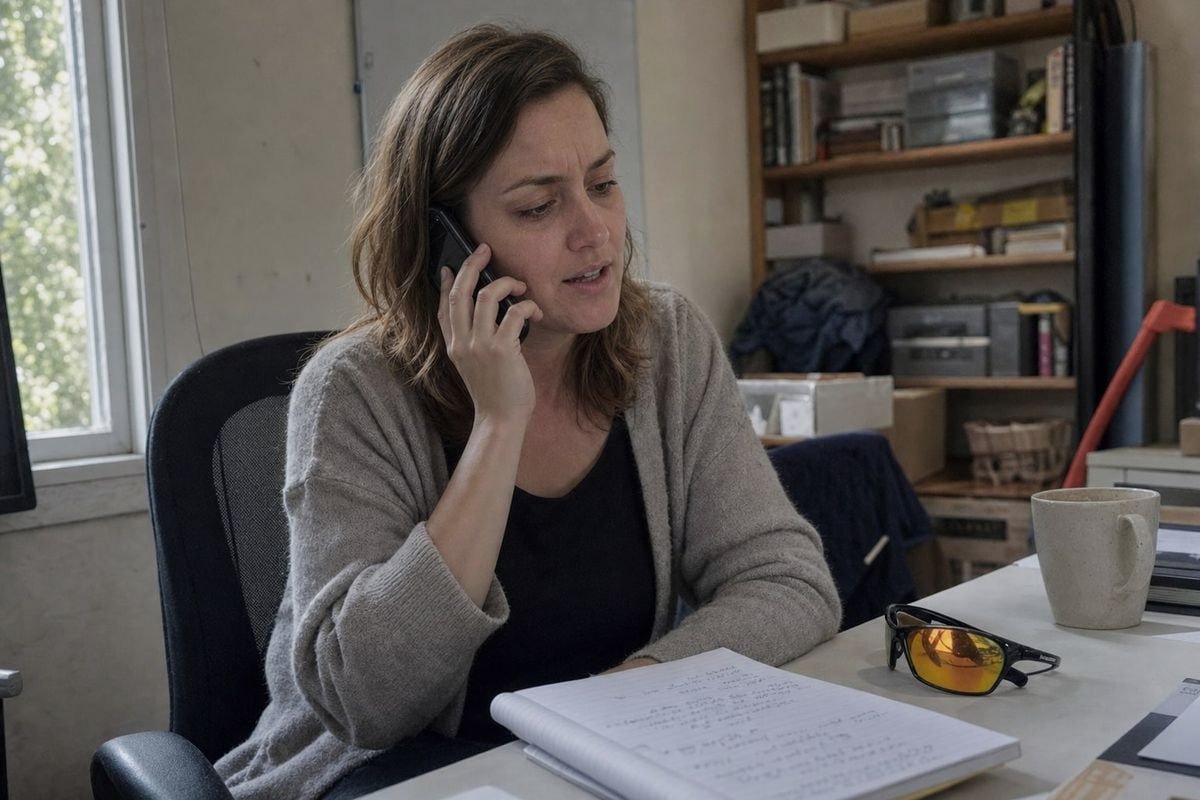
Sample fees create tension. Buyers want free samples. Suppliers use fees to filter tire-kickers and cover real development costs. The good news is that this tension is easy to resolve if you negotiate the structure of the fee, not just the amount.
Understand How Suppliers Price Samples
Most kids sunglasses suppliers use one of these models:
| Sample Fee Model | 仕組み | 最適 |
|---|---|---|
| Free sample, buyer pays freight | Common for stock catalog styles | Quick style checks |
| Sample at wholesale price | You pay unit price plus shipping | Testing several styles |
| Paid sample, credited to bulk order | Fee deducted once you place a formal order | Serious buyers planning production |
| Custom OEM sample fee | Covers logo setup, custom colors, packaging | Branded launches |
A Simple Negotiation Playbook
Follow this sequence and you will rarely offend anyone:
- Ask for the sample cost and shipping cost separately, so you know the true landed cost.
- Ask whether the sample fee is deductible from your bulk order, and get the answer in writing before paying.
- Offer your courier account for shipping collect. Suppliers respect buyers who cover freight without complaint.
- Limit your first round to one to three of the most promising styles instead of ten. This lowers cost and shows focus.
- Share your target quantity range and preferred payment terms. A supplier who sees a realistic order behind the sample will soften on fees naturally.
やってはいけないこと
Do not demand free custom samples on the first email. Custom sampling involves real labor: lens cutting, logo setup, color matching. When we quote a modest fee, buyers who push back aggressively signal risk, not opportunity. When buyers ask politely whether the fee credits forward, we almost always say yes. Tone changes outcomes.
If mold investment worries you, ask about the factory’s existing open molds. Choosing from existing styles avoids custom tooling entirely and usually comes with a lower Minimum Order Quantity (MOQ), which reduces your total risk far more than a waived sample fee ever could.
Are Sample Costs Refundable Once I Place a Bulk Order?
A German importer once told me she paid sample fees to four factories and only one ever mentioned a refund. She never asked. That silence cost her real money.
Sample costs are often refundable or credited once you place a formal bulk order, but only if you confirm the sample fee refund policy in writing before paying. Shipping costs are usually excluded, and refund terms typically require meeting the supplier's MOQ.
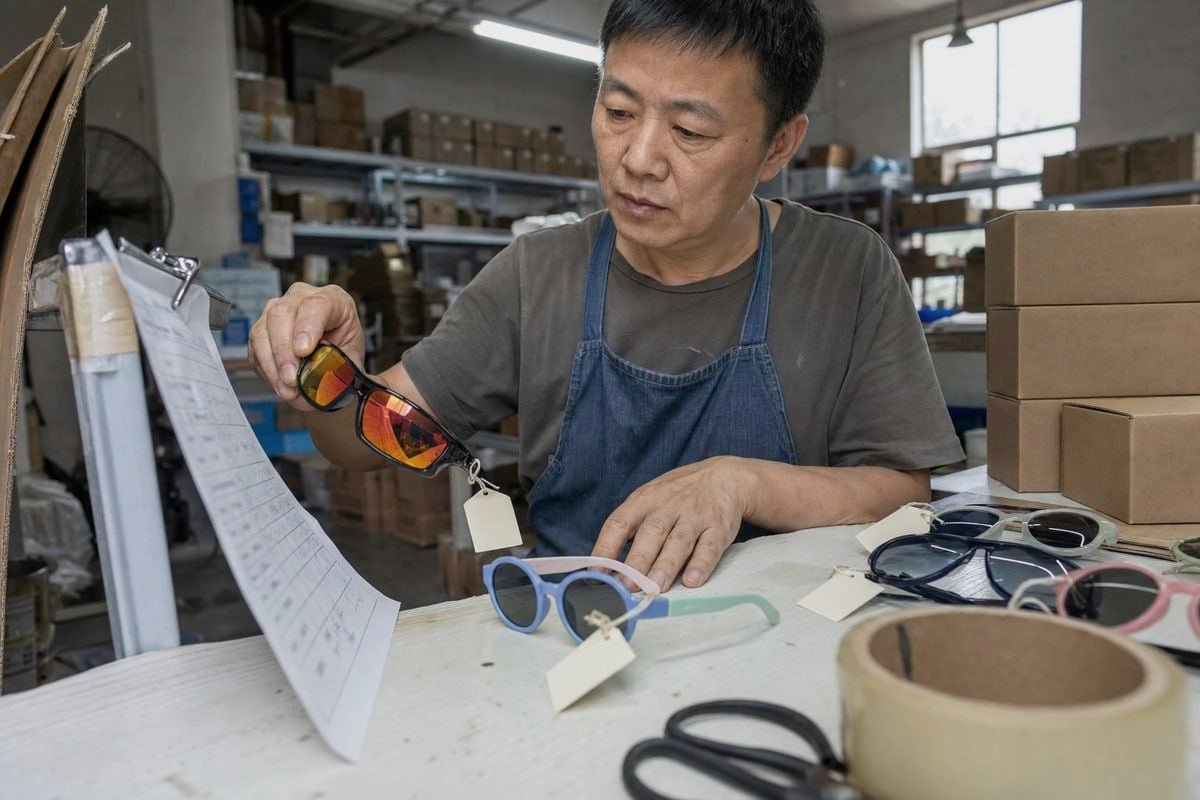
Refundability is one of the most misunderstood parts of sampling. The honest answer is: it depends on the supplier, the sample type, and whether you asked. So let me break down how it usually works and how to protect yourself.
The Three Typical Refund Scenarios
First, catalog samples at wholesale price are usually not refunded. You paid a fair unit price for a real product, and you keep it. Second, paid development samples are the most commonly credited. If we charge a fee for a custom-colored TPEE frame with your logo, and you then order production quantities, that fee is normally deducted from your invoice. Third, freight is almost never refunded. Shipping is a hard third-party cost, so treat it as sunk.
How to Lock Down Refund Terms
Get everything in writing before payment. A short email is enough. Ask these exact questions:
- Is the sample fee deductible from my first bulk order?
- Is there a minimum order value or MOQ required for the credit to apply?
- Does the credit expire after a certain period?
- Are revised or second-round samples also credited?
Also connect refunds to your broader payment terms. If the supplier requires a deposit for production, ask whether the sample credit applies to the deposit or the balance. Small details, but they prevent disputes.
Reduce Sample Costs Beyond Refunds
Refunds are not the only lever. You can lower the total sampling cost by consolidating shipments, requesting packaging-free samples to cut air freight, and asking the supplier to mark low-value samples appropriately for customs to reduce duty friction. Label each sample clearly with your company name and model number, so nothing gets lost in transit or in your own evaluation process. On our side, we photograph every sample before dispatch and send tracking numbers, which we recommend you request from any supplier.
How Long Should I Expect to Wait for Samples and What Delays Should I Watch For?
Early in my career I promised a buyer custom samples in five days without checking our lens coating schedule. We delivered in twelve. That lesson shaped how we quote lead time today.
Expect stock catalog samples in 2–7 days after payment confirmation, and custom OEM samples in 1–3 weeks depending on logo, color, and lens work. Watch for delays from incomplete specs, artwork revisions, holiday shutdowns, custom lens coatings, and customs clearance on inbound shipping.
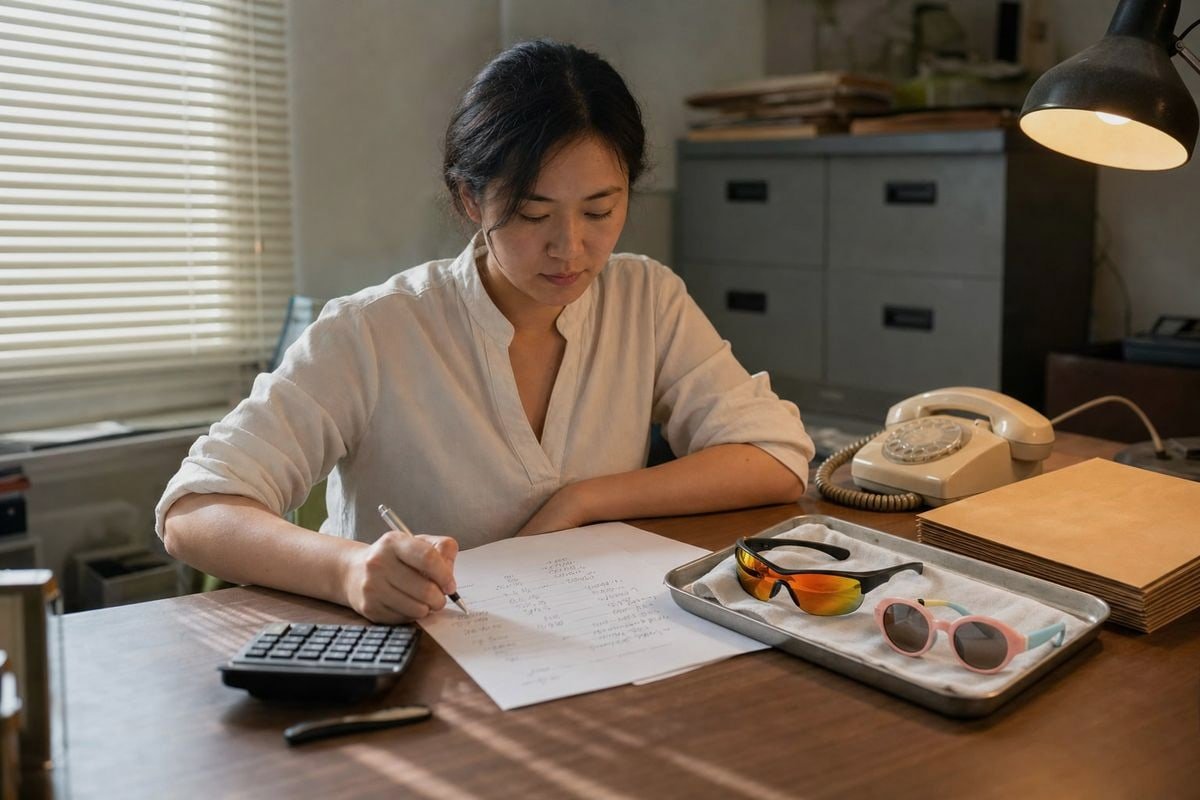
Lead time for samples is shorter than most buyers fear, but longer than most suppliers' first promise. Understanding the timeline helps you plan your launch honestly.
Typical Sample Timelines
| Sample Type | デザインと見積もり | Main Time Drivers |
|---|---|---|
| Stock catalog sample | 2–7 days | Payment confirmation, courier pickup |
| Custom color sample | 海上輸送 | Color matching, material batching |
| Full OEM sample with logo and packaging | 2–3 weeks | Artwork approval, logo setup, box printing |
| Revised or pre-production sample | 国境での遅延 | Scope of changes requested |
Add international shipping on top: usually three to seven days by express courier, plus possible customs clearance time in your country.
The Delays You Can Actually Prevent
Most sample delays are buyer-side, and I say that gently. Incomplete artwork files, late Pantone confirmations, and mid-process changes to lens specs reset the clock every time. Confirm your design before sampling starts. If you change the lens from standard UV400保護 5 to polarized, or move a logo from the temple to the lens, expect a new sample round and budget the days for it.
Supplier-side delays exist too. 旧正月 6 and October holidays pause production for one to two weeks. Custom ミラーコーティング 7, like a gradient shield lens shifting from orange to teal, may depend on a coating subcontractor's schedule. Ask about both before you commit to a launch date.
When to Request Another Sample
Do not approve production from a flawed first sample to save time. Request a revised sample whenever material, color, logo placement, lens coating, or packaging changes. For branded launches, always require a final pre-production sample with every change and label confirmed. Then adopt a golden sample protocol 8: both sides keep an identical signed-off unit as the quality benchmark for mass production. When your bulk goods arrive, you compare against that unit, not against memory. Check the essentials physically: temple movement, surface finish, lens fit, bridge comfort on a child-sized face, and whether the sample matches what the salesperson promised.
結論
Vague sample requests waste money and stall launches. Prepare full specs, negotiate fee credits in writing, confirm refund terms, and approve a golden sample before bulk production.
脚注
1. European Commission page explains CE marking requirements referenced for selling eyewear in Europe. ↩︎
2. Background on thermoplastic elastomer materials used in flexible children’s sunglasses frames. ↩︎
3. Alibaba.com sourcing resources detail typical OEM artwork approval steps buyers follow with suppliers. ↩︎
4. CPSC is the official US authority on CPSIA rules governing children’s product safety standards. ↩︎
5. WHO explains UV radiation risks, supporting the article’s emphasis on UV400 lens protection for kids. ↩︎
6. Background context on the holiday period that commonly disrupts Chinese factory production schedules. ↩︎
7. General background on sunglasses lens technology, including coatings mentioned in the article. ↩︎
8. Authoritative reference for the manufacturing process used to establish approved reference samples. ↩︎
 English
  Español de México
  Deutsch
  Français
  日本語
日本語  العربية
  Português do Brasil