How Do I Negotiate an Exclusivity Period for Kids’ Sunglasses Molds?
Negotiating an exclusivity period for kids’ sunglasses molds worries many buyers who contact our Taizhou factory EU Registered Community Design 1. You pay tooling costs, then fear your design appears everywhere. That fear is fixable.
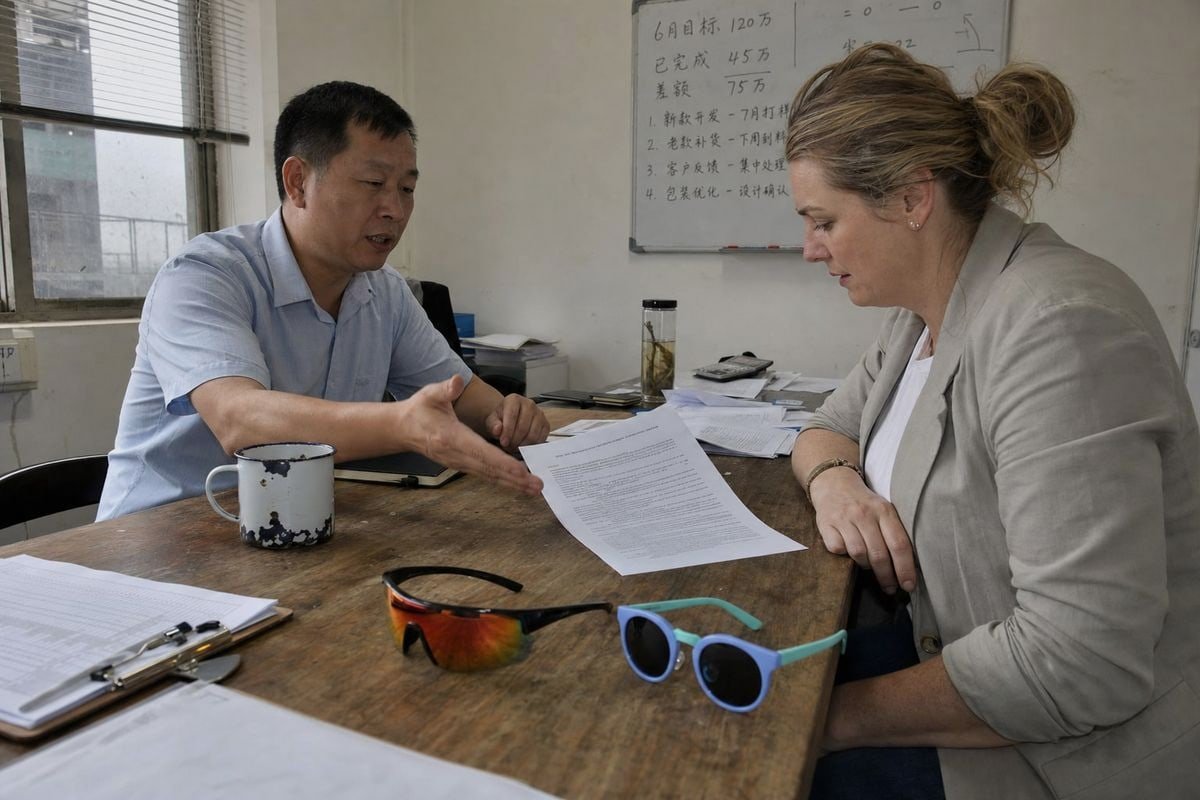
To negotiate an exclusivity period for kids’ sunglasses molds, offer a minimum order quantity or volume commitment in exchange for a written clause defining the exclusive mold, territory, channel, and duration—typically 12 to 24 months—plus mold ownership, NNN protection, and clear breach remedies.
That single sentence covers the framework. But each part—volume, written terms, duration, and exit rights—deserves its own careful look. Let me walk you through all four, based on real negotiations we handle every month.
How much minimum order volume should I commit to in exchange for mold exclusivity?
A buyer from Australia once asked me why we would not grant exclusivity on a new frame with zero volume commitment. I explained it simply: exclusivity is bought, not granted.
Most factories expect a minimum order quantity of 3,000 to 10,000 pieces per year, or roughly 3 to 5 times the standard MOQ, in exchange for mold exclusivity. Higher commitments, deposits, or multi-year forecasts can extend the exclusivity period or widen its territory.
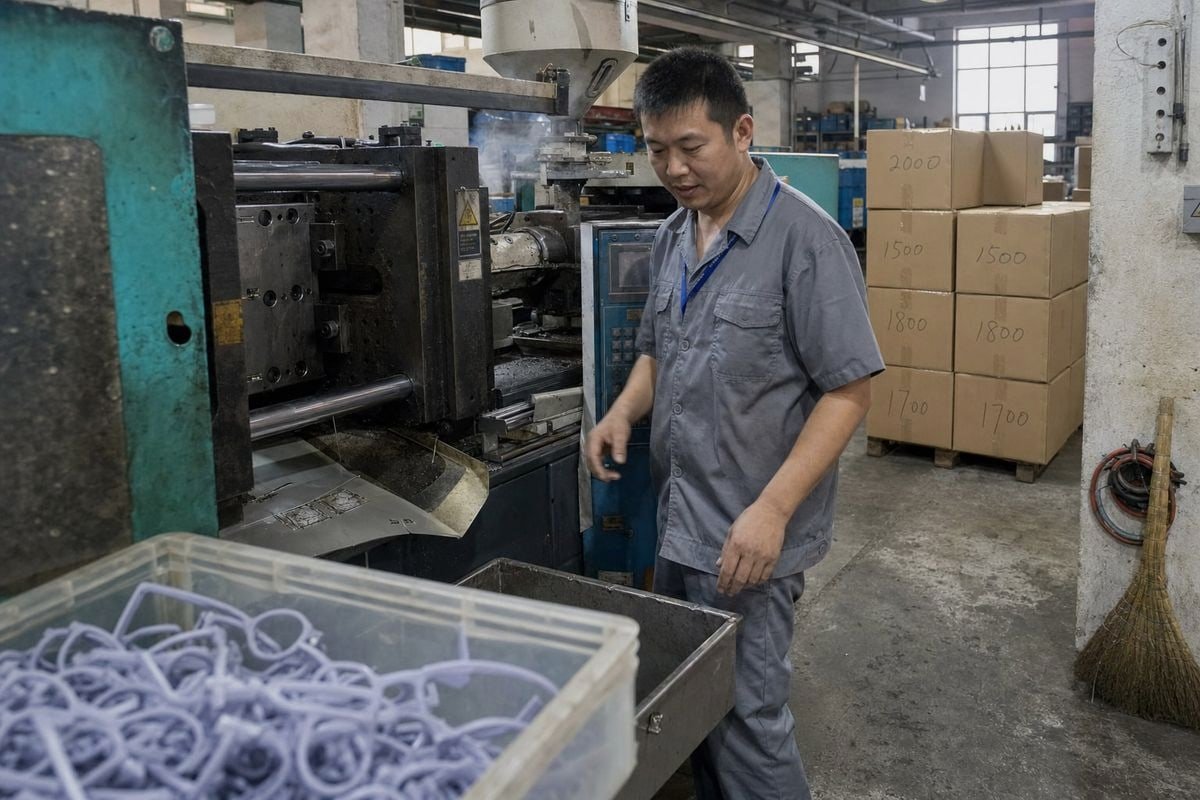
When our production line dedicates an 射出成形 2 tool to one customer, we give up every other buyer who might want that style. That lost revenue is the real price of exclusivity. Your volume commitment has to cover it. So the honest question is not "how little can I commit?" but "how much value am I asking the factory to forgo?"
Match your commitment to the scope you want
The narrower your exclusivity request, the smaller the volume you need to promise. A single colorway in one country costs the factory little. Global exclusivity on a full frame geometry costs a lot. Here is how we usually frame the trade in our own negotiations:
| Exclusivity scope | Typical annual volume commitment | What the factory gives up |
|---|---|---|
| One colorway, one country | 3,000–5,000 pcs | Very little; easy to grant |
| Full frame design, one region | 5,000–10,000 pcs | Regional sales of that mold |
| Full mold, global, all channels | 10,000–30,000+ pcs | All third-party revenue from the tool |
Use amortization of mold fees as leverage
One tactic works well on both sides of the table: tooling amortization rebates. You pay the mold cost upfront, and the factory credits it back after you hit a volume milestone—say, 20,000 pieces. This turns exclusivity into a loyalty incentive. We offer this structure ourselves because it aligns everyone. You get your tooling costs back through orders. We get forecast certainty and stable production capacity planning.
Also consider staged commitments. Commit to a realistic first-year volume, then tie renewal to performance. If you hit the target, exclusivity extends automatically. If you miss it, the clause converts to non-exclusive rather than terminating the whole relationship. Factories accept this far more readily than open-ended promises, because it makes the deal measurable.
What exclusivity terms should I ask my manufacturer to put in writing before investing in a custom mold?
Before we cut steel for any custom kids' frame—whether a wraparound sport shield or a soft rounded TPEE style—we ask buyers to agree on written terms first. Verbal promises protect nobody.
Ask for a written clause stating the factory will not use, sell, or license the mold to any third party; a precise definition of the protected design; a defined territory and channel; fixed start and end dates; mold ownership and transfer rights; an NNN agreement; and clear breach remedies.
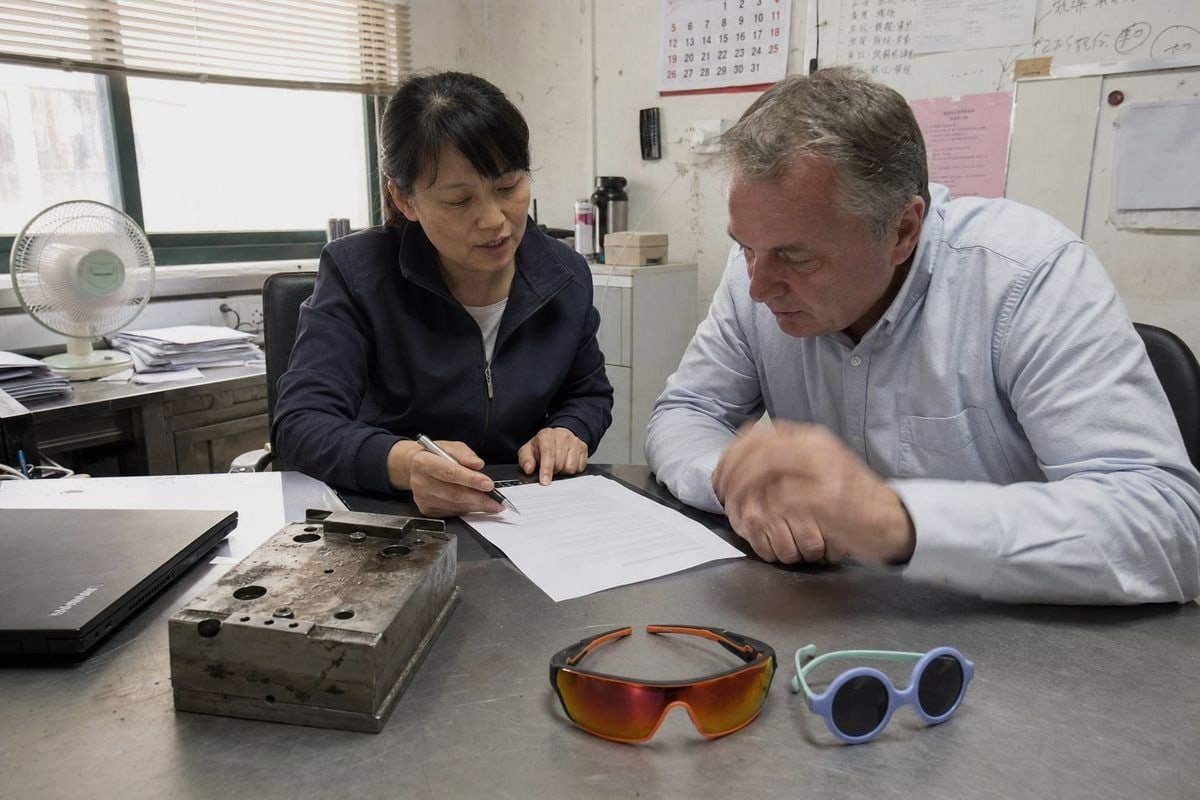
Three different protections often get confused, and mixing them up is the most common mistake I see. Mold ownership means the physical tool is legally yours. Confidentiality means the factory cannot share your drawings or specs. Sales exclusivity means the factory cannot sell that product to others. You need all three, because each covers a gap the others leave open. A factory that owns the mold can reuse it. A factory without an NNN agreement can tweak your design slightly and sell the “new” version. This is why serious eyewear sourcing guidance treats exclusivity as one layer in a full protection stack: NNN first, then mold ownership, then the exclusivity commitment itself.
The clauses that actually protect you
| 条項 | What it must state |
|---|---|
| Grant of exclusivity | Factory will not use, sell, or license the mold or its output to any third party during the term |
| Definitions | Exact SKU, frame geometry, lens shape, temple design, colorways, territory, channels |
| Mold ownership and transfer | You own the tooling and may physically reclaim and relocate it at any time |
| 期間と更新 | Fixed start/end dates; renewal tied to purchase performance |
| Carve-outs | Pre-existing customers, non-competing channels, materially different products |
| Remedies | Termination, damages, injunctive relief, or conversion to non-exclusive on breach |
| Governing law | Jurisdiction and dispute forum, ideally enforceable where the factory sits |
Go beyond the frame shape
For children's eyewear specifically, I recommend two extra terms. First, fit-profile exclusivity: protect the bridge-to-temple ratios optimized for pediatric facial development. Competitors can copy an aesthetic shape in weeks; a properly engineered kids' fit is much harder to replicate. Second, material-grade restrictions: prohibit the factory from ever running your mold with lower-quality or non-certified resins for anyone else. Your brand's safety reputation and CPSIAコンプライアンス 3 ride on what comes out of that tool. Finally, register your intellectual property rights independently—a US design patent 4 or EU Registered Community Design gives you a second layer of protection that survives even if the manufacturing relationship ends. Component-level exclusivity on unique parts, like flexible hinges or rubberized nose pads, closes the last gap.
How long should an exclusivity period last before I risk losing my competitive advantage?
Timing is a trade-off I weigh constantly with buyers. Ask for too short a term, and competitors copy you right after launch. Ask for too long, and the factory either refuses or prices the risk into everything.
Most kids' sunglasses mold exclusivity periods run 12 to 24 months, aligned with one or two full retail seasons. Tie the duration to launch milestones and order cycles, with automatic renewal if you meet agreed purchase targets, rather than demanding indefinite exclusivity upfront.
Do not copy duration templates from unrelated deals. M&A letters of intent often use 30 to 90 days of exclusivity, and some small-business sale contexts limit it to 7 to 14 days. Those numbers have nothing to do with manufacturing. There is no standardized duration for mold exclusivity, which is exactly why you should anchor the term to your own commercial reality instead of a template.
Anchor duration to your product lifecycle
Think through your actual timeline. From mold approval to first retail shelf, a custom kids' sunglasses program usually needs four to six months: tooling, sampling, safety testing, production, shipping, and distribution. If your exclusivity is only 12 months, you may spend half of it just getting to market. That is why we usually suggest structuring the term in phases:
- Development phase (months 0–6): exclusivity begins at mold approval, covering sampling and launch preparation.
- Launch season (months 6–18): your protected selling window, where the design earns back tooling costs and marketing spend.
- Renewal checkpoint (month 18): if you have hit the minimum order quantity 5 target, exclusivity extends another 12 months automatically.
- Sunset or expansion (month 24+): either renegotiate broader terms from a position of proven volume, or let the clause convert to non-exclusive.
When shorter is actually smarter
Here is a contrarian point I share with newer brands. If you are testing the market, long exclusivity on a custom mold may be the wrong tool entirely. Our factory keeps roughly 800 existing styles precisely so new brands can launch with private label manufacturing 6—custom colors, logos, and packaging on proven frames—without heavy mold investment. Test demand first. Then invest in custom tooling and a meaningful exclusivity period once the numbers justify it. This is also the classic OEM vs ODM decision: full design ownership through OEM gives you the strongest exclusivity case, while negotiated exclusivity on a factory-owned ODM style is cheaper but inherently narrower.
What happens to my exclusivity rights if I want to switch manufacturers later?
A distributor once came to us after a bad experience elsewhere: their previous supplier refused to release the mold when they tried to leave. That painful lesson shapes every transfer clause I now recommend.
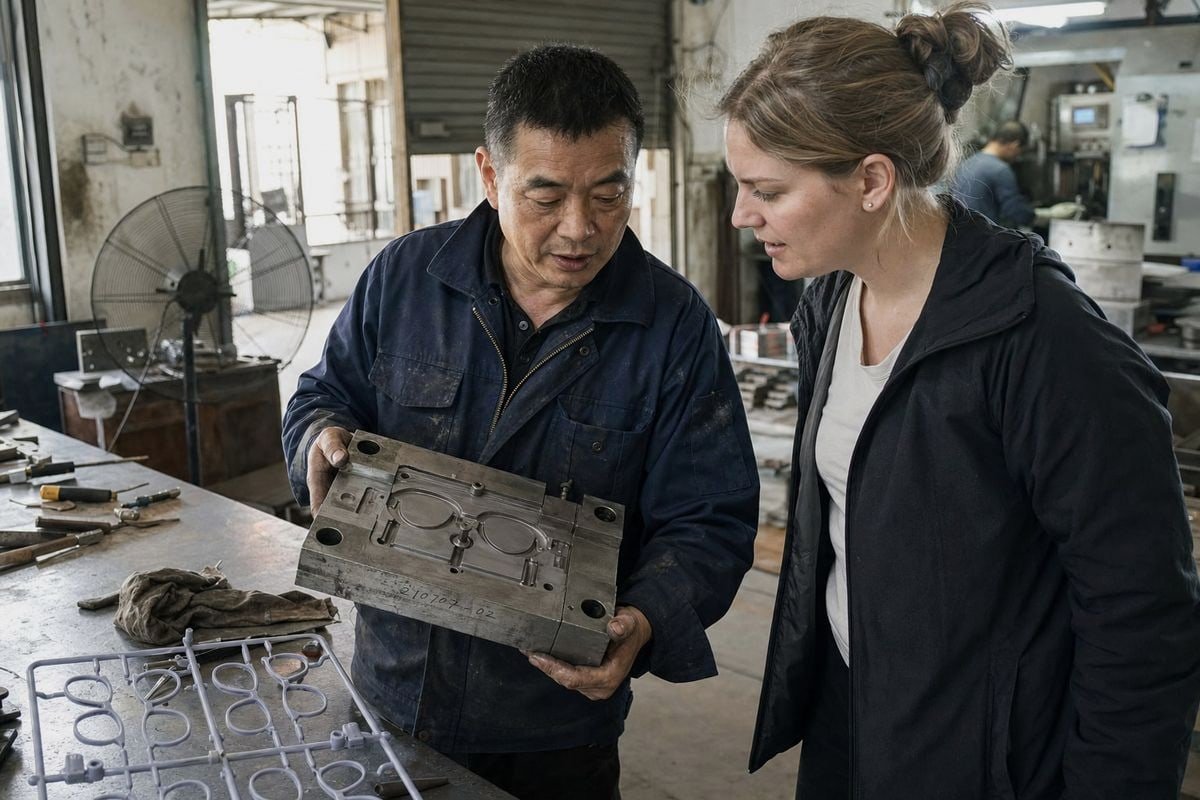
If your contract includes a mold ownership and transfer clause, you can reclaim the physical tooling and move it to a new factory, though exclusivity obligations bind only the original manufacturer. Without written ownership terms, factories may legally refuse to release the mold.
Exclusivity and portability are two different rights, and you need both negotiated on day one—not when the relationship sours. The exclusivity clause tells the factory what it cannot do. The transfer clause tells you what you can take with you. Confusing them leaves a dangerous gap: you might stop the factory from selling your design, yet still be unable to physically remove your tool from their workshop.
What survives a switch, and what does not
| Right | Survives switching factories? | How to protect it |
|---|---|---|
| Physical mold possession | Yes, if ownership and transfer clause exists | State you may reclaim and relocate tooling at any time, with a defined handover process |
| Original factory's non-use obligation | Yes, if NNN and non-compete clause 7 survive termination | Add explicit post-termination survival language, typically 2–3 years |
| Design and IP rights | Yes, independent of any factory | Register design patents or RCDs in your target markets |
| Exclusivity from the new factory | No—must be renegotiated | Sign fresh exclusivity terms before transferring the tool |
Practical realities of moving a mold
Even with perfect paperwork, plan for friction. Injection molding tools are calibrated to specific machines, resins, and process settings. When a mold arrives at a new facility, expect re-sampling, dimensional checks, and fresh safety testing before production restarts—especially for children's products where flexibility, hinge safety, and material certification cannot slip. In our 5S-managed workshop, we document mold maintenance records precisely so that a customer-owned tool stays transferable in good condition. Ask your current factory for the same: maintenance logs, shot counts, and steel specifications.
One more caution. A reasonable non-compete clause binding the old factory is enforceable; an overly broad one may not be. Competition-law limits vary by jurisdiction, so keep post-termination restrictions scoped to your specific design and a defined period, and have counsel review the final language. Overreach can make the whole clause collapse when you need it most.
結論
Exclusivity is bought with volume, defined in writing, timed to your launch, and paired with mold ownership. Negotiate all four together, and your custom kids' design stays yours.
脚注
1. Explains the EU IP registration mechanism referenced as a second protection layer. ↩︎
2. Core manufacturing process term central to the mold exclusivity discussion. ↩︎
3. Authoritative government source defining children’s product safety compliance requirements referenced in article. ↩︎
4. Background concept explaining the intellectual property protection mentioned for buyers. ↩︎
5. Industry sourcing platform explaining the MOQ concept central to exclusivity negotiations. ↩︎
6. Defines the alternative sourcing model mentioned as a lower-risk market-testing option. ↩︎
7. Legal concept explaining enforceability limits discussed regarding post-termination restrictions. ↩︎



 English
  Español de México
  Deutsch
  Français
  日本語
日本語  العربية
  Português do Brasil