Sea vs Rail vs Air: Shipping Kids’ Sunglasses from China to Europe?
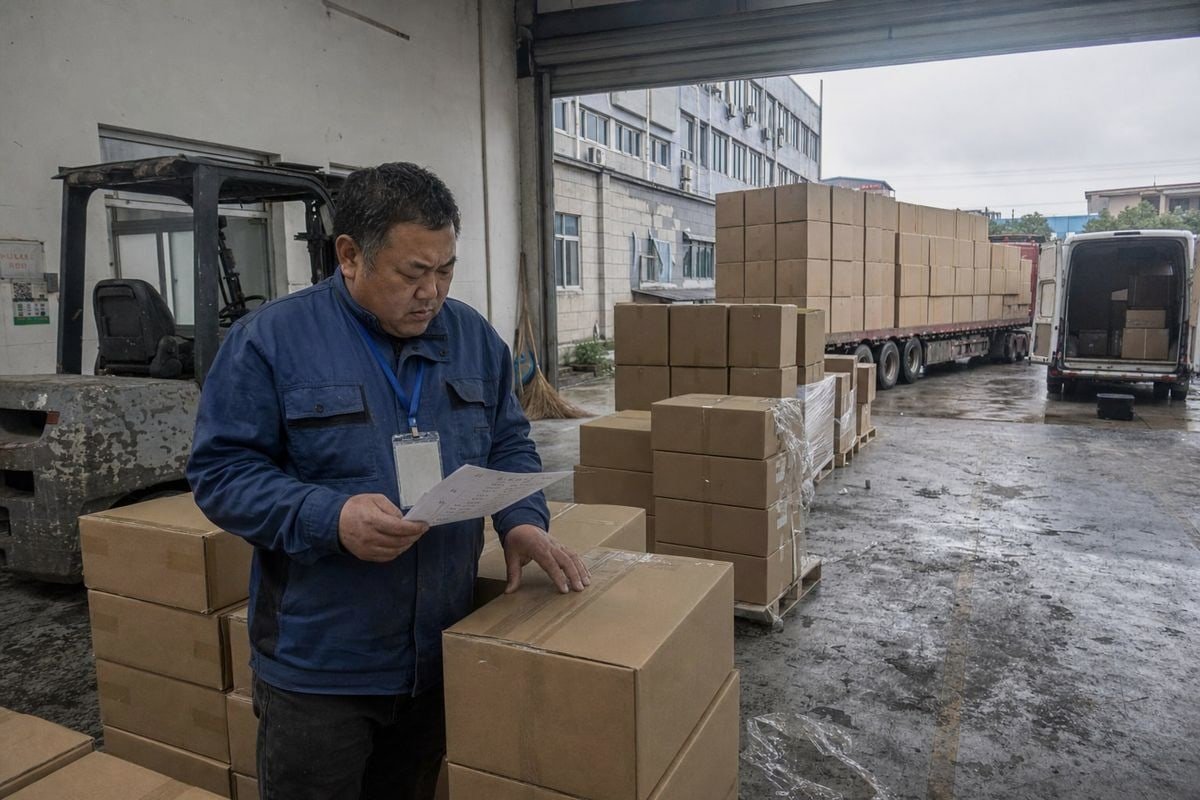
Shipping kids’ sunglasses from China to Europe looks simple until a delayed container wipes out your summer launch. I’ve watched buyers lose whole seasons this way. After 15 years shipping flexible TPEE and TR90 kids’ eyewear from our Taizhou factory, I’ve learned the freight decision matters as much as the product itself — so let me walk you through it.
For shipping kids’ sunglasses from China to Europe, sea freight is cheapest for planned bulk orders (25–45 days), rail is the balanced middle option (12–25 days), and air freight (3–10 days) only makes sense for samples, urgent launches, or emergency restocks of high-margin styles.
That is the short answer. But the right choice depends on your order size, your launch calendar, and how much inventory risk you can carry. Let’s break it down mode by mode.
How do I choose between sea, rail, and air freight for my kids' sunglasses order?
Last spring, a German buyer asked me to ship 300 cartons of our round two-tone TPEE frames "the cheapest way possible." Two questions later, we realized cheap would have cost her the season.
Choose based on three factors: order volume, urgency, and product margin. Use sea freight for large planned orders, rail freight for mid-sized replenishment with moderate urgency, and air freight only when speed protects revenue that outweighs the freight premium.

The mistake most first-time importers make is comparing headline freight prices instead of comparing total business outcomes. Kids' sunglasses are lightweight, compact, and margin-sensitive. That combination changes the math. Here is the quick comparison I share with new buyers:
| モード | Typical Transit | 標準的なコスト | Best Use Case | Main Risk |
|---|---|---|---|---|
| Sea (FCL/LCL) | 25–45 days | ~$0.10–$0.30/kg equivalent | Planned bulk seasonal orders | Delays, missed selling window |
| Rail | 12–25 days | ~$0.60–$1.00/kg equivalent | Mid-sized restocks, faster launches | Border congestion, route limits |
| Air / Courier | 3〜10日 | ~$3.50–$8.00+/kg | Samples, urgent restocks | High cost destroys margin |
Start with your inventory strategy, not the rate sheet
Ask yourself: when do these sunglasses need to be on shelves? Work backwards from that date. Subtract customs clearance, inland trucking, and production lead time. If the remaining window is 6+ weeks, sea wins. If it is 3–5 weeks, rail is your friend. Under 2 weeks, you are in air territory whether you like it or not.
Consider volumetric weight early
Sunglasses themselves weigh almost nothing. But protective cases and retail boxes fill space fast. Carriers charge by 体積重量 1 (length × width × height ÷ 5000), so a "light" shipment can be billed like a heavy one. In our experience, packaging design decisions made at the factory directly change your freight bill. That is why we discuss carton dimensions with buyers before production starts, not after.
Match the mode to the SKU
Our sporty wraparound styles with ミラーグラデーションレンズ 2 often go to premium outdoor brands with higher margins — air can occasionally be justified there. Basic everyday frames usually cannot absorb air costs at all.
What are the real cost and time differences when shipping from China to Europe?
Every quarter, buyers show me quotes that differ wildly from published benchmarks. One Dutch importer received three forwarder quotes for the same LCL shipment that varied by nearly double. Published rates are a starting point, never a promise.
Sea freight runs roughly $1,200–$5,000 per 40ft container over 25–45 days. Rail costs about $7,000–$10,000 per container over 12–25 days. Air freight costs $4–$9 per kilogram over 3–10 days, making it several times more expensive than rail or sea.
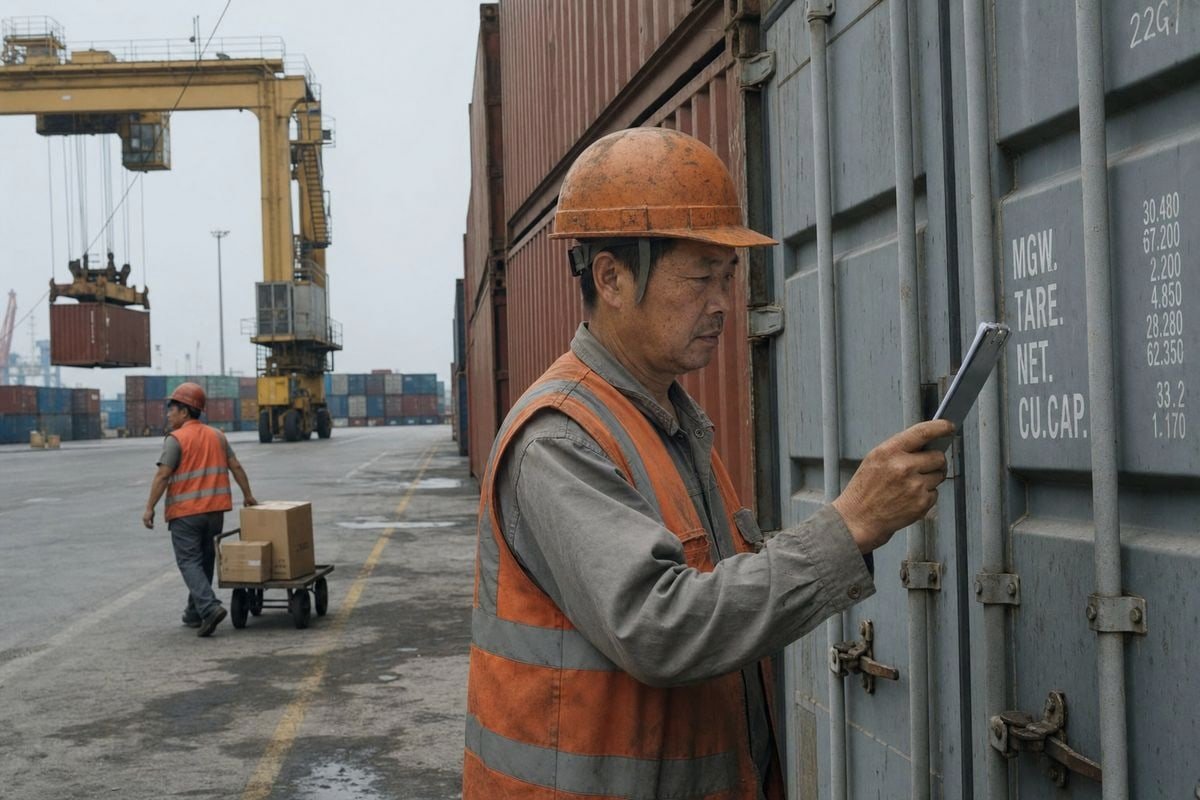
Those numbers are ranges for a reason. Actual quotes swing with season, route, fuel surcharges 3, and carrier capacity. During peak season before summer, rates climb. When ships reroute around the Cape of Good Hope instead of the Suez route, sea transit can stretch well past 45 days — and suddenly rail's premium looks reasonable.
Per-unit economics for a typical sunglasses order
Let me make this concrete. A standard export carton of our kids' sunglasses holds about 300 pairs with individual cases. Here is how the freight cost per pair roughly plays out:
| シナリオ | モード | Approx. Freight per Pair | Transit Lead Times |
|---|---|---|---|
| 10,000 pairs, planned order | Sea LCL | $0.03–$0.08 | 30–45 days |
| 50,000 pairs, seasonal bulk | Sea FCL | $0.02–$0.05 | 25–40 days |
| 10,000 pairs, restock | Rail | $0.10–$0.20 | 12–25 days |
| 2,000 pairs, urgent | Air/Courier | $0.50–$1.20+ | 3〜10日 |
FCL and LCL shipping choices matter here too. Below roughly 15 CBM, LCL usually wins on price. Above that, FCL is cleaner, faster through the port, and lowers handling damage risk.
Small shipments have a fourth option
For shipments under 100kg or 1 CBM — think samples or a micro-launch — express couriers like DHL or FedEx often beat traditional air freight. Their all-inclusive door-to-door logistics pricing removes the hidden handling and terminal fees that make small air cargo shipments 4 deceptively expensive. We ship nearly all pre-production samples this way.
Don't forget the costs beyond freight
Landed cost includes customs duties and VAT 5, inland trucking, insurance, and warehousing. A slow mode also ties up cash in inventory for weeks. Sea can be "cheapest but not actually cheapest" once you count carrying costs and stockout risk during peak demand.
How can I keep my sunglasses shipments safe and compliant during transit to the EU?
A few years ago, one of our shipments sat at a European port for extra days because the buyer's forwarder filed an ambiguous product description. Since then, our export team pre-checks every document before cartons leave our Taizhou workshop.
Declare kids' sunglasses under HS Code 9004.10, ensure CE marking and UV400 documentation are in order, pre-file REACH chemical compliance certificates, and use crush-resistant cartons with individual cases. Clean paperwork prevents customs delays, inspections, and costly port storage fees.
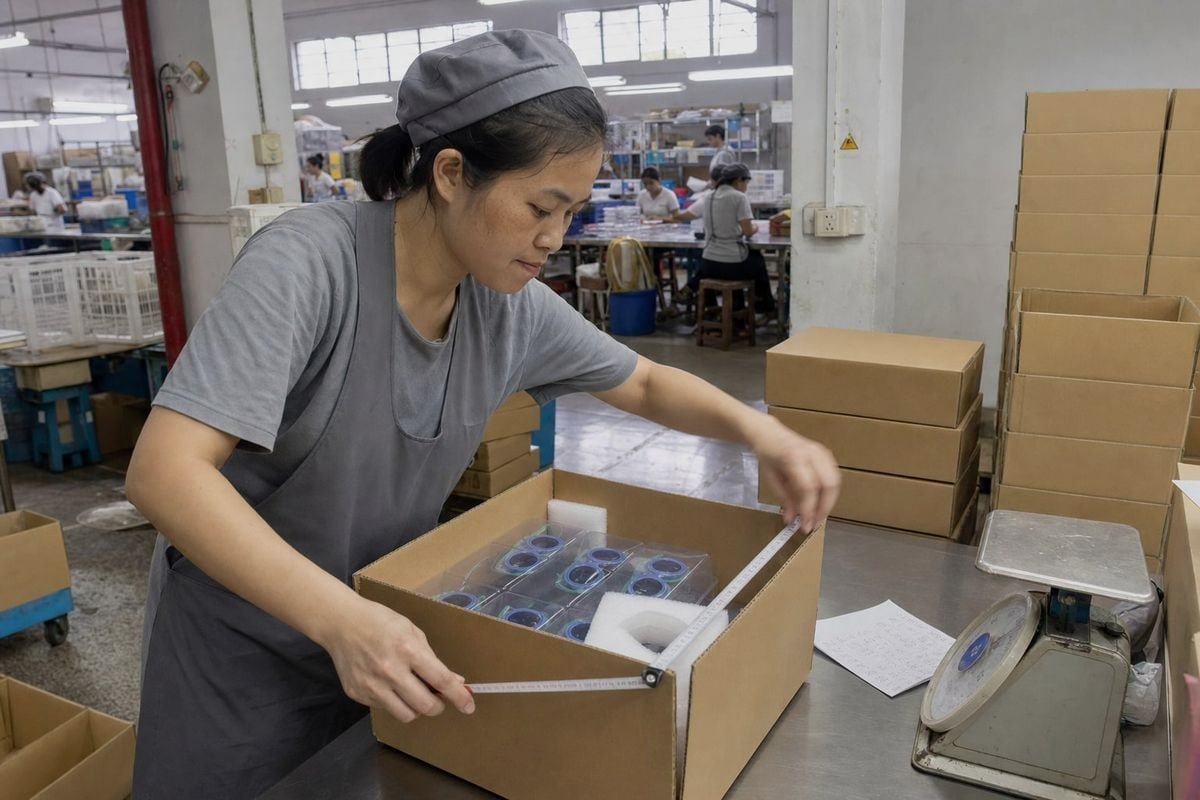
Compliance is where children's products differ most from general cargo. EU customs treats kids' items with extra scrutiny, and rightly so. Product safety compliance is not paperwork theater — it protects the children wearing your product and protects your brand from recalls.
The document stack that clears EU customs smoothly
- Commercial invoice with accurate HS Code classification (9004.10 for sunglasses) and true declared values.
- Packing list matching carton counts and 体積重量 exactly.
- CE marking requirements met, with the Declaration of Conformity and EN ISO 12312-1 test reports on file.
- REACH compliance certificates confirming the absence of phthalates and lead — pre-filing these can bypass the high-risk inspection queue and save up to 7 days in transit.
- Clear Incoterms on the contract. Incoterms DDP and FOB behave very differently: under FOB you control the freight and clearance; under DDP your supplier or forwarder handles duties and delivery.
Physical protection matters as much as paperwork
Our flexible TPEE and TR90 frames survive bending and drops — that is the point of the material. But mirrored gradient lenses on sport shields scratch if cartons shift. We pack each pair in an individual case or pouch 6, use dividers, and never exceed carton weight limits that cause handler drops. For sea shipments, we add moisture protection because a container crossing two climate zones will condense.
Insure what matters
Cargo insurance on a container of sunglasses costs little relative to the goods' value. Skipping it to save a fraction of a percent is a bet I never recommend to buyers.
Can I combine shipping methods to balance cost, speed, and inventory needs?
The smartest buyers I work with rarely pick one mode. A UK kids' brand we supply splits every seasonal program: bulk by sea in January, a rail top-up in April, and air held in reserve for whichever SKU sells out first.
Yes. A hybrid strategy works best: ship core seasonal volume by sea early, use rail for mid-season replenishment, and reserve air or courier for bestseller stockouts and samples. Sea-air combinations via hubs like Dubai can also cut costs versus pure air.
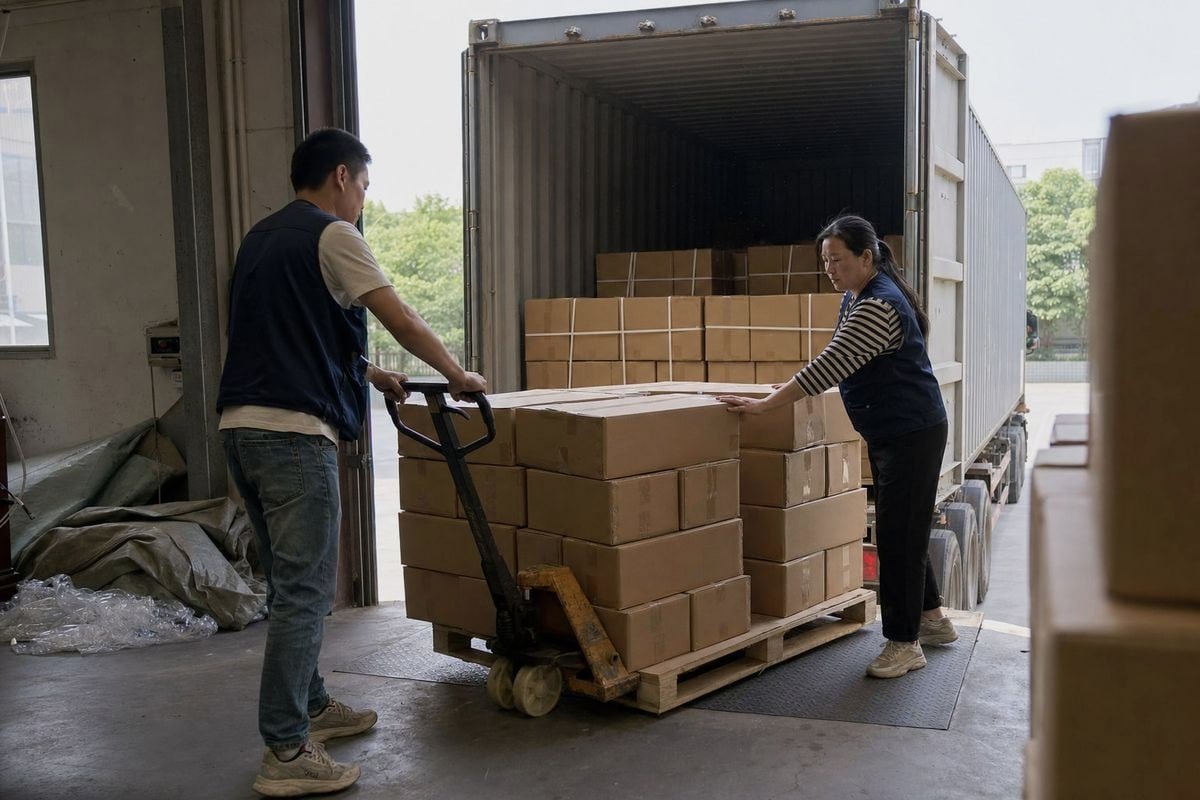
Hybrid shipping is really inventory management wearing a logistics hat. The goal is simple: never miss the selling window, and never pay air rates for goods you could have planned.
A backwards schedule for a summer launch
Work back from a May shelf date. Here is the calendar we recommend to European buyers:
| タイミング | ステップ | モード |
|---|---|---|
| December–January | Confirm order, production begins | — |
| Late January–February | Ship 70–80% of volume | Sea FCL/LCL |
| March–April | Monitor early sell-through | — |
| April | Replenish winning SKUs | Rail |
| May–July | Emergency top-ups only | Air / Courier |
Booking sea freight at least 4 months before shelf date accounts for production lead time and port congestion. That buffer is what separates calm launches from panicked ones.
The sea-air middle path
A hybrid sea-air route via transshipment hubs like Dubai or Singapore can cut costs by around 40% versus direct air while arriving roughly 20 days faster than pure sea. It is a niche option, but useful when a big order is urgent-ish.
Rail as a sustainability lever
There is one more angle worth knowing. Rail freight is increasingly used to reduce Scope 3 carbon emissions 7 versus air, which helps EU brands meet CSRD sustainability reporting targets. Since our frames already use environmentally friendly materials, several of our buyers pair that story with rail shipping in their brand messaging. A good freight forwarder services partner can structure all of this — mode splits, customs pre-filing, and final-mile delivery — so you manage one relationship instead of four.
結論
Freight mistakes quietly kill eyewear margins and summer launches. The fix is planning: sea for volume, rail for flexibility, air for exceptions — and a partner who ships kids' sunglasses this way every season.
脚注
1. Authoritative guide on how carriers calculate billable weight based on package dimensions. ↩︎
2. Wikipedia entry for mirrored sunglasses, detailing reflective lens technology. ↩︎
3. Explanation of variable costs added to freight rates to cover fluctuating fuel prices. ↩︎
4. IATA’s official portal for global air cargo standards, regulations, and industry data. ↩︎
5. Official European Union resource for calculating import duties and taxes on commercial goods. ↩︎
6. Wikipedia section describing common eyewear accessories including cases and pouches. ↩︎
7. EPA guidance on managing indirect emissions within a company’s value chain. ↩︎



 English
  Español de México
  Deutsch
  Français
  日本語
日本語  العربية
  Português do Brasil