كيفية مقارنة خيارات المواد من الموردين لأطارات الأطفال البصرية؟
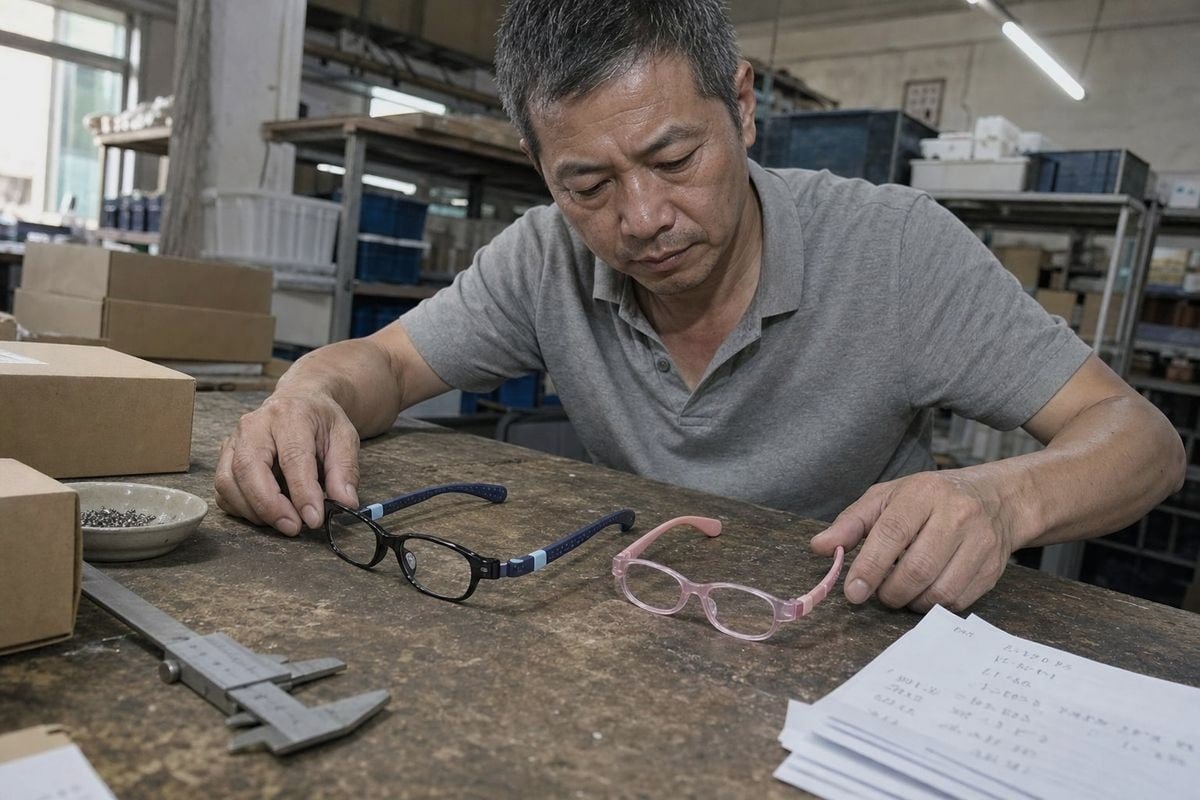
مقارنة خيارات المواد من الموردين لأطارات الأطفال البصرية تربك العديد من المشترين REACH 1. لقد شاهدت علامات تجارية تخسر موسمًا لأن أحد المفصلات انكسر في الاختبار. في خط إنتاجنا في تايتشو، نحل ذلك يوميًا.
لمقارنة خيارات المواد من الموردين لأطارات الأطفال البصرية، قم بمطابقة المادة مع عمر الطفل أولاً، ثم تحقق من تقارير الاختبار من طرف ثالث لكل مورد، واتساق الدُفعات، وجودة المفصلات، وسلامة الطلاء. قم بتقييم الموردين بناءً على الوثائق ومراقبة الجودة، وليس على سعر الوحدة وحده.
يبدو هذا الجواب بسيطًا. الجزء الصعب هو القيام به بالترتيب الصحيح. أدناه، سأستعرض سلامة المواد، وأسئلة الموردين، والاختبارات العملية، وكيف يشكل كل هذا علامتك التجارية. لنبدأ بسؤال المادة الذي يسأله المشترون لنا أكثر.
كيف أعرف ما إذا كان TR90 أو TPEE هو الخيار الأكثر أمانًا لمجموعة إطارات أطفالي؟
طلب مني مشترٍ من أستراليا ذات مرة ثني عينة مفصلة بزاوية 180 درجة عبر مكالمة فيديو. فعلت ذلك عشرين مرة. عادت مفصلة TPEE إلى وضعها في كل مرة، وقدمت طلبها الأول في ذلك الأسبوع.
لا يعتبر TR90 ولا TPEE أكثر أمانًا عالميًا؛ يعتمد الاختيار الصحيح على العمر. TPEE أكثر نعومة وأكثر تساهلاً، لذا فهو مناسب للأطفال الصغار جدًا. يوفر بلاستيك الذاكرة TR90 الهيكل بالإضافة إلى المرونة، مما يجعله الخيار الافتراضي الأكثر أمانًا وعملية للأطفال في سن المدرسة.
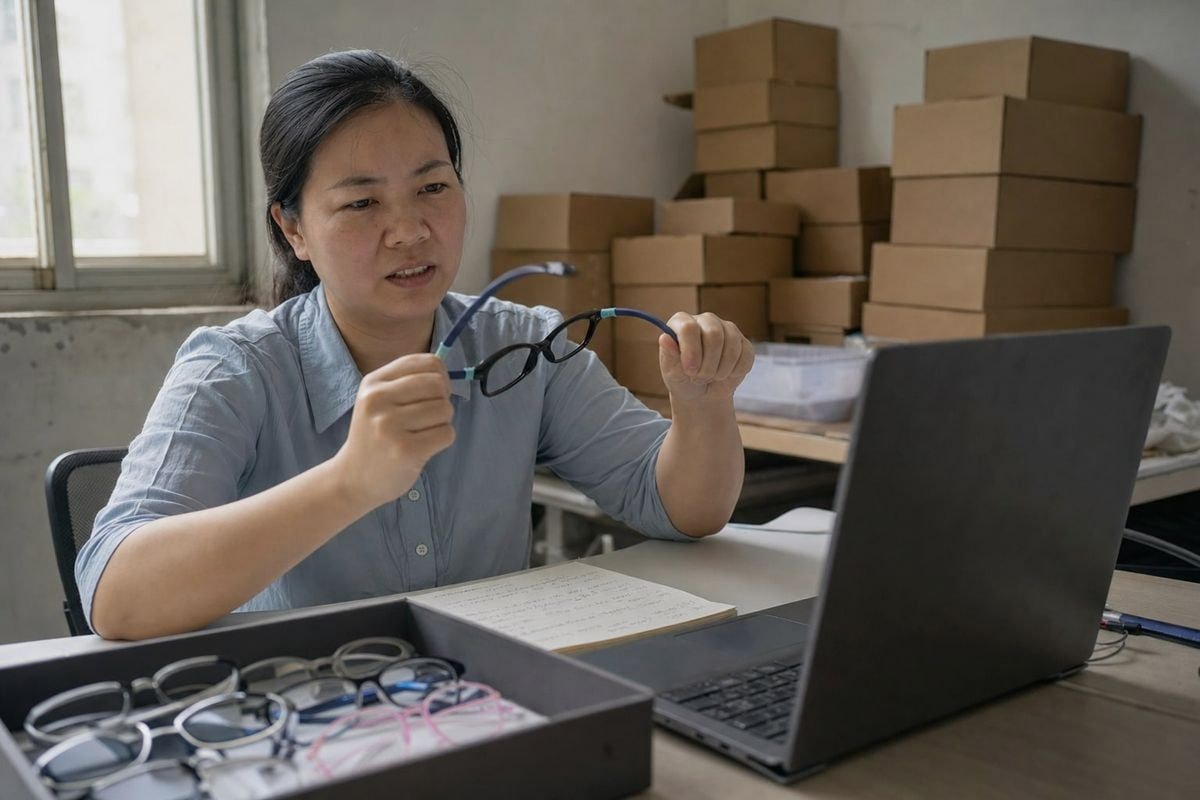
تتعلق السلامة في نظارات الأطفال حقًا بنمطي فشل. يمكن أن ينكسر الإطار ويخلق حافة حادة. أو يمكن أن يضغط الإطار بشدة ويسبب تهيجًا للجلد الصغير. يحل TR90 و TPEE كل من هذه المخاطر بطرق مختلفة، لذلك غالبًا ما نجمع بينهما.
قم بمطابقة المادة مع الفئة العمرية أولاً
يصمم مهندسونا العديد من الأساليب الهجينة: واجهة TR90 لثبات العدسة، مع إطارات مرنة من TPEE 2 أو مفصلات للنعومة حيث يلامس الإطار الوجه. أحد أنماطنا البصرية الشهيرة للأطفال يجمع بين واجهة TR90 لامعة ومفصلات مطاطية بلونين وأطراف مفصلات سيليكون، بالإضافة إلى خطافات أذن قابلة للتعديل لتناسب مانع للانزلاق أثناء اللعب. هذا المزيج ليس زخرفة. إنه هندسة مخاطر قائمة على العمر.
إليك المقارنة التي نشاركها مع المشترين:
| خاصية | بلاستيك الذاكرة TR90 | TPEE |
|---|---|---|
| الوزن النموذجي للإطار | 12-15 جرام | 10–14 جرام |
| المرونة | عالٍ؛ يعود إلى شكله بعد الالتواء | عالٍ جدًا؛ يشبه المطاط تقريبًا |
| خطر الكسر | منخفض جدًا | قريب من الصفر |
| تثبيت العدسة | ممتاز؛ يمسك البولي كربونات 3 بإحكام | جيد، أفضل مع واجهة منظمة |
| أفضل فئة عمرية | حوالي 3-16 سنة | حوالي 0-6 سنوات، أو كمفصلات ناعمة |
| راحة البشرة | جيد؛ ناعم وخفيف | ممتاز؛ ناعم على البشرة |
| خيارات التصميم | نطاق واسع من الألوان والتشطيبات | تفاصيل محدودة أكثر |
للسياق، تزن إطارات السيليكون حوالي 8-12 جرامًا وتناسب الأعمار من 0-4 سنوات، بينما الفولاذ المقاوم للصدأ المرن 4 يزن حوالي 14-18 جرامًا للأعمار من 7-16 سنة. لذا فإن القاعدة العملية هي: مواد ناعمة للأطفال الصغار، بلاستيك ذاكرة TR90 للأطفال في سن المدرسة، وخيارات منظمة أو معدنية فقط للأطفال الأكبر سنًا.
نقطة أخرى غالبًا ما يغفلها المشترون. يجب أن تأتي كلتا المادتين بخصائص مضادة للحساسية وشهادة خالية من BPA مدعومة بتقارير معملية، وليس مجرد ادعاء على ورقة مواصفات. يمكن أن يفشل بوليمر آمن من مصنع مهمل إذا كان الطلاء أو المفصلة أو الملون خاطئًا. هذا يقود مباشرة إلى أسئلة الموردين.
ما هي الأسئلة التي يجب أن أطرحها على الموردين للتحقق من شهادات سلامة المواد الخاصة بهم؟
المقايضة التي أزنها في أغلب الأحيان هي السرعة مقابل الإثبات. يريد المشتري عينات في غضون أسبوع، لكن التحقق الحقيقي يعني فحص تقارير الاختبار لكل مكون. في خبرتنا التي تمتد لـ 15 عامًا في تصدير نظارات الأطفال إلى أكثر من 20 دولة، فإن المشترين الذين يطرحون أسئلة صعبة مبكرًا يحصلون دائمًا على إطلاقات أسهل.
اطلب من الموردين تقارير اختبار حديثة من طرف ثالث من مختبرات معترف بها مثل SGS أو Intertek أو TÜV، وشهادات مواد لكل مكون، وإثبات امتثال خاص بالسوق مثل CPSIA و REACH، وعينات من دفعات إنتاج متعددة لتأكيد الاتساق.
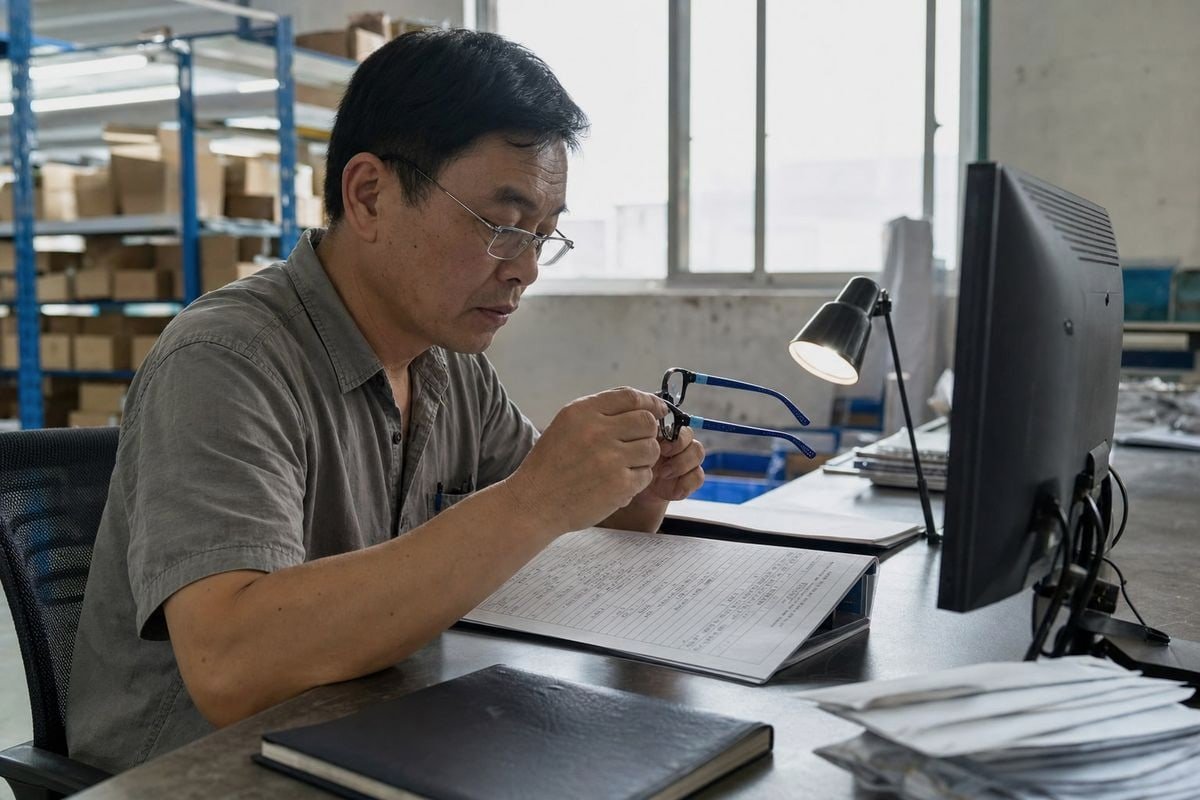
الشهادات سهلة الادعاء وسهلة التزييف. وظيفتك هي اختبار ما إذا كانت الأوراق تتطابق مع المنتج الذي أمامك. المصنع الجاد يتوقع هذه الأسئلة. شركة تجارية تعيد بيع مخزون غير معروف تتعثر عادة في هذه الأمور.
الأسئلة الدقيقة التي يجب إرسالها إلى المورد الخاص بك
- هل يمكنك مشاركة تقارير الاختبار من طرف ثالث بتاريخ لا يتجاوز آخر 12 شهرًا؟ قد تغطي التقارير القديمة دفعة راتنج مختلفة أو وصفة ملونة أقدم. تحقق من رقم التقرير مباشرة مع المختبر عند الإمكان.
- هل تغطي التقارير كل مكون؟ جسم الإطار، وسادات الأنف، وأطراف المفصلات السيليكونية، والمفصلات، والبراغي، والطلاءات كلها تلامس بشرة الطفل. واجهة TR90 آمنة لا تعني الكثير إذا كان طلاء طرف المفصلة يحتوي على الفثالات المقيدة 5.
- ما هي الأسواق التي تغطيها التقارير؟ قانون تحسين سلامة المنتجات الاستهلاكية 6 مهم للولايات المتحدة. معايير REACH و EN مهمة لأوروبا. ادعاءات "غير سامة" عامة ليست امتثالًا. اطلب الاستعداد للسوق المحدد، وليس ضمانات غامضة.
- هل يمكنك إظهار شهادة خالية من BPA ونتائج اختبار المعادن الثقيلة لدفعة الألوان الدقيقة المستخدمة في طلبي؟ تتغير الملونات بين الدُفعات. تتبع الدُفعات هو الاختبار الحقيقي لبروتوكولات مراقبة الجودة لدى المورد.
- ما هو فحص المواد الخام الواردة الذي تجريه؟ في ورشة العمل التي نديرها وفقًا لمعايير 5S، يتم فحص حبيبات TR90 و TPEE الخام مقابل شهادات المورد قبل دخولها مرحلة الإنتاج. اطلب من أي مصنع وصف نفس العملية. الإجابات الغامضة هي علامة تحذير.
- هل يمكنك تقديم وثائق معايير مقاومة الصدمات لمزيج الإطار والعدسة؟ يجب أن تكون عدسات الأطفال من البولي كربونات أو Trivex، ويجب أن يثبت حافة الإطار هذه العدسات السميكة الآمنة بإحكام. يجب التحقق من سلامة الإطار والعدسة معًا، وليس بشكل منفصل.
- ما هي مهل التصنيع بالجملة لديكم، وهل تتغير إذا طلبت اختبارات معملية قبل الشحن؟ الموردون الصادقون يدمجون وقت الاختبار في الجدول الزمني. الموردون الذين يعدون بمهل زمنية متطابقة مع أو بدون اختبار يخبرونك بشيء ما.
يخشى بعض المشترين أن تسيء هذه الأسئلة إلى المصنع. في تجربتي، يحدث العكس. المصانع التي تستثمر في الامتثال تفخر بالإجابة. أما تلك التي تتجنب فذلك يعني أنها لن تحمي علامتك التجارية على أي حال.
كيف يمكنني اختبار المرونة والمتانة قبل الالتزام بطلب بالجملة؟
في وقت مبكر من مسيرتي المهنية، تعلمت درسًا صعبًا. اجتازت عينة كل فحص مكتبي، لكن دفعة الإنتاج استخدمت برغي مفصلة مختلف قليلاً. تبع ذلك مرتجعات. منذ ذلك الحين، يعامل مصنعنا اختبارات مرحلة العينة كبروفة للإنتاج الضخم، وليس كإجراء شكلي أبدًا.
اختبر العينات عن طريق لف الأذرع 180 درجة، وثني الجسر بشكل متكرر، والتحقق من دورات المفصل بحثًا عن الارتخاء، ومقارنة العينات من دفعتين مختلفتين على الأقل. اطلب بيانات اختبار الالتواء ودورة المفصل الخاصة بالمورد، ثم تحقق منها باستخدام فحوصاتك العملية.
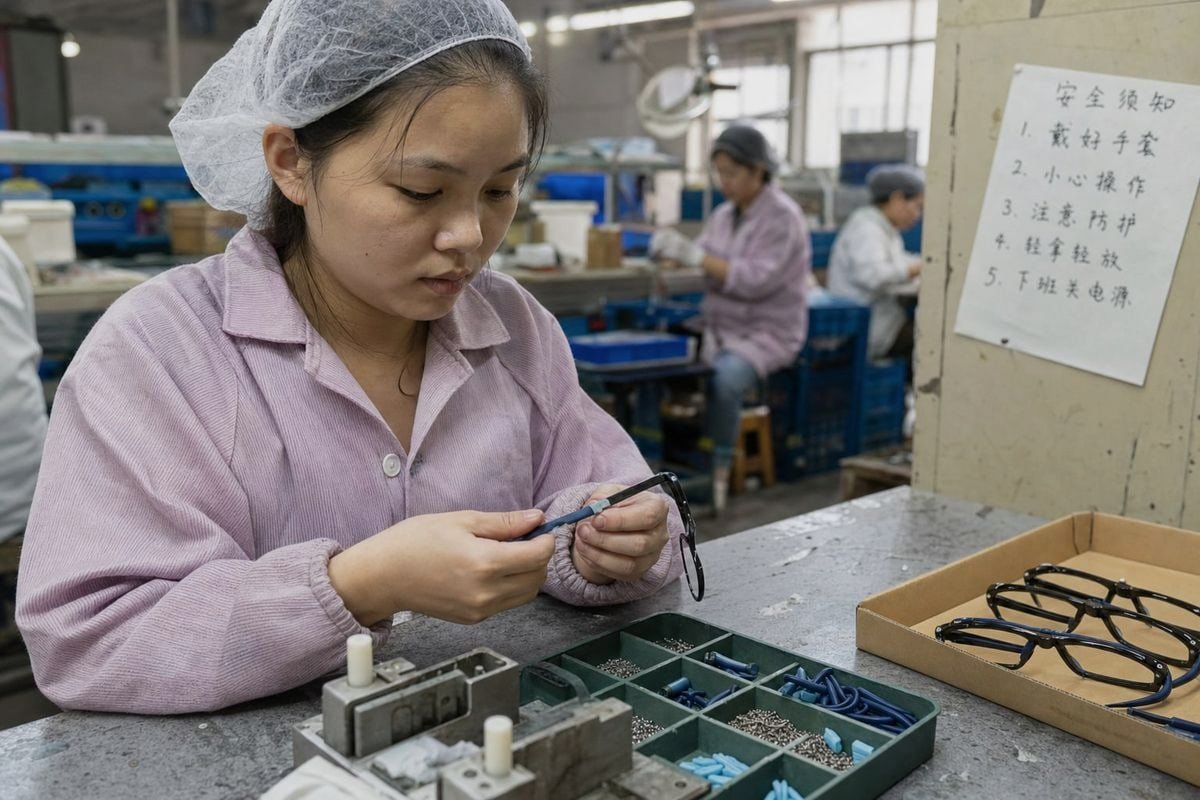
لا تحتاج إلى معمل لإجراء فحص أولي. تحتاج إلى روتين قابل للتكرار وعينات من أكثر من دفعة واحدة. الاتساق بين الدُفعات يتنبأ بمعدل العيوب لديك بشكل أفضل بكثير من عينة عرض مثالية واحدة.
روتين اختبار عملي عملي.
قم بإجراء كل فحص على كل عينة، وسجل النتائج جنبًا إلى جنب:
| اختبار | كيفية القيام بذلك | إشارة النجاح. |
|---|---|---|
| التواء الذراع. | قم بلف الذراع 180 درجة، 20 مرة. | تعود مسطحة، بدون تبييض أو تشققات. |
| مرونة الجسر. | افتح الأذرع بعيدًا عن عرض الارتداء العادي. | يعود الإطار إلى شكله الأصلي. |
| دورة المفصلة. | افتح وأغلق كل ذراع 200 مرة أو أكثر. | لا يوجد ارتخاء أو صرير أو اهتزاز. |
| اختبار السقوط. | أسقط من ارتفاع الطاولة على أرض صلبة، 5 مرات. | لا توجد تشققات، تبقى العدسات في مكانها. |
| تثبيت العدسة | اضغط على العدسات بقوة من الخلف. | لا تنفصل العدسات أو تتحرك. |
| فرك الطلاء. | افرك أطراف الذراع بقطعة قماش مبللة، 50 تمريرة. | لا يوجد انتقال لون أو تقشير. |
| فحص الحواف. | مرر طرف إصبعك على كل حافة ومسمار. | حواف مستديرة فقط، لا توجد نقاط حادة. |
اطلب بيانات الاختبار الخاصة بالمورد.
يقوم المصنع القادر بإجراء اختبارات متانة الإطار داخليًا ويمكنه أن يريك الأرقام. اطلب عدد دورات المفصلة. 7 ونتائج إجهاد الالتواء المعايرة للتعامل الخشن للأطفال، وليس أنماط ارتداء البالغين. الأطفال يعدلون، ويسقطون، ويجلسون على النظارات أكثر بكثير من البالغين. تحقق أيضًا من آليات المفصلات الزنبركية إذا كان الطراز يستخدمها؛ يجب أن تشعر المفصلة الزنبركية بزاوية 180 درجة بسلاسة عبر مئات الدورات، دون مقاومة خشنة.
أخيرًا، أصر على عينات من دفعتين أو أكثر قبل الإنتاج. عندما نطور لونًا مخصصًا للعميل، نرسل عينات الدُفعات بالضبط حتى يتمكن المشتري من تأكيد أن المرونة والتشطيب والملاءمة تظل ثابتة من دفعة إلى أخرى. إذا قاوم المورد إرسال عينات متعددة الدُفعات، فاعتبر ذلك إجابتك.
لماذا تؤثر اختيارات المواد على سمعة جودة علامتك التجارية على المدى الطويل لدى الآباء؟
أخبرني مشترٍ أوروبي ذات مرة شيئًا أكرره لفريقنا بأكمله: يغفر الآباء للعدسة المخدوشة، لكنهم لا يغفرون أبدًا للإطار الذي أذى طفلهم. هذه الجملة تشكل كيف نختار المواد لكل واحد من أنماطنا الموجودة البالغ عددها حوالي 800.
يقيّم الآباء علامة تجارية لنظارات الأطفال بناءً على ما إذا كانت الإطارات تتحمل الحياة الواقعية: اللعب الخشن، والسقوط، والالتواء اليومي. تحدد خيارات المواد معدلات الكسر والراحة وعمليات الإرجاع، لذا فإن المادة المناسبة تبني عمليات شراء متكررة وإحالات، بينما تدمر المادة الخاطئة الثقة بصمت.
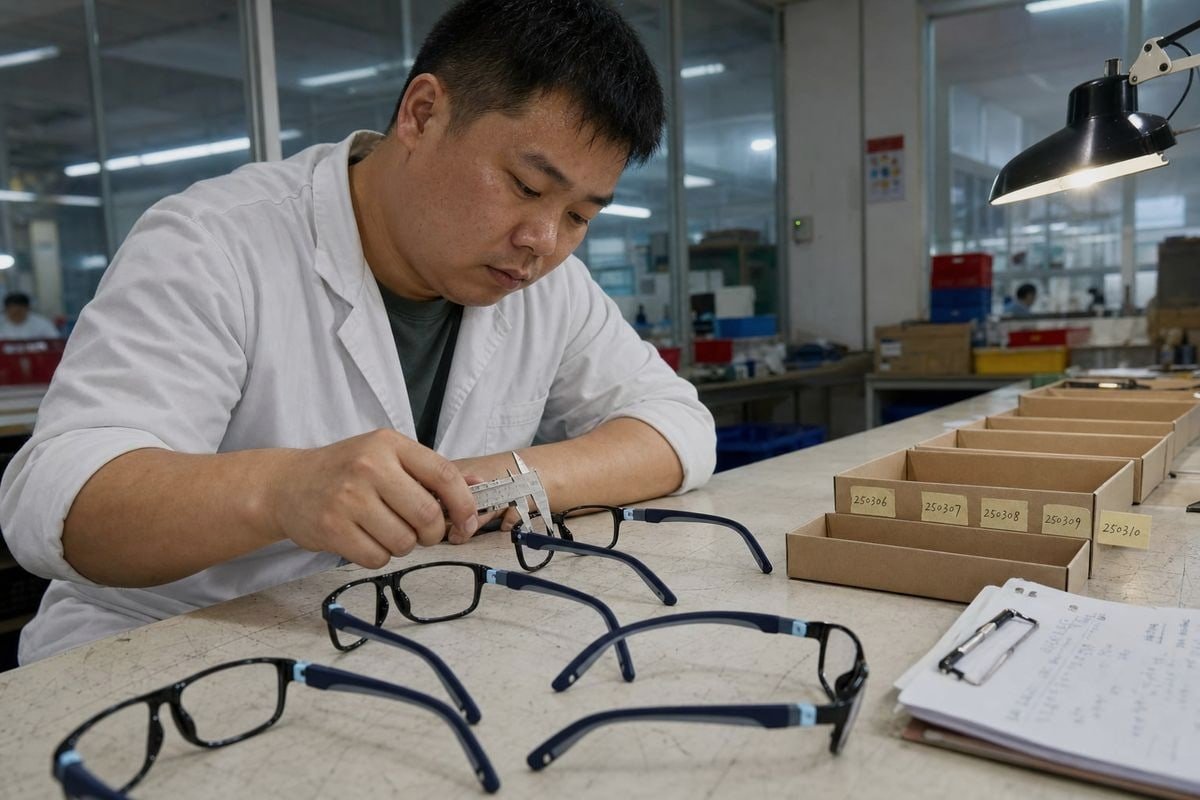
إطار الطفل هو منتج يُعاد شراؤه. يكبر الأطفال، وتتغير الوصفات الطبية، ويعود الآباء كل عام أو عامين. هذه الدورة المتكررة هي المكان الذي تتراكم فيه قرارات المواد لتصبح سمعة، سواء للأفضل أو للأسوأ.
كيف تظهر قرارات المواد في تجربة الوالدين.
فكر في سلسلة السبب والنتيجة:
- الوزن يقود الامتثال للارتداء. الإطار الثقيل ينزلق على جسر أنفي غير مكتمل النمو. يدفع الطفل النظارة لأعلى طوال اليوم، ثم يرفض ارتدائها. التصميم المريح خفيف الوزن ليس رفاهية في نظارات الأطفال؛ إنه يحدد ما إذا كانت النظارات تُرتدى على الإطلاق.
- المرونة تقود معدلات الكسر. الإطارات التي تتحمل الالتواء والسقوط تعني مطالبات ضمان أقل، ومراجعات غاضبة أقل، واسترداد أموال أقل تلتهم هامشك.
- راحة الجلد تقود الرضا اليومي. المواد ذات الخصائص المضادة للحساسية الحقيقية، بالإضافة إلى أطراف الذراع المصنوعة من السيليكون الناعم، تمنع العلامات الحمراء خلف الأذنين التي تجعل الآباء يلومون علامتك التجارية، وليس الملاءمة.
- قابلية الإصلاح تدفع القيمة المدركة. يقدم الموردون أجزاءً معيارية، حيث يمكن استبدال الصدغين أو الجسور بشكل مستقل، مما يساعد الآباء على إطالة عمر الإطار وتذكر علامتك التجارية بلطف.
- يحدد التموضع مستوى المواد. إذا كنت تبيع خط أزياء فاخر للأطفال الأكبر سنًا،, أسيتات السليلوز الحيوي مقابل العادي 8 فالجودة مهمة، والأسيتات الحيوية الخالية من الفثالات تلبي الطلب المتزايد من الآباء على المواد المستدامة. إذا كنت تبيع إطارات يومية نشطة، فإن TR90 مع الصدغين المصنوعين من TPEE عادةً ما يقدم قصة المتانة التي يدفع الآباء مقابلها بالفعل.
هنا اعتراض شائع: "المواد الأرخص تسمح لي بتسعير أقل وبيع المزيد." هذا يعمل مرة واحدة. في منتجات الأطفال، يكون هامش الخطأ أقل بكثير منه في إطارات الموضة للبالغين. مفصل مكسور في الشهر الثاني يكلفك ثلاثة مشتريات عائلية تالية وكل إحالة كانوا سيقدمونها. يقدم بعض الموردين الآن حتى معالجات سطحية مضادة للميكروبات لتقليل تراكم البكتيريا من التعامل مع الملعب، مما يمنح الآباء سببًا إضافيًا للثقة في المنتج. الخيار الأذكى يتماشى مع السلامة والامتثال وتموضع العلامة التجارية، وليس أعلى أو أدنى نقطة سعر.
الخلاصة
قارن المواد حسب ملاءمة العمر أولاً، ثم قم بتأهيل الموردين بناءً على الشهادات واتساق الدُفعات وانضباط الاختبار. اختر مزيج المواد والمورد الذي يحمي الأطفال وعلامتك التجارية معًا.
ملاحظات ختامية
لائحة السلامة الكيميائية للاتحاد الأوروبي المشار إليها كمعيار امتثال لأسواق النظارات الأوروبية. ↩︎
مورد رابطة الصناعة يشرح مواد المطاط الصناعي الحراري مثل TPEE المستخدمة في النظارات. ↩︎
معلومات أساسية عن البولي كربونات، مادة العدسة المقاومة للصدمات الموصى بها لنظارات الأطفال. ↩︎
معلومات أساسية عن خصائص الفولاذ المقاوم للصدأ ذات الصلة بجدول مقارنة مواد الإطار. ↩︎
يشرح مورد وكالة حماية البيئة المخاطر الصحية للفثالات، الخطر الكيميائي المذكور في فحوصات سلامة الطلاء. ↩︎
لائحة أمريكية رسمية تنظم امتثال سلامة منتجات الأطفال المشار إليها للاختبار الخاص بالسوق. ↩︎
روابط إلى ISO، هيئة المعايير ذات الصلة بمنهجية اختبار المتانة ودورة المفصل. ↩︎
يشرح مادة الأسيتات المشار إليها لتموضع الإطار الفاخر ومطالبات الاستدامة. ↩︎
مقالات أخرى قد تعجبك
هل تبحث عن شريك موثوق به للنظارات للأطفال؟
استكشف أكثر من 800 نمط جاهز ودعم OEM/ODM كامل مصمم خصيصًا لعلامتك التجارية.
اتصل بنا English
  Español de México
  Deutsch
  Français
  日本語
日本語  العربية
  Português do Brasil