子供用サングラスを選ぶ際に最もよくある誤解は何ですか?
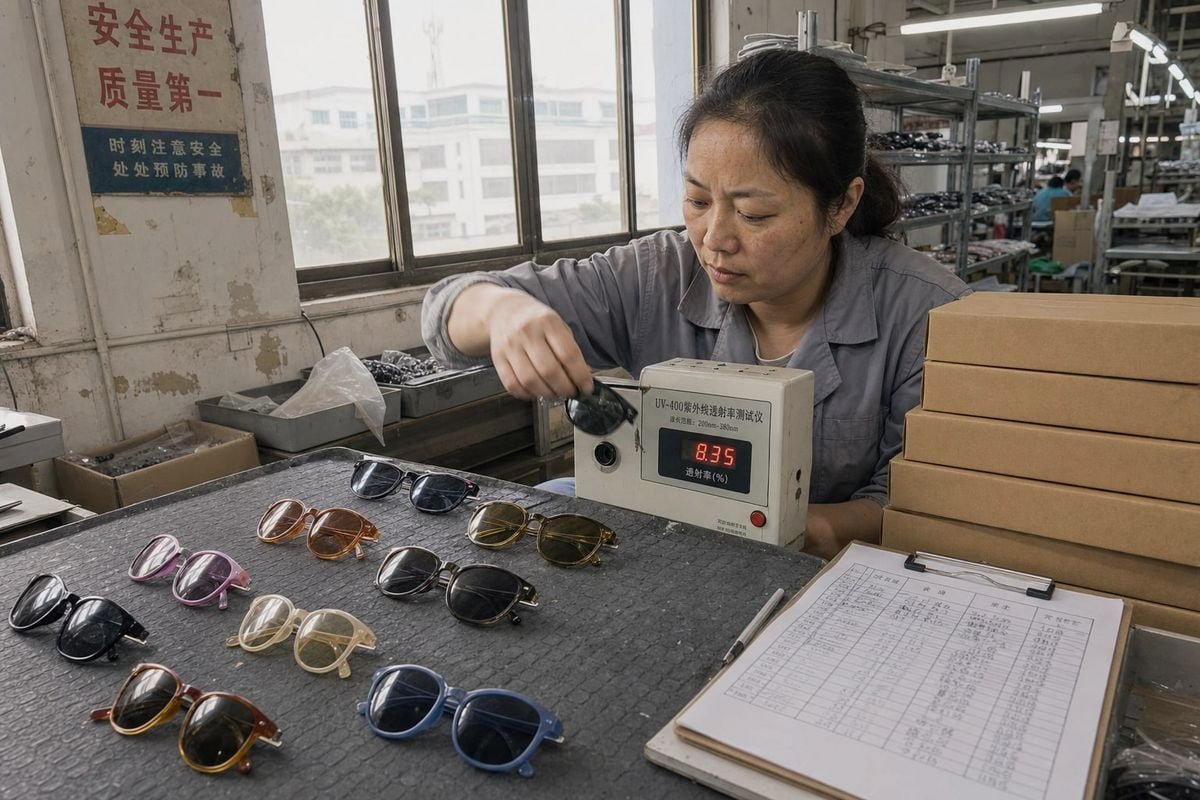
子供用サングラスを選ぶのは簡単そうに見えますが、UVテストで不合格となる出荷品が出てくるまでです 優れた記憶力を持つ熱可塑性プラスチック 1. テイシュウにある私たちの生産ラインでは、注文後に高額な代償を払ってその教訓を学ぶバイヤーを見てきました。.
子供用サングラスを選ぶ際に最もよくある誤解は、レンズが暗いほどUVをより多くブロックする、価格が高いほど安全性が保証される、偏光は保護と同義である、そしてすべての柔軟なフレームは同じように機能するということです。実際に重要なのは、検証されたUV400保護、適切なカバレッジ、子供に安全な素材、そして快適で耐久性のあるフィット感です。.
これらの神話はブランドに損失を与え、子供たちの目を危険にさらします。工場でのテストやバイヤーとの会話で日々目にしていることを使って、それぞれを説明しましょう。.
子供用サングラスの価格が高いほど、紫外線防止効果も高いと思い込むのはなぜでしょうか?
ヨーロッパのある調達マネージャーは、私たちの見積もりが「安全すぎるにはあまりにも合理的だ」と感じたため、拒否したと私に語りました。その会話は、私たちの業界で価格の神話がいかに深く根付いているかを教えてくれました。.
子供用サングラスの価格が高くても、UVカット効果が高いとは限りません。UV400保護はレンズ素材とコーティングによって得られるもので、正しく製造するためのコストはごくわずかです。価格は通常、ブランド、スタイル、利益率を反映しているため、購入者はコストを安全の目安にするのではなく、レンズの認証を確認する必要があります。.
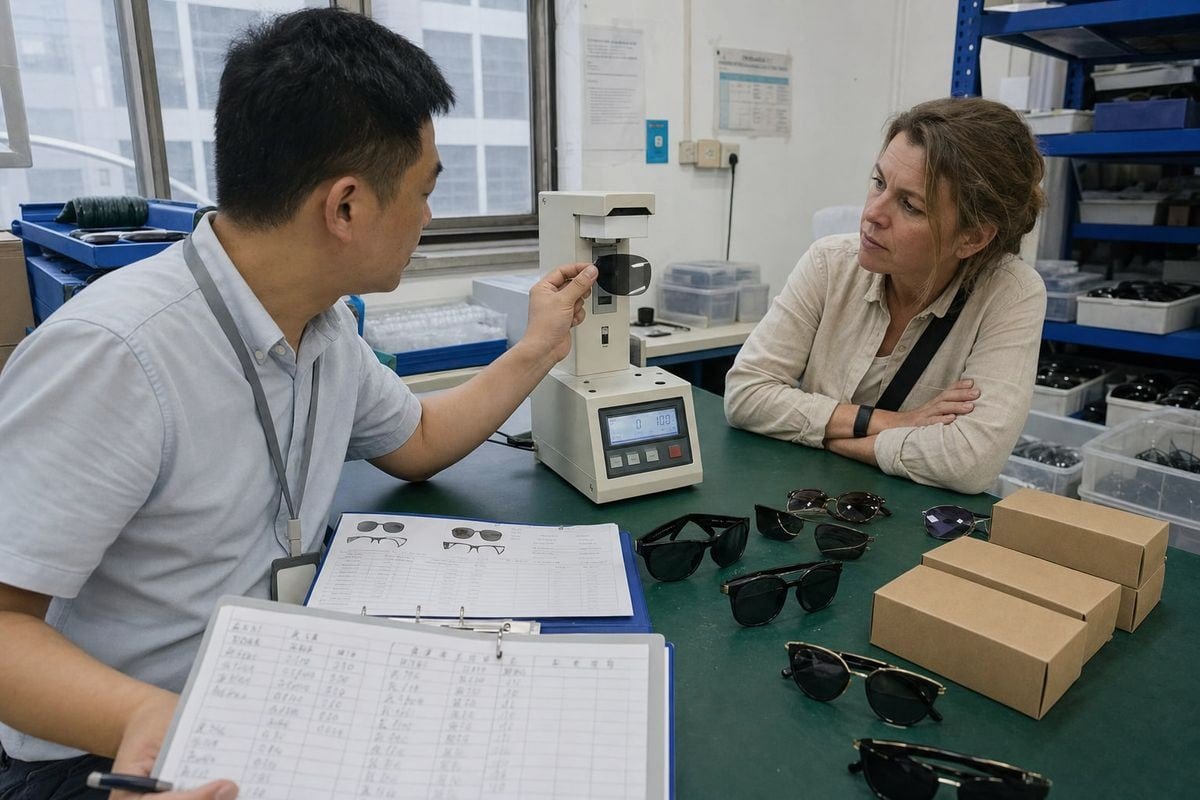
混乱は理解できます。ほとんどの製品カテゴリでは、より多く支払うほど品質が向上します。しかし、UV保護は異なります。ポリカーボネートまたはTACレンズに本物の UV400フィルタリング 2 は高価な部品ではありません。私たちの工場では、ほぼすべての価格帯のスタイルにUV400レンズを取り付けていますが、レンズブランク自体が材料費の中で最も安価な部分の1つだからです。価格を押し上げるのは、通常、フレーム素材、ヒンジの品質、パッケージング、ブランドポジショニングであり、UVフィルターではありません。.
バイヤーにとっての危険はここにあります。価格が保護と同義であると思い込むと、適切なテストを省略したスタイリッシュな大人向けブランドの模倣品に過払いしてしまうか、認定された手頃な価格のオプションを却下してしまう可能性があります。どちらの間違いもあなたのブランドを傷つけます。.
価格は何に支払われるのか
| コストドライバー | UV保護に影響しますか? | あなたのブランドに影響しますか? |
|---|---|---|
| UV400レンズコーティング/素材 | はい — しかし低コスト | 安全性の主張に不可欠 |
| フレーム素材(TR90、TPEE) | いいえ | はい — 快適さと耐久性 |
| ヒンジとハードウェア | いいえ | はい — 製品寿命 |
| パッケージングとプレゼンテーション | いいえ | はい — 小売での魅力 |
| ブランド名とマーケティング | いいえ | ポジショニングによります |
推測ではなく検証する方法
認識されている基準に対するレンズテストレポートをサプライヤーに依頼してください。サンプルをリクエストし、独立した UV透過テスト 3 を実施してください。大量生産の前。アイウェア業界での15年間の経験の中で、真剣なバイヤーは常にテストを行っており、良い工場はそれを歓迎します。第三者による検証を拒否するサプライヤーは、請求額に関係なく、重要なことを伝えています。.
really は本当に必要ですか、それともお客様が必要としない機能にお金を払いすぎているのでしょうか?
バイヤーは、新しいコレクション全体で偏光レンズと標準的なUV400レンズのどちらを使用すべきか、頻繁に私に尋ねます。私の正直な答えは常に同じです。子供たちがどこでどのように着用するかによります。.
偏光は紫外線対策に必須ではありません。反射面(水面、雪面、路面など)からのまぶしさを軽減するだけです。UV400保護こそが真の安全要件です。偏光レンズは、ビーチ、ボート、スキーなどの使用で快適さを増しますが、非偏光のUV400レンズでも目の保護は同等に優れています。.
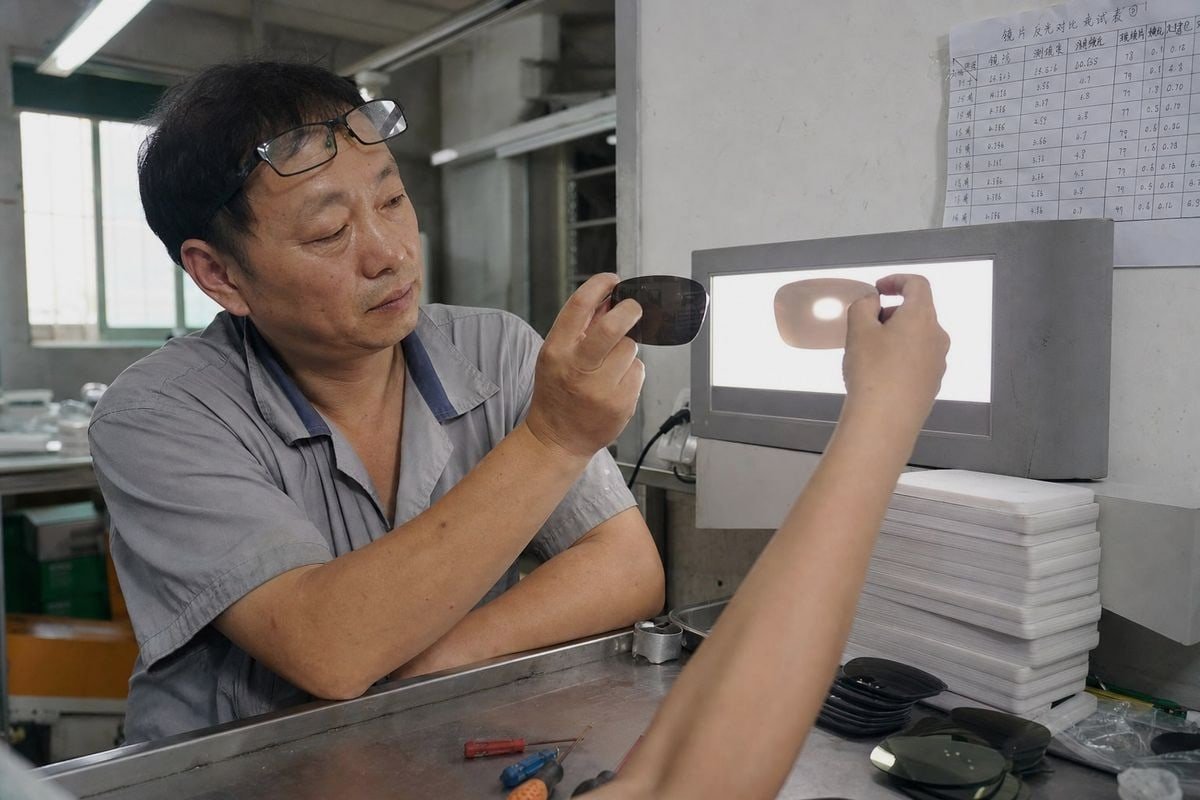
ここでの最大の誤解は、両方向に作用します。一部の親は、「偏光」は「UV保護」の同義語であると信じています。そうではありません。偏光は、水平方向の 反射光波 4. をブロックするフィルターです。レンズにUVコーティングが含まれていない限り、紫外線放射とは関係ありません。. UV400処理のない安価な偏光レンズ まぶしさを軽減しながら有害な光線を通してしまう — むしろ何もないより悪いかもしれない。なぜなら、暗く快適な視界は瞳孔を散大させ、より多くの紫外線を吸収させるからだ。.
一方で、一部のバイヤーは偏光を完全にまやかしとして却下します。それも間違いです。水辺、雪上、または明るい沿岸環境で時間を過ごす子供たちにとって、まぶしさの軽減は視覚的な快適さを真に向上させ、目を細めるのを減らします。私たちは、偏光レンズと標準的なUV400レンズの両方のオプションを提供しています。なぜなら、異なる市場が異なる仕様を必要とするからです。オーストラリアのビーチライフスタイルブランドと日本の都市通勤ブランドは、同じレンズパッケージを注文すべきではありません。.
偏光レンズがその価値を発揮するとき
| ユースケース | 偏光は価値があるか? | 理由 |
|---|---|---|
| ビーチ、湖、ボート | はい | 水は強いまぶしさを反射する |
| スキー、雪遊び | はい | 雪は最大80%の紫外線とまぶしさを反射する |
| 毎日の学校や公園での使用 | オプション | UV400 alone covers safety |
| Budget promotional lines | Usually no | UV400 delivers the core protection |
My recommendation to buyers
Position polarization as a comfort upgrade in your product tiers, not as your safety claim. Put "100% UV400 protection" on every SKU. Then offer polarized versions for outdoor-focused lines where the price premium makes sense to the end customer.
子供向けの柔軟なフレームはすべて同じ安全性と快適性を提供すると考えるのは間違っていますか?
During a materials trial a few years back, our engineers bent two visually identical frames five hundred times each. One returned to shape perfectly. The other developed a stress-white crack at the hinge. Same look, completely different polymer.
すべての柔軟なフレームが同じではありません。素材の選択が実際の安全性と快適さを決定します。TR90は軽量な強度と形状記憶を提供し、TPEEはテンプルに最適な柔らかくゴムのような柔軟性を加えます。安価なPVCや汎用のプラスチックフレームは一度曲がるとひび割れたり、壊れたり、時間の経過とともに安全でない添加物を溶出したりする可能性があります。.
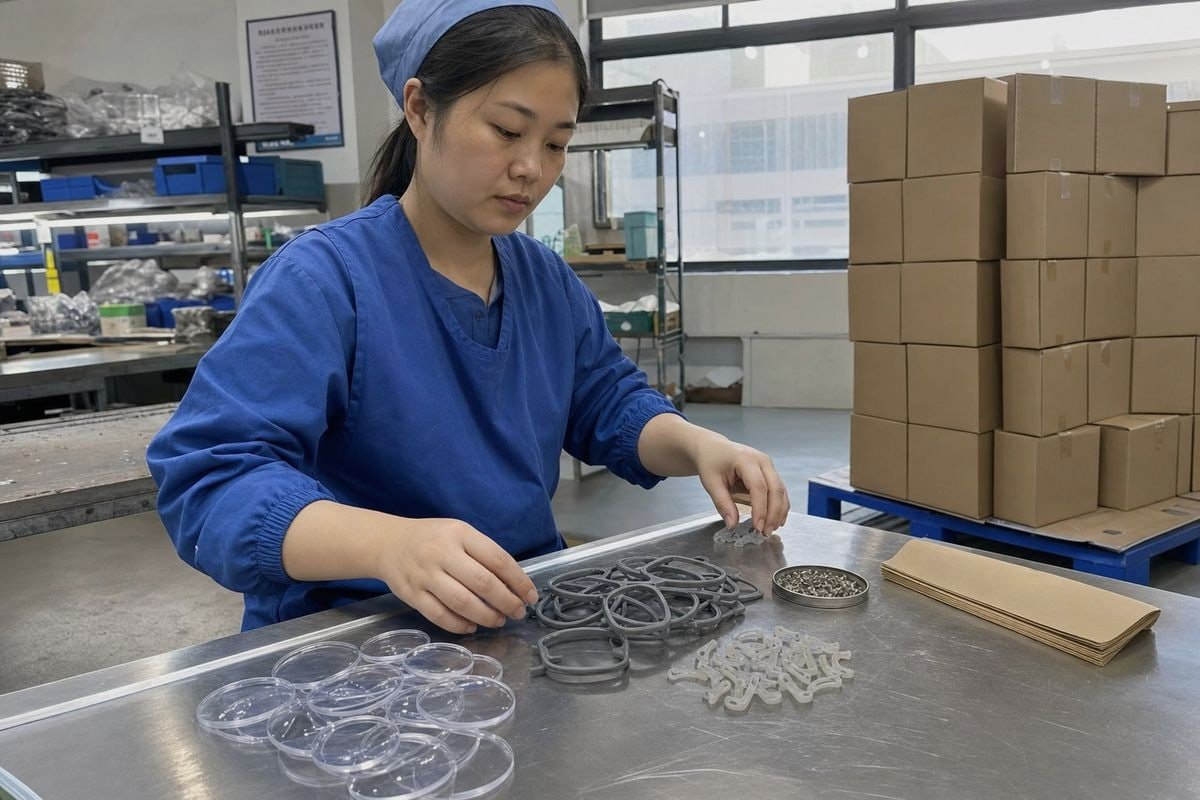
"Flexible" has become a marketing word, and that worries me. A frame that bends in a product photo tells you nothing about how it behaves after six months of a toddler pulling it, sitting on it, and dropping it on playground concrete. The polymer science underneath is what separates a safe children's frame from a liability.
We build most of our children's frames in TR90 and TPEE 5 for specific reasons. TR90 is a thermoplastic with excellent memory — it flexes and returns to its original shape without micro-cracking. TPEE is softer and more elastic, which is why we often pair a TR90 front with TPEE temples: the front holds the lenses securely, while the temples flex gently around a child's head without pressure points behind the ears. Both materials are lightweight and environmentally friendly, which matters increasingly to brands in Europe, Japan, and Australia.
How common frame materials compare for kids
| 素材 | 柔軟性 | 中程度から重い | Break resistance | Child-safety suitability |
|---|---|---|---|---|
| TR90 | High, with shape memory | 非常に軽い | 素晴らしい | 素晴らしい |
| TPEE | Very high, rubber-soft | 非常に軽い | 素晴らしい | Excellent, ideal for temples |
| Standard PC/plastic | 低 | 中程度 | Moderate — can snap | 普通 |
| Cheap PVC/novelty plastic | Varies, degrades fast | 中程度 | Poor — sharp break edges | 悪い |
Questions to ask your supplier
- Which exact polymer is used for the front and the temples?
- Can you provide bend-test and drop-test results?
- Are the materials free of harmful plasticizers and compliant with children's product regulations 6 in my market?
- How does the frame perform after temperature cycling — hot cars, cold winters?
A frame that answers all four questions well is a frame you can put your brand name on with confidence.
スタイリッシュなデザインだからといって、アクティブな子供たちにとって十分安全だという意味になるのでしょうか?
Looking at our own catalog of roughly 800 styles, I can tell you that the sporty wraparound shields and the cute round two-tone frames sell for very different reasons — and neither design language guarantees safety by itself.
いいえ — スタイルは決して安全を保証するものではありません。スタイリッシュなデザインでも、レンズのカバレッジ、耐衝撃性、またはフィット感で失敗する可能性があります。アクティブな子供向けの安全なサングラスには、デザインがどれほどファッショナブルに見えるかに関係なく、耐衝撃性レンズ、しっかりとラップアラウンドまたは適切にフィットするカバレッジ、柔軟なスナップしないフレーム、および検証済みのUV400保護が必要です。.
Style and safety are not enemies, but they are separate checklists. A mirrored gradient shield lens on a black sport frame looks fast and futuristic. A periwinkle-and-mint round frame looks adorable on a five-year-old. Both can be genuinely safe — or genuinely dangerous — depending on what sits underneath the styling.
Consider what "active kids" actually do. They run into things. They fall off bikes. They catch balls with their faces. A lens that shatters into sharp fragments under impact is a hazard no design can excuse. That is why impact-resistant polycarbonate 7 lenses and standards like ANSI Z80.3 matter far more than the color story. It is also why we favor a wraparound silhouette for sport styles: the curved shield shape is not just aesthetic — it blocks UV and debris from entering at the sides, where standard flat frames leave gaps.
The style-versus-safety audit
When we develop a new style with a buyer, we run it through this sequence:
- Lens material — impact-resistant polycarbonate or equivalent, never brittle acrylic.
- UV specification — UV400 confirmed by test report, not by tint darkness.
- Coverage — does the lens shape shield the eyes from above and the sides?
- Frame behavior on impact — flex and absorb, or snap with sharp edges?
- Fit retention — does it stay in place during running and jumping?
- Only then — colorway, finish, mirror coating, and packaging.
Notice that style comes last, not first. The best children's eyewear passes every safety gate and still looks good enough that kids actually want to wear it. That last point is quietly critical: sunglasses a child refuses to wear protect nothing. So design is a safety tool too — just never a safety proof.
結論
Tint, price, polarization labels, and cute designs all mislead buyers. Verify UV400, demand real material specs, and test before ordering — that is how we build kids' sunglasses worth trusting.
脚注
1. Background reference explains thermoplastic properties like flexibility and shape memory used in TR90 frames. ↩︎
2. WHO explains UV radiation risks, supporting the claim that UV400 filtering is a critical safety factor. ↩︎
3. ISO sets international testing standards buyers reference for lens UV transmission verification. ↩︎
4. Background on wave polarization clarifies why glare-filtering differs from UV protection. ↩︎
5. Background on thermoplastic elastomers explains flexibility properties of frame materials. ↩︎
6. CPSC oversees U.S. children’s product safety regulations relevant to sunglasses compliance. ↩︎
7. Polycarbonate is the standard impact-resistant lens material referenced for child safety. ↩︎



 English
  Español de México
  Deutsch
  Français
  日本語
日本語  العربية
  Português do Brasil