子供用サングラスパッケージの圧縮抵抗と落下保護のテスト方法
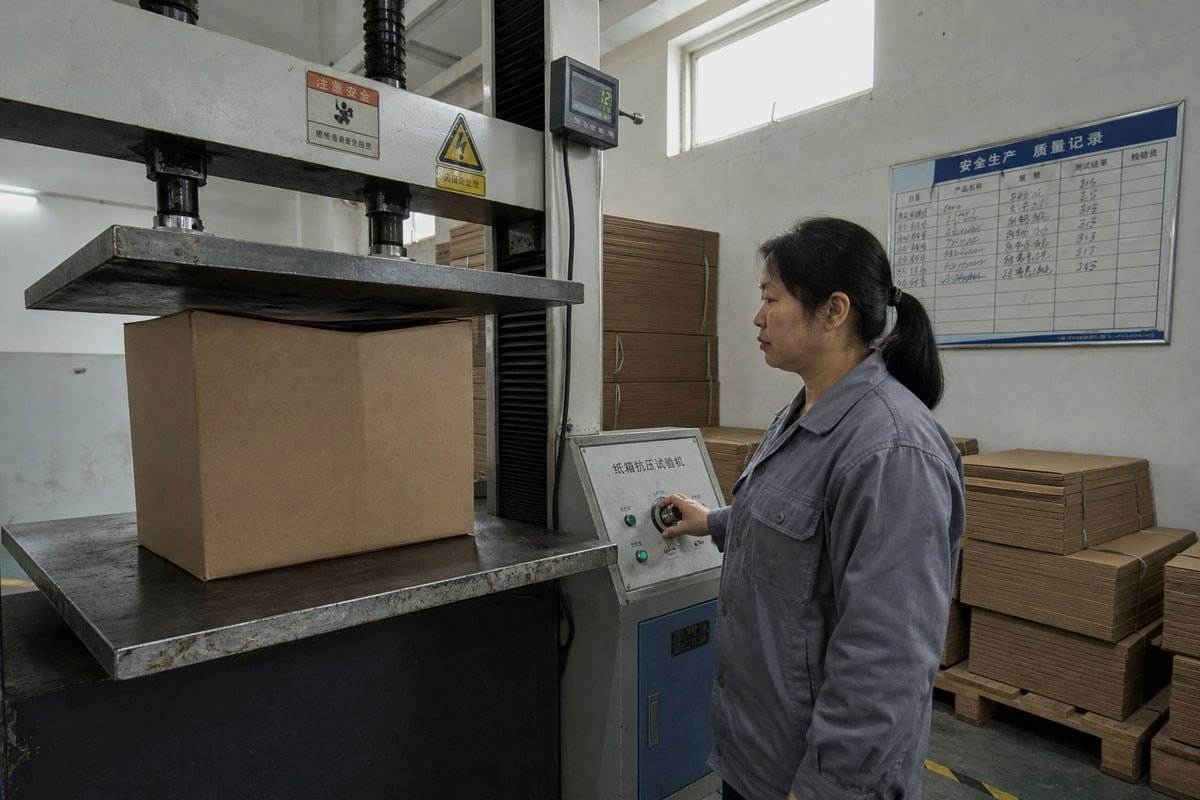
子供用サングラスパッケージの圧縮抵抗と落下保護は、バイヤーが常に過小評価している問題です。台州の生産ラインでは、1つの潰れたカートンが全体の発売を台無しにする可能性があります。.
ISO 12048またはASTM D642に準拠した箱圧縮試験で圧縮抵抗を試験し、ASTM D5276またはISTA 3Aに準拠した多方向落下試験で落下保護を検証します。常に充填された最終的な梱包材を試験し、その後、箱と内部のサングラスの両方に損傷がないか検査してください。.
それが短い答えです。次に、各テストがどのように機能するか、どの基準が重要か、そして出荷前にサプライヤーが実際にそれらを実行していることを確認する方法を説明します。.
子供用サングラスのパッケージの圧縮抵抗をチェックするには、どのような基準またはラボテストを使用すればよいですか?
オーストラリアのバイヤーから、サンプルは頑丈に見えたのに、ディスプレイボックスが平らになって届いたのはなぜだと尋ねられたことがあります。答えは簡単でした。カートンの積載強度が測定されたことはありませんでした。.
ISO 12048、ASTM D642、またはDIN 55440-1に基づくボックス圧縮試験(BCT)を使用して、カートンが破損する前に耐えられる最大の垂直荷重を測定します。段ボールの縁圧縮試験と、ASTM D4332による大気予備調整で、実際の湿度暴露をサポートします。.
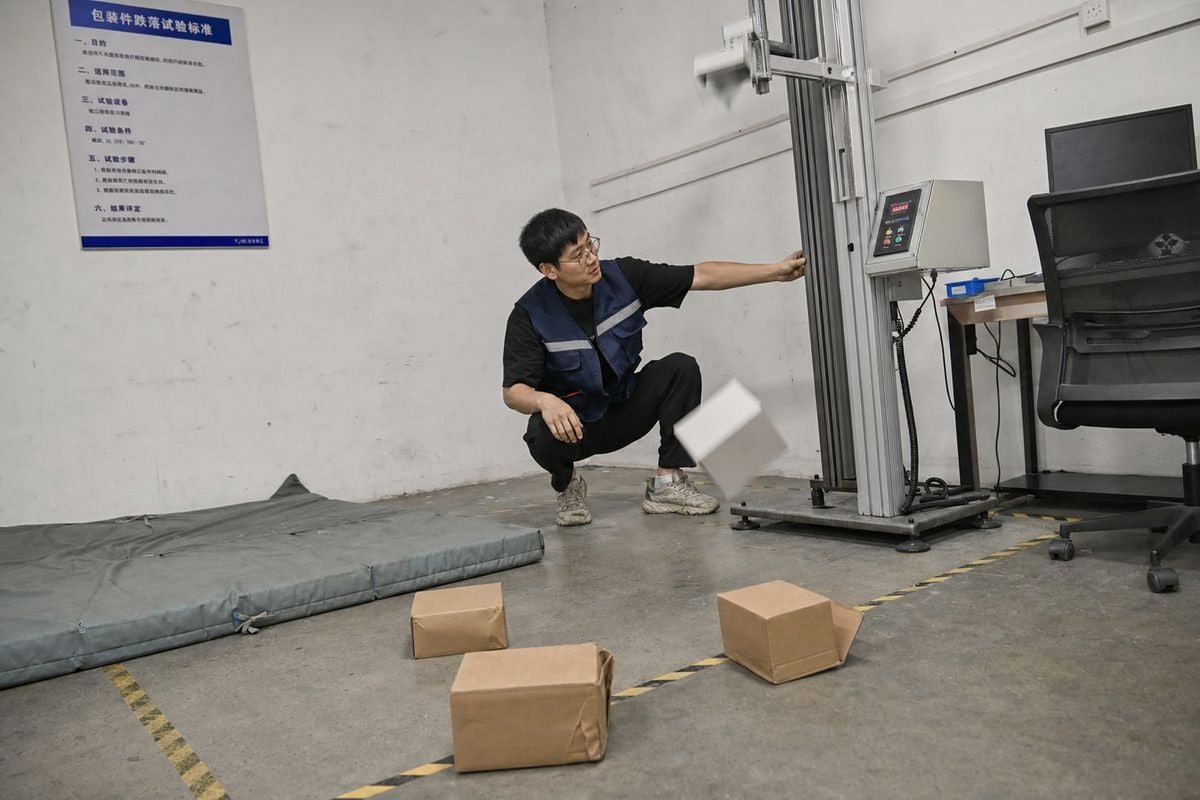
圧縮抵抗は技術的に聞こえますが、その概念は単純です。マスターカートンは、倉庫、コンテナ、パレットに積み重ねられます。下の箱は、その上にあるすべてのものの重さを支えます。それらがたわむと、中の小売ボックスが変形し、その箱の中のサングラスがずれたり、傷がついたり、割れたりする可能性があります。したがって、圧縮テストは、パッケージが変形または崩壊する前にどれだけの垂直力を受けられるかを測定します。.
最も重要な2つのテスト
子供製品証明書 エッジクラッシュテスト(ECT) 1 は、原材料の段ボールをチェックします。それは、ボード自体の垂直強度を示します。 ボックス圧縮テスト 2 は、完成した組み立て済みの箱をチェックします。カートンを2つの平らなプラテンの間に置き、一定の速度(通常は約10 mm / min)で押し下げ、箱が破損するか、所定の制限に達するまで行います。20か国以上に子供用アイウェアを輸出してきた経験から、両方が必要です。構造や接着が悪いと、良いボードでも弱い箱になる可能性があります。.
主な基準の概要
| 標準 | 対象範囲 | 子供用アイウェアにとってなぜ重要なのか |
|---|---|---|
| ISO 12048 | 圧縮および積載された完全な輸送パッケージ | 空の箱ではなく、実際の輸送シナリオをテストします |
| ASTM D642 | 輸送コンテナおよびユニット荷重の圧縮抵抗 | 輸出カートンで最も広く受け入れられているBCT方法 |
| DIN 55440-1 | 定義された速度とサンプルサイズでのボックス圧縮手順 | ヨーロッパのバイヤー仕様で一般的に参照されます |
| ASTM D4332 | テスト前の大気条件付け | 湿度は、紙ボードの強度を劇的に低下させる可能性があります |
一般的な手順の1つは、サンプルごとに10個の箱を使用し、一定のプラテン速度で、テスト後の目に見える損傷の検査を行います。結果は、ニュートン単位の最大力とピーク負荷での変形距離として報告されます。しかし、私の正直なアドバイスは次のとおりです。生の数値よりも解釈の方が重要です。1つの質問をしてください。このカートンは、中のサングラスを損なうことなく、実際の積載高さ、実際の輸送湿度で生き残ることができますか?サンプルを最初にコンディショニングすることは不可欠です。乾燥したラボでテストされたカートンは、赤道を横断する湿ったコンテナで強度が大幅に失われる可能性があるためです。持続可能性のためにモールドパルプインサートを使用する場合は、圧縮クリープについても尋ねてください。パルプは湿った小売環境で数週間かけてたわみ、製品がずれる可能性があるためです。.
梱包材が内部のフレームを確実に保護するように、実際の配送時の落下をシミュレートするにはどうすればよいですか?
アイウェア業界で15年間働いてきた初期の頃、私たちはあらゆる積載チェックに合格した素敵なリジッドギフトボックスを出荷しましたが、宅配便の営業所で単一のコーナー落下で失敗しました。その教訓が今日のテスト方法を形作りました。.
ASTM D5276またはISTA 3Aに準拠した多方向落下試験で、梱包されたパッケージを定義された落下試験高さからすべての面、エッジ、コーナーに落下させて、輸送中の落下をシミュレートします。その後、パッケージを開封し、サングラスに傷、ヒンジの損傷、フレームの変形がないか検査します。.
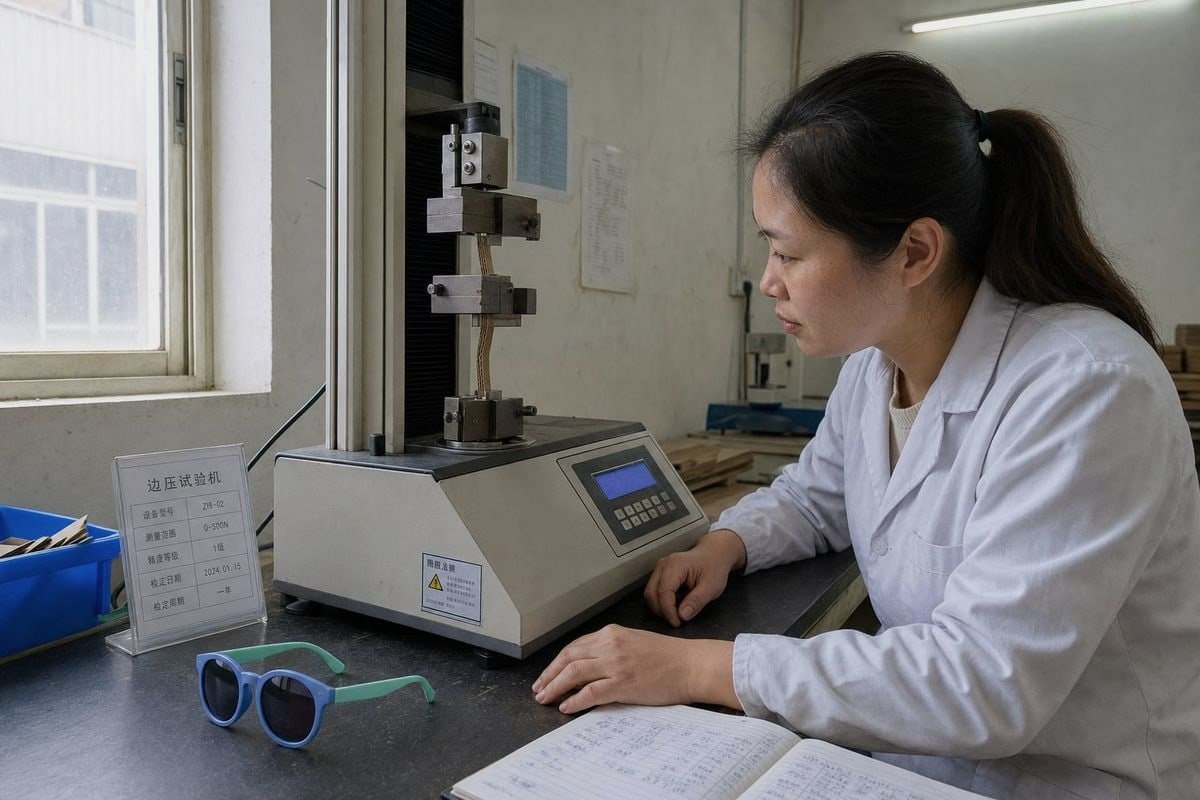
落下テストは、圧縮テストとは異なる質問に答えます。圧縮は持続的な負荷をチェックします。落下テストは突然の衝撃をチェックします。どちらも重要であり、一方に合格しても他方については何も言えません。特にeコマースでは、, ISTA 3A 3 テストは、小包配送環境での衝撃、振動、取り扱いによる乱用をシミュレートするため、ベンチマークとなります。ASTM D5276は、自由落下方法自体を定義し、 ASTM D4169 4 は、商品が混合ルートで移動する場合の流通サイクルのより広範なフレームワークを提供します。.
適切な落下シーケンスの仕組み
- 充填されたパッケージを標準温度および湿度にコンディショニングします。.
- パッケージの重量と選択した標準または配布プロファイルに基づいて、落下テストの高さを設定します。.
- 定義されたシーケンスでパッケージを落下させます:各面、エッジ、コーナーに平らに。コーナーへの衝撃は最も厳しく、最も省略されがちです。.
- プロトコルが要求する場合、落下を繰り返します。実際の小包が一度だけ落下することはめったにないためです。.
- すべてのパッケージを開き、箱だけでなく、中のサングラスを検査します。.
子供用サングラスの場合、落下後に確認する破損モードは具体的です。レンズの傷、フレームからレンズが外れる、ヒンジの損傷、フレームの変形、装飾部品の緩み。最後のものには強調が必要です。衝撃後、プラスチックの窓、ホチキス、またはトリムピースが箱の中で外れていないことを確認するために小部品チェックを実行します。子供用製品で解放された小部品は実際の危険であるためです。一部の高度なラボでは、高速度カメラを使用して、クッション材にもかかわらずサングラスが外箱の壁に「底打ち」するのを検出します。すべての注文でこのレベルの輸送シミュレーションが必要ないかもしれませんが、箱を平らに落下させて合格と呼ぶサプライヤーを決して受け入れてはなりません。衝撃角度はすべてを変えます。.
子供用眼鏡ケースの耐久性を実際に向上させるパッケージ素材と構造デザインはどれですか?
当社が小売販売に適したパッケージを開発する際には TR90とTPEEで 6 kids' frames, the trade-off we weigh most often is weight versus protection. Lighter, greener packaging saves cost, but only smart structure keeps it strong.
十分な破裂強度を持つ段ボールまたは硬質紙ボードを選択し、フレームを固定するぴったりとした保護包装インサートを追加し、角を補強し、小売ボックスをマスターカートンにぴったり合うように設計します。構造とフィット感は、原材料の厚さだけよりも重要です。.
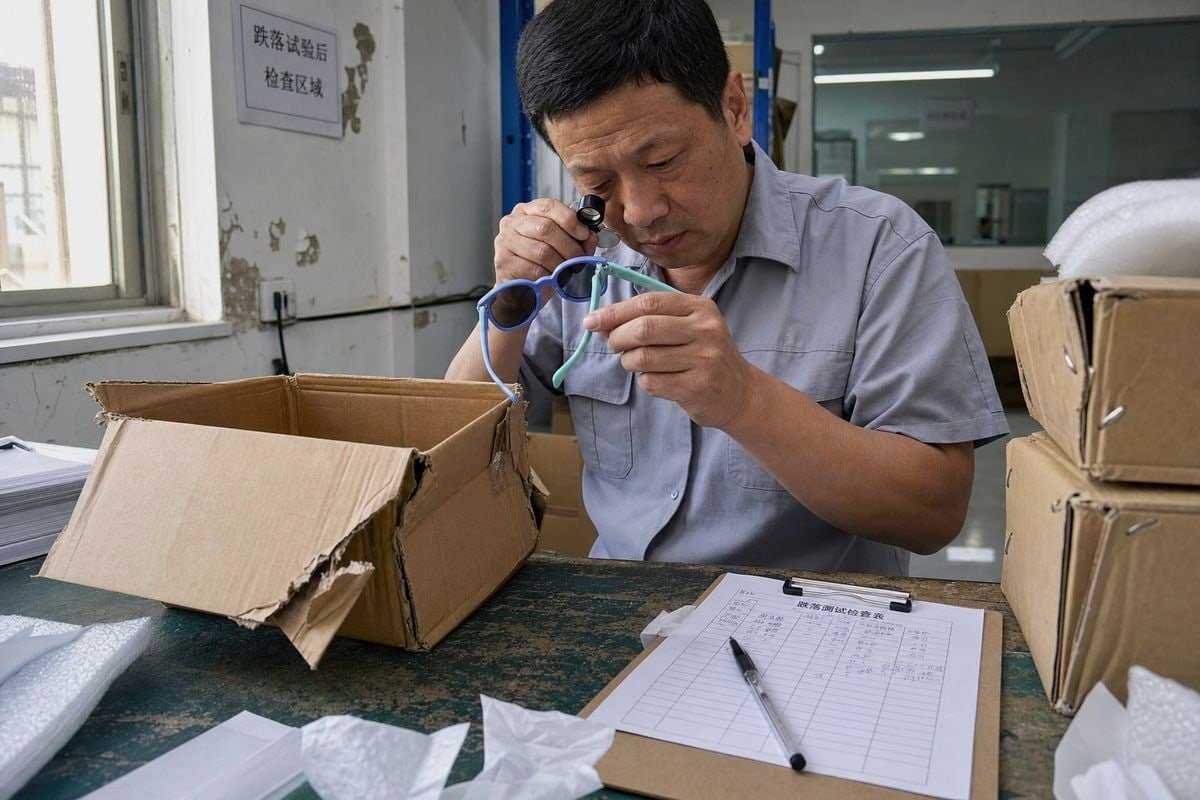
Material choice is only half the story. I have seen thick, heavy boxes fail because the sunglasses rattled around inside, and I have seen lightweight designs pass ISTA 3A comfortably because the insert held the frame perfectly still. Cushioning material performance depends on how well the insert matches the product's shape, not just on how soft it is.
Comparing common material and insert options
| オプション | 強み | Watch-Outs for Kids' Sunglasses |
|---|---|---|
| Corrugated E-flute retail box | Good crush resistance, printable, lightweight | Check burst strength and ECT grade before approving |
| Rigid paperboard gift box | Premium look, strong retail packaging integrity | Heavier; corners still need internal reinforcement |
| Molded pulp insert | Sustainable, recyclable, custom-shaped | Prone to compression creep in high humidity |
| Die-cut cardboard insert | Cheap, recyclable, easy to tool | Rough edges can micro-abrade lens coatings |
| Foam or fabric-lined cradle | Best scratch protection for mirrored lenses | Less sustainable; verify it does not shed fibers |
Design details that quietly decide the outcome
A snug fit is the single biggest durability factor. The frame should not move when you shake the closed box. Vibration during long-distance transit can cause micro-abrasion, and on mirrored gradient lenses like our sport wraparound styles, that shows up as visible hazing on the coating. Soft-touch insert surfaces prevent this. Corner protection comes next, because corners take the worst drop energy. Then closure security: a lid that pops open on impact exposes the product completely. Finally, think about the system. The retail box, the inner carton, and the master carton must fit together with minimal void space, so compression load transfers through the structure rather than through your products. Sustainability pressure is real, and I support it, but thinner paperboard doing a harder job means validation testing becomes more important, not less.
製造業者は量産・出荷前に包装強度をテストしていることをどのように確認できますか?
Buyers visiting our 5S-managed workshop often ask the same smart question: how do I know this testing actually happens when I am not standing here? Fair question, and there are concrete answers.
承認された基準を参照する書面によるテストレポートを要求し、写真またはビデオによる製造前パッケージングの検証を義務付け、品質契約で合格/不合格基準を定義し、最終検査中にISO 2859-1などのロットベースのサンプリングを使用してください。真面目な工場であれば、これら4つの要求すべてを歓迎するでしょう。.
Trust is built through documents and process, not promises. Over fifteen years of OEM/ODM work with children's brands, I have learned that the buyers who get consistent quality are the ones who make testing a formal requirement, in writing, before the deposit is paid.
実用的な検証チェックリスト
| 子供用アイウェアの5段階QC計画 | 要求事項 | 欠落している場合の赤信号 |
|---|---|---|
| 1. Pre-production | BCT and drop test reports on the final packaging design, with named impact resistance standards | Vague claims like "our boxes are very strong" |
| 2. Documentation | Test parameters: sample size, drop test height, platen speed, conditioning method | Reports with results but no methodology |
| 3. Evidence | Photos or video of the tests, plus post-test product inspection photos | Only pictures of intact boxes, never opened ones |
| 4. Sampling plan | ISO 2859-1 style acceptance sampling at final inspection | No defined AQL for packaging defects |
| 5. Product-level check | Lens impact verification separate from packaging tests | Treating one test as covering both |
That last row deserves a clear explanation, because it is a misconception I correct often. Drop-ball testing 7 under FDA guidance addresses the impact resistance of the lenses themselves. It says nothing about whether your carton survives a fall. These are two separate validation problems. A shipment can carry fully compliant lenses and still arrive with crushed boxes, and a bulletproof carton cannot fix a lens that fails product-level requirements. Ask your supplier to show evidence for both. Also insist that packaging tests use production-grade materials, real inserts, and real sunglasses, not empty mock-ups. In our own process, we run transit simulation checks on the first article of the final packed configuration and share the results with the buyer before we release mass production. Any factory serious about long-term partnership can do the same.
結論
Crushed cartons and scratched lenses destroy launches quietly. Validate compression resistance with BCT under ISO 12048 or ASTM D642, prove drop protection with ISTA 3A, and demand documented evidence from your factory.
 English
  Español de México
  Deutsch
  Français
  日本語
日本語  العربية
  Português do Brasil