子供用サングラスサプライヤー向け品質クレームの記録方法
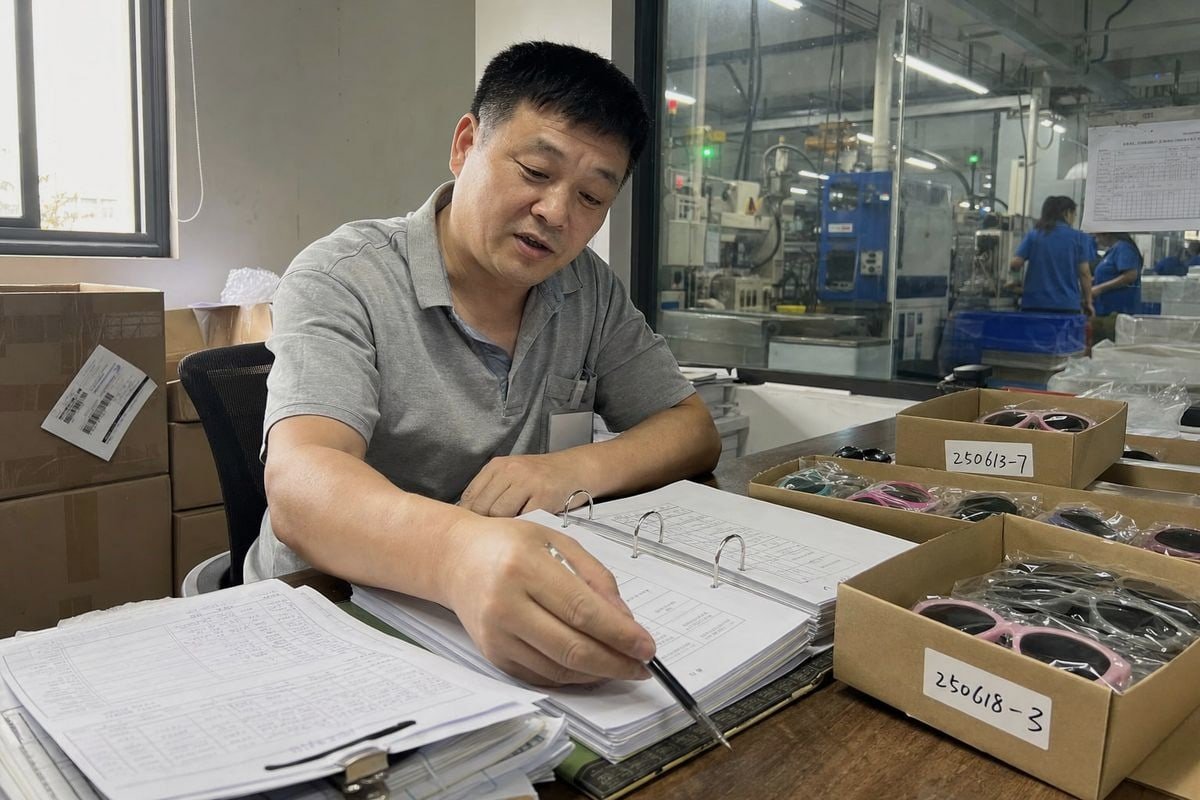
子供用サングラスサプライヤー向けの品質クレームを記録することは、多くのバイヤーがつまずく点です。台州の生産ラインでは、バイヤーが曖昧な「UVカット」の約束を受け入れ、その後税関が実際の証拠を求めたために、注文が数週間遅延するのを見てきました。テストレポートなし、ロット番号なし、トレーサビリティなし。出荷は滞留しました。発売日は遅れました。解決策は簡単です。注文する前に、すべてのクレームを特定の文書に結び付けます。.
子供用サングラスサプライヤー向けの品質クレームを記録するには、UV400および耐衝撃性に関するロット固有のテストレポート、署名された適合宣言書または児童製品証明書、材料安全宣言書、ラベル証明書、およびトレーサビリティ記録を要求します。各クレームをクレームごとのマトリックス内の正確な証拠にマッピングします。.
それは多くの書類仕事のように聞こえます。一度何を求めるべきかを知れば、そうではありません。このガイドでは、各文書、その重要性、および確認方法を順を追って説明します。.
子供用サングラスのサプライヤーに、どのような品質に関する主張を文書化してもらうべきですか?
オーストラリアのバイヤーが、ある工場訪問中に私に賢い質問をしました。「あなたのクレームのうち、実際に書面で証明できるものはどれですか?」その質問は、すべての子供用アイウェア調達プロジェクトの出発点となるべきです。なぜなら、文書のないクレームは単なるマーケティングだからです。.
サプライヤーに5つのクレームカテゴリーを文書化するよう依頼してください:紫外線保護(UV400、数値による透過率結果)、耐衝撃性および光学性能、材料安全性(REACH、フタル酸エステル不使用、ニッケル放出)、フレーム耐久性および子供への適合性、および正しいマーキングとラベリング。各クレームには独自のテストエビデンスが必要です。.
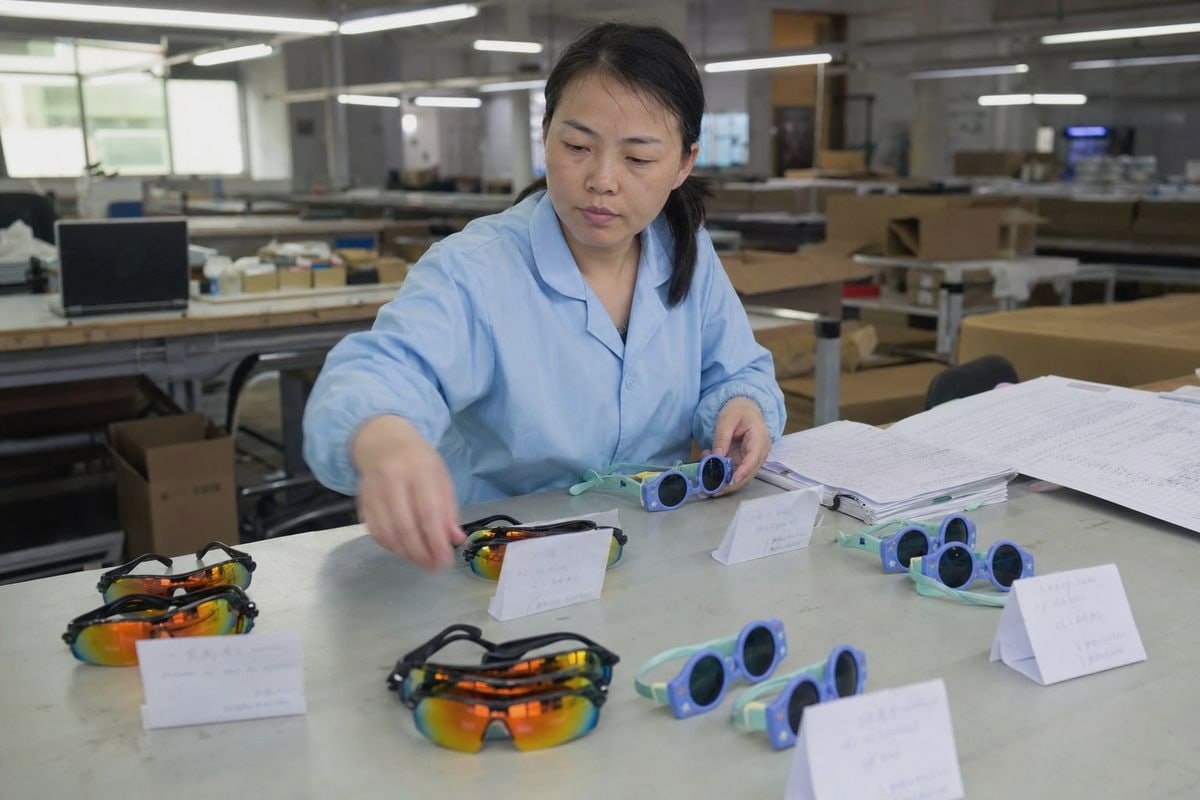
キーアイデアは、「品質」は単一のクレームではないということです。それは個別のクレームの束であり、それぞれに個別の証明が必要です。新しい 追加のカラーラウンド 1 TPEEテンプル付きのものを開発する際には、レンズのクレーム、材料のクレーム、および構造のクレームを3つの異なる証拠ファイルとして扱います。文書を要求する際にも同様に行うべきです。.
マーケティングクレームと実証されたクレームを区別する
マーケティングクレームは「100% UVカット」と言います。実証されたクレームは「EN ISO 12312-1にテストされたUV透過率、バッチXからのサンプル、Y日付のレポート、Zラボ発行」と言います。後者のバージョンのみが、監査、税関保留、または顧客からの苦情を乗り越えます。サプライヤーが「"UV400 2,」、「偏光」、「耐衝撃性」などの言葉を使用するたびに、その言葉の背後にあるテスト方法を尋ねてください。.
主要なクレームカテゴリ
| クレームカテゴリ | サプライヤーが主張すること | それを証明する文書 |
|---|---|---|
| UV保護 | UV400 / 100% UVA-UVB | 数値結果を含むUV透過率テストレポート |
| 光学および衝撃安全性 | カテゴリ、光学パワー、耐衝撃性 | 標準への機械的および光学的なテスト結果 |
| 材料安全性 | フタル酸エステルフリー、BPAフリー、REACH準拠 | 制限物質テストレポート、材料宣言書 |
| フィット感と耐久性 | 柔軟なテンプル、ヒンジの耐久性、堅牢性 | フレームの堅牢性と温度安定性データ |
| マーキングとラベリング | CE/UKCAマーク、警告、輸入業者情報 | 承認されたラベルアートワーク、パッケージ写真 |
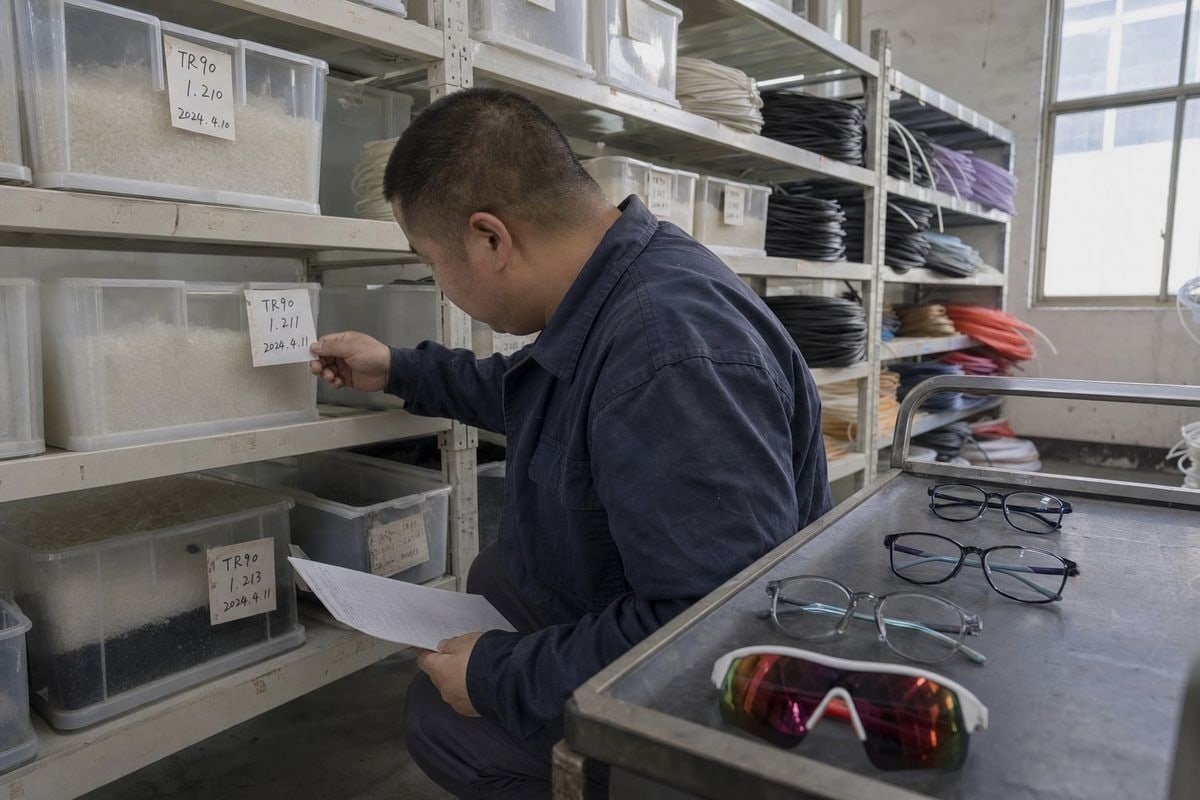
子供用サングラスは、大人用ファッションアイウェアよりも高い文書負担を伴います。子供は製品を乱暴に扱い、テンプルを噛み、リスクを自分で判断できません。だからこそ、私たちは子供用レンジに柔軟なTPEEおよびTR90素材を選択しました。素材の選択自体が安全性のクレームの一部となり、独自の記録が必要です。完成品レポートだけでなく、 材料リスト 3 と材料開示を要求してください。サプライヤーがバッチ間で樹脂グレードを変更し、それをあなたに知らせない場合、古いテストレポートは新しい在庫をカバーしなくなります。.
UV400および衝撃安全性への準拠を証明する証明書およびテストレポートは何ですか?
ほぼすべてのプロジェクトでバイヤーと話し合うトレードオフがあります。一方の市場の基準でテストしてコストを節約するか、複数の基準でテストしてより多くの販売チャネルを開くかです。答えは、子供用サングラスが実際にどこで販売されるかによって異なります。なぜなら、各地域は異なる文書を要求するからです。.
UV400と衝撃安全性は、EN ISO 12312-1(EU)またはANSI Z80.3(US)に準拠した第三者機関のラボレポート、および米国の子供向け製品に対するCPSIAテストと子供向け製品証明書によって証明されています。レポートには、正確なモデル名、レンズタイプ、およびバッチ名を記載する必要があります。.

標準は証明の言語です。標準名を指定せずに「UVテストに合格した」と述べるレポートは、ほとんど価値がありません。20か国以上に輸出してきた経験から、ある市場を満足させる文書パッケージは、調整なしでは別の市場を満足させることはめったにありません。そのため、まず主要な販売先を中心にファイルを作成することをお勧めします。.
標準と市場を一致させる
| 市場 | 主要な標準/規制 | コア文書 |
|---|---|---|
| EU | EN ISO 12312-1 (PPE規則) | テストレポート、技術ファイル、署名された 適合宣言 4, 、CEマーキング証明 |
| 米国 | ANSI Z80.3、, CPSIA 5, 、場合によってはASTM F963 | CPSC認定ラボレポート、, 、またはCPCは、中心となる文書です。米国法では、輸入者または国内製造者が発行する必要がありますが、CPSC認定検査機関からの合格テスト結果に基づいている必要があります。サプライヤーの自己申告に基づいて有効なCPCを発行することはできません。 6, 、追跡ラベルの証拠 |
| イギリス | 指定された規格、UKCA | UKCAマーキング証明、英国適合宣言 |
| オーストラリア/ニュージーランド | AS/NZS 1067.1 | レンズカテゴリー付きテストレポート、ラベリング証拠 |
米国に関する注意点:多くのバイヤーが見落としがちな点として、子供用サングラスは子供向け製品としてCPSIAの対象となる可能性があります。これにより、CPSC認定ラボでの第三者テスト、輸入者が発行する子供向け製品証明書、製品およびパッケージへの永続的な追跡ラベルが必要になります。サプライヤーがCPCについて聞いたことがない場合は、警告の兆候と見なしてください。.
信頼できるテストレポートに含まれるもの
実用的なレポートには6つの要素が含まれます:ラボ名と認定、テスト規格と方法、正確なモデル番号とレンズカラー、サンプル写真、合格基準に対する数値結果、およびテスト日。特にUV400については、「合格」スタンプだけでなく、400nm未満の測定透過率値を探してください。耐衝撃性については、機械的強度結果、および主張する場合は実行された特定の衝撃テストを探してください。UV400および偏光レンズオプションのレポートを作成する際には、常にレポートをサンプル写真に結び付けます。なぜなら、そのリンクは監査担当者が最初に確認するからです。.
SGSなどの認定ラボ、, インターテック 7, 、およびTÜVは信頼性を高めますが、レターヘッド上のブランド名よりも特定のテストの認定が重要です。.
大量注文をする前に、サプライヤーの品質に関する主張をどのように確認しますか?
アイウェア業界で15年間働いてきた初期の頃、取引先が5つの異なるフレームモデルに1つの古いテストレポートを再利用しているのを見て、厳しい教訓を得ました。レポートは本物でした。製品との一致はありませんでした。検証は、文書が存在するかどうかではなく、あなたの正確な製品に一致するかどうかです。.
品質に関する主張を、すべてのレポートを正確なSKU、レンズカラー、バッチに照合し、ラボの認定を確認し、テスト日をコンプライアンスウィンドウと比較し、テストされたサンプルを承認された製造サンプルと比較し、レポートの文言とラベルアートワークをクロスチェックすることで検証し、支払いを発行します。.
検証をマッチング演習と考えてください。あなたは4つのものを関連付けています:主張、レポート、サンプル、そして最終的なラベル付き製品。その連鎖のいずれかのリンクが壊れると、主張も壊れます。.
5段階の検証プロセス
- 同一性の確認をしてください。. レポートにはあなたの正確なモデル、カラー、レンズタイプが記載されていますか?グラデーションミラーシールドレンズとソリッドグレーラウンドレンズは、同じ工場からでも異なる製品です。.
- ラボと方法を確認してください。. ラボはそのテストの認定を受けていますか?方法はあなたの市場の規格に一致していますか?
- 日付とバージョンを確認してください。. レポートは十分に新しいですか?テスト後に製品が改訂されていませんか?材料やコーティングの変更は古いレポートを無効にします。.
- サンプルと生産を比較してください。. レポートのサンプル写真と、あなたのゴールデンサンプルおよび出荷前検査の写真と比較してください。.
- アートワークを確認してください。. パッケージに印刷された主張が、レポートが実際に証明していることを超えていないことを確認してください。.
サプライヤーの書類における赤信号
SKUまたはバッチ識別がない一般的なレポート、根本的なテストデータなしで示される証明書、「UV保護」のような数値結果のない主張、記録のない品質システムの曖昧な説明、および引用されたものとは異なるフレーム素材を説明するレポートに注意してください。バイヤーが私たちのワークショップを監査する際、私たちは彼らが 是正措置記録 8 も要求することを期待しています。15年間で記録された不適合がゼロの工場は、完璧を達成しているのではなく、何かを隠しています。また、生産前サンプルを要求し、 独自の抜き打ち検査. を実行してください。少数の製品に対する独立したUV透過率チェックは、コストが低く、疑問をすぐに解消します。ラボが提供するデジタル証明書検証コードは、お金が動く前に偽造または再利用された文書を検出するのに役立ちます。.
税関および小売業のコンプライアンスのために、どのような書類を保管しておくべきですか?
かつてヨーロッパの調達マネージャーがパニック状態で私にメールを送ってきました。彼女の通関業者は48時間以内に適合宣言を求めていましたが、彼女は見つけることができませんでした。私たちは、すべての注文に対して改訂管理されたファイルを保持しているため、数分で再送しました。その習慣は買い手側にも存在するべきです。.
適合宣言書または児童製品証明書、すべての試験報告書、部品表を含む技術ファイル、ラベルおよびパッケージの証明、バッチトレーサビリティ記録、検査報告書、保管サンプル、および是正措置記録を保管してください。ファイルは、製品の市場寿命プラス数年間保持してください。.
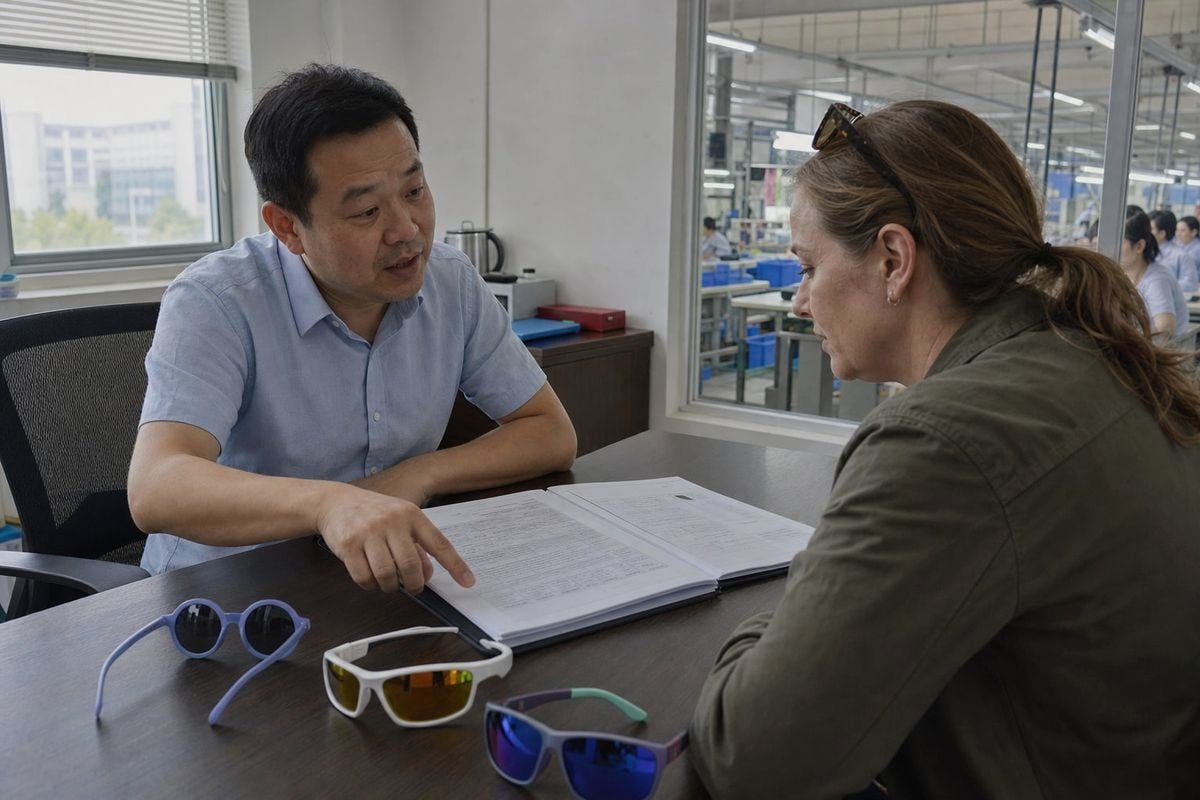
税関職員と小売コンプライアンスチームは異なる質問をしますが、それらは同じファイルから引き出されます。税関は、製品が輸入合法であることを知りたいと考えています。小売業者は、販売しても安全であり、何か問題が発生した場合に追跡できることを知りたいと考えています。1つの整理されたファイルは両方に役立ちます。.
主張ごとのマトリックスを作成する
私が推奨する最も実用的な形式は、各主張をその証拠にリンクするシンプルなマトリックスです。PDFのフォルダを監査準備完了システムに変えます。.
| 製品/パッケージ上の主張 | 証拠文書 | バッチリンク | 所有者 |
|---|---|---|---|
| UV400保護 | UV透過率レポート、ラボ名、日付 | テンプル/カートンのバッチコード | 輸入者QA |
| 耐衝撃性 | 機械的テスト結果、規格参照 | 同じバッチコード | 輸入者QA |
| フタル酸・BPAフリー | 制限物質レポート | 材料ロット記録 | サプライヤー+QA |
| 3歳以上対象 | 年齢区分根拠、警告ラベル証明 | アートワーク改訂番号 | ブランド/法務 |
| CE / UKCA準拠 | DoC署名、技術ファイル参照 | モデル + バッチ | 輸入業者 |
トレーサビリティは、それをまとめる糸です
文書は、テストされたサンプルが安全であったことを証明します。トレーサビリティは、出荷された在庫がテストされたサンプルと同じであることを証明します。サプライヤーにカートン、および可能な場合は製品にバッチコードを適用し、各生産実行から保持サンプルを保管するように依頼してください。私たちの側では、5S管理のワークショップは、まさにこの理由のために、注文ごとに保持サンプルと検査記録を保管しています。バイヤーの小売業者が2年後に質問した場合、記憶ではなく証拠で答えることができます。 検査報告書 および出荷前写真を同じファイルに保管してください。リコールまたは税関の問い合わせが発生した場合、バッチコードは、在庫全体ではなく、1回の生産実行に問題を限定することを可能にします。.
結論
文書化されていない請求は、あなたのブランド、あなたの出荷、そして子供たちの目を危険にさらします。標準固有のレポート、署名された宣言、およびバッチトレーサビリティで各請求を文書化すると、品質は約束ではなく証明可能になります。.


 English
  Español de México
  Deutsch
  Français
  日本語
日本語  العربية
  Português do Brasil