偏光レンズと非偏光レンズの子供用サングラスの選び方

偏光レンズと非偏光レンズの子供用サングラスのどちらを選ぶか、当社の台州工場を訪れる多くのバイヤーを混乱させています。間違った選択をすると、市場が無視する機能に対して過払いしたり、保護が不十分になったりします。.
ビーチ、雪、ウォータースポーツなどの強い日差しの市場には偏光レンズの子供用サングラスを、日常使いや幼児向けラインには非偏光UV400レンズを選びましょう。どちらもUVAとUVB線を同等にブロックします。偏光はまぶしさの軽減を追加するだけなので、レンズの種類をお客様の活動と価格帯に合わせてください。.
それが短い答えです。しかし、実際の製品ラインを構築する際には、詳細が重要になります。それぞれの質問を一つずつ説明します。.
子供用サングラスブランドにおける偏光レンズの本当のメリットとは?
去年の春、オーストラリアのバイヤーから、ビーチ中心のラインで子供が目を細めるというレビューが絶えないのはなぜか、という質問がありました。彼女の注文を 偏光レンズ 1, に交換したところ、苦情はなくなりました。.
偏光レンズは、ブランドにプレミアムなセールスポイントをもたらします。水、雪、砂、舗装からの水平方向のまぶしさをカットし、目を細めることや眼精疲労を軽減し、色のコントラストと奥行き知覚を向上させます。これらは、アウトドアやスポーツに焦点を当てたキッズサングラスコレクションにおいて、より高い小売価格と強力なポジショニングを正当化します。.
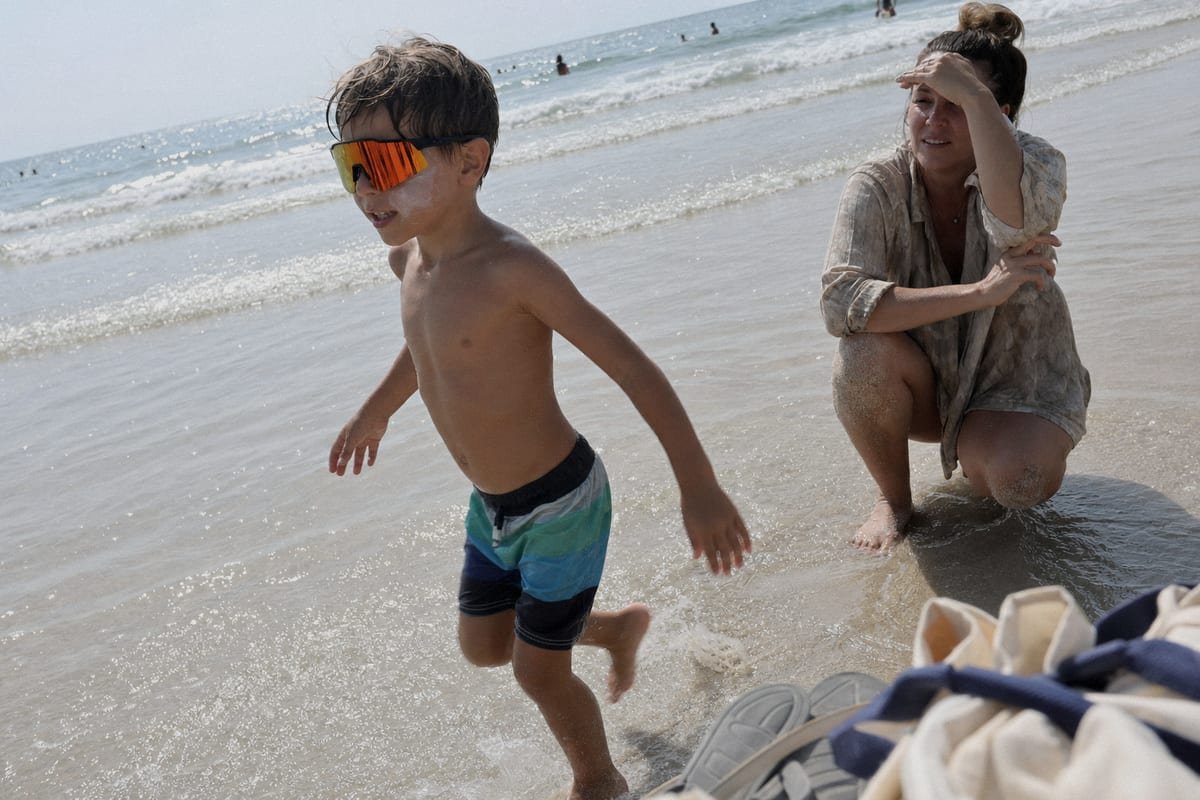
偏光レンズには特殊な垂直フィルターが含まれています。水、雪、濡れた路面などの平らな反射面から跳ね返る光は、水平方向に波打って伝わります。フィルターはその波をブロックします。その結果、サングラスをかけた子供は、より穏やかでクリアな視界を得られます。.
あなたのブランドにとって、利点は3つの領域に分けられます。.
親が気づく快適性のメリット
親はすぐに違いに気づきます。ビーチにいる子供は目を細めなくなります。スキー場にいる子供は目をこすらなくなります。まぶしさが減れば、長時間の屋外活動での 眼精疲労 2 が軽減されます。感覚過敏のある子供を持つ親の中には、偏光レンズが視覚フィルターのように機能し、混沌とした反射のちらつきを和らげると小売業者に伝える人もいます。.
アクティブな子供のためのパフォーマンス上のメリット
偏光光学系は、色のコントラストと 奥行き知覚 3. を向上させます。アウトドアスポーツ(サイクリング、釣り、セーリング)をする子供たちにとって、反応時間が短縮され、より安全に遊べる可能性があります。だからこそ、ミラーオレンジからティールレンズのラップアラウンドモデルのようなスポーツシールドスタイルは、偏光フィルムと非常によく合います。.
小売店でのブランドメリット
| ブランドの優位性 | 偏光がどのように役立つか |
|---|---|
| より高い価格帯 | 偏光は認識されているプレミアム機能です |
| 明確なマーケティングストーリー | "「ビーチでのまぶしさをカットする」は説明しやすいです |
| スポーツラインの信頼性 | パフォーマンスフレームデザインと一致します |
| 特徴 | 他のノベルティサングラスと差別化できます |
私たちの製造現場からの注意点:安価な偏光レンズは、剥離して気泡が発生する可能性のあるラミネート加工された「サンドイッチ」フィルムを使用しています。アクティブな子供たちには、インモールド 偏光ポリカーボネートレンズ 4. をお勧めします。わずかにコストは上がりますが、実際の子供の使用に耐えます。その耐久性は、レビューとリピート率を保護します。.
偏光でないレンズは、お客様が期待するUV400の安全基準を満たしていますか?
新しいブランドクライアントとの最初のビデオ通話で、ほぼ毎回共通の懸念が生じます。親は非偏光レンズを「劣った」保護と見なすでしょうか?私たちのQCデータは、より明確なストーリーを語っています。.
はい。非偏光レンズは、レンズ素材またはコーティングが適切に評価されていれば、UV400規格を完全に満たします。UV400保護は、UVAおよびUVB光線の100%をブロックし、偏光とは完全に独立しています。偏光はグレアを管理するだけで、UV安全性を高めることはありません。.
これは、偏光レンズ対非偏光レンズの議論全体で最も重要な事実です。UV保護はレンズ素材とそのコーティングにあります。偏光は別のフィルター層にあります。これらは異なる仕事をこなす2つの異なる技術です。.
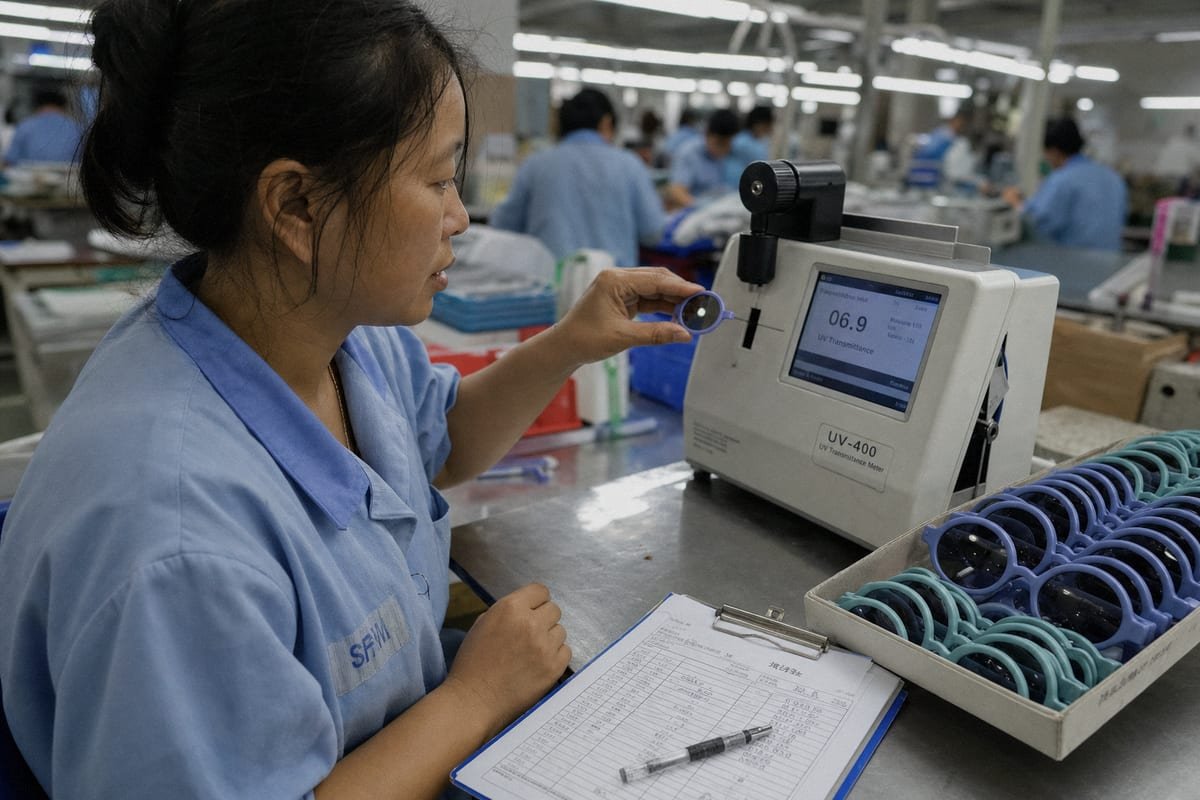
私たちの工場では、すべてのレンズ(偏光かどうかにかかわらず)は UV400認証 6 を通過しなければなりません。入荷検査中にUV透過率計でバッチをテストします。適切な UV400定格 7 を備えた非偏光ポリカーボネートレンズは、最大400ナノメートルの波長をブロックします。これは、発達中の目に完全なスペクトル保護を提供します。.
なぜ非偏光が日常ラインでしばしば選ばれるのか
非偏光UV400レンズには、実際の実際的な利点があります。
- LCD画面の視認性は自然のままです。. 偏光レンズは、タブレット、車のエンターテイメント画面、学習玩具を暗く見せたり、虹色に筋をつけたりすることがあります。非偏光レンズはこれを完全に回避します。.
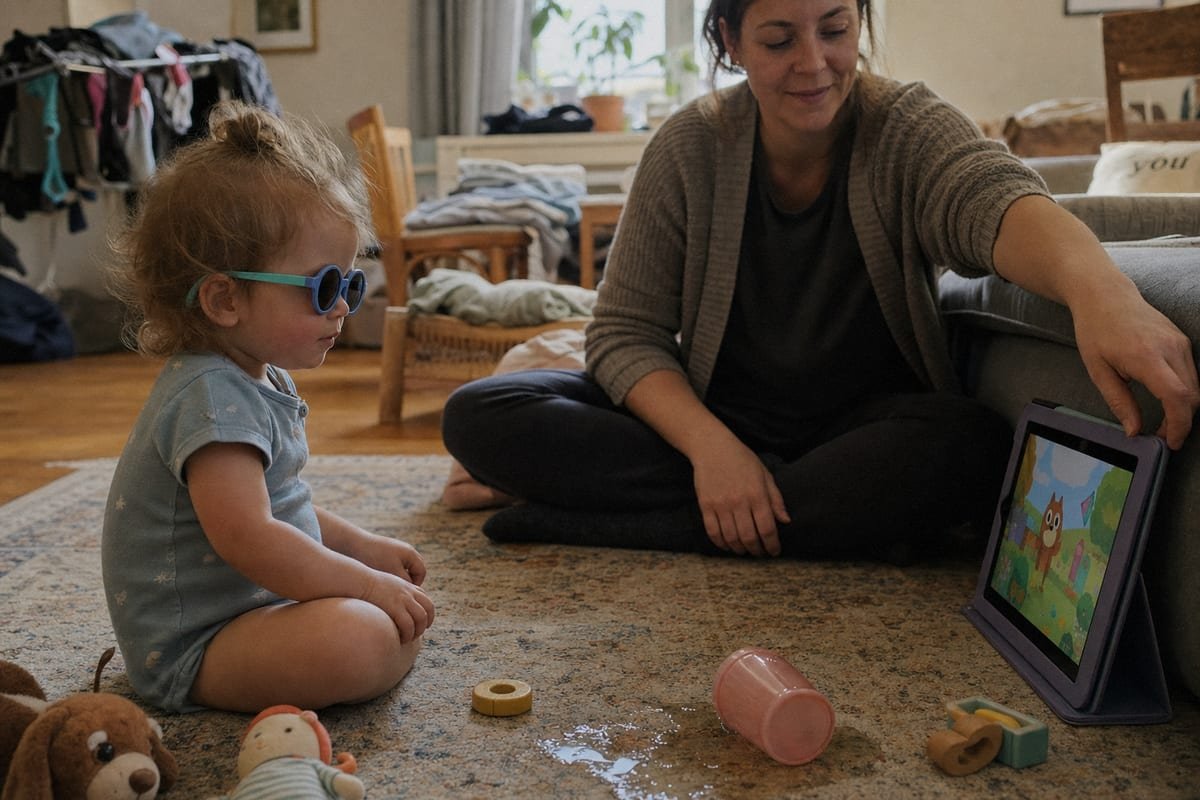
- 若い子供たちにとって、視界は自然に見えます。. 1歳から3歳くらいまでの歩き始めの子供たちは、濡れた床や水たまりのきらめきを見ることから恩恵を受けます。これらの鏡面のようなハイライトは、発達中の脳が滑りやすい表面を認識するのに役立ちます。.
- より低いコスト、同じ安全性。. 公園で必要ないかもしれないまぶしさ軽減機能に費用をかけることなく、子供の目を保護します。.
安全性を実際に決定するものは何ですか
| 安全性要因 | 偏光にかかっていますか? | What It Depends On |
|---|---|---|
| UVA/UVB blocking | いいえ | UV400レンズ定格 |
| 耐衝撃性 | いいえ | Polycarbonate lens material |
| Frame safety | いいえ | Flexible frames (TPEE/TR90) |
| カバレッジ | いいえ | Frame size and wrap |
| まぶしさの軽減 | はい | Polarizing filter |
Lens darkness is not a safety indicator either. A dark lens without UV protection is actually worse than no sunglasses, because it dilates the pupil and lets more UV in. This is why we push every client toward certified UV400 lenses first, and treat polarization as a feature decision, not a safety decision.
ターゲット市場と価格帯に合ったレンズの種類をどのように決定しますか?
Trade-offs like this cross my desk weekly. A Japanese baby brand and a European surf brand both order from us—but they never order the same lens. Their end customers live in different worlds.
お客様の主な用途に合わせてレンズタイプを選びましょう。日常、学校、ベビーカー、幼児市場には、手頃な価格の非偏光UV400レンズが適しています。ビーチ、雪、ボート、スポーツ市場には、小売価格で20〜40%高い偏光レンズが正当化されます。品質に関する思い込みではなく、アクティビティと年齢でセグメント化しましょう。.

Start with one question: where will the child actually wear these sunglasses most days? Not the rarest use case—the most common one. Parents overbuy features constantly, but retailers who guide them well earn trust and repeat sales.
Segment by Age First
Age is the cleanest starting filter:
- 赤ちゃんや幼児(0〜3歳): Non-polarized UV400 almost every time. The priorities here are flexible frames, soft materials, secure fit, and natural vision. Our TPEE frames with rounded, screwless construction dominate this segment for good reason.
- Preschool and early school age (3–7): Either type works. Choose based on climate and lifestyle. A brand selling in coastal Australia leans polarized; a brand selling city-focused everyday wear leans non-polarized.
- Older kids (7–12): Polarized becomes genuinely valuable for water sports, skiing, fishing, and cycling. This is where sport shield frames with mirrored polarized lenses earn their premium.
Then Segment by Environment and Price
| Target Market | Recommended Lens | フレームスタイル | Retail Positioning |
|---|---|---|---|
| Baby/toddler everyday | Non-polarized UV400 | Soft round TPEE, like our periwinkle-blue two-tone | Entry to mid |
| School and play | Non-polarized UV400 | TR90 with flexible temples | ミッド |
| Beach and water | 偏光UV400 | Wrap coverage frames | 中間からプレミアム |
| Snow and sport | Polarized UV400, mirrored | Shield lens sport frames | プレミアム |
Your margin math matters too. Polarized lenses raise your landed cost, but they raise perceived value more. In our experience exporting to twenty-plus countries, buyers who position polarized as a distinct "performance tier" rather than a default spec see healthier margins and less price resistance.
Also weigh the screen question. If your market includes long car trips with tablets, mention LCD screen visibility in your product copy. A non-polarized option answers that concern before parents even raise it.
偏光レンズと非偏光レンズの両方を提供しても、製品ラインが複雑になりませんか?
Years of ODM projects taught our team a hard lesson: complexity kills small brands—but the wrong kind of complexity. Adding a lens option is easy. Adding a new mold is not.
はい、簡単にできます。共有のフレーム金型を使用し、一部のスタイルではプレミアムオプションとして偏光レンズを提供します。偏光はフレームの変更ではなくレンズの選択肢であるため、新しい金型費用を回避し、MOQを管理しやすく保ち、小売業者にとって明確な「良い・より良い」製品の段階を作成できます。.
The key insight is that polarization lives in the lens, not the frame. The same TR90 frame with TPEE temples can carry a standard UV400 lens in one SKU and a polarized lens in another. Same mold. Same fit testing. Same impact resistance standards. Different price tag and story.
At our workshop, we run this exact structure for several clients. They select frames from our library of roughly 800 existing styles—no mold investment needed—then split their range into two tiers:
- Everyday tier: Non-polarized UV400, playful colorways, softer shapes. Think round matte frames in periwinkle and mint. Priced for volume.
- Adventure tier: Polarized UV400, often with mirrored coatings, sportier wraparound silhouettes in black or white. Priced for margin.
Keep the Line Simple With Three Rules
Rule one: limit polarized to your top sellers. Do not polarize everything. Pick two or three hero styles where glare reduction genuinely matters—usually your sport and beach frames.
Rule two: make the tiers visually distinct. Mirrored lens coatings signal "performance" instantly on the shelf. Parents should see the difference before reading the hangtag.
Rule three: unify everything else. Same packaging system, same UV400 claim, same flexible frames and safety story across both tiers. Only the glare-reduction feature and price change. This keeps your supply chain, QC checklist, and retail training simple.
One practical note on ordering: because both lens types fit the same frames, you can adjust the polarized-to-standard ratio between reorders based on real sales data. Test small, then scale what sells. That flexibility is exactly why we encourage new brands to launch from existing tooling before ever cutting a custom mold.
結論
Neither lens type is universally better. UV400 protection is the non-negotiable baseline; polarization is a situational upgrade for glare-heavy environments. Match lens type to your market, tier your line, and both options can coexist profitably.
脚注
1. Background on the physics of light polarization behind the filter technology. ↩︎
2. National Eye Institute resource on protecting eyes from sun-related strain and glare. ↩︎
3. Background concept on how visual clarity affects depth perception in active kids. ↩︎
4. Explains polycarbonate material properties that make durable in-mold lenses possible. ↩︎
5. WHO explains UV radiation health risks that make lens UV protection essential. ↩︎
6. ISO 12312-1 sets the international testing standard for sunglasses UV protection. ↩︎
7. FDA guidance explains what a proper UV400 rating means for sunglasses safety. ↩︎


 English
  Español de México
  Deutsch
  Français
  日本語
日本語  العربية
  Português do Brasil